
The Dangers of Ingesting NonFood Items: Preventing Accidental Swallowing

Welcome to PetCareWorld, your ultimate guide to a happier, healthier life for your beloved pets! Are you aware of the hidden dangers lurking in your home that could be seriously harming your furry friend? Our expert guide on "Pet swallowing nonfood dangers" reveals the shocking truth about common household items that can be deadly if ingested, offering crucial advice to prevent accidental swallowing and ensure your dog's safety. Discover the preventative measures you must take—explore now and safeguard your canine companion's well-being.
- Understanding the Risks of Dogs Swallowing Non-Food Items
- Preventing Accidental Swallowing: Proactive Measures for Pet Owners
- What to Do If Your Dog Swallows a Non-Food Item
- Case Studies: Real-Life Examples of Non-Food Ingestion in Dogs
- Long-Term Strategies for Preventing Future Incidents: A Holistic Approach
-
Frequently Asked Questions
- What are some common non-food items pets might swallow?
- How can I prevent my pet from swallowing non-food items?
- What are the signs that my pet has swallowed something they shouldn't have?
- What should I do if I suspect my pet has swallowed a non-food item?
- Are certain breeds of pets more prone to swallowing non-food items?
- Final Reflection: The Silent Threat of Accidental Ingestion
- Unlock Your Pet's Safety: Prevent Accidental Ingestion Today!
Understanding the Risks of Dogs Swallowing Non-Food Items
Canine curiosity, coupled with an insatiable urge to chew, often leads to the ingestion of non-food items – a significant concern for pet owners. This article delves into the dangers associated with pets swallowing non-food items, focusing specifically on dogs and their propensity for exploring the world through their mouths. We will explore common household hazards, identify potentially toxic substances, and examine the severity of foreign body ingestion, providing you with the knowledge to protect your canine companion from this serious threat.
Understanding these risks is crucial for preventing accidental swallowing and ensuring the safety and well-being of your beloved pet. The consequences of ingesting non-food items can range from mild discomfort to life-threatening emergencies, highlighting the importance of proactive prevention and swift action should an incident occur. This guide provides practical advice and information to help you navigate this common pet-related issue and keep your furry friend safe.
Remember, prevention is always better than cure when it comes to pet safety. Let's explore the specifics of this prevalent "Pet swallowing nonfood dangers" issue.
Common Household Hazards for Dogs: Identifying Potential Threats
Dogs, with their inquisitive nature, often treat their surroundings as a giant chew toy. Many common household items pose significant dangers if ingested. These include, but are not limited to:
- Toys: Small parts from broken toys, especially those containing batteries or small magnets, can cause internal blockages or toxic reactions. Even seemingly harmless toys can become hazardous if chewed into small, easily swallowed pieces.
- Clothing: Socks, underwear, and other items of clothing are frequently swallowed, leading to intestinal obstructions. The fabric can become tangled, causing pain and potentially requiring surgery.
- Household Items: Buttons, coins, rubber bands, hair ties, and even pieces of plastic from packaging represent a constant threat. These seemingly insignificant items can cause severe damage if swallowed.
- Garden Debris: Rocks, sticks, and even plant matter can create intestinal problems. Some plants are also toxic, adding another layer of risk.
- Bones: While some cooked bones might seem like a treat, they can splinter and cause internal damage. Always avoid giving cooked bones to your dog.
The sheer variety of potential hazards emphasizes the importance of regularly checking your home environment for potential dangers and keeping potentially harmful items out of your dog's reach. Regularly assessing your dog's environment is a crucial step in preventing accidents. Even seemingly harmless items can become dangerous if ingested.
Toxic Substances Dogs May Ingest: A Comprehensive List
Beyond physical obstructions, many household substances are toxic if ingested by dogs. This list highlights some of the most dangerous:
- Medications: Human and veterinary medications, if left within reach, can cause serious illness or even death. Keep all medications securely stored away from your pet.
- Cleaning Products: Many cleaning agents, even those marketed as "safe," contain chemicals harmful to dogs. Ingestion can lead to severe burns, organ damage, and other complications.
- Pesticides & Insecticides: These chemicals are highly toxic and should be kept completely out of reach. Exposure, even through ingestion of contaminated surfaces, can have devastating consequences.
- Chocolate: The theobromine in chocolate is toxic to dogs, causing vomiting, diarrhea, and even heart problems. Dark chocolate poses the greatest risk.
- Grapes & Raisins: These seemingly innocuous fruits can cause kidney failure in dogs. Even small amounts can be dangerous.
This list is not exhaustive, and many other substances pose risks. Always err on the side of caution and immediately contact your veterinarian if you suspect your dog has ingested something potentially harmful. Early intervention is crucial in mitigating the effects of poisoning. The severity of the outcome often depends on the amount ingested and the speed of treatment.
The Severity of Foreign Body Ingestion: Factors Influencing Outcomes
The severity of a foreign body ingestion incident depends on several factors:
- Size and Shape of the Object: Larger, irregularly shaped objects are more likely to cause blockages. Sharp objects can puncture the digestive tract.
- Material of the Object: Some materials are more easily digested than others. Indigestible materials, such as plastic, pose a greater risk.
- Location of the Object: Objects lodged in the esophagus or stomach are more immediately dangerous than those further down the digestive tract.
- Dog's Size and Breed: Smaller dogs are more vulnerable to blockages due to their smaller intestinal tract.
- Time Since Ingestion: Prompt veterinary attention increases the chances of a successful outcome.
Symptoms of foreign body ingestion can vary, but may include vomiting, diarrhea, lethargy, loss of appetite, and abdominal pain. If you notice any of these symptoms, seek immediate veterinary attention. Early diagnosis and intervention are key to preventing serious complications and ensuring your dog's recovery. Don't hesitate to contact your veterinarian – their expertise is invaluable in these situations. Remember, your dog's health is paramount.
Recognizing the Signs of Ingestion: Early Detection is Crucial
Recognizing the signs that your dog has ingested a non-food item is paramount. Early detection significantly improves the chances of successful intervention and minimizes potential long-term health complications. The symptoms can vary greatly depending on the object swallowed, its size, and its material composition. Some dogs might show obvious distress, while others might exhibit subtle changes in behavior. Therefore, vigilance and a keen eye for detail are essential.
One of the most common signs is vomiting. This might involve repeated attempts to vomit, or the expulsion of partially digested food mixed with unusual materials. The vomit itself might contain pieces of the ingested object, providing crucial clues for diagnosis. However, it's important to note that not all dogs vomit after ingesting something they shouldn't.
Changes in appetite are another significant indicator. A dog that has swallowed a foreign object might suddenly lose interest in food, becoming lethargic and refusing meals. Conversely, some dogs might exhibit increased thirst or unusual cravings. These alterations in feeding behavior should not be ignored and warrant immediate veterinary attention.
Gastrointestinal distress is another telltale sign. This can manifest as diarrhea, often accompanied by abdominal pain. The dog might exhibit signs of discomfort, such as restlessness, whining, or excessive licking of the abdomen. The stool itself might contain blood or unusual substances, further highlighting a potential problem.
Behavioral changes can also be subtle yet significant. Dogs that have ingested something harmful might become unusually lethargic, withdrawn, or exhibit changes in their usual playful demeanor. They might be less responsive to commands or exhibit signs of general discomfort. A sudden change in personality or behavior should prompt a thorough examination.
Finally, difficulty breathing or choking indicates a severe emergency requiring immediate veterinary care. This is particularly concerning if the ingested object is large or lodged in the airway. In such cases, prompt action is crucial to prevent serious complications or even death. Any sign of respiratory distress necessitates immediate veterinary intervention.
Remember, when in doubt, it's always best to err on the side of caution and seek professional veterinary advice. Early detection and prompt treatment dramatically increase the probability of a positive outcome for your beloved canine companion. Don't hesitate to contact your veterinarian if you suspect your dog has swallowed something it shouldn't have.
Preventing Accidental Swallowing: Proactive Measures for Pet Owners
This section focuses on proactive strategies to minimize the risk of your dog swallowing non-food items, a significant concern for pet owners. Understanding the dangers associated with pet swallowing nonfood items is the first step towards effective prevention. We'll explore practical steps you can take to safeguard your canine companion and create a safer home environment. Remember, prevention is always better than cure when it comes to your pet's health.
Childproofing Your Home for Canine Safety: A Practical Guide
Many items considered hazards for young children pose the same threat to curious dogs. Childproofing your home isn't just for human babies; it's a crucial step in preventing accidental swallowing by your pet. This involves a comprehensive review of your home environment, identifying and removing potential hazards.
Here's a checklist to help you:
- Low-hanging hazards: Examine your home from your dog's perspective. Are there any small objects within reach on low shelves or tables? These could include buttons, coins, toys, or even small batteries. Remove or secure these items immediately.
- Electrical cords: Chewing on electrical cords can lead to serious injury or even death. Secure cords using cord protectors or tuck them away neatly out of reach. Consider using wall mounts for electronics whenever possible.
- Toxic substances: Keep all cleaning products, medications (both human and pet), pesticides, and other chemicals locked away in high cabinets or secured in childproof containers. Even seemingly harmless substances can be toxic to dogs if ingested.
- Sharp objects: Remove or secure any sharp objects such as needles, pins, broken glass, or staples. These can cause internal injuries if swallowed. Regularly sweep and vacuum to prevent accumulation of small debris.
- Household plants: Many common houseplants are toxic to dogs. Research which plants are safe for pets and remove any potentially harmful plants from your home. Consult a veterinarian or a reputable online resource for a comprehensive list of toxic plants.
Remember, even small changes can make a big difference in minimizing the risk of your dog ingesting dangerous items. Regularly inspect your home for potential hazards and adjust your safety measures as needed. This proactive approach significantly reduces the chances of experiencing a pet swallowing nonfood dangers emergency.
Secure Storage of Dangerous Items: Preventing Access for Dogs
Beyond childproofing, specific attention should be paid to storing items that are particularly appealing or dangerous to dogs. This requires more than just putting things out of sight; it necessitates secure storage that can withstand a determined canine's efforts.
Consider these strategies:
- Use locked cabinets and drawers: For items like medications, cleaning supplies, and tools, use cabinets with secure locks that your dog cannot open. Test the security regularly to ensure they remain effective.
- Utilize high shelves: Place items out of reach on high shelves or in areas your dog cannot access.
- Invest in childproof containers: Utilize childproof containers for small items like buttons, beads, or even medications. These containers are designed to resist opening by curious children and pets.
- Secure trash cans: Use trash cans with tight-fitting lids or store them in a location inaccessible to your dog. Food scraps and other items in the trash can be enticing to dogs and can pose a choking hazard.
- Regularly check for vulnerabilities: Regularly inspect your storage solutions to ensure they remain secure and your dog hasn't found a way to access prohibited items.
Training Your Dog to Avoid Non-Food Items: Effective Techniques
While securing your home is crucial, training your dog to leave non-food items alone is an equally important aspect of preventing accidental swallowing. Consistent training can significantly reduce the likelihood of your dog ingesting dangerous objects.
Here are some effective techniques:
- Positive reinforcement: Reward your dog with treats and praise when they leave non-food items alone. This positive reinforcement encourages desirable behavior.
- "Leave it" command: Train your dog the "leave it" command. Start with easy-to-resist items and gradually increase the difficulty. Reward your dog immediately when they successfully ignore the item.
- Supervise playtime: Always supervise your dog during playtime, especially when they are playing with toys or exploring new environments. This allows you to intervene if they show interest in non-food items.
- Provide appropriate chew toys: Provide your dog with plenty of appropriate chew toys to satisfy their natural chewing instincts. This can help redirect their attention away from potentially harmful objects.
- Consistency is key: Consistency is crucial in dog training. Be patient and consistent with your training methods, and your dog will learn to associate non-food items with ignoring and positive reinforcement.
By combining proactive home safety measures with consistent training, you can significantly reduce the risk of your dog ingesting non-food items and ensure their safety and well-being. Remember, a safe home environment and a well-trained dog are the cornerstones of pet swallowing nonfood dangers prevention.
Supervising Your Dog, Especially During Playtime: Constant Vigilance
Constant supervision is paramount in preventing your dog from ingesting non-food items. This is especially crucial during playtime, when excitement levels are high, and judgment might be impaired. Even the most well-trained dogs can succumb to impulsive chewing when presented with an enticing object. Think of it like this: a child might be told not to touch a hot stove, but the allure of the unknown can sometimes override their better judgment. The same principle applies to dogs.
Active supervision goes beyond simply being in the same room. It requires focused attention on your dog's actions. Are they sniffing suspiciously at something on the floor? Are they trying to sneak a toy or object off the table? These are subtle signs that require immediate intervention. If you're busy with other tasks, consider putting away tempting items or confining your dog to a safe space.
The intensity of supervision should be adjusted based on your dog's age and breed. Puppies, for example, are notoriously curious and prone to exploring their environment through their mouths. They require significantly more attention than a mature, well-trained dog. Breeds known for their high prey drive might also need more diligent supervision, as their natural instincts could lead them to chase and swallow small objects.
Consider creating a safe play area for your dog. This could be a designated room with a durable floor, and limited access to potentially hazardous items. Regularly inspect this area to ensure no new dangers have emerged. Even seemingly innocuous items, like small pieces of fabric from a torn toy, can pose a serious risk if swallowed. Remember that your vigilance is the first line of defense against accidental ingestion. A few minutes of careful observation can prevent a costly and potentially life-threatening veterinary visit. Your consistent attention is a vital part of responsible pet ownership.
What to Do If Your Dog Swallows a Non-Food Item
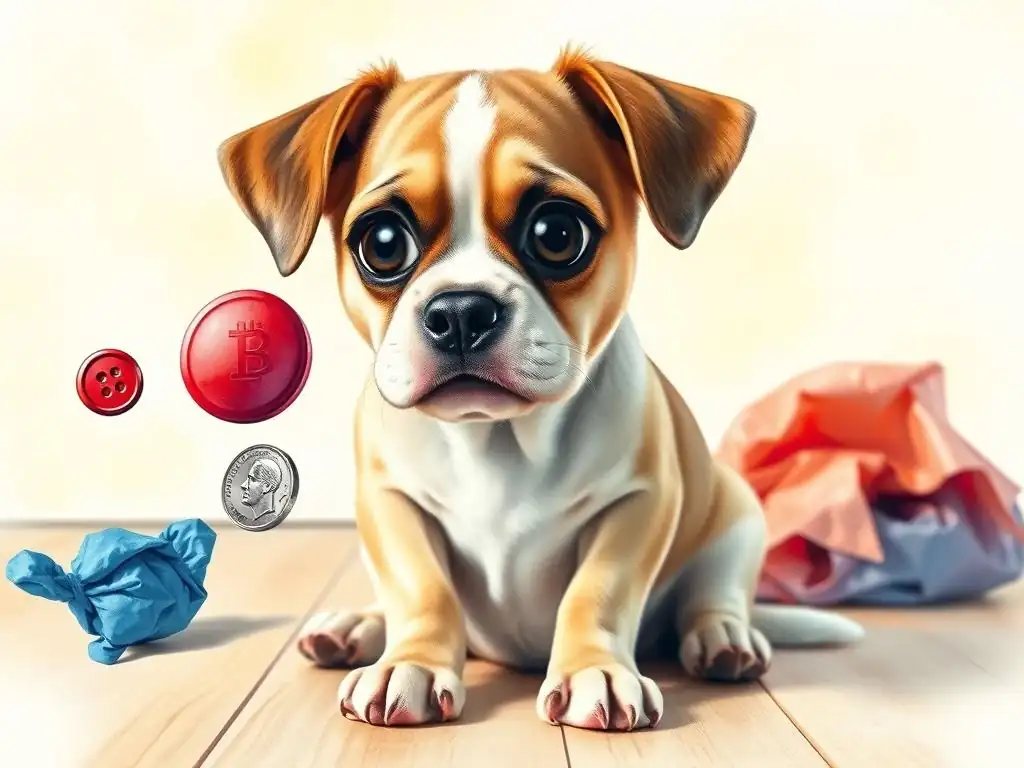
This section addresses the crucial steps to take when your dog ingests a non-food item, a common concern for dog owners. Understanding the immediate actions, when to seek veterinary attention, and the process of emergency veterinary care can significantly impact your pet's outcome. Remember, prevention is key, but swift action is vital in emergency situations. The dangers associated with "pet swallowing nonfood dangers" are real and require a proactive approach.
Immediate Actions to Take: First Aid for Ingestion
The first few minutes after your dog swallows something it shouldn't are critical. Your immediate actions can significantly influence the severity of the situation. First, remain calm. Panic will only hinder your ability to help your dog effectively. Then, carefully assess the situation:
- Identify the object: If possible, determine what your dog swallowed. Knowing the object's size, shape, material (e.g., plastic, metal, wood, fabric), and toxicity is crucial information for your veterinarian. Take a picture if you can safely do so.
- Monitor your dog: Observe your dog closely for any signs of distress. These might include choking, excessive drooling, vomiting, difficulty breathing, lethargy, abdominal pain (indicated by whining or guarding its belly), or changes in bowel movements. Note the time of ingestion.
- Do not induce vomiting: Unless specifically instructed by your veterinarian, do not attempt to induce vomiting. This can be more harmful than helpful, especially with certain objects. For instance, sharp objects could cause further damage during the vomiting process.
- Restrict access: Prevent your dog from accessing any further potentially hazardous items. This might involve childproofing your house, securing trash cans, or removing tempting objects from your dog's reach.
Remember, every second counts. Accurate observation and a calm approach are essential during this initial phase.
Contacting Your Veterinarian: When to Seek Professional Help
Prompt veterinary intervention is crucial when dealing with "pet swallowing nonfood dangers." While some ingested items might pass harmlessly through the digestive system, others pose significant risks. Contact your veterinarian immediately if:
- The object is large or sharp: Large objects can cause blockages in the esophagus or intestines. Sharp objects can puncture the digestive tract, leading to serious internal injuries.
- The object is toxic: Certain materials, like certain types of batteries, medications, or cleaning products, are highly toxic to dogs and require immediate medical attention.
- Your dog shows signs of distress: As mentioned earlier, any signs of choking, difficulty breathing, vomiting blood, lethargy, or abdominal pain warrant an immediate call to your veterinarian.
- You are unsure: When in doubt, always err on the side of caution. Contacting your veterinarian to discuss the situation is always better than waiting and potentially risking your dog's health.
Document the ingested object, the time of ingestion, and your dog's symptoms. This information will be invaluable to your veterinarian. Efficient communication can save valuable time during a veterinary emergency.
Emergency Veterinary Care: Understanding the Process
If your veterinarian recommends emergency care, be prepared for the process. You'll likely need to provide the information gathered earlier: the type of object ingested, the time of ingestion, and your dog's symptoms. The veterinarian will conduct a thorough examination, possibly including X-rays or ultrasound to visualize the object's location and assess any damage.
Treatment options may include:
- Observation: In some cases, the veterinarian might recommend monitoring your dog closely to see if the object passes naturally.
- Surgery: For large, sharp, or toxic objects, surgery might be necessary to remove the object and repair any damage.
- Medication: Depending on the object and your dog's condition, the veterinarian may prescribe medication to help the object pass, manage pain, or address other complications.
The cost of emergency veterinary care can vary depending on the severity of the situation and the necessary procedures. Pet insurance can help alleviate some of the financial burden. Remember, prioritizing your dog's health is paramount; the cost of treatment is secondary to ensuring your pet's well-being. Being proactive and understanding the potential risks associated with "pet swallowing nonfood dangers" is vital for responsible pet ownership. 🐶
Post-Ingestion Monitoring: Long-Term Care and Prevention
Following a successful treatment for non-food ingestion, long-term care and preventative measures are crucial to ensuring your dog's continued health and well-being. This isn't just about avoiding future incidents; it's about understanding the underlying causes of the initial ingestion and addressing them proactively. Many dogs that swallow non-food items do so due to underlying behavioral issues, such as anxiety, boredom, or a lack of appropriate chew toys.
One key aspect of long-term care is regular veterinary check-ups. Even if your dog seems to have fully recovered, a follow-up appointment allows your vet to monitor for any delayed complications and assess the dog's overall health. This is especially important if the ingested object was toxic or posed a significant risk. During these check-ups, discuss any ongoing concerns you may have, such as changes in appetite, bowel movements, or behavior. Early detection of any potential issues can significantly improve treatment outcomes.
Preventative measures are equally important. Addressing the root cause of the non-food ingestion is paramount. If boredom or anxiety is suspected, enrichment activities such as puzzle feeders, interactive games, and increased exercise are vital. Providing a variety of safe and appropriate chew toys can also help redirect your dog's chewing behavior away from potentially harmful objects.
These toys should be durable and sized appropriately for your dog to prevent them from being easily broken down and ingested. Regularly inspect your home for potential hazards, removing anything that could be tempting to your dog. This includes things like small toys, buttons, batteries, and medications, ensuring they are stored securely out of reach.
Consider a behavioral consultation with a certified professional dog trainer or veterinary behaviorist if the ingestion was a result of a behavioral issue. They can help you identify the underlying cause of the problem and develop a tailored behavior modification plan. This plan might involve training techniques, environmental modifications, and potentially medication in severe cases. Remember, a consistent and patient approach is key to success in modifying your dog's behavior.
With proper care and preventative measures, you can significantly reduce the risk of future non-food ingestion incidents and keep your canine companion safe and happy. The goal is not just to react to incidents but to create a safe and stimulating environment that prevents them from happening in the first place. This proactive approach is the best way to ensure your dog's long-term health and happiness. 🐶
Case Studies: Real-Life Examples of Non-Food Ingestion in Dogs
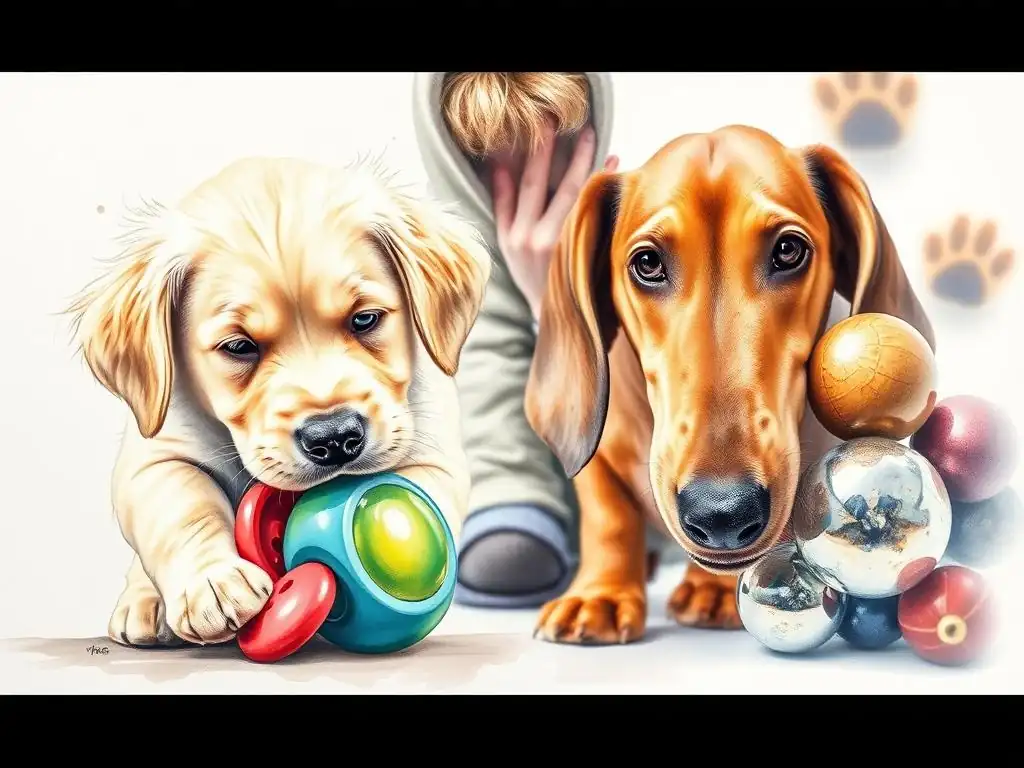
This section details real-world scenarios illustrating the dangers of pet swallowing nonfood items. These examples highlight the diverse range of objects dogs may ingest and the resulting health complications. Understanding these cases emphasizes the importance of preventative measures to safeguard your canine companion. Remember, early intervention is crucial in mitigating potential harm. The severity of the consequences often depends on the size, shape, and material of the ingested object, as well as the dog's size and overall health.
Case Study 1: Breed and Ingested Object
A 2-year-old Golden Retriever named Max ingested a sizeable portion of a rubber toy. The owner noticed Max exhibiting signs of distress: lethargy, vomiting, and abdominal discomfort. X-rays revealed the large rubber fragment lodged in his stomach. Surgery was required to remove the obstruction, preventing potential intestinal blockage or perforation.
Max made a full recovery, but the ordeal underscored the risks associated with leaving toys unsupervised. This case highlights the importance of choosing durable, appropriately sized toys for your dog and regularly inspecting them for damage. Ignoring even small tears can lead to dangerous ingestion of plastic or rubber. The vet's bill, including surgery and post-operative care, was substantial, emphasizing the financial burden of such emergencies.
Case Study 2: Breed and Ingested Object
A 5-month-old Jack Russell Terrier, named Pepper, swallowed several small, smooth stones while playing in the garden. Her owner initially dismissed it as playful behavior, but Pepper subsequently developed vomiting and diarrhea. Veterinary examination confirmed the presence of the stones in her gastrointestinal tract.
While smaller stones might pass naturally, the vet opted for close monitoring and prescribed medication to aid their passage. This case illustrates that even seemingly innocuous objects like stones can pose significant risks, particularly for smaller breeds with potentially narrower intestinal tracts. Regular garden checks and preventing access to areas with potential hazards are essential preventative measures.
Case Study 3: Breed and Ingested Object
A 7-year-old German Shepherd, named Luna, consumed a significant amount of fabric from a discarded sock. This resulted in a partial intestinal obstruction. While surgery was initially considered, the vet initially opted for a conservative approach using dietary adjustments and close observation. Fortunately, the fabric passed naturally after several days, avoiding the need for surgery.
However, this near-miss emphasized the potential for serious consequences and the importance of promptly seeking veterinary attention if you suspect your dog has ingested a non-food item. The incident also highlighted the need for responsible waste disposal to prevent access to potentially hazardous materials. This case underscores the importance of diligent house cleaning and the removal of potentially dangerous items. Even seemingly harmless textiles can cause severe problems if ingested in large quantities.
The cases above demonstrate that "pet swallowing nonfood dangers" are a significant concern for pet owners. Careful supervision, responsible toy selection, and prompt veterinary intervention are vital in preventing potentially life-threatening situations. Remember, prevention is always better than cure. Regularly check your dog's environment for potential hazards and act quickly if you suspect ingestion of a foreign object. Early detection significantly improves the chances of a positive outcome.
Long-Term Strategies for Preventing Future Incidents: A Holistic Approach
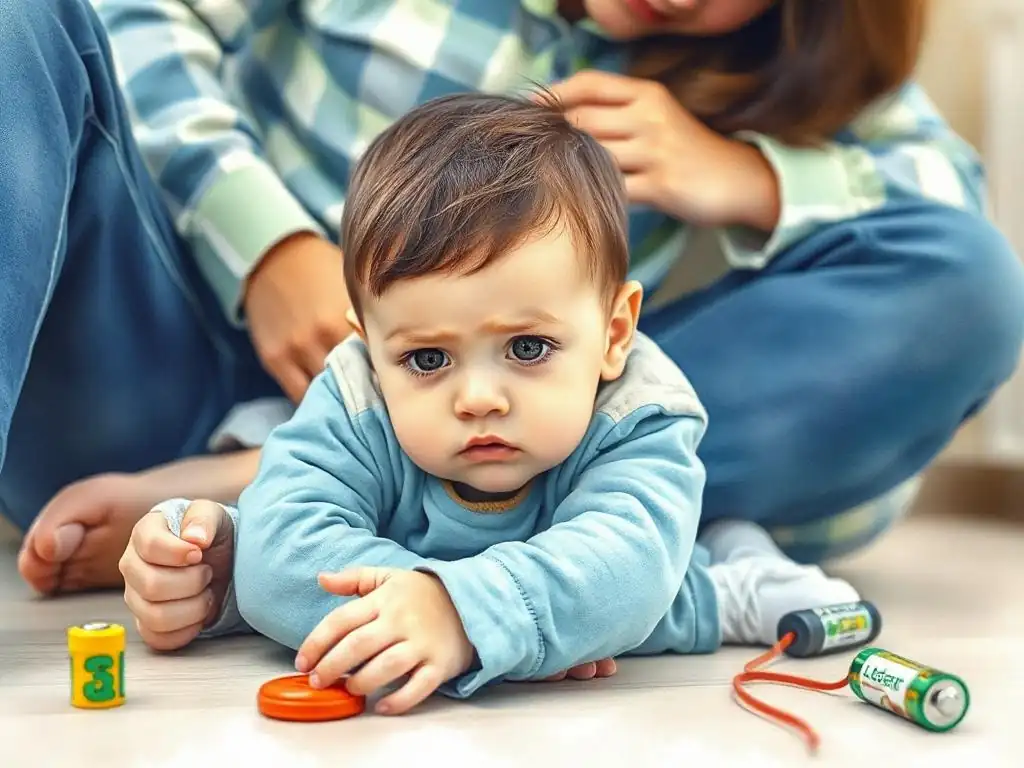
This section focuses on proactive measures to significantly reduce the likelihood of your dog ingesting non-food items. A holistic approach, combining veterinary care, environmental enrichment, and responsible ownership, offers the best long-term protection against this dangerous behavior. Understanding the root causes of pica (the compulsive eating of non-food items) is crucial in developing effective preventative strategies. Ignoring the underlying reasons often leads to recurring incidents, putting your dog's health at considerable risk.
Regular Veterinary Checkups: Importance of Preventative Care
Regular veterinary checkups are paramount in preventing future incidents of your dog swallowing non-food items. Many underlying medical conditions can manifest as pica. For example, zinc deficiency can lead to a craving for unusual substances, while intestinal parasites can cause discomfort and abnormal eating habits. A thorough examination by a veterinarian can identify these issues early, allowing for prompt treatment and a reduction in the likelihood of your dog seeking relief through the ingestion of non-edible objects. This preventative care is not just about treating existing problems; it's about proactively identifying potential risk factors before they escalate.
Beyond identifying medical causes, routine vet visits offer opportunities to discuss your dog's behavior with a professional. They can provide tailored advice based on your dog's breed, age, and individual personality, helping you develop a comprehensive strategy to address chewing and pica. Remember to always be honest and detailed with your veterinarian about your dog's habits, including any instances of non-food ingestion, even seemingly minor ones. This information is vital in forming an accurate assessment and creating an effective treatment plan. Early detection and intervention are key to preventing serious health complications.
Enrichment Activities to Reduce Chewing Behaviors: Keeping Dogs Engaged
A bored dog is a destructive dog. Providing ample mental and physical stimulation through enrichment activities is a cornerstone of preventing your dog from engaging in harmful chewing behaviors, including ingesting non-food items. This strategy tackles the root of the problem—boredom and lack of stimulation—rather than just addressing the symptom. Consider the following:
- Interactive Toys: Puzzle feeders, treat balls, and other interactive toys provide mental stimulation and keep your dog occupied for extended periods. This satisfies their natural instinct to forage and chew, channeling their energy into safe activities.
- Training and Obedience: Engaging your dog in training sessions strengthens your bond and provides mental stimulation. This can significantly reduce destructive behaviors stemming from boredom or anxiety.
- Social Interaction: Regular playdates with other dogs or supervised interaction with trusted humans provide social enrichment, reducing stress and the likelihood of destructive chewing.
- Chew Toys: Provide a variety of safe and durable chew toys specifically designed for dogs. Rotate these toys regularly to prevent boredom. Ensure the toys are appropriately sized for your dog to avoid choking hazards.
The key is to provide a diverse range of activities that cater to your dog's individual needs and preferences. Observe your dog's reactions to different activities to identify what they find most engaging and rewarding. Regularly introduce new toys and activities to prevent boredom and maintain their interest. This proactive approach is far more effective than simply punishing unwanted behaviors.
Creating a Safe and Stimulating Environment: Minimizing Risk Factors
A safe and stimulating environment plays a crucial role in preventing your dog from ingesting non-food items. Careful management of your home can significantly reduce the risk. This involves proactively removing potential hazards and providing safe alternatives. Consider these steps:
- Secure Hazardous Items: Store cleaning supplies, medications, small objects, and anything potentially toxic out of your dog's reach, ideally in locked cabinets or high, inaccessible places. Remember, even seemingly harmless items can pose a serious risk if ingested.
- Regularly Inspect Your Home: Regularly check your home for potential hazards, including loose wires, broken items, and anything your dog could potentially chew on or swallow. A proactive approach is essential.
- Designated Chew Areas: Create designated areas where your dog can safely chew on their toys. This helps to control their chewing behavior and reduces the likelihood of them chewing on inappropriate items.
- Supervise Your Dog: Especially during periods when they are prone to chewing, such as when left alone. Consider using a crate or pen to restrict access to areas containing potential hazards.
By implementing these strategies, you create a safer environment for your dog, reducing the chances of accidental ingestion and promoting a healthier, happier life. Remember, prevention is always better than cure when it comes to protecting your beloved pet. The investment in time and effort to create a safe and stimulating environment is invaluable in safeguarding your dog's well-being and preventing future incidents of "pet swallowing nonfood dangers."
Ongoing Training and Reinforcement: Building Good Habits
Consistent training is crucial in preventing future incidents of your dog swallowing non-food items. It's not a one-time fix; rather, it's an ongoing process of reinforcing good habits and redirecting undesirable behaviors. This involves regularly practicing commands like "leave it," "drop it," and "come." These commands are invaluable tools for preventing your dog from picking up and ingesting potentially harmful objects.
The effectiveness of these commands depends heavily on consistent and positive reinforcement. Reward your dog immediately and enthusiastically when they successfully obey the command, using high-value treats or praise. This positive reinforcement creates a strong association between the command and the rewarding outcome, making your dog more likely to comply in the future.
Remember, consistency is key. Practice these commands in various environments – at home, in the park, and even during walks – to help your dog generalize their learning. Start with easy scenarios and gradually increase the difficulty. For example, begin by having your dog "leave it" with a treat in your hand, then progress to leaving it when you place a treat on the floor.
Finally, work towards having them ignore more tempting objects like dropped toys or seemingly innocuous items. This gradual progression helps to build their confidence and understanding of the command. Don't get discouraged if your dog doesn't master these commands overnight. It takes time, patience, and consistent effort.
Furthermore, incorporating puzzle toys and chew toys into your dog's daily routine can significantly reduce their inclination to explore and ingest non-food items out of boredom or curiosity. Puzzle toys provide mental stimulation, keeping your dog occupied and engaged, while chew toys satisfy their natural chewing instincts in a safe and controlled manner. Choosing appropriate chew toys that are durable and sized correctly for your dog is crucial to prevent them from breaking apart and posing further ingestion risks.
Monitor your dog while they're playing with these toys to ensure their safety and to intervene if necessary. Regularly rotating the toys can also help to maintain their interest and prevent boredom. By providing ample opportunities for appropriate chewing and mental stimulation, you significantly reduce the likelihood of your dog seeking out inappropriate items to satisfy these needs.
This proactive approach strengthens their good habits and minimizes the risk of accidental ingestion. Remember, a well-stimulated dog is a less likely culprit for "pet swallowing nonfood dangers."
Frequently Asked Questions
What are some common non-food items pets might swallow?
Pets can accidentally ingest many things, including toys, household cleaning products, medications, clothing items, and food wrappers. Careful supervision is key to prevention.
How can I prevent my pet from swallowing non-food items?
Secure hazardous items out of reach, supervise your pet closely, especially with new toys or objects. Choose durable, pet-safe toys, and regularly inspect their play areas.
What are the signs that my pet has swallowed something they shouldn't have?
Symptoms can vary, but watch for vomiting, diarrhea, lethargy, loss of appetite, or abdominal pain. Immediate veterinary attention is crucial.
What should I do if I suspect my pet has swallowed a non-food item?
Contact your veterinarian immediately. Try to identify the object swallowed and provide that information to your vet. Do not induce vomiting unless instructed by a vet.
Are certain breeds of pets more prone to swallowing non-food items?
While any pet can swallow something dangerous, puppies and kittens, along with breeds known for their high prey drive, are often more at risk due to their exploratory nature.
Final Reflection: The Silent Threat of Accidental Ingestion
The dangers of pets ingesting non-food items are not merely a veterinary concern; they represent a pervasive and often overlooked threat to animal welfare and family well-being. Every year, countless pets suffer silently, their health compromised by seemingly innocuous objects swallowed in a moment of playful curiosity or accidental mishap. This silent epidemic demands our immediate attention and proactive intervention.
The impact of accidental ingestion extends far beyond the immediate health crisis. It underscores a deeper societal need for responsible pet ownership and a heightened awareness of the environment we create for our beloved companions. The best way to find yourself is to lose yourself in the service of others.
– Mahatma Gandhi. This quote, while seemingly unrelated at first glance, speaks to the responsibility we bear in ensuring the safety and well-being of those dependent on us. Our pets rely on us to anticipate and mitigate risks, making their environment safe and enriching. This responsibility extends to understanding the potential dangers lurking in our homes and proactively preventing accidental ingestion.
Consider the implications of this article. What steps can you take today to make your home safer for your pet? Begin by performing a thorough audit of your home, identifying and removing potential hazards. Educate yourself on the signs of ingestion and seek immediate veterinary attention if you suspect your pet has swallowed something dangerous. Remember, proactive prevention is the most effective medicine. By taking these steps, you are not only safeguarding your pet's health but also strengthening the unbreakable bond you share. Let's work together to create a safer world for our furry friends.
Unlock Your Pet's Safety: Prevent Accidental Ingestion Today!
Thanks for learning about the dangers of pets ingesting non-food items! We hope you gained valuable insights to keep your furry friend safe and healthy. Now, let's put that knowledge into action:
- **Prioritize a thorough home safety check:** Carefully examine your home, removing potential hazards like small toys, buttons, or cleaning products. This single step can significantly reduce the risk of accidental poisoning or injury.
- **Share this vital information:** Spread the word among your pet-owning friends and family by sharing this article on social media. Let's create a safer environment for all pets!
- **Explore further:** Consult your veterinarian or a reputable pet safety website for more detailed guidelines on pet safety and preventing accidental ingestion.
What small changes can you make today to create a safer environment for your beloved pet? Even simple steps can make a big difference.