
Service Dog Training: How to Train Your Dog to Provide Deep Pressure Therapy


Welcome to PetCareWorld, your ultimate guide to a happier, healthier life for your beloved companion! Are you intrigued by the potential of deep pressure therapy for your service dog? Discover how this innovative approach can significantly improve your dog's well-being and strengthen your bond. Dive into our comprehensive guide on training your service dog to provide this invaluable therapy – and unlock a deeper connection with your furry friend.
- Understanding Deep Pressure Therapy and its Benefits for Service Dog Work
- Starting Deep Pressure Therapy Service Dog Training: Initial Steps
- Advanced Deep Pressure Therapy Service Dog Training Techniques
- Integrating Deep Pressure Therapy into Daily Life
- Safety and Ethical Considerations in DPT Service Dog Training
- Seeking Professional Guidance for Deep Pressure Therapy Service Dog Training
- Frequently Asked Questions
- Final Reflection: The Transformative Power of Deep Pressure Therapy Dogs
- Unleash Your Dog's Healing Power: Start Deep Pressure Therapy Training Today!
Understanding Deep Pressure Therapy and its Benefits for Service Dog Work
Deep pressure therapy (DPT), also known as weighted pressure therapy, is a powerful tool increasingly utilized in service dog training for individuals struggling with anxiety, PTSD, and other sensory processing challenges. This article delves into the specifics of training a service dog to provide effective DPT, equipping you with the knowledge and understanding necessary to embark on this rewarding journey.
We will explore what DPT entails, its profound benefits for those in need, and the crucial steps in selecting the right canine companion for this specialized role. Successfully training a service dog for DPT requires patience, consistency, and a deep understanding of both canine behavior and the therapeutic needs of the individual.
This comprehensive guide will walk you through each stage, ensuring you're well-prepared to make a positive impact on someone's life. The goal is to empower you to train a dog that provides not just comfort, but tangible therapeutic relief through carefully applied deep pressure.
What is Deep Pressure Therapy (DPT)?
Deep pressure therapy involves the application of firm, consistent pressure to the body. This pressure can be provided through various means, including weighted blankets, hugs, or, in the case of service dogs, through physical contact such as leaning or lying on the dog. The sensation of this sustained pressure can have a calming and grounding effect on the nervous system. For individuals experiencing anxiety or PTSD, this calming effect can be transformative.
It’s important to understand that the pressure applied must be firm but gentle, avoiding any actions that might be perceived as aggressive or painful by the dog or the recipient. The key is consistent, even pressure that provides a sense of security and reduces feelings of overwhelm. Proper training ensures the dog understands the specific cues and pressure levels required for effective therapy. Improper training can lead to ineffective therapy or even potential injury.
The effectiveness of DPT stems from its impact on the nervous system. The pressure stimulates the release of hormones like oxytocin, known for its calming and bonding effects. Simultaneously, it can reduce the production of cortisol, a stress hormone. 1 This hormonal shift contributes significantly to the reduction of anxiety and stress. Understanding this physiological mechanism is crucial for successful service dog training.
Benefits of DPT for Individuals with Anxiety and PTSD
The benefits of DPT for individuals living with anxiety and PTSD are substantial. Many report a significant decrease in anxiety symptoms, including panic attacks, racing thoughts, and hypervigilance. The consistent pressure provides a sense of security and stability, helping to regulate the nervous system and reduce the intensity of emotional responses. For those with PTSD, DPT can be particularly helpful in managing flashbacks, nightmares, and intrusive thoughts. The comforting weight and presence of the service dog can offer a sense of safety and control, mitigating the overwhelming feelings associated with these traumatic memories.
Studies have shown that DPT is effective in reducing symptoms of anxiety and PTSD in various populations. While specific figures on the effectiveness of DPT with service dogs are still limited, anecdotal evidence and ongoing research strongly support its efficacy. [Specific data on efficacy pending further research]. However, the positive impact reported by individuals and their families is significant and speaks volumes about the potential of DPT provided by a well-trained service dog. The personalized and consistent nature of a service dog’s DPT offers a level of comfort unmatched by other therapies.
Selecting a Suitable Canine Candidate for DPT Service Work
Choosing the right dog is paramount to the success of DPT service dog training. Several key characteristics should be considered:
| Characteristic | Description | Importance |
|---|---|---|
| Temperament | Calm, patient, tolerant, and enjoys physical contact. Must be comfortable with close proximity and gentle pressure. | Crucial for providing effective and safe therapy. |
| Size and Breed | Size should be appropriate for the individual's needs and physical capabilities. Certain breeds may be naturally more suited. | Matches individual needs for weight and pressure. Some breeds are naturally more tolerant and patient than others. |
| Health and Physicality | Must be physically healthy and capable of handling the demands of service dog work, including sustained physical contact. | Ensures the dog can perform its duties consistently and without injury. |
| Trainability | Must possess a high degree of trainability and a willingness to learn and follow commands consistently. | Essential for mastering the specific skills required for DPT. |
The selection process should involve careful assessment of the dog's temperament, physical capabilities, and trainability. Consulting with experienced service dog trainers is highly recommended. The focus should be on finding a dog that possesses the inherent qualities necessary to excel in this specialized role and provide consistent therapeutic support. A well-chosen canine candidate is the cornerstone of a successful DPT service dog partnership.
1 Further research is needed to quantify the exact hormonal changes in this context.
Starting Deep Pressure Therapy Service Dog Training: Initial Steps

Deep pressure therapy (DPT) service dog training requires patience, consistency, and a deep understanding of canine behavior. Before embarking on specialized DPT training, ensure your dog possesses a solid foundation in basic obedience and socialization. This initial phase is crucial for building a strong working relationship and preventing future behavioral issues. Remember, a well-behaved dog is more receptive to learning complex tasks.
Choosing the right breed isn't a guaranteed path to success, but certain breeds known for their calm temperament and sensitivity might be better suited for DPT work. Careful observation and assessment of your dog's personality and temperament are paramount. Consider factors like their tolerance for touch, their response to pressure, and their overall comfort level in various situations. A dog prone to anxiety or aggression will likely struggle with DPT training.
Before introducing the concept of deep pressure, your dog must master fundamental obedience commands. This includes reliable "sit," "stay," "come," "down," and "leave it." These commands form the bedrock of all subsequent training and ensure your dog responds appropriately during therapy sessions. Solid recall is especially crucial for safety and control in various environments.
Socialization is equally important. A well-socialized dog is less likely to react defensively during therapy, which is vital for both the dog's well-being and the recipient of the therapy. Expose your dog to a variety of sights, sounds, people, and environments in a controlled and positive manner. Aim for gradual desensitization to potential stressors to prevent fear-based reactions that could hinder the DPT process.
Early socialization significantly improves the dog's adaptability and reduces the likelihood of unwanted behaviors during therapy sessions. Think of this phase as building a strong, reliable foundation upon which you will build more advanced skills. The time invested here will pay off significantly later in the training process.
Introducing the Concept of Deep Pressure: Gentle Pressure Exercises
Once basic obedience is established, gradually introduce the concept of deep pressure. Start with gentle petting and stroking, gradually increasing the pressure as your dog demonstrates comfort and relaxation. Observe your dog's body language closely. Signs of discomfort include stiffening, yawning, lip licking, whale eye (showing the whites of their eyes), or attempts to move away. If you observe any of these signs, immediately reduce the pressure and try again later.
Use positive reinforcement extensively throughout this phase. Reward calm behavior with treats, praise, and affection. Begin with short sessions to avoid overwhelming your dog. Gradually increase the duration as your dog becomes more comfortable.
A good approach involves using a soft, plush toy or blanket to apply gentle pressure, mimicking the feeling of a weighted blanket. This can help your dog associate the pressure with positive feelings and relaxation. Consistency is key; regular, short sessions are more effective than infrequent, long ones. Remember to always prioritize your dog's comfort and well-being.
Positive Reinforcement Techniques for DPT Training
Positive reinforcement is the cornerstone of effective DPT service dog training. Avoid punishment-based methods, which can create fear and anxiety, hindering the learning process and potentially damaging your relationship with your dog. Instead, focus on rewarding desired behaviors. This includes offering high-value treats, verbal praise, and physical affection whenever your dog performs the desired action, such as calmly accepting deep pressure.
Use a clear and consistent reward system. Your dog should quickly learn to associate specific behaviors with positive reinforcement. Consider using a clicker for precise marking of desired behaviors. The clicker provides immediate feedback, making it easier for your dog to understand what actions are being rewarded.
Remember to vary your reward methods to keep your dog engaged and motivated. Positive reinforcement fosters a strong bond between you and your dog, creating a positive and trusting learning environment crucial for successful DPT training. This approach not only teaches your dog the necessary skills but also strengthens your relationship, making the entire training process more enjoyable and effective for both of you. 🐶
Advanced Deep Pressure Therapy Service Dog Training Techniques
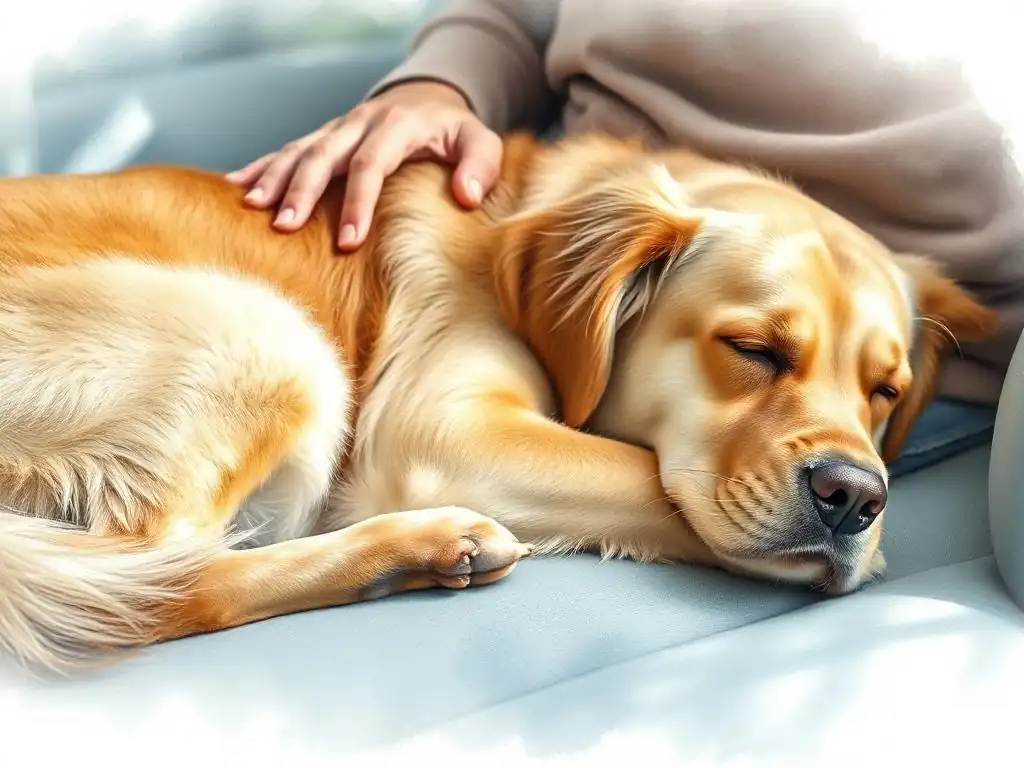
This section delves into advanced techniques for training your service dog to provide effective deep pressure therapy (DPT). We'll move beyond the basics, focusing on refining your dog's skills and ensuring reliable performance in various situations. Remember, patience and positive reinforcement remain crucial throughout this process. Consistent training is key to developing a well-trained DPT service dog.
Teaching Specific DPT Commands and Cues
Teaching precise commands is essential for safe and effective DPT. Instead of a general "give pressure," use specific cues tailored to the desired level and location of pressure. For example:
- "Gentle Lap": For light pressure on the lap.
- "Full Body": For a full-body hug or lean.
- "Side Pressure (Left/Right)": For targeted pressure on one side of the body.
- "Release": A clear signal to stop applying pressure.
These commands should be paired with hand signals for situations where verbal cues might be difficult (noisy environments, for example). Start with short training sessions in a quiet, controlled environment. Use positive reinforcement – treats, praise, and toys – to reward your dog for correct responses. Gradually introduce distractions as your dog masters each command.
Consider using a clicker for precise timing of reinforcement. Remember to gradually increase the duration and intensity of the pressure as your dog becomes more proficient, always monitoring their comfort level. This gradual approach ensures that your dog understands the expectations and performs the task confidently and correctly.
Duration and Intensity Control: Fine-Tuning Your Dog's Pressure
Precise control over the duration and intensity of DPT is paramount. A dog applying too much pressure can be uncomfortable or even painful. Conversely, insufficient pressure may not provide the therapeutic benefits. To achieve this control, introduce the concept of "light," "medium," and "firm" pressure. Use visual aids, like different colored toys or hand signals, to represent each level of pressure.
For example, a green toy could signal "light" pressure, a yellow toy "medium," and a red toy "firm." Initially, you might guide your dog's pressure manually, gently adjusting their position until they achieve the desired level. With repetition and consistent positive reinforcement, your dog will learn to associate the cues with the appropriate pressure levels. Regular practice sessions, incorporating varied durations of pressure application, are crucial for perfecting this skill.
It's important to regularly assess your dog's comfort level throughout the training process. If they exhibit signs of stress or discomfort, reduce the intensity and duration of the pressure and return to an easier level. Regular monitoring and adjustment are key to ensuring the safety and comfort of both the handler and the dog.
Distraction Training: Maintaining Focus in Challenging Environments
A well-trained DPT service dog needs to remain focused and perform reliably even in distracting environments. Start by introducing minimal distractions, such as background noise or movement. Gradually increase the complexity of the environment, incorporating more significant distractions, such as crowds, loud sounds, and other animals. Reward your dog consistently for maintaining focus and correctly applying pressure despite distractions.
Use shaping techniques to gradually build their ability to perform in progressively more challenging settings. Practice in various locations, such as parks, shopping malls, and public transportation. It's crucial to be patient and understand that some dogs may require more time than others to master this skill. Remember to celebrate your dog's successes and provide encouragement throughout the process.
This will build their confidence and help them become a reliable and effective DPT service dog. Remember that safety is paramount – if your dog becomes overwhelmed, end the session and return to a less distracting environment. Regular practice and positive reinforcement are key to success.
Integrating Deep Pressure Therapy into Daily Life

Deep pressure therapy (DPT) for service dogs isn't just about a specific training exercise; it's about seamlessly integrating it into the dog's daily routine and your shared life. Success hinges on consistent, positive reinforcement and understanding your dog's individual needs and limitations. The goal is to create a reliable and comfortable DPT response that your dog can deliver consistently without stress or exhaustion. This requires careful planning and a gradual approach to avoid overwhelming your canine companion. Remember, the aim is to build a positive association with the DPT behavior, not to create a stressful obligation.
Practicing DPT in Various Settings and Situations
To ensure your service dog can provide DPT effectively in diverse environments, practice is crucial. Start in a quiet, controlled setting – perhaps your home – and gradually introduce distractions. This could involve initially practicing with minimal distractions (e.g., a quiet room), then moving to areas with moderate distractions (e.g., a park with few people), and finally, to high-distraction environments (e.g., busy shopping malls).
Each session should be short and positive. Keep track of your dog's performance using a training journal or app. Note the environment, the dog's response (eagerness, hesitation, fatigue), the duration of the DPT application, and any rewards given. This detailed record will help you identify patterns and adjust your training strategy accordingly.
For instance, you might start with 5-minute sessions twice a day, gradually increasing the duration and complexity of the environment. Always end the session on a positive note, even if the dog didn't perform perfectly. Remember to celebrate small victories and reinforce desired behaviors promptly.
A well-trained deep pressure therapy service dog should be able to provide DPT while sitting, lying down, or even standing, depending on the handler's needs and the dog's comfort level. This adaptability is key to making DPT a truly versatile tool. Varying positions during training will ensure your dog is comfortable and capable in different scenarios.
Managing Over-Excitement and Fatigue in Your Service Dog
A common challenge in service dog training, particularly for DPT, is managing the dog's energy levels. Over-excitement can lead to inconsistent pressure application, while fatigue can result in poor performance or even injury. Careful monitoring and proactive management are essential.
- Recognize the signs: Learn to identify signs of over-excitement (e.g., excessive panting, jumping, whining) and fatigue (e.g., lethargy, reluctance to engage, trembling).
- Implement breaks: Schedule regular breaks during training sessions and throughout the day to allow your dog to rest and recharge. These breaks should be in a calm environment, free from distractions.
- Adjust training intensity: Tailor the length and intensity of training sessions to your dog's individual energy levels. Short, frequent sessions are often more effective than long, exhausting ones.
- Hydration and nutrition: Ensure your service dog is well-hydrated and receives a balanced diet to support their physical and mental well-being. Proper nutrition is crucial for sustained energy and muscle function.
- Downtime: Provide ample opportunities for your dog to relax and de-stress outside of training. This could involve playing with favorite toys, going for a leisurely walk, or simply cuddling. A tired dog is often a better-behaved dog.
Ongoing Maintenance and Refinement of DPT Skills
Once your service dog has mastered the basic DPT skills, ongoing maintenance and refinement are crucial to ensure consistent and reliable performance. This is not a one-time training event but a lifelong commitment to building and strengthening your bond with your canine partner.
| Maintenance Activity | Frequency | Benefits |
|---|---|---|
| Short DPT practice sessions | Daily or several times a week | Maintains muscle memory and reinforces positive associations. |
| Environmental diversification | Gradually introduce new settings | Ensures adaptability and reliability in diverse situations. |
| Review and adjust training plan | Weekly or monthly | Allows for adjustments based on your dog's progress and changing needs. |
| Veterinary check-ups | As recommended by your vet | Monitors your dog's physical health and identifies potential issues early on. |
Regular practice, even in short sessions, is key. Consider incorporating DPT into everyday activities, such as watching TV or reading. This will help solidify the behavior and make it a natural part of your routine. Don't hesitate to seek professional guidance from a certified service dog trainer if you encounter challenges or require further refinement of your dog's skills. Remember, consistency and positive reinforcement are the cornerstones of successful service dog training for deep pressure therapy. The bond you build with your dog during this process is invaluable.
Safety and Ethical Considerations in DPT Service Dog Training
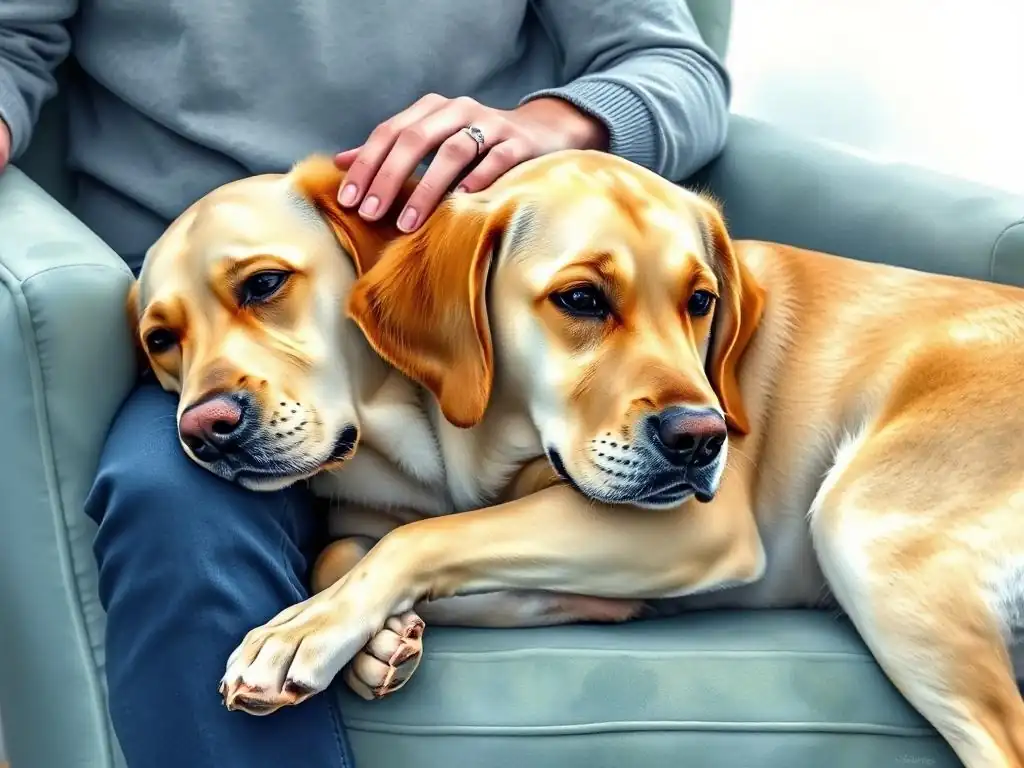
Deep pressure therapy (DPT) service dog training requires a meticulous approach prioritizing the safety and well-being of both the dog and the recipient of the therapy. Ignoring ethical considerations can lead to injury, burnout in the service dog, and ultimately, failure of the therapy. This section details crucial safety protocols and ethical guidelines to ensure a successful and responsible training program. Remember, a well-trained DPT service dog is a vital asset, providing invaluable support and comfort, but only if trained correctly and ethically.
Preventing Injury During DPT Sessions
Preventing injury during DPT sessions is paramount. The pressure applied by the dog must be carefully controlled to avoid causing pain or discomfort. This requires consistent, patient training focusing on gentle pressure application. The dog should be taught to respond to specific cues, such as "gentle pressure," "light pressure," and "release," ensuring the handler maintains complete control throughout the session.
Furthermore, the dog's positioning is critical. The dog must be taught to maintain a stable position while applying pressure, preventing accidental movements that could injure the recipient. We recommend incorporating controlled practice sessions with varying levels of pressure and duration, gradually increasing the intensity as the dog demonstrates proficiency and sensitivity.
Regularly assessing the recipient's comfort level and adjusting the pressure accordingly is also essential. A vital component of injury prevention is ensuring the dog is physically fit and well-conditioned for the demands of DPT work. This includes regular veterinary checkups and a balanced exercise regimen.
Monitoring Your Dog's Physical and Emotional Well-being
A service dog's well-being is inextricably linked to the effectiveness and safety of DPT. Regular monitoring of the dog's physical and emotional state is crucial. Physical indicators to watch for include signs of fatigue, such as lethargy, decreased appetite, or stiffness. Pay close attention to their gait and posture for any changes indicating pain or discomfort. Emotional well-being is equally important.
Signs of stress or anxiety might manifest as excessive panting, yawning, lip licking, or changes in behavior. These indicators necessitate a reduction in training intensity or duration, ensuring the dog isn't pushed beyond its limits. Implementing a robust reward system is essential to maintain the dog's motivation and prevent burnout. Positive reinforcement, breaks, and playtime help keep the training engaging and enjoyable for the dog.
Remember, a happy and healthy dog is a more effective and reliable service dog. Regular veterinary check-ups are essential for early detection of any potential issues. Consider keeping a detailed training journal, noting daily progress, any observed issues, and adjustments made to the training plan. This detailed record helps to monitor your dog's well-being over time and allows for proactive interventions.
Responsible Handling and Communication with Others
Responsible handling extends beyond the DPT sessions themselves. Proper leash handling and control are essential in public settings. The dog should be trained to remain calm and focused even in distracting environments. The handler must be prepared to communicate effectively with others about the dog's role and the nature of DPT.
Clearly explaining the therapy and the dog's function can alleviate concerns and prevent misunderstandings. This includes carrying appropriate identification for your service dog and being prepared to answer questions politely and confidently. It’s crucial to be aware of local laws and regulations regarding service dogs and ensure compliance with all relevant guidelines. Educating the public about service dogs and DPT can help foster a more understanding and supportive community.
Furthermore, training the dog to ignore distractions and maintain focus during therapy is paramount. This necessitates a gradual desensitization process, introducing progressively more challenging environments while ensuring the dog remains calm and controlled. Remember, a well-trained and well-behaved DPT service dog not only benefits the recipient but also contributes to a more positive public perception of service animals.
Seeking Professional Guidance for Deep Pressure Therapy Service Dog Training
Deep pressure therapy (DPT) is a powerful tool for managing anxiety and sensory overload, and training a service dog to provide DPT requires specialized knowledge and consistent effort. While many resources exist to guide you, it's crucial to understand the limitations of self-training, especially when dealing with a complex task like DPT service dog training. Attempting to train your dog without professional guidance can lead to ineffective techniques, behavioral issues in your dog, and ultimately, a lack of success in providing your needed support.
A well-trained DPT service dog is a significant investment of time, effort, and emotional energy. Cutting corners can compromise both your well-being and your dog's.
Finding Qualified Service Dog Trainers
Locating a reputable service dog trainer experienced in DPT is paramount. Not all trainers are equipped to handle the nuances of this specialized training. Look for trainers with proven success stories, verifiable credentials, and positive client testimonials. Avoid trainers who promise quick fixes or use aversive training methods. A good trainer will prioritize your dog's well-being and will work closely with you to develop a training plan tailored to your specific needs and your dog's capabilities. Consider these factors when researching potential trainers:
- Certifications and Accreditations: Search for trainers affiliated with reputable organizations specializing in service dog training. These organizations often have strict standards and provide ongoing professional development opportunities for their members.
- Training Methods: Inquire about their training philosophy. Positive reinforcement methods are crucial for building a strong bond between you and your dog, and for avoiding stress and anxiety in the learning process. Avoid trainers who utilize punishment-based methods.
- Experience with DPT: Explicitly ask about their experience training service dogs for DPT. This is a specialized skill and requires a deep understanding of canine behavior and human needs.
- References and Testimonials: Request references and read testimonials from past clients. This will give you valuable insight into the trainer's effectiveness and their approach to training.
Importance of Veterinary Checkups and Ongoing Care
Throughout the DPT service dog training process, regular veterinary checkups are essential. The physical demands of DPT, even with proper training, can put strain on your dog's body. Regular checkups help to identify and address any potential physical issues early on. These checkups are not just about physical health; they also contribute to your dog's overall well-being and ability to perform its duties effectively. Consider these aspects of veterinary care:
- Joint Health: DPT involves applying significant pressure, potentially impacting your dog's joints. Regular checkups can help detect early signs of arthritis or other joint problems.
- Muscle Strain: Repeated pressure application can strain muscles. Your veterinarian can monitor your dog's muscle condition and recommend preventative measures.
- Behavioral Indicators: Changes in your dog's behavior, such as lethargy or reluctance to perform DPT, could indicate underlying health problems. Your veterinarian can help identify the root cause.
- Nutritional Needs: A service dog engaged in DPT requires a balanced diet to support its physical demands. Your veterinarian can advise on proper nutrition.
Resources and Support for Service Dog Handlers
The journey of training a DPT service dog is often challenging, but you're not alone. Numerous resources and support networks are available to assist you throughout the process. These resources can provide valuable information, guidance, and a sense of community. Consider exploring:
- Online Forums and Communities: Connect with other service dog handlers online to share experiences, seek advice, and find support.
- Support Groups: Local or online support groups can offer a valuable sense of community and shared understanding.
- Service Dog Organizations: Many organizations offer resources and support specifically for service dog handlers. They may provide information on training, legal rights, and access.
- Therapists and Counselors: A therapist or counselor can provide emotional support and guidance as you navigate the challenges of service dog training and living with a disability.
Remember, patience and persistence are key. With proper guidance, consistent training, and ongoing veterinary care, you can successfully train your dog to provide valuable deep pressure therapy, significantly improving your quality of life. 🐕🦺
Frequently Asked Questions
What is deep pressure therapy (DPT)?
Deep pressure therapy is a technique using firm, gentle pressure to calm and soothe individuals experiencing anxiety, stress, or sensory sensitivities. For service dogs, this often involves the dog lying on or leaning against their handler. It's a non-invasive and natural calming method.
How can my service dog learn to provide DPT?
Training involves positive reinforcement techniques like rewarding your dog for calm behavior and gentle physical contact. Gradually increase the duration and pressure of the contact, always ensuring your dog is comfortable. Professional guidance is highly recommended.
Is every dog suitable for DPT training?
No, not all dogs possess the temperament and physical capabilities required. Dogs need to be calm, patient, and tolerant of physical closeness. Breed is not a determining factor, but personality and training are crucial.
How long does DPT service dog training take?
The training time varies greatly depending on the dog's learning pace and the handler's commitment. It can range from several months to a year or more. Consistent, patient training is key to success.
Where can I find a professional to help train my service dog for DPT?
You can search online for certified service dog trainers experienced in DPT. Check their credentials and experience, and consider requesting references. Local veterinary professionals might also offer recommendations or referrals.
Final Reflection: The Transformative Power of Deep Pressure Therapy Dogs
The need for accessible and effective therapeutic interventions is more critical than ever, and the role of deep pressure therapy service dogs in addressing this need is rapidly expanding. These remarkable animals offer a unique and powerful form of support, providing comfort and solace to individuals struggling with a wide range of challenges, from anxiety and PTSD to autism and sensory processing disorders. Their impact is undeniable, and their potential is only beginning to be fully realized.
Witnessing the profound bond between a handler and their deep pressure therapy service dog is truly moving. The unwavering support, the gentle pressure, the unconditional love – these are not just elements of training; they are the foundation of a deeply meaningful relationship. The dog is a symbol of unwavering loyalty and unconditional love, a constant source of comfort in a world that can often feel overwhelming.
This quote encapsulates the essence of what these dogs provide, extending far beyond simple physical pressure to encompass emotional and psychological well-being. The impact on families and communities is immeasurable, fostering a greater understanding of the power of animal-assisted therapy.
Consider the possibilities. Imagine the comfort a deep pressure therapy dog could bring to your life, or the life of someone you love. You have the power to make a difference. Whether you are considering training your own dog, supporting organizations dedicated to service dog training, or simply raising awareness about this vital therapeutic approach, your contribution can help expand access to this life-changing support. Let us work together to ensure that the transformative power of deep pressure therapy dogs reaches those who need it most.
Unleash Your Dog's Healing Power: Start Deep Pressure Therapy Training Today!
Thank you for learning about the incredible benefits of deep pressure therapy for your dog! You've discovered a powerful way to strengthen your bond and improve both your and your canine companion's well-being. Now it's time to put this knowledge into practice.
- Begin your dog's deep pressure therapy training today! Start with the foundational exercises described in this article and gradually build upon them, focusing on positive reinforcement and consistent practice. Remember, patience and consistency are key.
- Share your progress and challenges with other dog owners! Connect with our supportive PetCareWorld community. Learn from others' experiences and share your own – together we can build a network of success.
- Enhance your skills and knowledge. Consider exploring additional resources on canine behavior and therapy dog training. Online courses and relevant forums are excellent places to start.
Ready to transform your relationship with your dog and unlock their amazing therapeutic potential? What's the first step you'll take to begin training?