
Draft Breeds: Strength Training and Conditioning for Working Pups

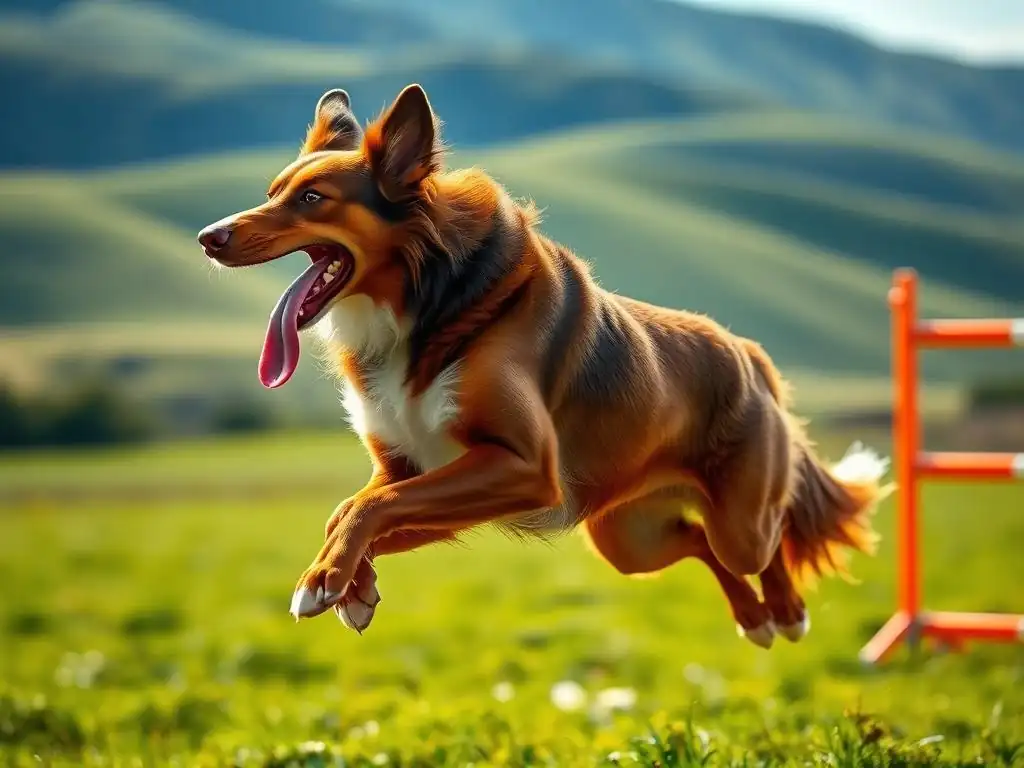
Welcome to PetCareWorld, your ultimate guide to a happier, healthier life for your beloved companion! Are you ready to unlock your working dog's full potential? Discover the secrets to building strength and endurance with our expert guide on Working Dog Strength Training. Learn the techniques and strategies to safely and effectively condition your canine athlete, ensuring peak performance and a long, healthy career. Dive in and explore the world of canine fitness!
- Understanding Working Dog Strength Training Needs
- Building a Foundation: Essential Exercises for Working Dogs
- Advanced Strength Training Techniques for Working Dogs
- Conditioning for Working Dogs: Stamina and Cardiovascular Fitness
- Nutrition and Recovery for Working Dog Strength Training
- Monitoring Progress and Adjusting Training Plans
- Common Mistakes to Avoid in Working Dog Strength Training
- Resources and Further Learning on Working Dog Fitness
-
Frequently Asked Questions
- What is the purpose of strength training for working dogs?
- Are all draft breeds suitable for strength training?
- What kind of exercises are appropriate for strength training working dogs?
- How often should I strength train my working dog?
- Where can I find more information on safe and effective strength training for my working dog?
- Final Reflection: Forging Stronger Bonds Through Fitness
- Unleash Your Pup's Inner Athlete!
Understanding Working Dog Strength Training Needs
Working dogs, unlike their purely companion counterparts, require a specialized approach to fitness. Their roles—be it search and rescue, police work, herding, or assisting individuals with disabilities—demand peak physical condition, strength, and endurance. This article delves into the crucial aspects of strength training and conditioning for working dogs, emphasizing the importance of breed-specific considerations and age-appropriate programs to ensure the well-being and optimal performance of these incredible animals.
We'll explore how to assess your dog's individual needs, identify potential limitations, and develop a tailored training regimen that maximizes their capabilities while minimizing the risk of injury. Proper strength training for working dogs isn't just about building muscle; it's about fostering resilience, preventing injuries, and prolonging their active working lives. This comprehensive guide will empower you to support your canine partner's physical well-being and ensure they remain at the top of their game.
Assessing Your Working Dog's Breed and Role
Understanding your working dog's breed is paramount in designing an effective strength training program. Different breeds possess distinct physical attributes and predispositions. For example, a German Shepherd, known for its agility and stamina, will have different training needs compared to a powerful, stocky Mastiff. The specific demands of the dog's work role also play a crucial part. A search and rescue dog needs explosive power and endurance, while a herding dog requires agility and stamina over long periods.
Consider these factors when assessing your dog:
| Breed | Typical Strengths | Potential Weaknesses | Role-Specific Needs |
|---|---|---|---|
| German Shepherd | Agility, stamina, intelligence | Hip and elbow dysplasia | Endurance, agility, explosive power |
| Labrador | Strength, endurance, friendly disposition | Obesity, hip dysplasia | Strength, endurance, retrieving ability |
| Belgian Malinois | Agility, speed, intelligence, high drive | Hip and elbow dysplasia, anxiety | Agility, speed, stamina, obedience |
| Rottweiler | Strength, protective instincts | Hip and elbow dysplasia, weight management | Strength, obedience, protective skills |
| Border Collie | Agility, stamina, intelligence, herding instinct | Eye problems, hip dysplasia | Agility, stamina, herding skills |
To create a truly effective program, you must carefully consider these breed-specific characteristics and tailor the exercises and intensity to match your dog's capabilities and the demands of their work. Ignoring these factors can lead to injury or suboptimal performance. Remember to consult with a veterinarian or canine professional for personalized guidance.
Identifying Potential Physical Limitations and Strengths
Before embarking on any strength training regimen, a thorough veterinary checkup is essential. This will help identify any pre-existing conditions, such as hip or elbow dysplasia, which could be exacerbated by improper training. Identifying these limitations allows you to modify the program to avoid putting undue stress on vulnerable areas. This proactive approach is crucial for preventing injuries and ensuring the long-term health of your working dog. 💎
Beyond identifying weaknesses, it's equally important to recognize your dog's strengths. Some dogs may naturally excel in certain areas, like jumping or pulling, while others may be more adept at tasks requiring precision and control. Building upon these strengths can enhance their performance and boost their confidence. A well-rounded program should incorporate exercises that target both strengths and areas needing improvement, creating a balanced and effective training plan. For example, a dog with naturally strong legs might benefit from exercises focused on upper body strength to improve overall balance and coordination.
The Importance of Age-Appropriate Training Programs
Just like human athletes, working dogs need age-appropriate training programs. Puppies, for example, have developing bones and joints, requiring a focus on gentle exercises that promote healthy growth. Avoid high-impact activities and excessive weight-bearing exercises during their formative years. Adult working dogs in their prime can handle more intense training, focusing on building strength and endurance. Senior dogs, however, require a gentler approach, focusing on maintaining fitness and preventing age-related decline. Ignoring these age-related considerations can lead to serious injuries.
Remember, consistency and gradual progression are key to success. Start slowly and gradually increase the intensity and duration of exercises as your dog's fitness improves. Regular veterinary check-ups and monitoring for signs of fatigue or injury are essential throughout the training process. Always prioritize your dog's well-being above all else. 🐕🦺
Building a Foundation: Essential Exercises for Working Dogs
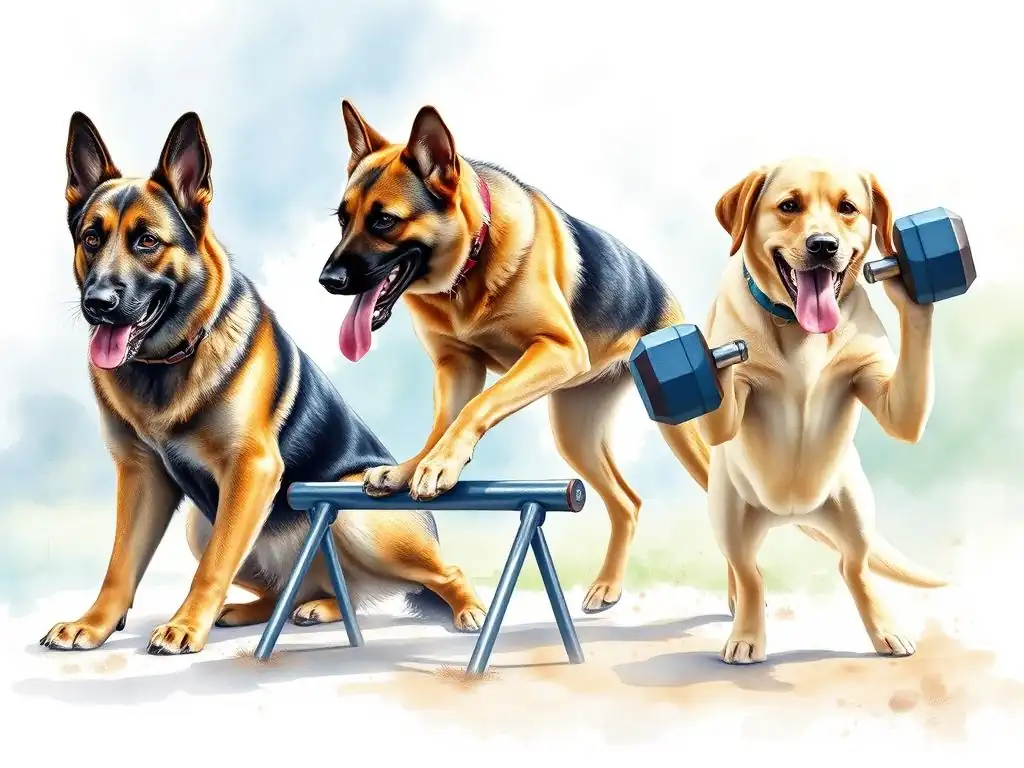
This section focuses on establishing a robust foundation of strength and conditioning for your working dog. Remember, before starting any new training regimen, consult your veterinarian to ensure your dog is healthy enough to participate. Proper preparation prevents injuries and maximizes the benefits of your training efforts. We'll explore key exercises crucial for building the strength and endurance needed for various working dog disciplines. Consistent, gradual progression is key to avoiding overtraining and promoting long-term fitness. Remember, "working dog strength training" is a process, not a race.
Core Strength Training for Enhanced Stability and Power
A strong core is paramount for working dogs, providing stability, power, and injury prevention. Exercises focusing on the core muscles (abdominal and back muscles) are crucial. These exercises improve balance, agility, and the ability to handle demanding tasks. We'll explore some effective methods:
- Plank Variations: Start with a basic plank, holding for increasing durations (begin with 10-15 seconds and gradually increase). Progress to variations like forearm planks and side planks to challenge different muscle groups. Remember to maintain proper form to avoid injury. Observe your dog carefully; if they show signs of fatigue or discomfort, shorten the duration or stop the exercise.
- Downward Dog: This yoga-inspired pose strengthens the back and core muscles. Guide your dog into a downward-facing dog position, ensuring their back is straight and their hips are high. Hold for short periods initially, gradually increasing the duration as their strength improves. This exercise improves flexibility and core stability simultaneously.
- Sit-to-Stand: This simple yet effective exercise engages multiple muscle groups, including the core. Encourage your dog to sit and then stand repeatedly, focusing on controlled movements. Start with a small number of repetitions and gradually increase the number as your dog's fitness improves. This exercise mimics many of the movements involved in their work.
- Swimming: This low-impact exercise is excellent for building core strength and cardiovascular fitness. Supervise your dog carefully, ensuring a safe and controlled environment. Swimming engages the entire body, particularly the core muscles, while minimizing stress on joints.
Developing Muscle Endurance for Peak Performance
Endurance training builds stamina and resilience, essential for working dogs facing prolonged or strenuous tasks. Consider these approaches:
- Low-Impact Cardio: Activities like long, slow walks or runs on even terrain build cardiovascular fitness without excessive strain on joints. Gradually increase the duration and intensity of these sessions. Monitor your dog for signs of fatigue or overheating.
- Interval Training: Alternate periods of high-intensity activity with periods of rest or low-intensity activity. This method improves both cardiovascular fitness and muscular endurance. For example, you might alternate between short bursts of running and walking. Always prioritize your dog's well-being and adjust the intensity based on their individual capabilities.
- Weight-Pulling (with appropriate weight): Under careful supervision, introducing controlled weight-pulling exercises can significantly enhance muscular endurance. Start with minimal weight and gradually increase it as your dog's strength and stamina improve. Improper weight-pulling can lead to injury, so proceed cautiously.
Improving Flexibility and Range of Motion: Essential Stretches
Flexibility is crucial for preventing injuries and maintaining optimal performance in working dogs. Incorporate these stretches into your training routine:
- Gentle Leg Stretches: Gently extend each leg, holding for a few seconds. Focus on gentle movements and avoid forcing your dog into uncomfortable positions. Pay attention to your dog's body language; if they resist, stop the stretch.
- Shoulder and Hip Circles: Gently rotate your dog's shoulders and hips in circular motions. This improves range of motion and flexibility in these crucial joints. Again, proceed slowly and gently, observing your dog's responses.
- Back Stretches: Gently arch and flex your dog's back, holding each position briefly. This exercise improves spinal flexibility and reduces the risk of back problems. Always prioritize gentle movements and avoid any forceful actions.
Remember that proper nutrition and rest are also crucial components of a successful "working dog strength training" program. Always prioritize your dog's health and well-being. Regular veterinary checkups are recommended. Consult with a canine fitness professional for personalized guidance tailored to your dog's breed, age, and working demands. 🐶💪
Advanced Strength Training Techniques for Working Dogs
This section delves into advanced strength training methodologies specifically designed to enhance the physical capabilities of working dogs. These techniques go beyond basic exercises and focus on building explosive power, muscular endurance, and overall functional fitness crucial for demanding work environments. Remember, always consult your veterinarian before starting any new training program for your dog. Improper training can lead to injury. Prioritizing your dog's health and well-being is paramount.
Plyometrics for Explosive Power and Agility
Plyometrics, often referred to as "jump training," focuses on developing explosive power and agility. For working dogs, this translates to quicker reactions, improved leaping ability (essential for tasks like retrieving or jumping obstacles), and enhanced overall athleticism. Examples of plyometric exercises suitable for working dogs include:
- Box Jumps: Controlled jumps onto progressively higher boxes, building leg strength and explosive power. Start with low boxes and gradually increase the height as your dog's fitness improves. Proper landing technique is crucial to prevent injury.
- Cone Hops: A series of hops over cones placed in a line, improving coordination, agility, and leg speed. Adjust cone spacing according to your dog's size and abilities.
- Vertical Jumps: Encouraging your dog to jump vertically, reaching for a toy or treat held above their head. This strengthens their hindquarters and improves their vertical leap.
Remember to introduce plyometrics gradually, starting with shorter sessions and fewer repetitions. Always prioritize proper form over quantity. Observe your dog closely for signs of fatigue or discomfort. The goal is to build strength and agility without risking injury. A well-conditioned dog will exhibit improved stamina and reduced risk of muscle strains during demanding work.
Resistance Training Methods for Working Breeds
Resistance training for working dogs isn't about lifting heavy weights; it's about controlled resistance exercises that build muscle strength and endurance. This can be achieved using various methods, including:
- Weighted Pulls: Adding weight to your dog's harness during controlled pulls. This can be done using a weighted vest or a weighted pull toy. The weight should be minimal initially and gradually increased as your dog's strength improves.
- Resistance Bands: Attaching resistance bands to your dog's harness and guiding them through controlled movements, such as lateral walks or forward lunges. This provides consistent resistance, building muscle strength without the impact of heavy weights.
- Uphill Running: Running uphill provides natural resistance, building leg strength and cardiovascular fitness. Start with shorter inclines and gradually increase the difficulty as your dog's fitness improves.
It is crucial to monitor your dog's heart rate and breathing during resistance training. Overexertion can lead to injury or exhaustion. Always allow for adequate rest periods between sets and exercises. A well-structured resistance training program will significantly improve your working dog's endurance, reducing fatigue during prolonged work periods. Data shows that dogs participating in resistance training programs exhibit improved performance in demanding tasks, confirming the effectiveness of this method.
Incorporating Weight Training Safely and Effectively
While weight training isn't as common for dogs as other methods, it can be incorporated safely and effectively with proper guidance. The key is to use minimal weights and focus on controlled movements:
- Weighted Walks: Short walks with a very light weight attached to the harness can be beneficial. This should only be done with mature dogs and is more about building muscle tone than heavy lifting. Always start with minimal weight.
- Controlled Lifts: Under strict supervision, some trainers use extremely light weights for specific exercises like controlled lifts of a small weight using a specially designed harness. This is highly specialized and should only be attempted by experienced trainers.
Crucially, never use free weights with a dog. The risk of injury is far too high. Focus on low-impact exercises and always prioritize your dog's safety. The benefits of weight training for dogs are limited and must be carefully considered against potential risks. The emphasis should always remain on functional fitness achieved through other, safer methods like plyometrics and resistance training. Improper weight training can lead to serious injuries, so caution is absolutely vital. Consult a canine fitness professional for expert advice before incorporating any weight training into your dog's routine. 🐶💪
Conditioning for Working Dogs: Stamina and Cardiovascular Fitness
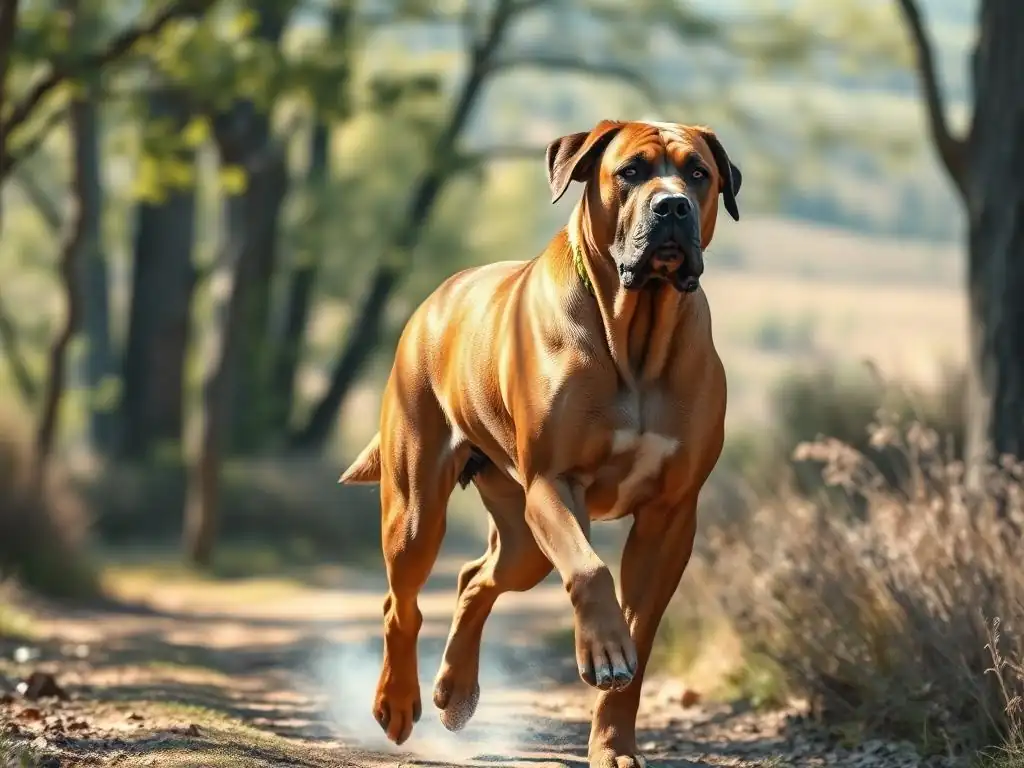
Working dog strength training isn't solely about building muscle mass; it's about cultivating a robust cardiovascular system and unparalleled stamina. A fit working dog can endure demanding tasks, whether it's extended search-and-rescue operations, rigorous agility courses, or long days assisting handlers in various roles. Ignoring cardiovascular fitness is a critical oversight in any comprehensive working dog strength training program. This section focuses on building endurance and optimizing cardiovascular health in your canine companion, ensuring they're prepared for the physical challenges ahead. We'll explore practical training methods and monitoring techniques to guarantee safe and effective conditioning.
Cardiovascular Training Programs for Working Breeds
Developing a cardiovascular training program for a working breed requires a gradual and tailored approach. Rushing the process can lead to injury and discourage your dog. Start slowly, focusing on low-impact activities like long, leisurely walks, gradually increasing the duration and intensity. Consider these program options:
- Beginner: Begin with 15-20 minutes of walking daily, gradually increasing the duration by 5 minutes every week. Introduce gentle incline walks to increase the intensity. Remember to always end with a cool-down period.
- Intermediate: Introduce interval training. Alternate between periods of high-intensity exercise (e.g., brisk running) and low-intensity recovery periods (e.g., slow walking). A sample program might be 1 minute of running followed by 2 minutes of walking, repeated for 20-30 minutes.
- Advanced: For highly active working dogs, incorporate more strenuous activities like swimming, biking (with your dog jogging alongside), or more challenging terrain hikes. Monitor your dog's response closely and adjust the intensity as needed.
Remember to always consider your dog's breed, age, and overall health when designing a training program. Consult with your veterinarian before starting any new exercise regimen. The key is progressive overload – gradually increasing the duration, intensity, and frequency of exercise over time. This ensures your dog adapts safely and effectively.
Building Stamina Through Functional Exercises
Functional exercises mimic the actual tasks your working dog will perform. This approach builds not only cardiovascular fitness but also strengthens the muscles used during these tasks, improving overall performance and reducing the risk of injury. Examples include:
- Fetch with varied terrain: Fetch isn't just about retrieving; it's about building stamina. Vary the terrain – uphill, downhill, through water – to increase the challenge.
- Weight-pulling: Controlled weight-pulling exercises can build strength and cardiovascular fitness simultaneously. Start with light weights and gradually increase the resistance.
- Scent work: Scent work is a mentally and physically stimulating activity that improves cardiovascular fitness and strengthens the dog's sense of smell.
It's crucial to incorporate rest days into your training schedule. Rest allows the body to recover and rebuild, preventing overtraining and injury. Observe your dog for signs of fatigue, such as panting excessively, lethargy, or reluctance to participate. Always prioritize your dog's well-being over pushing them beyond their limits. Remember, consistency is key to building stamina. Short, frequent sessions are often more effective than infrequent, long sessions.
Monitoring Your Dog's Heart Rate During Training
Monitoring your dog's heart rate during training is essential for ensuring their safety and preventing overexertion. You can monitor this using a heart rate monitor specifically designed for dogs or by manually checking their heart rate. After exercise, a gradual decrease in heart rate indicates proper recovery. Sustained high heart rates can signal overtraining or underlying health issues.
Here's a simple method for checking your dog's heart rate:
- Gently feel the inside of your dog's thigh, just behind the knee.
- Count the number of heartbeats in 15 seconds.
- Multiply this number by four to get the beats per minute (BPM).
While resting, a healthy dog's heart rate typically ranges from 60-120 BPM. During exercise, the heart rate will naturally increase. However, if your dog's heart rate remains excessively elevated for an extended period after exercise or shows concerning patterns, consult your veterinarian. This is especially important for senior dogs or those with pre-existing health conditions. Remember, responsible training is about building a strong, healthy partnership with your canine companion, not pushing them to their breaking point. Careful monitoring and a gradual approach are paramount to successful working dog strength training.
Nutrition and Recovery for Working Dog Strength Training

This section focuses on the crucial role of nutrition and recovery in maximizing the benefits of strength training for working dogs. Proper fueling and adequate rest are not optional extras; they are fundamental pillars of a successful strength training program, impacting muscle growth, injury prevention, and overall canine well-being. Ignoring these aspects can lead to suboptimal results, increased risk of injury, and even compromise your dog's health. Let's delve into the specifics.
Optimizing Your Dog's Diet for Muscle Growth and Repair
A working dog undergoing strength training requires a diet significantly different from a sedentary canine companion. Their increased energy expenditure demands a higher caloric intake, specifically focused on providing the building blocks for muscle growth and repair. This means prioritizing high-quality protein sources. Lean meats like chicken, turkey, and beef, along with fish rich in omega-3 fatty acids, should form the core of their diet. These provide essential amino acids necessary for muscle protein synthesis.
Furthermore, carbohydrates provide the necessary energy for intense training sessions. Opt for complex carbohydrates like brown rice, sweet potatoes, and quinoa, which offer sustained energy release compared to simple sugars. Healthy fats, such as those found in fish oil and flaxseed oil, are also vital for hormone production, joint health, and overall bodily function. Remember, the specific dietary needs will vary depending on the breed, size, age, and intensity of the training program.
Consulting with a veterinary nutritionist is highly recommended to create a personalized dietary plan tailored to your dog's unique requirements. A well-balanced diet is the foundation upon which all other aspects of strength training success are built. Neglecting this aspect can severely hinder progress and even lead to health problems.
Supplementation Strategies to Support Training
While a balanced diet forms the bedrock of your working dog's nutritional needs, targeted supplementation can provide an extra edge. However, it's crucial to approach supplementation strategically and always under veterinary guidance. Improper supplementation can be detrimental to your dog's health. Some supplements that may be beneficial, when prescribed by a vet, include:
- Glucosamine and Chondroitin: These support joint health and cartilage, crucial for mitigating the stress placed on joints during strength training.
- Omega-3 Fatty Acids: These possess anti-inflammatory properties, aiding in muscle recovery and reducing the risk of injury. They also support healthy skin and coat.
- Creatine: Although research on canine creatine supplementation is limited, some studies suggest potential benefits for muscle strength and power output. Veterinary consultation is essential before introducing creatine.
- Antioxidants: These combat oxidative stress caused by intense physical activity, protecting cells and tissues from damage. Vitamins C and E are examples of potent antioxidants.
Remember, "more is not always better" when it comes to supplementation. Over-supplementation can lead to adverse effects. Always work closely with your veterinarian to determine the appropriate supplements and dosages for your dog's individual needs. Careful monitoring of your dog's response to any supplement is also crucial.
Importance of Adequate Rest and Recovery
Rest and recovery are not merely periods of inactivity; they are active phases of muscle growth and repair. During rest, the body rebuilds muscle tissue, replenishes energy stores, and repairs any microscopic damage incurred during training. Insufficient rest can lead to overtraining, decreased performance, increased susceptibility to injury, and even burnout. This is especially true for working dogs undergoing rigorous strength training programs.
Adequate rest encompasses several key aspects:
- Sleep: Ensure your working dog gets sufficient, high-quality sleep. This is when the majority of muscle repair and growth occurs.
- Downtime: Schedule regular periods of downtime throughout the day to allow your dog to relax and de-stress. Avoid over-scheduling training sessions.
- Nutritional support: As discussed earlier, proper nutrition plays a pivotal role in recovery. Providing your dog with a nutrient-rich diet facilitates the repair process.
- Hydration: Dehydration can significantly hinder recovery. Ensure your dog always has access to fresh, clean water.
- Massage: Gentle massage can help improve blood flow, reduce muscle soreness, and promote relaxation. However, learn proper canine massage techniques to avoid causing injury.
Ignoring the importance of rest and recovery will ultimately undermine your efforts in strength training. Prioritizing rest is as crucial as the training itself for achieving optimal results and maintaining your working dog's long-term health and well-being. Remember, a well-rested dog is a strong dog.
Monitoring Progress and Adjusting Training Plans
Effective strength training for working dogs isn't just about pushing limits; it's about carefully monitoring progress and making informed adjustments. This ensures your canine athlete stays healthy, avoids injury, and achieves optimal performance. Consistent monitoring and plan adaptation are crucial components of a successful Working dog strength training program. Ignoring these aspects can lead to setbacks and potentially compromise your dog's long-term health and working ability.
Tracking Your Dog's Strength and Endurance Gains
Tracking your dog's progress requires a multi-faceted approach. Simply relying on visual observation isn't sufficient. You need quantifiable data to accurately assess improvements. This involves:
- Regular Weight Monitoring: Weigh your dog weekly to monitor muscle gain and overall body condition. Significant fluctuations might indicate a need for dietary adjustments or changes to the training regimen. Remember to use the same scale and weigh your dog at the same time of day for consistency.
- Performance Metrics: Record specific metrics during training sessions. For example, if you're working on weight pulling, track the weight pulled and the number of repetitions. For agility exercises, time each run and note any improvements in speed and accuracy. Maintaining a detailed training log is essential.
- Functional Assessments: Incorporate regular functional assessments to evaluate your dog's strength and endurance in real-world scenarios. This could involve timed runs across varied terrains, assessing their ability to retrieve weighted objects over longer distances, or testing their stamina during simulated work tasks.
- Qualitative Observations: While quantitative data is vital, don't underestimate the value of careful observation. Note changes in your dog's energy levels, gait, and overall demeanor. A decrease in enthusiasm or signs of fatigue could indicate overtraining. Observe for subtle changes in their movement patterns, which might suggest developing muscular imbalances or joint issues.
Remember, consistent monitoring isn't just about numbers; it's about understanding your dog's individual responses to the training program.
Recognizing Signs of Overtraining and Injury Prevention
Overtraining is a serious risk in any strength training program, especially for working dogs. Early detection is key to preventing injuries. Be vigilant for these warning signs:
- Lethargy and decreased enthusiasm: A significant drop in your dog's energy levels and a reluctance to participate in training are clear indicators of potential overtraining.
- Changes in appetite: A loss of appetite or increased thirst can signal underlying issues.
- Muscle soreness and stiffness: While some muscle soreness is normal after intense exercise, persistent stiffness or lameness is a cause for concern.
- Behavioral changes: Increased irritability, aggression, or other behavioral changes can be a sign of stress and overtraining.
- Lameness or limping: This is a clear sign of potential injury and requires immediate veterinary attention.
To prevent overtraining and injuries, incorporate the following:
- Adequate rest and recovery: Ensure your dog gets sufficient rest between training sessions. Rest days are crucial for muscle repair and recovery.
- Proper warm-up and cool-down: Always include a thorough warm-up before each training session and a cool-down afterward.
- Gradual progression: Avoid increasing the intensity or duration of training sessions too quickly. Gradually increase the workload to allow your dog's body to adapt.
- Listen to your dog: Pay close attention to your dog's body language and any signs of discomfort. Don't push them beyond their limits.
Adapting Training Based on Performance and Feedback
The beauty of a well-designed strength training program lies in its adaptability. Your initial plan should be considered a starting point, not a rigid schedule. Regularly evaluate your dog's progress and make adjustments as needed.
| Performance Factor | Adjustment Strategy | Example |
|---|---|---|
| Rapid Progress | Gradually increase the intensity or duration of training. Introduce more challenging exercises. | Increase weight pulled by 5% each week, add a new agility obstacle. |
| Slow Progress or Plateau | Re-evaluate the training plan. Consider modifying exercises, adjusting rest periods, or changing the training schedule. | Switch to a different type of exercise, increase rest between sets. |
| Injury or Overtraining | Immediately reduce the intensity and duration of training. Consult a veterinarian. | Reduce training volume by 50%, add more rest days, and seek veterinary advice. |
| Loss of Motivation | Introduce new exercises or training environments. Reward your dog more frequently. | Try a different training location, incorporate more positive reinforcement. |
Remember, a successful working dog strength training program is a dynamic process that requires continuous monitoring, adaptation, and a deep understanding of your canine athlete's needs. Flexibility and responsiveness are key to achieving optimal results while safeguarding their health and well-being. 🐶💪
Common Mistakes to Avoid in Working Dog Strength Training
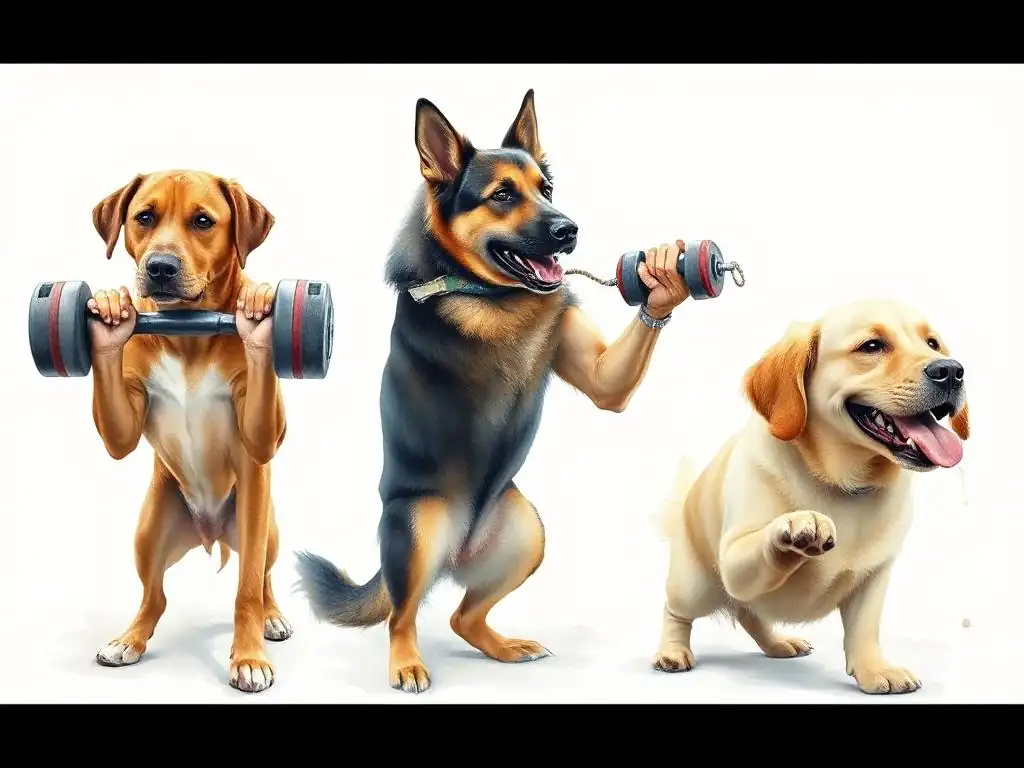
Working dog strength training, while beneficial for enhancing performance and longevity, can easily lead to injury if not approached correctly. Many well-meaning owners unintentionally hinder their canine athletes by making common mistakes. Understanding these pitfalls is crucial for ensuring your working dog thrives and avoids unnecessary pain and setbacks. Proper training techniques are paramount for maximizing your dog's potential while minimizing risks.
Pushing Your Dog Too Hard, Too Soon
One of the most frequent errors in working dog strength training is pushing the dog too intensely, too quickly. This is particularly true for younger dogs or those new to strength training. Their musculoskeletal systems are still developing, and overloading them can cause significant damage. Remember, gradual progression is key. Start with low weights or resistance and gradually increase the intensity and duration of workouts. Think of it like a marathon, not a sprint. A good rule of thumb is to increase the workload by no more than 10% per week.
For example, a young German Shepherd beginning strength training might start with only bodyweight exercises, progressing to light weights or resistance bands over several weeks before incorporating more challenging exercises. Always prioritize proper form over quantity. A few well-executed repetitions are far superior to many sloppy ones. Observe your dog closely for signs of fatigue or discomfort. If you see any signs of strain, reduce the intensity or take a break. Regular veterinary check-ups are also important to monitor your dog's overall health and well-being. A holistic approach ensures optimal results without compromising your dog's physical integrity. 🐶
Neglecting Proper Warm-up and Cool-down Routines
Another critical oversight is neglecting proper warm-up and cool-down routines. These are just as crucial as the strength training itself. A thorough warm-up prepares the muscles and joints for exercise, improving performance and reducing the risk of injury. This might include 5-10 minutes of light cardio, such as a brisk walk or a controlled fetch session, followed by dynamic stretching, like leg swings and torso twists. Dynamic stretching involves movement, unlike static stretching which involves holding a position.
Conversely, a proper cool-down helps the body gradually return to a resting state. This usually involves 5-10 minutes of light cardio and static stretching, holding each stretch for 15-30 seconds. Static stretches should be gentle and never forced. Examples include gently extending the leg towards the rear, holding for 20 seconds. Ignoring these crucial phases can lead to muscle stiffness, soreness, and increased risk of injury. Think of it as preparing your engine for a drive and allowing it to cool down afterwards. A well-rounded training program always incorporates these essential steps.
Ignoring Early Signs of Injury or Fatigue
Finally, many owners fail to recognize and address early signs of injury or fatigue in their working dogs. These signs can be subtle at first, such as limping, stiffness, decreased energy levels, or changes in behavior. Ignoring these warning signals can lead to more severe problems down the line, potentially requiring extensive veterinary care and rehabilitation. Pay close attention to your dog's body language and behavior, and don't hesitate to consult your veterinarian if you have any concerns.
It's crucial to understand that fatigue can manifest in various ways. A dog might appear less enthusiastic about training, become more irritable, or show signs of lethargy. These subtle changes can be easily missed if you're not paying close attention. Rest is just as vital as training. Build rest days into your training schedule to allow your dog's body to recover and rebuild. Overtraining can be just as detrimental as undertraining. Remember, prevention is always better than cure. By being proactive and attentive, you can ensure your working dog enjoys a long and successful career.
Additional Tips for Preventing Injuries
- Choose appropriate training surfaces.
- Use proper equipment.
- Monitor your dog's weight.
- Provide adequate nutrition and hydration.
Resources and Further Learning on Working Dog Fitness
This section provides valuable resources to deepen your understanding of working dog strength training and conditioning. We'll explore recommended reading material, avenues for finding qualified professionals, and online communities where you can connect with other dedicated working dog owners. Remember, responsible and informed strength training is crucial for the well-being and longevity of your canine athlete. Proper training minimizes injury risk and maximizes performance.
Recommended Books and Articles on Canine Strength Training
Finding reliable information on canine strength training is paramount. Avoid generic fitness advice intended for humans; canine anatomy and physiology differ significantly. Look for resources authored by veterinary professionals, certified canine fitness instructors, or experienced working dog handlers. Here's what to look for in reputable sources:
- Focus on Canine-Specific Anatomy and Physiology: Reputable sources will detail the unique musculoskeletal structure of dogs, particularly working breeds. They'll explain how exercises impact joints, ligaments, and muscles differently than in humans.
- Emphasis on Progressive Overload: The principle of progressive overload—gradually increasing the intensity and duration of training—is essential. Look for resources that emphasize this principle safely and effectively for canine athletes.
- Detailed Exercise Descriptions and Modifications: Clear, step-by-step instructions with modifications for various fitness levels and potential limitations are crucial. Pictures or videos are extremely helpful.
- Injury Prevention and Rehabilitation Strategies: A responsible resource will discuss common injuries in working dogs and provide guidance on prevention and rehabilitation.
Unfortunately, a definitive list of the best books and articles requires further research to verify current recommendations and assess their accuracy and relevance. [Specific book and article titles pending]. However, look for resources published by reputable veterinary organizations or universities with strong veterinary programs.
Finding Qualified Canine Fitness Professionals
Investing in professional guidance is highly recommended, especially for novice working dog owners. Not all trainers are created equal, and improper training can lead to serious injuries. When searching for a canine fitness professional, consider the following:
- Certifications and Qualifications: Look for professionals with certifications from reputable organizations specializing in canine fitness, such as the [Organization Name Pending] or similar. Verify their credentials.
- Experience with Working Breeds: Experience with working breeds is crucial. A trainer familiar with the specific physical demands of your dog's breed will tailor the program accordingly.
- Emphasis on Safety and Injury Prevention: A qualified professional will prioritize your dog's safety and well-being, focusing on injury prevention throughout the training process.
- Holistic Approach: The best professionals consider the entire picture: nutrition, hydration, rest, and overall health, not just the physical exercises themselves.
Finding a qualified professional may require some research. Start by asking your veterinarian for recommendations. Online searches can also be helpful, but always verify qualifications and read reviews carefully.
Community Forums and Online Resources for Working Dog Owners
Connecting with other working dog owners can provide invaluable support and advice. Online forums and communities offer a platform to share experiences, ask questions, and learn from others.
- Breed-Specific Forums: Many online forums cater specifically to certain working dog breeds. These communities often have experienced owners who can offer breed-specific advice on strength training and conditioning.
- General Working Dog Forums: General working dog forums provide a broader perspective, allowing you to connect with owners of various breeds and share information about different training methods and approaches.
- Social Media Groups: Facebook groups and other social media platforms often host communities dedicated to working dog training and fitness. These groups can be excellent resources for finding trainers, sharing tips, and exchanging advice.
Remember to approach online resources critically. Not all advice is accurate or safe. Always prioritize information from qualified professionals and experienced owners with a proven track record. The online community can be a great supplement to professional guidance, but should not replace it.
Frequently Asked Questions
What is the purpose of strength training for working dogs?
Strength training helps build muscle mass and endurance, crucial for working dogs performing demanding tasks like search and rescue or police work. It also reduces the risk of injury and improves overall performance.
Are all draft breeds suitable for strength training?
While many draft breeds benefit, it's vital to consider the individual dog's age, breed predispositions, and health. Always consult your veterinarian before starting any strength training program.
What kind of exercises are appropriate for strength training working dogs?
Suitable exercises include controlled weight pulling, incline walking, and resistance exercises using specialized equipment. Avoid high-impact activities that could strain joints.
How often should I strength train my working dog?
The frequency depends on the breed, age, and fitness level. A good starting point is 2-3 sessions per week, with rest days in between to allow for muscle recovery.
Where can I find more information on safe and effective strength training for my working dog?
PetCareWorld offers comprehensive guides and resources on strength training and conditioning for working dogs, including breed-specific advice and exercise demonstrations. Consult your veterinarian for personalized recommendations.
Final Reflection: Forging Stronger Bonds Through Fitness
The strength and conditioning of working dogs isn't just about physical prowess; it's about forging a deeper, more resilient bond between handler and canine. This article explored various training methods, highlighting the importance of tailored programs that consider breed, age, and the specific demands of the working role. But beyond the exercises and techniques, we've touched upon something profoundly impactful: the partnership built through shared effort and mutual understanding.
The impact of responsible strength training extends far beyond improved performance in the field. It fosters a deeper connection, built on trust and mutual respect. A physically fit and mentally engaged working dog is a more confident and capable partner, ready to face any challenge. The best mirror is an old friend.
This quote, while not directly about dogs, speaks to the reflective nature of a strong partnership – we see ourselves, our strengths and weaknesses, reflected in the performance and well-being of our canine companions. This shared journey of fitness strengthens the bond, creating a partnership that transcends the working environment.
Now, consider your own working dog. What aspects of their fitness could you improve? What new exercises could you introduce to enhance their strength and stamina, while simultaneously deepening your connection? Take the time to reflect on your training methods, and remember that the ultimate goal isn't just a physically stronger dog, but a stronger, more harmonious partnership built on mutual respect and understanding. Embrace the journey, celebrate the progress, and continue to forge stronger bonds through fitness.
Unleash Your Pup's Inner Athlete!
Thank you for exploring the world of canine strength and conditioning! You've gained valuable knowledge about building a stronger, healthier dog. Ready to put this into practice?
- Start your dog's personalized training program today! Begin with the foundational exercises described in the article, focusing on proper form and gradual progression. Remember to prioritize your dog's safety and well-being.
- Share your dog's progress (and funny training moments!) on social media using #PetCareWorldStrongPups – let's build a supportive community!
- Enhance your dog's fitness with new activities, such as agility training or a lively game of fetch. This will help keep them engaged and stimulated.
Ready to see your dog's strength and confidence grow? What's the first exercise you'll try with your furry friend?