
Creating a Safe Space: Meeting the Needs of Your Working Dog

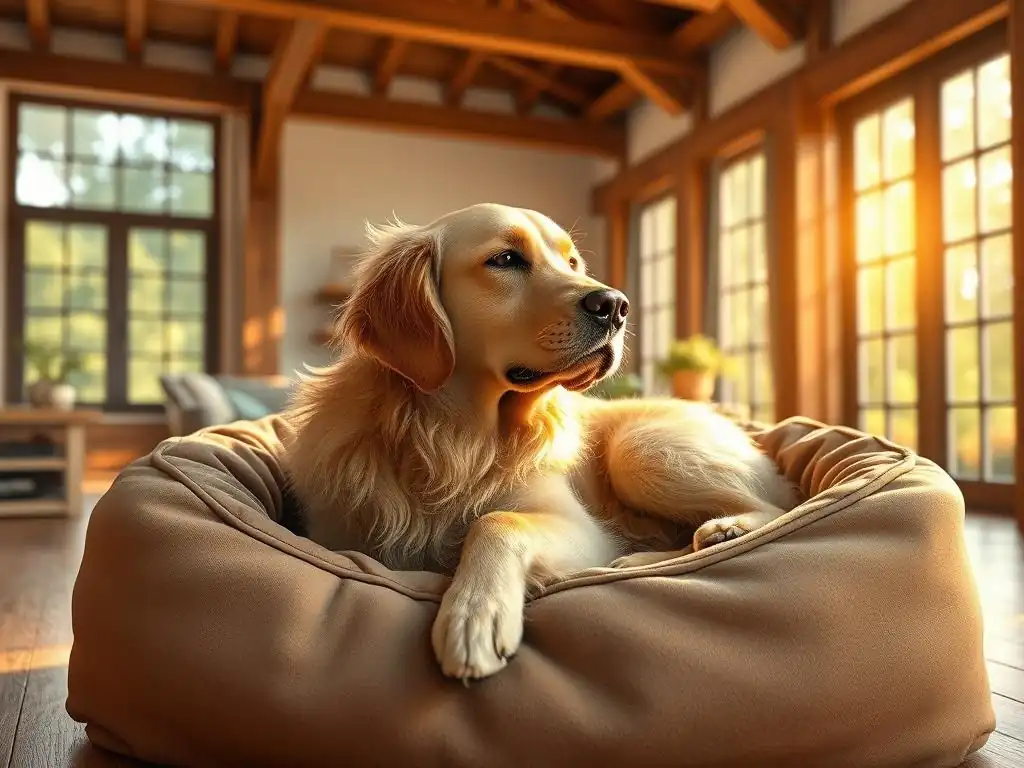
Welcome to PetCareWorld, your ultimate guide to a happier, healthier life for your beloved companion! Are you ready to discover how to create the perfect safe space for your hardworking canine friend? Our in-depth article on "Creating a Safe Space: Meeting the Needs of Your Working Dog" delves into the crucial elements of providing a sanctuary for your dedicated working dog, ensuring their well-being and peak performance. Dive in and unlock the secrets to a thriving partnership with your canine companion!
- Understanding Your Working Dog's Unique Needs
- Designing the Ideal Safe Space for Your Working Dog
- Enhancing Your Working Dog's Safe Space
- Managing Access to Your Working Dog's Safe Space
- Safe Space for Working Dogs: Case Studies and Examples
- Building a Strong Bond Through a Safe Space
- Frequently Asked Questions
- Final Reflection: Cultivating Sanctuary for Working Canine Companions
- Unlock Your Dog's Potential: Build a Thriving Work Partnership
Understanding Your Working Dog's Unique Needs
Working dogs, whether they assist in law enforcement, search and rescue, or simply excel in demanding canine sports like agility or herding, face unique challenges that require careful consideration of their well-being. These incredible animals dedicate their lives to working alongside humans, often in high-stress environments. Therefore, providing a safe and enriching environment outside of their working hours is paramount to their physical and mental health.
This article will explore the crucial elements of creating a secure "safe space" for your working dog, focusing on recognizing their specific needs and implementing practical solutions to ensure their overall well-being. We'll delve into the importance of a relaxing environment, the subtle signs of stress, and the physical requirements of a truly safe and comfortable space, ultimately aiming to help you create a haven where your dedicated canine companion can truly unwind and recharge.
Creating this sanctuary is not merely a matter of comfort; it's a fundamental aspect of responsible ownership for these highly intelligent and dedicated animals. A well-designed safe space contributes significantly to their longevity, performance, and overall happiness.
The Importance of a Secure and Relaxing Environment for Working Dogs
A safe space for a working dog goes far beyond just a bed or a crate. It's a sanctuary where they can retreat from the demands of their work and decompress. Think of it as their personal haven, a place free from distractions and stressors where they can feel safe, secure, and completely at ease. This is especially critical for dogs whose jobs involve intense physical or mental exertion, exposure to unpredictable situations, or prolonged periods of heightened alertness.
The benefits are multifaceted: reduced stress levels, improved sleep quality, enhanced emotional regulation, and a boosted immune system. A secure environment contributes to a happier, healthier, and more resilient working dog, better equipped to handle the challenges of their demanding jobs. Providing this sanctuary demonstrates your commitment to their well-being and strengthens the bond between you and your canine partner. Consider it an investment in their long-term health and productivity.
Identifying Stress Signals in Working Dogs: Recognizing the Subtle Cues
Recognizing stress in working dogs can be challenging, as they are often trained to suppress overt displays of anxiety. However, subtle cues can indicate underlying stress. These might include changes in behavior such as:
- Increased panting or yawning: Even when not exerting themselves physically.
- Restlessness or pacing: Inability to settle down, even in familiar environments.
- Changes in appetite: Either increased or decreased food consumption.
- Changes in sleep patterns: Difficulty sleeping or excessive sleeping.
- Lip licking or lip-smacking: Subtle signs of anxiety.
- Whimpering or whining: Especially when alone or in unfamiliar situations.
- Changes in posture: Tucked tail, lowered head, or avoidance of eye contact.
Understanding these subtle signs is crucial to identifying when your dog needs a break and access to their safe space. Regular observation and attention to their body language will help you better understand their needs and ensure they receive the support they require. Early intervention is key to preventing chronic stress and its potential negative consequences. Remember, a dog constantly under pressure is at a greater risk of both physical and mental health problems.
The Physical Requirements of a Safe Space for Working Dogs: Size and Comfort
The physical design of your working dog's safe space is crucial for their comfort and relaxation. The space should be appropriately sized, allowing them to comfortably stretch out and move around without feeling confined. A cramped space can increase feelings of anxiety and claustrophobia, negating the intended benefits of the safe space.
The size will, of course, vary depending on the breed and size of your dog. Consider including comfortable bedding, such as a thick orthopedic mattress or a plush dog bed, to ensure optimal comfort and support. The area should also be quiet and free from excessive noise and distractions.
This might involve choosing a location away from high-traffic areas of the home. Finally, consider providing enrichment items within the safe space, such as durable chew toys or puzzle feeders, to keep your dog mentally stimulated while they relax. This carefully curated environment will foster a sense of security and promote relaxation, ultimately contributing to your working dog's overall well-being and performance.
Designing the Ideal Safe Space for Your Working Dog

This section focuses on creating a haven for your hardworking canine companion – a sanctuary where they can decompress, rest, and recharge after a long day of work, whether that's herding sheep, assisting law enforcement, or participating in agility competitions. A well-designed safe space is crucial for a working dog's physical and mental well-being, contributing significantly to their overall performance and longevity. We'll explore key aspects to consider when crafting this essential element of your working dog's life.
Remember, a safe space isn't just about providing shelter; it's about fostering a sense of security and promoting relaxation. This is vital for preventing stress and burnout, common issues in working dogs.
Location: Choosing the Perfect Spot for Your Dog's Retreat
The location of your working dog's safe space is paramount. It needs to be quiet, away from high-traffic areas and potential disturbances. Consider the following factors:
- Minimizing Noise and Distractions: Choose a location far from loud noises, such as appliances, traffic, or children's play areas. A quiet corner of a spare room, a dedicated dog house in a sheltered part of the yard (weather permitting), or even a section of your garage (if appropriately climate-controlled and safe) can be suitable. The key is minimizing sensory overload.
- Temperature Control: The area should be well-ventilated and maintain a comfortable temperature. Avoid locations that are excessively hot, cold, or drafty. Consider using climate control or insulation to ensure a stable environment.
- Accessibility and Safety: The space should be easily accessible to your dog, but also secure enough to prevent unwanted access from other pets or intruders. Ensure there are no hazards such as exposed wires, sharp objects, or toxic substances.
- Visual Privacy: While some dogs prefer open spaces, many working dogs appreciate a sense of privacy and seclusion. Consider using strategically placed furniture or partitions to create a more enclosed and secure feeling.
Den Design: Creating a Comfortable and Secure Den for Your Working Dog
The design of the den itself is crucial for creating a truly relaxing safe space. Think of it as your dog's personal retreat, a place where they can feel completely safe and comfortable.
- Bedding: Provide high-quality, comfortable bedding. Consider orthopedic beds for older dogs or those with joint issues. Multiple bedding options, such as plush blankets and firm mats, can cater to individual preferences.
- Size and Shape: The den should be large enough for your dog to stretch out fully but not so large as to feel overwhelming. A snug, den-like structure can provide a sense of security. Consider a dog bed, a crate (used positively and associated with comfort), or even a custom-built den.
- Lighting: Soft, indirect lighting is ideal. Avoid bright, harsh lights that might be stimulating. Consider using a nightlight for nighttime comfort. Some dogs appreciate the security of a dimly lit space.
- Personal Touches: Incorporate familiar scents and items to make the space feel more inviting and homey. A favorite toy, a worn blanket with your scent, or a chew toy can help your working dog feel more secure and relaxed.
Environmental Enrichment: Providing Stimulating Elements within the Safe Space
While a safe space should primarily be a place for rest and relaxation, incorporating elements of environmental enrichment can further enhance its appeal and benefit your dog's overall well-being.
- Interactive Toys: Include a selection of safe and durable chew toys and puzzle toys to provide mental stimulation during downtime. Rotate toys regularly to prevent boredom.
- Scent Enrichment: Introduce new and interesting scents safely and appropriately. This could include a safe, dog-friendly essential oil diffuser (used sparingly and with caution), or burying treats in a snuffle mat to engage your dog’s natural sniffing instincts.
- Visual Stimulation: While minimizing overwhelming stimuli is key, a few carefully chosen visual elements can be beneficial. A window offering a view of the garden or a calming piece of art can help create a more pleasant and relaxing atmosphere. Remember, the goal is to create a calming yet enriching environment. Avoid excessive visual clutter.
Remember, the ideal safe space is tailored to the individual needs of your working dog. Observe your dog's behavior and preferences to fine-tune the design and ensure it's a truly relaxing and beneficial retreat. By providing a safe space, you are not only enhancing your dog's comfort but also contributing significantly to their overall health and performance as a working dog.
Enhancing Your Working Dog's Safe Space
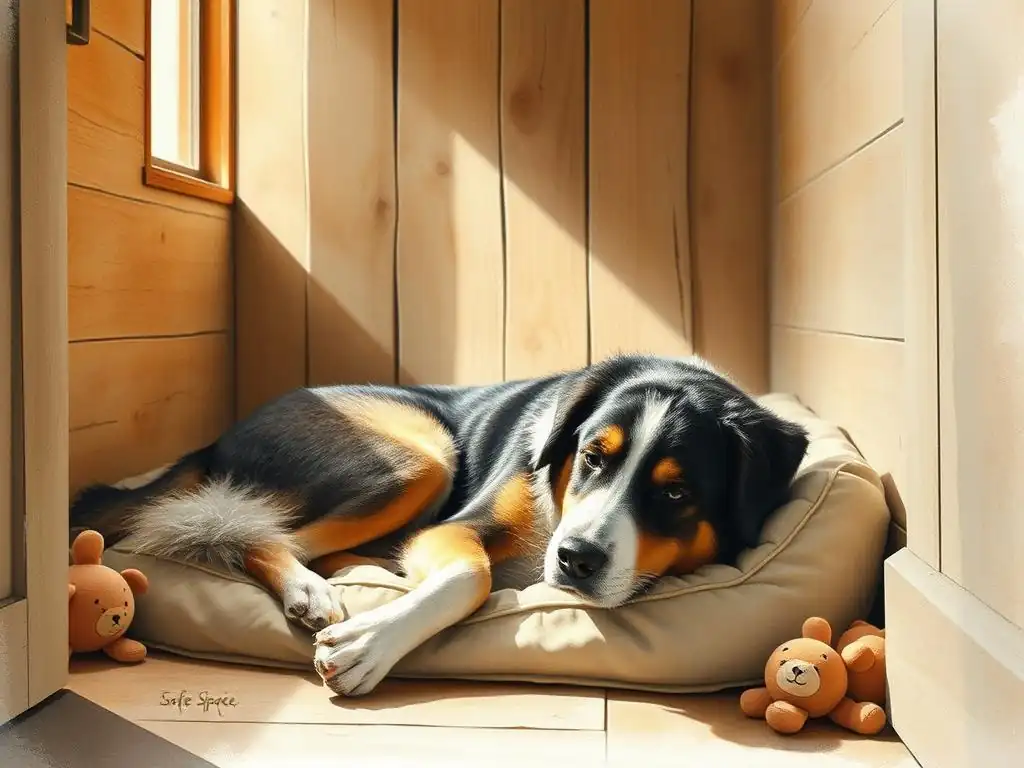
Working dogs, despite their robust nature, require a dedicated safe space to decompress and recover after demanding work sessions. This isn't just about a quiet corner; it's about creating an environment that caters to their specific sensory needs and promotes optimal relaxation and well-being. A well-designed safe space significantly contributes to their overall health and performance, reducing stress and preventing behavioral issues.
This section will explore key elements for creating such a haven for your hardworking canine companion. The concept of a "safe space for working dogs" is crucial for their mental and physical health, allowing them to recharge and remain effective in their duties.
Sensory Enrichment: Utilizing Sounds, Scents, and Textures to Promote Relaxation
Sensory enrichment plays a vital role in creating a truly relaxing safe space. Working dogs, often exposed to intense stimuli during their work, benefit from a controlled sensory environment when resting. Consider these strategies:
- Sound Management: Minimize disruptive noises. This might involve using white noise machines, calming music playlists specifically designed for dogs (many are available online), or even strategically placing the safe space away from noisy areas of the house. The goal is to create a consistent soundscape that masks unexpected loud noises and promotes tranquility. Sudden, loud sounds can be extremely stressful for a dog who has already expended significant energy at work.
- Scent Control: Introduce calming scents. Certain essential oils, like lavender or chamomile (always diluted properly and used cautiously, ensuring they are safe for dogs! ), can have a soothing effect. However, remember that scent preferences vary widely between dogs, so observe your dog's reaction carefully. A clean, fresh-smelling space is generally preferred over strong artificial fragrances. Avoid using air fresheners with harsh chemicals.
- Textural Comfort: Provide a variety of comfortable textures. This could include soft bedding, plush blankets, or even a variety of chew toys with different textures to explore. A dog's bed should be appropriately sized and supportive, providing adequate cushioning for their joints. Consider the dog's breed and size when selecting bedding; larger breeds might require thicker, more durable materials.
Providing Safe Chew Toys and Enrichment Activities
A safe space isn't just for rest; it's also a place for mental stimulation and stress relief. Providing appropriate chew toys and enrichment activities within the safe space prevents boredom and destructive behaviors.
- Safe Chew Toy Selection: Ensure all chew toys are durable and appropriate for your dog's size and chewing habits. Avoid toys that easily break into small, potentially ingestible pieces. Rotate toys regularly to maintain interest and prevent boredom. Consider toys that offer a variety of textures and challenges—this keeps their minds engaged and can be very helpful in managing anxiety.
- Puzzle Toys: Puzzle feeders and other interactive toys provide mental stimulation. These toys require your dog to work for their reward (treats or kibble), keeping them occupied and reducing anxiety. The level of difficulty should be tailored to your dog's cognitive abilities and problem-solving skills. Start with simpler puzzles and gradually introduce more complex ones as your dog progresses. This prevents frustration and encourages continued engagement.
- Interactive Games: While in their safe space, consider short, low-intensity games like gentle tug-of-war or hide-and-seek with treats. These activities provide positive interaction and reinforce the safe space as a positive and rewarding environment. However, avoid overstimulating your dog; the goal is relaxation and not further exertion.
Maintaining Hygiene and Cleanliness in Your Dog's Safe Space
Maintaining a clean and hygienic safe space is crucial for your working dog's health and well-being. Regular cleaning prevents the buildup of bacteria and allergens, minimizing the risk of skin irritations or other health problems.
- Regular Cleaning Schedule: Establish a regular cleaning schedule. This should include daily spot cleaning and a more thorough cleaning at least once a week. This involves removing soiled bedding, wiping down surfaces, and vacuuming or sweeping the area. Frequency may need to be increased based on your dog's shedding habits and activity levels.
- Bedding Cleaning: Wash bedding regularly according to the manufacturer's instructions. Use a pet-safe detergent and ensure the bedding is completely dry before replacing it in the safe space. Consider having multiple sets of bedding to facilitate easy rotation and maintain a consistently clean environment. This ensures a consistently comfortable and hygienic sleeping area for your dog.
- Disinfection: Periodically disinfect the safe space using a pet-safe disinfectant. This helps eliminate harmful bacteria and germs. Always follow the instructions on the disinfectant product carefully. Focus on surfaces that come into frequent contact with your dog, such as their bed and surrounding areas. Proper disinfection is especially important to prevent the spread of potential illnesses.
Maintaining a safe and enriching space for your working dog is an investment in their long-term health, happiness, and performance. By carefully considering these aspects of sensory stimulation, enrichment, and hygiene, you can significantly improve your dog's quality of life and ensure they remain a productive and happy member of your team. 🐶
Managing Access to Your Working Dog's Safe Space
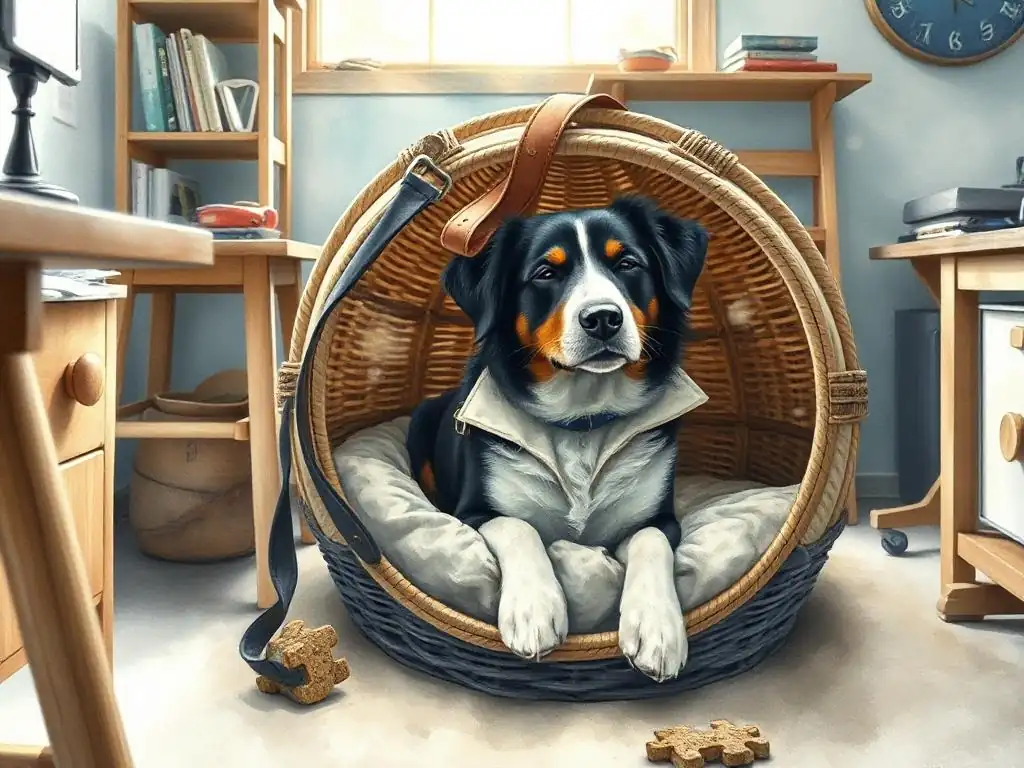
Creating a safe space for a working dog isn't just about providing a comfy bed; it's about carefully managing access to ensure it remains a true sanctuary. This involves establishing clear rules and routines that both you and your canine companion can understand and respect. Think of it as a carefully curated haven, a retreat from the demands of their working life. Unrestricted access can diminish its value; the space loses its significance as a refuge if it's constantly available.
The key is controlled access. This might involve a simple latch on a dog crate, a designated door that only opens when you actively invite your dog in, or a strategically placed baby gate. The method will depend on your dog's breed, temperament, and the layout of your home. For example, a highly independent breed like a Border Collie might require less structured access than a more anxious breed like a German Shepherd. The aim is to create an association between the safe space and rest, relaxation, and reward.
Consider implementing a visual cue, such as a specific blanket or toy placed inside the safe space. This becomes a recognizable signal to your dog, signaling the availability of their private haven. Furthermore, maintaining a consistent routine is crucial. Always ensure the safe space is clean and free from clutter. Regular cleaning not only maintains hygiene but also reinforces the space's value as a positive and comfortable environment. This consistent positive association is key to a successfully implemented safe space for your working dog.
Training Your Dog to Use Their Safe Space: Positive Reinforcement Techniques
Training your working dog to appreciate and utilize their safe space effectively relies heavily on positive reinforcement. Avoid punishment-based training; it can create anxiety and undermine the purpose of the safe space. Instead, focus on rewarding your dog for entering and staying in their designated area.
Start by making the safe space incredibly appealing. Include their favorite toys, a comfortable bed, and perhaps even a long-lasting chew. Initially, lure your dog into the space with treats and praise. Once they're inside, continue rewarding them with verbal praise ("Good dog! ", "Yes!") and high-value treats. Gradually increase the duration they spend in the space before rewarding them. This builds a positive association.
Use a cue word or phrase, like "Go to your place," to signal that they should enter their safe space. Consistency is key here. Always use the same phrase and pair it with the positive reinforcement. Over time, your dog will learn to associate the phrase with the rewarding experience of being in their safe space.
This is more effective than simply forcing them into their space. Remember, the goal is to make it a place they want to be, not a place they have to be. The positive reinforcement methodology is paramount in achieving this desired behavior. This method significantly improves the success rate in establishing a safe and positive space for your working dog.
Respecting Your Working Dog's Boundaries and Needs
Respecting your working dog's boundaries is crucial in creating a truly effective safe space. A safe space should be a place where your dog feels secure and can retreat when feeling overwhelmed or tired. This means respecting their need for solitude and not disturbing them unnecessarily. Forcing interaction when they're in their safe space can negate the positive associations you’ve worked to create.
Observe your dog's body language. Signs of stress or anxiety might include tucked tail, flattened ears, yawning, lip licking, or avoidance. If you notice these signs, respect their need for space and allow them to retreat to their safe haven without interruption. This demonstrates that you understand and value their needs, which is crucial for building trust and a strong bond. Interrupting them can easily undo the progress you've made in establishing the safe space.
Regularly reassess their needs. What worked well six months ago might not be suitable now. Their age, activity levels, and overall health can significantly influence their preferences. Be flexible and adapt the safe space as needed to ensure it continues to meet their evolving needs. A mature dog might prefer a different type of bedding or a more secluded location than a younger, more energetic dog. This ongoing assessment is vital in maintaining a truly effective and beneficial safe space.
Adjusting the Safe Space Based on Your Working Dog's Behavior and Needs
The effectiveness of a safe space is directly linked to its adaptability. Your dog's needs and behavior will change over time, so regular adjustments are essential to maintain its usefulness. This might involve simple changes, like replacing worn bedding or adding new toys, or more significant alterations, such as relocating the space or changing its size.
For example, a dog recovering from an illness or injury might require a more easily accessible safe space, perhaps closer to human activity for reassurance. Conversely, a dog experiencing separation anxiety might benefit from a more secluded and quiet location. Observe your dog's reactions to various aspects of their safe space. If they consistently avoid it, or seem anxious when near it, it's a clear sign that adjustments are needed.
Keep detailed notes on your dog's behavior in and around their safe space. This provides valuable data for identifying trends and making informed decisions about adjustments. Record positive and negative interactions, noting any specific circumstances or triggers that might influence their behavior. This approach allows you to create a truly personalized safe space tailored to meet the unique needs of your working dog, ensuring it’s a haven of comfort and security for years to come. This ongoing monitoring and adaptation are essential for maintaining a positive and effective safe space for your working dog.
Safe Space for Working Dogs: Case Studies and Examples
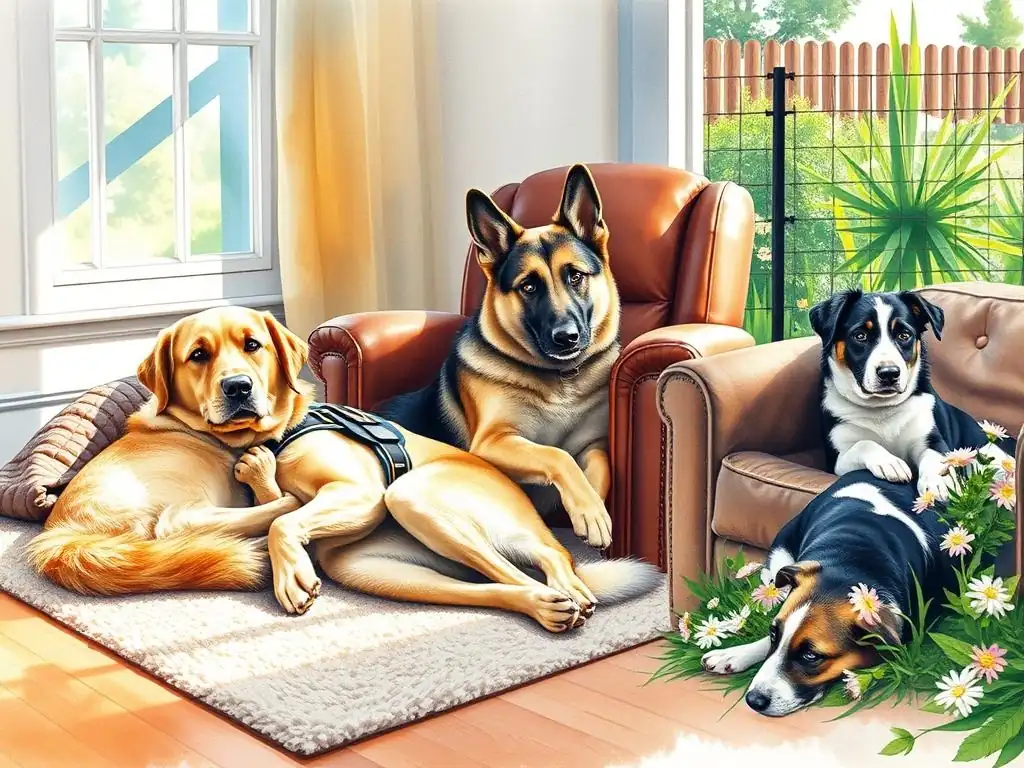
This section delves into practical examples of creating safe spaces for working dogs, highlighting the diverse needs of different breeds and individual personalities. Understanding how to tailor a safe space is crucial for maximizing a working dog's performance and well-being. The concept of a "safe space for working dogs" encompasses more than just a quiet corner; it's a strategically designed environment that promotes relaxation, reduces stress, and facilitates optimal recovery after demanding work.
Case Study 1: German Shepherd Working Dog and its Safe Space Setup
A German Shepherd named "Ranger," a highly intelligent and energetic police K9, required a safe space that addressed his specific needs. Ranger's work involved long hours of intense physical and mental exertion, including tracking, apprehension, and narcotics detection. His safe space was designed with these demands in mind.
It wasn't simply a crate; it was a custom-built den-like structure in a quiet, temperature-controlled area of the handler's home. The den included:
- A comfortable, orthopedic dog bed large enough for him to stretch out fully.
- A selection of durable chew toys to keep him occupied during downtime. These were rotated regularly to prevent boredom.
- A slow feeder bowl to encourage calm eating and prevent gulping.
- A calming pheromone diffuser to help reduce anxiety.
- Access to fresh water at all times.
Crucially, the den was positioned away from high-traffic areas and sources of noise, ensuring a tranquil environment for rest and recovery. Ranger's handler observed a significant improvement in his post-work demeanor after the implementation of this carefully planned safe space. His recovery time shortened, and his overall stress levels visibly decreased, enhancing his performance and longevity in his demanding role.
Case Study 2: Adapting Safe Spaces for Dogs with Separation Anxiety
Not all working dogs face the same challenges. Some working dogs, particularly those involved in less physically demanding roles (e.g., service dogs for individuals with mobility issues), may struggle with separation anxiety. Adapting a safe space to address this requires a different approach.
Consider "Luna," a Labrador Retriever working as a therapy dog. While her work was emotionally demanding, requiring prolonged interaction with diverse individuals, Luna suffered from moderate separation anxiety. Her safe space needed to be comforting and help manage her anxiety when her handler was absent.
The solution involved:
- A crate covered with a soft blanket, creating a den-like feel and reducing visual stimulation.
- A long-lasting chew toy, such as a stuffed Kong filled with peanut butter and kibble, to provide distraction and mental stimulation.
- A calming music playlist specifically designed for dogs, played softly at low volume.
- A familiar scent, such as a piece of her handler's clothing, placed inside the crate.
- Positive reinforcement training to associate the crate with positive experiences, such as treats and praise.
The implementation of these strategies gradually reduced Luna's anxiety, allowing her to relax comfortably in her safe space even when her handler was away. This improved her overall well-being and her capacity to perform her work effectively. Regular monitoring and adjustment of the safe space were key to Luna's success. This demonstrates the importance of flexibility and responsiveness in creating a truly effective "safe space for working dogs." The needs of each dog are unique and require individual consideration.
Building a Strong Bond Through a Safe Space
The Role of the Safe Space in Strengthening the Human-Animal Bond
A designated "safe space" for your working dog is far more than just a comfortable bed; it's a cornerstone of a strong and trusting relationship. For working dogs, often subjected to intense physical and mental stimulation on the job, this haven provides crucial decompression and reinforces their bond with you. Think of it as their personal sanctuary, a place where they can retreat from the demands of work and simply be.
This sense of security translates directly into improved obedience, reduced stress, and a heightened willingness to cooperate during training and work sessions. Studies have shown that dogs with access to secure, predictable spaces exhibit lower cortisol levels (a stress hormone indicator) and display more confident and relaxed behaviors. The consistent availability of this refuge fosters a feeling of safety and control, which are vital for a dog's emotional well-being and their ability to perform optimally.
Providing this space is an investment in your relationship, building trust and mutual respect that extends beyond the workplace. A happy, secure dog is a more productive and reliable working partner.
Using the Safe Space for Positive Reinforcement and Training
Your dog's safe space shouldn't be solely a place of rest; it can be strategically incorporated into training and positive reinforcement. Associating the space with positive experiences strengthens its appeal and reinforces its role as a haven. For instance, rewarding your dog with treats and praise inside their safe space after a successful work session creates a powerful positive association. This technique leverages classical conditioning – pairing the safe space with pleasurable experiences.
Furthermore, you can use the space for quiet, low-stress training exercises. Instead of demanding intense focus in a high-stimuli environment, introduce simple commands or practice recall within the safe space. This approach makes training more enjoyable and less overwhelming for your working dog, leading to faster learning and improved retention.
Remember, consistency is key. Always use the safe space in a positive and predictable manner to maximize its effectiveness. Avoid ever using it as punishment; this would undermine its entire purpose.
The Long-Term Benefits of a Safe and Secure Environment for Working Dogs
Investing in a safe space for your working dog offers a multitude of long-term benefits, impacting not only their well-being but also their work performance and longevity. A consistently secure environment contributes to a reduction in stress-related behavioral issues, such as anxiety, aggression, and destructive behaviors. This, in turn, reduces the likelihood of injuries both on and off the job. Moreover, a well-rested and emotionally balanced dog is far more likely to maintain peak physical and cognitive performance throughout their working life.
A safe space also aids in preventing burnout, a serious concern for working dogs subjected to demanding schedules. By providing a place for respite and rejuvenation, you are essentially extending your dog's productive career and ensuring a happier, healthier life. It's a proactive approach to pet care that emphasizes preventative measures, fostering a strong bond and maximizing your canine companion's potential.
Ultimately, a safe space is not just a luxury; it's a necessity for the well-being and optimal performance of any working dog. It’s a key element in responsible ownership and a testament to your commitment to their overall health and happiness. 🐶
Frequently Asked Questions
What constitutes a "safe space" for a working dog?
A safe space for a working dog is a quiet, comfortable area where they can rest and decompress away from the demands of their job. This space should be free from distractions and stress.
How much time should my working dog spend in their safe space?
The amount of time varies depending on the dog's breed, age, and the intensity of their work. Aim for regular breaks throughout the day, ensuring they have access to their safe space whenever they need it. Observe your dog's cues.
What should I include in my working dog's safe space?
Include comfortable bedding, fresh water, and potentially some familiar toys. Keep it clean and organized to minimize stress. Consider a den or crate for added security.
How can I train my working dog to use their safe space?
Start by making the space positive and rewarding. Use treats and praise when they enter the space willingly. Gradually increase the time they spend there, avoiding forcing them to stay.
How do I know if my working dog's safe space is effective?
Observe your dog for signs of relaxation and calmness when in their safe space. Look for reduced stress levels and improved performance during work periods. A relaxed dog is a happy dog!
Final Reflection: Cultivating Sanctuary for Working Canine Companions
The unwavering dedication of working dogs demands an equally unwavering commitment to their well-being. Their tireless service, often in demanding and stressful environments, underscores the critical need for creating safe and nurturing spaces where they can truly decompress and recharge. Ignoring this fundamental need not only compromises their physical and mental health but also diminishes their effectiveness and longevity in their crucial roles.
The concept of a "safe space" for working dogs transcends mere physical comfort; it encompasses a holistic approach to their care, recognizing their unique emotional and psychological needs. It's about understanding their individual personalities, recognizing signs of stress or anxiety, and proactively implementing strategies to mitigate these challenges. As we increasingly recognize the profound bond between humans and animals, the responsibility to provide such spaces becomes not just a matter of ethical consideration, but a necessity for ensuring optimal performance and a fulfilling life for our canine partners. The greatness of a nation and its moral progress can be judged by the way its animals are treated.
- Mahatma Gandhi. This quote, while broad, speaks to the inherent value we place on the well-being of all creatures under our care, and working dogs deserve no less.
Now, consider your own working dog, or even the working animals you encounter in your daily life. What steps can you take to enrich their lives and create a sanctuary for them? Are you providing sufficient opportunities for rest, play, and social interaction?
Are you actively monitoring their emotional state and adapting their environment accordingly? Take a moment to reflect on these questions, and let the insights guide you in fostering a deeper connection and ensuring the well-being of these invaluable partners. The journey towards creating a truly safe space is an ongoing process, one that requires continuous learning, adaptation, and unwavering compassion.
Unlock Your Dog's Potential: Build a Thriving Work Partnership
Thank you for exploring the world of working dogs! You've already learned how essential a safe and supportive environment is for their well-being and success. Now, let's put that knowledge into practice and help your canine companion thrive.
- Develop a Personalized Training Plan: Assess your dog's current training and identify areas for improvement. Does their current routine fully address their physical and mental needs? Consider tailoring exercises to their specific breed and age.
- Create a Calming Routine: Integrate relaxing activities into your workday. A midday break for petting and playing, or offering a favorite chew toy, can significantly reduce stress and improve focus. Even small adjustments can make a big difference.
- Share Your Journey: We'd love to hear about the steps you're taking to create a safe and supportive space for your working dog! Share your successes and challenges in the comments below; your experiences can help others.
What small change will you make today to improve your working dog's comfort and concentration?