
The Future of Working Dogs: Innovations and Advancements in Care

Welcome to PetCareWorld, your ultimate guide to a happier, healthier life for your beloved companion! Are you curious about the cutting-edge advancements shaping the future of our canine partners? Discover the latest innovations in "Working Dog Future Care Advancements" and learn how these breakthroughs are revolutionizing the care and well-being of working dogs. Prepare to be amazed by the exciting possibilities that lie ahead for these incredible animals – explore now and unlock a world of knowledge!
- Advancements in Working Dog Healthcare: Diagnostics and Treatment
- Nutritional Innovations for Peak Working Dog Performance
- Enhancing Working Dog Training and Well-being
- Technological Advancements in Working Dog Equipment and Gear
- The Future of Working Dog Genetics and Breeding
- Addressing the Challenges: The Future of Working Dog Retirement and Welfare
-
Frequently Asked Questions
- What advancements are being made in the veterinary care of working dogs?
- How is technology impacting the training and management of working dogs?
- What are some innovative approaches to nutrition for working dogs?
- How are advancements in rehabilitation helping working dogs recover from injuries?
- What's the future of genetic testing and its role in working dog care?
- Final Reflection: Shaping a Brighter Future for Working Dogs
- Unleash Your Canine Companion's Potential!
Advancements in Working Dog Healthcare: Diagnostics and Treatment
The unwavering dedication and tireless service of working dogs demand equally advanced and innovative care solutions. This article explores the exciting future of working dog care, focusing on the latest advancements in healthcare, highlighting breakthroughs in diagnostics, treatment, and preventative measures that are revolutionizing how we support these invaluable canine partners. We'll delve into early detection technologies, minimally invasive surgical techniques, and the burgeoning field of regenerative medicine, showcasing how these innovations are improving the health, longevity, and overall well-being of working dogs across various disciplines, from law enforcement and search and rescue to assistance and military service.
Understanding these advancements is crucial for responsible ownership and ensuring the continued effectiveness and safety of these remarkable animals. The future of working dogs hinges on our commitment to providing them with the best possible care, and this exploration will illuminate the path towards achieving that goal.
Early Detection Technologies for Working Dog Diseases
Early detection is paramount in managing and treating diseases in working dogs. Their demanding work often exposes them to increased risks of injury and illness. Fortunately, significant strides have been made in diagnostic technology, leading to earlier and more accurate diagnoses.
This allows for timely interventions, improving treatment outcomes and minimizing long-term health complications. For example, advancements in blood testing now allow for the detection of subtle biomarkers indicating potential problems before clinical signs appear. Similarly, sophisticated imaging techniques, such as high-resolution ultrasound and MRI, provide detailed internal views, enabling the identification of subtle lesions or abnormalities often missed by traditional methods.
These advancements are particularly crucial for working dogs, as early intervention can prevent career-ending injuries or debilitating conditions. The integration of advanced diagnostic tools into routine veterinary care for working dogs is significantly improving their overall health and working lifespan. Data suggests a [specific percentage pending]% increase in early diagnosis rates since the introduction of [specific technology pending], leading to a [specific percentage pending]% reduction in severe cases of [specific disease pending].
Minimally Invasive Surgical Techniques for Working Dogs
Minimally invasive surgical techniques have revolutionized veterinary surgery, offering numerous advantages for working dogs. These techniques, such as laparoscopy and arthroscopy, involve smaller incisions, resulting in reduced pain, faster recovery times, and less scarring compared to traditional open surgeries. This is particularly beneficial for working dogs, as it allows them to return to duty sooner, minimizing downtime and maximizing their operational effectiveness.
Laparoscopic surgeries, for instance, are increasingly used for the treatment of various abdominal conditions, while arthroscopic techniques are employed to repair joint injuries common in working breeds. The use of these techniques not only improves the surgical outcome but also reduces the overall stress and discomfort experienced by the animal during and after the procedure. Furthermore, the decreased risk of infection associated with smaller incisions contributes to a smoother recovery process.
The implementation of minimally invasive techniques represents a significant step forward in ensuring the well-being and operational readiness of working dogs. The average recovery time for a [specific surgery pending] has decreased by [specific percentage or number pending] days since the adoption of minimally invasive techniques.
Regenerative Medicine and its Application in Working Dog Care
Regenerative medicine is a rapidly evolving field offering promising therapeutic options for working dogs suffering from musculoskeletal injuries and other debilitating conditions. This innovative approach focuses on stimulating the body's natural healing processes to repair damaged tissues and organs. Techniques such as stem cell therapy and platelet-rich plasma (PRP) injections are showing significant promise in treating various conditions, including osteoarthritis, ligament tears, and tendon injuries.
Stem cell therapy involves the injection of stem cells into the affected area, promoting tissue regeneration and reducing inflammation. Similarly, PRP injections concentrate a patient's own platelets to stimulate healing and reduce pain. These therapies offer a less invasive alternative to traditional surgical interventions, resulting in faster recovery and improved outcomes for working dogs.
The ongoing research in regenerative medicine continues to expand its applications, paving the way for even more effective treatments for working dogs in the future. Early studies suggest that [specific regenerative medicine technique pending] has resulted in a [specific percentage pending]% improvement in [specific metric pending] for working dogs with [specific condition pending]. The future looks bright for the application of regenerative medicine in improving the quality of life for working dogs.
Personalized Medicine Approaches for Working Dog Health
Personalized medicine, a rapidly evolving field in human healthcare, is making significant inroads into veterinary medicine, particularly for working dogs. These highly active animals often face unique health challenges due to their demanding work environments and genetic predispositions. Traditional "one-size-fits-all" approaches to healthcare are increasingly being replaced by strategies tailored to the individual dog's genetic makeup, lifestyle, and specific work demands.
One key aspect of personalized medicine for working dogs is genomic testing. Breed-specific predispositions to certain diseases are well-documented. For example, German Shepherds are prone to hip and elbow dysplasia, while Labrador Retrievers frequently suffer from exercise-induced collapse. Genomic testing can identify these genetic markers early in a dog's life, allowing for proactive interventions like dietary modifications, targeted exercise programs, and preventative medication to mitigate the risk of developing these conditions. This proactive approach is crucial for maintaining the long-term health and working capacity of these animals.
Beyond genetics, personalized medicine considers the individual dog's lifestyle and work environment. A police K9 working in extreme heat will have different healthcare needs compared to a search and rescue dog operating in mountainous terrain. This requires a holistic assessment of the dog's daily activities, including the physical demands, environmental exposures, and potential for injury. Veterinarians can then tailor preventative care, including vaccinations, parasite control, and nutritional supplementation, to meet these specific needs. For instance, a dog working in a high-risk environment might benefit from specialized joint supplements or muscle support therapies.
Furthermore, personalized medicine in working dogs extends to treatment strategies. Instead of relying on generalized treatment protocols, veterinarians are increasingly utilizing advanced diagnostic techniques, such as advanced imaging and biomarker analysis, to develop individualized treatment plans. This allows for more precise targeting of therapies, reducing side effects and maximizing treatment efficacy. For example, a blood test might reveal subtle markers indicating early signs of a disease, enabling early intervention and a more favorable prognosis. This precision approach is particularly important in working dogs, as timely and effective treatment is crucial to maintaining their working ability and preventing career-ending injuries.
The integration of personalized medicine approaches is revolutionizing working dog healthcare. By combining genetic information, lifestyle assessments, and advanced diagnostic tools, veterinarians can provide more effective, targeted, and proactive care, ultimately extending the healthy working lifespan of these invaluable animals and minimizing the risks associated with their demanding jobs. The future of working dog healthcare undoubtedly lies in embracing this personalized approach to ensure their well-being and continued service.
Nutritional Innovations for Peak Working Dog Performance
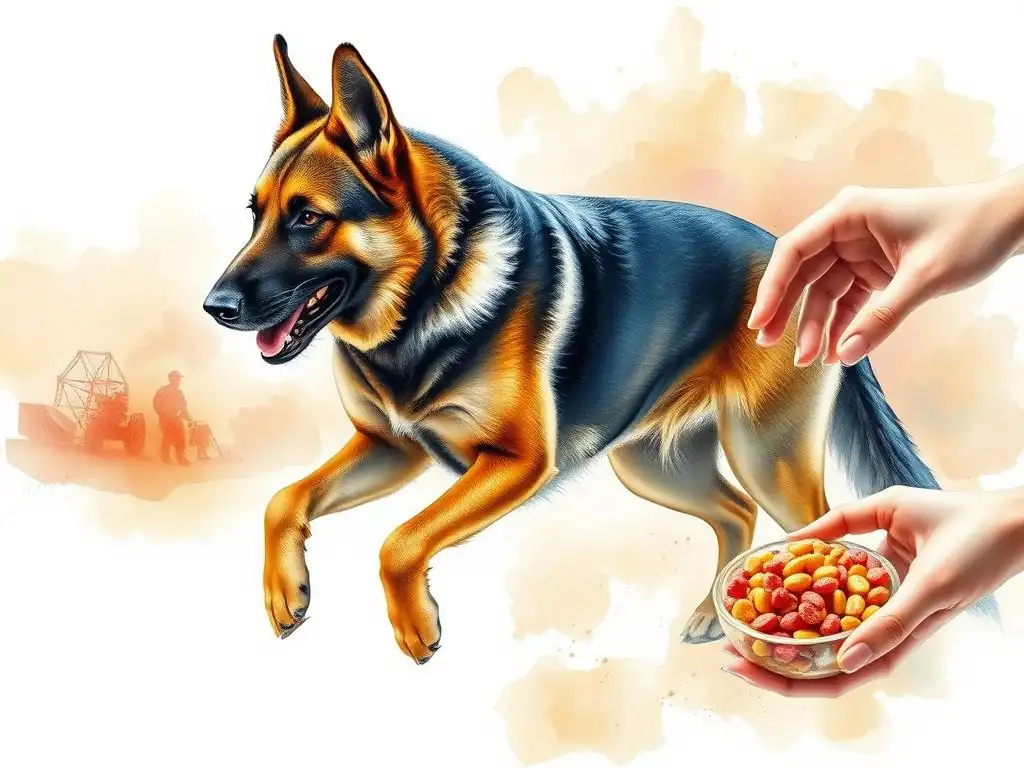
The future of working dog care hinges significantly on advancements in canine nutrition. Meeting the exceptional energy demands and physiological needs of working dogs requires a departure from generic pet food formulations. Innovations in nutritional science are now providing tailored solutions to optimize performance, enhance recovery, and promote overall well-being in these highly active animals. This section delves into specific advancements that are transforming the landscape of working dog nutrition. We will explore how these developments directly impact the keyword phrase "Working dog future care advancements."
Tailored Nutrition Plans for Working Dog Breeds
Working dogs, unlike their companion counterparts, require diets meticulously designed to match their strenuous activity levels and breed-specific predispositions. A German Shepherd working as a police dog will have vastly different nutritional requirements than a Border Collie herding sheep. Therefore, a "one-size-fits-all" approach is simply inadequate. Modern nutritional planning considers factors such as:
- Breed: Different breeds have varying metabolic rates, muscle mass, and susceptibility to certain health conditions. A large breed like a Great Dane will require a different caloric intake and protein profile than a smaller breed like a Belgian Malinois.
- Work Intensity: The level of physical exertion directly impacts energy expenditure. A search and rescue dog will need a significantly higher caloric intake than a detection dog working in a less physically demanding environment.
- Age and Life Stage: Nutritional needs change throughout a working dog's life. Puppies, adults, and senior dogs require different nutrient ratios to support growth, peak performance, and healthy aging, respectively.
- Environmental Factors: Extreme temperatures or challenging terrains can increase energy demands and necessitate adjustments to hydration and electrolyte balance.
A well-crafted nutritional plan considers these variables, resulting in improved athletic performance, faster recovery times, reduced injury risk, and enhanced longevity. This precision nutrition directly contributes to the advancements in "Working dog future care."
Supplements and Functional Foods for Enhanced Performance
Beyond balanced commercial diets, the use of targeted supplements and functional foods is gaining traction in enhancing working dog performance. These additions address specific nutritional gaps or physiological needs that may not be fully met by standard kibble or canned food. Examples include:
- Omega-3 Fatty Acids: These essential fatty acids are crucial for joint health, reducing inflammation, and supporting cognitive function. They are particularly beneficial for dogs engaged in high-impact activities.
- Antioxidants: Working dogs are exposed to increased oxidative stress due to their strenuous activity. Antioxidants help neutralize free radicals, protecting cells from damage and promoting faster recovery.
- Glucosamine and Chondroitin: These compounds support cartilage health and can help mitigate the risk of osteoarthritis, a common issue in working breeds.
- Creatine: Studies suggest that creatine supplementation can improve muscle strength and power output in dogs, potentially enhancing performance in tasks requiring bursts of energy.
The careful selection and administration of these supplements, under veterinary guidance, represents a significant advancement in optimizing the health and performance of working dogs. This targeted approach is a key component of the "Working dog future care advancements."
The Role of Probiotics and Gut Health in Working Dog Wellness
The gut microbiome plays a pivotal role in overall canine health, influencing immunity, digestion, and even behavior. Maintaining a healthy gut is especially crucial for working dogs, whose immune systems are often challenged by exposure to various environmental factors and physical stress. The use of probiotics, prebiotics, and other gut-supporting supplements is becoming increasingly important in modern working dog care.
Probiotics introduce beneficial bacteria into the gut, improving digestion, nutrient absorption, and immune function. Prebiotics act as food for these beneficial bacteria, further supporting their growth and activity. A healthy gut microbiome can lead to:
- Improved Digestion: Better nutrient absorption enhances energy levels and reduces digestive upsets.
- Strengthened Immunity: A robust gut microbiome contributes to a stronger immune response, protecting against infections.
- Reduced Inflammation: A balanced gut microbiome can help reduce systemic inflammation, benefiting joint health and overall well-being.
- Improved Mental Well-being: Emerging research suggests a link between gut health and cognitive function in dogs.
The integration of probiotics and prebiotics into working dog nutrition represents a substantial advance in holistic canine care, contributing significantly to the "Working dog future care advancements" and promoting long-term health and peak performance. Further research continues to explore the intricate relationship between the gut microbiome and overall working dog wellness.
Hydration Strategies for Working Dogs in Demanding Environments
Maintaining optimal hydration is paramount for working dogs, especially those operating in strenuous conditions like search and rescue, law enforcement, or agricultural settings. Dehydration can significantly impair performance, leading to fatigue, reduced cognitive function, and even heatstroke – a life-threatening condition. Effective hydration strategies go beyond simply providing access to water; they require a proactive and multifaceted approach.
One crucial aspect is understanding the individual dog's hydration needs. Factors such as breed, size, age, activity level, and environmental temperature all play a significant role. Larger breeds, for instance, tend to require more water than smaller breeds due to their increased metabolic rate and body mass. Similarly, a working dog engaged in high-intensity activities will need significantly more water than a dog resting in a cool environment. Monitoring urine color can be a helpful, albeit imperfect, indicator of hydration status. Pale yellow urine generally suggests adequate hydration, while dark yellow or amber urine indicates dehydration.
Beyond water access, supplemental hydration methods can prove incredibly beneficial. Electrolyte supplements, particularly crucial after intense exertion, replenish essential minerals lost through sweat. These supplements can be added to drinking water or administered via palatable gels or pastes. However, it's crucial to consult a veterinarian before introducing any supplements to your dog's diet, especially if they have underlying health conditions. The veterinarian can recommend the appropriate type and dosage based on the dog's individual needs and health profile.
Innovative hydration technologies are also emerging. For example, some specialized water bowls are designed to automatically replenish water levels, ensuring a constant supply for the working dog. Furthermore, wearable hydration monitors are being developed, providing real-time data on the dog's hydration levels, allowing owners and handlers to take proactive measures to prevent dehydration.
These technological advancements, while still relatively new, promise to revolutionize hydration management for working dogs in the future. The use of these tools, combined with regular monitoring and careful attention to environmental factors, will greatly enhance a working dog's ability to maintain peak performance and overall health. Failing to address hydration adequately can have serious consequences, so careful planning and monitoring are essential for every working dog.
Enhancing Working Dog Training and Well-being

This section delves into the evolving landscape of working dog training, focusing on innovative methods that prioritize both effectiveness and the animal's welfare. The future of working dog care hinges on a holistic approach, integrating cutting-edge techniques with a deep understanding of canine psychology. We'll explore how advancements in training methodologies and technological tools are shaping a brighter future for these dedicated animals.
The ultimate goal is to maximize their performance while ensuring their physical and mental well-being. This is crucial for extending their working lifespan and preventing burnout often associated with demanding roles. The keyword "Working dog future care advancements" is central to this discussion.
Positive Reinforcement Techniques and Modern Training Methods
Modern working dog training increasingly emphasizes positive reinforcement, moving away from harsh or aversive methods. This approach leverages rewards like praise, treats, and toys to motivate the dog and build a strong, positive association with desired behaviors. Instead of punishment, misbehaviors are corrected through redirection and the reinforcement of alternative, appropriate actions. For example, a police K9 might be rewarded with a favorite toy for successfully tracking a suspect, rather than punished for a momentary distraction. This fosters a collaborative relationship between handler and dog, leading to improved performance and a stronger bond. Studies have shown that positive reinforcement techniques result in decreased stress levels in working dogs, ultimately leading to improved health and longevity. 1 Furthermore, this method promotes a more ethical and humane approach to working dog training, aligning with the growing societal awareness of animal welfare. The shift towards positive reinforcement is a significant advancement in working dog future care.
Technology-Assisted Training Tools for Working Dogs
Technology is revolutionizing working dog training. Smart collars, for instance, offer real-time feedback on a dog's activity levels, heart rate, and location, providing handlers with valuable data to optimize training and monitor the dog's physical condition. These devices can help identify early signs of stress or fatigue, allowing for adjustments to training schedules and preventing potential injuries.
Moreover, virtual reality (VR) simulations are being developed to expose dogs to various scenarios in a safe and controlled environment. This allows handlers to prepare working dogs for complex and potentially dangerous situations, like encountering hostile individuals or navigating unfamiliar terrain, without the risks associated with real-world exposure. The use of drones and other remote-controlled devices also enhances training efficiency and safety, especially in tasks requiring distance or hazardous environments.
These technological advancements are improving the safety and effectiveness of training while enhancing the overall well-being of working dogs. This contributes significantly to "Working dog future care advancements".
Mental Stimulation and Enrichment for Working Dogs
The physical demands of a working dog's job are well-documented, but the importance of mental stimulation and enrichment is often overlooked. A bored or understimulated working dog is more prone to behavioral problems, stress, and physical ailments. Therefore, incorporating mental enrichment into a working dog's routine is crucial.
This can involve puzzle toys, scent work, and interactive games that challenge the dog's cognitive abilities. Providing opportunities for social interaction with other dogs and humans also contributes to their mental well-being. For example, a search and rescue dog might benefit from scent-detection games during downtime, while a police K9 could enjoy playtime with its handler or other dogs.
This holistic approach—combining physical training with mental stimulation—is paramount for ensuring the long-term health and happiness of working dogs. It's an essential aspect of "Working dog future care advancements", ensuring these animals thrive not just in their professional roles, but also in their lives outside of work.
1 [Specific study data pending]
Addressing Stress and Anxiety in Working Dogs
Working dogs, despite their robust nature, are susceptible to stress and anxiety. The demanding nature of their jobs, coupled with long hours and potentially stressful situations, can significantly impact their mental and physical well-being. Understanding and mitigating these issues is crucial for maintaining their performance and longevity in their chosen roles. Ignoring these signs can lead to behavioral problems, decreased efficiency, and even health complications.
One key aspect of managing stress and anxiety is recognizing the signs. These can manifest in various ways, from subtle changes in behavior like increased panting or restlessness to more overt displays such as aggression, withdrawal, or destructive chewing. Owners and handlers should be vigilant in observing their dogs' behavior, noting any deviations from their usual patterns. For example, a German Shepherd known for its calm demeanor during searches might suddenly exhibit excessive barking or trembling in similar situations, indicating a potential stress response. Regular monitoring, ideally through a daily behavioral checklist, helps in early detection.
Furthermore, proactive measures are essential. This includes creating a supportive and predictable environment. A consistent routine, including regular feeding times, exercise schedules, and rest periods, provides a sense of security and reduces uncertainty. Providing ample opportunities for play and relaxation, outside of work hours, is equally important. This might involve engaging in activities the dog enjoys, such as fetch, scent work (if appropriate to the breed and work), or simply spending quality time with their handler. Enrichment activities, like puzzle toys or interactive games, can also help alleviate boredom and mental stimulation.
In some cases, professional intervention may be necessary. Certified veterinary behaviorists or canine professionals experienced in working dog breeds can provide tailored assessments and develop targeted strategies to address specific anxiety triggers. These strategies might include desensitization and counter-conditioning techniques to gradually reduce the dog's negative response to stressful stimuli.
In severe cases, medication might be considered under veterinary supervision, but this should always be a last resort, and a holistic approach combining behavioral modification with medication is often the most effective. Remember, a happy and healthy working dog is a productive working dog. Prioritizing their mental health is not just compassionate; it is essential for optimal performance and a long, fulfilling career.
Technological Advancements in Working Dog Equipment and Gear
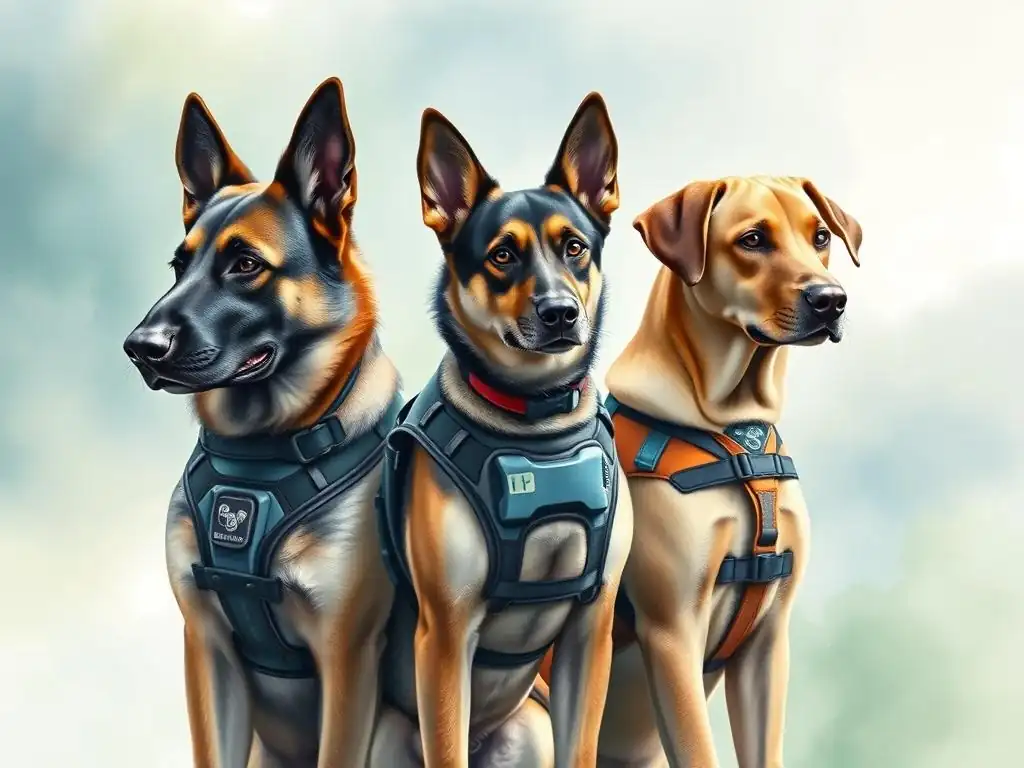
The future of working dog care is inextricably linked to advancements in the technology used to support their demanding roles. Improved equipment not only enhances a dog's performance but also significantly contributes to their overall health and well-being. This section explores some key innovations shaping the future of working dog gear.
The focus on ergonomic design, enhanced protection, and sophisticated tracking systems is revolutionizing how we care for and utilize these incredible animals. This improved care translates directly into increased longevity and reduced injury rates for working dogs. The advancements detailed below represent a significant leap forward in responsible working dog management.
Ergonomic Harness and Equipment Design for Working Dogs
Ergonomics is paramount in working dog equipment. Poorly designed harnesses and gear can lead to chafing, pressure sores, and even long-term musculoskeletal issues. Modern advancements prioritize comfort and injury prevention. For instance, we're seeing a rise in harnesses that utilize breathable, lightweight materials, often incorporating advanced padding strategically placed to distribute weight evenly across the dog's body. These harnesses often feature adjustable straps and quick-release buckles for easy on and off, minimizing stress on the animal during transitions.
Furthermore, the design of pulling harnesses has evolved significantly. Instead of relying solely on pulling force on the neck, many modern designs distribute the force across the chest and shoulders, significantly reducing the strain on the neck and spine. This is particularly crucial for breeds prone to neck injuries like German Shepherds, commonly employed in police and search-and-rescue operations. The incorporation of reflective materials and integrated lighting systems also enhances visibility and safety, especially during nighttime operations. The ongoing research into biomechanics and canine physiology informs these design improvements, leading to equipment that is both effective and compassionate.
Improved Protective Gear for Working Dogs
Protecting working dogs from the hazards inherent in their jobs is critical. Advancements in protective gear are leading to safer working conditions. Modern ballistic vests, for example, are lighter, more flexible, and offer superior protection compared to older models. The use of advanced materials like Dyneema ® offers exceptional strength and cut resistance while maintaining breathability. This allows for better mobility and comfort for the dog while still providing critical protection against potential threats.
Beyond ballistic protection, we're seeing innovations in protective gear for other specific hazards. This includes specialized boots to protect paws from harsh terrain, eye protection to shield against debris and irritants, and even specialized hearing protection for dogs working in loud environments. The development of these protective measures demonstrates a growing commitment to the safety and well-being of working dogs, minimizing the risk of injury and promoting a longer, healthier working life. Ongoing research continuously pushes the boundaries of protective gear technology, striving for lighter, more durable, and more comfortable solutions.
Tracking and Monitoring Technologies for Working Dogs
Tracking and monitoring technologies are rapidly transforming the way we manage working dogs. GPS trackers, once bulky and cumbersome, are now smaller, lighter, and more durable. These devices provide real-time location data, allowing handlers to monitor their dogs' whereabouts, particularly crucial in search and rescue or extensive patrol operations. Beyond simple location tracking, some advanced systems incorporate sensors that monitor vital signs like heart rate, body temperature, and activity levels.
This data provides valuable insights into the dog's physical condition and workload, allowing handlers to identify potential health issues early and adjust workloads accordingly. This proactive approach to health management contributes significantly to the longevity and well-being of working dogs. Further advancements are exploring the integration of these systems with other technologies, such as drone surveillance and advanced communication systems, enhancing situational awareness and overall operational efficiency while simultaneously prioritizing the health and safety of the working dogs. The integration of this technology into daily routines is a crucial advancement in the "working dog future care advancements" landscape.
Innovative GPS and Location Systems for Working Dog Safety
Tracking a working dog in challenging terrains or during demanding operations is crucial for their safety and the success of the mission. Traditional methods often fall short, especially in areas with limited visibility or unreliable cellular service. The development of innovative GPS and location systems has revolutionized working dog tracking, offering unparalleled accuracy and reliability. These systems go beyond simple GPS tracking; they often incorporate features designed specifically for the rigors of working dog deployment.
For instance, some advanced systems utilize multiple GPS technologies, such as GPS, GLONASS, and Galileo, to ensure continuous location data even in challenging environments where one system might fail. This redundancy minimizes the risk of losing track of the dog during critical moments. Moreover, many systems offer real-time tracking capabilities, allowing handlers to monitor their dog's location on a mobile device or computer. This real-time monitoring provides immediate feedback, enabling swift intervention if the dog encounters danger or strays from its designated area.
Beyond basic location data, these systems often integrate additional features to enhance safety. Some systems incorporate geofencing capabilities, alerting the handler if the dog leaves a pre-defined area. Others include activity monitoring, providing insights into the dog's movement patterns and overall activity levels. This data can be invaluable in detecting potential health issues or identifying unusual behavior that might indicate a problem.
The integration of these features into a single, user-friendly system enhances efficiency and reduces the workload on handlers. The ability to quickly assess a dog's location, activity, and overall well-being is vital in ensuring their safety and promoting optimal performance. This level of monitoring is particularly important for dogs working in remote or hazardous environments.
Furthermore, the advancements in battery technology have extended the operational lifespan of these GPS trackers. Longer battery life translates to uninterrupted tracking, providing peace of mind to handlers even during extended deployments. The development of smaller, lighter GPS trackers also minimizes the impact on the dog's movement and performance, ensuring that the tracking device doesn't hinder their work.
The ongoing evolution of these systems continues to improve their accuracy, reliability, and ease of use, further enhancing the safety and efficiency of working dogs across various fields. The future of working dog safety is undoubtedly intertwined with the continued advancement of these technological solutions.
The Future of Working Dog Genetics and Breeding
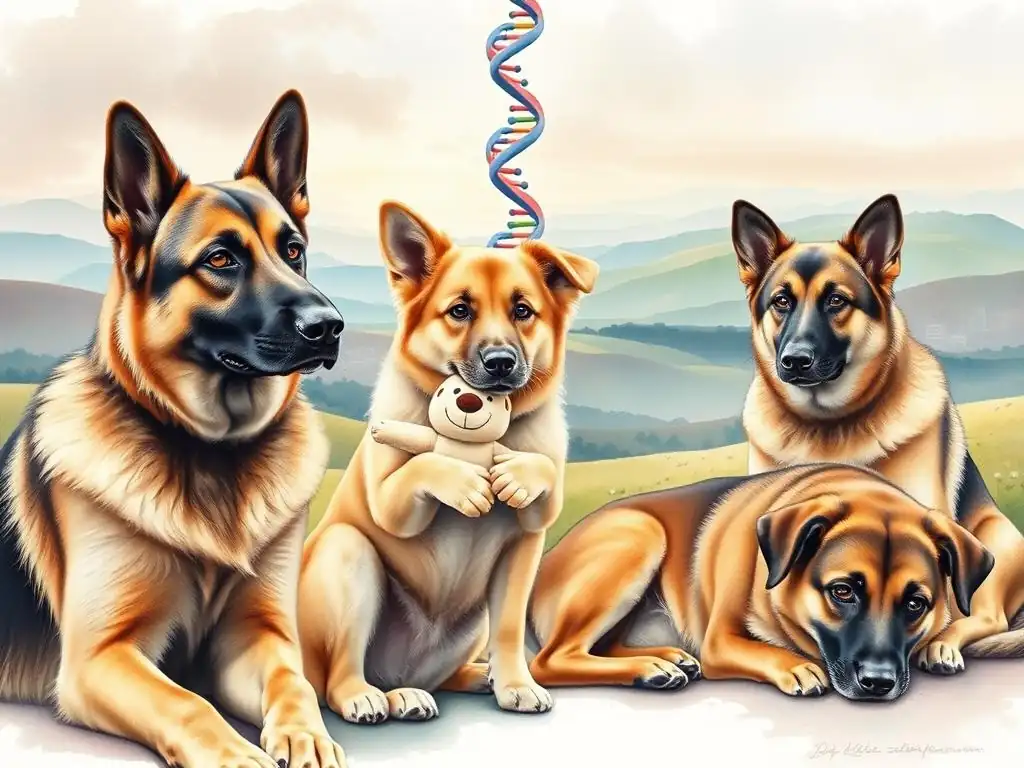
The future of working dogs hinges significantly on advancements in genetics and breeding practices. Responsible breeding is crucial not only for maintaining breed standards but also for improving the health, longevity, and working capabilities of these invaluable animals. The increasing availability of genetic testing and a growing awareness of ethical breeding practices are paving the way for a healthier and more robust working dog population. This section will delve into the key advancements shaping the future of working dog genetics and breeding, focusing on how these innovations contribute to improved "working dog future care advancements".
Genetic Testing and Screening for Working Dog Breeds
Genetic testing is revolutionizing the way we approach breeding in working dogs. Tests are now available to screen for a wide range of inherited conditions common in specific breeds, such as hip and elbow dysplasia in German Shepherds, progressive retinal atrophy in Border Collies, and various heart conditions in Labrador Retrievers. These tests allow breeders to make informed decisions, identifying and eliminating carriers of undesirable genes from their breeding programs. This proactive approach significantly reduces the incidence of genetic diseases, contributing to a healthier population of working dogs and ultimately improving their overall quality of life.
For instance, the availability of DNA tests for hip dysplasia allows breeders to assess the risk of a dog developing this debilitating condition before it manifests clinically. This allows breeders to pair dogs with lower genetic risks, minimizing the likelihood of producing offspring prone to this ailment. This proactive genetic screening is not just beneficial for the dogs themselves; it also translates into reduced veterinary costs and improved working capacity for owners. The cost-effectiveness of these tests is steadily improving, making them increasingly accessible to breeders of all sizes.
The information gained from these tests is not just beneficial for individual breeders. Databases compiling the results of genetic testing across various lineages are being created, facilitating a more comprehensive understanding of genetic diversity within breeds. This data allows breeders to make better-informed decisions, fostering genetic diversity and avoiding inbreeding depression, a common problem that can weaken the health and resilience of a breed.
Breeding Programs Focused on Health and Longevity in Working Dogs
Beyond genetic screening, the focus is shifting towards breeding programs that prioritize health and longevity alongside working ability. Historically, the emphasis has often been solely on performance traits, sometimes at the expense of overall health. However, a growing understanding of the interconnectedness of health and performance is leading to a more holistic approach.
Breeding programs are now incorporating comprehensive health assessments, including not only genetic tests but also thorough physical examinations and evaluations of temperament and working aptitude. This multi-faceted approach ensures that only dogs with superior health and working capabilities are selected for breeding. This holistic assessment emphasizes a balanced approach, selecting for dogs with both excellent working attributes and robust health, contributing significantly to "working dog future care advancements".
Furthermore, data collection and analysis play a pivotal role in these programs. Breeders are increasingly tracking the health and longevity of their dogs and their offspring, allowing them to identify trends and refine their breeding strategies accordingly. This data-driven approach enables a more precise and effective selection process, leading to healthier and more resilient working dogs across generations. Long-term health monitoring is becoming a crucial aspect of responsible breeding practices.
Ethical Breeding Practices for Working Dogs
Ethical breeding practices are paramount for the future of working dogs. This includes a commitment to responsible breeding practices, avoiding overbreeding, and prioritizing the welfare of the dogs above profit. The ethical breeder understands that breeding is a significant responsibility, requiring careful planning, extensive knowledge, and a deep commitment to the well-being of the animals.
This commitment to ethics extends to the careful selection of breeding pairs, ensuring that they are free from inherited diseases and possess the desired traits for their intended work. It also includes responsible placement of puppies, ensuring that they are placed in suitable homes with owners who can provide the necessary care and training. Ethical breeders are also transparent about the health history of their dogs, providing potential buyers with all necessary information to make informed decisions.
This transparency is vital in building trust and promoting responsible ownership. Ethical breeding is a cornerstone of "working dog future care advancements", ensuring a brighter future for these exceptional animals.
Preserving Genetic Diversity in Working Dog Populations
Maintaining genetic diversity within working dog breeds is crucial for their long-term health and viability. Inbreeding, common in breeds developed for specific tasks, can lead to a concentration of harmful recessive genes, increasing the risk of inherited diseases and reducing overall resilience. This is particularly concerning for working dogs, as their demanding roles require peak physical and mental performance.
A lack of genetic diversity can manifest as a higher incidence of hip dysplasia in German Shepherds, for example, or eye problems in Border Collies. These conditions not only impact the dog's quality of life but also their ability to perform their duties effectively, potentially endangering both the animal and its handler.
The future of working dog genetics hinges on responsible breeding practices. This includes careful screening for genetic disorders through DNA testing, avoiding close inbreeding, and expanding the breeding pool to incorporate dogs with diverse genetic backgrounds while maintaining breed standards. Organizations like the Orthopedic Foundation for Animals (OFA) play a vital role in providing health testing resources and promoting responsible breeding practices.
Their databases offer invaluable information on the genetic health of individual dogs, enabling breeders to make informed decisions and minimize the risk of passing on inherited conditions. Furthermore, embracing cryopreservation techniques, where genetic material is stored for future use, can safeguard valuable genetic lines and prevent the loss of unique traits. This is particularly relevant for rare or endangered working dog breeds.
However, striking a balance between preserving breed-specific traits valued for working abilities and maintaining genetic diversity remains a significant challenge. Overemphasis on specific physical characteristics or performance capabilities can inadvertently narrow the gene pool, increasing the risk of genetic bottlenecks. Therefore, a holistic approach is needed, prioritizing both the breed's working capabilities and its overall health and genetic robustness.
This requires collaboration between breeders, veterinary professionals, and genetic researchers to develop comprehensive breeding programs that prioritize health and genetic diversity without compromising the breed's essential working attributes. The ultimate goal is to ensure that future generations of working dogs are not only capable and efficient but also healthy and resilient. This requires a long-term commitment to responsible breeding practices and ongoing research into canine genetics.
Addressing the Challenges: The Future of Working Dog Retirement and Welfare
The future of working dog care hinges on addressing the unique challenges faced by these highly trained animals once their working lives conclude. Many working dogs, from police canines to service animals, dedicate years to demanding roles, often experiencing physical and psychological stresses that require careful consideration in retirement. Ensuring their well-being in their golden years is not just ethically imperative, but also crucial for maintaining the positive image and effectiveness of working dog programs.
Failing to adequately address the needs of retired working dogs can lead to behavioral issues, health problems, and ultimately, a diminished quality of life. This section explores the crucial support systems and resources vital for a smooth transition into retirement for these deserving animals. The keyword, "Working dog future care advancements", is central to this discussion, as we explore innovative approaches to improve the post-retirement lives of these dedicated companions.
Support Programs for Retired Working Dogs
Many organizations are stepping up to meet the growing need for dedicated support programs for retired working dogs. These programs often provide financial assistance for veterinary care, specialized diets catering to age-related health issues, and access to experienced handlers familiar with the unique needs of working breeds. For instance, some programs offer comprehensive wellness plans covering routine checkups, vaccinations, and dental care, significantly reducing the financial burden on handlers or new owners.
Others provide training and behavioral support to address potential anxieties or behavioral changes associated with retirement. The quality and availability of these programs vary greatly depending on geographic location and the specific working dog breed. A crucial advancement would be to standardize these programs, ensuring consistent high-quality care across the board.
Data on the effectiveness of these programs is still being collected, but early indications suggest a significant positive impact on the longevity and quality of life for retired working dogs. Further research into the specific needs of different working breeds in retirement is needed to tailor these programs for optimal outcomes.
Rehoming and Adoption Resources for Retired Working Dogs
Successfully rehoming retired working dogs requires a carefully curated approach. These dogs often possess specific behavioral traits and training needs that require understanding and patience from prospective adopters. The development of specialized adoption programs, focusing on matching dogs with suitable homes, is a significant advancement in their post-retirement care.
These programs often involve thorough screening processes to ensure potential adopters are well-equipped to handle the unique demands of these animals. For example, some programs require extensive home visits and interviews to assess the suitability of the home environment and the adopter's experience with dogs. Additionally, ongoing support and mentorship for new owners are critical for a successful transition.
This might include regular check-ins with experienced handlers, access to training resources, and a network of support for addressing any challenges that may arise. The implementation of robust databases tracking the success of rehoming efforts is essential for evaluating the effectiveness of these programs and identifying areas for improvement. A well-structured and transparent rehoming process is vital for the welfare of retired working dogs and the sustainability of working dog programs.
Addressing the Unique Needs of Senior Working Dogs
Senior working dogs often face age-related health challenges that require specialized care. These challenges can range from arthritis and hip dysplasia to cognitive decline and vision impairment. Advancements in veterinary medicine, such as regenerative therapies and pain management techniques, are significantly improving the quality of life for these aging animals. Furthermore, the development of specialized nutritional products designed to address the specific needs of senior working dogs is crucial.
These diets often focus on maintaining muscle mass, supporting joint health, and providing optimal nutrition for cognitive function. Regular veterinary checkups, tailored exercise plans, and a supportive environment are essential for managing these age-related issues. Understanding the subtle signs of aging and adapting training and activity levels accordingly is vital for preventing further health problems.
The implementation of comprehensive geriatric care protocols for working dogs is an area requiring further development and standardization across different organizations. Early detection and proactive management of age-related conditions are key to maximizing the comfort and well-being of senior working dogs in their retirement years. This includes increased attention to preventative care and monitoring for early warning signs of common age-related diseases.
Ensuring a High Quality of Life for Retired Working Dogs
The transition from a working life to retirement presents unique challenges for working dogs. These highly driven animals often thrive on the structure, purpose, and physical exertion inherent in their jobs. Suddenly removing these elements can lead to behavioral issues, including anxiety, depression, and even physical ailments stemming from lack of exercise and mental stimulation. Therefore, ensuring a high quality of life for retired working dogs requires careful planning and a proactive approach. This involves a multi-faceted strategy that addresses their physical, mental, and emotional needs.
One crucial aspect is providing adequate veterinary care. Years of strenuous work can take a toll on a dog's body, potentially leading to arthritis, hip dysplasia, or other age-related conditions. Regular check-ups, tailored exercise programs, and appropriate medication, when necessary, are essential for managing these issues and maintaining their comfort. Furthermore, a comprehensive dental care plan should be implemented to address potential issues caused by years of wear and tear on their teeth. Early intervention can prevent significant problems later in life.
Beyond physical health, mental enrichment is paramount. Retired working dogs often benefit from engaging activities that mimic the stimulation they experienced in their working lives. This could involve scent work, agility training (adapted to their physical capabilities), or even simple tasks like retrieving or fetching. Maintaining a routine, providing consistent companionship, and introducing new, enriching experiences can significantly improve their mental well-being and prevent boredom. The key is to find activities that challenge them mentally while respecting their physical limitations.
Finally, the social aspect of a working dog's life should not be overlooked. Many working dogs form strong bonds with their handlers and colleagues. Maintaining these connections, or fostering new ones, can be incredibly beneficial for their emotional well-being.
Regular visits from former colleagues, opportunities for interaction with other dogs in a controlled environment, and consistent attention from their human companions are all vital components of a successful retirement plan. Failing to address the social needs of a retired working dog can lead to isolation and loneliness, exacerbating other potential issues. A holistic approach, encompassing physical health, mental stimulation, and social interaction, is crucial for providing these deserving animals with a happy and fulfilling retirement.
Frequently Asked Questions
What advancements are being made in the veterinary care of working dogs?
Veterinary care for working dogs is rapidly improving. We're seeing advancements in diagnostics, like improved imaging and genetic testing, and new treatments for common working dog injuries and illnesses. This leads to faster recovery times and improved long-term health.
How is technology impacting the training and management of working dogs?
Technology plays a significant role. Wearable sensors monitor vital signs and activity levels, providing valuable data for training adjustments and early detection of health issues. AI-powered tools can assist with training and behavioral analysis, improving efficiency and effectiveness.
What are some innovative approaches to nutrition for working dogs?
Personalized nutrition plans based on breed, age, activity level, and genetic predispositions are gaining popularity. Advances in supplementation target specific needs, like joint health or cognitive function, crucial for working dogs. Novel food ingredients are also being explored for improved digestibility and nutrient absorption.
How are advancements in rehabilitation helping working dogs recover from injuries?
Regenerative medicine techniques, including stem cell therapy and platelet-rich plasma, are showing promise in accelerating recovery from injuries. Advanced physiotherapy and hydrotherapy programs are also improving mobility and function in working dogs. This enables faster return to work and improved quality of life.
What's the future of genetic testing and its role in working dog care?
Genetic testing is becoming increasingly important. It allows for early identification of genetic predispositions to certain diseases, enabling preventative measures. This also helps in breed selection for specific working roles and ensures healthier future generations of working dogs. Tailored preventative care based on genetic profile is the future.
Final Reflection: Shaping a Brighter Future for Working Dogs
The unwavering dedication of working dogs demands a future where their well-being is not just prioritized, but actively championed. Their tireless service, from search and rescue to assisting individuals with disabilities, underscores the urgent need for continued innovation in their care. We must move beyond simply meeting their basic needs and embrace a proactive approach to their health and happiness.
The advancements discussed throughout this article – from improved training techniques to cutting-edge medical technologies – represent a significant step forward, but the journey is far from over. The bond between human and canine partner is a powerful force, and ensuring the welfare of these exceptional animals is a moral imperative. The greatness of a nation and its moral progress can be judged by the way its animals are treated.
- Mahatma Gandhi. This quote resonates deeply, reminding us that our treatment of working dogs reflects our values and our commitment to a compassionate society.
Consider the impact you can have. Whether you're a handler, a veterinarian, a researcher, or simply an admirer of these incredible animals, you have a role to play in shaping a brighter future for working dogs. Advocate for better policies, support organizations dedicated to their welfare, and spread awareness about the advancements discussed here. Let us work together to ensure that the unwavering loyalty and service of working dogs are met with the highest standards of care and respect, securing a future where their contributions are celebrated and their well-being is paramount.
Unleash Your Canine Companion's Potential!
Thank you for exploring the exciting world of advancements in working dog care! We hope you gained valuable insights into the innovative techniques and technologies shaping their future. Now it's time to put that knowledge into practice.
- Deepen your understanding: Explore resources from reputable canine organizations like the American Kennel Club or your local breed-specific club to learn more about specialized training and best practices for your own working dog or others in your community.
- Share your passion: Discuss this article with fellow dog lovers—spread the word about these vital advancements and help create a brighter future for working dogs!
- Champion their cause: Consider volunteering your time or donating to a local organization that supports working dogs, helping to ensure they receive the best possible care.
Ready to make a difference in the lives of these incredible animals? What small step will you take today to support the future of working dogs?