
Positive Reinforcement for Trick Training: Unleashing Your Dog's Talent

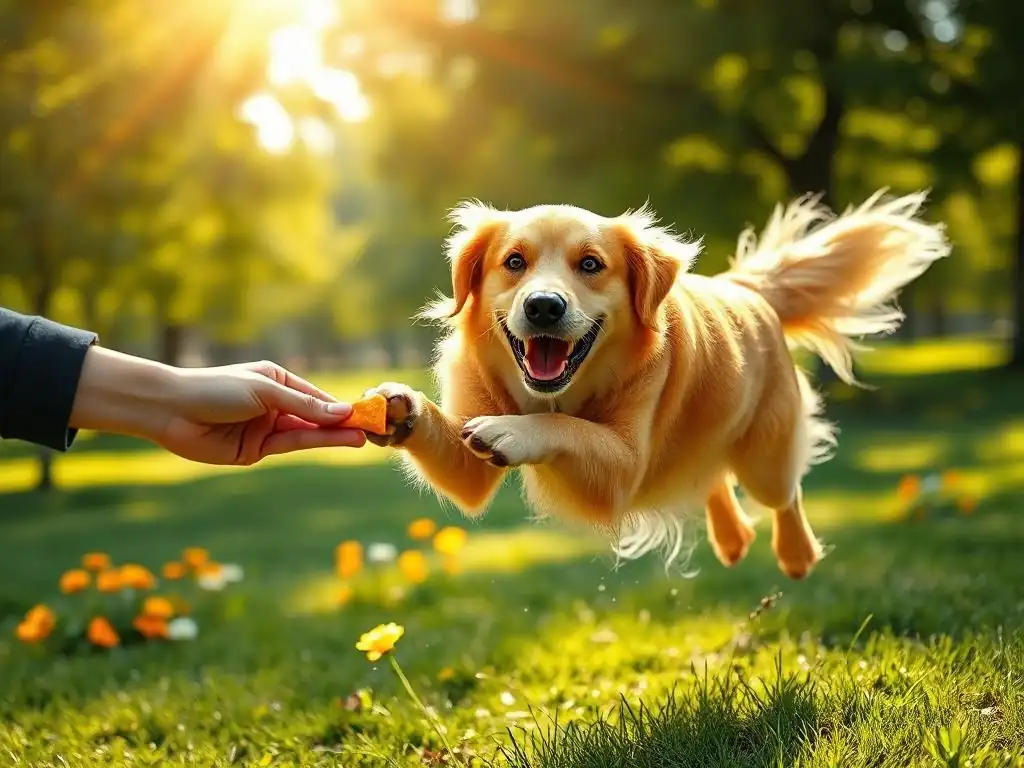
Welcome to PetCareWorld, your ultimate guide to a happier, healthier life for your beloved pet! Are you ready to unlock your dog's hidden potential? Discover the secrets to successful dog trick training using positive reinforcement, a method that builds a stronger bond while teaching amazing new skills. Dive into our expert guide and learn how to transform training time into fun, rewarding experiences for both you and your furry friend. Let's unleash your dog's talent together!
- Understanding Positive Reinforcement Dog Training
- Getting Started with Trick Training: Building a Foundation
- Teaching Specific Tricks Using Positive Reinforcement
- Advanced Techniques in Positive Reinforcement Trick Training
- Maintaining Motivation and Preventing Boredom
- Beyond the Basics: Advanced Trick Training and Enrichment
- Resources and Further Learning
-
Frequently Asked Questions
- What is positive reinforcement in dog trick training?
- How do I start positive reinforcement trick training with my dog?
- What kind of rewards work best for positive reinforcement?
- How can I handle mistakes during positive reinforcement trick training?
- Is positive reinforcement effective for all dogs, regardless of breed or age?
- Final Reflection: The Enduring Power of Positive Reinforcement in Dog Training
- Unleash Your Dog's Inner Champion: Start Training Today!
Understanding Positive Reinforcement Dog Training
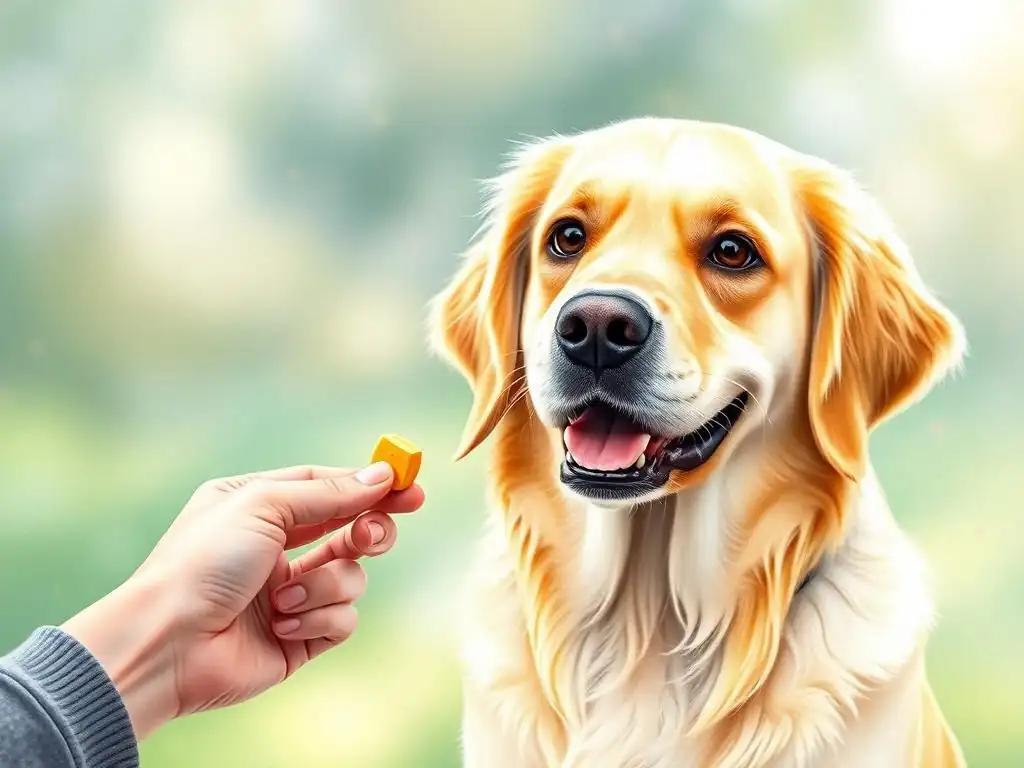
Positive reinforcement is a humane and highly effective method for teaching your dog tricks, building a strong bond, and fostering a happy, well-behaved companion. This approach focuses on rewarding desired behaviors, making learning enjoyable for both you and your furry friend. Unlike punishment-based methods that rely on fear and intimidation, positive reinforcement leverages your dog's natural desire for rewards to motivate them to learn and perform tricks.
This article will explore the intricacies of using positive reinforcement for dog trick training, covering everything from understanding the core principles to selecting the perfect rewards for your canine companion. We'll delve into the numerous benefits of this method and equip you with the knowledge to unlock your dog's hidden talents and strengthen your relationship through positive interactions. Remember, patience and consistency are key to success in any training endeavor, and positive reinforcement makes the process significantly more rewarding for everyone involved.
Let's embark on this journey to unleash your dog's inner showstopper! 🎉
What is Positive Reinforcement in Dog Training?
Positive reinforcement in dog training centers around rewarding desired behaviors. This means that when your dog performs a behavior you want to see repeated (like sitting, staying, or fetching), you immediately follow it with a positive reinforcer. This reinforcer could be a tasty treat, enthusiastic praise, a favorite toy, or even a fun game. The timing is crucial; the reward must be given immediately after the desired behavior to create a strong association in your dog's mind.
This positive association motivates them to repeat the behavior in the future, anticipating a pleasurable reward. It's about building a positive learning experience, where your dog learns to associate good behavior with positive outcomes. Avoid using aversive methods; positive reinforcement is all about creating a happy and trusting relationship with your dog.
Think of it as a collaborative effort, not a power struggle. For example, if you're teaching your dog to "shake," rewarding each successful attempt with a small piece of kibble and praise will reinforce the behavior far more effectively than scolding them for not understanding immediately. Remember, every dog learns at their own pace.
Benefits of Positive Reinforcement for Dog Tricks
The advantages of using positive reinforcement for dog trick training are numerous and extend beyond simply teaching your dog new commands. This method fosters a strong and trusting bond between you and your dog. The positive interactions build confidence in your canine companion, making them more receptive to learning and more willing to cooperate.
It also reduces stress and anxiety for your dog, creating a more enjoyable learning experience. This, in turn, leads to better retention of learned behaviors and a more well-rounded, confident pet. Furthermore, positive reinforcement enhances communication and understanding between you and your dog.
By rewarding desired behaviors, you're clearly communicating what you expect, making training more efficient and less frustrating. This method also creates a positive learning environment, making training sessions fun and engaging for both you and your dog, preventing the development of fear or aggression associated with aversive methods. Finally, it promotes a more relaxed and harmonious relationship between you and your dog, strengthening your bond and creating a more enjoyable life together.
Choosing the Right Rewards for Your Dog
Selecting appropriate rewards is crucial for successful positive reinforcement training. The best reward is highly dependent on your individual dog's preferences. Some dogs are motivated by food, while others respond better to praise or toys. Observe your dog's reactions to different rewards to determine what works best.
For food rewards, use small, high-value treats that your dog finds irresistible. These should be easily digestible and won't cause digestive upset. Consider using training-specific treats that are small enough to administer easily and frequently throughout a training session. Beyond food, consider incorporating praise, petting, or favorite toys as rewards.
Enthusiastic praise accompanied by a happy tone of voice can be incredibly motivating. Finally, remember to vary your rewards to keep your dog engaged and prevent them from becoming bored or habituated to a single type of reward. A balanced approach incorporating different rewards will create a more dynamic and engaging training experience. Experiment and find the combination that works best for your dog; this personalized approach is key to maximizing the effectiveness of positive reinforcement.
Getting Started with Trick Training: Building a Foundation
This section focuses on laying the groundwork for successful dog trick training using positive reinforcement. We'll explore the importance of creating a positive training environment and establishing basic obedience as a foundation before moving on to more complex tricks. Remember, patience and consistency are key to success in dog training, regardless of the breed or age of your canine companion. The ultimate goal is to foster a strong bond between you and your dog, making the training process enjoyable for both of you. This approach to dog trick training positive reinforcement will yield better results.
Creating a Positive Training Environment
A positive training environment is paramount for effective dog trick training. This means creating a space free from distractions where your dog feels safe, comfortable, and confident. Avoid training in areas with excessive noise, high foot traffic, or other potential disruptions. The ideal training environment should be calm and quiet, allowing your dog to focus on you and the task at hand.
Consider the following factors:
- Minimize distractions: Turn off the TV, put away toys, and ensure other pets are contained.
- Choose a comfortable space: Use a familiar area where your dog already feels relaxed. A quiet room or a designated training area in your yard can work well.
- Use positive reinforcement: Focus exclusively on rewarding desired behaviors with treats, praise, or toys. Avoid punishment or harsh corrections; these methods can damage your relationship with your dog and hinder the learning process. Positive reinforcement is the cornerstone of effective dog trick training positive reinforcement.
- Keep training sessions short and sweet: Start with short, 5-10 minute sessions, especially when you are first introducing new tricks. Shorter sessions maintain your dog's focus and prevent them from becoming overwhelmed or bored.
- End on a positive note: Always finish a training session with a successful trick, leaving your dog feeling confident and motivated.
Basic Obedience Commands as a Foundation for Trick Training
Before diving into fancy tricks, ensure your dog has a solid grasp of basic obedience commands. These commands form the building blocks for more complex trick training. Commands such as "sit," "stay," "down," "come," and "leave it" are essential. A dog who understands and reliably performs these commands will be better equipped to learn new tricks.
Mastering basic obedience commands enhances your dog's understanding of communication and expectation. This structured approach makes more complex trick training smoother and less frustrating. Consider using a clicker for precise marking of desired behaviors. The clicker provides immediate feedback to your dog, reinforcing the exact moment they perform the correct action.
Here's a suggested order for teaching basic commands:
- Sit: Use a lure technique with a treat, guiding your dog into the sitting position.
- Down: Similar to "sit," use a lure to guide your dog into a down position.
- Stay: Start with short durations and gradually increase the time your dog holds the "stay" position.
- Come: Practice recall in a safe, controlled environment, rewarding your dog enthusiastically when they come to you.
- Leave it: Teach your dog to ignore tempting items, rewarding them for resisting the urge to pick them up.
Introducing the Concept of Tricks Using Positive Reinforcement
Once your dog has mastered basic obedience, you can begin introducing tricks. Start with simple tricks that build upon the already-established commands. For example, "shake" builds upon the "sit" command, and "play dead" builds upon the "down" command. Remember to maintain a positive and encouraging tone throughout the training process.
Here's a step-by-step approach to introducing new tricks:
- Break down the trick: Divide the trick into small, manageable steps.
- Use lure and reward: Use a treat or toy to lure your dog into the desired position or action. Reward immediately with enthusiastic praise and a treat when they perform the correct movement.
- Use clear cues: Give your dog a consistent verbal cue for each trick.
- Be patient and consistent: Don't get frustrated if your dog doesn't learn the trick immediately. Keep practicing, and celebrate even the smallest successes.
- Gradually increase difficulty: Once your dog masters a simple version of the trick, gradually increase the difficulty. For example, increase the duration of a "stay" or add distance to a "come."
Remember, positive reinforcement dog trick training is a journey, not a race. Celebrate your dog's progress and enjoy the bonding experience of training together! The key is consistent positive reinforcement and creating a fun and rewarding experience for your canine companion. 🐶
Teaching Specific Tricks Using Positive Reinforcement
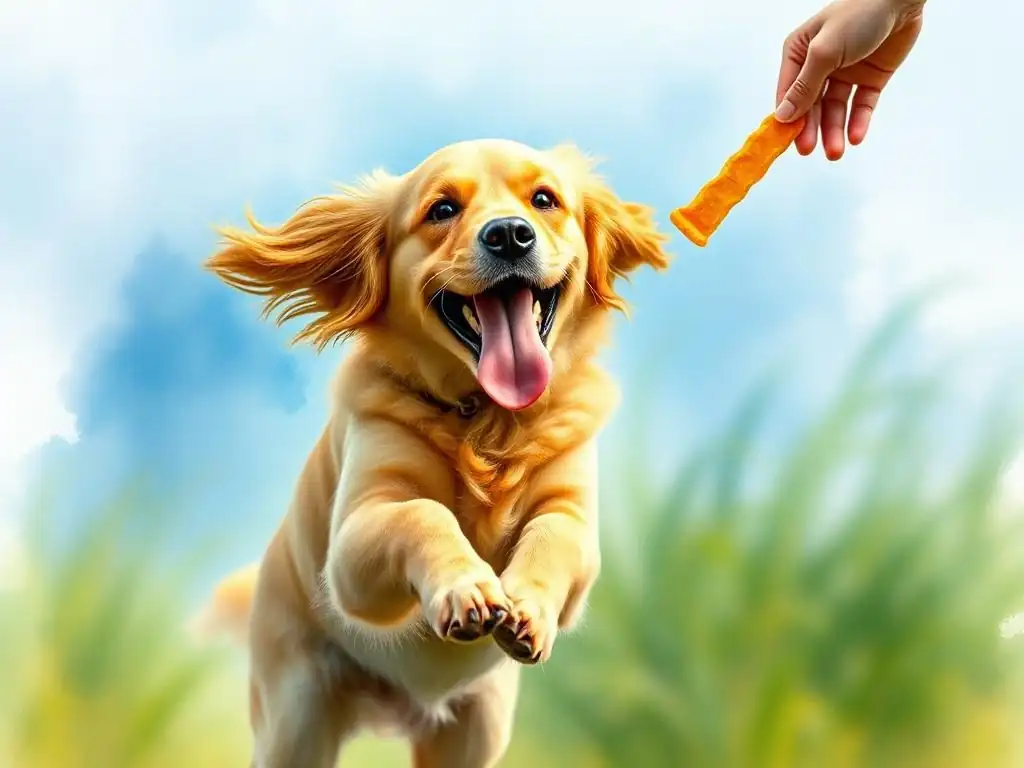
This section delves into the practical application of positive reinforcement in teaching your canine companion various tricks. We'll explore how to break down complex behaviors into smaller, manageable steps, ensuring a positive and rewarding learning experience for both you and your dog. Remember, patience and consistency are key to success in dog trick training positive reinforcement. The goal is to build a strong bond based on trust and mutual understanding.
Teaching Simple Tricks: Sit, Stay, Shake, and Down
Let's start with the foundational tricks: sit, stay, shake, and down. These form the building blocks for more advanced maneuvers. The key is to use clear cues, consistent rewards, and positive reinforcement techniques.
Sit: To teach your dog to sit, hold a treat close to their nose. Slowly move the treat over their head, towards their tail. As their nose follows the treat, their rear end will naturally lower into a sitting position. The moment they sit, say "Sit!" enthusiastically and immediately reward them with the treat. Repeat this process multiple times, gradually fading the lure (treat movement) as your dog learns to associate the verbal cue "Sit" with the action. 🎉
Stay: Once your dog reliably sits, introduce the "Stay" command. Have your dog sit, say "Stay," and hold your hand up as a visual cue. Start with short durations (1-2 seconds), gradually increasing the time as your dog masters the command. Reward immediately upon successful completion of the stay. For longer stays, reward intermittently to maintain focus. Remember to praise generously throughout the process! 👍
Shake: To teach the shake, hold your dog's paw and say "Shake." Reward immediately with a treat and praise. Repeat this several times until your dog starts associating the command with the action. Gradually, you can start to only offer the verbal cue without physically guiding their paw. Many dogs will naturally lift their paw in anticipation of the treat! 🐾
Down: Similar to the sit command, lure your dog into a down position by moving a treat along the ground, from their nose to their chest. As their body lowers, say "Down!" Reward immediately upon successful completion. Like the other commands, gradually fade the lure as your dog progresses. Remember to keep training sessions short and fun to prevent your dog from becoming bored or frustrated. 🐶
Progressing to More Complex Tricks: Fetch, Roll Over, Play Dead
Building upon the foundation of simple tricks, we can now explore more complex behaviors like fetch, roll over, and play dead. These require a more strategic approach, breaking down each trick into smaller, achievable steps.
Fetch: Start by throwing a toy a short distance and encouraging your dog to retrieve it. Use enthusiastic praise and a high-value reward (like a favorite toy or a special treat) upon successful retrieval. Gradually increase the distance as your dog's proficiency improves. It’s important to make sure your dog understands the “fetch” command before gradually increasing the difficulty.
Roll Over: This trick requires a series of steps. First, teach your dog to lie down. Then, lure them to roll onto their side by moving a treat along their body. Reward immediately upon completion of the roll. Gradually guide them to roll all the way over onto their back. Repeat this process, using clear verbal cues and consistent rewards. Celebrate each small victory! 🥳
Play Dead: Begin by luring your dog into a down position. Then, gently guide their body to the ground, saying "Play Dead." Reward them immediately. Gradually increase the duration of the "dead" position, rewarding consistently. This trick requires patience and positive reinforcement to build trust and avoid causing your dog any distress. Remember, positive reinforcement is about building a positive association with the behavior, not forcing it.
Troubleshooting Common Challenges in Trick Training
Even with positive reinforcement, challenges can arise during trick training. Here's how to address some common issues:
| Challenge | Solution |
|---|---|
| Dog loses focus/distracted | Shorten training sessions, choose a quiet location, use higher-value rewards, and incorporate more frequent rewards. |
| Dog doesn't understand cues | Use clearer cues, pair verbal cues with hand signals, and break down tricks into smaller, simpler steps. |
| Dog becomes frustrated | Take breaks, end the session if your dog seems stressed, and use more positive reinforcement. |
| Inconsistent performance | Maintain consistency in your training, use clear cues, and reward consistently. |
Remember, every dog learns at a different pace. Celebrate small successes and remain patient and consistent. With positive reinforcement, you'll be amazed by the tricks your dog can learn! ✨
Advanced Techniques in Positive Reinforcement Trick Training
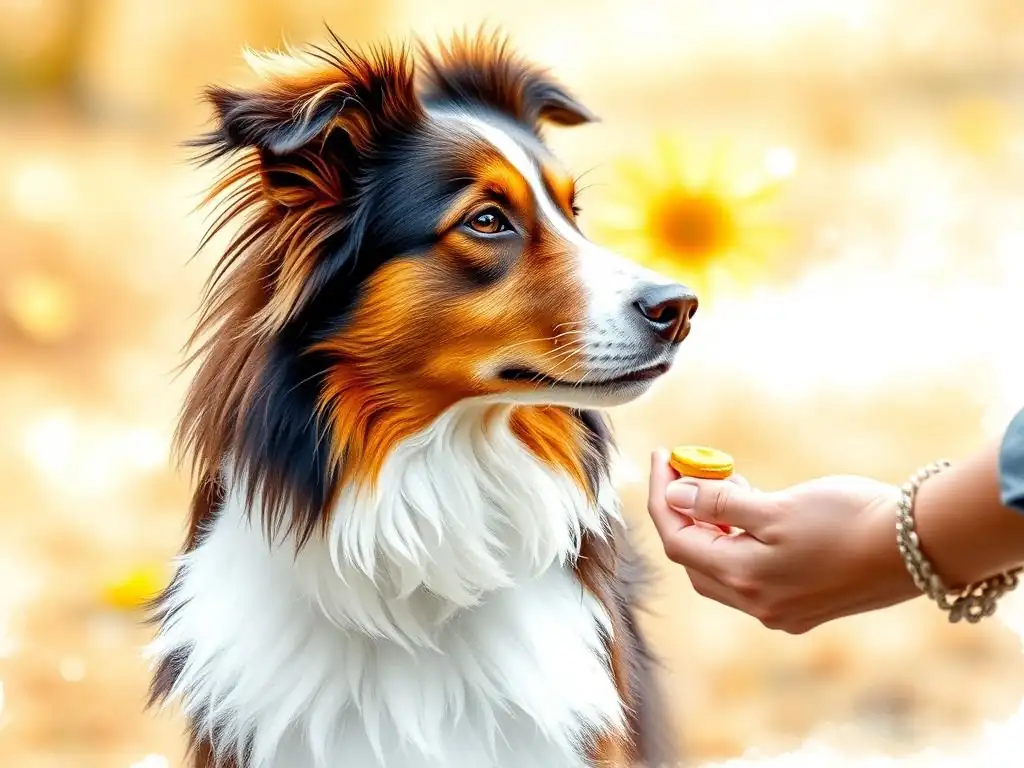
This section delves into more sophisticated techniques within positive reinforcement dog trick training, building upon the foundational principles already established. Mastering these advanced methods allows for the training of increasingly complex and impressive tricks. Remember, patience and consistency are key to success, and always prioritize your dog's comfort and enjoyment throughout the process. The goal is to foster a positive association with learning, strengthening the bond between you and your canine companion.
Shaping Behavior
Shaping is a powerful tool in positive reinforcement dog trick training, particularly useful for teaching behaviors that aren't readily performed by the dog. Instead of waiting for the complete behavior, you reward successive approximations – small steps towards the desired outcome. For example, teaching a dog to "play dead" involves breaking it down into smaller, manageable components.
Initially, you might reward your dog for simply lying down. Once this is consistent, you reward them for lying down and then turning onto their side. Each closer approximation to the final "play dead" position earns a reward. This gradual progression prevents overwhelming the dog and builds confidence. The key is to identify the smallest, incremental steps and reward each one enthusiastically. Avoid pushing your dog too far too quickly; small, consistent progress is more effective than trying to achieve perfection in one session.
Consider the following example: teaching a dog to fetch a specific toy. Instead of waiting for the dog to pick up the toy and bring it to you, you reward the following steps: looking at the toy, sniffing the toy, touching the toy with their nose, picking up the toy, and finally, bringing the toy to you. Each step is rewarded with high-value treats and enthusiastic praise. This method is particularly useful for complex tricks requiring a sequence of actions. The process of shaping can take time and patience, but the results are truly rewarding.
Capturing Behaviors
Capturing involves rewarding a behavior that the dog already performs spontaneously. This is a very effective method for teaching tricks that your dog already does naturally, but perhaps not consistently or on command. For example, if your dog frequently sits, you can capture this behavior.
As your dog sits, immediately say "Sit!" and reward them with a treat and praise. Repeat this process several times until your dog reliably performs the sit on cue. This method is efficient as it leverages the dog's existing behaviors. It's a less structured approach compared to shaping, allowing for more spontaneity and creativity.
Capturing can be extremely useful in teaching tricks like "give paw" or "speak." If your dog naturally lifts its paw, immediately say "Give paw!" and reward the behavior. Similarly, if your dog spontaneously barks, say "Speak!" and provide a reward. Be observant and seize opportunities to capture these behaviors, reinforcing them with consistent rewards. The key here is to be quick and consistent in your verbal cue and reward delivery.
Chaining Behaviors
Chaining involves linking together a series of already-learned behaviors to create a more complex trick. This method is ideal for building upon previously mastered skills. Let's say your dog knows how to "sit," "stay," and "down." You can chain these behaviors to create a more elaborate trick, such as a sequence of "sit-stay-down."
First, cue your dog to "sit." Once they're in the sitting position, immediately reward them. Then, cue "stay," and after a short pause, reward. Finally, cue "down" and reward. Gradually decrease the pause between each cue, eventually linking them seamlessly. The dog learns to associate each cue with the next, ultimately performing the entire chain.
This method is perfect for building impressive routines, such as a complex obstacle course or a multi-step trick. It requires a good understanding of your dog's capabilities and the ability to break down complex tricks into smaller, manageable steps. Always ensure that your dog understands each individual behavior before chaining them together, and remember to celebrate each milestone achieved. The rewards should be distributed throughout the chain, reinforcing each step and maintaining motivation. This technique fosters a strong understanding and helps prevent confusion.
Maintaining Motivation and Preventing Boredom
Effective dog trick training with positive reinforcement hinges not only on rewarding desired behaviors but also on maintaining your dog's enthusiasm and preventing boredom. A bored or frustrated dog will be less receptive to training, leading to slower progress and potentially negative associations with the training process itself. Keeping your canine companion engaged is crucial for a successful and enjoyable training experience for both of you. This section will explore key strategies to ensure your dog remains motivated throughout the trick training journey. Remember, consistency and understanding your dog's individual learning style are paramount.
Keeping Training Sessions Short and Engaging
The key to preventing boredom in dog trick training is to keep sessions short and sweet. Think "quality over quantity." Instead of long, drawn-out training sessions that can leave your dog mentally exhausted and disinterested, aim for multiple shorter sessions throughout the day. For example, three 5-10 minute sessions are far more effective than one 30-minute session. This approach prevents cognitive overload and maintains your dog's focus. Short bursts of intense training followed by breaks allow for better retention and prevent the development of negative associations with the training process. 🐶
Furthermore, incorporate variety within those short sessions. Don't just repeat the same trick over and over. Mix it up! Practice several different tricks during a session to keep your dog mentally stimulated and prevent monotony. This variety also helps to reinforce the concept of positive reinforcement – each trick represents a chance for a reward and a new challenge. Consider using a training schedule to ensure a balanced approach and avoid overworking your dog on any single skill.
Varying Rewards and Training Methods
Monotony isn't just limited to the tricks themselves; it can also extend to the rewards. While your dog might initially love a particular treat, their enthusiasm might wane over time. To keep your dog engaged, vary the rewards you offer. This doesn't mean abandoning your primary reinforcer – the treat your dog loves most – but rather supplementing it with other rewards. Consider incorporating:
- Different types of treats: Experiment with different textures, flavors, and sizes.
- Toys: Offer a favorite toy as a reward after successful completion of a trick.
- Praise and petting: Verbal praise and physical affection are powerful reinforcers, especially when combined with treats.
- Game play: A quick game of fetch or tug-of-war can be a highly motivating reward, particularly for high-energy dogs.
In addition to varying rewards, experiment with different training methods. While positive reinforcement remains the core, try different approaches to presenting cues or shaping the behavior. For example, if you're teaching a "fetch" trick, try varying the way you throw the ball or toy. This keeps the exercise fresh and challenging.
Recognizing Signs of Boredom or Frustration
It's crucial to be attentive to your dog's body language. Recognizing signs of boredom or frustration is essential for preventing negative associations with training. These signs can include:
- Yawning or excessive licking: These can be signs of stress or anxiety.
- Turning away or avoiding eye contact: This suggests a loss of interest.
- Whining or barking: This might indicate frustration or confusion.
- Restlessness or pacing: These behaviors suggest a lack of engagement.
- Aggression (rare): In extreme cases, a frustrated dog might exhibit aggression. This is a serious sign and requires immediate attention.
If you notice any of these signs, immediately stop the training session. Give your dog a break, offer some comfort and affection, and resume training later, perhaps with a different approach or a shorter session. Remember, a positive training experience is crucial for building a strong bond and fostering your dog's enthusiasm for learning. Prioritizing your dog's well-being ensures a successful and enjoyable trick training journey.
Beyond the Basics: Advanced Trick Training and Enrichment
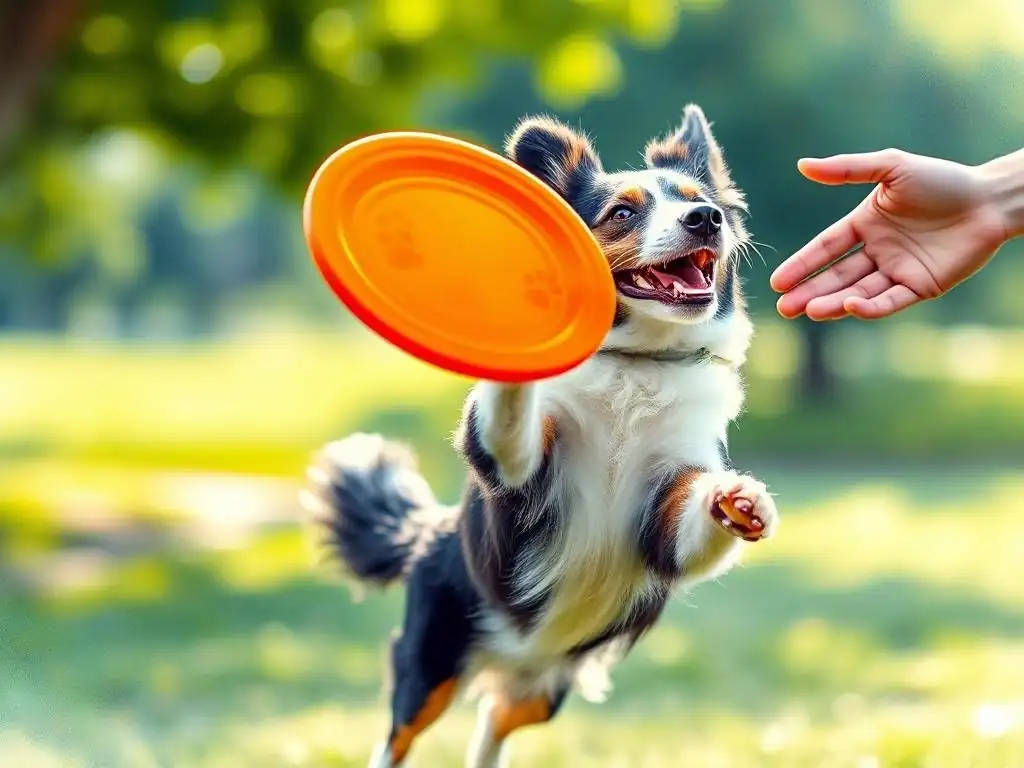
This section delves into more complex trick training techniques and explores how to use trick training to enhance your dog's overall well-being. We'll move beyond simple commands like "sit" and "stay," focusing on building upon foundational skills to achieve impressive feats and boost your canine companion's cognitive abilities. Remember, patience and positive reinforcement remain key throughout this advanced training. Consistent, rewarding sessions are crucial for success in dog trick training using positive reinforcement.
Creative Trick Ideas
Once your dog masters basic commands, the possibilities for creative trick training are endless! Consider incorporating these ideas, remembering to break down complex tricks into smaller, manageable steps:
- "Fetch Specific Toys": Teach your dog to retrieve specific toys by name. Start with just two, clearly differentiating them visually and verbally. Reward consistently when they bring the correct toy. Gradually introduce more toys.
- "Find the Treat": Hide a treat under a cup or in a specific location, and use verbal cues like "Find it!" to guide them. This is excellent for building problem-solving skills and engagement.
- "Obstacle Courses": Create a simple obstacle course using household items like pillows, blankets, and tunnels. Reward your dog for successfully navigating each obstacle. This is great for physical and mental stimulation.
- "The Spin Cycle": Teach your dog to spin in a circle, clockwise and counterclockwise, using clear hand signals and verbal cues. Break this down into small increments, rewarding even the slightest turn.
- "Play Dead": This classic trick involves teaching your dog to fall to the ground on command and stay still. Use a verbal cue and a hand signal, rewarding them for lying down and remaining still.
Remember to always keep training sessions short and engaging, ending on a positive note. If your dog seems frustrated or uninterested, take a break and try again later. The goal is to maintain a positive association with training. This approach to dog trick training with positive reinforcement creates a fun and rewarding experience for both you and your furry friend. 🎉
Integrating Tricks into Daily Life and Playtime
The magic of positive reinforcement dog trick training lies not just in the tricks themselves, but in seamlessly integrating them into your dog's daily routine and playtime. This strengthens the bond between you and your dog while providing consistent mental and physical stimulation.
For example, instead of simply throwing a ball, incorporate a trick before the fetch. You could ask your dog to "sit" or "shake" before receiving the ball. This adds a layer of engagement and reinforces the learned commands in a fun and contextual way. Similarly, you can use tricks during walks. Asking your dog to "stay" at a crosswalk or "leave it" when encountering tempting distractions enhances their obedience skills in real-world situations. This practical application of positive reinforcement dog trick training helps solidify the learned behaviors and makes training more relevant and engaging for your dog.
The Importance of Mental Stimulation and Enrichment
Beyond the entertainment value, dog trick training with positive reinforcement provides significant mental stimulation and enrichment for your canine companion. Dogs, like humans, need mental challenges to stay happy, healthy, and well-adjusted. Trick training helps prevent boredom, reduces anxiety, and strengthens the human-animal bond.
A bored dog is more likely to exhibit destructive behaviors or develop anxiety. By providing regular mental stimulation through trick training, you are actively contributing to your dog's overall well-being. The process of learning new tricks keeps their minds sharp, improves their focus, and enhances their problem-solving skills. Furthermore, the positive reinforcement aspect strengthens your bond, fostering trust and mutual respect. This holistic approach to dog trick training using positive reinforcement contributes to a happier, healthier, and more well-rounded canine companion. 🐕
Resources and Further Learning
This section provides you with additional resources to deepen your understanding of positive reinforcement dog trick training and to continue your learning journey. We understand that mastering this technique requires dedication and consistent effort, and these resources will help you on your path to success. Remember, patience and consistency are key to achieving positive results with your canine companion. The more you learn, the better you'll be able to communicate with and train your dog.
Recommended Books and Online Resources
Choosing the right resources can significantly impact your dog training experience. Below, you'll find a curated list of books and online resources that champion positive reinforcement methods. These resources offer valuable insights, practical techniques, and a deeper understanding of canine behavior, enriching your dog trick training journey.
- Books: Many excellent books focus on positive reinforcement dog training. Look for titles that specifically address trick training or incorporate it within a broader positive reinforcement framework. Consider searching for books with reviews that highlight clear, step-by-step instructions and real-world examples. Pay attention to the author's credentials; experience with positive reinforcement training and a strong understanding of canine behavior are crucial. Titles often include phrases like "positive reinforcement dog training," "dog trick training," or "clicker training for dogs" in their descriptions.
- Online Courses and Workshops: Online platforms offer numerous courses and workshops on positive reinforcement dog training. Look for courses taught by certified professional dog trainers (CPDTs) or Karen Pryor Academy Certified Training Partners (KPA-CTP). These certifications ensure a high standard of training and ethical practices. Pay close attention to the curriculum, ensuring it aligns with your goals and covers the specific techniques you're interested in learning. Some online platforms offer interactive elements, such as Q&A sessions with instructors, which can be invaluable for addressing specific challenges.
- Websites and Blogs: Many reputable websites and blogs dedicated to dog training utilize positive reinforcement methods. Be discerning when selecting resources online. Look for sites that are regularly updated, cite scientific research, and avoid promoting harsh or aversive training methods. Reliable websites often feature contributions from certified professional dog trainers or veterinary behaviorists. The information presented should be evidence-based and reflect the latest understanding of canine learning and behavior.
Finding a Qualified Positive Reinforcement Dog Trainer
While self-learning can be beneficial, professional guidance can significantly accelerate your progress and help you avoid common pitfalls. Finding a qualified positive reinforcement dog trainer is an investment in your dog's well-being and your training success. A skilled trainer can provide personalized feedback, address specific challenges, and help you build a strong, positive relationship with your dog based on trust and mutual respect.
Here's how to find a suitable trainer:
- Seek Recommendations: Ask your veterinarian, groomer, or other pet professionals for recommendations. Word-of-mouth referrals from trusted sources can be invaluable.
- Check Certifications: Look for trainers who are certified by reputable organizations such as the Certification Council for Professional Dog Trainers (CCPDT) or the Karen Pryor Academy (KPA). These certifications demonstrate a commitment to professional standards and ethical training practices.
- Observe a Training Session: If possible, observe a training session before committing to a trainer. This allows you to assess their methods, their interaction with dogs, and their overall approach. Look for a trainer who uses positive reinforcement techniques consistently and creates a positive and encouraging learning environment for both the dog and the owner. Avoid trainers who use punishment-based methods or exhibit signs of frustration or impatience.
- Ask Questions: Don't hesitate to ask potential trainers about their experience, training philosophy, and their approach to trick training specifically. A good trainer will be happy to answer your questions thoroughly and address any concerns you may have. A strong trainer-client relationship built on trust and open communication is essential for successful training.
Remember, investing time and effort in finding the right trainer will pay off handsomely in the long run, fostering a stronger bond with your dog and unlocking their full potential for learning amazing tricks! 🐕🦺
Frequently Asked Questions
What is positive reinforcement in dog trick training?
Positive reinforcement focuses on rewarding desired behaviors to encourage their repetition. This means using treats, praise, or toys to motivate your dog, rather than punishment. It's the most effective method for building a positive training experience.
How do I start positive reinforcement trick training with my dog?
Begin with easy tricks, like "sit" or "stay," rewarding even small attempts. Gradually increase the difficulty of the tricks and the criteria for rewards. Keep training sessions short and fun to maintain your dog's engagement.
What kind of rewards work best for positive reinforcement?
Use high-value rewards that your dog loves, such as small pieces of their favorite food, or their favorite toy. The reward should be delivered immediately after the desired behavior is performed. Experiment to find what motivates your dog the most.
How can I handle mistakes during positive reinforcement trick training?
Simply ignore minor mistakes and refocus your dog's attention on the desired behavior. If your dog gets frustrated, end the training session and try again later. Consistency is key to success.
Is positive reinforcement effective for all dogs, regardless of breed or age?
Yes, positive reinforcement is suitable for all dogs, regardless of breed, age, or temperament. While some dogs may learn faster than others, patience and consistency will yield positive results for all. Adjust your approach based on your dog's individual learning style.
Final Reflection: The Enduring Power of Positive Reinforcement in Dog Training
The bond between humans and dogs is strengthened not through dominance, but through understanding and mutual respect, and positive reinforcement is the key that unlocks this powerful connection. This method, far from being a fleeting trend, remains the gold standard in modern dog training, offering a path to joyful learning and a deeper relationship with our canine companions.
Witnessing the transformation of a hesitant pup into a confident, trick-performing partner is profoundly rewarding. It's a testament to the power of patience, consistency, and the inherent desire within every dog to please. The dog is the most remarkable creature; he does everything for you, yet asks nothing in return but your love.
This simple truth underscores the ethical and emotional core of positive reinforcement training; it builds trust and fosters a genuine partnership, not a forced obedience.
Now, consider your own relationship with your dog. How can you integrate the principles of positive reinforcement into your daily interactions? Are you celebrating small victories and rewarding desired behaviors with enthusiasm and consistency? Take a moment to reflect on your training methods, and commit to creating a learning environment built on mutual respect, positive feedback, and the unwavering belief in your dog's potential. The journey of trick training is not just about teaching commands; it's about nurturing a bond that will enrich both your lives for years to come.
Unleash Your Dog's Inner Champion: Start Training Today!
Thank you for exploring the power of positive reinforcement in dog training! You've gained valuable insights into strengthening your bond with your furry friend while teaching them new skills. Now it's time to put your knowledge into practice.
- Start with a new trick this week: Choose a simple trick from the article and dedicate 15 minutes a day to practicing it with your dog using positive reinforcement. Even small steps lead to significant progress!
- Share your training experiences: We'd love to hear about your successes and challenges! Join our PetCareWorld community forum to share your progress, tips, and any questions you may have. Connect with other dog owners and learn from their experiences!
- Experiment with different training techniques: Try the methods you learned today and discover what works best for you and your canine companion. Remember, patience and consistency are key!
Ready to see your dog shine? What's the first skill you and your furry friend will master together?