
Therapy Dog Training: How to Teach Your Dog to Be Aware of Their Surroundings

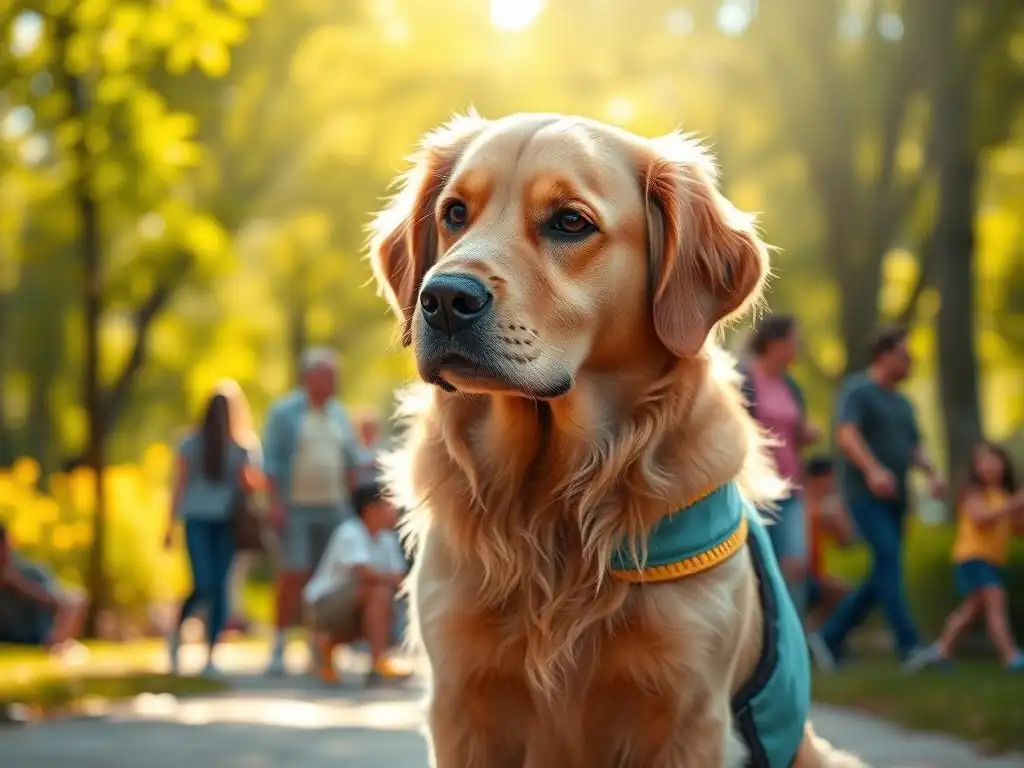
Welcome to PetCareWorld, your ultimate guide to happy and healthy pets! Are you curious about the incredible bond between humans and animals? Then discover the transformative power of therapy dog awareness training. Learn how to equip your canine companion with the skills and sensitivity needed to navigate various environments, bringing comfort and joy to those in need. Dive in and unlock the secrets to successful therapy dog training – your journey starts now!
- Understanding the Importance of Environmental Awareness for Therapy Dogs
- Essential Training Techniques for Enhanced Awareness
- Practicing Awareness in Different Settings
- Advanced Therapy Dog Awareness Training: Refining Skills
- Assessment and Ongoing Refinement of Therapy Dog Skills
- Frequently Asked Questions
- Final Reflection: Cultivating Canine Compassion: The Power of Awareness in Therapy Dogs
- Unleash Your Dog's Inner Therapy Hero!
Understanding the Importance of Environmental Awareness for Therapy Dogs
Therapy dogs, beloved for their calming presence and ability to offer comfort, require a sophisticated understanding of their surroundings. Their effectiveness hinges not just on their gentle nature, but also on their ability to navigate diverse environments safely and appropriately, reacting calmly and responsibly to various stimuli.
This article delves into the crucial aspect of therapy dog awareness training, focusing on how to cultivate a heightened sense of environmental awareness in your canine companion. Successfully training a therapy dog involves more than basic obedience; it necessitates a deep understanding of how to equip your dog with the skills to assess and react to their environment with confidence and composure, ensuring both their safety and the well-being of those they interact with.
This comprehensive guide will equip you with the necessary tools and techniques to achieve this vital aspect of therapy dog preparation. We'll explore practical exercises and strategies to enhance your dog's observational skills, hazard recognition, and overall calm demeanor, ultimately transforming your dog into a truly effective and safe therapy animal.
The Role of Observation Skills in Therapy Dog Work
Effective therapy dogs are not simply well-behaved; they are keenly observant. Their ability to read the room, anticipate potential problems, and react appropriately is paramount. This requires careful and consistent training focusing on developing their observational skills.
This isn't about teaching tricks, but about fostering a natural awareness. For example, a therapy dog visiting a hospital should be able to differentiate between a crying child needing comfort and a potentially agitated patient requiring distance. This discernment requires training that builds upon their innate senses, sharpening their ability to detect subtle cues like body language, vocal tones, and even subtle shifts in the environment.
We can achieve this through a series of progressively challenging exercises. Start with simple scenarios in controlled environments, gradually increasing the complexity and introducing distractions. For instance, begin by teaching your dog to remain calm while you subtly alter your own behavior – changing your posture, tone of voice, or even simulating a minor fall. Observe your dog's response; does it remain calm or show signs of anxiety or overly excited behavior?
This allows you to identify areas needing further focus. This controlled introduction to various stimuli helps build a foundation of responsiveness and self-regulation, making your dog better equipped to handle the unpredictable nature of therapy work. Regular practice and positive reinforcement are key to building these essential skills.
Recognizing and Responding to Potential Hazards
Therapy dog awareness training must include recognizing and responding appropriately to potential hazards. This goes beyond simply avoiding obvious dangers; it includes anticipating potential problems before they arise. A therapy dog needs to be able to identify and avoid tripping hazards like loose rugs or cords, understand personal space boundaries, and react appropriately to loud noises or sudden movements. This requires a multifaceted approach that combines training with careful observation of your dog's behavior in different settings.
Consider scenarios such as navigating crowded spaces, encountering unfamiliar objects or animals, and responding to unexpected sounds or actions. Training should focus on teaching your dog to pause and assess the situation before reacting. The use of positive reinforcement, rewarding calm behavior in challenging situations, is essential. For instance, if your dog encounters a wheelchair, reward its calm observation rather than immediately approaching or interacting.
This teaches it to approach situations thoughtfully rather than impulsively. Remember, a proactive approach to hazard recognition is crucial for the safety and well-being of both your dog and those it interacts with. The goal is not to make your dog fearful, but rather to cultivate a cautious and considered approach to its surroundings. This involves consistent training and gradual exposure to various potential hazards.
Building a Foundation of Calm and Controlled Behavior
The cornerstone of effective therapy dog awareness training lies in establishing a strong foundation of calm and controlled behavior. This is not merely about obedience; it is about cultivating a temperament that allows your dog to remain composed under pressure. A therapy dog needs to be able to regulate its emotions, resist distractions, and remain focused even in the face of unexpected events. This requires consistent training and a deep understanding of your dog's individual personality and sensitivities.
This can be achieved through various techniques, including desensitization and counter-conditioning. Gradually expose your dog to various stimuli, starting with low-intensity triggers and gradually increasing the intensity as your dog demonstrates improved self-control. Positive reinforcement remains key, rewarding calm behavior with treats, praise, and affection. Furthermore, establishing a clear set of commands and hand signals, consistently reinforced, ensures clear communication and reinforces the dog’s understanding of expectations in varying situations.
The use of calming aids, such as pheromone diffusers or calming treats, can also be beneficial in managing anxiety or stress. Building this foundation requires patience, consistency, and a deep understanding of canine behavior. The ultimate goal is to create a therapy dog that is not only skilled but also emotionally resilient and well-equipped to handle the demands of its role.
Essential Training Techniques for Enhanced Awareness
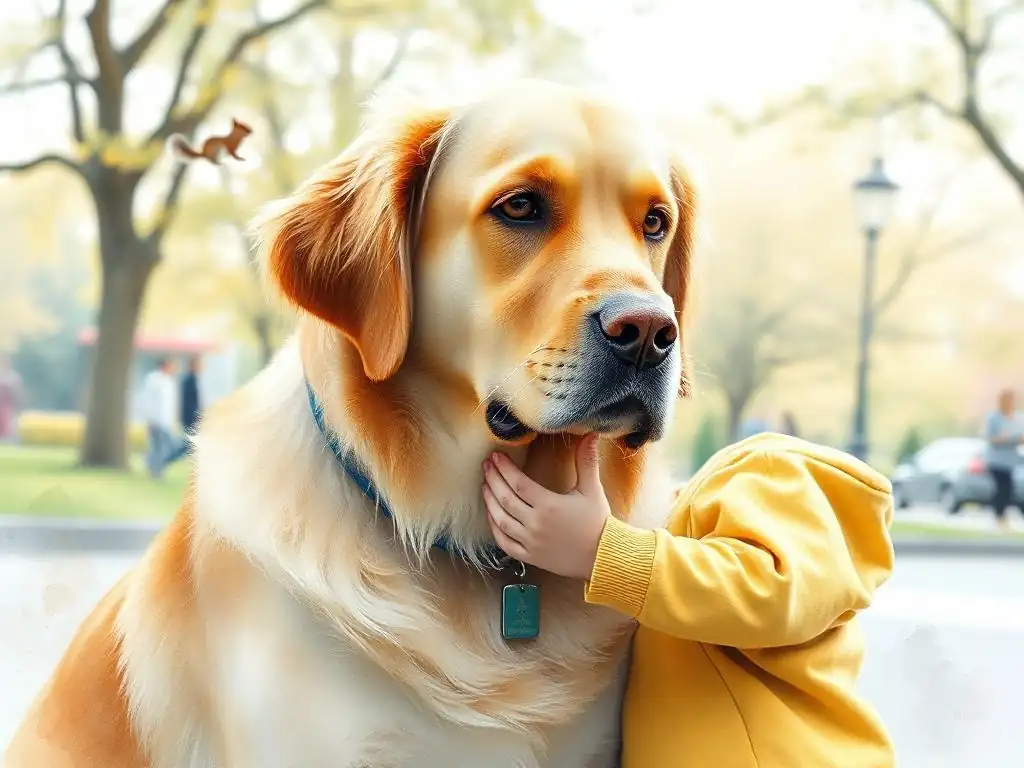
This section delves into the crucial training techniques necessary to cultivate a heightened sense of awareness in your therapy dog. Successfully navigating various environments and interacting appropriately with diverse individuals requires a dog deeply attuned to its surroundings. This awareness isn't innate; it's a skill meticulously developed through consistent and positive reinforcement training. We'll explore techniques focusing on desensitization, attention, and crucial commands vital for therapy dog work. Remember, patience and positive reinforcement are key throughout this process. The goal is to build a confident, responsive, and safe therapy dog capable of handling unpredictable situations with grace and composure.
Desensitization and Counter-Conditioning for Distractions
Therapy dogs face a myriad of potential distractions – loud noises, crowds, unfamiliar objects, and even other animals. Desensitization and counter-conditioning are powerful tools to help your dog manage these stimuli without becoming overly anxious or reactive. Desensitization gradually exposes the dog to the distraction at a low intensity, increasing the intensity only as the dog remains calm. Counter-conditioning pairs the distraction with something positive, like a high-value treat or praise, to create a positive association.
For example, if your dog is fearful of loud noises, you might start by playing very quiet recordings of traffic sounds at a distance. As your dog shows no signs of distress, gradually increase the volume and proximity of the sound. Simultaneously, reward calm behavior with treats and praise.
This process should be slow and incremental, prioritizing the dog's comfort and avoiding any signs of stress or fear. Another example involves gradually introducing your dog to crowded areas, starting with quieter times and less densely populated spaces, gradually increasing the level of stimulation. Always monitor your dog's body language closely.
Signs of stress might include tucked tail, whale eye (showing the whites of their eyes), panting, lip licking, yawning, or attempts to escape. If you notice these signs, immediately decrease the intensity of the stimulus and return to a level where your dog is comfortable. Consistency is key; repeat this process frequently to build your dog's confidence and resilience.
Developing Focus and Attention Skills
A therapy dog needs exceptional focus and attention skills to respond appropriately to commands and remain attentive to their handler, even amidst distractions. This involves training exercises that specifically target attention span and the ability to ignore competing stimuli. Games like "find it" (hiding treats and having the dog find them), "hide-and-seek," and simple recall exercises are excellent for improving focus.
These exercises should be conducted in increasingly challenging environments. Start in a quiet room, then progress to a backyard with minimal distractions, and finally, to more public settings with more potential distractions. The key is to gradually increase the level of difficulty, rewarding your dog for maintaining focus on you and the task at hand, even when faced with temptations or distractions. For example, if your dog is distracted by a squirrel while practicing recall, don't punish them.
Instead, redirect their attention back to you using a high-value reward, such as a favorite toy or treat. Positive reinforcement through rewarding focused attention will make the dog more likely to maintain that focus in the future. Regular practice of these exercises will significantly improve your dog’s ability to concentrate and ignore distractions. Remember to keep training sessions short and engaging to maintain your dog's interest and prevent burnout.
Teaching "Look at That" and "Leave it" Commands
The "look at that" and "leave it" commands are essential for therapy dog awareness training. "Look at that" directs the dog's attention to something specific, allowing you to manage their focus and prevent unwanted behaviors. "Leave it" teaches the dog to refrain from interacting with tempting objects or situations, ensuring safety and appropriate behavior in various settings.
Teaching "look at that" involves pointing at an object and saying the command. Reward the dog immediately when they look at the object. Gradually increase the distance and introduce more distractions. For "leave it," present an enticing object, say "leave it," and reward the dog for not touching the item. If they try to interact with it, simply redirect their attention to another command or activity.
Avoid punishment; instead, focus on rewarding the desired behavior. These commands are critical for managing your dog's behavior in unpredictable environments and preventing them from approaching potentially dangerous situations or interacting inappropriately with other people or animals. Mastering these commands is a significant step towards ensuring your therapy dog's safety and success in therapeutic settings. Regular practice in various environments is crucial for building a robust understanding of these commands.
Safe Handling and Management in Unfamiliar Environments
Introducing your therapy dog to new environments requires careful planning and execution. The goal is not just to expose them to different sights and sounds, but to do so in a controlled and positive manner, building their confidence and reinforcing their calm demeanor. Rushing the process can lead to anxiety and potentially undo all the progress made in previous training sessions. Remember, a stressed therapy dog is not an effective therapy dog.
One crucial aspect is leash control. Even the most well-trained dog can react unpredictably in unfamiliar settings. A secure and comfortable harness or collar, coupled with a reliable leash, is essential for maintaining control. Practice walking your dog in various locations, starting with quiet, less stimulating areas before progressing to busier environments. This gradual exposure helps desensitize them to the potential distractions. It's also important to anticipate potential hazards. For example, if you're training in a park, be aware of potential encounters with other dogs, children, or wildlife, and have a plan in place to manage these interactions safely.
Another key element is body language awareness. Learn to recognize the subtle signs of stress or anxiety in your dog. These can include panting, yawning, lip licking, tucked tail, or changes in posture. If you notice any of these signs, immediately remove your dog from the stressful situation and provide a calming environment. This might involve finding a quiet spot, offering a favorite toy, or simply providing gentle reassurance. The ability to interpret your dog's body language is a critical skill for any therapy dog handler. It allows for proactive intervention, preventing potential problems before they escalate.
Furthermore, consider using positive reinforcement techniques extensively. Reward calm behavior in unfamiliar settings with treats, praise, or even a favorite game. This positive association helps your dog connect new environments with positive experiences. Avoid punishment-based training methods, as these can increase anxiety and make your dog less receptive to training. Remember, the aim is to build confidence and trust, not to suppress unwanted behaviors through fear. Consistent positive reinforcement is key to successful therapy dog awareness training. The ultimate goal is for your dog to remain calm and well-behaved, even in challenging or unpredictable circumstances.
Practicing Awareness in Different Settings
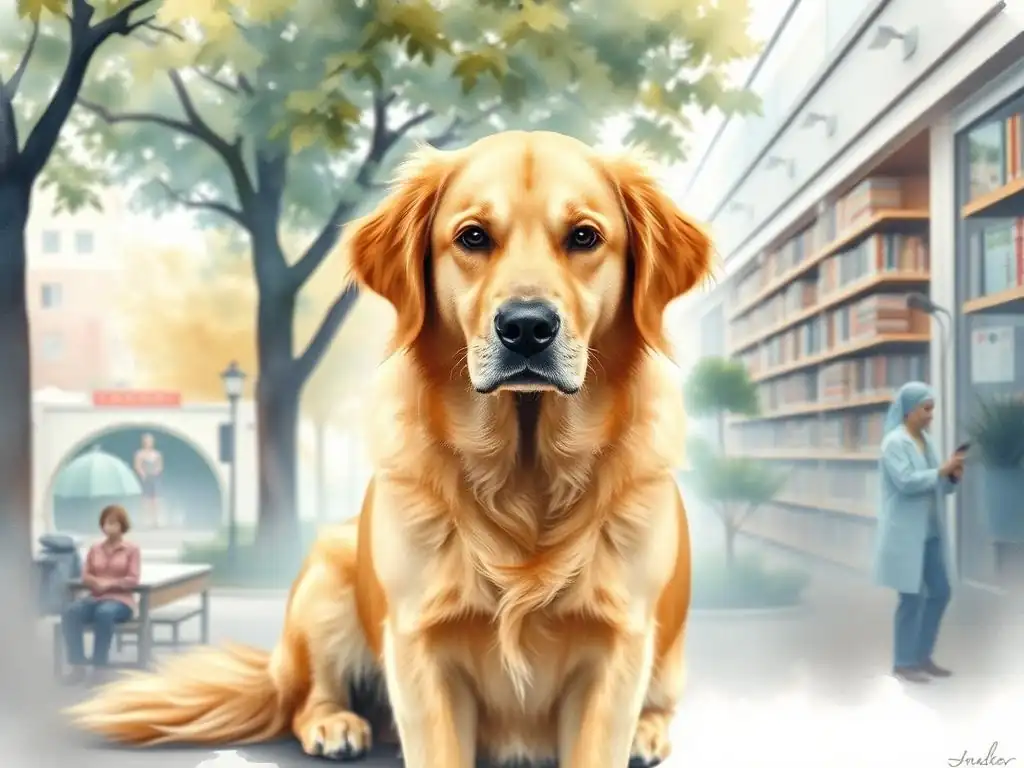
Therapy dog awareness training is crucial for ensuring the safety and well-being of both the dog and those they interact with. A therapy dog needs to be reliably attentive to their surroundings, responding appropriately to various stimuli. This section focuses on practical strategies for building this crucial skill. We'll explore how to cultivate awareness in controlled environments before gradually introducing more complex and stimulating public spaces.
Training in Controlled Environments (Home, Yard)
Begin your therapy dog awareness training in familiar, low-stress environments like your home or yard. The goal is to establish a strong foundation of responsiveness before progressing to more challenging settings. Start with basic commands like "look at me," "watch," and "leave it." These commands are not only about obedience, but about directing your dog's attention and focusing their awareness on you.
Use positive reinforcement techniques extensively. Reward your dog with high-value treats, praise, and affection whenever they successfully focus on you or respond correctly to a cue. For instance, if you're practicing "leave it" with a tempting toy, reward immediately upon them ignoring the toy and looking at you. Consistent, positive reinforcement will solidify the desired behaviors.
Introduce distractions gradually. Start with minimal distractions, perhaps a toy placed a short distance away. Slowly increase the level of distraction, using different types of stimuli - sounds, sights, and even other animals (if your dog is comfortable). Always maintain a positive and encouraging tone. Remember, the focus is on building your dog's confidence and positive associations with the training process. Avoid pushing your dog beyond their comfort level; patience is key.
Here's a sample training schedule for a controlled environment:
| Day | Activity | Duration | Notes |
|---|---|---|---|
| 1 | "Look at me" | 5 mins | Focus on eye contact, high-value rewards |
| 2 | "Watch" | 10 mins | Introduce a slight distraction (toy nearby) |
| 3 | "Leave it" | 5 mins | Practice with a toy, then food |
| 4 | Combine commands | 15 mins | Integrate "look at me" and "leave it" |
| 5 | Introduce sounds | 10 mins | Use recordings of everyday noises |
Gradually Introducing Public Spaces (Parks, Stores)
Once your dog demonstrates reliable awareness in controlled environments, it's time to gradually introduce them to public spaces. Begin with less busy areas like quiet parks or sparsely populated stores. Keep training sessions short and positive to avoid overwhelming your dog. Continue using the commands you've practiced at home, rewarding any display of appropriate attention and awareness.
Monitor your dog's body language closely. Signs of stress, such as excessive panting, yawning, lip licking, or tucked tail, indicate you need to reduce the stimulation or take a break. Always prioritize your dog's comfort and well-being. If your dog exhibits signs of stress, immediately remove them from the situation and return to a more controlled environment.
Use visual aids to help maintain focus. A brightly colored toy or a small, easily visible treat pouch can serve as a focal point, aiding in maintaining your dog's attention. Remember to continue using positive reinforcement for good behavior. The goal is to create a positive association with public spaces, gradually increasing the level of distraction.
Navigating crowds and social situations requires a high level of awareness and self-control from your therapy dog. This stage of training should only be undertaken once your dog exhibits mastery in less challenging environments. Start with smaller crowds and gradually increase the density of people. Practice commands like "stay," "wait," and "leave it" in these situations.
Practice controlled greetings. Teach your dog to greet people calmly and politely, avoiding jumping or excessive excitement. Use positive reinforcement to reward calm greetings. If your dog becomes overwhelmed, immediately remove them from the situation and return to a calmer environment. Remember, consistency and patience are crucial for success.
Consider using desensitization and counter-conditioning techniques. If your dog exhibits fear or anxiety towards certain stimuli (e.g., wheelchairs, strollers, loud noises), gradually expose them to these stimuli at a distance, rewarding calm behavior. Slowly decrease the distance as your dog shows increased comfort. This approach helps to replace negative associations with positive ones. This process requires careful observation and a deep understanding of your dog's individual needs and reactions. Remember, a stressed therapy dog is not a safe therapy dog. Always prioritize their well-being.
Working with Children and Other Animals
Teaching your therapy dog to interact appropriately with children requires careful and gradual introduction. Start with supervised interactions in controlled environments, such as your own home or a quiet park. Never leave a child unsupervised with a dog, regardless of the dog's temperament. Begin with short sessions, allowing the dog to sniff and observe the child from a safe distance before allowing closer contact. Reward calm behavior with treats and praise.
It's crucial to teach children how to approach and interact with dogs respectfully, avoiding sudden movements or loud noises that might startle the dog. Positive reinforcement training for both the dog and the child is key. Consider enrolling in a specialized class focused on canine-child interaction, as professional guidance can be invaluable. Remember, a child's unpredictable movements can be challenging for even the most well-trained dog, so constant supervision and clear communication are essential.
Furthermore, introducing your therapy dog to other animals requires a similar approach. Start with controlled introductions, using neutral spaces and allowing ample sniffing time before direct contact. If your dog shows signs of aggression or anxiety, immediately separate the animals and try again later with more distance and a longer acclimation period. Different breeds and species react differently; recognizing and respecting these differences is crucial for successful integration.
For example, a small, easily startled animal may require a more cautious approach than a larger, more confident one. The key is to observe your dog's body language carefully and respond accordingly. If your dog exhibits signs of stress, such as yawning, lip licking, or tucked tail, immediately separate them and reassess the situation.
Remember to reward calm and appropriate behavior with positive reinforcement. Consider working with a certified professional dog trainer experienced in multi-animal households to further refine your dog's social skills with other animals. This will ensure a safe and positive experience for all involved in your therapy dog's training.
Advanced Therapy Dog Awareness Training: Refining Skills

This section delves into advanced techniques for therapy dog awareness training, building upon the foundational skills already established. The goal here is to cultivate a highly attuned and responsive canine companion capable of navigating diverse and challenging environments with confidence and composure. We'll explore how to refine your dog's ability to process sensory information, maintain focus amidst distractions, and interpret human and animal body language effectively. This level of training is crucial for ensuring your therapy dog's safety and effectiveness in various therapeutic settings. Remember, consistent, positive reinforcement remains key throughout this process.
Responding to Changes in Sensory Input (Sounds, Sights, Smells)
A therapy dog must be able to filter out irrelevant stimuli and respond appropriately to important changes in their environment. This involves desensitization and counter-conditioning exercises. For instance, if your dog is startled by loud noises, gradually introduce them to increasingly loud sounds (e.g., recordings of traffic, fireworks) at a comfortable distance, rewarding calm behavior with high-value treats and praise. Similarly, introduce your dog to a variety of sights (e.g., crowds, unusual objects) and smells (e.g., strong perfumes, cleaning solutions) in a controlled manner, ensuring they remain relaxed and focused on you.
Here's a sample training schedule you can adapt:
| Day | Sensory Input | Intensity Level | Duration | Reward | Notes |
|---|---|---|---|---|---|
| 1 | Loud Sounds (recording) | Low | 5 minutes | High-value treats | Observe for signs of stress |
| 2 | Loud Sounds (recording) | Medium | 10 minutes | High-value treats + praise | Gradually increase duration |
| 3 | Loud Sounds (live, distance) | Low | 5 minutes | High-value treats | Introduce real-world sounds |
| 4 | Crowds (small group, distance) | Low | 10 minutes | Treats + praise | Focus on calm behaviour |
| 5 | New Smells (faint scent) | Low | 5 minutes | Treats | Controlled exposure |
Remember to monitor your dog closely for signs of stress (e.g., panting, yawning, lip licking). If you observe any stress indicators, immediately reduce the intensity of the stimulus and return to a previous stage. The key is to build confidence gradually, avoiding overwhelming your dog. 🐶
Maintaining Focus During High-Stimulus Situations
High-stimulus situations, such as busy hospitals or crowded events, present significant challenges for therapy dogs. These environments are full of unpredictable sensory input and potential distractions. To prepare your dog, practice "stay" and "focus" commands in increasingly distracting environments. Start in relatively quiet areas and gradually introduce more distractions, such as other dogs or people. Use positive reinforcement to reward your dog for maintaining focus on you despite the distractions. The use of a long line can be helpful to maintain control in these situations while allowing your dog some freedom to explore the environment at a safe distance.
Consider incorporating games like "find it" or scent work to keep your dog engaged and focused on you even in busy places. This helps to shift their attention away from potential distractions. The goal is to build your dog's confidence and ability to remain calm and focused even when surrounded by numerous stimuli. This requires consistent training and patience.
Reading Body Language and Responding Appropriately
A crucial aspect of therapy dog awareness training involves teaching your dog to read and respond appropriately to human and animal body language. This involves recognizing signs of distress or discomfort in both humans and other animals. For instance, your dog should learn to avoid approaching someone who is clearly anxious or upset (e.g., exhibiting avoidance behaviors such as turning away, crossed arms). Similarly, your dog should be trained to recognize signs of canine stress (e.g., whale eye, tucked tail) and avoid interacting with a stressed dog.
This training requires careful observation and practice. You might start by showing your dog pictures of people exhibiting different emotions, rewarding them for correctly identifying a specific emotion through simple commands like "happy" or "sad." As your dog progresses, you can incorporate real-life scenarios, gradually increasing the complexity of the situations. Remember, this is an ongoing process that requires consistent reinforcement and adaptation to different situations. This skill is critical for ensuring a safe and positive experience for everyone involved.
Assessing and Avoiding Potential Dangers Independently
Teaching a therapy dog to independently assess and avoid potential dangers is a crucial aspect of advanced awareness training. This goes beyond basic obedience and requires the dog to demonstrate a high level of self-control and judgment. It's not about making the dog fearful, but rather equipping it with the cognitive skills to recognize and react appropriately to potentially hazardous situations. This involves a gradual process of desensitization and counter-conditioning, coupled with clear communication and positive reinforcement.
For example, a well-trained therapy dog should be able to independently identify and avoid a crowded area that might be overwhelming, or a situation where children are running wildly. This isn't about simply avoiding all people or children, but rather discerning between safe and potentially unsafe interactions. The dog needs to learn to recognize subtle cues – a child running directly towards them at full speed versus a child approaching calmly – and respond accordingly. This requires careful observation and training by the handler.
The training process should incorporate a variety of scenarios, carefully escalating the level of difficulty. Initially, you might present the dog with low-level distractions, such as a group of people standing calmly. Reward the dog for maintaining calm behavior and remaining under control.
Gradually increase the intensity of the distractions, introducing more dynamic situations, such as a group of children playing a game or people walking briskly past. Always monitor the dog's body language closely. Signs of stress, such as excessive panting, yawning, lip licking, or tucked tail, indicate the need to reduce the intensity of the stimulus or take a break.
A key element is teaching the dog a reliable "leave it" command. This command is invaluable in situations where the dog might be tempted to interact with something potentially harmful, such as dropped food or an unattended object. The "leave it" command should be practiced extensively in various contexts, using increasingly tempting rewards, to ensure the dog's reliability. This command, combined with the dog's ability to assess potential dangers, forms a powerful safety net.
Furthermore, incorporating scent work into the training can enhance the dog's ability to identify potential hazards. For instance, training the dog to recognize the scent of spilled cleaning products or other potentially toxic substances can prevent accidental ingestion. This adds another layer of safety and demonstrates a more comprehensive understanding of their environment. Remember, consistency and patience are key to success in this advanced stage of therapy dog awareness training. The goal is to build a dog's confidence and ability to make safe choices autonomously, not to create anxiety or fear.
Assessment and Ongoing Refinement of Therapy Dog Skills

Effective therapy dog awareness training is not a one-time event; it's an ongoing process of assessment, refinement, and adaptation. Consistent monitoring of your dog's behavior and skills is crucial to ensure they remain a safe and effective therapy animal. This section delves into the practical aspects of evaluating your dog's progress and addressing challenges that may arise during their training and deployment.
Regular Evaluation of Your Dog's Progress
Regular evaluation is the cornerstone of successful therapy dog awareness training. This isn't just about assessing whether your dog can perform specific commands; it's about understanding their emotional state, their responsiveness to different environments, and their ability to adapt to unexpected situations. Consider implementing the following strategies:
- Structured Observation: Create a log to record your dog's behavior in various settings. Note their reactions to loud noises, crowds, children, and other potential stressors. Use a rating scale (e.g., 1-5) to quantify their responses, making it easier to track progress over time. For example, a "3" might indicate mild anxiety, while a "1" represents calm composure.
- Simulated Scenarios: Practice scenarios your dog might encounter during therapy work. This could involve introducing unfamiliar objects, sounds, or people into a controlled environment. Observe their reactions and note any anxieties or uncertainties. Gradually increase the complexity of these simulations to build resilience and adaptability.
- Feedback from Others: If possible, have trusted individuals (other experienced handlers or trainers) observe your dog during practice sessions. Their unbiased feedback can provide valuable insights into areas needing improvement. This collaborative approach enhances the objectivity of the assessment.
- Video Recording: Recording practice sessions allows for a detailed review of your dog's behavior, highlighting both strengths and weaknesses. This method is particularly beneficial for identifying subtle cues that might be missed during live observation. You can then use this footage to refine your training techniques.
Addressing Challenges and Refining Techniques
Even the most well-trained therapy dogs may encounter challenges. Proactive identification and addressing of these challenges is essential for maintaining safety and effectiveness. Here are some common issues and potential solutions:
| Challenge | Potential Solutions |
|---|---|
| Excessive Excitement/Jumping | Implement calm-down commands, utilize controlled greetings, and practice self-control exercises in distracting settings. |
| Fear/Anxiety | Desensitization and counter-conditioning techniques, gradual exposure to stressors, and positive reinforcement. |
| Distractibility | Improve focus through engaging training games, increase the duration of training sessions in distracting settings. |
| Reactivity to Other Dogs | Controlled introductions, positive reinforcement for ignoring other dogs, and management strategies in public areas. |
Remember, patience and consistency are key. Don't get discouraged if your dog doesn't master a skill immediately. Celebrate small victories and adjust your training methods as needed. The goal is not perfection, but continuous improvement. The use of positive reinforcement methods is crucial throughout this process. Avoid punishment-based training, as it can damage your dog's confidence and hinder their progress.
The Value of Professional Guidance and Certification
While self-training is possible, seeking professional guidance from a certified therapy dog trainer offers significant advantages. A qualified trainer can:
- Provide personalized feedback and tailored training plans based on your dog's individual temperament and needs.
- Identify potential issues early on and offer effective solutions.
- Help you prepare for certification tests, ensuring your dog meets the required standards.
- Offer ongoing support and mentorship as you continue your therapy dog journey.
Professional certification not only validates your dog's skills but also demonstrates your commitment to responsible pet ownership and provides credibility within the therapy dog community. A certified therapy dog often faces fewer barriers when accessing various therapy settings. The rigorous standards associated with certification programs ensure that therapy dogs are well-prepared and capable of providing comfort and support in a variety of situations. The benefits of professional guidance and certification extend beyond your dog's training, enhancing both your confidence and your dog's ability to make a positive impact.
Frequently Asked Questions
What is therapy dog awareness training?
Therapy dog awareness training focuses on teaching dogs to behave appropriately in various environments and respond calmly to distractions. This involves desensitization to sights, sounds, and unexpected events, ensuring they're safe and comfortable around others.
Why is awareness crucial for therapy dogs?
Awareness is vital because therapy dogs interact with diverse people in unpredictable settings. A well-trained, aware dog can handle stressful situations calmly and safely, providing comfort and reducing anxiety in those they assist.
What specific skills are taught in therapy dog awareness training?
Training includes impulse control, focus, and appropriate responses to distractions. Dogs learn to ignore tempting stimuli, maintain composure amidst chaos, and react predictably to different situations.
How long does therapy dog awareness training take?
The duration varies depending on the dog's temperament and prior training. It can range from several weeks to several months, requiring consistent effort and positive reinforcement techniques.
Where can I find a reputable therapy dog awareness training program?
Research local certified professional dog trainers or organizations specializing in therapy dog training. Look for programs that emphasize positive reinforcement and safe handling practices. Check reviews and ensure the program aligns with your dog’s needs and your goals.
Final Reflection: Cultivating Canine Compassion: The Power of Awareness in Therapy Dogs
The ability of therapy dogs to provide comfort and support hinges on their awareness of their surroundings; it's not just about obedience, but about genuine sensitivity and responsiveness. This crucial element, often overlooked in basic training, is the cornerstone of a truly effective therapy dog partnership, and its impact on those in need is immeasurable.
The journey of training a therapy dog is not merely about teaching tricks; it's about fostering a deep connection between human and canine, built on trust and mutual understanding. This process profoundly impacts both the handler and the dog, shaping their relationship and expanding their capacity for empathy. The greatness of a nation and its moral progress can be judged by the way its animals are treated.
- Mahatma Gandhi. This quote, while broad, speaks to the inherent goodness we strive for in our interactions with all living beings, and this principle is at the heart of effective therapy dog training.
Now, consider the potential within your own canine companion. Perhaps your dog already displays signs of innate empathy. Take the time to nurture this potential, to hone their awareness, and to embark on a journey of compassionate training. The rewards – for your dog, for yourself, and for those who will benefit from your team's unique bond – are immeasurable. Don't just train a dog; cultivate a compassionate partner, ready to make a real difference in the world.
Unleash Your Dog's Inner Therapy Hero!
Thank you for learning how to help your dog become more aware and responsive. You've gained valuable insights into strengthening your bond and improving your dog's well-being. Now let's put that knowledge into practice!
- Focus on one new skill this week: Choose a single new cue, such as "look" or "watch me," and practice it consistently in various locations. This focused approach will yield the best results.
- Share your success: Post a photo or video of your training session on PetCareWorld's social media—we'd love to see your dog's progress!
- Introduce a fun new training game: Engage your dog in a game that challenges their focus and responsiveness to subtle cues, further enhancing their awareness. Consider games that require them to follow your gaze or respond to quiet hand signals.
Ready to transform your dog into a more confident and aware companion? What small step will you take today to build your dog's awareness?