
Guinea Pig Behavioral Problems: Understanding & Addressing Issues

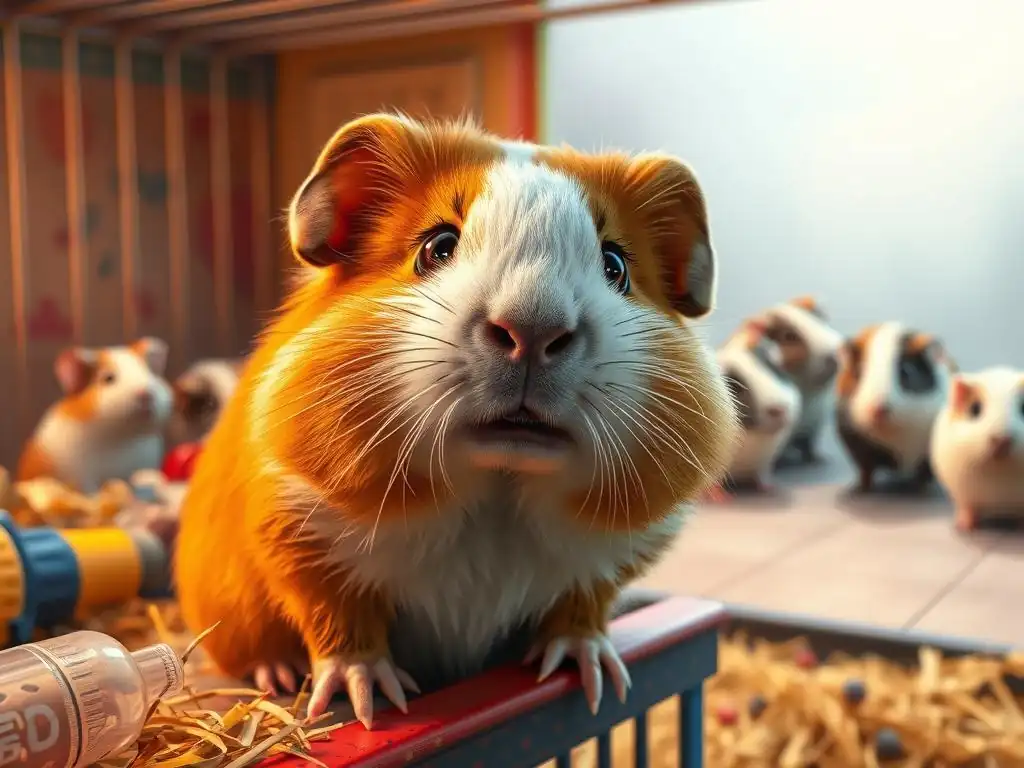
Welcome to PetCareWorld, your ultimate guide to a happier, healthier life for your beloved companions! Are you facing unexpected challenges with your guinea pig's behavior? We understand that navigating the quirks of pet ownership can be tricky. Discover practical, expert-backed solutions to common Guinea pig behavior problem solutions right here, and unlock the key to a harmonious relationship with your furry friend. Dive in and explore the world of responsible pet care!
-
Understanding Common Guinea Pig Behavioral Problems
- Identifying Signs of Guinea Pig Stress and Anxiety
- Aggressive Guinea Pig Behavior: Causes and Solutions
- Unusual Guinea Pig Vocalizations: Interpreting Squeaks, Whistles, and Other Sounds
- Changes in Eating Habits: A Sign of Underlying Issues
- Excessive Grooming or Self-Mutilation: Recognizing the Warning Signs
- Litter Box Problems: Addressing Potty Training Issues in Guinea Pigs
-
Addressing Guinea Pig Behavioral Problems: Practical Solutions
- Creating a Safe and Enriching Environment for Guinea Pigs
- Guinea Pig Socialization and Interaction: Preventing and Solving Social Issues
- Dietary Changes to Improve Guinea Pig Behavior
- The Role of Veterinary Care in Addressing Behavioral Issues
- Behavior Modification Techniques for Guinea Pigs: Positive Reinforcement Training
- Dealing with Specific Behavioral Problems: Overgrown Teeth, Sudden Weight Loss, Urinary Tract Infections
- Preventing Future Guinea Pig Behavioral Problems
- Guinea Pig Behavior Problem Solutions: A Holistic Approach
- Frequently Asked Questions
- Final Reflection: The Enduring Bond: Understanding and Healing Guinea Pig Behavior
- Unleash Your Guinea Pig's Happy Potential!
Understanding Common Guinea Pig Behavioral Problems
Guinea pigs, with their endearing personalities and charming quirks, make wonderful companions. However, like any pet, they can exhibit behavioral problems that require understanding and careful intervention. This comprehensive guide delves into common guinea pig behavioral issues, providing insights into their underlying causes and offering practical solutions to help you address them effectively and ensure your furry friend lives a happy and healthy life.
We'll explore the subtle signs of stress and anxiety, tackle aggressive behaviors, and decipher the meaning behind those often-mysterious squeaks and whistles. Understanding your guinea pig's body language and vocalizations is key to identifying and resolving behavioral problems, fostering a stronger bond, and ensuring their well-being. This guide aims to empower you with the knowledge and tools necessary to navigate these challenges and provide the best possible care for your beloved guinea pig.
Remember, early intervention is crucial in addressing behavioral issues, preventing them from escalating and impacting your pet's overall happiness. Let's dive in and unlock the secrets to a harmonious relationship with your guinea pig.
Identifying Signs of Guinea Pig Stress and Anxiety
Guinea pigs, despite their often-calm demeanor, are sensitive creatures that can experience stress and anxiety. Recognizing the signs early is crucial for preventing these feelings from escalating into more serious behavioral problems. Stress manifests in various ways, from subtle changes in behavior to more overt displays of distress. Some common indicators include:
- Changes in appetite: A sudden decrease or increase in food consumption can be a significant indicator of stress. A stressed guinea pig might lose interest in their favorite treats or, conversely, overeat as a coping mechanism.
- Increased hiding: If your usually outgoing guinea pig suddenly spends more time hiding in its cage, it could be a sign of anxiety or fear. This might involve hiding behind objects or refusing to come out into open spaces.
- Changes in sleeping patterns: A shift in sleeping habits, such as increased sleeping or restlessness, can suggest underlying stress. Pay close attention to your guinea pig's usual sleep patterns and note any deviations.
- Excessive grooming: Over-grooming, leading to bald patches, can be a sign of stress or anxiety. This is often a self-soothing behavior.
- Vocalizations: While guinea pigs naturally vocalize, an increase in squeaking, especially high-pitched or distressed sounds, can indicate stress or discomfort.
- Changes in posture: A hunched posture, flattened ears, or tucked tail are often visual cues signaling fear or anxiety.
Addressing stress requires creating a safe and enriching environment for your guinea pig. This includes providing ample space, hiding places, and opportunities for exploration. A consistent routine, regular interaction, and a calm and predictable environment can significantly reduce stress levels and promote a sense of security.
Aggressive Guinea Pig Behavior: Causes and Solutions
While guinea pigs are generally docile creatures, aggression can sometimes occur. Several factors can trigger aggressive behavior, including:
- Territoriality: Guinea pigs can be territorial, especially if housed with other guinea pigs. Competition for resources like food, water, and space can lead to aggressive interactions, such as chasing, biting, or mounting.
- Fear or pain: A guinea pig experiencing pain or feeling threatened might exhibit aggressive behavior as a defensive mechanism. This could be due to illness, injury, or a perceived threat from its environment.
- Hormonal imbalances: In some cases, hormonal imbalances can contribute to aggression, particularly in males.
- Lack of socialization: Guinea pigs that haven't been properly socialized from a young age may be more prone to aggression.
Solutions to aggressive behavior involve careful observation to identify the underlying cause. This may involve separating guinea pigs to reduce competition, providing more resources, veterinary examination to rule out pain or illness, and implementing behavior modification techniques. Positive reinforcement, such as rewarding calm behavior with treats, can be highly effective in shaping desired behavior. In some cases, professional veterinary behavioral advice may be necessary.
Unusual Guinea Pig Vocalizations: Interpreting Squeaks, Whistles, and Other Sounds
Guinea pigs communicate through a variety of vocalizations, each with its own meaning. Understanding these sounds is crucial for interpreting their needs and addressing potential problems. Some common vocalizations include:
- Wheeking: A high-pitched, excited squeal often associated with happiness and anticipation, particularly around feeding time.
- Rumbling: A low, guttural sound often associated with contentment and relaxation.
- Squeaking: A general term for a variety of high-pitched sounds that can range from playful to distressed. Context is key to interpretation.
- Whistling: A sharp, high-pitched whistle often indicates alarm or distress.
- Chattering teeth: A rapid clicking of teeth often shows aggression or warning.
Paying close attention to the context of the vocalizations, combined with observation of the guinea pig's body language, allows for a more accurate interpretation of their emotional state. If you notice unusual or frequent distress vocalizations, consult a veterinarian to rule out any underlying medical issues. Understanding your guinea pig's communication is crucial for building a strong bond and ensuring their well-being.
Changes in Eating Habits: A Sign of Underlying Issues

Changes in a guinea pig's eating habits can be a significant indicator of underlying health problems or stress. A sudden decrease in appetite, refusal to eat certain foods, or excessive eating should all be cause for concern. These changes aren't always immediately obvious; you need to be vigilant in monitoring your guinea pig's daily intake.
For example, a guinea pig that consistently leaves a large portion of its fresh vegetables uneaten, especially if this is a departure from its normal behavior, may be experiencing pain, discomfort, or dental issues. Similarly, a sudden increase in food consumption could signify underlying metabolic problems or even a parasitic infection.
It's crucial to note the type of food your guinea pig is rejecting. Is it only pellets, only fresh vegetables, or a specific type of hay? This can help pinpoint the potential cause. For instance, if your guinea pig is refusing hay, a crucial part of its diet, it might have dental problems making chewing difficult. Refusal of vegetables could indicate gastrointestinal upset or a dislike of a particular food due to a change in taste or texture.
Always keep a detailed record of your guinea pig's food intake, noting any changes in preference or quantity. Consult your veterinarian immediately if you notice any significant deviations from your guinea pig's normal eating patterns. Early intervention is key to addressing underlying health issues and preventing further complications. Remember, a healthy guinea pig maintains a consistent and enthusiastic appetite for its varied diet.
Excessive Grooming or Self-Mutilation: Recognizing the Warning Signs
Excessive grooming, sometimes progressing to self-mutilation, is a serious behavioral problem in guinea pigs that often signals underlying distress. While some grooming is normal, excessive licking, chewing, or biting of fur can lead to bald patches, skin irritation, and even open wounds. This behavior can stem from various factors, including boredom, stress, parasites, allergies, or underlying medical conditions.
For example, a guinea pig experiencing intense itching due to mites or fleas might excessively groom itself to alleviate the discomfort. Similarly, a guinea pig housed in a stressful environment, lacking sufficient enrichment or social interaction, might engage in self-mutilation as a coping mechanism.
Recognizing the warning signs is crucial for timely intervention. Look for signs like excessive fur loss, particularly in localized areas, redness or inflammation of the skin, and scabs or open wounds. Changes in behavior, such as increased lethargy or irritability, might also accompany self-mutilation. If you observe any of these signs, it's essential to consult a veterinarian immediately to rule out any medical causes, such as allergies, skin infections, or parasites.
Addressing the underlying medical issues is often the first step in resolving the excessive grooming or self-mutilation. Providing a stimulating and enriching environment, with ample space, toys, and social interaction, can also significantly help in reducing stress and preventing this behavior. A vet can also recommend appropriate medications or treatments to address any medical concerns.
Litter Box Problems: Addressing Potty Training Issues in Guinea Pigs
Litter box training issues are common in guinea pigs, and understanding the underlying causes is crucial for effective solutions. While guinea pigs are generally clean animals, they might occasionally urinate or defecate outside their designated litter box. This can be due to several factors, including insufficient litter boxes, inappropriate litter type, uncleanliness of the litter box, or underlying medical problems.
For example, a single litter box might be insufficient for a group of guinea pigs, leading to accidents outside the designated area. Similarly, a litter type that is too coarse, dusty, or unpleasant for the guinea pig can cause it to avoid using the box.
Addressing litter box problems involves a multi-pronged approach. First, ensure you have enough litter boxes strategically placed throughout the cage. A good rule of thumb is one box per guinea pig, plus one extra. The litter box should be large enough for the guinea pig to comfortably move around in.
Secondly, use an appropriate litter type that is absorbent, non-dusty, and non-toxic. Avoid using scented litters, as these can irritate your guinea pig's sensitive respiratory system. Regular cleaning of the litter box is essential; remove soiled litter frequently, and completely change the litter every few days.
Finally, consult a veterinarian to rule out any underlying medical issues, such as urinary tract infections or bladder stones, which can lead to increased urination and accidents outside the litter box. Consistent and patient training, combined with addressing any underlying medical or environmental factors, is key to resolving litter box problems in guinea pigs. Remember, patience and understanding are crucial in helping your guinea pig develop good potty habits.
Addressing Guinea Pig Behavioral Problems: Practical Solutions
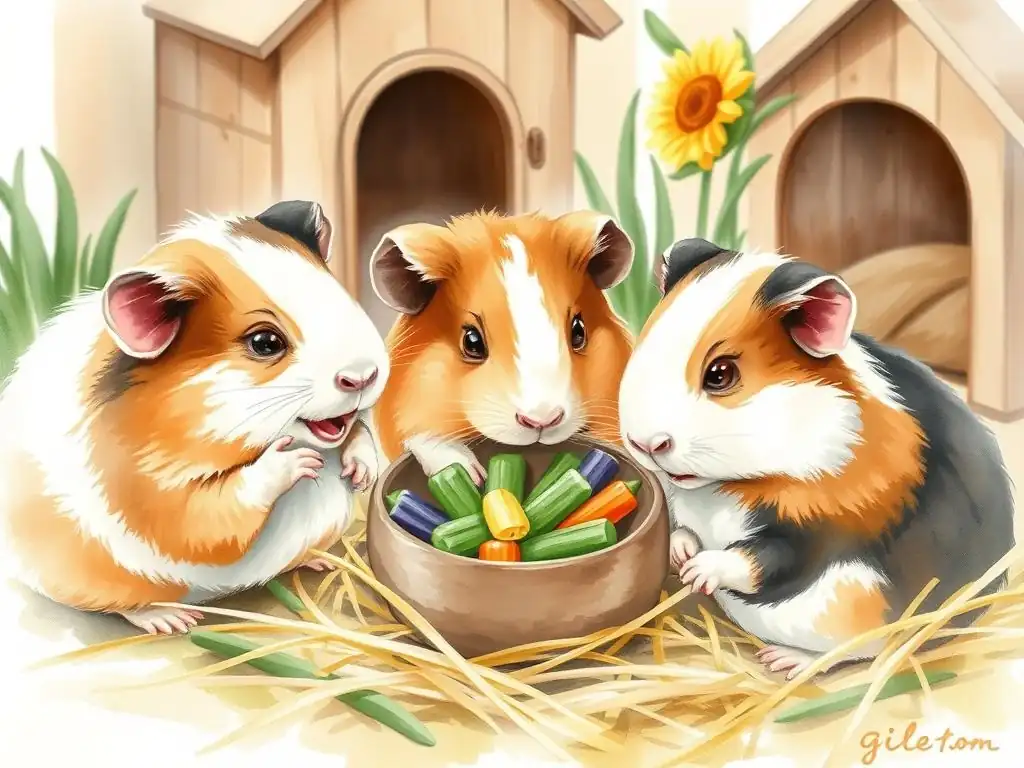
Guinea pig behavior problems, while sometimes frustrating, are often solvable with understanding and the right approach. This section delves into practical solutions, focusing on environmental enrichment, socialization, and dietary adjustments. Remember, consistent observation and patience are key to successfully addressing any behavioral issues in your guinea pig. Effective solutions often require a multifaceted approach, combining several strategies for optimal results. Understanding the root cause is crucial for long-term success in managing guinea pig behavior problems. Let's explore some proven techniques to improve your guinea pig's well-being and behavior.
Creating a Safe and Enriching Environment for Guinea Pigs
A stimulating and secure environment is fundamental to a guinea pig's mental and physical health. Boredom and stress can manifest as various behavioral problems, including excessive chewing, aggression, or lethargy. Providing a spacious cage, ample hiding places, and plenty of opportunities for exploration is crucial in preventing these issues.
Consider these points when designing your guinea pig's habitat:
- Space: Aim for a minimum of 7.5 square feet of floor space per guinea pig. More is always better! Cramped living conditions can lead to increased stress and aggression.
- Hideaways: Guinea pigs are prey animals and need secure places to retreat and feel safe. Provide several hiding places, such as cardboard boxes, small huts, or tunnels.
- Enrichment: Offer a variety of toys and activities to keep your guinea pigs entertained and mentally stimulated. This could include chew toys (made of safe materials! ), tunnels, and foraging toys. Rotate toys regularly to prevent boredom.
- Substrate: Choose a comfortable and absorbent bedding material, avoiding cedar or pine shavings which can be harmful.
- Cleanliness: Regular cleaning of the cage is essential to prevent disease and maintain a hygienic environment, which contributes significantly to your guinea pig's overall well-being and reduces stress-related behavioral issues.
Many guinea pig behavior problems stem from inadequate environmental enrichment. A lack of stimulation can lead to destructive chewing, excessive vocalizations, or even aggression. By providing a safe, spacious, and engaging environment, you significantly reduce the likelihood of these problems arising. Remember, a happy guinea pig is a well-adjusted guinea pig. Regularly assess your guinea pig's environment and make adjustments as needed to keep it stimulating and engaging.
Guinea pigs are social animals and thrive in the company of others. However, introducing guinea pigs or managing existing social dynamics requires careful planning and observation. Inappropriate socialization can lead to aggression, bullying, and other behavioral problems.
- Introducing New Guinea Pigs: Introduce new guinea pigs slowly and carefully. Use a neutral territory, allowing them to smell each other through a barrier before direct contact. Monitor their interactions closely, separating them if aggression occurs. This process can take days or even weeks.
- Addressing Aggression: If aggression arises between cage mates, it may be necessary to separate them permanently. Persistent aggression can severely impact the well-being of the involved guinea pigs.
- Dominance Hierarchy: Guinea pigs often establish a dominance hierarchy, with one or two individuals being more dominant. This is natural, but extreme dominance can lead to bullying. Ensure that all guinea pigs have access to food, water, and hiding places.
- Positive Interaction: Spend quality time with your guinea pigs, handling them gently and regularly. This helps to build trust and reduces anxiety.
Tips for Successful Socialization
- Observe body language carefully for signs of stress or aggression.
- Provide ample space and resources to minimize competition.
- Introduce new guinea pigs gradually, over several days or weeks.
- Seek veterinary advice if aggression persists despite your efforts.
Social harmony is crucial for guinea pig happiness and well-being. Understanding their social dynamics and actively managing potential conflicts are key components of responsible guinea pig ownership and preventing many behavior problems. Remember, a carefully managed social environment significantly contributes to a stress-free and happy life for your guinea pigs.
Dietary Changes to Improve Guinea Pig Behavior
Nutrition plays a vital role in a guinea pig's overall health and behavior. An improper diet can lead to various behavioral problems, including lethargy, aggression, and increased anxiety. A balanced diet consisting primarily of high-quality grass hay, supplemented with fresh vegetables and a small amount of pellets, is essential.
| Nutrient | Importance | Deficiency Symptoms |
|---|---|---|
| Vitamin C | Essential for guinea pigs; they cannot produce it themselves. | Weakness, lethargy, rough coat, susceptibility to illness |
| Fiber | Crucial for digestive health and prevents obesity. | Digestive problems, weight gain, lethargy |
| Calcium | Important for bone health and overall well-being. | Bone weakness, muscle spasms |
| Fresh Vegetables | Provide essential vitamins and minerals; variety is key. | Nutritional deficiencies, poor coat condition |
Providing a nutritionally balanced diet is critical for preventing behavior problems. Sudden dietary changes should be avoided as they can cause digestive upset and stress. Ensure your guinea pigs always have access to fresh water. A well-nourished guinea pig is more likely to be calm, content, and exhibit healthy behaviors. Consult with a veterinarian or a qualified animal nutritionist for specific dietary recommendations tailored to your guinea pig's age, breed, and health status. Addressing nutritional deficiencies can dramatically improve behavioral issues.
The Role of Veterinary Care in Addressing Behavioral Issues
Before embarking on any behavioral modification plan for your guinea pig, it's crucial to rule out any underlying medical conditions that might be contributing to the problem. Many behavioral changes, such as lethargy, aggression, or changes in appetite, can be symptoms of underlying illness. A thorough veterinary examination is paramount. This involves a complete physical exam, including checking teeth for overgrowth, assessing body condition for weight loss or gain, and examining the urinary and gastrointestinal tracts.
Bloodwork might also be necessary to detect infections or other internal issues. For instance, a guinea pig exhibiting unusual aggression might be suffering from pain caused by an abscess or dental problems, making it irritable and prone to biting. Similarly, a sudden decrease in activity could be a sign of a serious illness like pneumonia.
Ignoring the medical aspect and focusing solely on behavioral modification can be detrimental and even delay appropriate treatment, potentially worsening the situation. Therefore, always consult your veterinarian first to ensure your guinea pig's behavioral issues aren't rooted in a treatable medical condition. A veterinarian's diagnosis will guide your approach, allowing you to focus your efforts effectively on behavioral solutions after addressing any health concerns.
Behavior Modification Techniques for Guinea Pigs: Positive Reinforcement Training
Positive reinforcement is the cornerstone of effective guinea pig training. Unlike punishment-based methods, which can create fear and anxiety, positive reinforcement uses rewards to encourage desired behaviors. The key is to identify behaviors you want to encourage—for example, coming when called, accepting handling, or using a litter box consistently—and reward them immediately with treats your guinea pig enjoys. This could be a small piece of fresh vegetables like parsley or a tiny bit of pellet food. Consistency is crucial.
Rewarding the desired behavior every time it occurs strengthens the association between the action and the reward, making the guinea pig more likely to repeat it. For example, if you want to teach your guinea pig to come when called, say its name and offer a treat when it approaches. Repeat this process several times a day. You can also use clicker training, pairing a clicker sound with a treat to mark the exact moment the guinea pig performs the desired behavior. This precise marking helps the guinea pig understand what it's being rewarded for.
Remember to keep training sessions short and positive, ending on a high note. Avoid forcing your guinea pig; instead, focus on building a positive association with training. Patience and consistency are key to success in positive reinforcement training with guinea pigs. 🎉
Dealing with Specific Behavioral Problems: Overgrown Teeth, Sudden Weight Loss, Urinary Tract Infections
Several behavioral problems in guinea pigs stem from underlying health issues. Addressing these health concerns is critical before implementing behavioral modifications.
- Overgrown Teeth: Overgrown teeth can cause significant pain and discomfort, leading to changes in eating habits, reduced activity, and even aggression. A veterinarian can trim overgrown teeth, and regular dental checks are essential for preventing this problem. The change in behavior often resolves once the dental issue is addressed.
- Sudden Weight Loss: Unexplained weight loss is a serious issue and often indicates an underlying medical condition, such as gastrointestinal problems or internal parasites. A veterinarian can diagnose the cause through a physical examination, bloodwork, and potentially fecal analysis. Treatment of the underlying condition is crucial, and the guinea pig's behavior should improve once its health is restored.
- Urinary Tract Infections (UTIs): UTIs can cause pain and discomfort, leading to changes in urination habits, increased vocalizations, and lethargy. A veterinarian can diagnose UTIs through urinalysis and prescribe appropriate antibiotics. Once the infection is treated, the behavioral changes associated with the UTI should disappear. Providing fresh water at all times is crucial for preventing UTIs.
Remember, always consult a veterinarian before attempting any behavioral modification for your guinea pig. They can help determine if medical issues are contributing to the problem and guide you toward the most effective course of action. Early detection and treatment of medical conditions are vital for the health and well-being of your guinea pig.
Preventing Future Guinea Pig Behavioral Problems
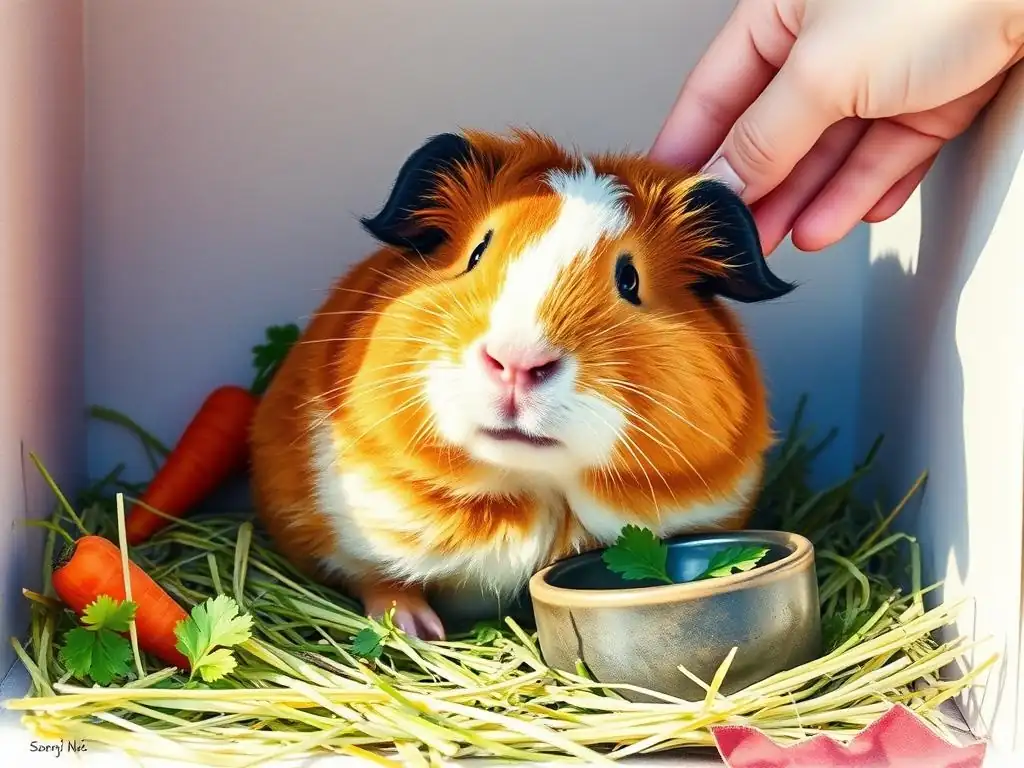
Understanding and addressing guinea pig behavioral problems is crucial for their well-being and your enjoyment of their company. However, proactive measures are far more effective than reactive solutions. By focusing on preventative care, you can significantly reduce the likelihood of encountering challenging behaviors later on. This section delves into strategies for preventing behavioral issues in your guinea pig, focusing on proactive measures, early socialization, and maintaining a consistent routine. Successfully implementing these strategies contributes to a happier, healthier, and better-behaved guinea pig. This proactive approach is key to solving potential guinea pig behavior problem solutions before they even arise.
Proactive Measures for Guinea Pig Well-being
A happy and healthy guinea pig is less likely to exhibit behavioral problems. Providing a stimulating environment, proper nutrition, and regular veterinary care are fundamental preventative measures. Consider these key aspects:
- Enrichment: A boring environment can lead to boredom and destructive behaviors. Provide plenty of toys, tunnels, hiding places, and foraging opportunities. Rotate toys regularly to prevent boredom. Consider using cardboard boxes, toilet paper tubes (ensure they're safe and not easily ingested), and hay racks to keep your guinea pig entertained and mentally stimulated. A stimulating environment is a crucial part of addressing potential guinea pig behavior problem solutions.
- Nutrition: A balanced diet is essential for a guinea pig's physical and mental health. Ensure your guinea pig receives unlimited access to high-quality hay, fresh vegetables, and a small amount of guinea pig pellets. Nutritional deficiencies can lead to lethargy, irritability, and other behavioral problems. Providing the right nutrition is a fundamental aspect of preventing guinea pig behavior problems.
- Veterinary Care: Regular check-ups with an exotic animal veterinarian are crucial for detecting and addressing any underlying health issues that might contribute to behavioral changes. Early detection of illness can prevent significant behavioral problems.
Proper socialization and handling from a young age are vital for developing a well-adjusted guinea pig. A guinea pig that feels comfortable and secure is less likely to exhibit fear-based behaviors such as biting or hiding.
- Gentle Handling: Start handling your guinea pig gently and frequently from a young age. Allow them to explore your hand and get used to being touched. Avoid sudden movements or loud noises that might frighten them. Consistent, gentle handling helps build trust and reduces the likelihood of future behavioral issues. This is a vital step in solving guinea pig behavior problem solutions.
- Positive Reinforcement: Use positive reinforcement techniques, such as rewarding calm behavior with treats or praise. Never punish your guinea pig, as this can worsen behavioral problems. Positive reinforcement is key to establishing a strong bond and preventing future behavioral challenges.
- Introducing Multiple Guinea Pigs: If you plan to have multiple guinea pigs, introduce them slowly and carefully to avoid aggression or territorial disputes. Supervise their interactions closely, especially in the initial stages. Observe their body language for signs of stress or aggression. This is important for preventing guinea pig behavior problem solutions in multi-animal households.
Maintaining a Consistent Routine for Your Guinea Pig
Guinea pigs thrive on routine and predictability. A consistent daily routine helps reduce stress and anxiety, which can contribute to behavioral problems.
- Feeding Schedule: Feed your guinea pig at approximately the same time each day. A consistent feeding schedule helps regulate their digestive system and reduces anxiety associated with food availability. This contributes to a calm and predictable environment.
- Cleaning Schedule: Clean your guinea pig's cage regularly to maintain a hygienic environment. A clean cage helps prevent illness and stress, which can impact behavior. Regular cleaning is a key aspect of overall guinea pig well-being and helps prevent behavior problems.
- Sleep/Wake Cycle: Guinea pigs are crepuscular animals, meaning they are most active at dawn and dusk. Respect their natural sleep/wake cycle by providing a quiet and dark environment during their sleep periods. Disrupting their sleep can lead to stress and behavioral issues. Consistent routines are essential for preventing guinea pig behavior problem solutions.
By diligently implementing these proactive measures, you can significantly reduce the chances of encountering challenging guinea pig behaviors and create a harmonious relationship with your furry friend. Remember, prevention is always better than cure when it comes to addressing potential guinea pig behavior problem solutions.
Recognizing Early Warning Signs of Behavioral Changes
Guinea pigs are naturally social and active creatures. Changes in their behavior can often be subtle at first, making early detection crucial for preventing escalation into more significant behavioral problems. A keen eye for detail is vital in recognizing these subtle shifts. Don't dismiss seemingly minor changes; they might be the first indicators of underlying issues.
One common early warning sign is a change in appetite. A normally enthusiastic eater suddenly losing interest in their favorite foods, or exhibiting a significant decrease in food consumption, warrants attention. This could indicate pain, illness, or stress, all of which can manifest as behavioral changes. Similarly, a sudden increase in water consumption might signal a developing health problem. Always monitor food and water intake closely; any significant deviation from the norm should prompt investigation.
Another key indicator is changes in their social interactions. Guinea pigs are highly social animals, thriving on companionship. If your guinea pig, usually playful and interactive with its cage mates, becomes withdrawn, isolating itself, or exhibiting aggression towards its companions, this is a serious cause for concern. This isolation or aggression could stem from underlying health problems, territorial disputes, or a response to environmental stressors. Observe their interactions closely, noting any shifts in body language, such as hunched posture, flattened ears, or excessive chattering.
Changes in sleeping patterns can also be a red flag. A guinea pig that suddenly sleeps significantly more or less than usual might be experiencing discomfort or stress. Increased restlessness, even during periods when they typically rest, could be another sign. Pay close attention to their overall activity levels. A noticeable decrease in activity, coupled with other symptoms, should prompt a veterinary consultation.
Finally, changes in grooming habits can be indicative of underlying problems. Guinea pigs are meticulous groomers. If you notice matted fur, excessive shedding, or a lack of self-grooming, it could be a sign of stress, illness, or pain. Regularly check their coat for abnormalities; this proactive approach can lead to early detection of potential issues. Remember, early intervention is key to preventing these minor behavioral shifts from escalating into more serious problems. By paying close attention to your guinea pig's daily routines and subtle changes in their behavior, you can effectively address potential problems before they become deeply entrenched.
Guinea Pig Behavior Problem Solutions: A Holistic Approach
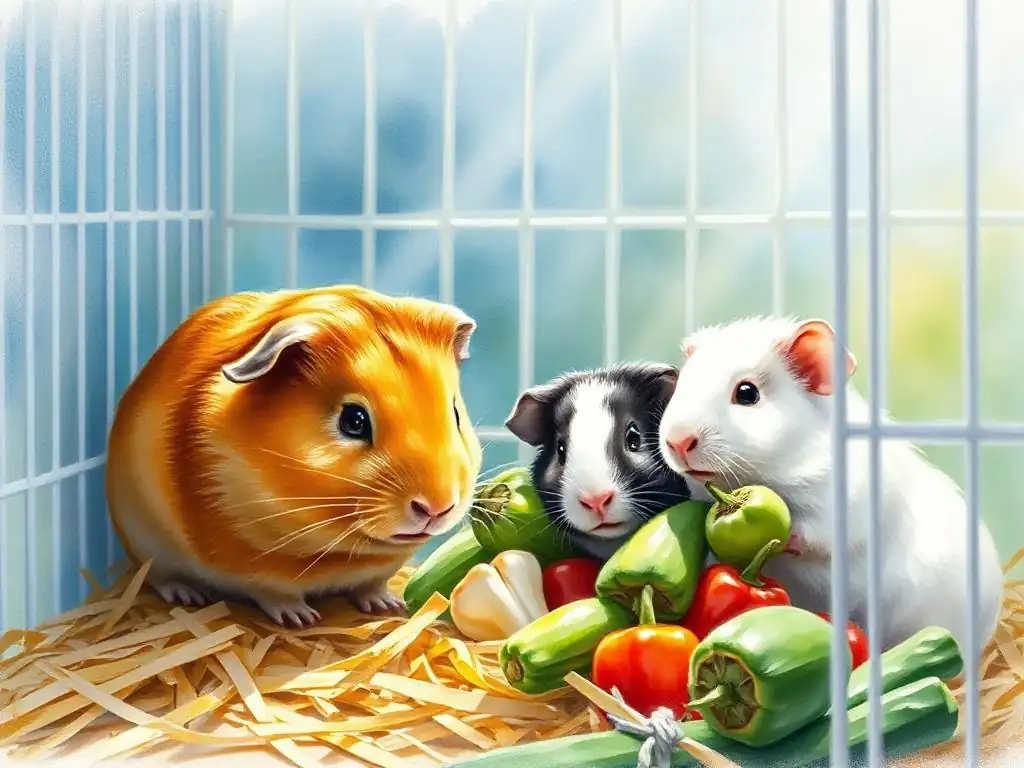
Addressing guinea pig behavior problems requires a multifaceted approach. Simply punishing undesirable behaviors is rarely effective and can damage your bond with your pet. Instead, focus on a holistic strategy that combines environmental enrichment, positive reinforcement training, and, when necessary, veterinary care. This integrated approach tackles the root causes of the problem, leading to lasting behavioral improvements and a happier, healthier guinea pig.
Understanding the underlying cause is paramount. A seemingly simple behavior problem like excessive biting might stem from underlying medical issues like pain, dental problems, or vitamin C deficiency. Conversely, a guinea pig exhibiting lethargy and lack of appetite could be displaying behavioral signs of stress or boredom rather than purely physical ailments. Therefore, a thorough veterinary check-up should always be the first step in addressing any significant behavioral change.
Environmental enrichment plays a crucial role in preventing and addressing many behavioral problems. Guinea pigs are social animals that thrive in stimulating environments. Consider these aspects:
- Space: Ensure your guinea pig has ample space to move around freely. Cramped living conditions can lead to stress and aggression.
- Hiding Places: Guinea pigs need safe havens to feel secure. Provide plenty of hiding spots, such as cardboard boxes, tunnels, and huts.
- Toys and Activities: Offer a variety of toys to keep your guinea pig mentally and physically stimulated. This could include chew toys, foraging toys, and even simple objects like cardboard tubes. Rotate toys regularly to maintain interest.
- Social Interaction: Guinea pigs are highly social creatures. Keeping them in pairs or small groups (of the same sex, unless you are prepared for breeding) can significantly reduce stress and boredom. Regular interaction with their human companions is also vital for their well-being.
- Diet: A balanced and nutritious diet is fundamental to a guinea pig's overall health and behavior. Ensure they have access to fresh hay, pellets, and vegetables.
Positive reinforcement training can be surprisingly effective. Instead of punishment, reward desired behaviors with treats, praise, or gentle petting. This builds a positive association with good behavior and strengthens your bond with your pet. For example, if your guinea pig is hesitant to come out of its hidey-house, lure it out with a favorite treat.
When to Seek Professional Help from a Veterinarian or Animal Behaviorist
While many minor behavioral issues can be managed at home, some situations demand professional intervention. Recognizing when to seek help is crucial for your guinea pig's well-being. Here are some key indicators:
- Persistent Aggression: If your guinea pig consistently bites or attacks you or other guinea pigs despite environmental enrichment and training, a veterinary check-up is warranted to rule out underlying medical causes. An animal behaviorist can also provide tailored guidance.
- Self-Mutilation: Excessive grooming or biting that leads to hair loss or skin damage needs immediate veterinary attention. This could indicate underlying medical issues, stress, or a compulsive disorder.
- Sudden Behavioral Changes: A dramatic shift in behavior, such as sudden lethargy, loss of appetite, or vocalization, necessitates a veterinary visit. These could signal a health problem requiring immediate treatment.
- Unexplained Fear or Anxiety: If your guinea pig exhibits excessive fear or anxiety that doesn't respond to environmental modifications, consulting an animal behaviorist may be beneficial. They can help identify triggers and develop strategies to manage anxiety.
- Inability to bond with other guinea pigs: If you have multiple guinea pigs and they are unable to coexist peacefully despite your efforts, an expert might be needed to help mediate their interactions.
Consider seeking help if you've tried the solutions above for several weeks and haven't seen improvement. Early intervention can make a significant difference in managing behavioral problems and ensuring your guinea pig's happiness.
Resources and Further Reading on Guinea Pig Behavior
While this guide provides a solid foundation, further research can greatly enhance your understanding of guinea pig behavior. Numerous books and websites offer detailed information on guinea pig care and behavior management. Searching for "guinea pig behavior problems" will yield many helpful resources. Look for reputable sources that emphasize positive reinforcement techniques and stress the importance of veterinary care.
Remember, understanding your guinea pig's unique personality and needs is key to successful behavior management. By combining environmental enrichment, positive reinforcement training, and professional help when necessary, you can create a happy and harmonious environment for your beloved pet. Patience, consistency, and a focus on positive interactions are the cornerstones of successful guinea pig behavior modification.
Frequently Asked Questions
Why is my guinea pig suddenly aggressive?
Several factors can trigger aggression, including territoriality, hormonal changes, or underlying health issues. A vet checkup is crucial to rule out medical problems. Observe for specific triggers to understand the root cause.
How can I stop my guinea pig from biting?
Gentle handling and positive reinforcement are key. Avoid sudden movements, and always approach slowly. Reward calm behavior with treats and praise.
My guinea pig is constantly squeaking; what does this mean?
Squeaking can indicate various things, from excitement and communication to pain or distress. Consider the context—is it a high-pitched cry or a soft chirp?
My guinea pig seems depressed; how can I help?
Signs of depression include lethargy, loss of appetite, and withdrawal. Ensure a stimulating environment with toys, hiding places, and social interaction. Consult a vet to rule out illness.
How do I solve my guinea pig's excessive chewing problem?
Provide sufficient chew toys made of safe materials. Enrichment activities and a balanced diet can also reduce destructive chewing. Consider the possibility of boredom or nutritional deficiencies.
Final Reflection: The Enduring Bond: Understanding and Healing Guinea Pig Behavior
Understanding guinea pig behavior is not just about solving immediate problems; it's about fostering a deeper, more enriching relationship with these incredibly social and sensitive creatures. Their quirky personalities and nuanced communication often go unnoticed, leading to misunderstandings and behavioral issues that can be easily addressed with patience and knowledge.
The journey of understanding guinea pig behavior is a continuous learning process, one that profoundly impacts both the animal's well-being and our own. It's a humbling experience to witness their resilience, their capacity for joy, and their vulnerability. As we learn to interpret their subtle cues – a hesitant squeak, a sudden freeze, a frantic zoom – we develop a profound respect for their unique needs. The greatness of a nation and its moral progress can be judged by the way its animals are treated.
- Mahatma Gandhi. This quote, while broad in scope, speaks to the ethical responsibility we bear towards all creatures under our care, especially those who depend entirely on us.
Now, consider your own guinea pig. What have you learned about their individual personality? What small adjustments can you make to their environment or routine to better meet their needs? Take the time to observe, to listen, and to learn from your furry friend. By embracing a holistic approach to guinea pig care, encompassing both physical and emotional well-being, you'll not only solve behavioral problems but cultivate a bond built on mutual respect and understanding, enriching both your lives immeasurably.
Unleash Your Guinea Pig's Happy Potential!
Thank you for learning more about understanding and addressing your guinea pig's behavior! We hope this article provided valuable insights into their unique personalities. Now, let's put that knowledge into action.
- Focus on one behavioral adjustment this week: Choose one specific issue, such as excessive chewing or hiding, and implement a practical solution from the article. Even small changes can significantly improve your guinea pig's well-being.
- Share your guinea pig's personality with our community: Post a photo and comment on the PetCareWorld forum about your guinea pig's unique behaviors and your progress. Let's learn from each other's experiences!
- Enrich your guinea pig's environment: Consider adding new toys, tunnels, or hiding places to stimulate your guinea pig and prevent future behavioral problems.
What small step will you take today to improve your guinea pig's happiness?