
Choosing the Right Enclosure Size for Your Reptile: A Practical Guide

Welcome to PetCareWorld, your ultimate guide to a happier, healthier life for your beloved pets! Are you ready to create the perfect habitat for your scaly companion? Our comprehensive Reptile enclosure size guide dives deep into the crucial considerations for selecting the right enclosure, ensuring your reptile thrives in a space designed for their specific needs. Discover the secrets to a flourishing reptile enclosure and unlock the key to their well-being – explore now!
- Understanding Reptile Enclosure Size Requirements
- Factors Influencing Reptile Enclosure Size Selection
- Measuring Your Reptile's Enclosure: Practical Tips
- Selecting the Right Type of Reptile Enclosure
- Reptile Enclosure Size and Enrichment
- Practical Examples: Reptile Enclosure Size Recommendations
- Frequently Asked Questions About Reptile Enclosure Sizing
- Frequently Asked Questions
- Final Reflection: The Space of a Life Well-Lived
- Unlock Your Reptile's Happy Habitat: Take Action Now!
Understanding Reptile Enclosure Size Requirements
Choosing the right enclosure size for your reptile is paramount to their health, well-being, and overall quality of life. A cramped environment can lead to stress, stunted growth, difficulty thermoregulating, and an increased susceptibility to disease. Conversely, an enclosure that's too large can make it difficult to maintain proper temperature and humidity gradients, creating an unsuitable habitat. This comprehensive guide, focusing on the keyword "Reptile enclosure size guide," will walk you through the essential factors to consider when selecting the perfect home for your scaled companion. We'll delve into species-specific needs, the differences between housing juveniles and adults, and the importance of considering both vertical and horizontal space within the enclosure. Understanding these factors will empower you to create a thriving environment where your reptile can flourish. Remember, providing adequate space isn't just about meeting minimum requirements; it's about enriching your reptile's life and ensuring their long-term health and happiness.
Determining Minimum Enclosure Size Based on Species
The most crucial factor in determining the appropriate enclosure size is the species of reptile you own. Different species have vastly different size requirements, activity levels, and environmental needs. For example, a small gecko will thrive in a relatively small terrarium, while a large monitor lizard will require a significantly larger enclosure. There's no one-size-fits-all answer; thorough research into your specific reptile's mature size, natural habitat, and behavioral patterns is essential. This research should include consulting reputable herpetological resources and experienced keepers. Failing to provide adequate space based on species-specific needs can lead to significant welfare issues.
Consider the following table as a starting point for understanding the scale of size requirements, remembering that these are minimum sizes and individual needs may vary:
| Reptile Species | Minimum Enclosure Size (Approximate) | Notes |
|---|---|---|
| Leopard Gecko | 10 gallons | Can be smaller for juveniles, but upgrade as they grow. |
| Bearded Dragon | 40 gallons | Requires significant horizontal space for basking and activity. |
| Corn Snake | 20 gallons | Can be smaller for juveniles, but upgrade as they grow. |
| Crested Gecko | 10-20 gallons | Vertical space is more important than horizontal space. |
| Ball Python | 40-60 gallons | Larger enclosures are preferred for adult Ball Pythons for enrichment. |
| Green Iguana | 120 gallons or larger | Requires a very large enclosure with significant height. |
Remember to always prioritize research specific to your reptile species for the most accurate sizing information. Consult multiple sources to ensure accuracy and consistency.
Adult vs. Juvenile Reptile Housing Needs
Juvenile reptiles have different needs than their adult counterparts. While it might seem cost-effective to start with a small enclosure, upgrading as the reptile grows, this approach can be stressful for the animal. Sudden changes in environment can trigger stress responses, negatively impacting their health and development. It's generally recommended to purchase an enclosure large enough to accommodate the reptile's adult size from the outset. This eliminates the need for stressful relocation and allows the reptile to establish a stable territory.
For juveniles, providing enrichment within a smaller (but still appropriately sized) enclosure is crucial. This might involve adding climbing structures, hiding places, and varied substrate to stimulate exploration and reduce stress. However, always ensure that even the juvenile enclosure meets the minimum space requirements for the species. Providing too little space can hinder their growth and development. Think of it as an investment in their long-term well-being.
The Importance of Vertical vs. Horizontal Space
The type of space—vertical or horizontal—needed depends largely on the species and its natural behavior. Arboreal species, such as many geckos and tree boas, require significant vertical space to climb and explore. Providing branches, vines, and other climbing structures is crucial for their physical and mental well-being. Insufficient vertical space can lead to stress, muscle atrophy, and difficulty thermoregulating.
Conversely, terrestrial species, such as many snakes and lizards, need primarily horizontal space for roaming and foraging. A long, wide enclosure is more suitable for them than a tall one. However, even terrestrial species benefit from some vertical elements, such as rocks or logs, to create variation in their environment and provide hiding places.
A well-designed enclosure should consider the natural behaviors of the species and provide a suitable blend of both vertical and horizontal space, mimicking their natural environment as closely as possible. Failure to do so can result in a less enriched and potentially stressful environment for your reptile.
Factors Influencing Reptile Enclosure Size Selection
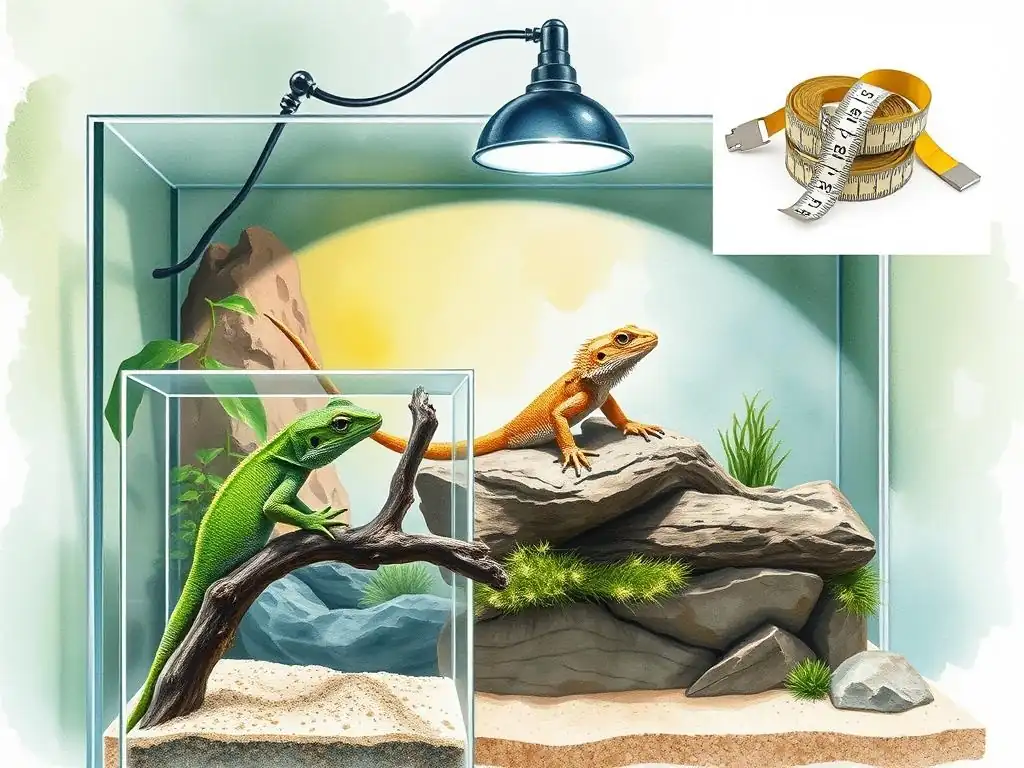
This section delves into the crucial factors you must consider when determining the appropriate enclosure size for your reptile. Choosing the right size isn't just about comfort; it directly impacts your reptile's health, behavior, and overall well-being. A cramped environment can lead to stress, poor health, and even aggression. Conversely, an enclosure that's too large can make it difficult to maintain proper temperature and humidity gradients, also negatively affecting your pet. Let's explore the key elements influencing your decision.
Species-Specific Space Requirements: A Reptile Enclosure Size Guide
Selecting the correct reptile enclosure size starts with understanding your reptile's specific needs. Different species have vastly different space requirements, influenced by their size, activity level, and natural habitat. For instance, a small leopard gecko will thrive in a much smaller enclosure than a large adult bearded dragon. A comprehensive reptile enclosure size guide should be consulted before purchasing any reptile or its habitat.
Here’s a simplified table illustrating the general space needs of some common reptile species. Remember, these are guidelines and individual needs may vary slightly. Always research your specific species thoroughly.
| Reptile Species | Minimum Enclosure Size (Approximate) | Notes |
|---|---|---|
| Leopard Gecko | 20 gallons | Can be housed in smaller enclosures if properly enriched. |
| Bearded Dragon | 40-75 gallons | Larger enclosures are preferable for adult bearded dragons. |
| Corn Snake | 20-40 gallons | Size depends on the snake's adult size and activity level. |
| Crested Gecko | 18x18x24 inches (vertical) | Vertical space is crucial for arboreal species like crested geckos. |
| Ball Python | 40-60 gallons (adult) | Young ball pythons can be housed in smaller enclosures, but upgrade as they grow. |
Further Considerations for Species-Specific Needs
Beyond just the basic dimensions, consider the reptile's natural behavior. For example, arboreal species (those that live in trees) require taller enclosures with plenty of branches for climbing, while terrestrial species need more floor space. Burrowing species need a substrate deep enough for them to dig and create hides. This detailed consideration, going beyond a simple "gallons" measurement, is crucial for responsible reptile keeping.
Adult Size and Growth Rate Considerations
It's tempting to buy a small enclosure for a juvenile reptile, believing you'll upgrade later. However, this can create significant stress and even health problems as the reptile grows. Reptiles grow at different rates, and failing to plan for their adult size can lead to a lifetime of inadequate housing.
Consider the following:
- Adult Size: Research the maximum adult size of your reptile species. This information is readily available in reptile care guides and online resources.
- Growth Rate: Understand how quickly your reptile will reach its adult size. Some species grow rapidly, while others grow more slowly.
- Future Planning: Purchase an enclosure that will comfortably house your reptile throughout its entire lifespan, avoiding the need for multiple upgrades. This minimizes stress and disruption to your pet.
Number of Reptiles (Multiple Inhabitants)
Housing multiple reptiles in a single enclosure is generally not recommended, unless you are an experienced reptile keeper and the species are known to be compatible. Even then, you'll need a significantly larger enclosure than you would for a single reptile. Overcrowding can lead to:
- Increased Stress: Competition for resources (food, basking spots, hiding places) can cause significant stress, leading to health problems and aggression.
- Territorial Disputes: Many reptile species are territorial and will fight over resources if their space is limited.
- Disease Transmission: Close contact in a small space increases the risk of disease transmission between reptiles.
Always prioritize the well-being of your reptile. Providing ample space is a fundamental aspect of responsible reptile ownership. Remember to consult reliable resources and experts when in doubt about the appropriate enclosure size for your specific reptile. A well-planned enclosure is essential for your pet's health and happiness.
Enrichment and Environmental Needs (Climbing, Basking, Hiding)
Providing a suitably sized enclosure isn't just about meeting minimum space requirements; it's crucial for ensuring your reptile's physical and psychological well-being. A cramped environment severely limits opportunities for natural behaviors, leading to stress, health problems, and a drastically reduced quality of life. Therefore, the size of your reptile's enclosure must accommodate its specific needs for climbing, basking, and hiding.
Consider the species' natural habitat. For example, arboreal reptiles like certain geckos and tree boas require significant vertical space for climbing. A tall enclosure with branches, vines, and other climbing structures is essential to allow them to express their natural climbing behaviors. Without this vertical space, they'll be prone to muscle atrophy and behavioral problems. Insufficient climbing opportunities can manifest as lethargy, repetitive movements, and even self-mutilation in some species. A good rule of thumb is to ensure the enclosure height allows for at least twice the reptile's body length in vertical climbing space.
Basking is another critical behavioral aspect. Reptiles are ectothermic, meaning they rely on external heat sources to regulate their body temperature. An appropriately sized enclosure allows for a proper thermal gradient, with a basking area offering significantly higher temperatures than the cooler side. The basking area should be large enough for the reptile to comfortably bask without overcrowding. Insufficient basking space can lead to difficulty thermoregulation, impacting digestion, immune function, and overall health. For example, a bearded dragon needs a large basking area to properly absorb heat and regulate its body temperature.
Finally, hiding places are vital for a reptile's sense of security and stress reduction. Reptiles instinctively seek shelter to feel safe and protected. The enclosure should offer multiple hiding spots of varying sizes and types, including those that are completely dark and those that offer some visual access to the surroundings.
These hiding spots should be easily accessible and should not be placed directly under the basking lamp. The number of hiding places should be proportional to the enclosure size and the reptile's temperament. A stressed reptile may exhibit signs like excessive shedding, loss of appetite, and aggression, all potentially stemming from a lack of adequate secure spaces.
Providing sufficient hiding spots is a fundamental aspect of responsible reptile keeping and contributes significantly to their overall well-being. The size of these hiding spots should also be considered, ensuring they are large enough for the reptile to comfortably fit inside without feeling cramped.
Measuring Your Reptile's Enclosure: Practical Tips
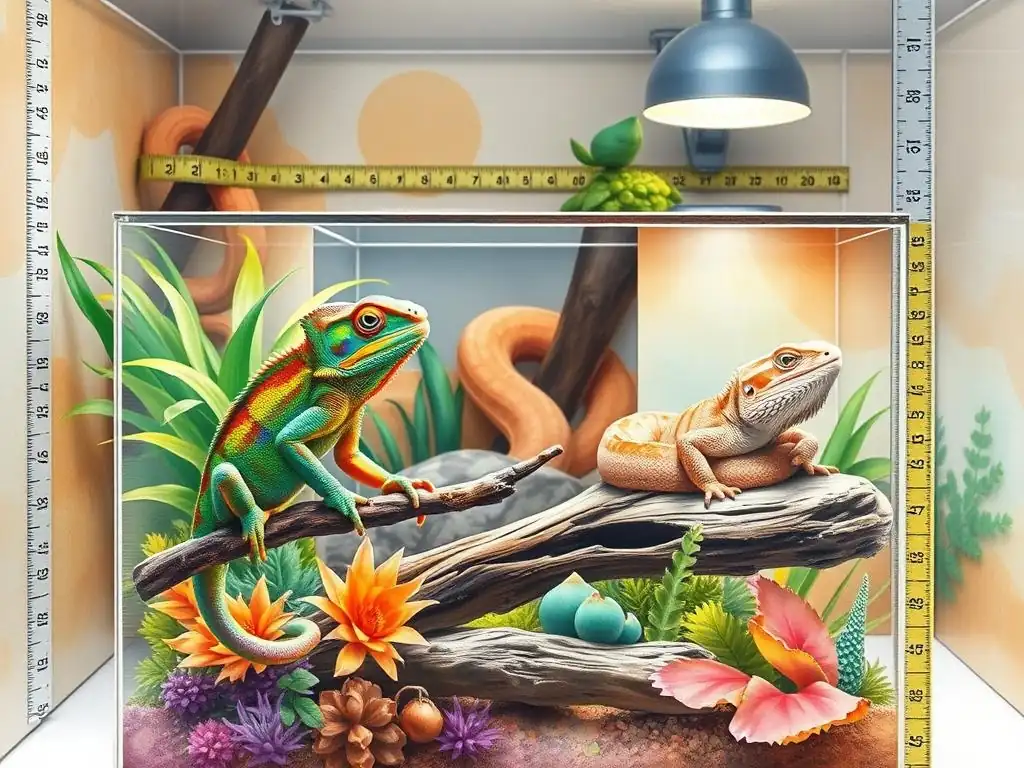
This section focuses on the practical aspects of accurately measuring your reptile's enclosure to ensure it meets their needs. Accurate measurements are crucial for providing a suitable habitat that promotes your reptile's health and well-being. Remember, a poorly sized enclosure can lead to stress, health problems, and ultimately, a reduced lifespan for your pet. This guide, part of our comprehensive Reptile enclosure size guide, will walk you through the process.
Accurate Measurement Techniques for Reptile Habitats
Accurately measuring your reptile's enclosure requires precision and attention to detail. Avoid estimations; use a measuring tape to obtain precise measurements in both centimeters and inches. This will be especially important when consulting care sheets or breeder recommendations. Here's a step-by-step guide:
- Measure Length, Width, and Height: Measure the interior dimensions of the enclosure, not the exterior. This means measuring from the inside edges of the enclosure's walls, floor, and ceiling. Record these measurements clearly. For example,
Length: 60cm (24 inches), Width: 45cm (18 inches), Height: 40cm (16 inches). - Consider Substrate Depth: The depth of your substrate (e.g., reptile carpet, coconut fiber) should be factored into the usable space. For burrowing species, a significant amount of substrate is necessary, reducing the actual available space for movement. Subtract the substrate depth from the overall height measurement to determine the true vertical space available to your reptile.
- Account for Decor and Furnishings: Remember that adding décor, branches, hides, and water dishes will further reduce the actual available floor space. Consider these elements when assessing whether your enclosure offers enough room for your reptile to move comfortably. A good rule of thumb is to leave at least 50% of the floor space unobstructed.
- Multiple Measurements: Take multiple measurements at different points along each side to ensure accuracy and account for any inconsistencies in the enclosure's construction. Average your measurements if slight discrepancies exist.
Common Mistakes to Avoid When Sizing Reptile Enclosures
Many common mistakes can lead to an improperly sized enclosure, impacting your reptile's well-being. Avoiding these errors will ensure you create a thriving habitat.
- Focusing solely on adult size: Many new reptile owners make the mistake of only considering the adult size of their reptile when purchasing an enclosure. Juveniles, especially, need appropriately sized enclosures to encourage proper growth and development. Consider purchasing a smaller enclosure initially and upgrading as your reptile grows, rather than starting with an overly large enclosure which can be difficult to maintain.
- Neglecting vertical space: Arboreal (tree-dwelling) species require significant vertical space to climb and explore. Ignoring this need can lead to stress and behavioral problems. Always ensure adequate height for climbing, even if your reptile doesn't utilize all of the vertical space immediately.
- Overcrowding: Multiple reptiles in one enclosure often leads to territorial disputes, stress, and aggression. Always provide sufficient space for each individual, keeping in mind their specific needs and temperament. Many species are solitary and should not be housed together.
- Ignoring species-specific needs: Different reptile species have vastly different space requirements. What is suitable for a small gecko may be far too small for a large monitor lizard. Always research the specific needs of your reptile species before purchasing an enclosure.
Calculating Floor Space and Vertical Height Requirements
Calculating the appropriate floor space and vertical height is critical for responsible reptile keeping. This involves considering the reptile's size, activity level, and species-specific needs.
| Reptile Type | Floor Space Recommendation (minimum) | Vertical Space Recommendation (minimum) | Notes |
|---|---|---|---|
| Leopard Gecko | 20 gallons (approx. 75 x 45 x 30 cm) | 30 cm | Relatively low activity, but still needs space to explore. |
| Bearded Dragon | 40 gallons (approx. 90 x 45 x 45 cm) | 45 cm | Requires substantial basking area and climbing space. |
| Corn Snake | 20 gallons (approx. 75 x 45 x 30 cm) | 30 cm | Primarily terrestrial, but appreciates some climbing opportunities. |
| Crested Gecko | 10 gallons (approx. 45 x 30 x 30 cm) | 45 cm | Arboreal species needing plenty of vertical space. |
| Green Iguana | 120 gallons (or much larger) | 60+ cm | Very large and active species requiring a substantial enclosure. |
Remember, these are minimum recommendations. Larger enclosures are always preferable, providing more space for exploration, enrichment, and reducing stress. Always prioritize the well-being of your reptile by providing a spacious and appropriately sized habitat. This is a key component of responsible reptile ownership and a critical aspect of your Reptile enclosure size guide.
Selecting the Right Type of Reptile Enclosure
This section delves into the crucial first step in determining the appropriate reptile enclosure size: selecting the right type of enclosure. The size itself is heavily influenced by the enclosure's material and design, as these factors impact ventilation, humidity control, and overall longevity. Understanding these nuances is key to providing your reptile with a thriving habitat.
A poorly chosen enclosure can lead to health problems and significantly shorten your reptile's lifespan. Therefore, careful consideration of enclosure type is paramount before even beginning to think about specific dimensions. This section will help you navigate the choices and make an informed decision based on your reptile's specific needs.
Choosing Between Glass Terrariums, Plastic Enclosures, and Wooden Vivariums
The market offers a variety of reptile enclosures, each with its own advantages and disadvantages. Let's examine three popular options: glass terrariums, plastic enclosures, and wooden vivariums.
- Glass Terrariums: These are a classic choice, offering excellent visibility and ease of cleaning. The smooth, non-porous surfaces prevent bacterial buildup and make sanitation straightforward. However, glass terrariums can be heavy, fragile, and may not retain humidity as effectively as other materials. They also require careful consideration of ventilation to prevent overheating. Glass terrariums are generally best suited for reptiles that don't require exceptionally high humidity levels.
- Plastic Enclosures: Plastic enclosures are lightweight, durable, and often more affordable than glass terrariums. They are also available in a wider range of sizes and shapes. However, plastic can scratch easily, potentially harboring bacteria, and may not be as aesthetically pleasing as glass. Ventilation is crucial with plastic enclosures, as they can retain heat more readily. Some plastics may also release chemicals over time, so it's essential to choose a reptile-safe material.
- Wooden Vivariums: Wooden vivariums offer a natural aesthetic and can provide excellent humidity retention. The wood can create a more naturalistic environment, beneficial for many reptile species. However, wooden enclosures require more meticulous cleaning and maintenance to prevent mold and mildew growth. They can also be more expensive and may require more complex ventilation systems. Ensure the wood is treated with a non-toxic sealant suitable for reptiles.
Choosing the right material depends on the specific needs of your reptile. For example, a desert reptile might thrive in a well-ventilated glass terrarium, while a tropical species might benefit from the humidity retention of a wooden vivarium. Thorough research into your reptile's natural habitat is crucial for this decision.
Considerations for Ventilation and Humidity Control in Different Enclosure Types
Proper ventilation and humidity control are critical for maintaining a healthy environment for your reptile. These factors are directly impacted by the enclosure type.
| Enclosure Type | Ventilation Considerations | Humidity Control Considerations |
|---|---|---|
| Glass Terrarium | Requires strategically placed vents to prevent overheating; avoid drafts. | May require additional humidification; monitor humidity levels closely. |
| Plastic Enclosure | Requires adequate ventilation to prevent heat buildup; check for air leaks. | May require additional humidification or dehumidification. |
| Wooden Vivarium | Ventilation is crucial to prevent mold and mildew; may require custom ventilation systems. | Naturally retains humidity; may require less additional humidification. |
Inadequate ventilation can lead to respiratory problems and even death in reptiles. Similarly, improper humidity can cause dehydration or skin issues. Regular monitoring of temperature and humidity levels using accurate gauges is essential, regardless of the enclosure type. Understanding the material's properties and implementing appropriate ventilation strategies is crucial for maintaining the ideal environment.
Assessing the Durability and Longevity of Various Reptile Enclosure Materials
The longevity of your reptile enclosure is a significant factor to consider. The material's durability impacts both the lifespan of the enclosure itself and the overall cost-effectiveness of your setup.
- Glass Terrariums: While durable in terms of resisting damage from scratching, glass terrariums are fragile and can break if dropped or mishandled. Their lifespan is largely dependent on careful handling.
- Plastic Enclosures: Plastic enclosures are generally more durable than glass, resisting impacts and scratches better. However, prolonged exposure to UV light can cause degradation over time, potentially affecting the structural integrity and releasing harmful chemicals.
- Wooden Vivariums: The lifespan of a wooden vivarium depends heavily on the quality of the wood, the sealant used, and the level of maintenance. Proper sealing and regular cleaning are crucial to prevent rot and mildew, ensuring longevity.
Choosing a durable enclosure minimizes the need for frequent replacements, reducing costs and minimizing disruption to your reptile's environment. Consider the potential for wear and tear, as well as the overall lifespan of the material, when making your selection. Investing in a high-quality, durable enclosure is a worthwhile investment in your reptile's long-term well-being.
Reptile Enclosure Size and Enrichment
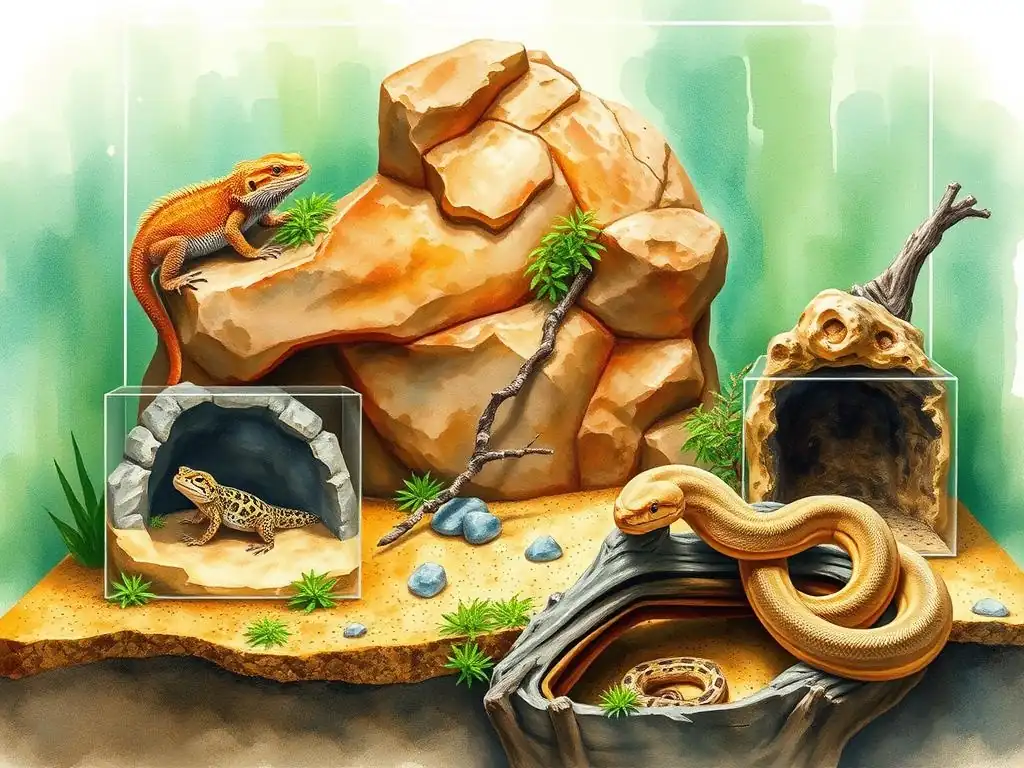
This section delves into the crucial relationship between enclosure size and environmental enrichment for your reptile. Choosing the right size enclosure isn't just about providing enough space; it's about enabling your reptile to exhibit natural behaviors, thrive physically and mentally, and ultimately, live a longer, healthier life. Ignoring this fundamental aspect of reptile care can lead to stress, behavioral problems, and even disease. This guide offers practical advice on determining appropriate enclosure dimensions and creating a stimulating habitat for your scaled companion.
Understanding the specific needs of your reptile species is paramount in ensuring their well-being. A larger enclosure doesn't automatically equal a better environment; it's the thoughtful combination of space and enrichment that truly matters. This section will use various examples to illustrate this point, highlighting the differences in needs between various species.
Providing Adequate Space for Natural Behaviors
Reptiles, unlike many mammals, require specific environmental parameters to thrive. Providing sufficient space allows them to express natural behaviors crucial for their physical and mental health. Consider these key aspects:
- Basking and Thermoregulation: Many reptiles require a significant basking area to regulate their body temperature. A cramped enclosure restricts their ability to move between thermal gradients, leading to overheating or chilling. For example, a bearded dragon needs ample space to move between a hot basking spot and a cooler area. Insufficient space can severely impact their ability to thermoregulate effectively.
- Foraging and Hunting: Many reptiles are active hunters or foragers. A small enclosure limits their ability to search for food, impacting their natural hunting instincts and potentially leading to obesity or nutritional deficiencies. Consider a species like a corn snake; it needs ample space to explore and hunt appropriately sized prey.
- Exploration and Movement: Reptiles need space to explore and move around. A confined environment can lead to stress, lethargy, and repetitive behaviors, such as pacing or swaying. For instance, a leopard gecko, despite its relatively small size, benefits from a larger enclosure that allows for exploration and burrowing.
- Species-Specific Needs: Enclosure size requirements vary drastically depending on the species. A small gecko will require a smaller enclosure than a large monitor lizard. Researching the specific needs of your reptile is vital. The table below provides some examples, but remember that these are general guidelines and individual needs may vary:
| Reptile Species | Minimum Enclosure Size (Approximate) | Notes |
|---|---|---|
| Leopard Gecko | 20 gallons | Can tolerate slightly smaller, but larger is always better for enrichment. |
| Bearded Dragon | 40-75 gallons | Needs significant basking area and climbing space. |
| Corn Snake | 20-40 gallons | Can be kept in smaller enclosures as adults, but larger is preferable. |
| Crested Gecko | 18x18x24 inches (vertical) | Requires vertical space for climbing. |
| Green Iguana | 100+ gallons (very large enclosure) | Requires significant space for climbing and basking. |
Remember to always consult reputable sources for species-specific enclosure recommendations. Insufficient space is a common cause of stress and health problems in captive reptiles.
Designing an Enriching Environment for Your Reptile
Providing adequate space is only half the battle; creating an enriching environment is equally important. An enriching enclosure mimics the reptile’s natural habitat, stimulating their natural behaviors and preventing boredom and stress. Consider these enrichment strategies:
- Substrate: Choose a substrate suitable for your reptile's species and burrowing habits. For example, sand is suitable for desert reptiles, while cypress mulch is better for humid environments.
- Hiding Places: Provide multiple hiding places of varying sizes and types to offer security and reduce stress. These can include caves, cork bark, or artificial decorations.
- Climbing Structures: Many reptiles are arboreal or semi-arboreal, requiring branches, rocks, and other structures for climbing and exploration.
- Basking Spots: Ensure a proper basking spot with appropriate temperature gradients. This is crucial for thermoregulation and digestion.
- Water Dishes: Provide a clean water dish large enough for your reptile to soak in, if necessary.
- Live Plants (carefully selected): Non-toxic live plants can add visual appeal and provide additional hiding places. However, ensure the plants are safe for your reptile.
- UVB and Heat Lamps: Appropriate UVB and heat lamps are essential for most reptiles, providing necessary vitamin D3 synthesis and maintaining proper body temperature. The type and placement of these lamps are species-specific.
By combining adequate space with thoughtful enrichment, you can create a thriving environment for your reptile, promoting its physical and mental well-being. Remember, observation is key—monitor your reptile's behavior to ensure the environment meets its needs. Adjustments may be needed based on individual preferences and species-specific requirements. A happy and stimulated reptile is a healthy reptile!
The Relationship Between Enclosure Size and Reptile Health and Well-being
The size of your reptile's enclosure directly impacts its health and well-being. Insufficient space can lead to a cascade of negative consequences:
- Stress and Behavioral Problems: Confined reptiles often exhibit stress behaviors like repetitive movements, lethargy, and aggression. This chronic stress weakens their immune system, making them more susceptible to diseases.
- Nutritional Deficiencies and Obesity: Limited space can hinder foraging and hunting behaviors, leading to inadequate nutrition or overeating due to lack of exercise.
- Skeletal Deformities: In some species, insufficient space can lead to skeletal deformities due to lack of movement and proper exercise.
- Reduced Lifespan: Chronic stress and poor health resulting from inadequate space can significantly reduce a reptile's lifespan. Providing appropriate space and enrichment helps ensure a longer, healthier life for your reptile companion.
Choosing the right enclosure size and designing an enriching environment are fundamental aspects of responsible reptile ownership. Prioritizing these elements demonstrates your commitment to providing your reptile with the best possible care. By understanding the specific needs of your reptile and implementing the strategies outlined in this guide, you can contribute significantly to its overall health, happiness, and longevity. Remember that ongoing monitoring and adjustments are crucial for maintaining an optimal environment. Always consult with a veterinarian specializing in reptiles for any health concerns.
Practical Examples: Reptile Enclosure Size Recommendations
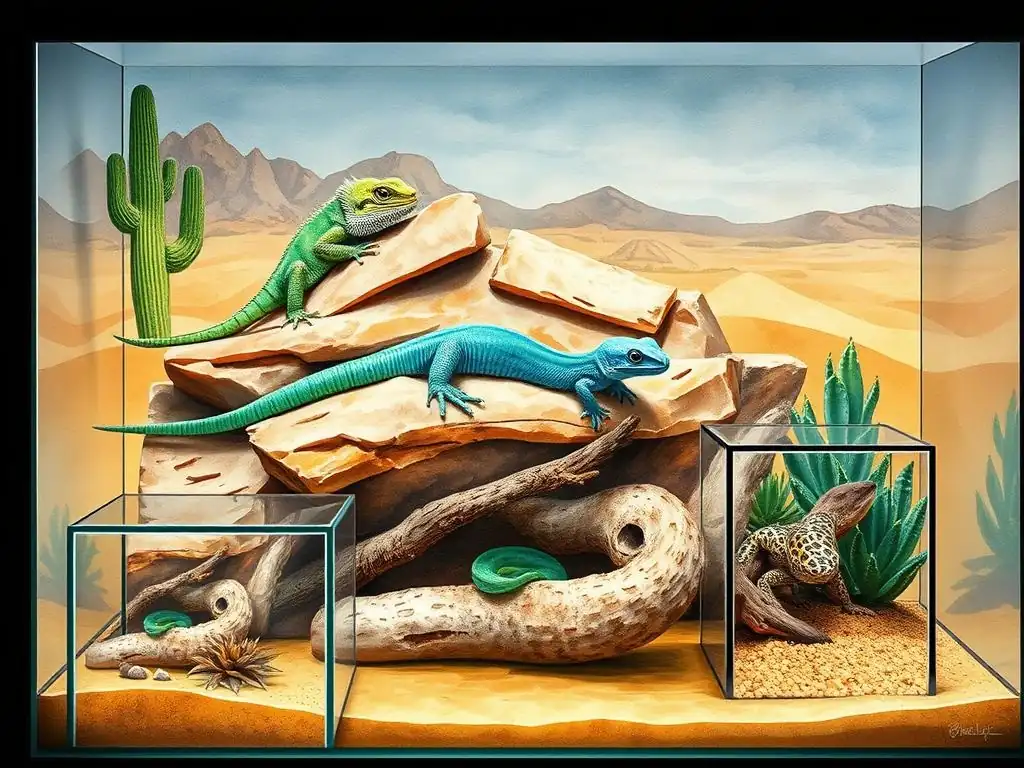
This section provides practical examples of appropriate enclosure sizes for various popular pet reptiles. Remember, these are minimum recommendations; providing a larger enclosure is always preferable to allow for natural behaviors and enrichment. The ideal size often depends on the reptile's adult size, activity level, and the type of substrate and furnishings included. Always prioritize ample space for your reptile to thrive.
Choosing the correct reptile enclosure size is crucial for your pet's health and well-being. A cramped environment can lead to stress, impacting their immune system and overall quality of life. Consider this a crucial element of your reptile enclosure size guide.
Recommended Enclosure Sizes for Common Pet Reptiles
The table below offers minimum recommended enclosure sizes for some commonly kept pet reptiles. These are guidelines, and individual needs may vary. Consider the adult size of the reptile, its activity level, and the type of enrichment provided when making your final decision. Remember to research the specific needs of your chosen species thoroughly.
| Reptile Species | Minimum Enclosure Size (LxWxH) | Notes |
|---|---|---|
| Leopard Gecko | 12" x 12" x 8" | Can be housed in smaller enclosures temporarily, but larger is always better. |
| Crested Gecko | 18" x 18" x 24" | Vertical space is crucial for climbing. |
| Bearded Dragon | 48" x 24" x 24" | Larger is better, especially for adults. |
| Corn Snake | 20" x 20" x 12" | Can be housed in a slightly smaller enclosure when young, but upgrade as they grow. |
| Ball Python | 40" x 20" x 20" | Requires substantial space for a healthy adult. |
| Russian Tortoise | 4ft x 2ft x 1ft | Requires a large space for burrowing and roaming. |
Remember that these are minimum sizes. Larger enclosures are always better, allowing for more enrichment and natural behaviors. Consider the adult size of your reptile and its activity level when choosing an enclosure. Always research the specific needs of your chosen species. This reptile enclosure size guide should be used as a starting point for your research.
Case Study: Choosing the Right Enclosure for a Leopard Gecko
Leopard geckos are popular beginner reptiles, but even their housing needs careful consideration. A juvenile leopard gecko might seem content in a smaller 10-gallon tank, but an adult needs significantly more space. A minimum of a 20-gallon long tank (approximately 24" x 12" x 12") is recommended for a single adult. This allows for adequate space for basking, hiding, and exploring.
Providing a larger enclosure, such as a 40-gallon breeder tank, is even better and allows for a more naturalistic setup with varied temperatures and humidity zones. Cramped living conditions can lead to stress, impacting your gecko's health and lifespan. Remember to include appropriate hides, substrate, and a heat source to maintain a proper temperature gradient.
Failing to provide enough space can result in stunted growth, stress, and even aggression. Therefore, carefully planning your enclosure size is essential for your leopard gecko's well-being. This should be a key consideration in your reptile enclosure size guide.
Case Study: Selecting a Suitable Habitat for a Bearded Dragon
Bearded dragons are highly active lizards that require substantial space to thrive. A juvenile bearded dragon might initially be housed in a 20-gallon long tank, but they quickly outgrow this size. An adult bearded dragon absolutely requires a significantly larger enclosure. A minimum of a 4ft x 2ft x 2ft enclosure is recommended for a single adult, with larger enclosures of 6ft x 2ft x 2ft being preferable.
These active lizards need ample space to bask, forage, and explore. Consider providing branches, rocks, and other climbing structures to encourage natural behaviors. Insufficient space can lead to stress, poor appetite, and even skeletal deformities. The enclosure should also include a thermal gradient, with basking spots reaching temperatures as high as 100-105°F and cooler areas for thermoregulation.
A large enclosure facilitates this gradient more effectively, promoting the bearded dragon's overall health and well-being. Remember, this is a crucial aspect of your reptile enclosure size guide. Always prioritize the well-being of your pet reptile. Providing ample space is a fundamental aspect of responsible reptile ownership.
Frequently Asked Questions About Reptile Enclosure Sizing
This section addresses common queries regarding reptile enclosure sizing, offering practical advice for responsible reptile ownership. Understanding the appropriate space requirements for your reptile is crucial for their health and well-being. Choosing the right enclosure size isn't just about comfort; it directly impacts your reptile's physical and mental health, contributing significantly to their overall quality of life. Let's delve into some frequently asked questions.
What happens if my reptile enclosure is too small?
A reptile enclosure that's too small can lead to a cascade of negative consequences. Firstly, stress is a major concern. Confined spaces restrict natural behaviors like basking, exploring, and hiding, leading to chronic stress. This stress manifests in various ways, including:
- Suppressed immune system: A stressed reptile is more susceptible to illness and infections.
- Aggression: Overcrowding and lack of space can trigger aggression, especially in territorial species.
- Deformities: In young, growing reptiles, insufficient space can lead to skeletal deformities due to restricted movement and improper posture.
- Obesity: Limited activity in small enclosures contributes to weight gain and associated health problems.
- Behavioral issues: Repetitive pacing or other abnormal behaviors can be a sign of stress from inadequate space.
Consider the example of a bearded dragon. A juvenile might initially thrive in a smaller enclosure, but as it grows, it will quickly outgrow the space. Failing to upgrade can lead to all the issues listed above. Always research the adult size of your reptile before purchasing an enclosure, anticipating future needs. Remember, preventing problems is always easier and more humane than dealing with their consequences. Proper reptile enclosure sizing is a key element of responsible pet ownership and directly contributes to the long-term health and happiness of your scaled companion.
Can I upgrade my reptile's enclosure later?
Yes, you can absolutely upgrade your reptile's enclosure later. In fact, it's often recommended to start with a slightly larger enclosure than the minimum recommended size, especially for growing reptiles. However, upgrading should be a planned and gradual process. Sudden changes in environment can also stress your reptile.
Here's a suggested approach:
- Research: Thoroughly research the appropriate size enclosure for your reptile's adult size and species-specific needs.
- Gradual Transition: Introduce the new enclosure gradually. Place the new enclosure next to the old one, allowing your reptile to explore at its own pace. This minimizes stress and allows for a comfortable adjustment.
- Maintain Consistency: Keep the temperature, humidity, and lighting consistent between the old and new enclosures during the transition period.
- Monitor Behavior: Closely monitor your reptile's behavior after the transition. Look for signs of stress or discomfort and adjust accordingly. Early detection of problems allows for timely intervention.
- Cleaning: Thoroughly clean both enclosures before and after the transition to maintain hygiene and prevent the spread of bacteria or parasites.
Remember, a well-planned upgrade minimizes stress and ensures a smooth transition for your reptile, contributing to a healthier and happier pet. Planning for future upgrades is an essential part of responsible reptile keeping.
How often should I clean my reptile's enclosure?
The frequency of cleaning your reptile enclosure depends on several factors, including the size of the enclosure, the number of reptiles, and the type of substrate used. However, a general guideline is to spot clean daily and perform a more thorough cleaning at least once a week.
Spot cleaning involves removing feces, uneaten food, and any other visible debris. This prevents the buildup of waste and helps maintain a hygienic environment.
A more thorough cleaning should be done weekly, involving:
- Substrate Change: Depending on the substrate used, you may need to partially or fully replace it. Paper towels or other easily disposable substrates require more frequent changes.
- Disinfection: Use a reptile-safe disinfectant to clean all surfaces of the enclosure, including the walls, floor, and decorations. Avoid harsh chemicals that can harm your reptile.
- Water Dish Cleaning: Clean and refill the water dish daily.
- Decorations Cleaning: Remove and clean any decorations or hiding places.
Regular and thorough cleaning is crucial for preventing the buildup of harmful bacteria, parasites, and ammonia. A clean enclosure contributes significantly to the health and well-being of your reptile. Neglecting cleaning can lead to illness and even death. Remember, proactive cleaning is a cornerstone of responsible reptile care. Regular maintenance contributes to a healthy environment and a happy reptile.
Frequently Asked Questions
How big should my reptile enclosure be?
The ideal enclosure size depends on your reptile's species, adult size, and activity level. Generally, bigger is better, allowing for natural behaviors and enrichment. Consult species-specific guides for accurate measurements.
What factors influence the required enclosure size?
Several factors matter: your reptile's adult size, its activity level, the number of reptiles (if multiple), and the type of substrate used. Consider future growth when choosing a size.
Can I use a smaller enclosure temporarily?
While a temporary smaller enclosure might seem acceptable, it's generally not recommended. Long-term confinement in a small space can negatively impact your reptile's health and well-being.
What are the consequences of an enclosure that's too small?
A cramped enclosure can lead to stress, health problems, and behavioral issues in your reptile. This can manifest as stunted growth, suppressed immune system, and aggression.
Where can I find species-specific enclosure size recommendations?
Consult reputable sources like herpetological societies, veterinary professionals, and experienced reptile keepers. PetCareWorld also offers detailed guides on various reptile species and their specific housing needs.
Final Reflection: The Space of a Life Well-Lived
Choosing the right enclosure size for your reptile isn't just about providing a home; it's about ensuring their well-being and enriching their lives. A seemingly small detail, the dimensions of their habitat, profoundly impacts their physical and mental health, ultimately determining the quality of their existence. Ignoring this crucial aspect can lead to stress, disease, and a significantly diminished lifespan for these fascinating creatures.
The impact of proper enclosure sizing extends beyond the individual reptile; it speaks to our responsibility as keepers and advocates for responsible pet ownership. We are entrusted with the care of these animals, and providing them with adequate space reflects a commitment to their welfare. This responsibility resonates with a broader ethical consideration of our relationship with the natural world. The greatness of a nation and its moral progress can be judged by the way its animals are treated.
- Mahatma Gandhi. This quote highlights the interconnectedness of our actions and the well-being of all living creatures, emphasizing the importance of mindful choices, even in seemingly small decisions like enclosure size.
Consider the implications of this guide. You now possess the knowledge to make informed decisions about the space you provide your reptile. Take this knowledge and use it to create a thriving environment for your scaly companion. Go beyond the minimum requirements; strive to provide an enclosure that allows for natural behaviors, exploration, and a sense of security. Remember, the size of their enclosure is a reflection of the care and respect you offer, shaping not just their physical space, but the quality of their life.
Unlock Your Reptile's Happy Habitat: Take Action Now!
Thanks for exploring the world of reptile enclosures with us! We hope you now understand the crucial link between space and your reptile's well-being. Ready to put this knowledge into practice?
- Prioritize your reptile's needs: Carefully assess your current setup. Does it provide enough space for your reptile to move around comfortably and engage in natural behaviors? Consider upgrading to a larger enclosure if necessary. This is key to ensuring your reptile's health and happiness.
- Share your enclosure upgrade journey: Tell us about your experience! What improvements are you making to your reptile's habitat? We'd love to hear your success stories (and challenges!) in the comments below.
- Learn more: Discover more expert advice and resources on reptile care at PetCareWorld.org.
What exciting changes will you make to your reptile's home today?