
Monitoring Your Freshwater Aquarium Parameters: A MustDo Guide

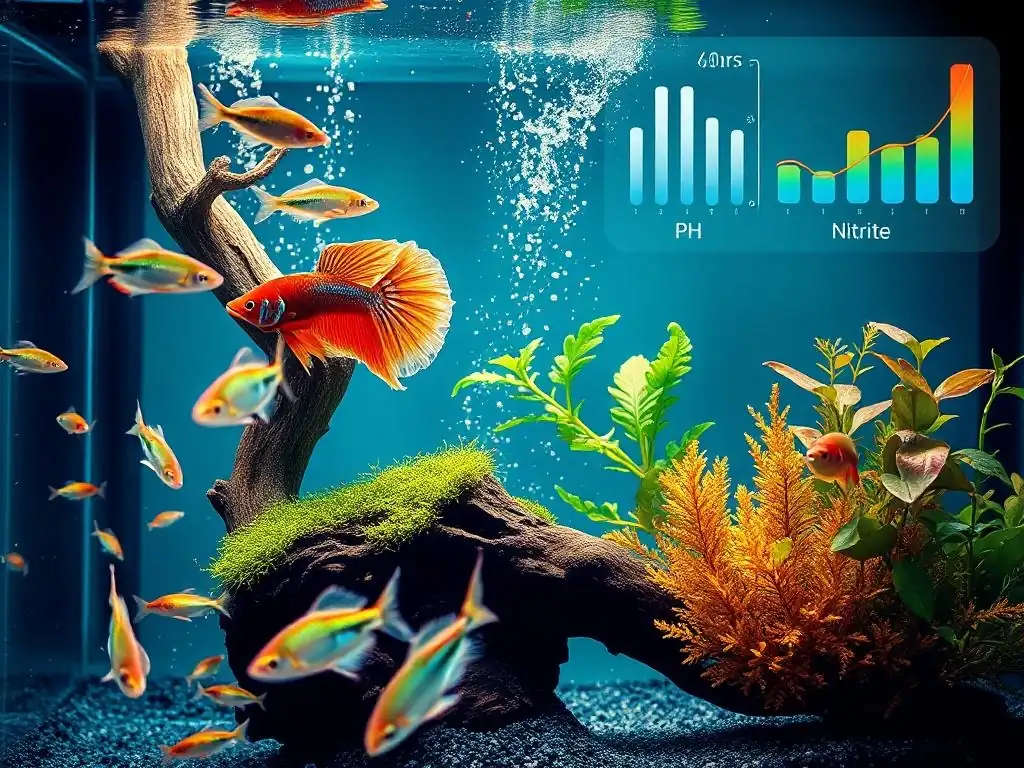
Welcome to PetCareWorld, your ultimate guide to a happier, healthier life for your beloved companions! Are you ready to unlock the secrets to a thriving underwater ecosystem? Dive into our expert guide on Freshwater Aquarium Water Parameters and discover the crucial factors that determine the well-being of your aquatic pets. Learn how maintaining optimal conditions can prevent illness, encourage vibrant growth, and ensure your fish flourish. Let's explore the fascinating world of aquatic life together – your journey to a sparkling, healthy aquarium starts now!
- Understanding Essential Freshwater Aquarium Water Parameters
- Testing Your Freshwater Aquarium Water Parameters
- Maintaining Optimal Freshwater Aquarium Water Parameters
- Troubleshooting Common Freshwater Aquarium Water Parameter Issues
- Preventing Problems with Your Freshwater Aquarium Parameters
- Resources for Maintaining Freshwater Aquarium Water Parameters
- Frequently Asked Questions
- Final Reflection: The Enduring Importance of Water Chemistry
- Unlock Your Aquarium's Full Potential: Take Action Now!
Understanding Essential Freshwater Aquarium Water Parameters
Maintaining a thriving freshwater aquarium requires more than just aesthetically pleasing decorations and vibrant fish. The unseen, yet critically important, aspect of successful fishkeeping lies in diligently monitoring and managing your aquarium's water parameters. This comprehensive guide will delve into the essential parameters – pH, ammonia, nitrite, and nitrate – explaining their significance, ideal ranges, and the methods for keeping them within healthy limits.
Understanding and actively managing these parameters is crucial for preventing disease, promoting fish health, and ensuring the longevity and beauty of your freshwater aquarium. Neglecting these vital aspects can lead to significant health problems for your aquatic inhabitants, ultimately compromising the overall success and enjoyment of your underwater ecosystem. This guide is designed to empower you with the knowledge to proactively maintain optimal water conditions, leading to a flourishing and vibrant freshwater aquarium.
pH Levels: Maintaining the Right Balance for Your Fish
The pH level of your freshwater aquarium refers to its acidity or alkalinity. It's measured on a scale of 0 to 14, with 7 being neutral. A pH below 7 is acidic, while a pH above 7 is alkaline. Most freshwater fish thrive in a slightly acidic to neutral pH range, typically between 6.5 and 7.5. However, the ideal pH range varies significantly depending on the specific species of fish you keep. For example, some species prefer slightly more acidic water, while others prefer slightly alkaline conditions.
Maintaining the correct pH is crucial because it directly impacts the availability of essential nutrients and the toxicity of certain substances in the water. Extreme pH fluctuations can stress your fish, weaken their immune systems, making them more susceptible to diseases. Regular testing with a reliable pH testing kit is essential. You can adjust the pH using various methods, including adding pH buffers or conducting partial water changes with water that has a pH closer to your target range.
Remember to make gradual adjustments to avoid shocking your fish. Failing to monitor and maintain appropriate pH levels can lead to a cascade of problems, impacting overall fish health and potentially leading to fatalities. Always research the specific pH requirements for your fish species before setting up your aquarium and continue monitoring regularly.
Ammonia (NH3) and Nitrite (NO2): The Toxic Threats
Ammonia (NH₃) and nitrite (NO₂) are highly toxic byproducts of fish waste and uneaten food. These compounds are extremely dangerous to fish, even in small concentrations. Ammonia is produced directly from fish waste, while nitrite is formed through the bacterial conversion of ammonia. Both ammonia and nitrite can cause severe damage to the fish's gills and internal organs, leading to illness and death. The presence of detectable levels of ammonia and nitrite indicates a problem with your aquarium's nitrogen cycle – a crucial biological process that converts these toxic compounds into less harmful nitrates.
Regular testing for ammonia and nitrite is paramount, ideally using a liquid test kit for accuracy. Zero levels of both ammonia and nitrite are the goal. Detecting even trace amounts should trigger immediate action. This might involve increasing water changes, checking your filter media, or addressing overfeeding. Understanding the nitrogen cycle is vital in preventing ammonia and nitrite spikes.
Establishing a healthy nitrogen cycle involves creating a bacterial colony that efficiently converts ammonia to nitrite and then nitrite to nitrate. This process typically takes several weeks to fully establish. During the cycling phase, it's common to see elevated levels of ammonia and nitrite. However, once the cycle is established, these toxic substances should be rapidly converted and kept at undetectable levels. Ignoring elevated ammonia and nitrite levels can result in significant fish loss.
Nitrate (NO3) Levels: Managing Waste Products
Nitrate (NO₃) is the less toxic end product of the nitrogen cycle. While less harmful than ammonia and nitrite, high nitrate levels can still negatively impact fish health. High nitrate concentrations can lead to stress, reduced immunity, and increased susceptibility to diseases. Therefore, maintaining nitrate levels within an acceptable range is important for overall aquarium health.
While some nitrate is inevitable in a functioning aquarium, regular water changes are crucial for managing nitrate buildup. Aim for partial water changes (25-50%) weekly or bi-weekly to keep nitrate levels below 40 ppm (parts per million). More frequent changes may be necessary depending on the stocking density of your tank and the efficiency of your filtration system.
Overstocking, overfeeding, and inadequate filtration can all contribute to rapid nitrate accumulation. Regular testing, using a reliable nitrate test kit, is essential for monitoring nitrate levels and adjusting your water change schedule accordingly. Ignoring high nitrate levels will eventually lead to a decline in water quality, impacting the health and well-being of your fish, potentially causing illness and even death.
Water Hardness: Understanding GH and KH
Water hardness is a crucial freshwater aquarium water parameter often overlooked by beginner aquarists. It refers to the mineral content, specifically calcium and magnesium ions, dissolved in the water. These minerals are measured in two ways: General Hardness (GH) and Carbonate Hardness (KH). Understanding the difference and maintaining appropriate levels is vital for the health and well-being of your fish.
GH, or General Hardness, represents the total concentration of calcium and magnesium ions. It's usually measured in degrees of hardness (dGH) or parts per million (ppm). A higher GH indicates harder water, while a lower GH indicates softer water. Different fish species thrive in different hardness ranges. For example, many South American species prefer softer water, while African cichlids often prefer harder water.
Improper GH levels can lead to stress, weakened immune systems, and even death in fish. Regular testing with a reliable GH test kit is essential for maintaining optimal levels tailored to your specific fish species. Failure to monitor GH can result in poor growth, reproductive issues, and increased susceptibility to diseases. Many commercially available water conditioners can help adjust GH levels if needed.
KH, or Carbonate Hardness, measures the water's buffering capacity – its ability to resist changes in pH. It's primarily determined by the concentration of carbonate and bicarbonate ions. KH is also measured in dKH or ppm. A higher KH provides greater stability in pH, preventing drastic fluctuations that can be harmful to fish. While GH influences the overall mineral content, KH plays a critical role in maintaining a stable and healthy aquatic environment.
A sufficient KH level acts as a buffer, preventing rapid pH drops which can be particularly stressful for fish. Maintaining an appropriate balance between GH and KH is essential for a thriving freshwater aquarium. Regular monitoring and adjustments, when necessary, are key to providing a healthy environment for your fish. Ignoring KH can lead to pH swings that stress your fish and make them more susceptible to diseases.
Temperature: The Importance of Stable Temperatures
Maintaining a stable and appropriate water temperature is paramount in freshwater aquarium care. Fluctuations in temperature can significantly stress your fish, weakening their immune systems and making them vulnerable to diseases. The ideal temperature range varies greatly depending on the species of fish you keep. Tropical fish, for instance, generally require temperatures between 75°F and 82°F (24°C and 28°C), while some cold-water species thrive in much cooler temperatures. Before introducing any fish to your aquarium, thoroughly research their specific temperature requirements.
Using a reliable submersible aquarium heater is crucial for maintaining a consistent temperature, especially in environments where ambient temperatures fluctuate. However, simply having a heater isn't enough; regular monitoring with an accurate aquarium thermometer is essential. Sudden temperature changes, even seemingly minor ones, can cause significant stress and even death in fish. For example, a rapid drop of only a few degrees can shock a fish, leading to illness or death. Similarly, consistently high temperatures can lead to oxygen depletion and increased stress.
Beyond the heater, the placement of the aquarium itself plays a role in temperature stability. Avoid placing the tank in direct sunlight or near heat sources like radiators or fireplaces, as these can cause unpredictable temperature swings. Regularly check the temperature throughout the day and adjust the heater as needed to maintain a consistent temperature within the ideal range for your fish.
A consistent temperature is essential for healthy growth, reproduction, and overall well-being of your aquatic inhabitants. Ignoring temperature control can lead to significant health problems and potentially the loss of your fish. Consistent monitoring is key to preventing these issues and ensuring a healthy aquarium environment.
Testing Your Freshwater Aquarium Water Parameters
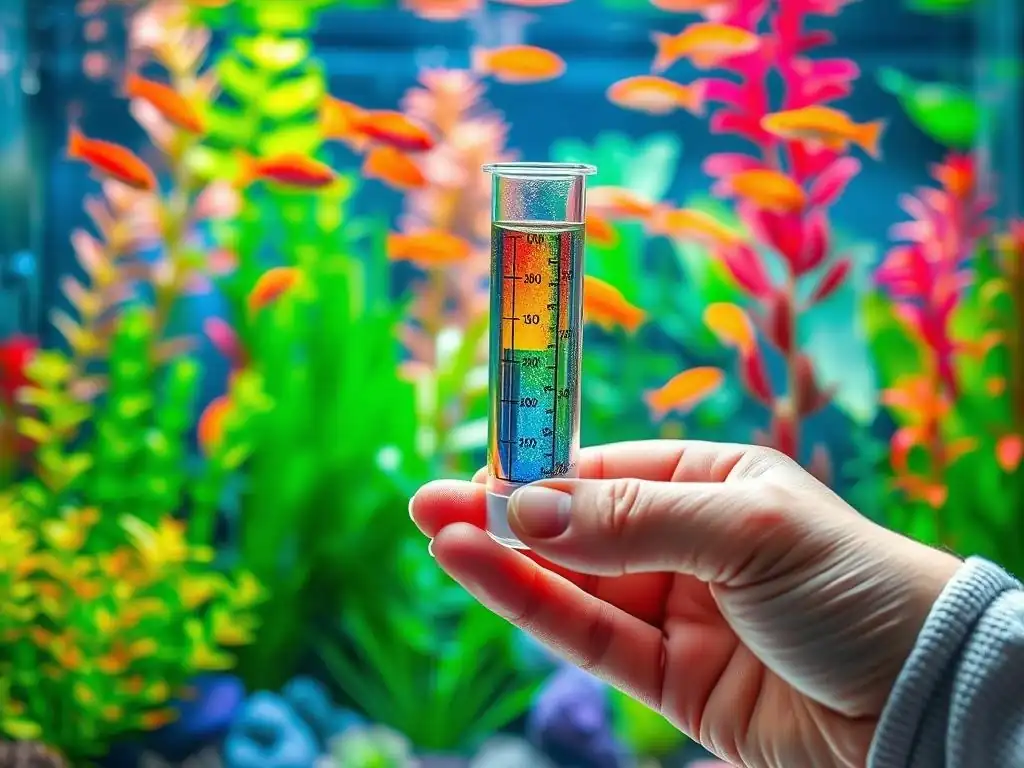
Maintaining optimal freshwater aquarium water parameters is crucial for the health and well-being of your aquatic inhabitants. Regular testing allows for proactive adjustments, preventing potential problems before they escalate into serious issues. Neglecting water parameter monitoring can lead to fish disease, algae blooms, and ultimately, the loss of your beloved pets. This section provides a detailed guide to understanding and implementing effective freshwater aquarium water testing. Understanding your "freshwater aquarium water parameters" is key to successful fishkeeping.
Choosing the Right Test Kit: Options and Recommendations
Selecting the appropriate test kit is the first step towards accurate monitoring. Several options exist, each with its own advantages and disadvantages.
- Liquid Test Kits: These offer precise measurements and are generally considered the most accurate. They often involve color comparisons against a chart, requiring good eyesight and careful observation. Brands like [Brand Name Pending] and [Brand Name Pending] are popular choices, known for their reliability and ease of use. However, they can be more expensive than other options and may require replacing reagents frequently.
- Test Strips: These are convenient and inexpensive, offering a quick overview of several parameters at once. However, their accuracy is often less precise than liquid kits, making them better suited for a general overview rather than precise measurements. They are ideal for quick checks between more thorough tests with a liquid kit.
- Electronic Test Kits: These digital meters provide quick and relatively accurate readings for specific parameters. While convenient, they often test only one parameter at a time, and the initial investment can be substantial. Regular calibration is also necessary to maintain accuracy. They are best suited for experienced aquarists needing frequent, precise measurements of a specific parameter.
The best test kit for you depends on your budget, experience level, and the number of tanks you maintain. For beginners, a comprehensive liquid test kit offering tests for ammonia (NH₃), nitrite (NO₂⁻), nitrate (NO₃⁻), pH, and general hardness (GH) is recommended. More experienced hobbyists may prefer separate, more precise tests for individual parameters or an electronic meter for continuous monitoring.
Performing Accurate Water Tests: A Step-by-Step Guide
Accurate testing requires meticulous attention to detail. Following these steps will ensure reliable results:
- Cleanliness is Key: Always thoroughly clean your test equipment before each use. Residue from previous tests can significantly affect readings.
- Sample Collection: Collect a water sample from the aquarium's middle layer, avoiding the surface and bottom where parameters can vary. Use a clean container specifically dedicated to water testing.
- Follow Instructions Carefully: Each test kit comes with specific instructions. Adhere to these instructions precisely, paying close attention to the amount of water sample needed and the timing of reactions.
- Color Comparison: For liquid test kits, compare the resulting color to the chart provided. Use good lighting and compare the color at eye level to minimize errors.
- Record Results: Maintain a detailed record of your test results, including the date and time of each test. This will help you track changes in your aquarium's parameters over time.
- Repeat Tests: It's good practice to repeat each test at least once to ensure accuracy. Significant discrepancies between readings may indicate a problem with the test kit or the testing procedure.
Interpreting Test Results: Understanding Your Readings
Understanding the meaning of your test results is crucial for maintaining a healthy aquarium. Here's a brief overview of key parameters and their ideal ranges:
| Parameter | Ideal Range | Significance |
|---|---|---|
| Ammonia (NH₃) | 0 ppm | Highly toxic to fish; indicates decaying organic matter. |
| Nitrite (NO₂⁻) | 0 ppm | Toxic to fish; intermediate stage in the nitrogen cycle. |
| Nitrate (NO₃⁻) | < 20 ppm | Less toxic than ammonia or nitrite; accumulates over time; requires water changes. |
| pH | 6.5 - 7.5 | Affects the availability of nutrients and the overall health of your fish. |
| General Hardness (GH) | Varies by species | Affects the overall water chemistry and the health of your fish. Research specific needs. |
Remember, these are general guidelines. The ideal parameters for your specific aquarium will depend on the species of fish and plants you are keeping. Always research the specific requirements of your aquatic inhabitants before setting up your aquarium and continue to monitor their needs. Consistent monitoring of your "freshwater aquarium water parameters" will ensure a thriving and healthy aquatic ecosystem. Regular water changes are essential to maintain optimal conditions. 🐠💧
Maintaining Optimal Freshwater Aquarium Water Parameters
This section delves into the crucial practices for maintaining pristine freshwater aquarium water parameters, ensuring the health and longevity of your aquatic inhabitants. Neglecting these aspects can lead to significant health problems for your fish, impacting their growth, behavior, and ultimately, their survival. Understanding and actively managing these parameters is paramount for successful freshwater aquarium keeping. This involves a multifaceted approach encompassing regular water changes, appropriate filtration, and the strategic use of live plants. Maintaining the right balance of these elements directly contributes to the overall success of your freshwater aquarium ecosystem.
Water Changes: The Cornerstone of Water Quality
Regular water changes are arguably the single most important aspect of maintaining healthy freshwater aquarium water parameters. They help remove accumulated waste products like ammonia, nitrite, and nitrate – all highly toxic to fish. These harmful substances build up over time even with the best filtration systems. A consistent schedule of water changes effectively dilutes these toxins, preventing dangerous spikes in concentration.
The frequency and volume of water changes depend on several factors, including tank size, stocking density (number of fish), and the type of filtration system used. For a generally healthy, moderately stocked aquarium, a 25% water change weekly is a good starting point. However, for heavily stocked tanks or those with less efficient filtration, more frequent and larger changes (up to 50% weekly) might be necessary.
Remember to always use dechlorinated water, matching the temperature as closely as possible to the existing water in the tank to avoid shocking your fish. Using a water conditioner that removes chlorine and chloramine is essential. A gradual temperature adjustment is also recommended. Observe your fish closely after water changes for any signs of stress or distress.
Here’s a helpful table summarizing recommended water change schedules:
| Tank Size (Gallons) | Stocking Density (Low/Medium/High) | Recommended Water Change Frequency | Percentage of Water Changed |
|---|---|---|---|
| 10-20 | Low | Weekly | 25% |
| 10-20 | Medium | Weekly | 30-40% |
| 10-20 | High | 2x per week | 25% each time |
| 20-40 | Low | Weekly | 20% |
| 20-40 | Medium | Weekly | 25-30% |
| 20-40 | High | 2x per week | 20% each time |
Performing water changes correctly is crucial for maintaining stable and healthy freshwater aquarium water parameters.
Filtration: Choosing the Right Filter for Your Tank
Effective filtration is another vital component in maintaining optimal freshwater aquarium water parameters. A well-chosen and properly maintained filter removes waste products, debris, and excess nutrients, preventing the buildup of harmful substances. Several types of filters are available, each with its own strengths and weaknesses.
- Undergravel Filters (UGF): These filters utilize a porous plate beneath the substrate to draw water upwards, promoting beneficial bacteria colonization within the gravel bed. However, they can be less effective than other filter types and require careful maintenance to prevent clogging.
- Hang-on-back (HOB) Filters: These are commonly used and relatively inexpensive filters that attach to the back of the aquarium. They provide good filtration for many tanks, but they can be less powerful than canister filters.
- Canister Filters: These powerful filters are placed externally, offering superior filtration capacity and versatility. They are ideal for larger tanks and can handle a heavier bioload. However, they are generally more expensive and require more maintenance.
- Sponge Filters: These simple, low-maintenance filters are suitable for smaller tanks or breeding setups. They are known for their ability to support beneficial bacteria colonies.
Choosing the right filter depends on your tank size, stocking density, and budget. Regardless of the type, regular maintenance, including cleaning or replacing filter media, is essential for optimal performance. A clogged filter is a breeding ground for harmful bacteria and will significantly impede its ability to maintain healthy freshwater aquarium water parameters. Remember, a clean filter is a happy filter! 🐠
Live Plants: A Natural Approach to Water Purification
Incorporating live plants into your freshwater aquarium offers a natural and effective method for improving water parameters. Plants absorb nitrates, a byproduct of the nitrogen cycle, which are toxic to fish in high concentrations. This natural nitrate absorption reduces the need for frequent water changes and helps maintain a stable and healthy aquatic environment.
The selection of appropriate plants depends on your tank's lighting, substrate, and water parameters. Some easy-to-care-for plants include Anubias, Java Fern, and Amazon Sword. These hardy plants are tolerant of a range of conditions and require minimal maintenance.
Beyond nitrate absorption, live plants contribute to a more balanced ecosystem by providing hiding places for fish, reducing algae growth, and increasing oxygen levels through photosynthesis. However, it is crucial to balance plant growth with the needs of the other inhabitants. Overgrown plants can lead to shading and oxygen depletion, so regular trimming is often necessary. A balanced ecosystem, incorporating both plants and animals, is key to achieving and maintaining optimal freshwater aquarium water parameters. The benefits extend beyond just water quality, contributing to a more aesthetically pleasing and naturally thriving aquarium environment.
Regular Maintenance: A Preventative Approach
Regular maintenance is the cornerstone of maintaining optimal freshwater aquarium water parameters. Think of it as preventative medicine for your aquatic ecosystem. Neglecting routine tasks can lead to a rapid decline in water quality, triggering stress in your fish and potentially deadly diseases. A proactive approach, however, can prevent many issues before they arise.
This preventative approach involves several key actions, performed on a consistent schedule. The frequency depends on the size of your tank, the number of fish, and the type of filtration system you use. Smaller tanks with higher fish densities generally require more frequent maintenance.
One crucial aspect is partial water changes. These are not about completely emptying and refilling the tank—a practice that can shock your fish and disrupt the delicate balance of the ecosystem. Instead, partial water changes, typically 10-25% of the tank volume, should be conducted weekly or bi-weekly. This removes accumulated waste products, excess nutrients, and helps to stabilize water parameters like ammonia, nitrite, and nitrate. Always use a dechlorinator to remove chlorine and chloramine from tap water before adding it to your aquarium.
Beyond water changes, regular cleaning of the aquarium itself is vital. This includes cleaning the glass panes to remove algae and other buildup, which can affect light penetration and overall aesthetics. However, avoid over-cleaning. A certain amount of algae and biofilm is beneficial to the aquarium's ecosystem. Focus on removing excessive growth.
Finally, filter maintenance is critical. Your filter is the heart of your aquarium's water purification system. Depending on the type of filter, you may need to rinse or replace filter media regularly. Always rinse filter media in used aquarium water, never tap water, to avoid shocking the beneficial bacteria that reside within.
Neglecting filter maintenance can lead to a rapid build-up of waste and a dramatic decline in water quality, directly impacting your "freshwater aquarium water parameters". Regularly checking the flow rate of your filter is also important to ensure it's functioning optimally. A weakened flow can indicate a problem that needs immediate attention. A well-maintained filter is your first line of defense against fluctuating water parameters and a happy, healthy aquarium.
Troubleshooting Common Freshwater Aquarium Water Parameter Issues
This section delves into common problems encountered while monitoring freshwater aquarium water parameters and offers practical solutions. Maintaining optimal water quality is crucial for the health and well-being of your aquatic inhabitants. Understanding how to identify and address imbalances is a fundamental aspect of responsible freshwater aquarium management. Consistent monitoring of your freshwater aquarium water parameters is key to preventing and resolving these issues.
High Ammonia/Nitrite Levels: Identifying and Addressing the Problem
Elevated ammonia (NH₃) and nitrite (NO₂) levels are frequently observed in new aquariums or those experiencing disruptions in their nitrogen cycle. These toxic compounds are byproducts of fish waste and uneaten food. High ammonia/nitrite levels can quickly lead to fish fatalities.
Symptoms of high ammonia/nitrite often include lethargic fish, rapid gill movement, loss of appetite, and unusual swimming patterns. Fish may exhibit clamped fins or even gasping at the surface. Regular water testing using a reliable liquid test kit (not strips) is essential for early detection.
Addressing high ammonia/nitrite requires a multi-pronged approach:
- Partial Water Changes: Perform large (25-50%) partial water changes with dechlorinated water matched to your aquarium's temperature. This physically removes the toxins. Repeat as needed until levels are within the safe range (0 ppm ammonia and nitrite).
- Increase Beneficial Bacteria: Beneficial bacteria (Nitrosomonas and Nitrobacter) are crucial for converting ammonia to nitrite and then nitrite to nitrate. Adding a commercially available bacterial supplement can boost their population. Avoid overfeeding, as this increases the ammonia load.
- Mechanical Filtration: Ensure your filter is functioning optimally. Clogged filters reduce efficiency, leading to ammonia build-up. Regular cleaning and maintenance are critical.
- Chemical Filtration: Consider adding a chemical filter media that removes ammonia and nitrite. This can provide temporary relief while the biological filtration establishes itself.
| Parameter | Safe Range (ppm) | Dangerous Range (ppm) | Symptoms |
|---|---|---|---|
| Ammonia (NH₃) | 0 | >0.25 | Lethargic fish, rapid gill movement, death |
| Nitrite (NO₂) | 0 | >0.25 | Similar to ammonia, gasping at the surface |
Remember, prevention is key! Cycling your aquarium properly before introducing fish is crucial to establishing a healthy nitrogen cycle and preventing ammonia/nitrite spikes. 🐠
Low pH: Adjusting the Acidity of Your Aquarium Water
A low pH (high acidity) in your freshwater aquarium can stress fish and impact their overall health. While some fish tolerate slightly acidic water, extreme low pH can be detrimental. Several factors contribute to low pH, including the use of certain substrates, decaying organic matter, and the introduction of acidic water sources.
Symptoms of low pH often include lethargy, loss of appetite, and increased susceptibility to disease. Fish may also exhibit changes in coloration or fin clamping. Regular water testing is essential for early detection.
To raise the pH, several methods can be employed:
- Adding Alkaline Substances: Carefully add small amounts of commercially available pH buffers or crushed coral to gradually raise the pH. Monitor the pH closely and avoid drastic changes. Always follow the product instructions carefully.
- Aeration: Increased aeration can help to raise pH slightly by increasing the carbon dioxide exchange with the atmosphere.
- Water Changes: Using water with a higher pH for partial water changes can help gradually increase the overall tank pH.
It's crucial to identify the underlying cause of low pH. Addressing the root cause, rather than just treating the symptom, is essential for long-term success. For example, if decaying organic matter is the culprit, removing it thoroughly is necessary.
High Nitrate Levels: Effective Nitrate Reduction Strategies
Nitrate (NO₃) is the final product of the nitrogen cycle. While less toxic than ammonia and nitrite, high nitrate levels still stress fish and can lead to algae blooms and other water quality issues. High nitrate is often a sign of an overstocked aquarium or insufficient water changes.
Symptoms of high nitrate are less pronounced than ammonia/nitrite toxicity, but can include increased algae growth, stunted fish growth, and reduced overall fish health. Regular water testing is vital.
Managing high nitrate levels involves:
- Regular Water Changes: Regular partial water changes (25-50% weekly or bi-weekly) are the most effective way to reduce nitrate levels. This is a crucial part of maintaining healthy freshwater aquarium water parameters.
- Live Plants: Live plants absorb nitrates as nutrients, helping to keep levels in check. Choose plants appropriate for your tank conditions.
- Nitrate Reducing Bacteria: While less common than ammonia-reducing bacteria, some bacterial products claim to reduce nitrate levels. Their effectiveness varies, and results should be monitored.
- Overstocking avoidance: Ensure your aquarium is not overstocked. Too many fish produce more waste than the biological filtration can handle.
Implementing a proactive approach to water maintenance, including regular testing and partial water changes, is the most effective way to maintain healthy nitrate levels and ensure the well-being of your aquatic pets. Remember, consistent monitoring of your freshwater aquarium water parameters is paramount for a thriving ecosystem.
Unexpected Water Parameter Fluctuations: Identifying the Cause
Unexpected swings in your freshwater aquarium's water parameters can be alarming, often leading to stressed fish and potential health issues. Pinpointing the cause requires a systematic approach, combining careful observation with diligent testing. Several factors can contribute to these fluctuations, and understanding them is crucial for maintaining a stable and healthy aquatic environment.
One common culprit is overfeeding. Excess food decomposes rapidly, releasing ammonia and nitrates into the water. This sudden surge can overwhelm the biological filtration system, leading to a spike in toxic ammonia and nitrite levels, and subsequently, a nitrate increase. Observe your fish's feeding habits; are they consuming all the food within a few minutes? If not, you're likely overfeeding. Reducing the amount of food and increasing the frequency of smaller feedings can significantly mitigate this issue. Remember, it's better to slightly underfeed than overfeed.
Another frequent cause is inadequate filtration. A filter that's too small for the tank size or one that hasn't been properly maintained can struggle to keep up with the bioload (the amount of waste produced by the fish and other organisms in the tank). A clogged filter media reduces its efficiency, allowing harmful substances to accumulate. Regular cleaning and replacement of filter media are essential. Consider upgrading to a more powerful filter if you suspect your current one is inadequate for your tank's size and inhabitants. Remember to always follow the manufacturer's instructions for cleaning and maintaining your filter.
Furthermore, new additions to the tank can significantly impact water parameters. Introducing new fish, plants, or decorations can introduce bacteria or other microorganisms that temporarily disrupt the delicate balance of your aquarium ecosystem. Always quarantine new additions before introducing them to your main tank to avoid introducing diseases or upsetting the established biological filtration. Careful acclimation is also critical to reduce stress on the new inhabitants and minimize the impact on your water parameters.
Finally, equipment malfunctions can also cause sudden changes. A faulty heater can suddenly increase or decrease the temperature, impacting the solubility of gases and affecting the overall water chemistry. Similarly, a malfunctioning air pump can lead to reduced oxygen levels. Regularly check your equipment for any signs of malfunction and promptly address any issues. Consider having backup equipment on hand to minimize downtime in case of failure. A proactive approach to equipment maintenance can prevent many unforeseen issues and maintain stable water parameters. Regularly inspect your heater, filter, and air pump for any signs of wear or damage.
Remember, consistent monitoring and regular water changes are key to preventing and addressing unexpected fluctuations in your freshwater aquarium's water parameters. Maintaining a healthy and stable environment is crucial for the well-being of your aquatic pets. Regular testing with a reliable test kit is your best defense against unexpected problems.
Preventing Problems with Your Freshwater Aquarium Parameters
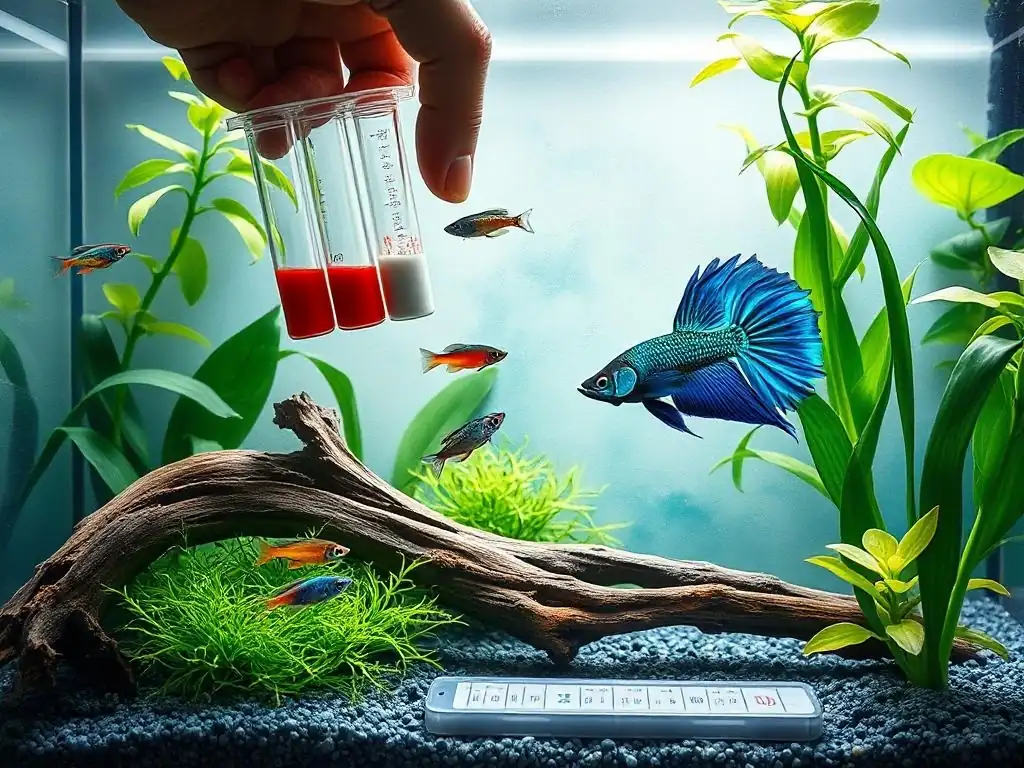
Maintaining optimal freshwater aquarium water parameters is crucial for the health and well-being of your aquatic inhabitants. Neglecting this vital aspect can lead to a cascade of problems, from minor illnesses to devastating fish loss. Understanding and proactively managing these parameters is the key to a thriving aquarium ecosystem. This section will delve into specific preventative measures you can take to avoid common pitfalls. Proper monitoring of your freshwater aquarium water parameters is essential for preventing issues and ensuring the long-term success of your aquarium.
Acclimating New Fish: A Crucial Step
Introducing new fish directly into your established aquarium is a recipe for disaster. Sudden changes in water parameters can shock their delicate systems, leading to stress, disease, and even death. The process of acclimation gradually adjusts the new fish to the existing water conditions, minimizing stress and increasing their chances of survival. This crucial step involves a slow and careful introduction, often using a drip acclimation method.
This method involves placing the bag containing the new fish into the aquarium, allowing the water levels to slowly equalize over a period of 30-60 minutes. This gradual adjustment minimizes the shock to the fish's system, allowing them to adapt to the new environment without sudden, potentially lethal changes in temperature, pH, and other crucial parameters. Failure to properly acclimate new fish is a frequent cause of early mortality in freshwater aquariums.
Remember, patience is key during this process. Rushing the acclimation can negate its benefits and compromise the health of your new additions. Observing your fish closely for several days after acclimation is also crucial to identify any potential issues early.
Consider these additional tips for successful fish acclimation: Always quarantine new fish for at least two weeks before introducing them to your main tank to prevent the introduction of diseases. Match the water temperature of the bag to your aquarium as closely as possible before beginning the acclimation process.
Avoiding Overfeeding: Preventing Water Quality Issues
Overfeeding is a common mistake among new aquarium enthusiasts, leading to a rapid deterioration of water quality. Excess food decomposes, releasing harmful ammonia and nitrite into the water, creating a toxic environment for your fish. This can lead to a variety of health problems, including fin rot, lethargy, and ultimately, death. A well-maintained aquarium requires a delicate balance between providing adequate nutrition and preventing overfeeding.
The general rule is to only feed your fish what they can consume within 2-3 minutes. Observe your fish closely during feeding time; if food remains uneaten after this period, you are overfeeding. It's better to slightly underfeed than overfeed. Adjust the feeding amount according to the size and species of your fish, considering factors like their activity level and metabolic rate. Regular water changes are essential to mitigate the effects of overfeeding, but preventing the problem in the first place is always the best approach.
Remember to vary your fish's diet to ensure they receive a balanced nutritional intake. A varied diet contributes to their overall health and resilience, making them less susceptible to diseases caused by poor water quality. Consider using a feeding block or a slow-release food to help prevent overfeeding. These methods allow your fish to graze throughout the day, reducing the chance of excess food accumulating in the tank.
Regular Tank Cleaning and Maintenance: A Proactive Strategy
Regular tank cleaning and maintenance are paramount for maintaining stable freshwater aquarium water parameters. This involves a combination of partial water changes, substrate cleaning, and filter maintenance. Neglecting these tasks allows harmful substances to accumulate, upsetting the delicate balance of the aquarium ecosystem and compromising the health of your fish.
Partial water changes, typically 25-50% of the tank volume per week, are crucial for removing accumulated waste products and replenishing essential minerals. This helps to maintain stable pH levels and reduces the build-up of ammonia and nitrite. During water changes, gently siphon the substrate to remove any accumulated debris. Avoid disturbing the substrate excessively, as this can release harmful substances back into the water column. Regular filter cleaning, according to the manufacturer's instructions, is essential for maintaining efficient filtration. A clogged filter reduces its effectiveness, leading to a build-up of harmful substances.
Remember to always use dechlorinated water for your water changes. Tap water typically contains chlorine and chloramine, which are toxic to fish. Using a water conditioner removes these chemicals, ensuring the safety of your aquatic pets. A consistent cleaning schedule is essential for preventing problems and ensuring a healthy and thriving aquarium environment. Consider creating a checklist to ensure you don't miss any important steps in your maintenance routine. Regular maintenance is an investment in the health and longevity of your fish.
Monitoring Your Fish's Behavior: Early Warning Signs of Problems
Observing your fish's behavior is arguably the most important aspect of freshwater aquarium water parameter monitoring. Fish are remarkably sensitive to changes in their environment, and subtle shifts in their behavior can often precede noticeable changes in water quality parameters. A proactive approach to behavioral monitoring can allow for early intervention, preventing serious health issues and potentially saving your fish's lives.
Changes in activity levels are a key indicator. A normally active fish that suddenly becomes lethargic or spends most of its time hiding could be experiencing stress due to poor water quality. This lethargy might be accompanied by a loss of appetite, another significant red flag.
For example, a vibrant, playful betta that suddenly refuses its food pellets and rests listlessly at the bottom of the tank is a cause for immediate concern and investigation of water parameters. Similarly, a school of tetras that normally swim together in a coordinated group, suddenly scattering and exhibiting erratic swimming patterns, might be reacting to a sudden change in water chemistry.
Respiratory distress is another critical warning sign. Rapid gill movements, gasping at the surface, or even struggling to stay upright are clear indicators that something is wrong. This could be due to insufficient oxygen levels (often linked to high ammonia or nitrite levels), or other water quality issues affecting their ability to extract oxygen from the water. For instance, a goldfish exhibiting labored breathing and frequently gulping air at the surface likely indicates a problem with oxygen levels or a build-up of toxic compounds in the aquarium.
Changes in coloration and physical appearance can also be indicative of problems. Fading colors, unusual spots, or fin rot can all point to underlying issues stemming from poor water quality, though other factors may also be involved. A normally brightly colored angelfish showing dull, faded coloration and clamped fins warrants a thorough examination of the water parameters and the overall aquarium environment. The immediate examination of the water parameters can help prevent a more serious disease.
Finally, don't overlook unusual swimming patterns. Fish that constantly rub against objects, such as rocks or plants, might be trying to alleviate an irritation caused by poor water quality or parasitic infections. This scratching behavior, when coupled with other symptoms, strongly suggests a need for immediate attention to the water parameters and potential water changes. A thorough water test should immediately follow the observation of these symptoms. Regular observation is key. The more familiar you are with your fish's typical behavior, the more readily you'll notice any deviations that could signal a problem with your freshwater aquarium water parameters.
Resources for Maintaining Freshwater Aquarium Water Parameters
Maintaining optimal freshwater aquarium water parameters is crucial for the health and well-being of your aquatic inhabitants. Consistent monitoring and adjustments are key to creating a thriving underwater ecosystem. This section explores the resources available to help you achieve this. Understanding and managing your freshwater aquarium water parameters is a cornerstone of responsible fishkeeping.
Recommended Test Kits and Equipment
Accurate testing is paramount when managing freshwater aquarium water parameters. Several test kits provide reliable readings for key parameters. Choosing the right kit depends on your needs and budget.
Here's a breakdown of some commonly recommended options and their benefits:
- Liquid Test Kits: These offer precise measurements for specific parameters like ammonia (NH₃), nitrite (NO₂⁻), nitrate (NO₃⁻), pH, and general hardness (GH). They typically involve color comparisons, offering a visual assessment of the water quality. While slightly more involved than strips, they provide greater accuracy.
- Test Strips: These are convenient and quick for a general overview of water parameters. They're ideal for quick checks or beginners, although less precise than liquid kits. Look for strips that test for multiple parameters simultaneously for efficiency.
- Master Test Kits: Comprehensive kits often include tests for a wider range of parameters, providing a more complete picture of your aquarium's water chemistry. This is especially beneficial for more complex setups or when dealing with sensitive species.
- Electronic Testers: These digital devices offer precise measurements with the push of a button. They are convenient but can be more expensive than liquid test kits or strips. Some models even offer data logging capabilities for long-term monitoring.
Choosing the right equipment: Consider the size of your aquarium, the species you keep, and your budget when selecting a test kit. For beginners, a basic liquid test kit covering ammonia, nitrite, nitrate, and pH is a good starting point. More experienced aquarists might benefit from a master test kit or an electronic tester. Regular testing, at least once a week, is recommended for optimal aquarium health. Remember to always follow the manufacturer's instructions for accurate readings.
Online Resources and Communities for Support
The internet provides a wealth of information and support for freshwater aquarium enthusiasts. Numerous online resources and communities can assist you in understanding and maintaining optimal freshwater aquarium water parameters.
- Specialized Websites and Blogs: Many websites and blogs are dedicated to aquarium keeping, offering detailed articles, guides, and tutorials on various aspects of water parameter management. These resources often feature expert advice and practical tips from experienced aquarists. Look for sites with reputable authors and factual information.
- Online Forums and Communities: Engaging with online forums and communities allows you to connect with other aquarium enthusiasts, share experiences, and seek advice on specific issues. These platforms provide a valuable space for troubleshooting problems and learning from others' successes and failures. Remember to be cautious and verify information from multiple sources before implementing any advice.
- Social Media Groups: Social media platforms host numerous groups dedicated to freshwater aquarium keeping. These groups offer a convenient way to ask questions, share pictures, and connect with other hobbyists. However, always be discerning about the information you receive, verifying its accuracy with reliable sources.
Local Fish Stores: Seeking Expert Advice
Don't underestimate the value of connecting with your local fish store. These stores often employ knowledgeable staff who can provide personalized guidance and support for managing your freshwater aquarium water parameters.
- Personalized Consultations: Many local fish stores offer free consultations or advice on aquarium maintenance. Bring a water sample for testing and discuss your specific setup and concerns with the staff. Their expertise can be invaluable, especially for beginners.
- Access to Specialized Products: Local fish stores typically stock a range of water testing kits, treatment products, and other equipment tailored to the needs of freshwater aquarium enthusiasts. They can help you select the appropriate products for your aquarium and offer guidance on their proper use.
- Building a Local Network: Developing a relationship with your local fish store can create a valuable network of support. They can become a reliable source of information and assistance throughout your aquarium-keeping journey. Regular visits can build rapport and foster a deeper understanding of your specific needs.
Remember that consistent monitoring and proactive adjustments are key to maintaining a healthy and thriving freshwater aquarium. Utilizing these resources will significantly increase your success in creating an optimal environment for your aquatic pets.
Frequently Asked Questions
What are the most important freshwater aquarium water parameters?
The most crucial parameters are temperature, pH, ammonia, nitrite, and nitrate levels. Maintaining these within the ideal range for your specific fish is essential for their health and survival.
How often should I test my freshwater aquarium water?
You should test your water at least weekly, and more frequently if you notice any changes in your fish's behavior or the appearance of the water. Regular testing is key to proactive water management.
What should I do if my ammonia levels are high?
High ammonia is extremely dangerous to fish. Perform a partial water change immediately, and consider using a detoxifying agent to neutralize the ammonia. Investigate the source of the ammonia spike.
What is the ideal pH range for most freshwater aquarium fish?
While it varies by species, a pH of 6.5 to 7.5 is generally considered ideal for many common freshwater fish. Research the specific needs of your fish for optimal health.
How can I maintain stable water parameters in my freshwater aquarium?
Regular water changes, a properly sized filter, and avoiding overfeeding are key to stability. Consistent testing and adjustments based on results are also crucial for long-term success.
Final Reflection: The Enduring Importance of Water Chemistry
Maintaining optimal freshwater aquarium water parameters isn't just a hobbyist's pursuit; it's the cornerstone of a thriving underwater ecosystem. Neglecting even seemingly minor fluctuations can lead to devastating consequences for your aquatic companions, highlighting the critical role of consistent monitoring and proactive adjustments. The health and longevity of your fish, plants, and the entire aquarium environment hinge on this understanding.
The journey of mastering freshwater aquarium water parameters is a continuous learning process, a testament to the intricate balance of nature. It's a humbling experience to witness firsthand how seemingly small changes in pH, ammonia, nitrite, and nitrate levels can dramatically impact the well-being of your aquatic life. This constant vigilance fosters a deep appreciation for the delicate ecosystems we create and maintain. The care of a living thing is a profound responsibility, and the rewards are immeasurable.
This quote, though not directly about aquariums, perfectly encapsulates the emotional connection we form with our aquatic charges through diligent care.
Now, consider your own aquarium. What steps can you take today to improve your monitoring techniques? Are you regularly testing your water parameters? Are you prepared to adjust accordingly? Take this opportunity to reflect on your current practices and commit to a more proactive approach. The vibrant health and longevity of your aquatic community depend on your dedication and understanding. Embrace the challenge, and you'll be rewarded with a thriving, beautiful, and harmonious underwater world.
Unlock Your Aquarium's Full Potential: Take Action Now!
Thank you for exploring the world of freshwater aquarium maintenance with us! You've gained valuable knowledge to help your aquatic friends thrive. Now let's put that knowledge into practice!
- Prioritize water testing: Create a regular testing schedule to address any imbalances promptly. Consistent water testing is crucial for a healthy aquarium.
- Share your testing results and experiences with other aquarium enthusiasts! Let's build a supportive and knowledgeable community.
- Consider upgrading your aquarium equipment. A more efficient filter or a precise temperature controller can create a more stable and healthy environment for your fish.
Ready to transform your aquarium into a thriving underwater paradise? What will you test first today?