
Crested Gecko Morphs: Exploring the Variety of Colors and Traits

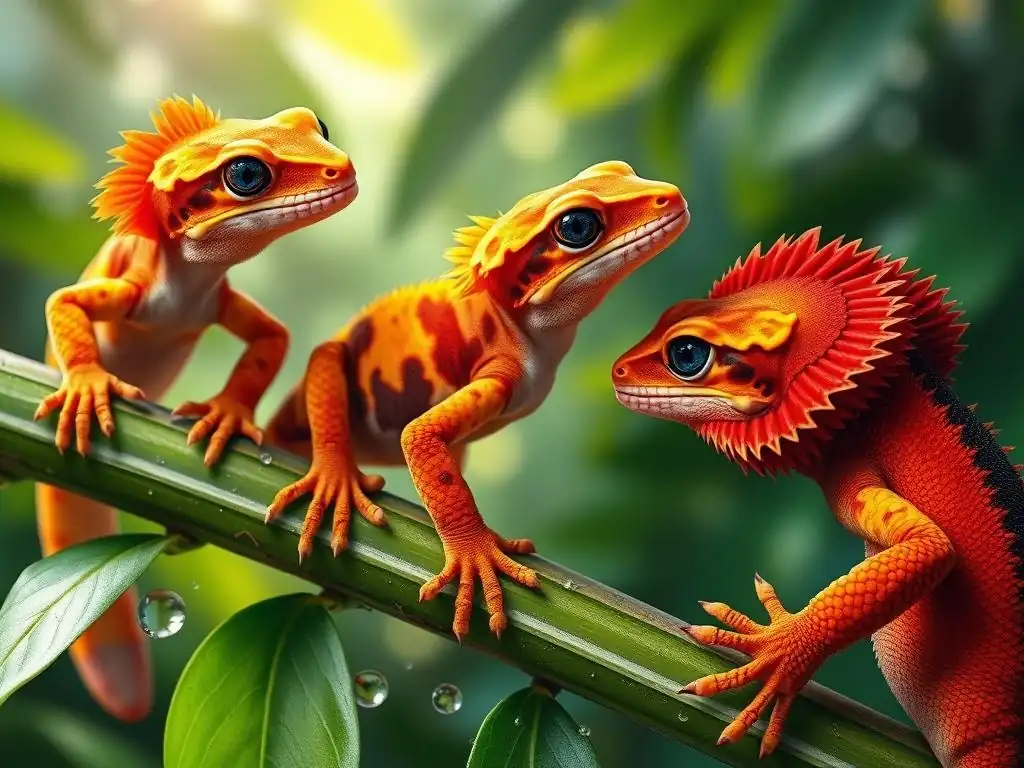
Welcome to PetCareWorld, your ultimate guide to a happier, healthier life for your beloved companions! Are you fascinated by the stunning diversity of the reptile world? Then prepare to be amazed by the incredible range of Crested Gecko morphs. Our comprehensive Crested Gecko morph color guide unveils the secrets behind these captivating creatures, revealing the unique traits and breathtaking color variations that make each one so special. Dive in and discover the perfect crested gecko for you – the adventure awaits!
- Understanding Crested Gecko Morph Genetics and Variations
- Popular Crested Gecko Morph Color Guide: A Deep Dive
- Crested Gecko Morph Identification: Tips and Tricks
- Caring for Your Crested Gecko Morph: Specific Needs
- Finding and Purchasing Crested Gecko Morphs Responsibly
- Crested Gecko Morph Pricing and Value: Understanding Market Trends
- The Future of Crested Gecko Morphs: New Developments and Trends
- Frequently Asked Questions
- Final Reflection: The Enduring Allure of the Crested Gecko
- Unleash Your Inner Herpetologist: Dive Deeper into Gecko Genetics!
Understanding Crested Gecko Morph Genetics and Variations
Crested geckos ( Correlophus ciliatus) are renowned for their captivating array of colors and patterns, a phenomenon largely attributed to the fascinating world of morph genetics. This comprehensive guide delves into the captivating diversity of crested gecko morphs, exploring the genetic mechanisms behind their striking appearances and providing a visual catalog of common and rare variations.
Understanding crested gecko morph genetics is key to responsible breeding and appreciating the unique beauty of each individual gecko. This guide serves as your ultimate "crested gecko morph color guide," helping you navigate the exciting world of these fascinating reptiles and appreciate the nuances of their diverse appearances.
We'll explore the inheritance and expression of various traits, examine common morphs readily available in the pet trade, and even venture into the realm of the rare and highly sought-after morphs that captivate collectors worldwide. Prepare to be amazed by the incredible spectrum of color and pattern variations found within this single species!
Crested Gecko Genetics: Inheritance and Expression of Traits
The vibrant colors and patterns displayed by crested geckos are the result of complex interactions between multiple genes. These genes control the production and distribution of pigments within the gecko's skin, leading to the wide variety of morphs we see today. While the exact genetic mechanisms behind every morph are still being researched, we understand that many traits are inherited in predictable ways, following Mendelian inheritance patterns.
For example, some morphs, like the "Harlequin," are likely caused by recessive genes, meaning two copies of the gene are needed for the trait to be expressed. Others, like "Blushing," may display incomplete dominance, meaning a mix of both parental genes leads to a blended phenotype.
Understanding these inheritance patterns is crucial for responsible breeding. Breeding geckos with specific traits requires careful planning and knowledge of the potential offspring's genetic makeup. Irresponsible breeding practices can lead to unhealthy geckos or the loss of desirable traits. Therefore, responsible breeders meticulously track the lineage of their geckos and use this information to make informed breeding decisions, ensuring the health and genetic diversity of their gecko populations. Careful genetic selection allows for the preservation of rare and unique morphs, while simultaneously avoiding inbreeding and maintaining a healthy gene pool.
Common Crested Gecko Morphs: A Visual Overview
Several crested gecko morphs are widely available in the pet trade. These common morphs offer a great starting point for anyone interested in keeping these beautiful reptiles. Below is a summary of some of the most frequently encountered morphs, keeping in mind that individual variations within each morph are quite common:
| Morph Name | Description | Coloration |
|---|---|---|
| Standard | The base coloration, often with a mix of browns, tans, and grays. | Variable browns, tans, grays |
| Red | Displays enhanced red pigmentation. | Deep reds and oranges |
| Yellow | Shows increased yellow pigmentation. | Bright yellows and oranges |
| Orange | Characterized by a predominantly orange coloration. | Various shades of orange, sometimes with red tones |
| Pinstripe | Features distinct, dark stripes running along the body. | Dark stripes on lighter background |
| Dalmatian | Shows a pattern of dark spots on a lighter background. | Dark spots on a lighter base |
| Flame | Exhibits a fiery pattern of orange and red markings. | Intense orange and red flames |
| Harlequin | Displays a disrupted pattern, often with irregular patches of color. | Irregular patches of various colors |
This is not an exhaustive list, as many variations and combinations exist. The beauty of crested gecko morphs lies in their variability; no two are exactly alike! 🤯
Rare Crested Gecko Morphs: A Collector's Guide
Beyond the common morphs, a world of rare and highly sought-after crested gecko variations exists, often commanding higher prices due to their unique genetics and low availability. These morphs often result from complex genetic combinations or spontaneous mutations, making them highly prized among collectors. Examples include:
- Extreme Harlequin: An intensified version of the Harlequin morph, showcasing even more disrupted and striking color patterns.
- Albino: A complete lack of melanin, resulting in a lack of pigmentation.
- Tangerine: An intense, vibrant orange morph, often considered one of the most desirable morphs.
- Eclipse: A morph characterized by a dark, almost black base color with limited markings.
- Other Unique Combinations: Many other rare morphs exist, often combining characteristics of multiple morphs to produce truly unique and stunning individuals.
The rarity of these morphs makes responsible breeding practices even more critical. These unique genetic combinations should be preserved and protected to ensure their continued existence within the crested gecko population. Careful selection and breeding programs are essential for maintaining these exceptional animals. The pursuit of rare morphs should always prioritize the health and well-being of the animals involved.
Popular Crested Gecko Morph Color Guide: A Deep Dive
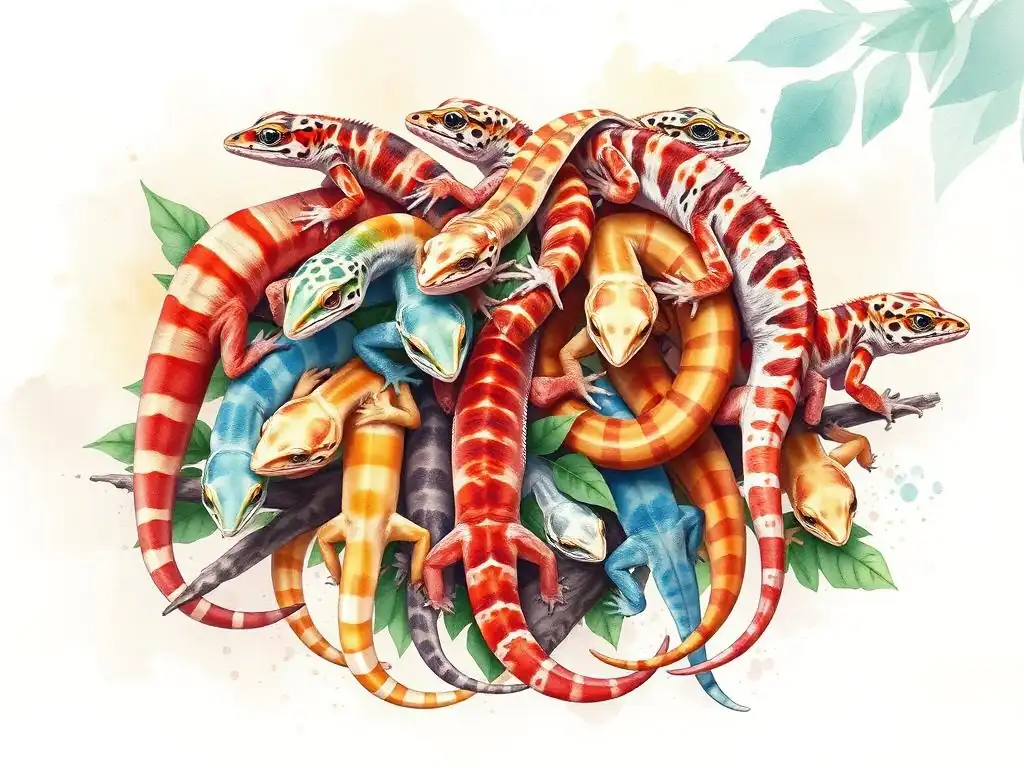
This section delves into the fascinating world of crested gecko morphs, focusing on color and pattern variations. Understanding these variations is crucial for both breeders and pet owners alike, contributing to responsible breeding practices and informed pet selection. This guide aims to provide a comprehensive overview of popular crested gecko morphs, acting as your go-to resource for identifying and appreciating the stunning diversity within this species. We will explore the spectrum of colors, from the common to the exceptionally rare, and analyze the genetic underpinnings that lead to these captivating differences.
Crested Gecko Color Variations: From Standard to Extreme
Crested geckos exhibit a remarkable range of colors, stemming from a combination of genetic factors. The "standard" crested gecko displays a predominantly brown or gray base color, often with subtle darker markings. However, selective breeding has yielded an astonishing array of morphs, showcasing vibrant hues and striking patterns.
Let's explore some examples:
- Harlequin: This morph is characterized by its disrupted pattern, resulting in a patchwork of colors and markings. The intensity and distribution of colors vary significantly, making each Harlequin unique. Some show bright orange and yellow patches against a darker base, while others present a more muted palette.
- Pinstripe: The Pinstripe morph is easily identifiable by its thin, parallel lines running along its body. These lines can be various shades of brown, gray, or even orange, depending on the individual gecko. The pinstripes often contrast sharply with the base color, creating a visually appealing effect.
- Extreme Color Morphs: Years of dedicated breeding have resulted in extreme color variations, including bright red, yellow, orange, and even lavender individuals. These morphs represent the pinnacle of selective breeding efforts and often command higher prices due to their rarity and visual appeal.
The following table summarizes some key color morphs and their characteristics:
| Morph Name | Primary Colors | Pattern Characteristics | Rarity |
|---|---|---|---|
| Standard | Brown, Gray | Subtle, mottled | Common |
| Harlequin | Variable, Patchwork | Disrupted, irregular | Moderate |
| Pinstripe | Variable, with distinct lines | Parallel lines along the body | Moderate |
| Red | Predominantly Red | Can have various pattern variations | Rare |
| Yellow/Orange | Predominantly Yellow/Orange | Can have various pattern variations | Rare |
| Lavender | Predominantly Lavender | Can have various pattern variations | Very Rare |
The spectrum of color variations continues to expand as breeders explore new genetic combinations. New and exciting morphs are constantly emerging, further highlighting the captivating diversity of the crested gecko. Careful record-keeping and responsible breeding practices are essential to maintain the genetic health and diversity of these magnificent creatures.
Understanding the "Base" Color in Crested Gecko Morphs
The base color serves as the foundational hue upon which other markings and patterns are superimposed. While seemingly simple, the base color's genetics are complex and influence the overall appearance of the gecko. Variations in melanin production are a primary factor determining the base color. For example, a reduction in melanin can lead to lighter base colors like creams and yellows, while increased melanin production results in darker shades of brown and gray. The interaction of different genes controlling melanin production and distribution creates the wide array of base colors seen in crested gecko morphs.
Understanding the base color is vital because it acts as a canvas for other genes that determine patterns and supplementary colors. A bright yellow base, for instance, will dramatically alter the appearance of a gecko compared to one with a dark brown base, even if both possess the same pattern morph genes. This concept of gene interaction is fundamental to predicting the outcome of breeding programs and appreciating the complexity of crested gecko genetics. Further research into the specific genes responsible for base color variation is crucial for a deeper understanding of this aspect of crested gecko morph development.
Identifying and Describing Crested Gecko Pattern Morphs: Stripes, Spots, and Blotches
Beyond color, pattern variations play a significant role in the unique appearance of crested gecko morphs. These patterns are largely determined by the distribution of pigments and are often inherited in predictable ways. This section will explore some of the common pattern morphs, distinguishing them based on their visual characteristics.
- Striped Morphs: These morphs exhibit distinct stripes running along their bodies, varying in width, color, and spacing. Some striped morphs have bold, clearly defined stripes, while others have more subtle, less pronounced lines. The direction and orientation of these stripes can also vary.
- Spotted Morphs: Spotted morphs are characterized by distinct spots scattered across their bodies. The size, shape, and distribution of these spots can vary considerably, creating a diverse range of appearances. Some spotted morphs have large, irregular spots, while others have small, evenly distributed dots.
- Blotched Morphs: Blotched morphs display irregular patches of color, often larger and less defined than spots. These patches can blend into the base color or create a more dramatic contrast. The size, shape, and distribution of these blotches are highly variable.
It's important to remember that pattern morphs can often combine or interact with each other, leading to complex and unique patterns. For example, a gecko might have both stripes and spots, creating a visually striking combination. Detailed documentation of these combinations is crucial for understanding the inheritance of these traits and for predicting the outcome of breeding programs. The continued study and careful observation of these pattern variations are essential for advancing our understanding of crested gecko genetics and the remarkable diversity of their appearances.
The Role of Breeding in Creating New Crested Gecko Morphs
The vibrant array of crested gecko morphs we see today is a testament to the dedication and expertise of breeders. Selective breeding plays a crucial role in developing and maintaining these unique color variations and patterns. It's not simply a matter of chance; responsible breeders carefully select parent geckos with desirable traits to increase the likelihood of those traits appearing in their offspring. This process, while seemingly straightforward, requires a deep understanding of genetics and years of experience to achieve consistent results. In fact, creating a new, stable morph can take many generations of careful breeding and meticulous record-keeping.
Consider, for instance, the development of the popular "Harlequin" morph. This striking pattern, characterized by its irregular patches of color, didn't appear spontaneously. It was the result of years of selective breeding, focusing on geckos exhibiting even slightly irregular patterns. Breeders meticulously tracked the inheritance of these traits across multiple generations, carefully pairing individuals with the most desirable characteristics to enhance and solidify the Harlequin pattern. The process involved careful observation, detailed record-keeping, and a significant amount of patience. Many pairings yielded less-than-ideal results, requiring breeders to adapt their strategies and continue the selection process over many years.
Furthermore, ethical considerations are paramount in crested gecko breeding. Responsible breeders prioritize the health and well-being of their animals, avoiding practices that could compromise their genetic diversity or physical health. They carefully screen their breeding stock for genetic disorders and strive to maintain a healthy gene pool to prevent the accumulation of harmful recessive traits.
This commitment to ethical breeding ensures the long-term health and viability of these beautiful geckos while contributing to the ongoing development of stunning new morphs for enthusiasts to enjoy. The creation of each new morph represents a significant investment of time, resources, and expertise, highlighting the dedication of breeders in preserving and enhancing the beauty of these fascinating creatures. The ethical and responsible breeding of crested geckos is essential for maintaining the health and diversity of the species.
Crested Gecko Morph Identification: Tips and Tricks
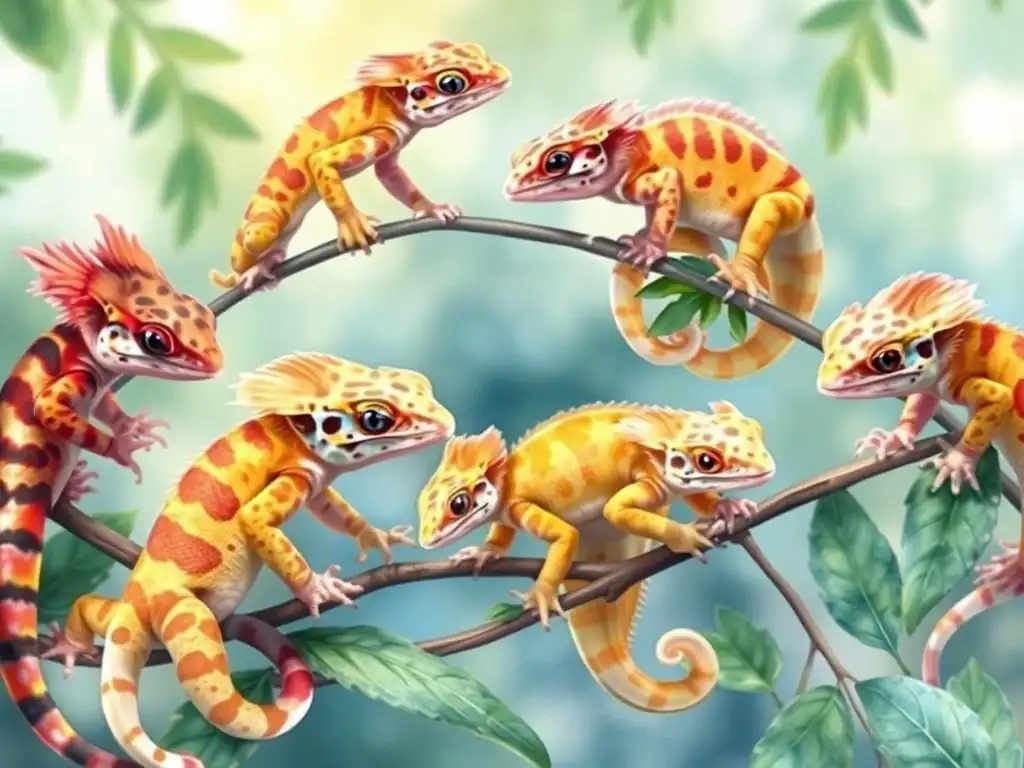
Identifying crested gecko morphs can be a fascinating and rewarding experience for reptile enthusiasts. However, it requires a keen eye for detail and a solid understanding of the various genetic factors influencing their coloration and patterning. This section provides practical tips and techniques to accurately identify different crested gecko morphs, helping you navigate the diverse world of these captivating creatures. Accurate identification is crucial for responsible breeding and maintaining the genetic diversity within the hobby. This guide focuses on providing a foundation for identification, using visual cues and understanding the underlying genetics.
Visual Differences Between Crested Gecko Morphs
Visual inspection is the primary method for identifying crested gecko morphs. Key visual differences lie in their base color, pattern intensity, and the presence or absence of specific markings. For example, a Tangerine morph will exhibit a vibrant orange hue, while a Pinstripe morph displays distinct, parallel lines running along its body. These differences, though subtle at times, are crucial for distinguishing one morph from another.
The following table summarizes some key visual characteristics of popular crested gecko morphs:
| Morph Name | Base Color | Pattern Characteristics | Other Notable Features |
|---|---|---|---|
| Tangerine | Bright Orange | Minimal to no distinct pattern | May have lighter underbelly |
| Pinstripe | Variable | Distinct parallel lines along the body | Often accompanied by other morphs |
| Harlequin | Variable | Irregular, blotchy pattern | High contrast between colors |
| Blizzard | Very Light, Often White | Minimal to no pattern, often albino traits | May have red or pink eyes |
| Extreme Harlequin | Variable | Highly disrupted and irregular pattern | Can have extremely varied coloration |
| Dalmatian | Variable | Large, round spots resembling a Dalmatian | Spots can vary widely in size and number |
It's important to note that even within a single morph, individual variation exists. Environmental factors, age, and even the individual gecko's health can influence the intensity and vibrancy of its coloration. Therefore, relying solely on a single image for identification might be misleading. Observing multiple pictures and comparing them to established morph descriptions is recommended.
Factors Affecting Crested Gecko Coloration
Several factors can influence the coloration of a crested gecko, making identification sometimes challenging. These factors include genetics, age, diet, and even environmental conditions. Understanding these influencing factors is crucial for accurate identification and responsible care.
Genetic factors are obviously paramount. The underlying genes determine the base color, pattern, and other key characteristics that define a specific morph. However, even with identical genetics, environmental factors play a role. For instance, a crested gecko kept in a dimly lit environment might appear duller compared to one kept under bright, natural light. Similarly, diet can affect the intensity of their coloration. A gecko with a nutritional deficiency might exhibit a less vibrant color than a healthy counterpart. Age also plays a role; juvenile geckos often exhibit different coloration than adults.
Distinguishing Between Similar Crested Gecko Morphs
Several crested gecko morphs share similar characteristics, making accurate identification a challenge even for experienced keepers. For example, the difference between a Harlequin and an Extreme Harlequin can be subtle, often requiring a detailed comparison of pattern complexity and intensity. Similarly, some morphs might express similar base colors, making pattern the key distinguishing factor.
To accurately differentiate between similar morphs, detailed observation and comparison with reference images and descriptions are crucial. Pay close attention to the nuances in pattern, the distribution of colors, and the overall impression created by the gecko's coloration. Consider using a color chart or a standardized scale to objectively assess color intensity. Consulting with experienced crested gecko breeders or joining online communities dedicated to crested geckos can also provide valuable insights and assistance in making accurate identifications. Remember, patience and meticulous observation are key to mastering the art of crested gecko morph identification.
Caring for Your Crested Gecko Morph: Specific Needs
While the basic care requirements for crested geckos remain consistent across morphs, subtle differences may exist depending on individual traits and genetic predispositions. Understanding these nuances can significantly impact your gecko's health and well-being. This section focuses on addressing those specific care needs, ensuring your crested gecko thrives regardless of its stunning coloration. Remember, responsible ownership involves recognizing these individual needs and adapting your care accordingly.
Dietary Requirements for Crested Geckos: Considerations Across Morphs
The diet of a crested gecko, regardless of morph, primarily consists of commercially available crested gecko diets. These formulated diets are specifically designed to meet their nutritional needs. However, even within this framework, some minor adjustments might be considered based on individual gecko characteristics. For instance, some morphs might show a slightly higher or lower appetite than others. Careful monitoring of your gecko's weight and body condition is crucial.
Overfeeding, a common issue, can lead to obesity and related health problems. Underfeeding, on the other hand, can result in malnutrition and weakness. Therefore, regularly weigh your gecko using a gram scale to track their weight and adjust food portions accordingly. Aim for a healthy weight gain, not rapid growth.
A healthy crested gecko will exhibit a sleek, well-muscled body, and their bones should not be visibly prominent. Consult a reptile veterinarian if you observe significant weight changes or concerning physical alterations. They can provide personalized advice on dietary adjustments and rule out any underlying medical conditions. Remember, even subtle differences in appetite can indicate potential problems, so consistent monitoring is key.
While the primary diet consists of commercially prepared food, occasional supplementation with insects like crickets or mealworms can add variety and enrichment. However, this should be done sparingly and only as a supplement, not a replacement, for the crested gecko diet. Always dust insects with a calcium and vitamin D3 supplement before offering them to your gecko.
Housing and Environmental Considerations for Crested Geckos
While the general housing requirements remain consistent across morphs (a tall enclosure with vertical climbing structures, appropriate temperature and humidity levels), considerations for specific morphs might include subtle adjustments to the environment. For example, geckos with lighter coloration might be more sensitive to intense lighting, requiring slightly shaded areas within their enclosure. Conversely, darker morphs might benefit from slightly warmer basking spots.
Optimal humidity levels are crucial for all crested geckos, preventing shedding difficulties. Regular misting of the enclosure or the use of a humid hide can help maintain the appropriate humidity. However, overly humid conditions can lead to the growth of mold and bacteria, so finding the right balance is key. Use a hygrometer to regularly monitor humidity levels and adjust accordingly.
The substrate used should also be carefully considered. Paper towels or reptile carpet are easy to clean and maintain, which is especially important for geckos with delicate skin. Some morphs might be more prone to skin irritation from certain substrates, so careful observation is critical.
The size of the enclosure should be appropriate for the gecko's size and maturity, allowing for ample space to climb, explore, and hide. Avoid overcrowding, especially when keeping multiple geckos together, as this can lead to stress and aggression.
Breeding Crested Geckos: A Guide for Experienced Keepers
Breeding crested geckos is a complex process that requires significant experience and knowledge. It's crucial to understand the genetic implications of different morphs before attempting to breed them. Breeding should only be undertaken by experienced keepers who understand the potential risks and are prepared to provide proper care for the offspring.
Irresponsible breeding can contribute to the overpopulation of certain morphs, leading to ethical concerns. Furthermore, breeding can be physically demanding for the female gecko, potentially impacting her health and lifespan. Careful consideration of the gecko's health and well-being should always take precedence over the desire to produce offspring.
Before attempting to breed crested geckos, it's essential to research the specific genetic traits of each morph and understand the potential outcomes of pairing different morphs. This will help prevent the production of offspring with health issues or undesirable traits.
Thorough understanding of the breeding process, including proper temperature and humidity control, appropriate nesting sites, and post-breeding care, is vital. This ensures that the female gecko can safely lay her eggs and that the offspring are given the best possible chance of survival. Consulting with experienced breeders and reptile veterinarians is highly recommended before undertaking any breeding program. Responsible breeding practices are essential to maintain the health and genetic diversity of crested gecko populations.
Finding and Purchasing Crested Gecko Morphs Responsibly
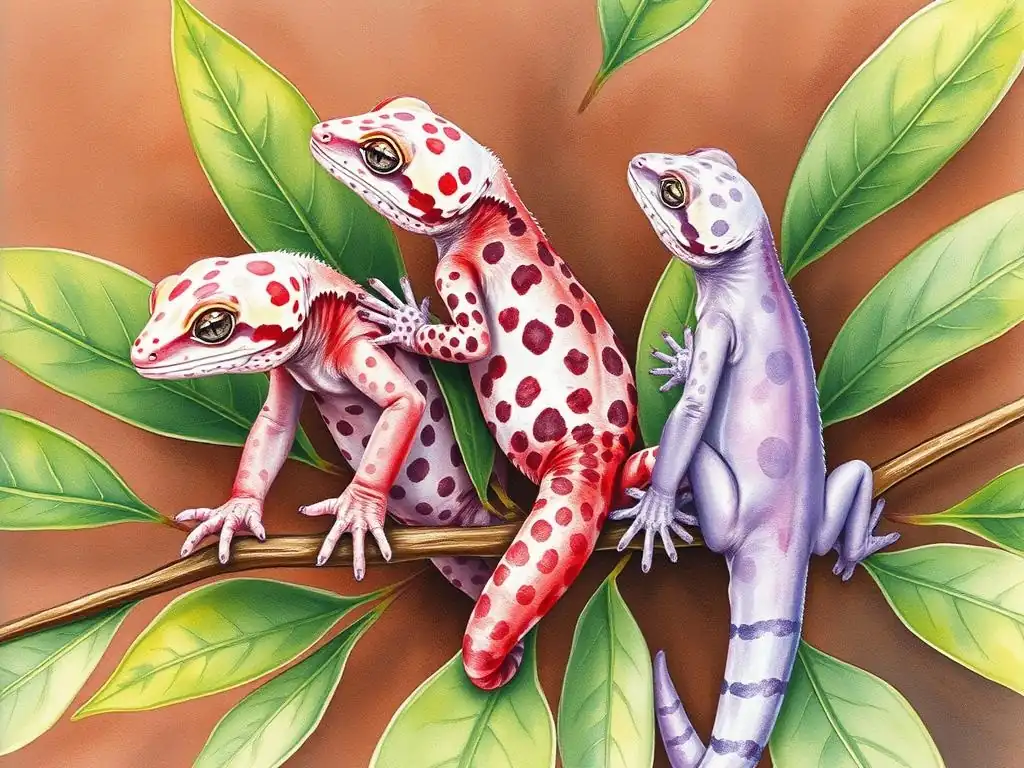
Finding the perfect crested gecko morph can be an exciting journey, but responsible sourcing is paramount. Many factors influence the health and well-being of these captivating creatures, and making informed decisions from the outset is crucial for a long and happy life together. This section will guide you through the process of ethically and safely acquiring a crested gecko, focusing on key considerations to ensure both your satisfaction and the gecko's welfare.
Understanding the nuances of responsible breeding and purchasing is vital for the continued conservation and appreciation of these unique animals. Remember, choosing a healthy gecko from a reputable source is the first step to a successful gecko-owner relationship.
Choosing a Reputable Breeder for Your Crested Gecko
Selecting a reputable breeder is the cornerstone of responsible crested gecko ownership. Avoid impulse purchases from unreliable sources; instead, thoroughly research potential breeders. A responsible breeder prioritizes the health and well-being of their geckos above all else. Look for breeders who:
- Maintain clean and spacious enclosures for their geckos.
- Provide proper nutrition and hydration.
- Practice responsible breeding practices, avoiding inbreeding and prioritizing genetic diversity.
- Are knowledgeable about the specific needs of the different crested gecko morphs.
- Are transparent about the gecko's lineage and health history.
- Offer post-purchase support and guidance.
- Are willing to answer your questions thoroughly and honestly.
A reputable breeder will not pressure you into a quick sale and will be happy to discuss the individual characteristics and temperament of each gecko. They will also be knowledgeable about the specific needs of each morph, providing valuable information to help you make an informed decision. Avoid breeders who sell geckos online without providing adequate information or images.
Identifying Healthy Crested Geckos: What to Look For
Once you've identified a reputable breeder, carefully assess the health of the individual gecko. A healthy crested gecko should exhibit several key characteristics:
- Alertness and Activity: A healthy gecko will be active and responsive to its environment. Lethargy or inactivity can be a sign of illness.
- Clear Eyes: Eyes should be bright and clear, free from discharge or cloudiness.
- Firm Body: The gecko's body should be plump and firm, not emaciated or bony. A healthy gecko will have a good weight for its size.
- Healthy Skin: The skin should be smooth and free from sores, lesions, or parasites.
- Clean Vent: The vent (the opening where waste is expelled) should be clean and free from any discharge.
- Good Appetite: Ask the breeder about the gecko's feeding habits. A healthy gecko should have a good appetite and readily consume its food.
Don't hesitate to ask the breeder any questions you may have about the gecko's health and history. A responsible breeder will be happy to provide you with all the necessary information. Remember, a healthy gecko is more likely to thrive in your care. Observe the gecko's behavior carefully before making your final decision.
Crested Gecko Morph Pricing and Value: Understanding Market Trends
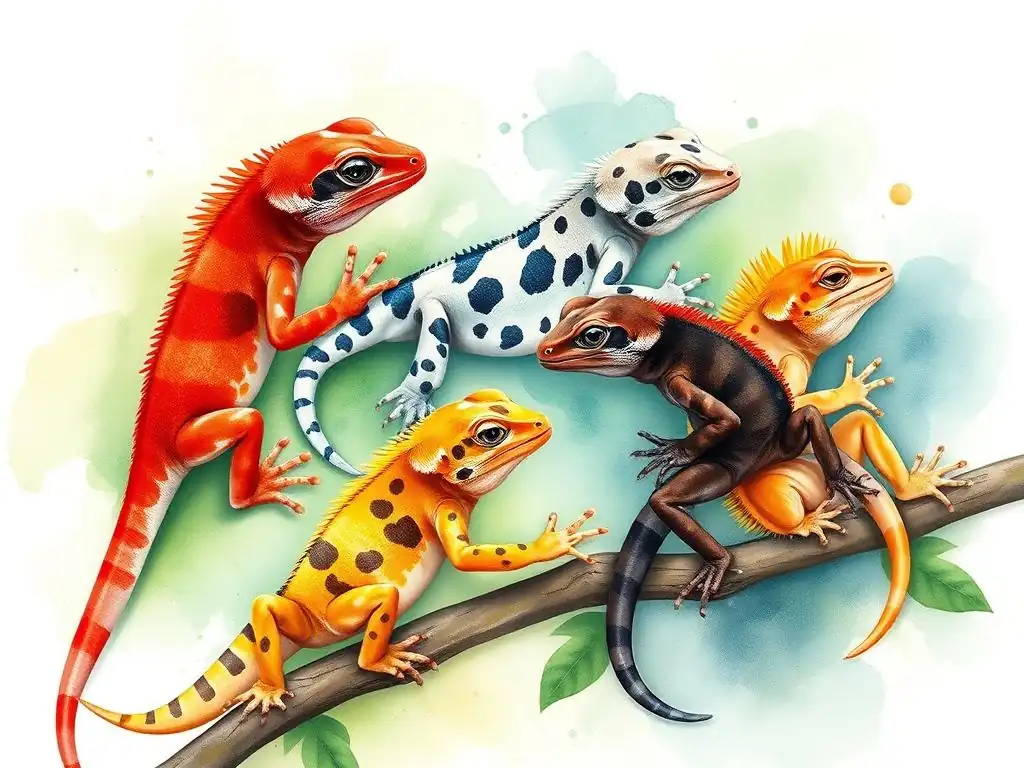
The price of a crested gecko can vary significantly depending on several factors, including rarity, morph, age, and lineage. While some common morphs are relatively affordable, rarer and more desirable morphs can command significantly higher prices. Understanding these market trends can help you make informed purchasing decisions. The value of a crested gecko is not solely determined by its monetary cost; its inherent worth lies in its health, its unique genetic makeup, and the joy it brings to its owner.
Factors Influencing Crested Gecko Prices
Several key factors contribute to the pricing variations observed in the crested gecko market:
| Factor | Impact on Price | Example |
|---|---|---|
| Rarity of Morph | Rarer morphs command higher prices due to limited availability and high demand. | A unique "extreme" variation of a color morph might be significantly more expensive than a common one. |
| Lineage and Bloodline | Geckos with a proven lineage from reputable breeders often fetch higher prices. | A gecko from a line known for producing high-quality offspring might be priced higher. |
| Age and Size | Older, larger geckos are generally more expensive than younger, smaller ones. | Adult breeding-age geckos are often more expensive than juveniles. |
| Health and Condition | Healthy geckos with no apparent health issues will command higher prices. | A gecko with a known health problem will likely sell for less. |
| Breeder Reputation | Geckos from well-established and reputable breeders often have higher prices. | A breeder with a strong reputation for quality animals may charge more. |
Understanding these factors allows you to assess the value of a crested gecko more accurately. Remember that while price can be an indicator of quality, it shouldn't be the sole determining factor. Always prioritize the health and well-being of the animal above all else.
The Future of Crested Gecko Morphs: New Developments and Trends
The world of crested gecko morphs is constantly evolving, with breeders pushing the boundaries of color and pattern variations. This dynamic field is driven by both consumer demand for unique pets and the inherent genetic diversity within the species. Understanding these trends is crucial for responsible ownership and ethical breeding practices. The future likely holds even more stunning and complex morphs, but careful consideration must be given to the potential implications.
Emerging Crested Gecko Morphs and Their Characteristics
New crested gecko morphs emerge regularly, often through careful selective breeding programs. These programs focus on combining desirable traits, leading to increasingly intricate patterns and color combinations. Some recent examples include morphs exhibiting intensified red pigmentation, unique striping patterns previously unseen, and even subtle shifts in eye color.
While precise details on newly emerging morphs are often kept confidential by breeders before widespread release (to protect intellectual property and market value), the general trend points towards an expansion in the range of available color and pattern variations. For example, some breeders are working towards a "super blizzard" morph, which would theoretically combine the characteristics of multiple blizzard morphs resulting in an even more striking visual impact. However, the success and stability of such complex morphs require extensive genetic testing and careful monitoring of offspring.
The challenge lies in maintaining the health and vigor of the animals while achieving the desired aesthetic qualities. Data on the exact prevalence of these new morphs is often proprietary information held by individual breeders, making a comprehensive statistical analysis difficult. However, anecdotal evidence from online forums and reptile shows suggests a continuous influx of novel variations.
Ethical Considerations in Crested Gecko Morph Breeding
The increasing popularity of specific crested gecko morphs raises significant ethical concerns. The pursuit of rare and visually striking morphs can inadvertently lead to inbreeding and a reduction in genetic diversity. This can result in a higher susceptibility to diseases and a decrease in overall fitness within the population.
Responsible breeders prioritize the health and well-being of their animals above all else, rigorously screening for genetic defects and avoiding practices that compromise the long-term health of the lineage. Furthermore, the high demand for certain morphs can drive up prices, potentially contributing to the illegal pet trade and unsustainable breeding practices. The ethical breeder will always strive for transparency, providing detailed information about the lineage and health of their animals.
They should also be actively involved in community discussions and educational initiatives to promote responsible ownership and ethical breeding practices within the crested gecko community. A crucial aspect of ethical breeding is maintaining detailed records of each gecko's lineage and health, allowing for informed breeding decisions and the identification of potential genetic problems.
Future Research and Conservation Efforts in Crested Gecko Breeding
Future research in crested gecko breeding should focus on several key areas. Genetic research is essential to understand the underlying genetics of different morphs, which will allow for more informed breeding decisions and reduce the risk of inbreeding depression. Furthermore, research into the health implications of specific morphs is crucial to ensure that the pursuit of aesthetics does not compromise the well-being of the animals.
Conservation efforts should focus on preserving the genetic diversity of the wild crested gecko populations, as these populations serve as a vital reservoir of genetic material. This includes supporting research into wild populations and advocating for responsible wildlife management practices that protect crested gecko habitats.
The long-term sustainability of the crested gecko morph hobby depends on a balance between the desire for visually appealing animals and the commitment to responsible breeding practices that safeguard the health and genetic diversity of this fascinating species. Understanding and applying this balance is crucial for ensuring that the future of crested gecko morphs is one of both beauty and responsible stewardship.
Frequently Asked Questions
What is a crested gecko morph?
A crested gecko morph refers to a specific color or pattern variation within the species Correlophus ciliatus. These variations are achieved through selective breeding, resulting in a wide array of stunning colors and patterns.
How many crested gecko morphs exist?
There are numerous crested gecko morphs, with new ones continually being developed. The exact number is difficult to define as subtle variations and naming conventions can differ among breeders.
What are some popular crested gecko morph colors?
Popular morph colors include Harlequin, Pinstripe, Extreme Harlequin, and various shades of red, orange, yellow, and brown. Many morphs combine multiple colors and patterns.
Are certain crested gecko morphs more expensive than others?
Yes, rare and highly sought-after morphs tend to be more expensive. The price depends on factors like rarity, the complexity of the pattern, and the breeder's reputation.
Where can I find more information on crested gecko morphs?
PetCareWorld offers a comprehensive crested gecko morph color guide and other resources on crested gecko care. We also recommend researching reputable breeders for further information.
Final Reflection: The Enduring Allure of the Crested Gecko
The vibrant world of crested gecko morphs continues to captivate reptile enthusiasts, showcasing the incredible diversity within a single species. This exploration of color variations and unique traits highlights not only the aesthetic beauty of these geckos but also the fascinating interplay of genetics and selective breeding. Understanding these morphs allows us to appreciate the intricate processes that shape the natural world and the responsible practices needed to maintain healthy populations.
The impact of selective breeding on crested geckos is a double-edged sword. While it has gifted us with a stunning array of colors and patterns, it also underscores the importance of ethical breeding practices and the preservation of genetic diversity. The beauty of a creature lies not only in its appearance, but also in the understanding of its origins and the responsibility we bear towards its future.
This quote resonates deeply, reminding us that our appreciation for these morphs should be coupled with a commitment to their well-being and the sustainability of the hobby.
Consider the vibrant colors you've explored within this guide. Now, I challenge you to go further. Engage with responsible breeders, learn about the genetics behind your favorite morphs, and contribute to a community that values both the beauty and the well-being of these remarkable creatures. Let your appreciation for the crested gecko's diversity inspire you to become a more informed and ethical keeper, ensuring that future generations can marvel at the same breathtaking variations we celebrate today.
Unleash Your Inner Herpetologist: Dive Deeper into Gecko Genetics!
Thanks for exploring the fascinating world of crested gecko morphs with us! You've now gained a solid understanding of the incredible variety within these captivating creatures. Ready to take the next step?
- Research your favorite morph: Spend some time learning about the specific genetics and care requirements of the crested gecko morph that most interests you. Consider the long-term commitment involved in providing the optimal environment.
- Connect with other gecko enthusiasts: Share your knowledge and ask questions on online forums or local reptile groups. You might even discover a new morph you hadn't considered!
- Design your dream gecko enclosure: Create a visually stunning and functional habitat that showcases the beauty and unique characteristics of your chosen gecko. This will be a tangible step towards welcoming a crested gecko into your life.
What unique trait or color pattern will you seek in your perfect crested gecko companion?