
Saltwater Aquarium Setup: How to Select the Best Salt Mix for Your Aquarium

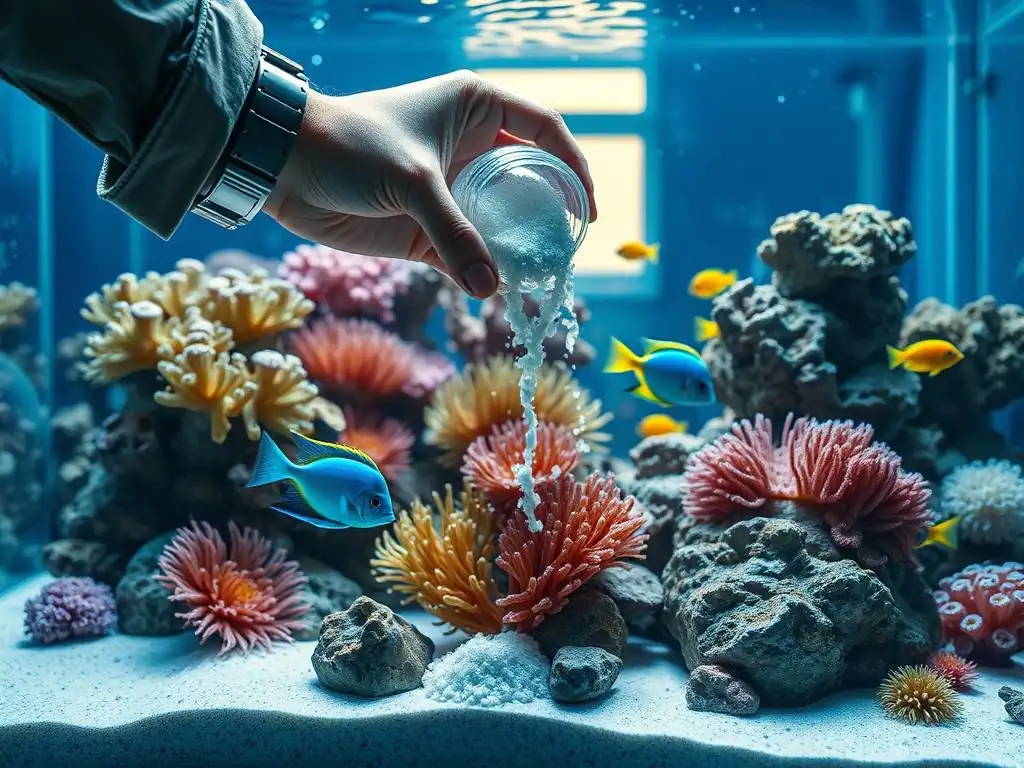
Welcome to PetCareWorld, your ultimate guide to a happier, healthier life for your beloved companions! Are you ready to embark on the fascinating journey of creating a thriving saltwater aquarium? Then dive in and discover the secrets to selecting the best saltwater aquarium salt mix – the crucial first step towards a vibrant and successful underwater ecosystem. Learn how the right salt mix can dramatically impact your aquarium's health and your pets' well-being. Don't miss out on our expert advice – your underwater world awaits!
- Understanding Salt Mix Composition for Optimal Water Parameters
- Key Factors to Consider When Choosing a Salt Mix for Your Saltwater Aquarium
- Best Saltwater Aquarium Salt Mixes: A Comparative Analysis
- Preparing Your Saltwater Aquarium with the Chosen Salt Mix
- Troubleshooting Common Issues During Saltwater Mixing
- Maintaining Optimal Water Parameters After Setup: Regular Testing and Adjustments
- Maintaining Water Quality with Your Chosen Salt Mix
- Choosing the Right Salt Mix for Specific Aquarium Needs
- Frequently Asked Questions about Selecting the Best Saltwater Aquarium Salt Mix
-
Frequently Asked Questions
- What is the most important factor to consider when choosing a saltwater aquarium salt mix?
- How do I determine the correct amount of salt mix to use for my aquarium?
- Are all saltwater aquarium salt mixes the same?
- What are the signs of using a poor-quality salt mix?
- Can I use table salt in my saltwater aquarium?
- Final Reflection: The Ripple Effect of a Perfect Salt Mix
- Unleash Your Inner Marine Biologist: Dive Deeper into Salt Mix Mastery!
Understanding Salt Mix Composition for Optimal Water Parameters
Creating a thriving saltwater aquarium hinges on meticulous attention to detail, and one of the most critical aspects is selecting the right salt mix. The quality of your salt mix directly impacts the health and well-being of your marine inhabitants. This comprehensive guide will delve into the nuances of salt mix composition, helping you choose the best saltwater aquarium salt mix for your specific needs.
We'll explore the essential elements, the importance of trace elements, and provide a detailed comparison of leading brands, empowering you to make an informed decision that ensures a flourishing underwater ecosystem. Choosing the right salt is not just about convenience; it's about providing your marine life with the optimal environment for growth, vibrant colors, and long-term health.
A poorly chosen salt mix can lead to a cascade of problems, from stunted growth to disease susceptibility, ultimately jeopardizing the success of your aquarium. Let's dive in and unlock the secrets to creating the perfect aquatic environment.
Essential Elements in High-Quality Saltwater Aquarium Mixes
A high-quality saltwater aquarium mix must accurately replicate the natural ionic balance of seawater. This means providing the correct proportions of major and minor elements crucial for the survival and prosperity of marine life. These elements are not just present; their ratios are critical. An imbalance can lead to serious problems. Let's examine some key components:
- Sodium Chloride (NaCl): This is the most abundant salt in seawater and forms the base of any saltwater mix. The concentration should be precisely controlled.
- Magnesium Chloride (MgCl₂): Crucial for maintaining water hardness and stability, also influencing calcium levels. Insufficient magnesium can hinder coral growth and overall system stability.
- Calcium Chloride (CaCl₂): Essential for the construction of coral skeletons and the overall health of invertebrates. Calcium levels must be carefully monitored and maintained.
- Potassium Chloride (KCl): Plays a vital role in osmotic regulation and overall ionic balance.
- Sodium Sulfate (Na₂SO₄): Contributes to the overall salinity and buffering capacity of the aquarium water.
- Sodium Bicarbonate (NaHCO₃): A key component of the buffering system, helping to maintain stable pH levels.
The precise ratios of these elements vary slightly between different brands, but a reputable mix will strive for accuracy to mimic natural seawater. Deviation from these ideal ratios can negatively impact the health of your marine inhabitants. Always check the guaranteed analysis on the packaging for precise details.
The Role of Trace Elements in Marine Aquarium Health
Beyond the major elements, trace elements play a crucial role in the overall health and vibrancy of your saltwater aquarium. These elements, present in smaller quantities, are essential for various biological processes within the aquarium ecosystem. Deficiencies can lead to a range of problems, including stunted growth, weakened immune systems, and increased susceptibility to disease.
- Iodine (I): Essential for thyroid hormone production in many marine species.
- Iron (Fe): Vital for photosynthesis in algae and other photosynthetic organisms.
- Manganese (Mn): Involved in various enzymatic processes.
- Strontium (Sr): Important for coral skeletal development.
- Molybdenum (Mo): Plays a role in nitrogen metabolism.
Many high-quality salt mixes include these trace elements in appropriate concentrations. However, regular water testing and potential supplementation might be necessary depending on your specific needs and the types of marine life you keep. Regular water changes using a high-quality salt mix are often sufficient to maintain appropriate trace element levels.
Comparing Different Salt Mix Brands: A Detailed Overview
The market offers a wide array of saltwater aquarium salt mixes, each with its own unique formulation and price point. Choosing the right one can feel overwhelming. This section provides a starting point for your research, emphasizing the importance of considering the guaranteed analysis before purchasing any salt mix. Consider factors such as:
| Brand Name | Price Point | Guaranteed Analysis Availability | User Reviews |
|---|---|---|---|
| [Brand Name 1] | [Price Range] | [Yes/No] | [Summary] |
| [Brand Name 2] | [Price Range] | [Yes/No] | [Summary] |
| [Brand Name 3] | [Price Range] | [Yes/No] | [Summary] |
Remember, the "best" salt mix is highly dependent on your specific needs and the inhabitants of your aquarium. Always research different brands, read reviews, and compare guaranteed analyses to make the most informed decision. Prioritize brands that provide detailed information on their composition and have a positive track record among experienced aquarists. Investing in a high-quality salt mix is an investment in the long-term health and vibrancy of your marine ecosystem.
Key Factors to Consider When Choosing a Salt Mix for Your Saltwater Aquarium
Selecting the best saltwater aquarium salt mix is crucial for the health and thriving of your marine ecosystem. A subpar mix can lead to a cascade of problems, from stunted coral growth to disease outbreaks in your fish. Therefore, a careful and informed decision is paramount.
This section will guide you through the key aspects to consider before making your purchase, ensuring you choose a salt mix that perfectly suits your needs. We'll explore factors beyond just the price tag, focusing on the long-term health and stability of your aquarium. Finding the best saltwater aquarium salt mix isn't just about finding the cheapest; it's about finding the right one.
Matching Your Salt Mix to Your Aquarium's Inhabitants
The ideal salt mix is highly dependent on the specific inhabitants of your saltwater aquarium. Different species have different sensitivity levels to various elements present in the water. For instance, certain corals require a very specific range of alkalinity and calcium levels, while hardy fish might tolerate a wider spectrum.
Consider this example: A reef tank teeming with delicate SPS corals (small polyp stony corals) demands a salt mix formulated to provide precise levels of calcium, magnesium, and alkalinity. A mix optimized for general fish-only tanks might not suffice, potentially leading to slow growth or even coral bleaching. Conversely, a fish-only tank might not require the higher levels of trace elements found in reef-specific mixes.
Before purchasing, meticulously research the specific needs of your aquarium's inhabitants. Consult reliable sources like scientific literature and experienced aquarists to understand the optimal water parameters for your chosen species. The packaging of many salt mixes will also specify the types of aquatic life they are best suited for. Selecting a salt mix tailored to your specific needs is key to ensuring the long-term health and vibrancy of your aquarium.
Considering Your Budget: Balancing Cost and Quality in Salt Mix Selection
While the cheapest option might seem tempting, compromising on the quality of your salt mix can prove costly in the long run. Inferior mixes may contain impurities, leading to algae blooms, unstable water parameters, and ultimately, the demise of your precious marine life.
However, the most expensive option isn't always the best either. Many high-quality salt mixes offer excellent value for money, providing consistent results and minimizing the risk of problems. Look for brands with a strong reputation and positive reviews from experienced aquarists.
Consider the following when balancing cost and quality:
| Feature | Low-Cost Mixes | High-Quality Mixes |
|---|---|---|
| Purity | May contain impurities and inconsistencies | Typically highly purified and consistent |
| Trace Elements | Often lacks essential trace elements | Usually contains a balanced spectrum of trace elements |
| Buffering Capacity | May fluctuate significantly | Maintains stable pH and alkalinity |
| Long-term Costs | Higher risk of problems leading to higher costs | Lower risk of problems, saving money in the long run |
By carefully weighing these factors, you can find a salt mix that fits your budget without sacrificing the health and well-being of your aquarium inhabitants. Remember, investing in a high-quality salt mix is an investment in the longevity and beauty of your underwater world.
Evaluating Water Hardness and Alkalinity Levels: Achieving the Perfect Balance
Maintaining the correct water hardness and alkalinity is crucial for a thriving saltwater aquarium. These parameters directly influence the health of corals, invertebrates, and even fish. Different salt mixes offer varying levels of these crucial elements.
Understanding the GH (general hardness) and KH (carbonate hardness, representing alkalinity) levels is essential. The ideal range varies depending on the inhabitants of your tank, but generally, maintaining a stable KH within 8-12 dKH and appropriate GH levels is recommended. Always test your water regularly to monitor these parameters. Regular water changes using the correct salt mix will help maintain these crucial levels. Failure to do so could result in stressed animals and potential disease outbreaks.
Before selecting a salt mix, check the manufacturer's specifications for GH and KH levels. Choose a mix that aligns with the requirements of your specific aquatic life. Remember that consistent testing and monitoring are vital for maintaining a healthy and balanced aquarium environment. Regular water testing kits are essential tools for any saltwater aquarist. Don't underestimate the importance of meticulous monitoring in achieving and maintaining the perfect balance for your marine ecosystem. The health of your aquatic life directly depends on it!
Best Saltwater Aquarium Salt Mixes: A Comparative Analysis
Choosing the best saltwater aquarium salt mix is crucial for the health and thriving of your marine ecosystem. The right mix provides the essential minerals and trace elements your fish, corals, and invertebrates need to flourish. A poor choice, however, can lead to imbalances, disease, and ultimately, the demise of your carefully constructed underwater world. This section delves into a comparative analysis of three popular options, highlighting their features, benefits, and user feedback to help you make an informed decision. Remember, the "best" salt mix ultimately depends on your specific aquarium needs and the inhabitants you wish to house.
Instant Ocean: Features, Benefits, and User Reviews
Instant Ocean is a long-standing favorite among saltwater aquarium enthusiasts, known for its consistent quality and readily available nature. It's a popular choice for beginners due to its ease of use and relatively affordable price. The mix boasts a balanced blend of major and minor elements, aiming to mimic natural seawater conditions.
One key benefit is its readily available nature. Finding Instant Ocean at most pet stores makes it a convenient option for those who need a quick solution. Many users praise its ease of mixing; the salt dissolves quickly and easily, minimizing the hassle of preparation.
However, some users report that Instant Ocean might not be the ideal choice for advanced reef tanks with demanding corals or invertebrates. While it provides the necessary elements for basic setups, some advanced hobbyists find that it lacks certain trace elements needed for optimal coral growth and coloration. User reviews are generally positive, with many highlighting its reliability and ease of use, but some experienced reef keepers suggest exploring other options for more demanding setups. Feedback indicates a slight variation in batch consistency, though this is not a consistently reported issue.
Red Sea Coral Pro Salt: Features, Benefits, and User Reviews
Red Sea Coral Pro Salt is often cited as a premium choice for reef aquariums, particularly those housing demanding corals and invertebrates. Its formulation is designed to provide a more comprehensive range of trace elements and minerals, supporting vibrant coral growth and coloration.
A significant benefit of Red Sea Coral Pro Salt is its focus on natural seawater replication. The company uses a sophisticated process to closely mimic the ionic balance of natural seawater, creating a more stable and biologically active environment. This is reflected in user reviews, with many praising the health and vibrant growth of their corals.
The higher price point is a potential drawback. Compared to Instant Ocean, Coral Pro Salt is considerably more expensive. However, many users feel the added cost is justified by the superior results, especially in advanced reef systems. User reviews consistently highlight its effectiveness in promoting healthy coral growth and vibrant coloration. Some users also note the relatively easy mixing process, despite the higher price.
Aquaforest Reef Salt: Features, Benefits, and User Reviews
Aquaforest Reef Salt is another strong contender in the premium salt mix market. Known for its high purity and comprehensive formulation, it's a popular choice among experienced reef keepers seeking optimal results. This salt mix boasts a highly refined formulation, focusing on providing a balanced profile of elements crucial for marine life.
One notable feature is Aquaforest's commitment to purity and consistency. They employ rigorous quality control measures to ensure each batch meets their high standards. This results in a stable and predictable environment for your aquarium inhabitants. User reviews frequently emphasize this consistency, citing fewer problems with water parameter fluctuations.
Similar to Red Sea Coral Pro Salt, Aquaforest Reef Salt sits in a higher price bracket. The cost reflects the advanced formulation and rigorous quality control. However, many users believe the superior results, particularly in terms of coral health and growth, justify the investment. User reviews consistently mention the excellent results in terms of coral growth and overall tank health. However, some users find the mixing process slightly more challenging than other options.
Choosing the right salt mix is a vital step in establishing a thriving saltwater aquarium. Consider your budget, experience level, and the specific needs of your aquarium inhabitants when making your decision. Remember to always follow the manufacturer's instructions for mixing and water parameter testing to ensure a stable and healthy environment for your marine life. 🐠
Tropic Marin Pro Reef Salt: Features, Benefits, and User Reviews
Tropic Marin Pro Reef Salt is a popular choice among experienced saltwater aquarists, known for its high-quality ingredients and consistent results in maintaining stable water parameters. Its formulation aims to mimic natural seawater, providing a balanced environment for a thriving reef ecosystem. One of its key features is the inclusion of a wide range of essential trace elements, which are crucial for the health and growth of corals and other invertebrates. This comprehensive blend reduces the need for frequent supplemental additions, simplifying aquarium maintenance.
The benefits of using Tropic Marin Pro Reef Salt are numerous. Many users report excellent coral growth and coloration, indicating the effectiveness of the trace element blend in supporting healthy biological processes. The salt's high solubility ensures quick and complete dissolution, minimizing the risk of undissolved particles clouding the water.
This also contributes to a more stable pH level, which is vital for maintaining a balanced aquarium environment. Moreover, Tropic Marin Pro Reef Salt is generally considered to be low in nitrates and phosphates, reducing the likelihood of algae blooms. This makes it a preferred choice for aquarists aiming to create a pristine, crystal-clear reef tank.
User reviews for Tropic Marin Pro Reef Salt are overwhelmingly positive. Many aquarists praise its consistent performance, noting the ease of use and the visible improvements in the health of their corals and fish. The salt's ability to promote vibrant colors and robust growth is a recurring theme in online forums and reviews.
However, some users mention that the price point is higher compared to other brands. This is often balanced against the perceived superior quality and the long-term cost savings from reduced supplementation needs.
Despite the higher cost, the positive feedback regarding the quality and results suggests that many aquarists consider Tropic Marin Pro Reef Salt to be a worthwhile investment for their valuable reef ecosystems. Ultimately, the choice of salt mix depends on individual needs and budget; however, Tropic Marin Pro Reef Salt consistently ranks among the top choices for the "best saltwater aquarium salt mix" due to its proven track record and user satisfaction.
Preparing Your Saltwater Aquarium with the Chosen Salt Mix
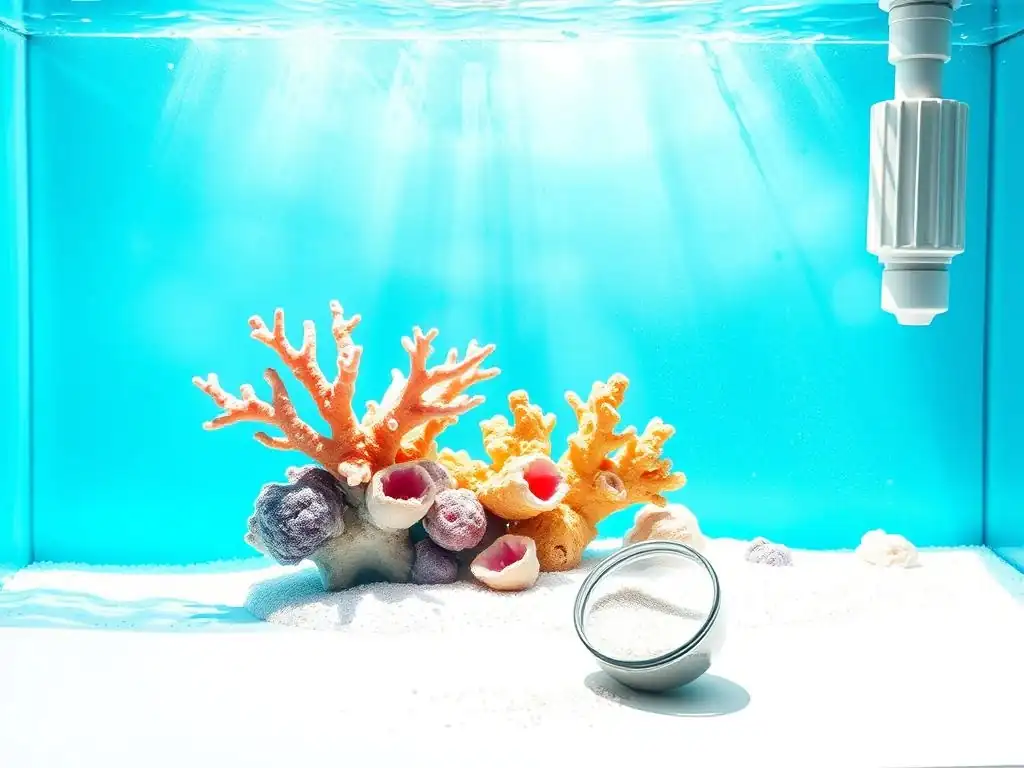
Once you've selected the best saltwater aquarium salt mix for your needs (considering factors like your budget, the type of fish and corals you plan to keep, and the reviews and recommendations available), it's time to prepare your aquarium. This process requires precision to ensure the health and well-being of your marine life. Improper mixing can lead to osmotic shock and even death for your delicate aquatic inhabitants. The goal is to create a stable and thriving environment that closely mimics natural seawater conditions. Remember, accuracy is paramount in this phase.
Step-by-Step Guide to Mixing Saltwater for Your Aquarium
Mixing saltwater accurately is crucial for a successful saltwater aquarium. Here's a detailed, step-by-step guide:
- Use a clean container: Employ a food-grade plastic bucket or a dedicated mixing container. Avoid using metal containers, as they can leach unwanted substances into the water. Thoroughly clean the container before use. 🧼
- Measure the water: Use a precise measuring device, such as a graduated cylinder or a reliable measuring cup, to measure the exact amount of water needed for your aquarium. This is critical for achieving the correct salinity. Note that the amount of water will depend on the size of your tank.
- Add the salt mix gradually: Slowly add the recommended amount of salt mix to the measured water. Don't dump it all in at once! This can lead to clumping and uneven salt distribution. A slow, steady addition ensures proper dissolution.
- Stir continuously: Use a clean, submersible aquarium pump or a large, clean spoon to continuously stir the mixture. This promotes even salt dissolution and prevents the formation of undissolved salt crystals. Thorough mixing is key to preventing salinity gradients within your aquarium. 🔄
- Monitor the temperature: The temperature of the water during mixing can affect the dissolution rate. Maintain a consistent temperature, ideally around 72-78°F (22-26°C), for optimal results.
- Use a refractometer: Once the salt is fully dissolved, use a refractometer to accurately measure the specific gravity (SG) or salinity of the saltwater. This device provides a much more precise measurement than a hydrometer. Adjust the salinity as needed by adding more salt or water. The target SG should be within the recommended range for your chosen marine life (typically between 1.024 and 1.026).
- Allow for settling: After achieving the desired salinity, let the saltwater sit undisturbed for at least 24 hours to allow any remaining particulate matter to settle. This helps ensure clear, clean water in your aquarium.
Troubleshooting Common Issues During Saltwater Mixing
Even with careful preparation, problems can arise during saltwater mixing. Here are some common issues and their solutions:
- Undissolved salt: This often occurs if the salt is added too quickly or if the water is too cold. The solution is to increase the stirring and/or warm the water slightly. Make sure to stir gently to avoid introducing air bubbles.
- Cloudy water: Cloudiness can be due to undissolved salt or other impurities in the salt mix. Let the water settle for a longer period, or consider using a filter to remove the cloudiness. Using a high-quality salt mix can minimize this issue.
- Inaccurate salinity: Inaccurate salinity readings can result from using an unreliable hydrometer or improper mixing techniques. Always use a calibrated refractometer for accurate measurements and ensure thorough mixing. Remember to calibrate your refractometer regularly.
- Salt creep: Salt creep, the formation of salt crystals on the surface of the container, is common. It indicates that the salt mix is not fully dissolved. Increase stirring and ensure the salt is completely dissolved before adding it to your aquarium.
Maintaining Optimal Water Parameters After Setup: Regular Testing and Adjustments
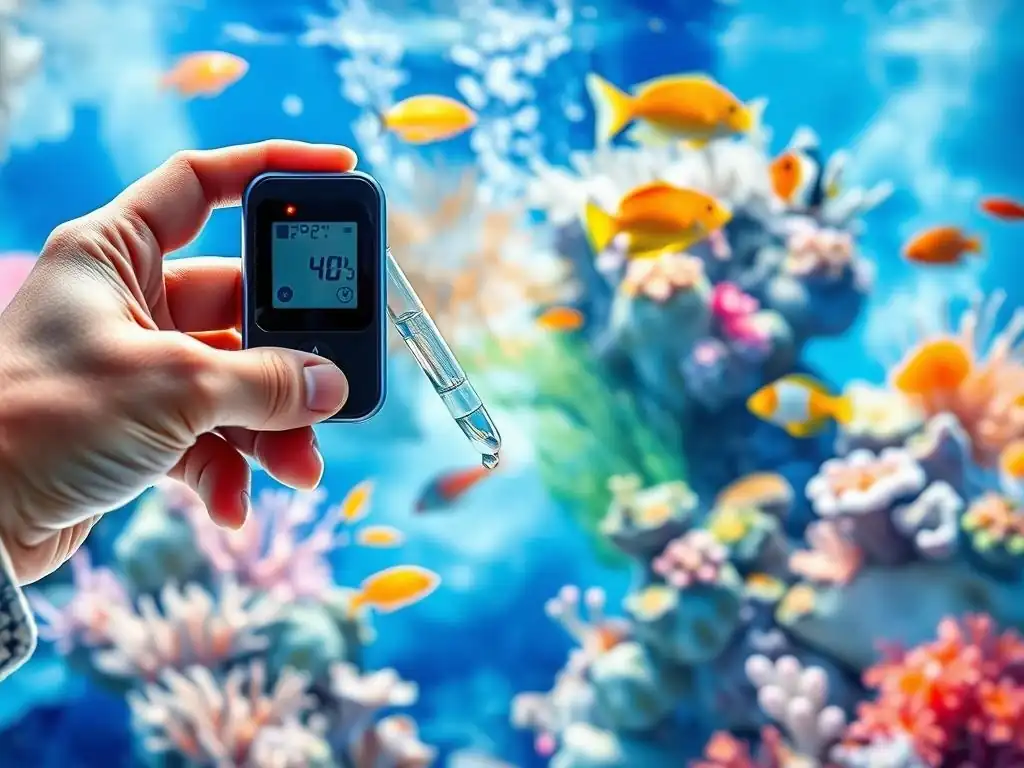
Maintaining optimal water parameters is crucial for the long-term health of your saltwater aquarium. Regular testing and adjustments are essential. This involves monitoring several key parameters:
- Salinity: Regularly check salinity using a refractometer to ensure it remains within the ideal range. Minor adjustments may be necessary due to evaporation.
- pH: Maintain a stable pH level, typically between 8.1 and 8.4. Use a pH test kit to monitor and adjust as needed. Fluctuations in pH can stress your marine life.
- Ammonia, Nitrite, and Nitrate: Monitor these crucial nitrogen cycle components regularly. High levels of ammonia and nitrite are toxic to marine life. Nitrate levels should be kept relatively low. Regular water changes help manage these levels.
- Temperature: Maintain a stable temperature using a reliable aquarium heater. Temperature fluctuations can lead to stress and disease in your marine inhabitants. Regular monitoring is key. 🌡️
Consistent monitoring and timely adjustments will help create a stable and healthy environment for your saltwater aquarium, ensuring the longevity and vibrancy of your marine ecosystem. Regular water changes are also important for long-term success. Remember, a healthy aquarium is a happy aquarium! 🐠
Maintaining Water Quality with Your Chosen Salt Mix
Maintaining optimal water quality is paramount for the health and thriving of your saltwater aquarium inhabitants. The selection of the best saltwater aquarium salt mix is only the first step; consistent monitoring and maintenance are crucial for long-term success. Choosing a high-quality salt mix minimizes the risk of introducing unwanted impurities, but even the purest salt mix requires diligent care to prevent the buildup of harmful substances. This section delves into the key aspects of maintaining pristine water conditions using your chosen salt.
Regular Water Changes: A Crucial Aspect of Aquarium Maintenance
Regular water changes are the cornerstone of maintaining a healthy saltwater aquarium environment. They help remove accumulated waste products like nitrates and phosphates, which can lead to algal blooms and negatively impact the health of your fish and invertebrates. The frequency of water changes depends on several factors, including the size of your tank, the number of inhabitants, and the type of filtration system you employ.
A good rule of thumb is to perform a 10-20% water change weekly for smaller tanks (less than 50 gallons), while larger tanks might benefit from a 10% change every two weeks. However, closely observing your water parameters is crucial. If you notice a spike in nitrates or phosphates, more frequent changes may be necessary. Always use a high-quality, dechlorinated water source for your water changes.
Avoid using tap water directly unless you've installed a reliable filtration system to remove chlorine and chloramine. Using a dedicated bucket and siphon specifically for water changes prevents contamination. Remember to match the temperature of the new water to the aquarium’s temperature to avoid shocking your aquatic life. Consistent, regular water changes are a simple yet incredibly effective way to maintain the best saltwater aquarium salt mix's benefits and promote a healthy ecosystem.
Using a Refractometer for Accurate Salinity Measurement
Accurate salinity measurement is critical for maintaining a stable and healthy saltwater aquarium environment. While hydrometers can be used, they are often less precise than refractometers. A refractometer measures the salinity (specific gravity) by measuring the refractive index of the water, providing a more accurate reading. This precision is crucial because even minor deviations from the ideal salinity range can stress your marine life.
The recommended salinity range for most saltwater aquariums is between 1.024 and 1.026. A refractometer allows you to consistently check and adjust the salinity, ensuring it remains within this optimal range. Before each water change, measure the salinity of your existing aquarium water. This baseline measurement will help you determine the amount of salt mix needed to reach your target salinity after the water change.
Calibrating your refractometer regularly with distilled water is vital for maintaining its accuracy. Invest in a high-quality refractometer; it's an indispensable tool for anyone serious about maintaining a thriving saltwater aquarium. Regular calibration and precise measurement using a refractometer are key components of responsible and successful saltwater aquarium maintenance.
Identifying and Addressing Potential Water Quality Problems
Even with meticulous care, water quality problems can arise. Regular water testing is essential for early detection. Test kits are readily available for measuring key parameters such as ammonia, nitrite, nitrate, pH, and alkalinity. These tests provide valuable insights into the overall health of your aquarium.
- High Ammonia: Indicates a buildup of fish waste and uneaten food. Increase water changes and improve filtration.
- High Nitrite: A sign of an immature nitrogen cycle. This often requires patience and careful monitoring of the cycle's progression.
- High Nitrate: Resulting from accumulated waste. Increase water changes and consider adding nitrate-reducing media to your filter.
- Low pH: Can stress marine life. Check your water source and consider using buffer solutions to adjust the pH to the optimal range (8.1 - 8.4).
- Low Alkalinity: Can lead to skeletal erosion in corals and other invertebrates. Use a calcium and alkalinity supplement to maintain adequate levels.
Addressing these issues promptly is crucial to preventing serious problems and maintaining the health of your aquarium inhabitants. Regular monitoring, coupled with prompt corrective action, ensures the longevity and vibrancy of your saltwater aquarium ecosystem. Remember, consistent vigilance and proactive management are vital for long-term success in maintaining the best possible environment for your saltwater pets. 🐠
Choosing the Right Salt Mix for Specific Aquarium Needs
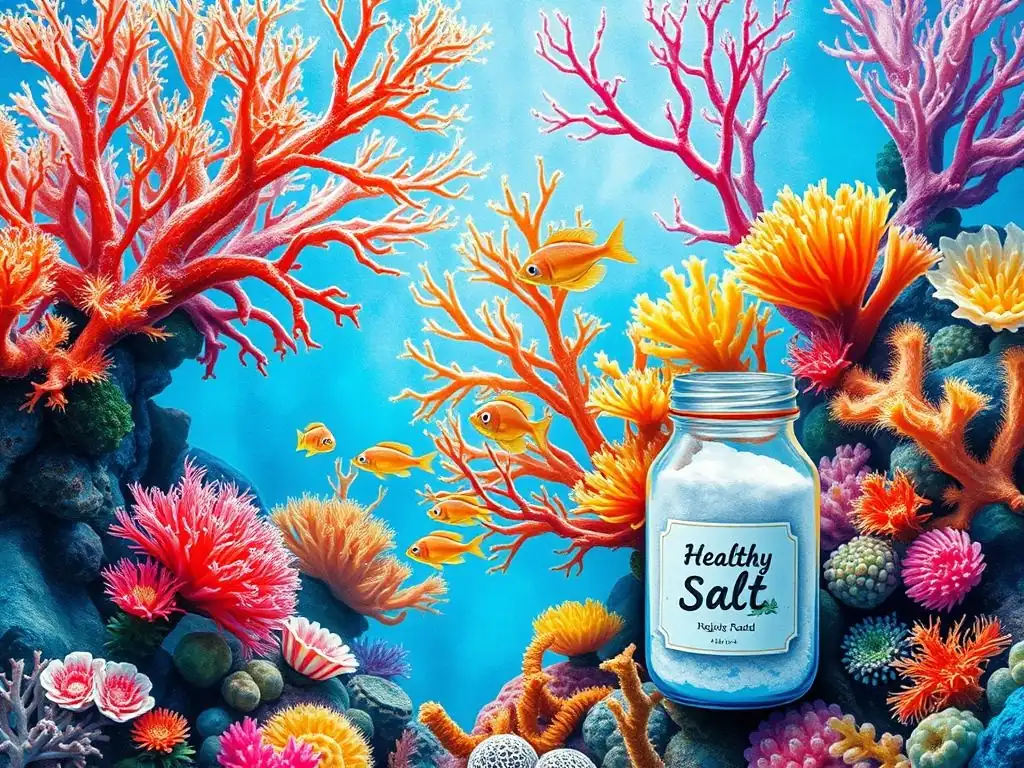
Selecting the best saltwater aquarium salt mix isn't a one-size-fits-all endeavor. The ideal salt mix heavily depends on the inhabitants of your aquarium and your specific goals for its ecosystem. Failing to choose appropriately can lead to poor water quality, impacting the health and longevity of your marine life. This section delves into selecting the right salt mix based on your aquarium's needs. We'll explore different mixes suited for reef tanks, fish-only tanks, and even those housing specific, demanding species. Remember, even minor variations in salt composition can significantly affect your aquarium's environment.
Salt Mixes for Reef Aquariums: Supporting Coral Growth and Health
Reef aquariums present unique challenges. Maintaining a thriving reef environment requires a salt mix meticulously formulated to support coral growth, coloration, and overall health. These mixes often contain higher concentrations of specific elements crucial for coral polyp extension and skeletal development. Look for salt mixes specifically marketed for reef systems, often highlighting enhanced levels of calcium, magnesium, and strontium. These elements are vital for coral calcification and overall well-being.
For example, a high-quality reef salt mix should provide a balanced profile of essential trace elements, not just the major ions like sodium and chloride. These trace elements, even in minute quantities, play a significant role in the metabolic processes of corals and other invertebrates. Insufficient levels can lead to poor growth, bleaching, and susceptibility to disease.
Regular water testing using a comprehensive test kit is crucial to monitor these levels and ensure they remain within the optimal range for your specific coral species. Consider the specific needs of your coral species; some are more demanding than others. Researching the precise requirements of your chosen corals will help you choose the most suitable salt mix.
Don't skimp on quality here; a premium reef salt mix can be the difference between a thriving reef and a struggling one. The initial investment in a superior product is often far outweighed by the long-term benefits to your coral's health and longevity.
Salt Mixes for Fish-Only Aquariums: Prioritizing Fish Well-being
Fish-only aquariums have less stringent requirements compared to reef tanks. While maintaining proper salinity is still paramount, the need for elevated trace elements isn't as critical. However, you still need a high-quality salt mix that provides a stable and balanced ionic environment for your fish. Look for mixes that emphasize overall water stability and are free from potentially harmful contaminants. A clean, well-balanced salt mix will minimize stress on your fish, promoting their health and vibrant colors.
A good strategy involves comparing several different brands and their detailed analyses. Pay attention to factors like the purity of the ingredients and the absence of heavy metals or other pollutants. Some manufacturers provide detailed analyses of their salt mixes, specifying the concentrations of various elements. This information can be invaluable in making an informed decision. Avoid budget brands which may cut corners on quality, leading to potential problems down the line. Investing in a reputable brand that prioritizes purity will contribute significantly to the long-term health and well-being of your fish. Remember, healthy fish are happy fish! 🐠
Salt Mixes for Specific Fish Species: Tailoring Your Choice to Your Inhabitants
Certain fish species have particularly sensitive requirements. For example, some delicate marine fish may thrive better in a salt mix with a specific ionic balance, or a lower concentration of certain elements. It is crucial to research the specific needs of your chosen fish species before selecting a salt mix. Some species are more tolerant of variations in water parameters than others. This research should extend beyond general guidelines and include information on the natural salinity and water chemistry of their native habitats.
Consider creating a table to compare your research findings:
| Fish Species | Salinity Range (ppt) | Preferred Salt Mix Characteristics | Potential Issues with Incorrect Salt Mix |
|---|---|---|---|
| Amphiprion ocellaris (Ocellaris Clownfish) | 33-35 | Stable, low phosphate | Stunted growth, increased susceptibility to disease |
| Pomacanthus imperator (Emperor Angelfish) | 34-36 | High-calcium, balanced trace elements | Poor coloration, skeletal deformities |
| [Specific information pending] | [Specific information pending] | [Specific information pending] | [Specific information pending] |
Remember, accurate water testing is crucial, regardless of the salt mix you choose. Regular monitoring allows for early detection of any imbalances, enabling prompt corrective action. This proactive approach is essential for maintaining a healthy and thriving aquarium environment for your beloved fish.
Frequently Asked Questions about Selecting the Best Saltwater Aquarium Salt Mix
This section addresses common queries regarding the selection and use of saltwater aquarium salt mixes, helping you maintain a thriving underwater ecosystem. Choosing the best saltwater aquarium salt mix is crucial for the health and longevity of your marine inhabitants. Let's dive into some frequently asked questions.
What are the signs of a poor quality salt mix?
Identifying a low-quality salt mix can be crucial in preventing problems in your aquarium. Several indicators point towards inferior products. First, look at the appearance: a poor quality salt mix might contain visible impurities, such as clumps, discoloration, or even undissolved particles. These impurities can negatively impact water clarity and potentially introduce harmful substances into your tank.
Secondly, consider the dissolution rate: a good salt mix should dissolve completely and quickly in the water without leaving a residue. Slow or incomplete dissolution suggests inadequate processing or the presence of insoluble components. Thirdly, monitor your water parameters after mixing. Regular water testing is vital; inconsistent or unstable readings of salinity, pH, or other key parameters (like calcium and alkalinity) after using a particular salt mix can be a strong indicator of poor quality.
Finally, observe your inhabitants’ behavior. If your fish or invertebrates exhibit unusual lethargy, stress, or disease after a water change with a new salt mix, it's a significant warning sign. Always prioritize reputable brands with clear ingredient lists and positive user reviews to minimize these risks.
How often should I change my saltwater aquarium's water?
The frequency of saltwater aquarium water changes is a crucial aspect of maintaining a healthy environment. It's not a "one-size-fits-all" answer, but a balanced approach is key. Several factors influence the optimal schedule. The size of your tank plays a role; smaller tanks generally require more frequent water changes than larger ones. The stocking density – the number of fish and invertebrates per gallon – is equally important.
Higher stocking densities necessitate more frequent changes to remove accumulated waste. The type of filtration system you employ also matters. Robust filtration can extend the time between water changes, but it's not a replacement for them entirely. As a general guideline, many experienced aquarists recommend partial water changes (around 10-20% of the tank volume) every 1-2 weeks for smaller tanks and every 2-4 weeks for larger, well-established systems. However, consistent monitoring of water parameters, particularly ammonia, nitrite, and nitrate levels, is the best indicator.
Elevated levels necessitate more frequent water changes. Always prioritize the health of your marine life. Regular, smaller water changes are generally preferred over infrequent, large ones to maintain a stable environment. Remember to always use a high-quality, reliable best saltwater aquarium salt mix.
Can I mix different brands of salt mixes?
Mixing different brands of saltwater aquarium salt mixes is generally discouraged. While it might seem like a simple solution if you run out of one brand, it can lead to unpredictable and potentially harmful changes in your aquarium's water chemistry. Different manufacturers utilize varying formulations and ingredients, resulting in variations in the concentrations of essential elements like calcium, magnesium, and alkalinity. Mixing these can create imbalances that stress or harm your marine life.
The resulting water parameters might become unstable, leading to unpredictable fluctuations in pH and salinity. These sudden shifts can be particularly detrimental to sensitive corals and invertebrates. Furthermore, the presence of different additives or trace elements in different brands could interact in unexpected ways, potentially leading to toxic compounds.
To ensure the health and stability of your aquarium, it's best to stick with a single, high-quality brand of salt mix throughout the life of your system. Consistency is key for maintaining a healthy and thriving saltwater environment. Prioritize choosing a reliable and proven best saltwater aquarium salt mix from the outset to prevent the need for such compromises.
What are the long-term effects of using an inferior salt mix?
Using a low-quality or inappropriate saltwater aquarium salt mix can have several detrimental long-term effects on your aquarium ecosystem and its inhabitants. These effects are often insidious, developing gradually and potentially causing irreversible damage before you even realize the source of the problem. One of the most significant risks is the compromised water chemistry. Inferior mixes may lack essential trace elements or contain excessive levels of unwanted substances.
This imbalance can lead to a cascade of problems. For example, a deficiency in calcium and magnesium can severely hinder coral growth and skeletal development, leading to stunted growth or even mortality in corals and other invertebrates. Similarly, an excess of certain elements can trigger algal blooms, clouding the water and competing with corals for resources.
Furthermore, inconsistent salt mixes can lead to instability in the aquarium's pH levels. Fluctuations in pH can stress your marine life, making them more susceptible to disease and impacting their overall health and vitality. Fish may exhibit lethargy, loss of appetite, or unusual behavior. Corals, particularly sensitive to pH changes, might experience bleaching or tissue necrosis. The long-term consequence could be a significant decline in the overall health and biodiversity of your aquarium.
Another critical aspect is the potential for the accumulation of harmful substances. Some inferior salt mixes might contain impurities or heavy metals that gradually build up in the aquarium water. These toxins can poison your marine life, causing chronic health problems and potentially leading to death. The effects might not be immediately apparent, but over time, these toxins can weaken your aquarium's inhabitants, making them more vulnerable to diseases and infections. Regular water testing might not always reveal these subtle issues, making preventative measures—like using a high-quality salt mix—even more critical.
Finally, the long-term use of a poor-quality salt mix can lead to increased maintenance costs. The need for more frequent water changes, additional filtration, and potentially veterinary care for sick animals can significantly increase the overall expense of maintaining your saltwater aquarium. Investing in a premium salt mix from the start can, therefore, prove to be a cost-effective strategy in the long run by minimizing these unexpected expenses and ensuring the longevity and health of your valuable marine ecosystem.
The initial cost difference is often negligible when compared to the potential costs associated with rectifying problems caused by an inferior product. Choosing the best saltwater aquarium salt mix is a crucial investment in the health and longevity of your marine environment.
Frequently Asked Questions
What is the most important factor to consider when choosing a saltwater aquarium salt mix?
The most crucial factor is purity. A high-quality salt mix will contain minimal impurities that can harm your aquarium inhabitants. Look for mixes with low levels of nitrates, phosphates, and heavy metals.
How do I determine the correct amount of salt mix to use for my aquarium?
Always follow the manufacturer's instructions carefully. The required amount of salt will vary depending on the size of your aquarium and the desired salinity level. Using a refractometer to measure salinity is crucial for accuracy.
Are all saltwater aquarium salt mixes the same?
No, different brands offer varying levels of purity, mineral content, and additives. Some mixes are formulated for specific needs, such as reef tanks or fish-only systems. Researching different brands and comparing their ingredients is recommended.
What are the signs of using a poor-quality salt mix?
Signs include cloudy water, slow coral growth (in reef tanks), fish exhibiting stress or illness, and algae blooms. Switching to a higher-quality salt mix may resolve these issues.
Can I use table salt in my saltwater aquarium?
Absolutely not. Table salt contains anti-caking agents and other additives that are toxic to marine life. Always use a salt mix specifically formulated for saltwater aquariums.
Final Reflection: The Ripple Effect of a Perfect Salt Mix
The health and vibrancy of your saltwater aquarium hinges on the seemingly simple choice of salt mix; this seemingly small decision profoundly impacts the delicate ecosystem you're cultivating. A poorly chosen mix can lead to instability, disease, and ultimately, the loss of your beloved marine life. The right mix, however, unlocks a world of thriving coral, active fish, and a breathtaking underwater landscape.
The quest for the perfect salt mix is more than just a technical pursuit; it's a testament to our growing understanding of and responsibility towards these fragile ecosystems. We're not just creating a beautiful display; we're participating in a miniature version of ocean conservation, learning to replicate the intricate balance of nature within our homes. The sea, once it casts its spell, holds one in its net of wonder forever.
– Jacques Cousteau. This quote encapsulates the powerful draw of the marine world and the importance of understanding how to care for it, even in a controlled environment.
Now, consider your own aquarium journey. What have you learned about the importance of precision and attention to detail? Take this knowledge beyond the confines of your tank. Remember the meticulous research and careful selection that went into choosing your salt mix, and apply that same level of dedication to other areas of your life where careful planning and informed choices lead to greater success and fulfillment. Let the thriving ecosystem you've created serve as a constant reminder of the power of mindful action and the beauty that blooms from careful consideration.
Unleash Your Inner Marine Biologist: Dive Deeper into Salt Mix Mastery!
Thank you for learning about choosing the perfect salt mix for your saltwater aquarium! You now have the knowledge to create a thriving underwater world. Ready to put your expertise into action?
- Choose the ideal salt mix and begin setting up your aquarium: Consider the specific needs of your chosen inhabitants for optimal results. For example, certain corals require specific water parameters, while others are more adaptable.
- Share your salt mix selection and setup experiences with other PetCareWorld enthusiasts in the comments below. Let's build a thriving community of saltwater aquarium experts!
- Explore PetCareWorld's extensive library of articles on saltwater aquarium care for additional tips and tricks. Uncover the secrets to a flourishing reef!
Ready to transform your vision into a vibrant, healthy saltwater aquarium? What's your first step today?