
Introducing a New Bearded Dragon to Your Home: A StepbyStep Guide

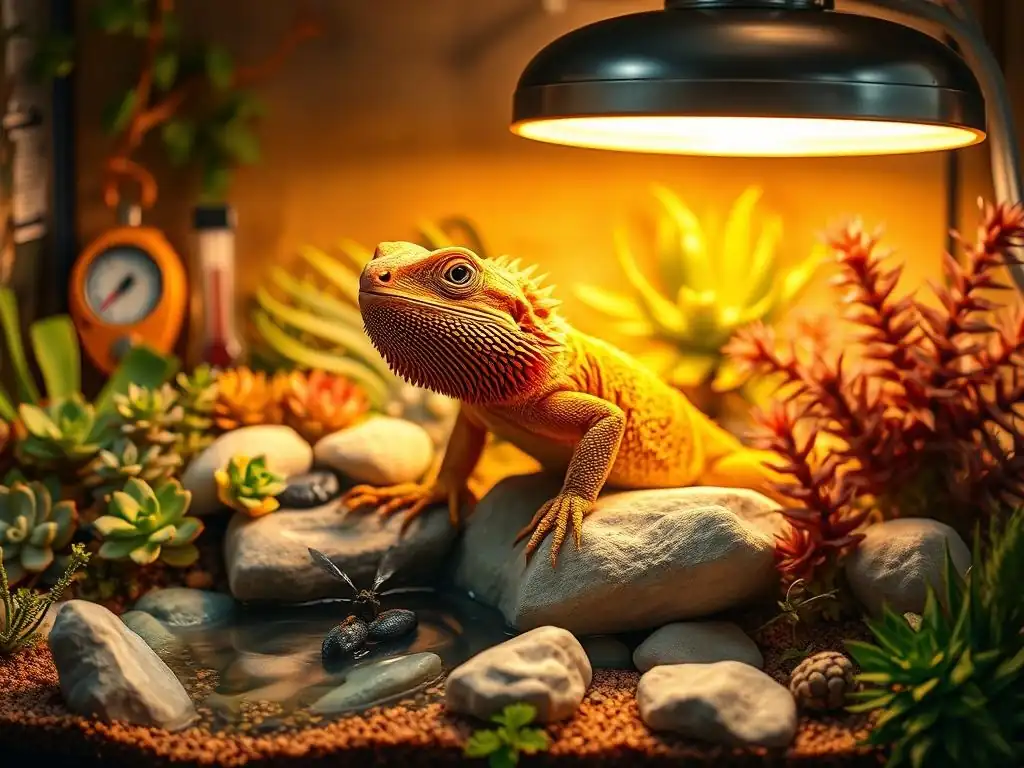
Welcome to PetCareWorld, your ultimate guide to a happier, healthier life for your beloved companions! Are you ready to embark on an exciting journey into the world of reptile ownership? Then dive into our comprehensive bearded dragon care guide, a step-by-step resource packed with essential information to ensure a thriving and fulfilling life for your new scaly friend. Discover the secrets to providing optimal care, from setting up the perfect habitat to mastering the art of feeding and handling. Let's begin!
- Preparing Your Home for Your New Bearded Dragon
- Bringing Your Bearded Dragon Home: The First 24 Hours
- Establishing a Daily Care Routine for Your Bearded Dragon
- Understanding Bearded Dragon Behavior and Handling
- Long-Term Bearded Dragon Care: Health and Veterinary Needs
- Resources for Bearded Dragon Owners: Further Learning and Support
- Frequently Asked Questions
- Final Reflection: Embracing the Responsibility of Bearded Dragon Ownership
- Unleash Your Inner Dragon Keeper!
Preparing Your Home for Your New Bearded Dragon
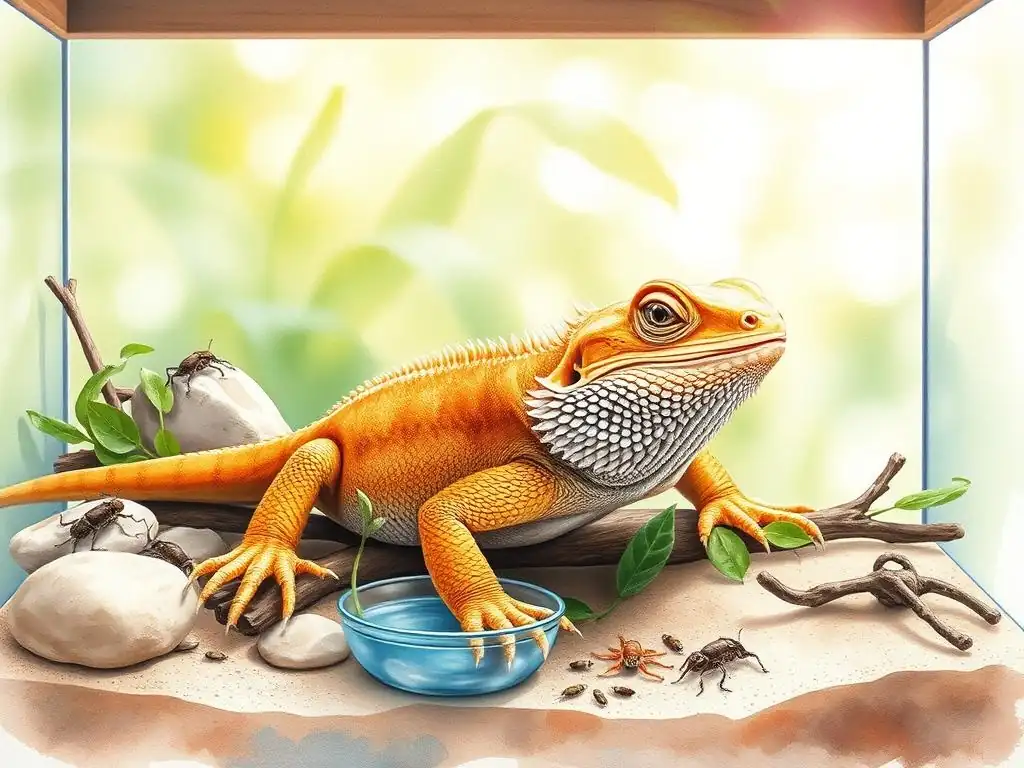
Bringing a bearded dragon into your home is an exciting experience! This comprehensive guide will walk you through the essential steps to ensure a smooth transition and a thriving life for your new scaly companion. We'll cover everything from setting up the perfect habitat to creating a stimulating environment that caters to your bearded dragon's unique needs.
This detailed approach to bearded dragon care will equip you with the knowledge and confidence to provide the best possible care for your pet, solidifying your role as a responsible and informed reptile owner. This guide will help you rank high in your search for the best "bearded dragon care guide" information available. Let's dive in!
Selecting the Ideal Bearded Dragon Habitat: Tank Size and Setup
Choosing the right habitat is crucial for your bearded dragon's health and well-being. A spacious enclosure is paramount. While a smaller tank might seem convenient initially, it will severely restrict your dragon's movement and natural behaviors, leading to stress and potential health problems. A minimum tank size of 40 gallons is generally recommended for a single adult bearded dragon. Larger is always better! Larger tanks allow for a more varied and enriching environment. Consider the following when selecting your tank:
- Tank Type: Glass terrariums are commonly used and offer good visibility.
- Size: As mentioned, a 40-gallon breeder tank (or larger!) is the minimum for an adult. For juveniles, a smaller tank may suffice temporarily, but always plan for an upgrade as your dragon grows.
- Ventilation: Adequate ventilation is key to preventing the buildup of harmful gases and maintaining proper humidity levels. Ensure your tank has sufficient ventilation openings.
Remember, a cramped environment can lead to stress, impacting your dragon's appetite, activity levels, and overall health. 📈 Prioritize a spacious habitat from the start.
Essential Bearded Dragon Habitat Equipment: Lighting, Heating, and Substrate
Providing the correct lighting and heating is critical for your bearded dragon's health. Bearded dragons are diurnal reptiles, meaning they are active during the day and require specific lighting and heating to thrive.
- UVB Lighting: A high-quality UVB bulb is absolutely essential. UVB rays are crucial for calcium absorption, preventing metabolic bone disease (MBD), a serious and often fatal condition. Replace UVB bulbs every 6-12 months, even if they still appear to be working, as their effectiveness diminishes over time. 💡
- Heat Lamps: You'll need both a basking lamp and an under-tank heater (UTH) to maintain a proper temperature gradient within the enclosure. The basking spot should reach temperatures between 100-110°F (38-43°C), while the cool side should remain around 75-85°F (24-29°C). A thermometer is essential to monitor these temperatures accurately. 🌡️
- Substrate: The substrate you choose is important for both hygiene and your dragon's comfort. Avoid substrates that can be ingested and cause impaction (like sand). Paper towels, reptile carpet, or tile are safer options. Always research different substrates before choosing one for your dragon.
Failing to provide proper lighting and heating can lead to serious health issues, so investing in quality equipment is a non-negotiable aspect of responsible bearded dragon care.
Creating a Safe and Enriching Environment: Hide Boxes, Branches, and Decor
Beyond the essentials, enriching your bearded dragon's environment is key to its happiness and well-being. A stimulating environment reduces stress and encourages natural behaviors.
- Hide Boxes: Provide several hide boxes of varying sizes and types. These offer security and allow your dragon to retreat when feeling stressed or insecure. Consider using both humid and dry hides. 🏠
- Branches and Climbing Structures: Bearded dragons enjoy climbing and basking in elevated positions. Include sturdy branches of varying heights and thicknesses to provide climbing opportunities. Make sure the branches are secure and won't topple over. 🌳
- Decor: Add some interesting decor to create a visually appealing and stimulating environment. However, avoid anything sharp or potentially hazardous. Remember to keep the decor easy to clean.
Remember, a happy, healthy bearded dragon is an active and engaged bearded dragon. By providing a stimulating and safe environment, you'll contribute significantly to your pet's overall well-being. 🎉
Bringing Your Bearded Dragon Home: The First 24 Hours
This crucial period sets the stage for your bearded dragon's long-term health and happiness. Successfully navigating the first 24 hours minimizes stress and allows your new companion to adjust to its new surroundings. Remember, a calm and methodical approach is key to a smooth transition. This section of our bearded dragon care guide will equip you with the knowledge you need for this important phase.
Acclimating Your Bearded Dragon to its New Environment: A Gentle Introduction
Bringing your bearded dragon home is exciting, but avoid overwhelming it. Resist the urge to immediately handle your new pet. Instead, place the carrier containing your bearded dragon in a quiet area of the room, away from direct sunlight and loud noises. Let it rest undisturbed for at least two to four hours. This allows it to adjust to the subtle changes in temperature, light, and sound. Observe your dragon carefully, noting its posture and behavior. Is it hiding? Is it exploring? This initial observation period will provide valuable insights into its comfort level.
After this initial acclimation period, carefully transfer your bearded dragon into its prepared enclosure. Ensure the temperature gradient is correct, with a basking spot reaching 100-105°F (38-41°C) and a cooler side around 75-85°F (24-29°C). A properly calibrated thermometer is essential for monitoring these temperatures, ensuring optimal bearded dragon care. Remember that inconsistent temperatures can lead to health problems. Do not handle your dragon extensively during the first 24 hours; gentle observation is key. Avoid sudden movements or loud noises.
Observing Your Bearded Dragon's Behavior: Initial Health Checks and Monitoring
Once your bearded dragon is settled in its enclosure, begin a period of careful observation. Monitor its behavior for any signs of stress or illness. Look for signs such as lethargy, loss of appetite, unusual droppings, or changes in skin color. A healthy bearded dragon will be alert, active (within reason), and have bright, clear eyes. A detailed checklist of normal bearded dragon behavior should be consulted as part of your overall bearded dragon care guide.
Keeping a detailed journal of your dragon's behavior and any changes you observe is a critical part of responsible pet ownership. Note down feeding times, stool consistency, basking times, and any other relevant information. This will help you identify potential problems early and seek veterinary advice if necessary. Early detection often leads to more successful treatment. Remember, proactive monitoring is a cornerstone of effective bearded dragon care.
Providing Initial Food and Water: Starting Your Bearded Dragon's Diet
After the initial acclimation period, you can offer your bearded dragon a small amount of food. Start with a small portion of appropriately sized insects, such as crickets or dubia roaches, dusted with a calcium and vitamin D3 supplement. Avoid overfeeding during the first few days; it is better to offer smaller meals more frequently. Ensure the insects are gut-loaded (fed nutritious food before offering to your dragon) to provide maximum nutritional value.
Fresh, clean water should always be available. Use a shallow dish, large enough to allow your dragon to easily access the water. Avoid deep water bowls to prevent accidental drowning, particularly in younger dragons. Observe your dragon's drinking habits. Dehydration is a serious problem, and early detection is crucial for successful bearded dragon care. Remember, a proper diet forms the backbone of your bearded dragon's overall health and well-being. Consult a reputable bearded dragon care guide for detailed information on dietary requirements throughout its lifespan.
Establishing a Daily Care Routine for Your Bearded Dragon
A consistent daily routine is crucial for the well-being of your bearded dragon. This routine provides predictability, reducing stress and contributing to a healthier, happier pet. Think of it as establishing a comfortable, familiar rhythm to their day. This isn't about rigid schedules, but rather a framework to ensure your dragon receives the necessary care consistently.
Consistency in feeding times, basking spot temperature checks, and enclosure cleaning is key to successful bearded dragon care. Remember, even small inconsistencies can lead to stress and potential health issues. A well-structured daily routine minimizes these risks, allowing your pet to thrive. Let's delve into the key components of establishing this important routine.
Feeding Your Bearded Dragon: A Balanced Diet of Insects and Vegetables
A bearded dragon's diet should be a carefully balanced mix of live insects and leafy greens. The proportion varies depending on the age of your dragon; younger dragons require a higher insect-to-vegetable ratio. For example, a juvenile bearded dragon might need 80% insects and 20% vegetables, while an adult may consume a 60/40 or even a 50/50 split. Never solely feed your dragon insects or vegetables; a balanced diet is essential for proper growth and health.
The insects should be gut-loaded (fed nutritious foods before being fed to your dragon) to ensure they provide maximum nutritional value. Crickets, dubia roaches, and hornworms are popular choices. Avoid feeding wild-caught insects due to the risk of parasites and pesticides. Dusting the insects with calcium and vitamin D3 powder is also vital, especially for growing dragons. This supplementation helps prevent metabolic bone disease (MBD), a common problem in bearded dragons with nutritional deficiencies.
Vegetables should comprise a variety of leafy greens, such as collard greens, mustard greens, and dandelion greens. These provide essential vitamins and minerals. Avoid feeding iceberg lettuce or spinach, as they offer minimal nutritional value. Offer a diverse range of vegetables to ensure your dragon receives a wide spectrum of nutrients. A good rule of thumb is to offer a variety of greens each day, rotating options to keep your dragon interested and ensure a diverse nutritional profile. Observe your dragon's preferences, but always prioritize a balanced and nutritious diet.
Maintaining Proper Temperature and Humidity: Crucial for Bearded Dragon Health
Maintaining the correct temperature and humidity levels within your bearded dragon's enclosure is paramount to their health and survival. Bearded dragons are ectothermic, meaning they rely on external sources of heat to regulate their body temperature. An inadequate temperature gradient can lead to various health problems, including difficulty digesting food, weakened immune systems, and metabolic bone disease (MBD).
The basking spot temperature should reach 100-110°F (38-43°C), providing a thermal gradient across the enclosure. Cooler areas should be around 75-85°F (24-29°C). Use a reliable thermometer to monitor these temperatures accurately. The use of a combination of basking lamps and under-tank heaters (UTHs) is often necessary to achieve the required temperature gradient, especially in colder environments. Nighttime temperatures can drop slightly, but should never fall below 70°F (21°C).
Humidity should be kept relatively low, around 30-40%. Excessive humidity can lead to respiratory infections. Proper ventilation is crucial to maintain appropriate humidity levels. Avoid misting the enclosure excessively, as this can lead to unwanted moisture buildup. Regular monitoring of temperature and humidity using accurate gauges is essential to ensure your bearded dragon's optimal health and well-being.
Cleaning and Maintaining the Bearded Dragon Habitat: Hygiene and Disease Prevention
Maintaining a clean and hygienic environment for your bearded dragon is crucial for preventing disease and promoting their overall health. Regular cleaning of the enclosure helps reduce the risk of bacterial and parasitic infections. This involves spot cleaning daily and conducting a thorough cleaning of the entire enclosure every 1-2 weeks, depending on the size and type of substrate used.
Spot cleaning involves removing feces and uneaten food daily. This prevents the buildup of harmful bacteria and parasites. For a thorough cleaning, remove all substrate, thoroughly scrub and disinfect the enclosure with a reptile-safe disinfectant. Allow the enclosure to dry completely before replacing the substrate and decorations. Remember to always wash your hands thoroughly before and after handling your bearded dragon or cleaning their enclosure.
The type of substrate used can also impact the frequency of cleaning. Paper towels or reptile carpet are easier to clean than sand or other loose substrates. Choosing an appropriate substrate is a key aspect of bearded dragon care, influencing both hygiene and overall enclosure maintenance. Regular and thorough cleaning is a fundamental aspect of responsible bearded dragon ownership, directly impacting the health and longevity of your pet. Remember, prevention is always better than cure when it comes to disease in reptiles. 🦎
Understanding Bearded Dragon Behavior and Handling
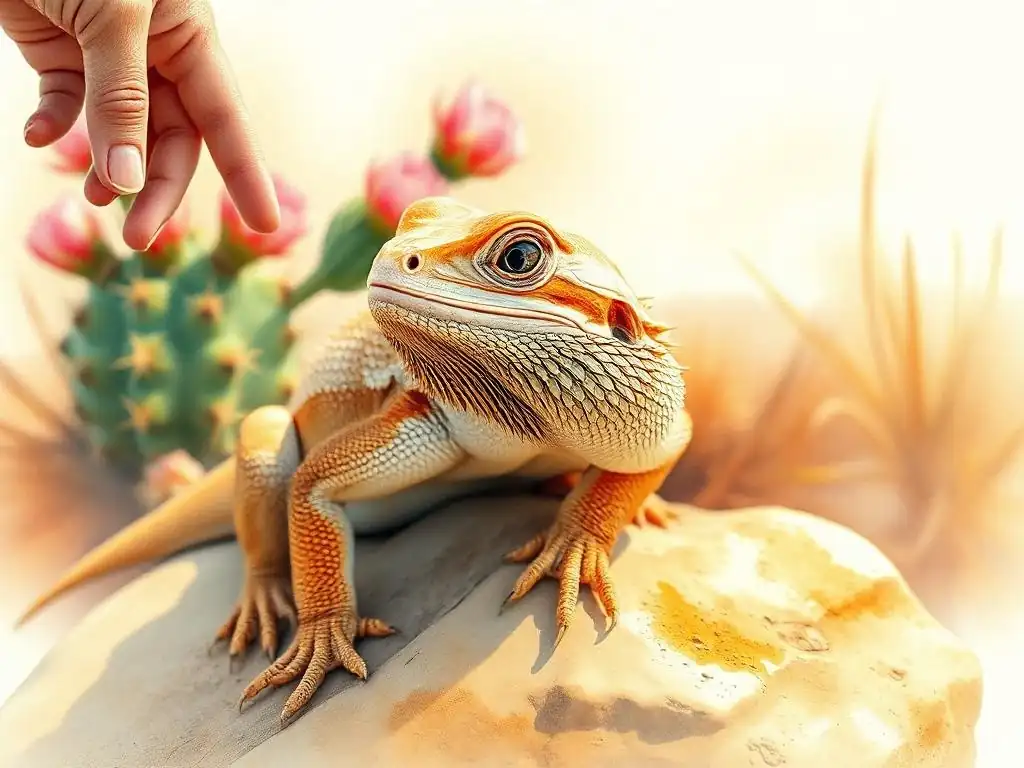
Understanding your bearded dragon's behavior is crucial for providing proper care and building a strong bond. Bearded dragons, while generally docile, exhibit a range of behaviors that indicate their mood, health, and needs. A comprehensive bearded dragon care guide must include this vital aspect. Learning to interpret these cues allows for early detection of potential problems and ensures a happy, healthy pet. This section will delve into recognizing key behavioral indicators and safe handling techniques.
Handling Your Bearded Dragon Safely and Gently: Building Trust and Bond
Handling your bearded dragon should always be a gentle and reassuring experience, both for you and your reptile. Rough handling can cause stress, injury, and potentially damage your relationship with your pet. Begin by allowing your new dragon to acclimate to its enclosure for several days before attempting to handle it. Observe its behavior; a relaxed dragon will exhibit calm movements, a steady appetite, and a generally unstressed posture.
When you do handle your bearded dragon, approach slowly and calmly. Avoid sudden movements or loud noises that might startle it. Support its body gently, using one hand under its belly and the other to support its back. Never lift it by its tail, as this can cause injury. Short, frequent handling sessions are better than long, infrequent ones, especially when first introducing yourself. This gradual approach helps build trust and allows your dragon to become accustomed to your presence.
Positive reinforcement, such as offering a small treat after a handling session, can further strengthen your bond. Remember, patience is key! A stressed or frightened bearded dragon is more likely to bite or exhibit defensive behaviors. Always prioritize your pet's comfort and safety. Consistent, gentle interactions will lead to a trusting and enjoyable relationship.
Recognizing Signs of Illness or Stress in Your Bearded Dragon: Early Detection is Key
A vigilant pet owner is a key component of a successful bearded dragon care guide. Early detection of illness or stress is crucial for prompt veterinary intervention. Bearded dragons often exhibit subtle changes in behavior before overt symptoms appear. Learning to recognize these early warning signs is paramount to ensuring the health and well-being of your pet.
Signs of stress can include:
- Loss of appetite: A significant reduction or complete loss of appetite is a major red flag.
- Lethargy: A normally active dragon becoming sluggish or inactive should raise concerns.
- Changes in posture: A bearded dragon that habitually sits with its body flattened against the ground or frequently hides may be stressed or unwell.
- Changes in coloration: Dull or unusually dark coloration can be an indicator of illness or stress. Conversely, excessive darkening can also signal illness.
- Excessive gaping: Frequent mouth gaping could indicate respiratory issues.
- Dehydration: Sunken eyes and loose skin are classic signs of dehydration.
Signs of illness can include:
- Discharge from eyes or nose: Any discharge warrants immediate veterinary attention.
- Swollen limbs or joints: This could indicate an infection or injury.
- Diarrhea or constipation: Changes in bowel movements should be monitored closely.
- Difficulty shedding: Problems shedding skin can be a sign of underlying health issues.
If you notice any of these signs, consult a veterinarian specializing in reptiles immediately. Remember, acting quickly can significantly improve the chances of a successful outcome. A proactive approach to monitoring your bearded dragon's behavior is an essential element of responsible ownership.
Enrichment Activities for Your Bearded Dragon: Preventing Boredom and Promoting Wellbeing
Enrichment is a crucial aspect of bearded dragon care, often overlooked in less comprehensive bearded dragon care guides. A stimulating environment prevents boredom and promotes both physical and mental well-being. A bored bearded dragon is more prone to stress and illness. Providing opportunities for exploration, foraging, and interaction significantly enhances their quality of life.
Enrichment activities can include:
- Providing varied hiding places: Offer a variety of hides of different sizes, shapes, and materials to allow your dragon to explore and feel secure.
- Creating climbing structures: Branches, rocks, and other safe climbing structures provide opportunities for physical activity and exploration.
- Offering live prey (with caution): Feeding live insects, such as crickets or mealworms, can stimulate natural hunting instincts and provide mental stimulation. Always supervise feeding sessions to ensure your dragon doesn't ingest substrate.
- Rotating enclosure features: Regularly changing the arrangement of the enclosure keeps things interesting and prevents boredom.
- Providing UV lighting and thermal gradients: Proper lighting is essential for thermoregulation and overall health. This is not simply enrichment, but a necessity. A thermal gradient allows your dragon to choose its preferred temperature.
- Interactive playtime: Gentle handling and interaction, as discussed earlier, can also contribute to enrichment.
Remember, a well-enriched environment is a key component of responsible bearded dragon ownership. By providing a stimulating and engaging habitat, you can help your bearded dragon thrive and enjoy a long, healthy life. This contributes to a happy dragon and a happy owner – the ultimate goal of any bearded dragon care guide.
Long-Term Bearded Dragon Care: Health and Veterinary Needs

Owning a bearded dragon is a rewarding experience, but responsible ownership requires a commitment to their long-term health and well-being. This commitment extends beyond providing the proper habitat and diet; it necessitates proactive healthcare and a strong understanding of common health issues. A healthy bearded dragon can live for 8-12 years, sometimes even longer, making regular veterinary care a crucial aspect of responsible bearded dragon care guide. Ignoring potential health problems can lead to suffering for your pet and significant veterinary costs down the line. Proactive care is significantly cheaper and less stressful than reactive care.
Regular Veterinary Checkups for Your Bearded Dragon: Preventative Care and Early Intervention
Preventative care is paramount. Just like humans, bearded dragons benefit from regular checkups, even when seemingly healthy. These checkups allow veterinarians specializing in reptiles to identify potential problems early, before they become serious. A yearly checkup is recommended for adult bearded dragons, while younger dragons may require more frequent visits, especially during their crucial growth phases.
During these checkups, the vet will assess your dragon's weight, examine its skin and eyes, and check for parasites. They can also provide guidance on diet, habitat maintenance, and overall care, strengthening your knowledge and ensuring your bearded dragon thrives. Early detection of issues like metabolic bone disease (MBD), which is common in bearded dragons with improper calcium and vitamin D3 intake, can dramatically improve treatment outcomes and your pet's quality of life. Don't wait for obvious symptoms; schedule those regular visits!
Common Bearded Dragon Health Problems: Identification and Treatment
Bearded dragons, despite their hardy nature, are susceptible to several health problems. Understanding these issues is crucial for early detection and intervention. Some common ailments include:
- Metabolic Bone Disease (MBD): Caused by inadequate calcium and vitamin D3 intake, leading to weakened bones and skeletal deformities. Symptoms include lethargy, wobbly gait, and swollen joints.
- Respiratory Infections: Often manifested by wheezing, gasping, and nasal discharge. These can be caused by stress, poor hygiene, or temperature fluctuations.
- Parasites: Internal and external parasites are common and can severely impact your dragon's health. Regular fecal checks are recommended.
- Dysecdysis (Shedding Problems): Difficulty shedding skin can be caused by dehydration, low humidity, or underlying health issues. This can lead to retained scutes, which can become infected.
- Impaction: Constipation resulting from improper diet or dehydration. This requires immediate veterinary attention.
Understanding the symptoms of these ailments is crucial. For example, a bearded dragon with MBD might exhibit a noticeably hunched posture 🐢, while a respiratory infection might be signaled by labored breathing 💨. Early intervention is key; don't hesitate to contact a reptile veterinarian at the first sign of any abnormality. Remember, a proper bearded dragon care guide emphasizes proactive health management.
Ensuring a Long and Healthy Life for Your Bearded Dragon: Nutrition, Environment, and Handling
Providing optimal nutrition, maintaining a suitable environment, and employing careful handling techniques are essential for a long and healthy life for your bearded dragon. A balanced diet consisting of insects (crickets, dubia roaches, etc.) supplemented with leafy greens and occasional fruits is crucial. Dusting insects with calcium and vitamin D3 powder is non-negotiable. The enclosure should maintain a proper temperature gradient, with basking spots significantly warmer than ambient temperatures. Humidity levels should also be carefully monitored.
Gentle and respectful handling minimizes stress, reducing the risk of health problems. Remember, a stressed bearded dragon is more susceptible to illness. Careful consideration of these factors is vital for the long-term well-being of your scaled companion. A well-maintained enclosure and a healthy diet are the cornerstones of a successful bearded dragon care guide. Remember to always research and provide the best possible care for your pet.
Resources for Bearded Dragon Owners: Further Learning and Support
This section provides valuable resources to help you navigate the joys and challenges of bearded dragon ownership. Becoming a responsible bearded dragon owner requires ongoing learning and a supportive community. We've compiled some essential resources to aid you on your journey. Remember, a well-informed owner is a key component of a thriving bearded dragon.
Recommended Reading and Online Communities: Connecting with Other Bearded Dragon Owners
Connecting with other bearded dragon enthusiasts is invaluable. Sharing experiences, troubleshooting problems, and celebrating successes together enhances the overall experience. Several online communities and books offer a wealth of information and support:
- Online Forums: Many dedicated forums exist where owners can ask questions, share pictures, and learn from each other’s experiences. Look for forums with active moderators to ensure quality information and a positive community atmosphere. These forums often provide a space to discuss everything from diet and husbandry to unusual behaviors and potential health concerns. The collective knowledge within these communities is a significant advantage for new and experienced owners alike.
- Facebook Groups: Facebook groups focused on bearded dragons are plentiful. Search for groups with large, engaged memberships and clear guidelines to avoid misinformation. These groups can be excellent for finding quick answers to immediate questions, sharing photos of your dragon, and learning from others' successes and mistakes.
- Books on Bearded Dragon Care: While online resources are readily available, dedicated books often provide a more comprehensive and structured approach to bearded dragon care. Look for books written by experienced herpetologists or veterinarians specializing in reptile care. These books often cover a wide range of topics, from setting up the habitat to recognizing and treating common health issues. They serve as valuable reference materials throughout your dragon's life.
- Specialized Websites and Blogs: Numerous websites and blogs are dedicated to providing detailed information on bearded dragon care. Be sure to check the credibility of the sources, looking for sites that cite scientific studies and reputable sources. Reliable websites often feature articles written by experts in the field, offering in-depth information on various aspects of bearded dragon care. Always cross-reference information from multiple reputable sources.
Finding a Reputable Veterinarian: Expertise in Reptile Care
Finding a veterinarian experienced in reptile care is crucial. Bearded dragons have unique needs, and a veterinarian unfamiliar with reptiles may not be able to provide the appropriate diagnosis and treatment. Here's how to find the right expert for your scaly companion:
- Ask for Referrals: Reach out to local reptile breeders, reptile supply stores, or other bearded dragon owners for recommendations. Word-of-mouth referrals often lead to finding a veterinarian with proven expertise in reptile care.
- Online Search: Use online search engines to locate veterinarians in your area who specialize in exotic animals or reptiles. Check their websites or contact their offices to inquire about their experience with bearded dragons specifically. Look for reviews and testimonials from other pet owners to gauge their level of expertise and customer service.
- Check Credentials: Ensure the veterinarian is licensed and has appropriate certifications or training in reptile medicine. A veterinarian with experience in herpetology is more likely to be equipped to handle your bearded dragon's specific needs.
- Initial Consultation: Before committing to a veterinarian, schedule a brief consultation to discuss your bearded dragon's care and any potential concerns. This allows you to assess their knowledge and comfort level with bearded dragons. A comfortable and informative initial consultation is a good indicator of a positive ongoing relationship.
Remember, proactive care and access to reliable resources are essential for ensuring the health and happiness of your bearded dragon. By utilizing these resources and establishing a relationship with a knowledgeable veterinarian, you'll be well-equipped to provide your pet with the best possible care. 🦎
Frequently Asked Questions
What are the essential requirements for a bearded dragon enclosure?
A suitable enclosure needs to be large enough, providing ample space for basking and roaming. It requires a proper temperature gradient with a basking spot and cooler areas, along with UVB and UVA lighting. Substrate should be safe and digestible.
How often should I feed my bearded dragon?
Feeding frequency depends on age. Young dragons (under 1 year) need to eat daily, while adults can be fed every other day or even less frequently, depending on their size and activity level. Offer a variety of insects and greens.
What are the signs of a healthy bearded dragon?
A healthy bearded dragon is active and alert, with bright eyes and clear skin. It should have a good appetite and regular bowel movements. Consult a vet if you notice any changes in behavior or appearance.
What type of lighting is crucial for a bearded dragon?
Bearded dragons require both UVB and UVA lighting. UVB lighting is essential for calcium absorption and preventing metabolic bone disease (MBD). UVA lighting helps with thermoregulation and overall well-being. Ensure you use high-quality lights.
How do I handle my bearded dragon safely?
Handle your bearded dragon gently and supportively, avoiding sudden movements. Always wash your hands before and after handling. Start with short handling sessions and gradually increase the duration as your dragon becomes more comfortable.
Final Reflection: Embracing the Responsibility of Bearded Dragon Ownership
Successfully integrating a bearded dragon into your home requires careful planning and unwavering commitment; it's a journey of learning and growth, not just a simple acquisition. The steps outlined in this guide—from habitat setup and dietary needs to handling techniques and recognizing health issues—are crucial for ensuring your new scaly companion thrives. Ignoring even one aspect can significantly impact their well-being and longevity.
The bond formed with a bearded dragon is truly unique. Their personalities shine through in subtle flicks of their tongues, the way they bask in the sun, and the gentle nudges they offer during handling. The best mirror is an old friend.
This quote, while not specifically about reptiles, speaks to the reflective nature of companionship. Our bearded dragons, in their quiet way, reflect our own capacity for care, patience, and understanding. Their well-being becomes a mirror to our own responsibility and compassion.
Now, consider your own readiness. Are you prepared to dedicate the time, resources, and emotional investment required to provide a fulfilling life for a bearded dragon? This guide has equipped you with the knowledge; the next step is to act upon it responsibly. Remember, owning a bearded dragon is a privilege, not a fleeting trend. Embrace the challenge, cherish the experience, and let your commitment to their well-being be a testament to the rewarding journey of responsible pet ownership.
Unleash Your Inner Dragon Keeper!
Thank you for learning about welcoming a bearded dragon into your home! We hope this guide has given you the confidence to create a thriving environment for your new scaly friend. Now it's time to put your knowledge into practice.
- Prepare your dragon's habitat today! Gather any necessary supplies and create the perfect basking spot, hiding places, and substrate. This is crucial for a happy and healthy pet.
- Share your progress (or ask questions!) with our community! Connect with fellow reptile enthusiasts on our forums and share photos of your habitat. It's a great way to get support and inspiration.
- Support responsible breeding practices by researching local reptile breeders. This often-overlooked step is vital for a healthy reptile population.
What exciting step will you take to begin your bearded dragon's journey today?