
Senior Dogs in Winter: Special Care Considerations for Older Pups


Welcome to PetCareWorld, your ultimate guide to happy and healthy pets! Are you prepared for the unique challenges winter presents to your beloved senior canine companion? Discover essential Senior dog winter care tips in our latest article, packed with expert advice to ensure your furry friend stays warm, safe, and comfortable throughout the colder months. Learn how to navigate the season's pitfalls and keep your aging dog thriving – read on to unlock the secrets to a cozy winter for your loyal friend!
- Understanding the Unique Needs of Senior Dogs in Winter
- Protecting Senior Dogs from the Cold
- Senior Dog Winter Nutrition and Hydration
- Winter Care for Senior Dogs with Pre-existing Conditions
- Senior Dog Winter Safety Precautions
- When to Seek Veterinary Care for Your Senior Dog in Winter
- Frequently Asked Questions
- Final Reflection: Embracing the Golden Years, Even in Winter's Chill
- Ready to Embrace Cozy Winter with Your Senior Pup?
Understanding the Unique Needs of Senior Dogs in Winter
Winter presents unique challenges for all dogs, but senior dogs face heightened risks due to age-related physiological changes that impact their ability to regulate body temperature and cope with the cold, icy conditions, and shorter daylight hours. This comprehensive guide provides essential tips and insights for providing optimal care for your aging canine companion during the winter months. We'll explore the specific vulnerabilities of senior dogs in winter, common health concerns exacerbated by cold weather, and a practical checklist to ensure your furry friend stays safe, warm, and comfortable throughout the season.
Proper senior dog winter care is crucial for extending their quality of life and ensuring they enjoy their golden years to the fullest, even amidst winter's chill. This article focuses on practical strategies and preventative measures to help you navigate the winter season with your beloved senior dog.
Remember, proactive care is key to preventing winter-related health issues and ensuring your dog's well-being. Let's delve into the specifics to help you provide the best possible care for your aging companion this winter.
As dogs age, several physiological changes can significantly reduce their tolerance to cold weather. These changes often involve decreased muscle mass, reduced metabolic rate, and impaired thermoregulation. Older dogs may have a harder time generating and retaining body heat, making them more susceptible to hypothermia.
Their coats may also become thinner and less effective at insulation, further compromising their ability to stay warm. Additionally, senior dogs often suffer from decreased mobility and joint pain (arthritis), making it difficult for them to move around and seek warmer areas. These combined factors make senior dogs particularly vulnerable during winter.
For example, a 12-year-old Labrador Retriever might experience a significantly greater drop in body temperature in cold weather compared to a younger, healthier Labrador. Understanding these age-related changes is critical to providing appropriate care and preventing winter-related health problems. Consider supplementing their diet with joint support supplements to help mitigate the discomfort associated with arthritis.
Common Winter Health Risks for Older Dogs: Hypothermia, Arthritis Flare-ups
Senior dogs are at increased risk of several health issues during winter. Hypothermia, a dangerously low body temperature, is a significant concern. Symptoms can include shivering, lethargy, weakness, and slow heart rate. Prompt veterinary attention is crucial if hypothermia is suspected.
Arthritis, a common ailment in older dogs, is often exacerbated by cold weather. The cold can stiffen joints and increase pain, leading to reduced mobility and decreased activity levels. Other winter-related issues include frostbite, particularly in exposed areas like ears and paws, and respiratory infections, which are more common during colder months.
Providing a warm, comfortable environment, limiting exposure to extreme cold and ice, and managing arthritis pain through medication or supplements are crucial preventative measures. Remember to always check your dog's paws for ice or snow build-up that could cause irritation or injury. Regular veterinary check-ups are essential for monitoring your senior dog's health and addressing any potential issues proactively.
Assessing Your Senior Dog's Winter Preparedness: A Checklist
To ensure your senior dog is adequately prepared for winter, use this checklist to evaluate their needs and implement necessary precautions:
| Item | Yes | No | Notes |
|---|---|---|---|
| Warm, draft-free bedding | Consider adding extra blankets or a heated pet bed. | ||
| Access to warm shelter | Ensure they have a warm, dry place to escape the cold. | ||
| Adequate nutrition | Consult your vet about dietary adjustments for winter. | ||
| Arthritis management | Medications, supplements, or physical therapy as needed. | ||
| Paw protection | Use paw balm to protect against dryness and cracking. | ||
| Winter coat/sweater | Consider a well-fitting coat or sweater for added warmth, especially outdoors. | ||
| Regular vet check-ups | Monitor for any health issues that could be exacerbated by cold weather. | ||
| Limited outdoor time | Reduce exposure to extreme cold and ice. |
By carefully considering these factors and taking proactive steps, you can help your senior dog enjoy a safe and comfortable winter. Remember, early intervention is key in preventing and managing winter-related health issues in senior dogs. Regular monitoring and a proactive approach to their care will ensure your furry friend stays happy and healthy throughout the colder months. 🐶❄️
Protecting Senior Dogs from the Cold
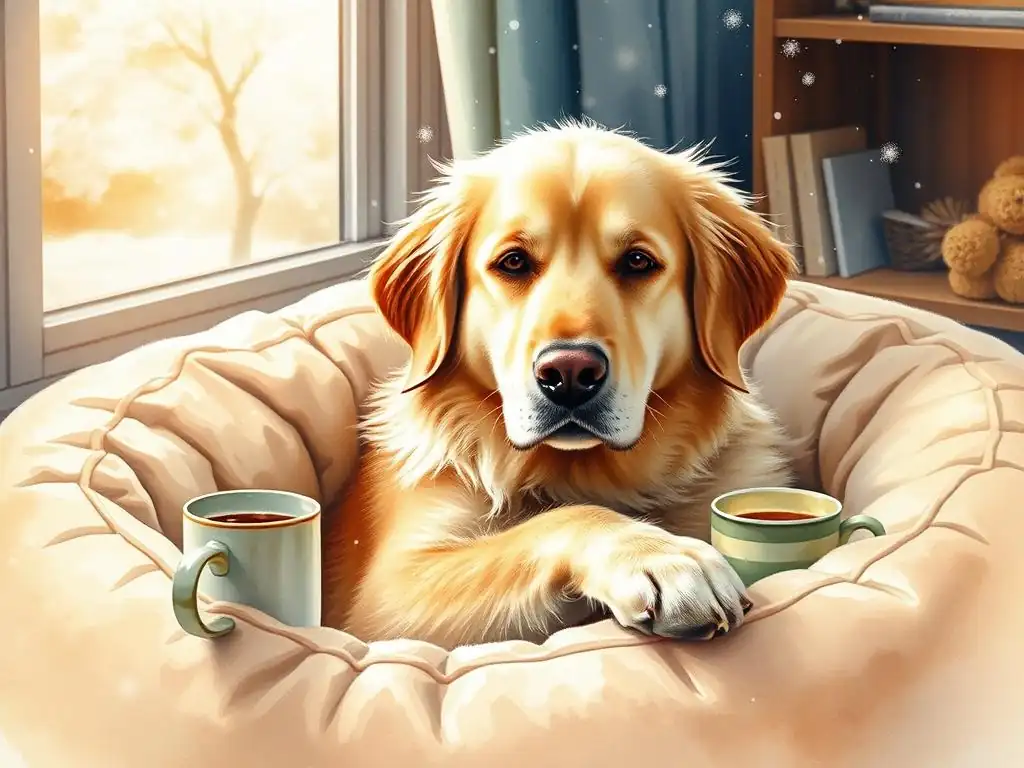
Senior dogs, especially those with pre-existing health conditions like arthritis or hip dysplasia, are particularly vulnerable to the cold during winter. Their decreased metabolism and reduced body fat make it harder for them to regulate their body temperature effectively. This section focuses on proactive measures to shield your aging canine companion from the harsh winter elements and ensure their comfort and well-being. Understanding the specific challenges faced by senior dogs in winter is crucial for providing optimal "senior dog winter care tips".
Maintaining a Warm and Comfortable Indoor Environment for Senior Dogs
Maintaining a consistently warm indoor environment is paramount for senior dog winter care. Avoid drastic temperature fluctuations within your home, as these can exacerbate existing joint pain and discomfort. Consider using a thermostat to maintain a comfortable temperature, ideally between 68-72°F (20-22°C). Provide your senior dog with a soft, warm bed in a draft-free area, away from cold floors and windows. Think about adding extra blankets or heated pet beds for added warmth.
Regularly check the temperature of their bedding to ensure it's not too hot or too cold. A cozy, warm nest is crucial for a senior dog's overall comfort and can significantly reduce the impact of cold weather on their health. Remember, even a slight chill can cause significant discomfort for an older dog. Proactive measures in maintaining a warm indoor environment are key "senior dog winter care tips".
Senior Dog Winter Clothing: Choosing the Right Gear for Cold Weather Walks
While indoor warmth is vital, even the most well-protected senior dog will need suitable outerwear for outdoor excursions in freezing temperatures. Choosing the right clothing is a critical aspect of senior dog winter care. Avoid bulky, restrictive clothing that could hinder their movement, particularly for dogs with arthritis. Opt for lightweight, water-resistant coats or sweaters that provide sufficient insulation without impeding their mobility. Look for coats with adjustable straps or Velcro closures for a comfortable and secure fit.
Consider a waterproof, breathable jacket for snowy or rainy days. Pay close attention to the material; fleece or down-filled jackets provide excellent insulation, while waterproof nylon shells protect against moisture. Remember, the goal is to keep your senior dog warm without restricting their natural movement. Proper clothing is an essential part of comprehensive "senior dog winter care tips".
Adjusting Walk Schedules and Duration for Older Dogs in Winter
Winter weather necessitates adjustments to your senior dog's walking routine. Shorter, more frequent walks are often preferable to long, strenuous ones, especially in icy or snowy conditions. Avoid prolonged exposure to extreme cold, as this can quickly lead to hypothermia. Choose warmer times of the day for walks, avoiding the coldest parts of the morning or evening. Consider using paw protection, such as booties, to prevent ice and salt from irritating their paws.
Always monitor your dog closely during walks, paying attention to signs of fatigue or discomfort. If your senior dog shows any signs of shivering, lethargy, or difficulty walking, shorten or postpone the walk. Remember, a happy senior dog is a healthy senior dog, and adapting their walking schedule is a vital part of effective "senior dog winter care tips". Prioritize their comfort and well-being above all else. 🐾
Identifying Signs of Hypothermia in Senior Dogs: Early Detection and Response
Hypothermia, a dangerously low body temperature, is a significant threat to senior dogs, especially during winter. Their decreased metabolism and often compromised immune systems make them particularly vulnerable. Recognizing the early warning signs is crucial for prompt intervention and preventing serious complications. Unlike younger dogs, senior dogs may not exhibit the typical shivering response initially. Instead, look out for subtle indicators.
One of the first signs might be lethargy and unusual stillness. Your usually playful senior dog might become unusually quiet, reluctant to move, or simply lie down for extended periods. This passivity is a red flag and warrants immediate attention. Furthermore, senior dogs experiencing hypothermia may exhibit weakness and trembling, but this might be less pronounced than in younger dogs. Their coordination could also be affected, leading to stumbling or difficulty walking.
Changes in their breathing and heart rate are also important indicators. Hypothermia can slow both down significantly. You might notice shallow, slow breaths or a weak, irregular heartbeat. Observe your dog carefully; any deviation from their normal breathing pattern should be cause for concern. Additionally, their gums and paw pads might feel unusually cold to the touch compared to their usual temperature. This is a clear sign of reduced blood flow and heat distribution, indicative of hypothermia.
Finally, don't underestimate the importance of behavioral changes. Senior dogs, even those with mild cognitive decline, might display unusual confusion or disorientation. They might seem more anxious or withdrawn than usual. These subtle shifts in behavior can be early warning signals of hypothermia, often preceding more obvious physical symptoms. Remember, early detection is key.
If you suspect hypothermia, seek veterinary attention immediately. Prompt action is crucial for maximizing the chances of a full recovery and minimizing the potential for long-term health issues. Don't hesitate to contact your veterinarian, even if you are unsure. It’s always better to err on the side of caution when it comes to your senior dog's health.
Senior Dog Winter Nutrition and Hydration
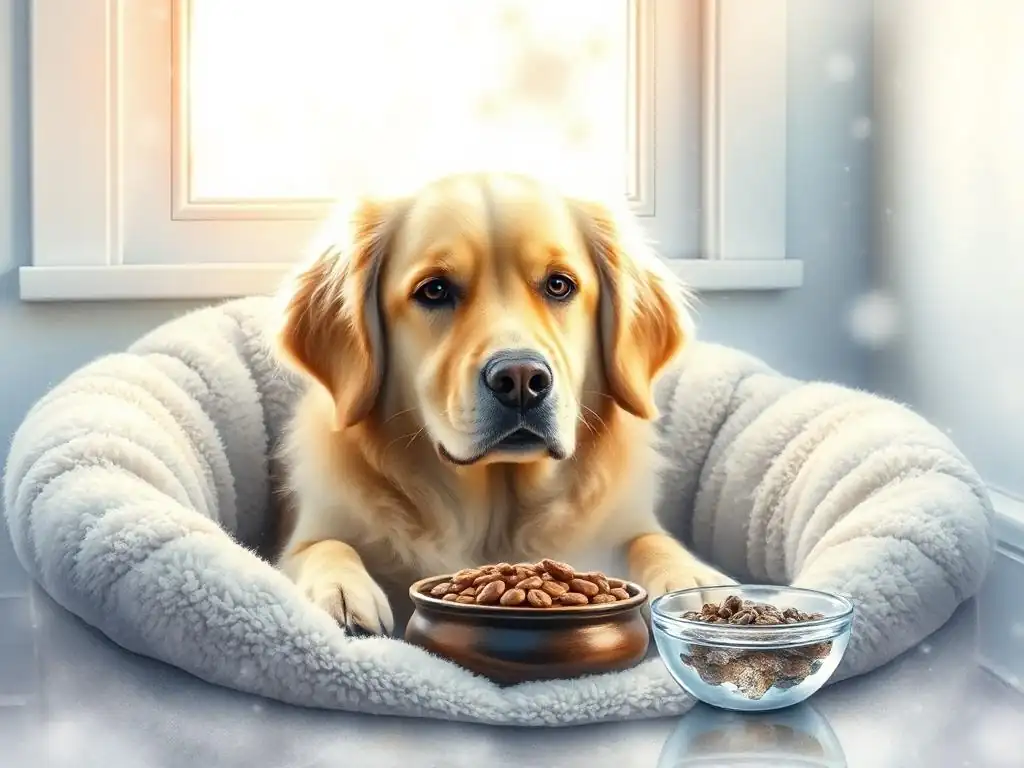
Senior dogs, especially those with pre-existing health conditions, require extra attention to their nutritional and hydration needs during the winter months. The colder temperatures and reduced activity levels can impact their metabolism and overall well-being. Providing proper nutrition and hydration is crucial for maintaining their health and vitality throughout the winter season. This section focuses on optimizing your senior dog's diet and water intake to help them thrive during the colder months. Understanding these specific needs is key to providing optimal senior dog winter care tips.
Dietary Adjustments for Winter: Boosting Calorie Intake and Nutritional Needs
Winter's lower temperatures and decreased physical activity can lead to a slower metabolism in senior dogs. This means they may burn fewer calories and require a slightly higher calorie intake to maintain their body weight and energy levels. Simply put, they need more fuel to stay warm and comfortable. Consider increasing their daily food portion slightly, or switching to a higher-calorie senior dog food formula. However, be mindful of weight gain, as obesity can exacerbate existing health problems. Monitor your dog's weight regularly and adjust food portions accordingly.
It's also vital to ensure their diet is rich in nutrients essential for maintaining a healthy immune system and combating the effects of cold weather. This includes increasing their intake of omega-3 fatty acids, which have anti-inflammatory properties beneficial for older joints and a healthy coat. Foods rich in antioxidants, like blueberries and cranberries (in moderation! ), can also help support their immune system.
A balanced diet is fundamental for senior dog winter care. Consult your veterinarian for personalized dietary recommendations based on your dog's specific needs and health status. Don't forget to consider any allergies or sensitivities your senior dog might have.
Ensuring Adequate Water Intake for Senior Dogs in Cold Weather
While it might seem counterintuitive, senior dogs can become dehydrated even in the winter. Cold weather can suppress their thirst, and they may drink less water than they need. Dehydration can lead to various health complications, especially in older dogs with compromised kidney function. Therefore, providing ample access to fresh, clean water is paramount.
Here are some tips to encourage your senior dog to drink enough water:
- Warm water: Offer lukewarm water instead of cold water, as it might be more appealing.
- Multiple water bowls: Place water bowls in several locations throughout your home, including near their sleeping area.
- Broth or wet food: Incorporate wet food or low-sodium broth into their diet to increase their fluid intake.
- Monitor their urine: Pay attention to your dog's urine output; dark yellow urine is a sign of dehydration.
- Consult your vet: If you notice any signs of dehydration, such as lethargy, sunken eyes, or dry gums, consult your veterinarian immediately.
Maintaining proper hydration is a critical aspect of providing comprehensive senior dog winter care tips.
Supplements for Senior Dogs During Winter Months: Joint Support and Immunity Boosters
During winter, many senior dogs benefit from supplemental support to maintain their joint health and bolster their immune system. The cold weather can exacerbate existing joint pain and increase the risk of illness. Consult your veterinarian before starting any new supplements, as they can assess your dog's specific needs and potential interactions with existing medications.
Some common supplements that may be beneficial for senior dogs during winter include:
- Glucosamine and chondroitin: These are commonly used to support joint health and reduce inflammation.
- Omega-3 fatty acids: These help reduce inflammation and support a healthy immune system.
- Probiotics: These can support gut health and improve digestion, which is crucial for nutrient absorption.
- Vitamin C and E: These are powerful antioxidants that help support the immune system.
Remember, providing the right nutrition and hydration, along with appropriate supplementation, is a cornerstone of effective senior dog winter care tips. Regular veterinary check-ups are also essential to monitor your senior dog's health and address any potential issues promptly. By paying close attention to these details, you can help your senior companion stay healthy and happy throughout the winter season. 🐕
Winter Care for Senior Dogs with Pre-existing Conditions

Senior dogs, especially those with pre-existing health conditions, require extra care during the winter months. The cold temperatures, shorter daylight hours, and increased risk of slips and falls can exacerbate existing problems and lead to new ones. This section focuses on providing tailored advice for senior dogs suffering from common ailments, ensuring their comfort and safety throughout the winter season. Proper senior dog winter care tips are crucial for their well-being.
Managing Arthritis Pain in Senior Dogs During Winter
Arthritis is a common ailment in senior dogs, and the cold weather can significantly worsen their discomfort. The decreased ambient temperature stiffens joints, making movement painful and restricted. Therefore, implementing a proactive approach to pain management is crucial during winter. This involves several key strategies:
- Maintaining a Warm Environment: Ensure your senior dog has access to warm, draft-free areas inside the house. Consider using heated pet beds or placing blankets and rugs in their favorite spots. Avoid letting them sleep directly on cold floors.
- Supplements and Medications: Consult your veterinarian about appropriate pain management options, such as non-steroidal anti-inflammatory drugs (NSAIDs) or supplements like glucosamine and chondroitin. These can help reduce inflammation and alleviate joint pain. Always follow your vet's instructions carefully.
- Gentle Exercise: While limiting strenuous activity, gentle, low-impact exercise is essential to maintain joint mobility and prevent stiffness. Short, warm-weather walks are beneficial, but avoid icy or snowy surfaces that could cause slips and falls. Indoor playtime with toys can also help.
- Hydrotherapy: Consider hydrotherapy, which involves exercising your dog in warm water. This can provide gentle exercise without putting stress on their joints. It can be particularly beneficial for dogs with severe arthritis.
- Regular Veterinary Check-ups: Schedule regular check-ups with your vet to monitor your dog's arthritis and adjust treatment plans as needed. Early intervention and consistent monitoring are key to managing the condition effectively.
Winter Care for Senior Dogs with Heart Conditions
Heart conditions in senior dogs can be severely impacted by the cold. The decreased temperature causes blood vessels to constrict, increasing the workload on the heart. This can lead to exacerbations of existing heart problems. Therefore, specific winter care strategies are essential for these dogs.
- Keeping Warm: Maintaining a consistently warm indoor environment is paramount. Avoid exposing your dog to extreme cold or drafts. A heated pet bed can provide extra warmth and comfort.
- Monitoring for Symptoms: Pay close attention to your dog's breathing and energy levels. Signs of heart strain can include coughing, lethargy, increased respiratory rate, and bluish discoloration of the gums. Contact your veterinarian immediately if you observe any of these symptoms.
- Limited Exercise: While moderate exercise is beneficial, avoid strenuous activity during cold weather. Gentle walks on warmer days are acceptable, but avoid overexertion.
- Dietary Considerations: A balanced diet is crucial for heart health. Consult your veterinarian about dietary modifications that might support your dog's cardiac function.
- Medication Adherence: Strictly adhere to any prescribed heart medications. Never alter the dosage or frequency without consulting your veterinarian.
Senior dogs often have thinner, more delicate skin, making them more susceptible to winter-related skin problems. Dry air, cold temperatures, and the use of harsh chemicals in de-icing products can all contribute to skin irritation and dryness.
- Moisturizing: Use a pet-safe moisturizer to keep your dog's skin hydrated. Apply it regularly, especially after baths or walks in cold, dry conditions.
- Avoid Harsh Chemicals: Be mindful of de-icing products used on walkways and roads. These chemicals can irritate your dog's paws and skin. Consider using pet-safe alternatives or thoroughly cleaning their paws after walks.
- Regular Grooming: Regular grooming helps to remove dirt, debris, and dead skin cells, preventing skin irritation. This is especially important during winter when the skin tends to be drier.
- Balanced Diet: A diet rich in omega-3 fatty acids can improve skin health and reduce dryness. Consult your veterinarian for dietary recommendations.
- Veterinary Consultation: If you notice any signs of skin irritation, such as redness, itching, or lesions, consult your veterinarian. They can diagnose the problem and recommend appropriate treatment. Early intervention is key to preventing more serious issues.
Remember, proactive and tailored care is crucial for senior dogs during winter. By implementing these strategies, you can help your beloved companion stay healthy, comfortable, and happy throughout the cold season. These senior dog winter care tips will help ensure their safety and well-being.
Senior Dog Winter Safety Precautions

Winter presents unique challenges for senior dogs, whose mobility and immune systems may be compromised. Taking proactive steps to ensure their safety is crucial for a comfortable and healthy winter season. This section focuses on preventative measures to minimize risks associated with winter weather for your aging canine companion. Remember, even seemingly minor winter hazards can pose significant threats to senior dogs, requiring vigilant care and attention.
Preventing Falls and Injuries on Icy Surfaces
Icy surfaces are a major hazard for senior dogs, who may have reduced balance and coordination. Falls can lead to serious injuries, including fractures and sprains. To mitigate this risk, consider the following strategies:
- Limit outdoor time on icy surfaces: Reduce the duration of walks, especially during periods of heavy ice or snow. Opt for shorter, more frequent outings on less treacherous terrain.
- Use traction aids: Consider booties or paw wax designed to provide grip on slippery surfaces. These can significantly improve traction and prevent slips. Remember to introduce these gradually to allow your dog to acclimate.
- Provide extra support: If your dog struggles with balance, consider using a harness or support sling during walks to help prevent falls.
- Clear walkways: Remove snow and ice from your walkways and yard to create safer paths for your dog. Use sand or kitty litter for added traction, avoiding chemical ice melts where possible (see below).
- Invest in a non-slip dog bed: Ensure your senior dog has a comfortable and secure sleeping area with a non-slip dog bed to prevent falls indoors.
Remember, proactive measures are key to preventing falls and injuries. Regular veterinary check-ups can also help identify underlying conditions that might increase the risk of falls.
Protecting Paws from Salt and Ice Melt Products
Many ice melt products contain chemicals that can be highly irritating or even toxic to dogs if ingested. Senior dogs, with potentially compromised immune systems, are particularly vulnerable to these effects. Protect your dog's paws by following these guidelines:
- Wipe paws thoroughly after walks: After each outdoor excursion, carefully wipe your dog's paws with a damp cloth to remove any salt, ice melt, or other debris. Pay close attention to the pads and between the toes.
- Use paw protection: Dog booties offer excellent protection against harsh chemicals and cold temperatures. Choose booties that are comfortable and easy to put on and take off.
- Consider alternatives to chemical ice melts: Opt for pet-friendly ice melt products or use sand or kitty litter for traction instead of chemical de-icers.
- Monitor for signs of irritation: Watch for signs of paw irritation, such as licking, chewing, redness, or swelling. Contact your veterinarian immediately if you notice any abnormalities.
- Rinse paws thoroughly if exposure occurs: If your dog comes into contact with chemical ice melt, rinse their paws thoroughly with warm water to remove the chemicals.
Regular paw care is essential for preventing paw problems associated with winter weather. A proactive approach can help maintain your senior dog's paw health.
Monitoring for Signs of Frostbite in Senior Dogs
Senior dogs are more susceptible to frostbite due to reduced circulation and decreased body temperature regulation. Early detection is crucial for effective treatment. Be vigilant and watch for these warning signs:
| Symptom | Description | Action |
|---|---|---|
| Pale or grayish skin | Skin appears unusually light or grayish, especially on the ears, paws, and tail. | Move your dog indoors immediately and contact your veterinarian. |
| Cold to the touch | Extremities feel unusually cold compared to the rest of the body. | Provide warmth gradually using blankets or warm towels. Avoid sudden heat. |
| Stiffness or swelling | Joints or paws may appear stiff or swollen. | Contact your veterinarian. |
| Blisters or open sores | Formation of blisters or open sores on affected areas. | Seek immediate veterinary attention. |
| Loss of sensation | Affected areas may be unresponsive to touch. | Immediate veterinary care is required. |
Early identification and prompt veterinary care are vital in preventing serious complications from frostbite. Remember, prevention is always better than cure, so taking the precautions outlined above is essential. 🐾
When to Seek Veterinary Care for Your Senior Dog in Winter
Winter presents unique challenges for senior dogs, making it crucial to understand when professional veterinary care is necessary. While some winter-related issues might seem minor, delaying treatment can exacerbate problems and lead to more serious health complications. This section focuses on identifying those situations requiring immediate attention and the importance of proactive winter wellness checkups. Understanding these aspects of senior dog winter care tips is vital for responsible pet ownership.
Recognizing Emergency Situations Requiring Immediate Veterinary Attention
Several winter-related emergencies demand immediate veterinary intervention. These situations often involve hypothermia, frostbite, or injuries exacerbated by icy conditions. Recognizing the warning signs is paramount.
Hypothermia, a dangerously low body temperature, manifests in shivering, lethargy, weakness, and slow heart rate. A senior dog's reduced metabolism makes them particularly susceptible. If your senior dog shows signs of hypothermia, seek immediate veterinary care. Do not attempt to warm them rapidly, as this can be harmful. Instead, gently wrap them in a warm blanket and transport them to the vet as quickly as possible.
Frostbite, the freezing of body tissues, typically affects exposed areas like ears, paws, and tail. Affected areas appear pale, cold, and numb, potentially progressing to blistering and discoloration. Frostbite is a serious condition requiring prompt veterinary attention. Again, do not attempt aggressive warming at home; seek professional help immediately.
Winter also increases the risk of falls and injuries. Icy pavements and snow can cause slips and falls, leading to broken bones, sprains, or other traumas. Any significant injury, including limping, unusual vocalizations, or reluctance to move, necessitates a visit to the vet. Senior dogs, with their often-compromised bone density, are at higher risk of fractures.
Finally, be aware of potential exposure to antifreeze, a common winter hazard. Even small amounts can be fatal. If you suspect antifreeze ingestion, contact your veterinarian or an animal poison control center immediately. This is a time-critical emergency.
Scheduling Winter Wellness Checkups for Senior Dogs
Proactive care is essential for senior dogs during winter. Scheduling regular wellness checkups with your veterinarian is crucial for preventing and managing potential health issues. These checkups should be more frequent during winter than other seasons.
These appointments allow your veterinarian to assess your dog's overall health, monitor for any changes, and address any concerns proactively. This is especially important for senior dogs, who are more prone to age-related health problems. During these visits, your vet can:
- Assess your senior dog's body condition score and adjust their diet if necessary to maintain a healthy weight, vital for keeping warm in cold weather.
- Check for signs of arthritis or other mobility issues that are exacerbated by cold and icy conditions. Your vet might recommend supplements or pain management strategies.
- Review your dog's medication regimen and ensure it's appropriate for the winter months.
- Address any concerns you have about your dog's behavior or health. This might include changes in appetite, energy levels, or elimination habits.
- Discuss preventative measures, such as paw protection and appropriate clothing, to mitigate risks associated with winter weather.
Think of these checkups as a form of preventative senior dog winter care. Regular monitoring significantly increases the chances of early detection and treatment of any health concerns, improving your dog's overall quality of life and longevity. Don't underestimate the value of these proactive measures in ensuring your senior companion enjoys a safe and healthy winter. Remember, proactive care is a key component of comprehensive senior dog winter care tips.
Frequently Asked Questions
What are the biggest challenges senior dogs face during winter?
Senior dogs often have reduced mobility and compromised immune systems, making them more susceptible to cold weather and injuries from slipping on ice. They may also experience arthritis pain, exacerbated by cold temperatures.
How can I keep my senior dog warm during winter?
Provide a warm, comfortable bed in a draft-free area. Consider adding extra blankets or a heated pet bed. Regularly check their body temperature and ensure they have access to fresh water, preventing dehydration.
What are some winter safety tips for senior dogs?
Shorten walks to prevent overexertion and ensure good traction on the ground. Use paw balm to protect their paws from salt and ice. Be extra vigilant about potential hazards like icy patches or slippery surfaces.
My senior dog seems less active in winter. Is this normal?
Reduced activity is common in senior dogs during winter due to arthritis pain and the cold weather. Consult your vet if you notice a significant decrease in activity or changes in appetite or behavior. Gentle indoor exercise can help.
What dietary changes should I consider for my senior dog in winter?
Maintain a healthy, balanced diet and ensure adequate hydration. You may consider adding a joint supplement to help with arthritis pain. Consult your veterinarian for specific dietary recommendations for your senior dog.
Final Reflection: Embracing the Golden Years, Even in Winter's Chill
The challenges of winter for senior dogs are not merely inconveniences; they are critical considerations that directly impact their comfort, health, and longevity. Failing to address these specific needs can significantly diminish the quality of life for our beloved companions during their twilight years. This winter, let's ensure our senior dogs experience the warmth and care they deserve.
The bond we share with our senior dogs is a testament to unconditional love and unwavering loyalty. Their aging process reminds us of the preciousness of time and the importance of cherishing every moment. A dog is the only thing on earth that loves you more than he loves himself.
This simple truth underscores the responsibility we bear to provide the best possible care, especially during the harsh winter months. Witnessing their resilience and unwavering spirit, even as their bodies slow, is a profound lesson in grace and acceptance.
Now, consider the practical steps outlined in this article. Think about your own senior dog – are their needs being fully met? Are you proactively addressing potential hazards and providing the extra comfort they require? Take a moment to assess their environment, their diet, and their overall well-being. Make the necessary adjustments, and watch as your actions translate into a happier, healthier, and more fulfilling winter for your furry friend. Let's make this season a celebration of their enduring companionship.
Ready to Embrace Cozy Winter with Your Senior Pup?
Thank you for learning how to keep your senior dog happy and healthy this winter. We hope you found the advice helpful! Now, let's ensure your furry friend stays warm and comfortable all season long.
- Prioritize extra cuddle time and gentle indoor playtime: Spend quality time with your senior dog, engaging in low-impact activities they enjoy. Even small changes can make a big difference!
- Regularly check their paws for dryness or cracking: Winter weather can be harsh on sensitive paws. Apply a paw balm as needed to keep them protected.
- Share your winter pet care tips! Tell us in the comments below how you keep your senior dog cozy and comfortable.
What small change will you implement today to improve your senior dog's winter experience?