
Homemade Dog Food Recipes: Exploring Different Protein Sources


Welcome to PetCareWorld, your ultimate guide to a happier, healthier life for your beloved companion! Are you ready to take control of your dog's nutrition and discover the secrets to creating delicious and nutritious meals? Then dive into our comprehensive guide on best homemade dog food recipes, exploring a variety of protein sources to find the perfect match for your furry friend's needs. Uncover the surprising benefits of homemade dog food and embark on a journey to boost your canine companion's well-being. Let's get started!
- Best Homemade Dog Food Recipes: Choosing the Right Protein for Your Canine Companion
- Top Protein Sources for Homemade Dog Food Recipes
- Creating Balanced Homemade Dog Food Recipes with Various Protein Sources
- Transitioning Your Dog to Homemade Food: A Step-by-Step Guide
- Monitoring Your Dog's Response to Homemade Food: Signs of Success and Potential Issues
- Supplementing Homemade Dog Food: Essential Nutrients and Considerations
- Long-Term Benefits of Homemade Dog Food: Improved Health and Well-being
- Frequently Asked Questions
- Final Reflection: Nourishing Bonds Through Homemade Dog Food
- Unlock Your Dog's Nutritional Potential!
Best Homemade Dog Food Recipes: Choosing the Right Protein for Your Canine Companion
Crafting the perfect homemade dog food requires careful consideration of various factors, but the cornerstone of any nutritious recipe lies in the protein source. This comprehensive guide delves into the world of homemade dog food, focusing specifically on the selection of the best protein sources to ensure your canine companion thrives.
We'll explore different protein options, highlighting their nutritional benefits and suitability for various breeds and life stages. Choosing the right protein is crucial for maintaining your dog's health, energy levels, and overall well-being, making this a vital step in creating truly best homemade dog food recipes.
This article aims to equip you with the knowledge to make informed decisions about your dog's diet, ultimately contributing to a longer, happier, and healthier life for your furry friend. We'll cover everything from the protein requirements of different breeds to the importance of selecting high-quality ingredients, ensuring you can confidently create delicious and nutritious meals for your beloved pet.
Understanding Your Dog's Nutritional Needs: Protein Requirements for Different Breeds and Life Stages
The protein requirements for dogs vary significantly depending on several factors. Breed size plays a crucial role; larger breeds often require more protein for muscle maintenance and growth. Life stage is equally important: puppies, pregnant or lactating females, and senior dogs have different protein needs. Puppies, for example, need higher protein levels to support their rapid growth, while senior dogs may benefit from slightly lower levels to ease kidney function. Activity levels also influence protein requirements; highly active dogs need more protein to fuel their energy expenditure.
| Breed Size | Puppy (daily protein %) | Adult (daily protein %) | Senior (daily protein %) |
|---|---|---|---|
| Small (under 20 lbs) | 22-28% | 18-22% | 15-18% |
| Medium (20-50 lbs) | 20-26% | 16-20% | 13-16% |
| Large (50-90 lbs) | 18-24% | 14-18% | 11-14% |
| Giant (over 90 lbs) | 16-22% | 12-16% | 9-12% |
It's crucial to consult your veterinarian to determine the precise protein requirements for your dog based on their individual needs. They can take into account breed, age, activity level, and any existing health conditions to provide personalized recommendations. Remember, these are general guidelines and individual needs may vary. Always prioritize a balanced diet tailored to your dog's specific circumstances. Ignoring these variations could lead to nutritional deficiencies or imbalances.
The Importance of High-Quality Protein in Homemade Dog Food
High-quality protein is not just about the quantity; it's about the quality of the protein source and its digestibility. Choosing lean protein sources with high biological value (meaning they contain all the essential amino acids your dog needs) is paramount. Low-quality protein can lead to digestive issues, poor coat condition, and reduced energy levels. The best homemade dog food recipes utilize protein sources that are easily digestible and readily absorbed by your dog's system.
Examples of High-Quality Protein Sources:
- Chicken
- Turkey
- Beef
- Salmon
- Eggs
- Lamb
- Duck
Prioritizing these high-quality options ensures your dog receives the essential amino acids necessary for muscle growth, repair, and overall bodily functions. Remember to always source your ingredients from reputable suppliers to minimize the risk of contamination and ensure optimal nutritional value. The investment in high-quality ingredients directly translates to improved health and well-being for your canine companion. Choosing wisely is key to creating truly best homemade dog food recipes.
Top Protein Sources for Homemade Dog Food Recipes
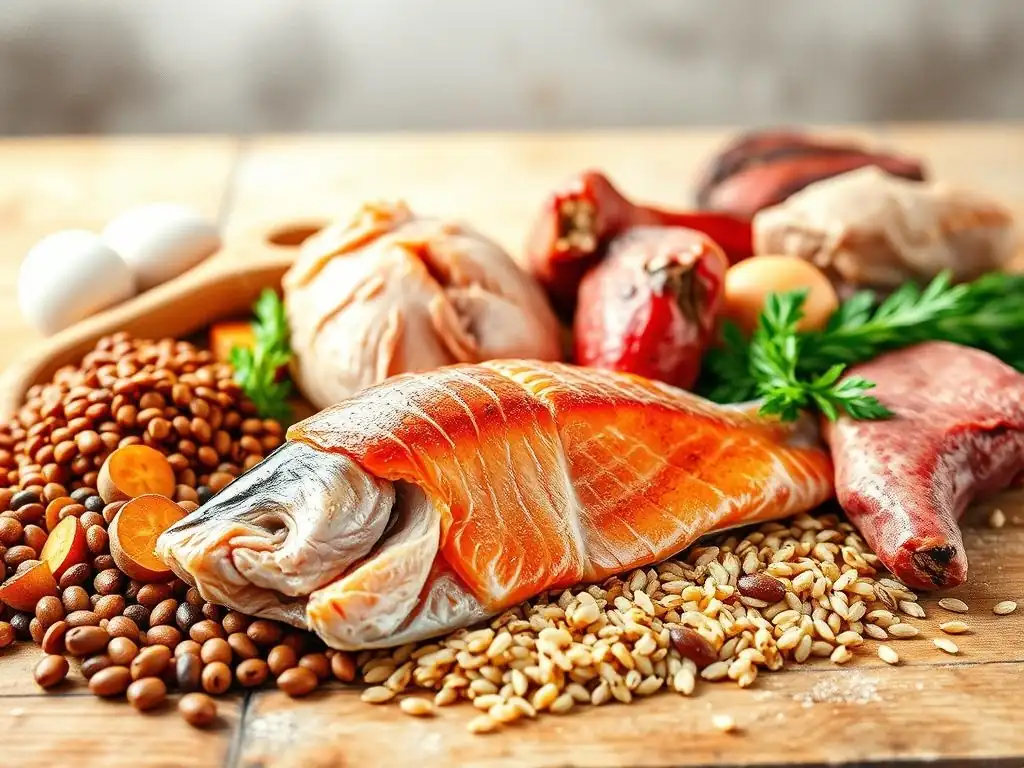
Choosing the right protein source is crucial when crafting the best homemade dog food recipes. A balanced diet rich in high-quality protein is essential for your dog's muscle development, healthy coat, and overall well-being. This section explores some of the top protein options, highlighting their nutritional benefits and safe preparation methods. Remember to always consult with your veterinarian before making significant changes to your dog's diet, especially if they have pre-existing health conditions. Finding the perfect protein source is a key step in creating nutritious and delicious homemade dog food that your furry friend will love.
Lean Meats: Chicken, Turkey, and Beef for Healthy Homemade Dog Food
Lean meats like chicken, turkey, and beef provide excellent sources of protein, essential amino acids, and other vital nutrients for dogs. These readily available options offer a variety of flavors and textures, making them versatile choices for homemade dog food. However, proper preparation is key to ensuring safety and maximizing nutritional value. Avoid using fatty cuts, as excessive fat can lead to digestive upset.
Preparing Chicken for Homemade Dog Food: Safe Handling and Cooking Methods
Chicken is a popular choice for homemade dog food due to its affordability and palatability. However, it's crucial to handle and cook chicken safely to prevent bacterial contamination. Always thoroughly wash your hands and surfaces after handling raw chicken. Cooking chicken to an internal temperature of 165°F (74°C) is essential to eliminate harmful bacteria like Salmonella and Campylobacter. Avoid using bones, as they can splinter and cause internal injuries. Consider using boneless, skinless chicken breasts or thighs for optimal results. Remember, properly cooked chicken is a fantastic addition to a balanced homemade dog food recipe.
Ground Turkey Recipes: A Nutritious and Affordable Option
Ground turkey offers a leaner alternative to ground beef, providing a good source of protein and iron. Its lower fat content makes it a suitable option for dogs prone to weight gain or with sensitive digestive systems. When choosing ground turkey, opt for 93% lean or leaner options to minimize fat intake.
Ensure the turkey is thoroughly cooked to an internal temperature of 165°F (74°C) to eliminate any potential pathogens. Ground turkey's versatility allows for easy incorporation into various homemade dog food recipes, adding both flavor and nutritional value. Many recipes utilize ground turkey as a base, incorporating vegetables and other healthy ingredients.
Lean Beef: Selecting Cuts and Ensuring Safe Preparation for Your Dog
Lean beef, such as sirloin or round, provides a good source of protein and iron. However, it's important to select lean cuts to minimize fat content. Avoid using fatty cuts like ribeye or brisket, as these can lead to digestive issues. Always ensure the beef is thoroughly cooked to an internal temperature of 165°F (74°C) to kill any harmful bacteria. Proper preparation is essential for making beef a safe and nutritious ingredient in your dog's homemade food. Consider grinding the beef yourself for better control over the fat content and to ensure freshness.
Fish: Salmon, Whitefish, and Other Healthy Options for Homemade Dog Food
Fish is a fantastic protein source packed with omega-3 fatty acids, which are beneficial for your dog's skin and coat health. Salmon, whitefish, and other oily fish are excellent choices. However, it's crucial to choose fish that is low in mercury and properly prepared to avoid potential health risks.
Benefits of Fish in Canine Diets: Omega-3 Fatty Acids and More
Incorporating fish into your dog's diet offers numerous health benefits. Omega-3 fatty acids, abundant in fish like salmon, reduce inflammation, improve skin and coat health, and may even support brain function. Fish also provides high-quality protein and other essential nutrients. However, moderation is key; excessive fish consumption can lead to vitamin A toxicity in some cases. Always consult your veterinarian before significantly altering your dog's diet to ensure it meets their individual needs. The addition of fish oil supplements is another option, but always consult a vet before introducing them.
Safe Handling and Preparation of Fish for Dog Food
When using fish in homemade dog food, prioritize safe handling and preparation. Thoroughly clean and cook the fish to eliminate potential parasites and bacteria. Avoid feeding raw fish, as it can contain harmful bacteria and parasites. Bones should be removed carefully to prevent choking hazards. Cooked fish can be easily incorporated into various recipes, adding a delicious and healthy twist to your dog's meals. Remember to always prioritize safety and hygiene when handling and preparing fish for your canine companion. A well-planned diet including fish can contribute significantly to your dog's overall health and well-being. 🐾
Eggs: A Versatile and Nutritious Protein Source for Homemade Dog Food
Eggs are a fantastic addition to your dog's diet, offering a complete protein source packed with essential amino acids. They're also rich in vitamins, including vitamin A, vitamin D, and vitamin B12, as well as minerals like selenium and choline. Choline, in particular, is crucial for brain function and liver health in dogs. The versatility of eggs makes them easy to incorporate into various homemade dog food recipes.
You can scramble them, poach them, or even hard-boil them and chop them into smaller pieces for easy digestion. However, it's important to remember that eggs should be cooked thoroughly before feeding them to your dog to minimize the risk of salmonella. Never feed your dog raw eggs. Moderation is key; while eggs are beneficial, they shouldn't constitute the majority of your dog's protein intake.
A balanced approach, incorporating a variety of protein sources, is always recommended for optimal canine nutrition. Consider eggs a valuable supplement to your dog's overall diet, adding variety and essential nutrients. Always consult your veterinarian before making significant changes to your dog's diet, particularly if they have any pre-existing health conditions.
Incorporating Eggs into Your Dog's Diet: Cooking Methods and Considerations
There are several ways to incorporate eggs into your dog's homemade food. Scrambled eggs are a simple and popular option. Simply whisk the eggs and cook them over low heat until they're set but not dry. You can add other vegetables for extra nutrients and flavor.
Hard-boiled eggs, chopped into small pieces, are another convenient choice, especially for adding to kibble or other dry dog food. Poached eggs can also be a healthy option, though they may require a bit more preparation. Regardless of the cooking method, ensure the eggs are cooked thoroughly to eliminate any potential bacterial contamination. The quantity of eggs you should feed your dog depends on their size and overall diet.
A small dog might only tolerate a small portion of an egg per day, while a larger dog might tolerate a whole egg, or even more, depending on their caloric needs and the overall recipe. Remember, eggs are a supplementary protein source, not the main component of a balanced diet. Always prioritize a balanced homemade dog food recipe that includes a diverse range of nutrients. Overfeeding eggs can lead to digestive upset in some dogs, so start with small portions and monitor your dog's response.
Legumes and Plant-Based Proteins: Vegetarian and Vegan Homemade Dog Food Recipes
For pet owners seeking vegetarian or vegan options for their canine companions, legumes and other plant-based proteins offer a viable alternative. Legumes, including lentils, beans, and peas, are excellent sources of protein, fiber, and various essential nutrients. They are relatively inexpensive and readily available, making them a practical choice for homemade dog food.
However, it's crucial to understand that plant-based proteins don't always contain all the essential amino acids dogs need in the same ratio as animal-based proteins. Careful recipe planning is essential to ensure a balanced diet. Supplementing with other plant-based protein sources, such as quinoa or brown rice, can help to create a complete amino acid profile.
Furthermore, proper cooking methods are vital to improve digestibility and nutrient absorption. Always consult with a veterinary nutritionist before transitioning your dog to a completely plant-based diet to ensure they receive all the necessary nutrients for optimal health and well-being. This is particularly important for puppies and pregnant or lactating dogs, whose nutritional needs are higher.
Lentils, Beans, and Peas: Nutritious Alternatives for Vegetarian Dog Food
Lentils, beans, and peas offer a diverse range of nutrients beneficial to canine health. Lentils are a good source of protein and fiber, aiding in digestion and promoting healthy bowel movements. They also contain iron and other essential minerals. Beans, such as kidney beans or black beans (cooked thoroughly!
), provide protein, fiber, and various vitamins and minerals. Peas, whether fresh or frozen, are a good source of vitamins A and K, as well as fiber. When incorporating these legumes into homemade dog food recipes, it's essential to thoroughly cook them to enhance digestibility and reduce the risk of digestive upset. Overcooked legumes can be mushy, so finding the right balance is key.
Remember, these legumes should be part of a balanced recipe, not the sole protein source. Combining them with other plant-based proteins and ensuring adequate amounts of essential fatty acids and other vital nutrients is crucial. Always introduce new foods gradually to monitor your dog's tolerance and avoid digestive problems. A gradual transition allows your dog's digestive system to adapt, minimizing the risk of upset stomach or diarrhea.
Ensuring Balanced Nutrition in Plant-Based Dog Food Recipes
Creating a balanced plant-based diet for dogs requires careful planning and attention to detail. While legumes provide a good source of protein and fiber, they lack certain essential amino acids that dogs need to thrive. Therefore, supplementing with other plant-based protein sources, such as quinoa, brown rice, or spirulina, is crucial to ensure a complete amino acid profile. Furthermore, attention must be paid to the inclusion of essential fatty acids, which are vital for skin and coat health.
Sources like flaxseed oil or chia seeds can help meet these requirements. Vitamins and minerals are also essential, and supplementation may be necessary to ensure adequate levels. Consulting with a veterinary nutritionist is highly recommended to develop a balanced and safe plant-based diet that meets your dog's individual nutritional needs.
Regular veterinary check-ups are crucial to monitor your dog's health and make any necessary adjustments to their diet. A well-planned vegan or vegetarian diet can be perfectly suitable for dogs, but it requires careful consideration and professional guidance. Don't hesitate to seek expert advice to ensure your furry friend receives the best possible nutrition.
Creating Balanced Homemade Dog Food Recipes with Various Protein Sources
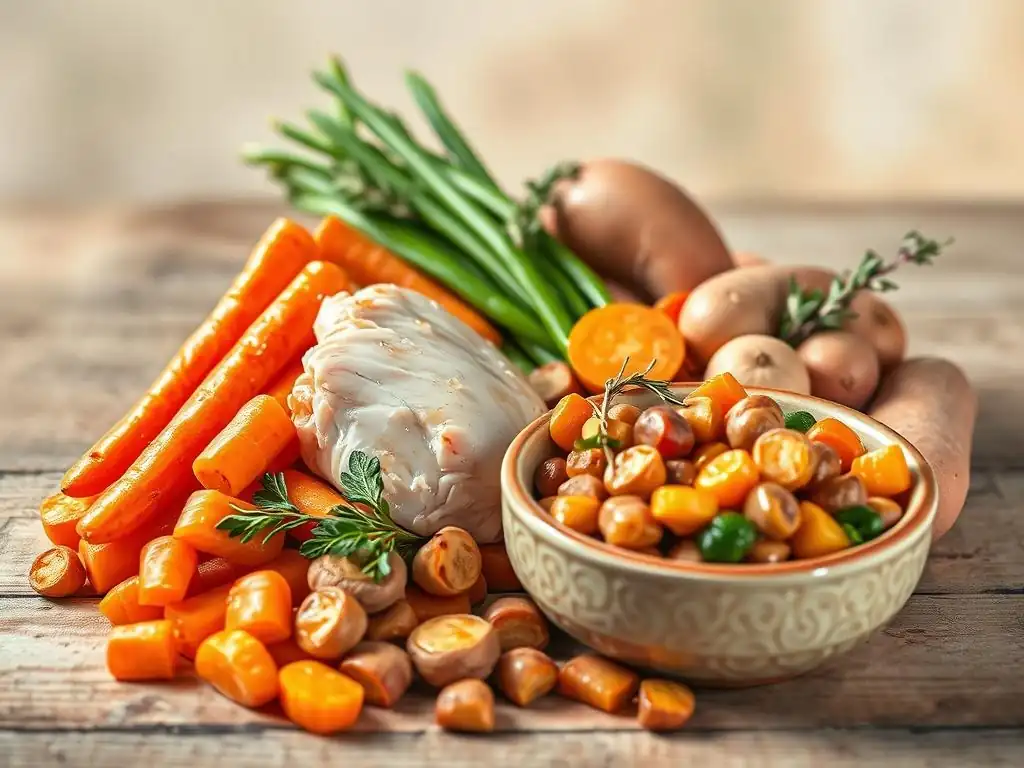
Crafting the best homemade dog food recipes requires careful consideration of nutritional balance. While commercially available dog food offers convenience, many pet owners opt for homemade diets believing they offer greater control over ingredients and a healthier option for their canine companions. However, ensuring a complete and balanced diet is crucial to avoid nutritional deficiencies. This section explores different protein sources and provides example recipes, emphasizing the importance of including a variety of nutrients for optimal canine health.
Remember, always consult your veterinarian before making significant changes to your dog's diet, especially if they have pre-existing health conditions. A vet can help you determine the best protein sources and portion sizes based on your dog's breed, age, weight, and activity level. Improperly balanced homemade dog food can lead to health problems.
Recipe #1: Chicken and Brown Rice Dog Food Recipe
This recipe provides a good source of lean protein and complex carbohydrates. Chicken breast is a readily available and affordable protein source, rich in essential amino acids. Brown rice offers fiber and sustained energy.
This recipe is designed for a medium-sized dog (approximately 25-40 lbs). Adjust the quantities proportionally for smaller or larger dogs. Always consult your veterinarian for personalized dietary recommendations.
Ingredients:
- 1 lb boneless, skinless chicken breast, cooked and shredded
- 1 cup brown rice, cooked
- ½ cup cooked green beans, finely chopped
- ¼ cup cooked carrots, finely chopped
- 1 tbsp olive oil
- 1 tsp kelp powder (optional, for added minerals)
Instructions:
- Cook the chicken breast until fully cooked and shred.
- Cook the brown rice according to package directions.
- Combine all ingredients in a large bowl and mix thoroughly.
- Store in airtight containers in the refrigerator for up to 3 days or freeze for longer storage.
Nutritional Benefits: This recipe provides a good balance of protein, carbohydrates, and essential vitamins and minerals. Chicken is a great source of lean protein, while brown rice provides fiber and energy. The added vegetables contribute to overall nutritional value. Remember to always monitor your dog for any digestive upset after introducing new foods.
Recipe #2: Salmon and Sweet Potato Dog Food Recipe
Salmon offers a rich source of omega-3 fatty acids, beneficial for skin and coat health. Sweet potatoes provide vitamins and fiber. This recipe is ideal for dogs with sensitive stomachs or skin conditions.
Ingredients:
- 1 lb canned salmon (packed in water, no salt added), drained
- 1 large sweet potato, baked and mashed
- ½ cup cooked peas
- 1 egg, lightly beaten
- 2 tbsp plain, unsweetened yogurt (optional, for probiotics)
Instructions:
- Bake the sweet potato until tender and mash thoroughly.
- Combine all ingredients in a large bowl and mix well.
- Divide into portions and store in airtight containers in the refrigerator for up to 3 days or freeze for longer storage.
Nutritional Highlights: This recipe is packed with omega-3 fatty acids from the salmon, supporting healthy skin and a shiny coat. Sweet potatoes provide vitamins A and C, and fiber aids in digestion. The addition of yogurt boosts gut health. Always ensure the salmon is thoroughly cooked and free of bones before feeding to your dog.
Recipe #3: Turkey and Vegetable Dog Food Recipe
Turkey is another excellent source of lean protein, similar to chicken. This recipe incorporates a variety of vegetables for added vitamins and minerals. This recipe is great for dogs who need a lower-fat diet.
Ingredients:
- 1 lb ground turkey, cooked
- 1 cup chopped broccoli florets, steamed
- ½ cup chopped green beans, steamed
- ¼ cup chopped carrots, steamed
- 1/4 cup cooked quinoa
Instructions:
- Cook the ground turkey until fully cooked. Drain off any excess fat.
- Steam the vegetables until tender-crisp.
- Cook the quinoa according to package directions.
- Combine all ingredients in a large bowl and mix well.
- Store in airtight containers in the refrigerator for up to 3 days or freeze for longer storage.
Dietary Considerations: The combination of lean turkey and various vegetables provides a balanced meal for your dog. This recipe is lower in fat than the chicken or salmon options, making it suitable for dogs prone to weight gain. Always introduce new foods gradually to avoid digestive upset. Remember that consistency in your dog's diet is key for optimal health. Regular veterinary check-ups are also crucial to monitor your dog's overall health and adjust their diet as needed.
Recipe #4: Lentil and Vegetable Dog Food Recipe (Vegetarian)
This recipe offers a delicious and nutritious vegetarian option for your canine companion, focusing on lentils as a primary protein source. Lentils are an excellent source of plant-based protein, fiber, and essential nutrients. This recipe is particularly suitable for dogs with meat allergies or sensitivities, or for owners who prefer a vegetarian diet for their pets.
However, it's crucial to remember that while this recipe provides complete nutrition for many dogs, it's always advisable to consult your veterinarian before making significant dietary changes, especially for dogs with pre-existing health conditions. They can assess your dog's individual needs and ensure this diet meets their specific requirements. A well-balanced vegetarian dog food recipe needs careful planning to ensure adequate protein and essential fatty acids.
The preparation is straightforward, involving cooking lentils until tender and then mixing them with a variety of nutrient-rich vegetables. The vegetables not only add flavor and texture but also provide vital vitamins and minerals. Remember to chop vegetables into small, easily digestible pieces to prevent choking hazards. Avoid using onions, garlic, or grapes, as these are toxic to dogs.
Safe vegetable choices include carrots, green beans, sweet potatoes, and spinach. The recipe can be adjusted to suit your dog’s preferences and dietary needs. For instance, you could add a tablespoon of plain yogurt for probiotics or a sprinkle of flaxseed for omega-3 fatty acids. Always introduce new foods gradually to monitor for any adverse reactions.
This recipe exemplifies the importance of considering alternative protein sources when crafting homemade dog food. While meat is a common protein choice, lentils demonstrate that a balanced and nutritious diet can be achieved with plant-based ingredients. The key to success lies in careful planning and attention to detail, ensuring all essential nutrients are included. Regular veterinary check-ups are essential to monitor your dog's health and adjust the diet as needed.
By carefully selecting ingredients and following the recipe precisely, you can provide your dog with a healthy and delicious vegetarian meal. Remember to store leftovers properly in the refrigerator to maintain freshness and prevent spoilage. Always offer fresh, clean water alongside every meal.
Providing your dog with a balanced diet is crucial for their overall well-being and contributes to a long and happy life. This lentil and vegetable recipe is just one example of the many nutritious and delicious options available when creating homemade dog food. Remember to always consult your vet before making significant dietary changes for your furry friend.
Transitioning Your Dog to Homemade Food: A Step-by-Step Guide
Switching your canine companion to a homemade diet can be incredibly rewarding, offering you greater control over the ingredients and ensuring optimal nutrition. However, a sudden shift can upset their delicate digestive system. Therefore, a gradual transition is crucial for a smooth and healthy changeover. This section details a safe and effective approach to introducing homemade dog food, maximizing the benefits while minimizing potential problems. Finding the best homemade dog food recipes is only half the battle; the transition itself is equally important.
Gradually Introducing Homemade Dog Food to Avoid Digestive Upset
The key to a successful transition is patience and a slow, incremental approach. Avoid abruptly replacing commercial food with homemade alternatives. Instead, follow a phased approach over 7-10 days, gradually increasing the proportion of homemade food while decreasing the amount of their regular kibble or canned food.
Here's a suggested schedule:
- Day 1-2: Mix 25% homemade food with 75% of their regular food. Observe your dog closely for any signs of digestive upset.
- Day 3-4: Increase the homemade food to 50%, reducing the commercial food to 50%. Continue monitoring for any changes in stool consistency, appetite, or energy levels.
- Day 5-7: Increase to 75% homemade food and 25% commercial food. This stage is crucial to identify any intolerance or adverse reactions.
- Day 8-10: Transition completely to 100% homemade dog food. Maintain close observation for a few more days to ensure everything is going smoothly.
Remember to choose a single recipe initially, avoiding sudden changes in ingredients. This consistency helps your dog's body adjust more easily. If you notice any digestive issues such as diarrhea, vomiting, or loss of appetite, immediately revert to the previous ratio and consult your veterinarian. They can provide valuable insights and guidance tailored to your dog's specific needs. Finding the best homemade dog food recipes is important, but a gentle introduction is paramount.
Monitoring Your Dog's Response to Homemade Food: Signs of Success and Potential Issues

Once your dog is fully transitioned to the homemade diet, consistent monitoring is vital to ensure its continued effectiveness and to identify any potential problems early on. This involves observing their overall health, examining their stool, and noting any behavioral changes.
Monitoring Your Dog's Response to Homemade Food: Signs of Success and Potential Issues
Paying close attention to your dog's well-being is key. Positive signs include:
- Improved Coat and Skin: A shiny, healthy coat and soft, supple skin are excellent indicators of good nutrition.
- Increased Energy Levels: Your dog should exhibit increased vitality and enthusiasm for activities.
- Regular and Firm Stools: Healthy bowel movements are a crucial sign of proper digestion. Note the consistency, frequency, and color.
- Healthy Weight Management: The homemade diet should help maintain a healthy weight, neither overweight nor underweight.
However, be vigilant for potential issues:
- Digestive Upset: Diarrhea, vomiting, gas, or changes in bowel movements warrant immediate attention.
- Changes in Appetite: A significant decrease or increase in appetite could signal a problem.
- Lethargy or Weakness: Unusual tiredness or weakness could indicate nutritional deficiencies.
- Skin or Coat Problems: Dull coat, excessive shedding, or skin irritations might point to an imbalance in nutrients.
- Weight Loss or Gain: Unexpected weight changes, whether loss or gain, require veterinary evaluation.
Maintaining a detailed record of your dog's food intake, stool consistency, and overall behavior is highly beneficial. This log can be invaluable in identifying patterns and addressing any concerns promptly. If you notice any of these negative signs, consult your veterinarian immediately. They can help determine if adjustments to the recipe or a veterinary checkup are necessary. Remember, finding the best homemade dog food recipes involves not only creating nutritious meals but also actively monitoring your dog's response to ensure their health and well-being.
Supplementing Homemade Dog Food: Essential Nutrients and Considerations

Creating a balanced homemade dog food diet requires careful attention to detail. While using high-quality ingredients is crucial for providing your canine companion with the best nutrition, simply mixing together protein, vegetables, and grains isn't enough. Many essential nutrients aren't readily available in sufficient quantities in common household ingredients, making supplementation necessary to prevent nutritional deficiencies. This section will explore the importance of supplementing homemade dog food and offer guidance on how to do so safely and effectively. Finding the best homemade dog food recipes often hinges on understanding these crucial supplementary needs.
Adding Essential Vitamins and Minerals to Homemade Dog Food
Dogs, like humans, require a range of vitamins and minerals for optimal health. These micronutrients play vital roles in various bodily functions, from bone development and immune function to energy production and cognitive health. While some nutrients can be obtained from whole foods, others may need to be added through supplements. The specific needs will vary depending on the dog's age, breed, activity level, and overall health. Always consult with your veterinarian before starting any supplementation regimen, as incorrect dosages can be harmful.
Here's a table outlining some key vitamins and minerals crucial for canine health and potential sources:
| Nutrient | Importance | Potential Sources (in food or supplements) | Deficiency Symptoms |
|---|---|---|---|
| Vitamin A | Vision, immune function, reproduction | Sweet potatoes, carrots, liver (in moderation) | Night blindness, dry skin, impaired immune function |
| Vitamin D | Calcium absorption, bone health, immune function | Fatty fish (in moderation), egg yolks, supplements | Muscle weakness, bone deformities, poor growth |
| Vitamin E | Antioxidant, immune function | Vegetable oils, nuts, seeds, supplements | Muscle weakness, reproductive issues |
| Vitamin K | Blood clotting | Leafy green vegetables, supplements | Bleeding disorders |
| Calcium | Bone health, muscle function, nerve transmission | Dairy products (yogurt, cheese – in moderation), bones | Weak bones, muscle spasms, poor growth |
| Phosphorus | Bone health, energy production | Meat, poultry, fish | Bone weakness, reduced appetite, lethargy |
| Potassium | Fluid balance, nerve function, muscle contraction | Bananas, sweet potatoes, leafy greens | Muscle weakness, heart problems |
| Magnesium | Muscle and nerve function, blood sugar regulation | Leafy green vegetables, nuts, seeds | Muscle tremors, seizures |
It's crucial to remember that over-supplementation can be just as harmful as under-supplementation. Always follow the dosage instructions on supplement labels carefully, and consult your veterinarian for personalized recommendations based on your dog's specific needs. A balanced homemade dog food recipe, even with supplements, should always be monitored for its effect on your pet.
Avoiding Common Mistakes When Making Homemade Dog Food
Even with careful planning, mistakes can happen when preparing homemade dog food. Avoiding these common pitfalls is essential to ensure your dog receives a safe and nutritious diet. Neglecting these points can lead to nutritional imbalances and potential health problems, undermining the benefits of opting for homemade food in the first place. Let's explore some frequent errors and how to prevent them:
- Nutritional Imbalances: Failing to adequately research and calculate the precise nutritional needs of your dog based on their size, age, breed, and activity level is a significant mistake. This can lead to deficiencies or excesses of certain nutrients. Using a reputable canine nutrition calculator or consulting a veterinary nutritionist can help avoid this pitfall. Remember, the best homemade dog food recipes are precisely balanced.
- Toxic Ingredients: Some human foods are toxic to dogs. These include chocolate, onions, garlic, grapes, raisins, xylitol (artificial sweetener), and macadamia nuts. Always double-check ingredient lists to ensure your recipe contains only safe ingredients. Even small amounts of these toxins can be dangerous.
- Improper Cooking Techniques: Undercooked food can harbor harmful bacteria, while overcooked food can destroy essential nutrients. Follow safe food handling practices and cook ingredients to the appropriate temperature. Properly storing prepared food is also essential to avoid spoilage and bacterial growth.
- Ignoring Individual Needs: Every dog is unique. What works for one dog might not work for another. Monitor your dog's weight, energy levels, and stool quality regularly. If you notice any changes, adjust the recipe or consult your veterinarian. The best homemade dog food recipes are adaptable to suit individual needs.
- Lack of Variety: Feeding a monotonous diet, even if it’s homemade, can lead to nutritional deficiencies and reduced palatability. Introduce variety into your dog's meals by rotating protein sources, vegetables, and fruits. A balanced diet promotes optimal health and keeps your dog interested in their food. This aspect is often overlooked even in the best homemade dog food recipes.
By understanding and avoiding these common mistakes, you can significantly improve the safety and nutritional value of your homemade dog food, ensuring your canine companion thrives on a delicious and healthy diet. Remember, consistency and attention to detail are paramount when crafting the best homemade dog food recipes.
Long-Term Benefits of Homemade Dog Food: Improved Health and Well-being
Homemade dog food, when formulated correctly, offers numerous long-term health advantages over commercially produced kibble. By carefully selecting high-quality ingredients and controlling portion sizes, owners can significantly impact their dog's overall well-being. This is especially crucial for dogs with specific dietary needs or sensitivities. The ability to tailor recipes to address individual health concerns is a major benefit.
For example, a dog with allergies can have its food customized to avoid common allergens like chicken or beef, replacing them with less allergenic options like lamb or fish. Similarly, dogs with digestive issues can benefit from easily digestible ingredients like sweet potatoes and brown rice. The absence of artificial preservatives, fillers, and by-products found in many commercial foods also contributes to improved long-term health.
The Impact of Homemade Dog Food on Your Dog's Coat, Digestion, and Energy Levels
The quality of ingredients in homemade dog food directly affects several key aspects of a dog's health. A noticeable improvement in coat health is often reported by owners who switch to homemade diets. The increased intake of essential fatty acids, vitamins, and minerals found in whole foods leads to a shinier, healthier coat with reduced shedding. This improvement reflects a healthier skin and overall bodily function.
Digestive health is another area where homemade dog food excels. Many commercial dog foods contain fillers and ingredients that are difficult to digest, leading to gas, bloating, and irregular bowel movements. Homemade recipes, using easily digestible ingredients like brown rice, sweet potatoes, and lean proteins, can significantly improve digestion, resulting in firmer stools and less digestive discomfort. This improved gut health also contributes to a stronger immune system.
Finally, a well-balanced homemade diet can dramatically improve a dog's energy levels. The absence of artificial additives and the inclusion of nutrient-rich whole foods provide sustained energy throughout the day, reducing lethargy and improving overall vitality. Owners often report a noticeable increase in their dog's playfulness and stamina after switching to homemade food. This is a testament to the superior nutritional value of fresh, whole ingredients.
Cost Comparison: Homemade vs. Commercial Dog Food
While the initial perception might be that homemade dog food is significantly more expensive, a thorough cost comparison reveals a more nuanced picture. The upfront cost of purchasing fresh ingredients can seem higher, but this needs to be considered against the long-term health benefits and potential savings on veterinary bills.
The cost of homemade dog food varies greatly depending on the ingredients used and the dog's size and dietary needs. For example, using high-quality cuts of meat will obviously increase the cost compared to using less expensive alternatives. However, even with premium ingredients, careful planning and bulk purchasing can significantly reduce costs. Furthermore, the avoidance of costly veterinary visits due to improved health can offset the initial higher cost of ingredients.
| Factor | Homemade Dog Food | Commercial Dog Food |
|---|---|---|
| Initial Cost | Higher (initially) | Lower |
| Long-Term Cost | Potentially Lower (with planning) | Potentially Higher (vet bills) |
| Ingredient Quality | High, controlled by the owner | Variable, often lower quality |
| Nutritional Value | High, customizable | Variable, often less nutritional |
| Health Benefits | Significant, long-term | Limited, potential health issues |
Ultimately, a comprehensive cost analysis requires careful consideration of all factors, including the specific ingredients used, the dog's size and dietary requirements, and the potential long-term health savings. A well-planned homemade diet can be a cost-effective and healthier option for many dogs. The key is to plan meals efficiently and shop smart to minimize costs while maximizing nutritional value.
Frequently Asked Questions
What are the benefits of making homemade dog food?
Making homemade dog food allows for complete control over the ingredients, ensuring high-quality nutrition tailored to your dog's specific needs and avoiding potential allergens or preservatives found in commercial foods.
What protein sources are best for homemade dog food?
Excellent protein sources include chicken, turkey, beef, fish (like salmon or cod), and eggs. Always ensure the meat is cooked thoroughly and free of bones.
Are there any potential risks associated with making homemade dog food?
Nutritional imbalances can occur if recipes aren't carefully formulated. It's crucial to consult with a veterinarian to ensure your dog receives all necessary nutrients. Foodborne illnesses are also a risk if not handled properly.
How do I ensure my homemade dog food recipes are balanced?
Use a reputable recipe from a trusted source, or consult a veterinary nutritionist to help create a balanced diet. Consider using a commercial supplement to ensure complete nutritional coverage.
Where can I find reliable homemade dog food recipes?
PetCareWorld offers many reliable recipes and guides on creating balanced and nutritious homemade dog food. You can also consult veterinary nutritionists or reputable pet food websites for additional resources.
Final Reflection: Nourishing Bonds Through Homemade Dog Food
The quest for the best homemade dog food recipes isn't merely about finding the perfect blend of ingredients; it's about forging a deeper connection with our canine companions. Providing our dogs with food made with love and care, tailored to their specific needs, is a powerful act of devotion that transcends simple nutrition. This directly impacts their health, happiness, and the overall strength of our bond.
The journey of exploring diverse protein sources for homemade dog food has revealed a fascinating landscape of nutritional options and the profound impact of mindful feeding. It's not just about choosing the "best" recipe; it's about understanding the unique nutritional requirements of each dog and adapting recipes accordingly. This process has underscored the importance of responsible pet ownership, moving beyond commercial feeds to a more holistic approach. The bond between a dog and human is as old and deep as time itself.
This quote encapsulates the emotional connection we build through acts of care, like preparing homemade meals.
Now, consider your own dog. What are their unique dietary needs? What ingredients resonate with their individual health profile? Take the knowledge gained from this exploration and embark on your own culinary adventure, crafting meals that nourish not only their bodies but also the unbreakable bond you share. Remember, every bowl of homemade food is a testament to your love and commitment, a small act that speaks volumes about the depth of your relationship with your furry friend.
Unlock Your Dog's Nutritional Potential!
Thank you for exploring the exciting world of homemade dog food with us! You've discovered the power of tailoring your dog's diet to their individual needs. Let's put that knowledge into action!
- Craft your dog's perfect meal: Begin with one of our recipes and adapt it to your dog's preferences and any specific dietary requirements. This is your chance to become a true pet nutrition expert!
- Share your culinary creations: Post a picture of your dog enjoying their homemade meal on social media using #PetCareWorldHomemade and inspire other pet parents!
- Learn more about canine nutrition: Explore more articles on our website to expand your knowledge of creating a balanced and healthy diet for your furry friend.
Ready to unleash your inner chef and nourish your best friend with the best possible food? What exciting new ingredient will you try in your next homemade recipe?