
Conure Adoption: Finding the Right Parrot for Your Family

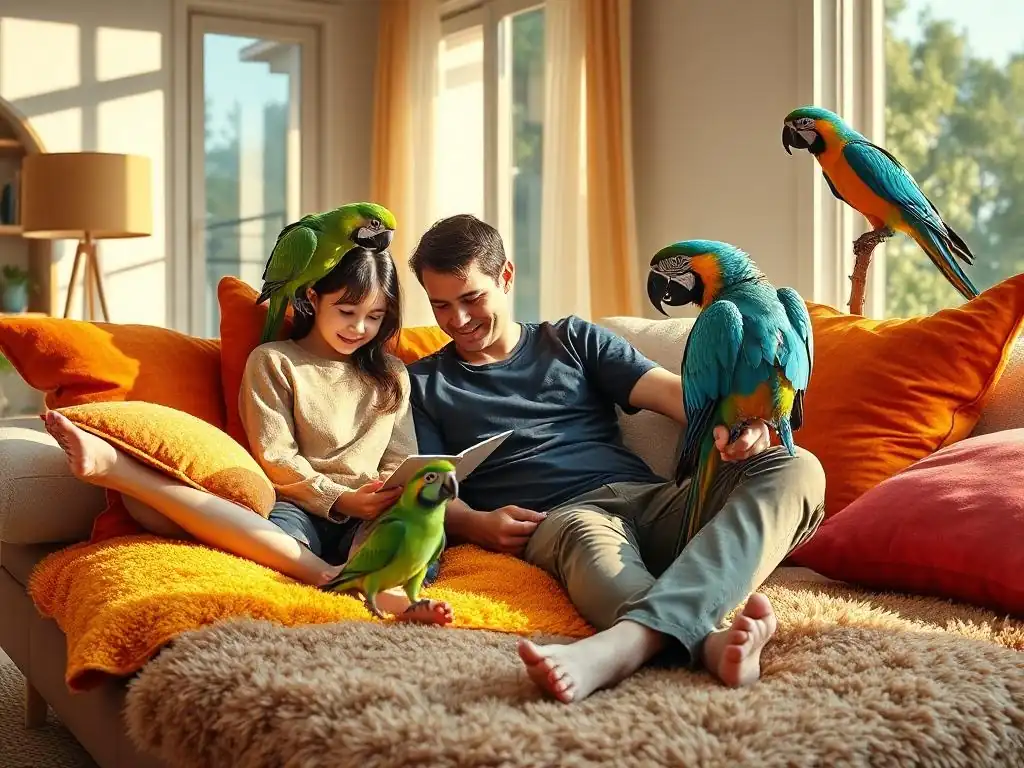
Welcome to PetCareWorld, your ultimate guide to a happier, healthier life for your beloved pets! Are you dreaming of a feathered friend adding joy to your family? Then you've come to the right place. Discover which conure species truly shines as the best conure for families in our comprehensive guide, "Conure Adoption: Finding the Right Parrot for Your Family." Uncover the secrets to successful parrot ownership and embark on a journey of enriching companionship. Let's find the perfect winged wonder for your home!
-
Understanding Conure Temperaments: Choosing the Best Conure for Families
- Different Conure Species and Their Personalities: A Family-Friendly Comparison
- Sun Conures: Energetic and Playful Companions for Active Families
- Green-cheeked Conures: Gentle and Sweet-natured Parrots for Calmer Homes
- Jenday Conures: Talkative and Affectionate Birds for Engaging Interactions
- Other Conure Breeds: Exploring Less Common but Equally Charming Options
- Preparing Your Home for a Conure: Creating a Safe and Stimulating Environment
- The Adoption Process: Finding a Responsible Breeder or Rescue
- Conure Care Basics: Ensuring Your Parrot Thrives
-
Long-Term Commitment: Understanding the Responsibilities of Conure Ownership
- Lifespan of Conures: Planning for a Long-Term Commitment
- Financial Considerations: The Costs of Conure Ownership
- Potential Challenges: Addressing Common Conure Behavioral Issues
- Finding a Qualified Avian Veterinarian: Essential for Your Conure's Health
- Financial Preparedness: The Ongoing Costs of Conure Care
-
Frequently Asked Questions
- What makes a conure a good family pet?
- Which conure species is best for families with young children?
- Are conures noisy birds? Should I consider this before adoption?
- What is the average lifespan of a conure? How much commitment is involved?
- Where can I find a conure for adoption? What should I look for in a breeder or shelter?
- Final Reflection: A Feathered Friend for Every Family
- Unlock Your Family's Feathered Friend: Start Your Conure Journey Today!
Understanding Conure Temperaments: Choosing the Best Conure for Families
Bringing a conure into your home is a significant decision, promising years of feathered companionship and delightful squawks. But with numerous species boasting unique personalities, choosing the best conure for your family requires careful consideration. This guide dives deep into the world of conures, helping you understand their diverse temperaments and identify the perfect match for your lifestyle and family dynamics.
We'll explore different species, highlighting their individual traits to ensure you find a conure that thrives in your home and brings joy to every member of your family. Finding the right conure isn't just about finding a pretty bird; it's about finding a lifelong companion whose personality aligns with your family's energy levels and living situation.
This is crucial for a successful and harmonious relationship between you and your new feathered friend. Remember, responsible pet ownership involves understanding the specific needs of your chosen species, ensuring a long, healthy, and happy life together.
Different Conure Species and Their Personalities: A Family-Friendly Comparison
Conures, known for their vibrant plumage and engaging personalities, offer a wide range of choices for prospective owners. However, not all conures are created equal. Their temperaments can vary significantly, influencing their suitability for different family environments. Below, we've compiled a comparison table highlighting key personality traits of some popular conure species often considered family-friendly:
| Conure Species | Size | Temperament | Noise Level | Activity Level | Suitability for Families with Young Children |
|---|---|---|---|---|---|
| Sun Conure | Medium | Energetic, playful, demanding attention | High | Very High | Moderate (requires supervision) |
| Green-cheeked Conure | Small | Gentle, sweet-natured, relatively quiet | Low | Moderate | Excellent |
| Jenday Conure | Medium | Playful, intelligent, can be vocal | Medium | High | Good (with proper training and supervision) |
| Black-capped Conure | Medium | Inquisitive, playful, can be mischievous | Medium | High | Good (with proper training and supervision) |
| Pineapple Conure | Medium | Affectionate, playful, relatively quiet | Medium | Moderate | Excellent |
This table offers a general overview. Individual personalities can vary even within the same species, so thorough research and ideally, meeting the bird before adoption, is highly recommended.
Sun Conures: Energetic and Playful Companions for Active Families
Sun conures are renowned for their vibrant orange plumage and equally vibrant personalities. These medium-sized parrots are incredibly energetic and playful, demanding significant attention and interaction. They thrive in active households with plenty of space for exploration and playtime. Their high energy levels make them unsuitable for families seeking a quiet, low-maintenance pet. However, for families who can provide the stimulation and enrichment a sun conure needs, they make incredibly rewarding companions.
Expect lots of playful antics, enthusiastic chirps, and plenty of affectionate cuddles – if they're in the mood! Remember, their high energy also translates to a high noise level; their squawks can be quite loud and frequent. Proper training and socialization from a young age are crucial to manage their sometimes boisterous nature and ensure a harmonious co-existence. Providing ample toys and opportunities for mental stimulation is key to preventing destructive behaviors.
Green-cheeked Conures: Gentle and Sweet-natured Parrots for Calmer Homes
In contrast to the boisterous sun conure, the green-cheeked conure offers a gentler, quieter companionship. These smaller parrots are known for their sweet and docile personalities, making them an excellent choice for families seeking a more relaxed pet. They are generally less demanding of attention than sun conures, though they still require daily interaction and enrichment. Their quieter nature and calmer demeanor make them particularly well-suited for households with young children, provided the children are taught how to interact with them respectfully and gently. Green-cheeked conures are intelligent birds capable of learning tricks and vocalizations, though their vocalizations tend to be less loud and frequent than other conure species. Their smaller size also means they require less space than their larger counterparts, making them suitable for apartments or smaller homes. However, even these gentler birds benefit from daily interaction, playtime, and a stimulating environment to keep them happy and engaged.
Jenday Conures: Talkative and Affectionate Birds for Engaging Interactions
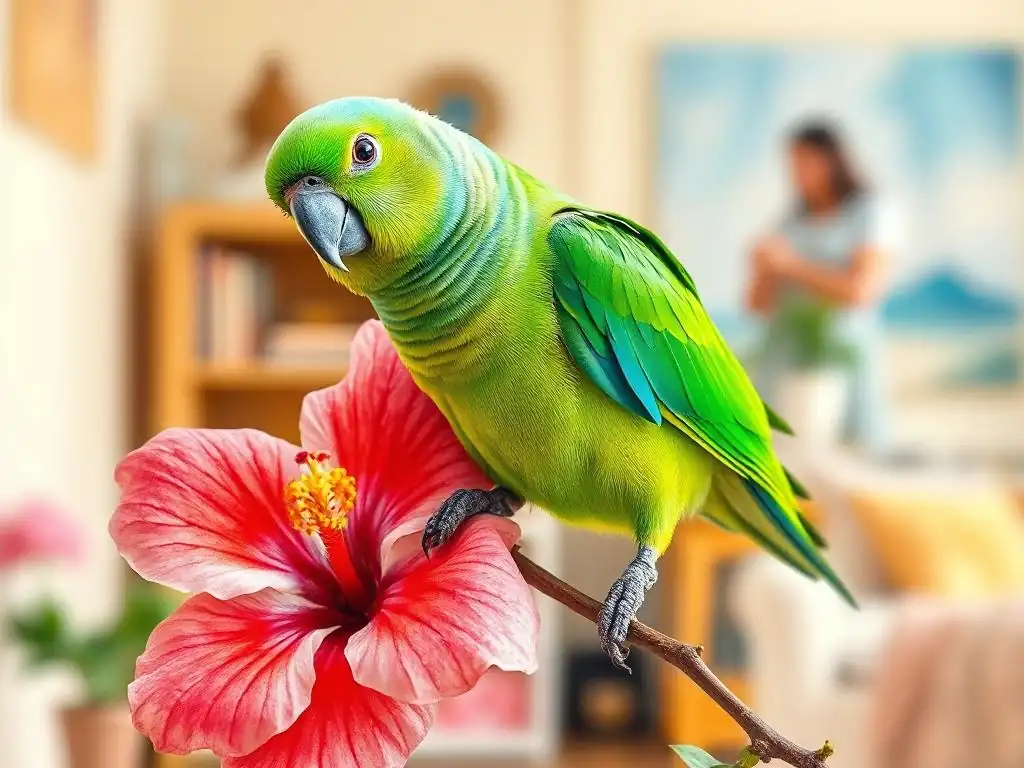
Jenday conures are renowned for their vibrant personalities and engaging interactions, making them a popular choice for families. Their striking green plumage, often accented with yellow or blue, is visually captivating, but it's their temperament that truly sets them apart. These birds are exceptionally social and affectionate, readily bonding with their human companions.
They are known for their playful nature and their ability to mimic sounds, often developing a rich vocabulary of whistles, chirps, and even words. This vocalization, while enjoyable for many, is something to consider; Jendays can be quite loud at times, especially during periods of excitement or when seeking attention.
Owning a Jenday conure requires commitment to daily interaction and enrichment. These intelligent birds need mental stimulation to prevent boredom and destructive behaviors. Providing a variety of toys, puzzles, and opportunities for exploration is crucial for their well-being.
A strong bond with their human family is essential for their happiness and helps to mitigate potential behavioral issues. Socialization from a young age is key; early interaction with other people and animals (under supervision) helps ensure a well-adjusted and friendly bird. Proper training, using positive reinforcement techniques, is also recommended to establish clear boundaries and encourage desirable behaviors.
Without proper training and enrichment, a Jenday's intelligence and energy can manifest as unwanted behaviors like excessive chewing or screaming. Therefore, potential owners should be prepared for the time commitment involved in caring for this engaging and demanding species. Remember, a well-cared-for Jenday conure can live for 20-30 years, making this a long-term commitment.
Other Conure Breeds: Exploring Less Common but Equally Charming Options
While Jenday conures are a popular family choice, several other conure breeds offer equally rewarding companionship. Exploring these less common options can lead to discovering a perfect feathered friend that matches your family's lifestyle and preferences. For example, the Green-cheeked conure, often smaller and quieter than the Jenday, is known for its docile and friendly nature. These conures are less demanding in terms of attention but still thrive on daily interaction and enrichment. Their quieter nature makes them suitable for apartment living or families who prefer a less boisterous pet.
Another option to consider is the Sun conure. These birds are instantly recognizable by their striking orange plumage. While known for their intelligence and playful personalities, Sun conures are also known to be more demanding and can be quite loud. They require significant attention and training to prevent behavioral issues.
Therefore, they are best suited for experienced bird owners or families who are prepared to dedicate the time and energy needed for a demanding pet. The Nanday conure, on the other hand, is a relatively independent species. While affectionate with their family, they are less demanding of constant attention, making them a good choice for busy families. However, their independent nature can sometimes manifest as aloofness and a preference for solitary activities.
Choosing the “best” conure for your family depends on several factors, including your family's lifestyle, experience with birds, and the level of commitment you are prepared to make. Careful consideration of each breed's unique temperament, vocalization levels, and care requirements is crucial to ensure a happy and harmonious relationship with your new feathered family member.
Researching different breeds and potentially interacting with them before making a decision is highly recommended. Remember, adopting a conure is a long-term commitment, and choosing a bird that suits your lifestyle will contribute significantly to a successful and fulfilling experience for both you and your pet.
Preparing Your Home for a Conure: Creating a Safe and Stimulating Environment
Bringing a conure into your family is an exciting step, but ensuring their safety and happiness requires preparation. This section focuses on creating a home environment perfectly suited for your new feathered friend, addressing the specific needs of these intelligent and active parrots. Finding the best conure for families involves not just choosing the right bird, but also preparing a suitable living space.
Conure-Proofing Your Home: Ensuring Safety for Your New Pet
Conures are naturally curious and prone to chewing, so thorough conure-proofing is crucial. Think of it as "baby-proofing" but with a parrot's perspective. Many common household items pose significant dangers. For example, Teflon-coated cookware releases toxic fumes when heated, posing a severe risk. Similarly, chocolate, avocado, and caffeine are all toxic to conures. These must be kept completely out of reach.
Beyond toxic substances, consider potential hazards like electrical cords (easily chewed and causing electrocution), small objects that could be swallowed (buttons, beads), and unsecured windows or doors (escape routes!). Secure all loose wires with cord protectors, and keep cleaning supplies, medications, and other potentially harmful items locked away in cabinets. Regularly inspect your home for potential dangers from your conure's perspective, getting down on the floor to see what's accessible.
A proactive approach to safety minimizes risks and ensures a healthier, longer life for your conure. Remember, prevention is key to a happy and safe home for your new family member.
Essential Cage Setup for Conures: Size, Accessories, and Placement
The size and setup of your conure's cage significantly impact their well-being. A cramped cage leads to stress and behavioral problems, hindering your chances of finding the best conure for families. As a general guideline, aim for a cage that's at least 24 inches wide, 24 inches deep, and 36 inches tall, though larger is always better, especially for multiple conures. The cage should be made of strong, non-toxic materials, preferably stainless steel or powder-coated wire. Avoid cages with horizontal bars, as conures are adept climbers and may escape more easily.
Essential accessories include:
- Multiple perches of varying sizes and textures to promote foot health.
- Food and water bowls, ideally made of stainless steel or ceramic.
- Toys to stimulate mental and physical activity (more on this in the next section).
- A cuttlebone or mineral block to provide essential calcium and minerals.
- A secure bottom tray for easy cleaning.
Placement is equally important. Avoid placing the cage in direct sunlight, near drafts, or in high-traffic areas where your conure might feel stressed or threatened. A quiet corner, but still within the family's activity zone, is ideal. This allows your conure to observe family interactions without feeling overwhelmed.
Providing Enrichment and Toys: Keeping Your Conure Happy and Engaged
A bored conure is a destructive conure. Enrichment is vital for a happy and well-adjusted bird. Providing a stimulating environment is key to preventing behavioral problems and ensuring your conure thrives. This is particularly important when considering what makes a conure the best conure for families. A stimulated bird is a less likely to become stressed or exhibit destructive behaviors.
Variety is key when choosing toys. Offer a range of textures, materials, and activities to keep your conure mentally engaged. Consider:
- Chew toys: Wooden blocks, foraging toys, and rope toys are excellent choices to satisfy their natural chewing instincts.
- Puzzle toys: These toys challenge your conure to solve puzzles to access treats, stimulating their problem-solving skills.
- Foraging toys: Toys that require your conure to work for their food, mimicking their natural foraging behavior.
- Swinging toys: Provide opportunities for physical exercise and play.
Rotate toys regularly to prevent boredom. Remove any damaged or dangerous toys immediately. Additionally, consider providing opportunities for out-of-cage time in a supervised and conure-proofed area. This allows them to interact with their environment and family members in a safe and enriching way. Remember, a happy, engaged conure is a well-adjusted conure, making the choice of the best conure for families a decision about more than just the bird itself, but also the environment you create for it.
Setting up a Healthy Diet for Your Conure: Essential Nutrients and Food Choices
A well-balanced diet is crucial for your conure's health, longevity, and overall well-being. Conures, like all parrots, have specific nutritional needs that must be met to prevent deficiencies and health problems. Failing to provide a proper diet can lead to feather plucking, weakened immune systems, and other serious health complications. Therefore, understanding what constitutes a healthy diet for your conure is paramount.
The foundation of a good conure diet should consist of high-quality pellets formulated specifically for parrots. These pellets provide a balanced mix of essential nutrients, vitamins, and minerals that are difficult to achieve through a diet based solely on fresh foods. Look for pellets that are low in fat and high in fiber, avoiding those containing artificial colors or preservatives. A good rule of thumb is to choose a brand recommended by avian veterinarians.
In addition to pellets, fresh fruits and vegetables should make up a significant portion of your conure's daily intake. These provide essential vitamins and antioxidants. Offer a variety of options to ensure a wide range of nutrients. Excellent choices include: apples (remove seeds! ), bananas, berries (blueberries, raspberries, strawberries), carrots, broccoli, bell peppers, and leafy greens like spinach and kale. Remember to wash all produce thoroughly before serving.
While seeds and nuts can be offered as occasional treats, they should never form the basis of your conure's diet. These are high in fat and low in essential nutrients, and excessive consumption can lead to obesity and other health issues. Think of them as occasional rewards, not staples.
Providing fresh, clean water is also essential. Change the water daily to prevent bacterial growth. You can offer water in a variety of ways, including a bowl, a water bottle, or even a shallow dish for bathing. Observe your conure's preference and adjust accordingly. The availability of fresh, clean water is non-negotiable for maintaining your bird's health. Dehydration can quickly become a serious problem.
Remember to introduce new foods gradually to avoid digestive upset. Monitor your conure's droppings to ensure that everything is working properly. If you notice any changes in their droppings, such as unusual color, consistency, or frequency, consult an avian veterinarian immediately. A healthy conure will have firm, well-formed droppings.
Changes in their droppings can be an early warning sign of a health problem. Regular check-ups with an avian vet are also recommended to ensure your conure is receiving the proper nutrition and to address any potential health concerns. Proactive care is key to a long and happy life for your feathered friend. 🎉
The Adoption Process: Finding a Responsible Breeder or Rescue

Bringing a conure into your family is a significant decision, demanding careful consideration and responsible sourcing. Finding a reputable breeder or rescue organization is paramount to ensuring the health, happiness, and well-being of your new feathered friend. This process involves more than just finding a pretty bird; it's about finding a bird with a healthy history and a temperament suited to your family's lifestyle. The best conure for families isn't necessarily the most colorful, but rather the one that best fits your home environment and family dynamics.
Finding Reputable Conure Breeders: Questions to Ask and Red Flags to Watch For
Choosing a responsible conure breeder is crucial for securing a healthy and well-adjusted bird. Avoid breeders solely focused on profit, prioritizing instead those who demonstrate a genuine commitment to the welfare of their birds. Before committing, thoroughly investigate potential breeders. Ask pointed questions and be wary of any red flags.
Here's a list of essential questions to ask potential breeders:
- What health screenings do your birds undergo? Reputable breeders will provide proof of avian vet checkups, including tests for common conure diseases.
- What is the parents' temperament like? A bird's temperament is often inherited. Learning about the parents can offer insight into the potential personality of their offspring.
- Can I meet the parents and see the breeding environment? A clean, spacious, and stimulating environment is essential for healthy birds.
- What is your socialization process? Well-socialized conures are generally more friendly and adaptable. Ask about their handling and interaction with people.
- What is your return policy? A responsible breeder understands that sometimes adoptions don't work out and will have a humane return policy.
- What kind of guarantees do you offer regarding the health of the bird? A reputable breeder will offer some form of health guarantee against genetic defects or illnesses.
Red flags to watch out for include:
- Unwillingness to answer questions or provide documentation.
- Birds that appear sick, lethargic, or malnourished.
- Overcrowded or unsanitary breeding conditions.
- High-pressure sales tactics.
- A lack of knowledge about conure care.
- Breeder only interested in the money transaction.
Choosing wisely ensures you are getting a healthy, well-adjusted bird, increasing your chances of a successful and fulfilling companionship with your new conure.
Adopting a Conure from a Rescue Organization: The Benefits and Considerations
Rescue organizations offer a wonderful alternative to purchasing from breeders, providing loving homes for conures in need. Adopting a rescue conure can be incredibly rewarding, giving a deserving bird a second chance at a happy life. However, it's important to be aware of potential challenges.
Benefits of adopting from a rescue:
- You're saving a life. Rescues are often overcrowded, and your adoption frees up valuable space and resources.
- You may find a mature conure, allowing you to skip the demanding chick-rearing phase.
- Rescues often have extensive knowledge of their birds' history and temperament.
- Many rescues offer support and guidance post-adoption.
Considerations:
- Rescue conures may have pre-existing health issues or behavioral challenges requiring extra care and patience.
- The adoption process may involve an application and interview to ensure a suitable match.
- You may have less control over the bird's breed and exact age.
- Be prepared for potential adjustment periods. A rescue conure may need time to acclimate to its new home.
Remember, finding the best conure for families involves careful consideration of your family's lifestyle and capabilities to provide the bird with proper care.
Preparing for the Transition: Acclimating Your New Conure to Its New Home
Bringing your new conure home is an exciting but crucial step. A smooth transition is vital for your bird's well-being and will significantly influence its future happiness and adjustment. Proper preparation will minimize stress and help establish a positive relationship from the start.
Before your conure arrives, set up its cage in a quiet, safe location away from drafts and direct sunlight. Provide plenty of toys, perches, and food and water dishes. Familiarize yourself with conure-specific dietary needs and create a stimulating environment. Research enrichment activities to keep your conure mentally and physically engaged.
Once your conure arrives, allow it time to settle. Avoid handling it excessively during the initial days. Let it explore its new surroundings at its own pace. Speak to it softly and calmly to help build trust. Observe your conure closely for any signs of stress or illness.
Consult an avian veterinarian if you notice any concerning symptoms. A gradual introduction to family members is recommended to avoid overwhelming your new companion. Patience and understanding are key to a successful integration into your family. Remember, this process takes time, and building a strong bond with your conure is a journey, not a race.
Conure Care Basics: Ensuring Your Parrot Thrives
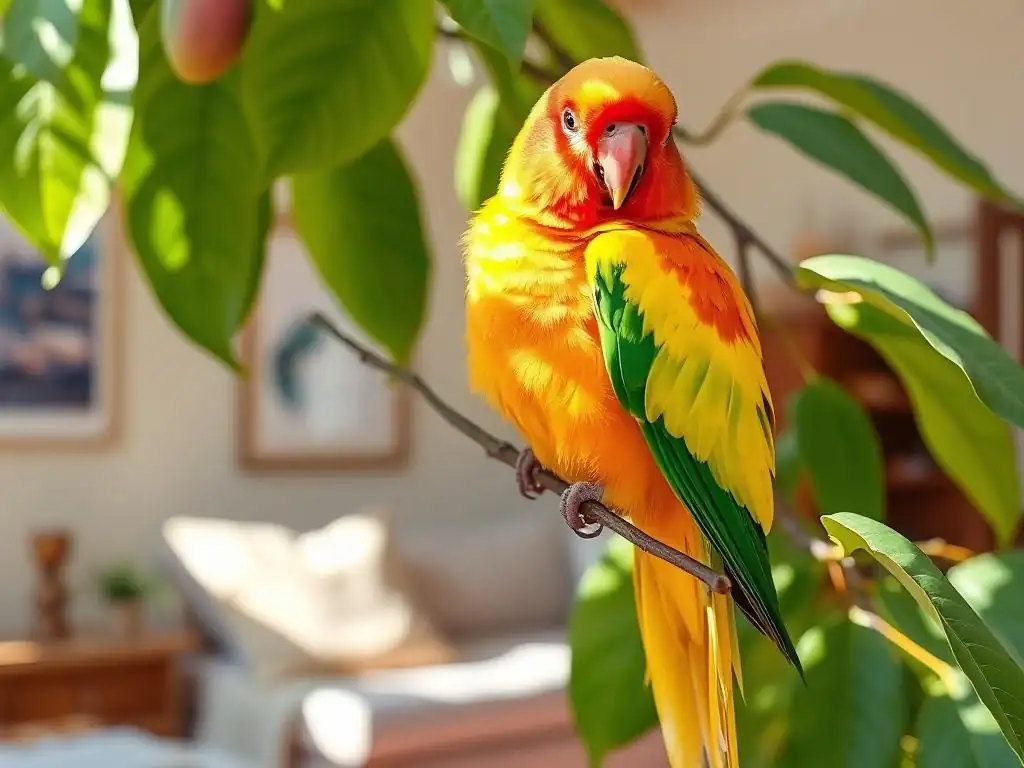
Choosing the best conure for families involves understanding the commitment involved in caring for these intelligent and engaging birds. Successful conure ownership hinges on providing a stimulating environment, a balanced diet, and consistent interaction. This section outlines the fundamental aspects of conure care, ensuring your feathered friend thrives in your home. Remember, responsible ownership is key to a happy and healthy conure. Finding the best conure for your family depends heavily on your ability to meet these needs.
Daily Care Routine for Conures: Feeding, Cleaning, and Interaction
A consistent daily routine is crucial for a conure's well-being. This routine fosters predictability and security, reducing stress and promoting a strong bond between you and your bird. A typical daily routine should include:
- Feeding: Offer a varied diet of high-quality pelleted food, supplemented with fresh fruits and vegetables. Avoid avocados, chocolate, and caffeine, which are toxic to birds. A good rule of thumb is to provide a mix of 70% pellets, 20% fresh vegetables, and 10% fruits. Variety is key; experiment with different vegetables to find your conure's favorites! Consider offering small amounts of nuts and seeds as occasional treats, but don't let these become the mainstay of their diet.
- Cleaning: Clean your conure's cage daily, removing droppings and soiled food. A thorough cage cleaning, including disinfecting, should be performed weekly. Remember to use bird-safe cleaning products. Failing to maintain a clean environment can lead to various health problems.
- Interaction: Spend quality time with your conure every day. This could involve talking to them, playing games, or simply sitting near their cage. This interaction is essential for building a strong bond and preventing behavioral issues. Conures are social animals and require considerable interaction to remain happy and healthy. Ignoring this need can lead to behavioral problems like feather plucking or excessive screaming.
Conure Health and Wellness: Recognizing Signs of Illness and Seeking Veterinary Care
Proactive health management is paramount. Regular veterinary checkups are essential, even if your conure appears healthy. Early detection of illness is crucial for successful treatment. Learn to recognize signs of illness, such as:
- Changes in appetite: A sudden decrease or increase in food intake can indicate a problem.
- Lethargy: Unusual sleepiness or lack of energy is a warning sign.
- Changes in droppings: Observe the color, consistency, and frequency of your conure's droppings. Any significant changes require veterinary attention.
- Respiratory issues: Wheezing, sneezing, or difficulty breathing should be addressed immediately.
- Feather plucking: While sometimes due to stress, feather plucking can also be a symptom of underlying medical conditions.
Establishing a relationship with an avian veterinarian is vital. They can provide preventative care, diagnose illnesses, and offer treatment options. Don't delay seeking veterinary care if you notice any concerning changes in your conure's behavior or health. The earlier you address potential problems, the better the chances of a positive outcome.
Training Your Conure: Building a Bond Through Positive Reinforcement
Training your conure is not just about teaching tricks; it's about building a strong bond based on trust and mutual respect. Positive reinforcement is the most effective training method. This involves rewarding desired behaviors with treats, praise, or affection, while ignoring or redirecting unwanted behaviors. Never resort to punishment, as this can damage your relationship and cause stress for your bird.
Here are some key training tips:
- Start early: Begin training as soon as you bring your conure home.
- Keep sessions short and frequent: Short, positive training sessions are more effective than long, stressful ones.
- Use consistent commands: Use the same words for the same commands every time.
- Be patient and consistent: Training takes time and patience. Don't get discouraged if your conure doesn't learn something immediately.
- Focus on building a bond: Training should be a fun and rewarding experience for both you and your conure. The goal is to create a strong, positive relationship based on trust and mutual respect. This is especially important when choosing the best conure for families, as positive reinforcement strengthens the family bond with the pet.
Remember, a well-trained conure is a happier, healthier conure, and a joy to be around. Consistent training significantly contributes to a fulfilling relationship with your pet, making the experience of owning a conure incredibly rewarding.
Conures, known for their playful and affectionate personalities, thrive on social interaction. A well-socialized conure is a happy conure, and a happy conure is a better companion for your family. Early socialization is key; hand-feeding and consistent gentle handling from a young age significantly impacts their temperament and ability to bond with humans. This early interaction helps them associate humans with positive experiences, reducing the likelihood of fear-based aggression or anxiety later in life. Even adult conures can benefit from consistent, positive interactions, building trust and strengthening the human-bird bond.
Remember, socialization isn't just about handling. It's about providing a stimulating environment. This includes offering a variety of toys to encourage exploration and problem-solving, which keeps their minds sharp and prevents boredom-induced behavioral issues. Interactive playtime, such as mimicking their sounds or playing gentle games, further strengthens the bond and provides enriching mental stimulation. These activities are crucial for preventing destructive behaviors often stemming from loneliness or lack of mental stimulation. A bored conure is a destructive conure! Providing ample opportunities for interaction will lead to a more well-adjusted and happier bird.
Consider the importance of supervised interaction with other birds or pets. While not all conures will get along with other animals, carefully managed introductions can sometimes lead to positive companionship, particularly if the conure has been properly socialized from a young age. However, always prioritize the safety and well-being of all animals involved. Never leave your conure unsupervised with other pets, regardless of their apparent compatibility.
Careful observation and gradual introductions are essential for successful integration. The goal is to create a safe and enriching environment where your conure feels secure and loved, leading to a harmonious household for both your family and your feathered friend. Remember, patience and consistency are key to successful socialization.
Long-Term Commitment: Understanding the Responsibilities of Conure Ownership
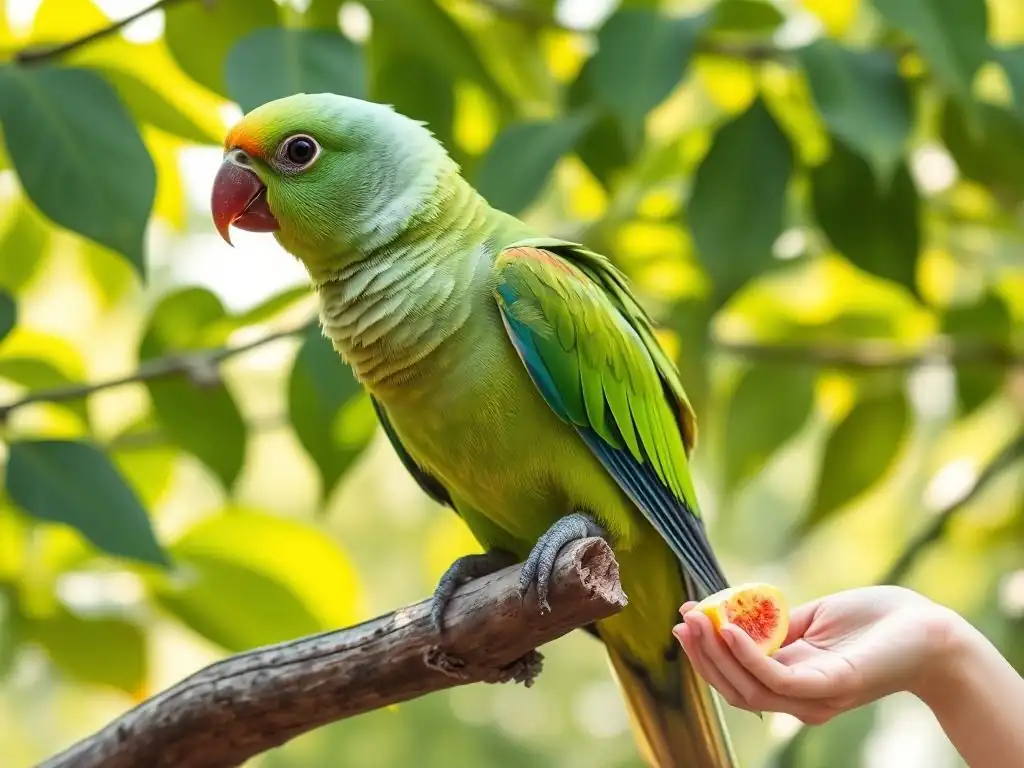
Owning a conure is a significant commitment, far exceeding the responsibility of caring for a smaller pet like a goldfish or hamster. These intelligent and social birds require considerable time, attention, and resources throughout their lengthy lifespan. Choosing a conure should be a well-considered decision, not a spur-of-the-moment impulse. Failing to understand the full scope of responsibility can lead to neglect and ultimately, a less-than-ideal life for the bird. The "best conure for families" isn't just about finding a friendly bird; it's about finding a family prepared for the long haul.
Lifespan of Conures: Planning for a Long-Term Commitment
Conures, depending on the species, can live for 20 to 30 years, some even longer. This longevity necessitates careful consideration of your family's long-term plans. Will your lifestyle remain stable enough to provide consistent care for such an extended period? Are all family members committed to sharing the responsibility?
Planning for potential life changes, such as moving, job relocation, or family additions, is crucial. Consider creating a contingency plan that addresses the care of your conure in unforeseen circumstances, ensuring its well-being remains a priority even in times of transition. Failing to account for this longevity can lead to heartbreaking situations where the bird's needs are compromised. Think of it as welcoming a new family member who will require your love and attention for decades.
Financial Considerations: The Costs of Conure Ownership
The initial cost of acquiring a conure is only the tip of the iceberg. Ongoing expenses are significant and should be factored into your budget before bringing a bird home. These costs include:
- Initial purchase price: Prices vary greatly depending on the species and breeder.
- High-quality diet: Conures need a specialized diet including fresh fruits, vegetables, pellets, and seeds. This contributes significantly to the annual cost.
- Veterinary care: Annual check-ups, emergency visits, and potential treatments for illnesses can be expensive. Unexpected illnesses are a reality, and budgeting for these costs is crucial.
- Cage and accessories: A spacious, appropriately sized cage is essential, along with toys, perches, and food and water bowls.
- Environmental enrichment: Conures need mental and physical stimulation. This includes a variety of toys, opportunities for interaction, and a stimulating environment.
The annual cost of conure ownership can easily reach several hundred dollars, even for a healthy bird. Thorough financial planning is essential to ensure you can provide a life of quality for your feathered companion. Unexpected veterinary bills can quickly drain resources, highlighting the importance of financial preparedness. Consider creating a dedicated savings account for your conure's care to mitigate potential financial stress.
Potential Challenges: Addressing Common Conure Behavioral Issues
While conures are known for their affectionate and playful personalities, they can also exhibit behaviors that require patience, understanding, and consistent training. Some common challenges include:
- Biting: Conures, especially younger birds, may bite when scared, frustrated, or feeling threatened. Consistent positive reinforcement training is crucial to mitigate biting behavior.
- Screaming: Conures are naturally vocal birds, and some species are louder than others. Understanding their communication and providing ample attention can help reduce excessive screaming.
- Destructive behavior: Boredom and lack of stimulation can lead to destructive chewing on furniture or other household items. Providing plenty of appropriate chew toys and engaging activities is essential.
- Feather plucking: Stress, boredom, or medical conditions can cause feather plucking. Addressing the underlying cause is crucial for resolving this behavior.
Addressing these potential challenges requires proactive measures, patience, and a willingness to learn about conure behavior and training techniques. Remember that positive reinforcement methods are far more effective than punishment. Seeking guidance from experienced conure owners or avian veterinarians can be invaluable in navigating these challenges. Choosing the "best conure for families" means choosing a bird whose temperament and needs align with your family's capabilities and commitment to responsible pet ownership.
Finding a Qualified Avian Veterinarian: Essential for Your Conure's Health
Finding a veterinarian experienced with avian species, specifically conures, is paramount to your bird's health and well-being. Unlike dogs and cats, conures have unique medical needs that require specialized knowledge. A regular veterinarian may not be equipped to diagnose and treat illnesses specific to birds, potentially leading to delayed or incorrect treatment. This can have serious consequences for your conure's health, even resulting in fatality.
The search for a qualified avian vet may require some effort. Start by asking your local pet store, breeders, or other conure owners for recommendations. Online searches can also be helpful, but always verify credentials and read reviews carefully. Look for veterinarians who explicitly state their expertise in avian medicine and have experience with parrots, ideally conures.
Don't hesitate to call potential veterinarians and inquire about their experience with conures and similar species. Ask about their diagnostic capabilities, including blood testing and radiography. A comprehensive understanding of avian diseases and the ability to perform specialized procedures are critical. A good avian vet will be proactive, offering preventative care advice, and readily available for consultations, even for non-emergency situations.
Regular check-ups are crucial for early detection of potential problems, ensuring your conure receives prompt and effective treatment. Investing time in finding the right avian veterinarian is an investment in your conure's long and healthy life. The peace of mind knowing your bird is in capable hands is invaluable.
Financial Preparedness: The Ongoing Costs of Conure Care
Owning a conure involves significant financial commitment extending far beyond the initial purchase price. These costs are ongoing and should be carefully considered before bringing a conure into your home. Unexpected veterinary bills can be substantial, especially for avian-specific care. Regular check-ups, vaccinations, and potential treatments for illnesses can quickly add up.
Beyond veterinary care, you'll need to budget for high-quality food, which should form the cornerstone of a healthy conure diet. This includes a mix of seeds, pellets, fresh fruits, and vegetables. Providing a varied and nutritious diet is crucial for preventing nutritional deficiencies. Furthermore, you'll need to factor in the cost of a spacious and appropriately furnished cage, toys to stimulate mental and physical activity, and bedding materials.
Consider the cost of potential cage upgrades as your conure grows and its needs change. You may also need to budget for specialized accessories, such as climbing structures, foraging toys, and perches of varying sizes and textures. Don't forget to factor in potential costs associated with emergencies, such as accidental injuries requiring immediate veterinary attention.
Planning for these unforeseen expenses is crucial to ensure you can provide adequate care for your conure throughout its life. Thorough financial planning is a key component of responsible conure ownership. Failing to consider these ongoing costs can lead to compromises in your conure's care, which can affect its health and well-being.
Frequently Asked Questions
What makes a conure a good family pet?
Conures are known for their affectionate and playful personalities. Many are relatively small and manageable in size, making them suitable for apartment living. Their social nature makes them thrive in family environments.
Which conure species is best for families with young children?
While all conures require careful handling, the Green-cheeked conure and Sun conure are often cited as good choices due to their generally docile temperaments. However, supervision is always crucial when children interact with birds.
Are conures noisy birds? Should I consider this before adoption?
Yes, conures can be quite vocal, especially during the day. Their calls can range from whistles to loud squawks. Consider your family's tolerance for noise and living situation before adopting a conure.
What is the average lifespan of a conure? How much commitment is involved?
Conures can live for 20-30 years or even longer. Adopting a conure is a long-term commitment requiring significant time, financial resources, and consistent care.
Where can I find a conure for adoption? What should I look for in a breeder or shelter?
You can find conures through reputable breeders, animal shelters, or rescue organizations. Look for healthy birds from environments that prioritize proper socialization and care. Always ask questions and thoroughly research your options before committing.
Final Reflection: A Feathered Friend for Every Family
Choosing the right conure is not just about finding a pretty bird; it's about forging a lasting bond built on mutual respect, understanding, and a shared life. The vibrant personalities and unique needs of these captivating parrots demand careful consideration, a commitment that, when met, yields immeasurable rewards. This journey of finding the perfect feathered companion for your family is a testament to the power of responsible pet ownership.
The impact of bringing a conure into a home extends far beyond the playful chirps and vibrant plumage. These intelligent creatures enrich our lives in profound ways, teaching us patience, responsibility, and the beauty of interspecies connection. They become integral members of the family, their presence a constant source of joy and learning. As the renowned ornithologist, Dr. Irene Pepperberg, once said, Parrots are not just pets; they are sentient beings capable of complex emotions and cognitive abilities.
This understanding is crucial to ensuring their well-being and fostering a truly harmonious relationship.
Now, consider your own family dynamic. What kind of personality would thrive within your home? What level of commitment are you prepared to offer? Remember, the decision to adopt a conure is a significant one, demanding dedication and a willingness to learn and adapt. Take the time to reflect on your family's lifestyle, your available resources, and the specific needs of each conure breed. Embrace the responsibility, and you'll unlock a world of wonder, laughter, and unconditional love with your new feathered friend.
Unlock Your Family's Feathered Friend: Start Your Conure Journey Today!
Thank you for exploring the wonderful world of conures! We hope you've gained valuable insights into finding the perfect feathered companion for your family. Now it's time to put that knowledge into practice!
- Research local animal shelters and rescues: Many wonderful conures are waiting for loving homes. Start your search today and give a deserving bird a second chance.
- Connect with experienced conure owners: Join online forums or local bird clubs to share experiences and learn from others. This invaluable support network can provide essential advice and guidance.
- Prepare a safe and enriching home environment: Your future conure deserves the best possible living space. Ensure you create a stimulating and secure environment before bringing your new companion home.
Ready to welcome a new, squawking member to your family? What is your biggest concern about conure adoption, and how can we help you address it?