
StepUp Training for Birds: The Importance of Consistency and Routine

Welcome to PetCareWorld, your ultimate guide to happy and healthy pets! Are you ready to unlock the secrets to a stronger bond with your feathered friend? Discover the power of consistent training with our in-depth guide on Bird Stepup Training Routine, a crucial step in building trust and ensuring a safe and fulfilling life together. Learn the techniques that will transform your bird's behavior and strengthen your relationship – explore the article now and embark on this rewarding journey!
- Understanding the Importance of a Consistent Bird Step-Up Training Routine
-
Establishing a Successful Bird Step-Up Training Routine: A Step-by-Step Guide
- Step 1: Creating a Calm and Comfortable Training Environment
- Step 2: Selecting the Right Treats and Rewards for Your Bird
- Step 3: Introducing the "Step Up" Command and Hand Target Training
- Step 4: Gradually Increasing the Duration and Difficulty of Training Sessions
- Step 5: Handling Setbacks and Addressing Common Challenges in Bird Step-Up Training
- Step 6: Maintaining Consistency and Reinforcing Positive Behavior
- Troubleshooting Common Problems in Bird Step-Up Training
- Advanced Step-Up Training Techniques for Birds
- Maintaining Your Bird's Step-Up Training Routine for Long-Term Success
- Frequently Asked Questions
- Final Reflection: The Enduring Power of Routine in Avian Bonding
- Unlock Your Bird's Potential: Start Training Today!
Understanding the Importance of a Consistent Bird Step-Up Training Routine
Training your bird to step up reliably is a crucial aspect of building a strong bond and ensuring a safe and manageable relationship. This process, often referred to as "step-up training," involves teaching your feathered friend to willingly step onto your finger or a perch on command. While seemingly simple, successful step-up training hinges significantly on establishing a consistent and predictable routine.
This article will delve into the vital role of consistency and routine in bird step-up training, exploring the benefits of a structured approach and offering practical tips to maximize your success. We'll examine why a predictable schedule is key to your bird's understanding and how this translates to a more confident, cooperative, and well-adjusted companion.
Understanding and implementing these principles will significantly improve your chances of achieving a successful and positive training experience for both you and your avian friend. The right routine can transform a potentially stressful interaction into a joyful bonding experience.
Why Routine Matters in Bird Training
Birds thrive on routine. Their brains are wired to respond positively to predictable patterns and schedules. A consistent step-up training routine provides your bird with a sense of security and predictability, reducing anxiety and making the learning process much smoother. Think of it like this: imagine trying to learn a new skill without any structure or consistency – it would be incredibly challenging!
Similarly, inconsistent training sessions can confuse your bird, leading to frustration and a lack of progress. A regular schedule helps your bird anticipate training time, reducing stress and improving their receptiveness to your commands. This predictability fosters trust and strengthens the bond between you and your bird.
For example, consistently training your bird at the same time each day, using the same verbal cue, and in the same location will drastically increase the effectiveness of your training sessions. This consistent approach allows your bird to associate specific actions with specific outcomes, reinforcing positive behaviors and discouraging unwanted ones. Remember, patience is key; building trust takes time.
The Benefits of a Predictable Step-Up Training Schedule
A predictable step-up training schedule offers numerous advantages beyond simply making the training process easier. The benefits extend to your bird's overall well-being and your relationship with them. A structured approach reduces stress and anxiety in your bird, leading to a more confident and well-adjusted companion. This translates into a stronger bond between you and your bird, as they learn to trust you and associate training with positive experiences.
Furthermore, a consistent routine helps to establish clear boundaries and expectations, making it easier to manage your bird's behavior in other areas of their life. A well-trained bird is a safer bird, less likely to engage in undesirable behaviors like biting or escaping. Moreover, a successful step-up training program, built on consistency and routine, can open up a whole new world of opportunities for interaction and enrichment, enhancing your bird's overall quality of life.
The benefits are multifaceted, impacting both your bird's happiness and the strength of your relationship. Remember to celebrate even small successes with positive reinforcement – this positive association will further solidify the positive learning experience. 🎉
Establishing a Successful Bird Step-Up Training Routine: A Step-by-Step Guide
This section details the crucial elements for establishing a successful bird step-up training routine. Consistent application of these steps is key to achieving a positive and effective training experience for both you and your feathered friend. Remember, patience and positive reinforcement are paramount in bird training; never force your bird to perform any action.
A relaxed and rewarding approach is far more effective than one based on pressure. This routine focuses on building trust and positive associations with the training process, ensuring your bird learns to willingly participate. This will positively impact your bird's overall well-being and strengthen your bond.
Step 1: Creating a Calm and Comfortable Training Environment
The environment plays a significant role in your bird's receptiveness to training. A calm and comfortable space minimizes distractions and encourages focus. Before you begin, ensure your bird is in a quiet area, free from loud noises or sudden movements. Think about factors like lighting; bright, harsh lights can be stressful. Soft, diffused light is generally preferred.
The temperature should also be comfortable for your bird. Avoid training sessions during periods of extreme heat or cold. Your bird's cage should be clean and secure, providing a sense of safety. Having all your training supplies readily available minimizes interruptions during the session.
Consider the time of day. Birds, like humans, have peak energy levels and times when they are more receptive to learning. Observe your bird's natural rhythm and schedule training sessions when they seem most alert and engaged. A relaxed bird is a learning bird. This means minimizing any stressful factors such as other pets or loud noises in the vicinity. Positive reinforcement during the entire process is also crucial.
Step 2: Selecting the Right Treats and Rewards for Your Bird
Choosing the right rewards is essential for successful bird step-up training. The reward must be something your bird finds highly desirable. This could be a favorite seed, a small piece of fruit (ensure it's bird-safe! ), a small nut, or a special millet spray. Experiment to find what motivates your individual bird. The reward should be small enough to easily administer during the training session, and should be given immediately after the desired behavior.
The quality of the reward matters. Avoid using treats that are part of your bird's regular diet. Reserve the special treats exclusively for training. This creates a positive association between the desired behavior and the reward. Think of it as a "payday" for your bird! The reward system should be consistent. Always use the same or similar treats to maintain a clear association and avoid confusing your bird. Variety can be helpful but consistency is key in the initial stages. Consider the nutritional value of the treat. While the reward is for motivation, it shouldn't compromise your bird's health.
| Treat Type | Pros | Cons |
|---|---|---|
| Small Seeds | Easily administered, readily available | Can be messy, may not be highly motivating |
| Fruit Pieces | Highly motivating, nutritious | Can be messy, needs to be bird-safe |
| Millet Spray | Highly motivating, readily available | Can be messy, may not be suitable for all birds |
| Cooked Vegetables | Nutritious, good variety | May require preparation, not all birds enjoy |
Step 3: Introducing the "Step Up" Command and Hand Target Training
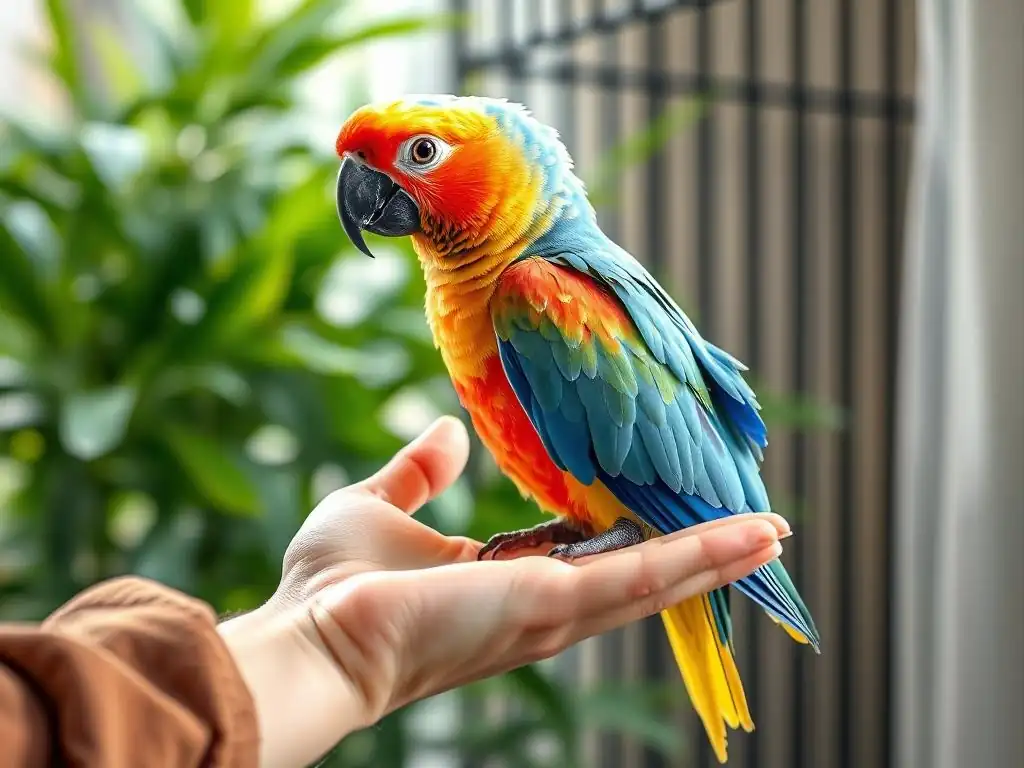
This step introduces the core concept of step-up training: associating a verbal cue ("Step up!") with the act of stepping onto your hand. Start by holding your hand, palm up, close to your bird's perch. Use a calm, clear voice to say "Step up!". Simultaneously, gently guide your bird's foot onto your hand using your other hand, if necessary. Immediately reward your bird with a treat as soon as it steps onto your hand.
Repeat this process numerous times, consistently using the "Step up!" command. Gradually increase the distance between your hand and the perch. Once your bird consistently steps up onto your hand from the perch, start introducing hand target training. Hold a treat close to your hand, guiding your bird to touch your hand to receive the treat. This reinforces the positive association with your hand. Remember, patience is key. Some birds learn quickly, while others may require more time and repetitions. Celebrate even the smallest successes.
Keep training sessions short and sweet, especially in the beginning. Aim for 5-10 minutes, several times a day. This prevents your bird from becoming overwhelmed or frustrated. If your bird shows signs of stress or disinterest, end the session and try again later. Always end on a positive note, with a successful step-up and a generous reward. The consistency of this routine is crucial for building a strong bond with your bird and teaching them the "step-up" command reliably. The routine's success hinges on your patience, positive reinforcement, and consistent application.
Step 4: Gradually Increasing the Duration and Difficulty of Training Sessions
Once your bird reliably performs the step-up command in short sessions, it's time to gradually increase the duration and complexity of your training. Start by extending the sessions by a few minutes each day. Instead of just one or two step-ups, aim for five or ten repetitions, always rewarding your bird generously after each successful attempt. Positive reinforcement remains key; maintain the enthusiastic praise and treats throughout these longer sessions.
Don't rush the process; consistency and patience are crucial. Observe your bird's body language closely. If they seem tired, frustrated, or disinterested, end the session immediately and try again later. Remember, short, frequent training sessions are far more effective than long, infrequent ones, especially when working with birds.
As your bird masters the basic step-up, you can introduce variations. Try asking for a step-up from different perches or surfaces, at different heights, and in different locations within its cage or play area. This helps generalize the learned behavior and makes it more robust. You might also start incorporating hand-targeting exercises, where you guide your bird's beak towards your hand before asking for the step-up.
This adds another layer of complexity and strengthens the bond between you and your feathered friend. Always proceed at your bird's pace and celebrate every small victory. Remember, the goal is to build confidence and a positive association with the training process.
Step 5: Handling Setbacks and Addressing Common Challenges in Bird Step-Up Training
Even with the best-laid plans, setbacks can occur during bird step-up training. Your bird might refuse to step up on certain days, exhibit fear or aggression, or simply seem uninterested. These are normal occurrences, and it's important to handle them with patience and understanding. If your bird refuses to step up, avoid forcing the issue. Instead, try a different approach. Perhaps a change of scenery, a different treat, or a shorter training session might be all that's needed. Never punish your bird for not complying; this will only damage your bond and make future training more difficult.
A common challenge is inconsistency in your bird's response. This often stems from a lack of clear communication or inconsistent reinforcement. Ensure that your command word is always the same, and that you deliver the reward immediately following a successful step-up. If aggression or fear is observed, you might need to reassess the training environment. Is it too noisy or stimulating?
Is your bird feeling stressed or unwell? Addressing underlying issues is crucial before continuing with training. If you suspect underlying health or behavioral problems, consult with an avian veterinarian or a certified avian behaviorist. They can provide expert guidance and help you develop a tailored training plan. Remember, patience and perseverance are vital in overcoming training challenges.
Step 6: Maintaining Consistency and Reinforcing Positive Behavior
Once your bird has mastered the step-up command, the work isn't over. Maintaining consistency is crucial for long-term success. Continue practicing the step-up command regularly, even if your bird performs it flawlessly. This prevents regression and solidifies the learned behavior. Short, regular sessions (even just a few minutes a day) are more effective than infrequent, longer ones. Think of it as a form of "maintenance training". Continue to use positive reinforcement—enthusiastic praise and tasty treats—to reward your bird for every successful step-up. This keeps the association positive and reinforces the desired behavior.
Incorporate the step-up command into your daily interactions with your bird. Ask for a step-up before offering food, water, or playtime. This integrates the command into your routine and helps maintain the bird's responsiveness. Regularly assess your training methods. Is your bird still engaged? Are the rewards still motivating? Adjust your approach as needed to keep the training process fun and rewarding for both you and your bird. Maintaining a consistent and positive training environment is key to sustaining the progress you've made and ensuring a strong, trusting bond with your feathered companion. 🎉
Troubleshooting Common Problems in Bird Step-Up Training

This section addresses common hurdles encountered during bird step-up training, offering practical solutions to help you achieve success. Remember, patience and positive reinforcement are key. Consistent application of your chosen bird step-up training routine is crucial for overcoming these challenges.
My Bird Refuses to Step Up: Identifying and Addressing Underlying Issues
A bird's refusal to step up can stem from various underlying issues. It's rarely about stubbornness; instead, it often signals discomfort, fear, or a lack of understanding. Let's explore some common causes and solutions:
- Lack of Trust: If your bird doesn't trust you, it won't willingly step up. This requires building a strong bond through positive interactions, such as gentle petting, talking softly, and offering favorite treats. Spend quality time with your bird outside of training sessions.
- Negative Past Experiences: Previous negative experiences with handling could make your bird fearful. Approach training slowly and gently, avoiding any sudden movements or forceful actions. Focus on building confidence before demanding a step-up.
- Physical Discomfort: A bird experiencing pain or discomfort (e.g., an injury, illness) may be reluctant to move. Consult an avian veterinarian to rule out any underlying health problems if your bird shows signs of illness or distress.
- Incorrect Technique: Using an incorrect training technique can confuse your bird. Ensure your hand is positioned correctly and that you're using clear and consistent cues. Avoid forcing your bird; instead, use positive reinforcement.
- Unclear Cues: Birds need clear and consistent cues to understand what you want. Use a simple verbal cue, such as "Step up," combined with a hand gesture. Maintain consistency in your cues and timing.
| Problem | Possible Cause(s) | Solution |
|---|---|---|
| Refusal to step up | Lack of trust, fear, pain, unclear cues, incorrect technique | Build trust, address fear, consult vet, use clear cues, adjust technique |
| Biting or nipping | Fear, frustration, territoriality | Desensitize to touch, manage frustration, respect boundaries |
| Hesitation or slow response | Lack of understanding, lack of motivation | Use positive reinforcement, make training fun, adjust reward system |
Remember, every bird learns at its own pace. Be patient and celebrate even small successes. 🎉
Dealing with Fear and Anxiety During Step-Up Training
Fear and anxiety are common obstacles in bird step-up training. A frightened bird is unlikely to cooperate. Here's how to address these challenges:
- Create a Safe and Comfortable Environment: Ensure the training area is quiet, free of distractions, and well-lit. Use a perch or stand that your bird feels secure on.
- Gradual Desensitization: If your bird is extremely fearful, start by simply placing your hand near its perch without demanding a step-up. Gradually increase proximity over several sessions.
- Positive Reinforcement: Use positive reinforcement extensively. Reward even the smallest attempts to step up with praise and treats. This helps to build confidence and associate the training process with positive experiences.
- Patience and Understanding: Recognize that overcoming fear takes time and patience. Don't rush the process, and always be mindful of your bird's emotional state. If your bird seems overly stressed, take a break and resume later.
“Patience is a virtue, especially when training a bird. Don't expect overnight results. Celebrate small victories and keep working towards your goal.”
Adjusting Your Training Approach for Different Bird Species and Personalities
Bird species and individual personalities vary greatly, necessitating adjustments to your training approach. What works for one bird might not work for another.
- Species-Specific Considerations: Some species are naturally more independent and less inclined to step up than others. Research your bird's species-specific behaviors and adjust your training methods accordingly. For example, larger birds may require a different approach than smaller, more delicate species.
- Individual Personalities: Even within a species, individual personalities differ significantly. Some birds are naturally more confident and curious, while others are shy and cautious. Observe your bird's behavior and adapt your training to its individual temperament.
- Flexibility and Adaptability: Be prepared to modify your training methods as needed. If a particular technique isn't working, try a different approach. The key is to remain flexible and adaptable to your bird's unique needs and responses.
- Professional Guidance: If you encounter significant difficulties, consider seeking guidance from an experienced avian trainer or veterinarian. They can provide personalized advice and address any specific challenges you're facing. A professional can offer valuable insights into your bird's behavior and suggest effective training strategies.
Advanced Step-Up Training Techniques for Birds

This section delves into more sophisticated methods to refine your bird's step-up training, building upon the foundational techniques. Remember, consistency and patience are paramount throughout this process. Even seemingly small advancements require dedicated effort and positive reinforcement. Mastering these advanced techniques will significantly strengthen your bond with your feathered friend and enhance their overall well-being. The goal is to cultivate a reliable and predictable response to your cues, making handling and interaction smoother and safer.
Incorporating Verbal Cues and Hand Signals for Enhanced Communication
Adding verbal cues and hand signals significantly improves communication during step-up training. Instead of relying solely on a presented hand, you introduce a verbal command, such as "Step up," simultaneously with the hand gesture. This multi-sensory approach reinforces the learning process, making the command more readily understood by your bird. For example, you would say "Step up" in a clear, calm voice while extending your index finger.
Initially, you might need to gently guide your bird's foot onto your finger while saying the command. Gradually, reduce the physical assistance as your bird begins to associate the verbal cue with the action. Consistency is key; always use the same word and hand gesture to avoid confusion.
You can also incorporate hand signals without verbal cues, especially useful in noisy environments or when you want a silent command. For instance, a specific hand gesture, like a slightly cupped hand, could become synonymous with "Step up." Observe your bird's response to both verbal and non-verbal cues to determine which method works best. Experimentation is encouraged; different birds respond better to different communication styles.
Remember to always maintain a positive and encouraging tone. Avoid harsh words or punishments, as this can negatively impact your bird's training progress and your relationship. Positive reinforcement, through treats and praise, is crucial for building a positive association with the step-up command.
Training Your Bird to Step Up onto Different Surfaces and Heights
Once your bird reliably steps up onto your finger, you can gradually introduce variations in surfaces and heights. This helps generalize the learned behavior and prepares your bird for various situations. Begin by introducing a low perch or a small, stable object near its cage. Use the same verbal and hand signals you used for your finger.
Initially, you might need to provide more guidance, gently guiding your bird's foot onto the new surface. Gradually reduce the assistance as your bird becomes more confident. Positive reinforcement remains crucial throughout this phase.
Next, progressively increase the height of the surfaces. Start with low perches and gradually move to higher ones. Always ensure the surfaces are secure and stable to prevent accidents. This process helps your bird adapt to different heights and learn to gauge its footing appropriately. Remember to maintain a positive and encouraging tone throughout the process. Celebrate each successful step-up with praise and a small treat.
Consider using a variety of surfaces, such as wooden perches, branches, or even your shoulder. This will make your bird more adaptable and comfortable in different situations. The goal is to build confidence and trust, making your bird more comfortable in various environments and with various interactions.
Building a Strong Bond with Your Bird Through Consistent Training
The process of step-up training is not merely about teaching a behavior; it's about building a strong, trusting relationship with your bird. Consistent, positive interaction during training strengthens the bond between you and your feathered companion. Patience and understanding are key components of successful bird training.
Remember, each bird learns at its own pace. Some birds might pick up the step-up command quickly, while others may require more time and repetition. Never rush the process. Celebrate even the smallest successes. Positive reinforcement, such as verbal praise, petting, or a small treat, significantly reinforces the desired behavior and builds trust.
Avoid using punishment or harsh methods. These will only damage the bond you're trying to build and can negatively impact your bird's behavior and well-being. Focus on creating a positive and enjoyable experience for both of you. Regular training sessions, even short ones, are more effective than infrequent, longer ones.
The consistent interaction during these training sessions provides valuable bonding time. This strengthens your connection and enhances your understanding of your bird's personality and preferences. This improved understanding helps you better meet your bird's needs and contributes to a happier, healthier pet. The "Bird stepup training routine" should become a positive, enjoyable experience for both you and your avian friend.
Maintaining Your Bird's Step-Up Training Routine for Long-Term Success
Successful bird step-up training isn't a one-time achievement; it requires consistent effort and a commitment to maintaining a well-established routine. Think of it like learning a new language – you need constant practice to retain fluency. Similarly, your bird needs regular reinforcement to remember and reliably perform the step-up command. Failing to maintain the routine can lead to regression, making the entire process more challenging in the long run.
This section focuses on strategies to ensure your bird retains and improves its step-up skills. We'll explore the importance of ongoing reinforcement, recognizing signs of regression, and adapting your routine to life's inevitable changes. Remember, patience and consistency are key to long-term success in bird step-up training. The better your routine, the more successful your bird step-up training will be!
The Importance of Ongoing Reinforcement and Positive Feedback
Even after your bird masters the step-up command, consistent reinforcement is crucial. Don't assume that once learned, it's permanently ingrained. Think of it like this: imagine you learned to ride a bike as a child. If you never rode again, you'd likely struggle to get back on. Similarly, your bird needs regular practice to maintain its skill.
Regular practice should involve multiple step-up sessions throughout the day, even if they're brief. These sessions shouldn't be stressful; instead, focus on positive reinforcement. Each successful step-up should be rewarded immediately with praise, a favorite treat, or a brief petting session. The reward should be directly linked to the desired behavior – the step-up onto your finger. Inconsistency in rewarding will confuse your bird and hinder progress.
Here's a sample schedule you can adapt:
| Time of Day | Activity | Reward | Notes |
|---|---|---|---|
| Morning (7:00 AM) | Step-up command practice (5 repetitions) | Small piece of favorite fruit/seed mix | Focus on speed and accuracy |
| Mid-day (12:00 PM) | Step-up command practice (3 repetitions) | Praise and a head scratch | Keep it short and sweet |
| Evening (6:00 PM) | Step-up command practice (5 repetitions) | Larger piece of favorite treat | End on a positive note |
Remember to vary your commands slightly. Instead of always saying "Step up," try "Come here," "Hop on," or even a soft whistle associated with the action. This helps prevent your bird from associating the command with a specific phrase and makes the training more versatile. This variety is crucial for building a strong and reliable bird step-up training routine.
Recognizing Signs of Regression and Addressing Them Effectively
Even with consistent reinforcement, your bird might occasionally show signs of regression. This isn't necessarily a failure, but rather a normal part of the learning process. Common signs include hesitation before stepping up, ignoring the command, or even biting when prompted. These behaviors are often triggered by stress, illness, or changes in the bird's environment.
If you notice regression, don't panic. The first step is to identify the potential cause. Is your bird exhibiting any other unusual behaviors? Has there been a significant change in its routine or environment? Has there been a change in its health? Has the bird experienced a frightening event? Addressing the underlying cause is often the key to resolving the regression.
If the regression seems related to stress, try to create a more calming environment. Reduce noise and distractions during training sessions. If the problem persists, consider seeking advice from an avian veterinarian or a certified avian behaviorist. They can help you rule out any underlying medical issues and offer personalized advice on how to address the behavior. Remember, patience and a calm approach are vital in addressing regression. Avoid punishing your bird; this will only worsen the situation.
Adapting Your Routine to Accommodate Changes in Your Bird's Life
Life is full of changes, and your bird's life is no exception. New people, new environments, or even a change in your daily routine can affect your bird's behavior, including its step-up performance. Adapting your training routine to accommodate these changes is essential for maintaining long-term success.
For example, if you're introducing a new person to your bird, start by having that person offer treats and interact positively with your bird without demanding a step-up. Gradually introduce the step-up command once your bird is comfortable with the new person.
Similarly, if you're moving to a new home, continue the step-up training routine in your familiar surroundings before gradually introducing the command in the new environment. Consistency is key, even during periods of transition. Maintain short, frequent training sessions to reinforce the command. Remember, a gradual transition and consistent reinforcement will help your bird adjust to changes and maintain its step-up skills. This proactive approach will ensure that even amidst life's disruptions, your bird step-up training routine remains effective and reliable. The ultimate goal is a strong, consistent routine that works for both you and your feathered friend.
Frequently Asked Questions
What is step-up training?
Step-up training is a positive reinforcement method used to teach your bird to step up onto your finger or a perch on command. This builds trust and improves your bond. It's crucial for handling and vet visits.
How long does step-up training take?
The time it takes varies greatly depending on the bird's age, personality, and your consistency. Some birds learn quickly, while others may take weeks or even months. Patience is key!
What tools do I need for step-up training?
You'll primarily need high-value treats your bird loves, a perch, and plenty of patience and positive reinforcement. Avoid using harsh methods; focus on rewarding desired behavior.
What if my bird refuses to step up?
If your bird resists, try different treats, shorter training sessions, or a different approach. Never force your bird; build trust through positive interactions. Consult a veterinarian or avian specialist if problems persist.
How can I maintain my bird's step-up training?
Consistency is vital. Practice step-up commands daily, even for just a few minutes. Continue to reward desired behavior and maintain a positive and calm environment during training sessions.
Final Reflection: The Enduring Power of Routine in Avian Bonding
The consistent application of step-up training isn't just about teaching a bird a trick; it's about forging a deep, trusting bond built on mutual understanding and respect. This seemingly simple act of training translates to a richer, more fulfilling relationship with your feathered friend, impacting their well-being and strengthening your connection profoundly.
The impact of consistent routines extends far beyond the immediate act of teaching a bird to step up. It establishes a predictable environment that reduces stress and anxiety, fostering a sense of security crucial for a bird's emotional health. A bird's happiness is directly tied to its sense of security and predictability.
This quote, though not directly from an avian expert, encapsulates the core principle: consistent training provides that predictability, building trust and strengthening the human-animal bond. This positive reinforcement shapes not only behavior but also the overall emotional landscape of the bird's life.
Now, consider your own relationship with your bird. What consistent routines can you implement to further strengthen your bond? Perhaps it's a dedicated playtime each day, a consistent feeding schedule, or even just a few minutes of quiet interaction. Take the time to reflect on the power of routine and how it can transform your relationship with your avian companion. Embrace the journey of consistent training, not just as a means to an end, but as a continuous process of building trust, understanding, and a lasting connection.
Unlock Your Bird's Potential: Start Training Today!
Thank you for learning about the benefits of consistent training for your bird! You've gained valuable insights into strengthening your bond and improving your bird's well-being. Now, let's put that knowledge into practice.
Here's how to get started:
- Start training your bird today! Even 5-10 minutes of daily practice can make a significant difference. Begin with a single, simple command and gradually introduce more complex ones.
- Share your training experiences—both successes and challenges—with our community in the comments below. Let's learn from each other!
- Experiment with different training techniques and rewards to discover what motivates your bird best. You might be surprised by what works!
What small step will you take today to strengthen your bond with your feathered friend?