
Celebrate Your Success: Recognizing Milestones in Flyball Training

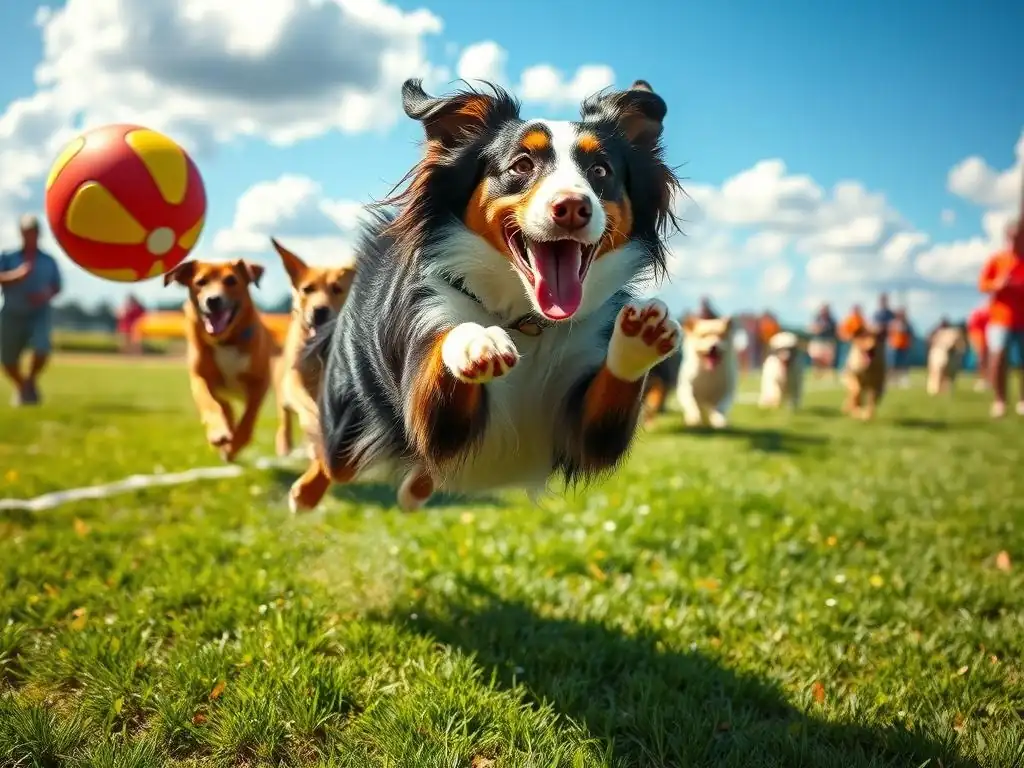
Welcome to PetCareWorld, your ultimate guide to a happier, healthier life for your beloved companions! Are you ready to witness the incredible progress of your canine athlete? Discover the key Flyball training milestones that mark your dog's journey to success, and learn how to celebrate each achievement along the way. Dive in and unlock the secrets to a rewarding and fun-filled training experience!
- Understanding Flyball Training Milestones for Dogs
- Intermediate Flyball Training Milestones for Dogs
- Advanced Flyball Training Milestones for Dogs
- Beyond the Course: Maintaining Skills and Enjoyment
- Rewarding Your Canine Athlete: Beyond Treats and Praise
- Frequently Asked Questions
- Final Reflection: The Enduring Joy of Flyball Milestones
- Unleash Your Dog's Potential: Take the Next Step in Flyball!
Understanding Flyball Training Milestones for Dogs
Flyball, a canine sport requiring speed, agility, and teamwork, is incredibly rewarding for both dog and owner. This article will guide you through key milestones in flyball training for dogs, helping you celebrate your progress and build a strong, positive training relationship. We'll explore the journey from initial introductions to the equipment to mastering the complete sequence, emphasizing the importance of positive reinforcement and patience throughout the process.
Understanding these milestones will not only accelerate your dog's learning but also enhance your enjoyment of this exciting sport. Remember, consistency and positive reinforcement are key to success in flyball training – celebrating each achievement, no matter how small, strengthens the bond between you and your canine companion and keeps the training process fun and engaging. This detailed guide focuses on the critical stages of flyball training for dogs, providing practical tips and advice to help you reach your goals.
Let's dive in and start celebrating those milestones! 🎉
Early Stages: Introducing the Box and the Ball
The initial stages of flyball training focus on familiarizing your dog with the core elements: the box and the ball. This involves a gradual introduction to avoid overwhelming your furry friend. Start by simply letting your dog sniff and explore the flyball box. Reward calm investigation with treats and praise. Next, introduce the ball, associating it with positive experiences.
Play fetch in a controlled environment, rewarding successful retrieves. Gradually introduce the ball to the box, rewarding your dog for approaching and interacting with it near the box. Remember, patience is key! Avoid forcing any interaction, and always keep the training sessions short, fun, and rewarding.
Positive reinforcement, using high-value treats and enthusiastic praise, is crucial at this stage to build a positive association with the equipment. Many dogs will quickly become confident in this environment. Some may need more encouragement. Pay attention to your dog's cues and adjust the pacing accordingly.
This early phase lays the foundation for future success. It's about building trust and confidence, not about speed or perfection. Use this time to establish a strong communication and reward system. Remember, even the smallest progress—a sniff of the box, a touch of the ball—deserves enthusiastic praise! 🐶
Building Excitement: Positive Reinforcement Techniques
Once your dog is comfortable with the box and the ball, it's time to build excitement and anticipation. This stage focuses on using positive reinforcement techniques to motivate your dog and associate the flyball equipment with rewarding experiences. Positive reinforcement relies heavily on rewarding desired behaviors with treats, praise, and toys, which helps your dog understand what actions lead to positive outcomes. Avoid punishment-based methods, as these can create fear and anxiety, hindering progress.
Instead, focus on rewarding even the slightest progress towards the desired behavior. For example, if your dog approaches the box, immediately reward them. If they touch the ball, reward them again!
Consider using a clicker to mark the exact moment your dog performs the desired behavior, followed immediately by a reward. This creates a clear association between the behavior and the reward. Gradually increase the difficulty by rewarding more complex actions. For instance, after rewarding simply touching the ball, begin rewarding them for picking it up.
The goal is to build a strong association between the action and the reward, making the flyball activity enjoyable and motivating for your dog. Remember that every dog learns at its own pace. Be patient and celebrate each small victory. Positive reinforcement is the cornerstone of successful flyball training and creating a strong bond between you and your dog.
Mastering the Sequence: Jumps, Turns, and the Box
This final stage involves integrating all the elements: the jumps, the turns, and retrieving the ball from the box. Start by introducing the jumps one at a time, rewarding your dog for successfully navigating each jump. Gradually increase the number of jumps. Then, incorporate turns, rewarding your dog for turning around after the jumps. Finally, combine the jumps, turns, and retrieving the ball from the box.
This requires patience and consistent reinforcement. Break down the sequence into smaller, manageable steps, rewarding your dog at each step. Use shaping and luring techniques to guide your dog through the sequence. Shaping involves rewarding successive approximations of the desired behavior. Luring involves using a treat or toy to guide your dog through the sequence.
Remember to maintain a positive and encouraging training environment. Celebrate every successful run, no matter how small the improvement. Consistency and patience are key to mastering the flyball sequence. The reward system should remain consistent throughout the training process. This stage emphasizes the importance of teamwork and communication between you and your dog. Keep training sessions short and fun, ending on a positive note to ensure your dog maintains enthusiasm for the activity. With dedication and consistent training, you and your dog will be ready to compete and show off your flyball skills! 🏆
Refining Technique: Speed and Accuracy Drills
Refining your dog's technique in flyball is crucial for success. Simply getting the dog to the box and back isn't enough; speed and accuracy are key to winning competitions. This stage focuses on honing their skills to maximize efficiency and minimize errors. We're talking about shaving those precious seconds off their time and ensuring a clean run every time. This isn't just about brute speed; it's about controlled, powerful movements.
One effective drill involves setting up multiple hurdles at varying distances. This helps the dog practice their jumping technique and their ability to maintain speed over varied terrain. Start with fewer hurdles and gradually increase the number as your dog improves. Focus on their form—are they clearing the hurdles cleanly? Are they maintaining a consistent pace? Correct any flaws early on to avoid them becoming ingrained habits. Video recording these practice sessions can be invaluable for identifying subtle issues you might otherwise miss. 🐾
Another crucial aspect is practicing their turn around the box. Many dogs struggle with this, losing valuable time and sometimes even missing the ball entirely. Use cones or markers to define a clear turning radius. Reward quick, efficient turns, gradually reducing the size of the turning radius as they improve. You can also incorporate scent work into this drill – placing a small amount of high-value treat near the box to encourage a sharp turn towards the reward. This positive reinforcement helps build speed and accuracy simultaneously.
Consider introducing distractions during practice to prepare your dog for the competitive environment. This could involve practicing in busier areas, adding noises, or having other dogs present (at a safe distance, of course!). Adaptability is a key skill for a successful flyball dog, and this training helps build their resilience and focus under pressure. Remember, the goal is to build a dog that's not only fast but also calm and confident in competition. 🏆
Finally, don't underestimate the importance of consistent training. Regular, shorter sessions are often more effective than infrequent, longer ones. This allows your dog to focus better and reduces the risk of burnout or frustration. Always end on a positive note, rewarding even small improvements to maintain their enthusiasm and motivation. Remember, patience and consistency are key to success in flyball training! 🐕🦺
Intermediate Flyball Training Milestones for Dogs
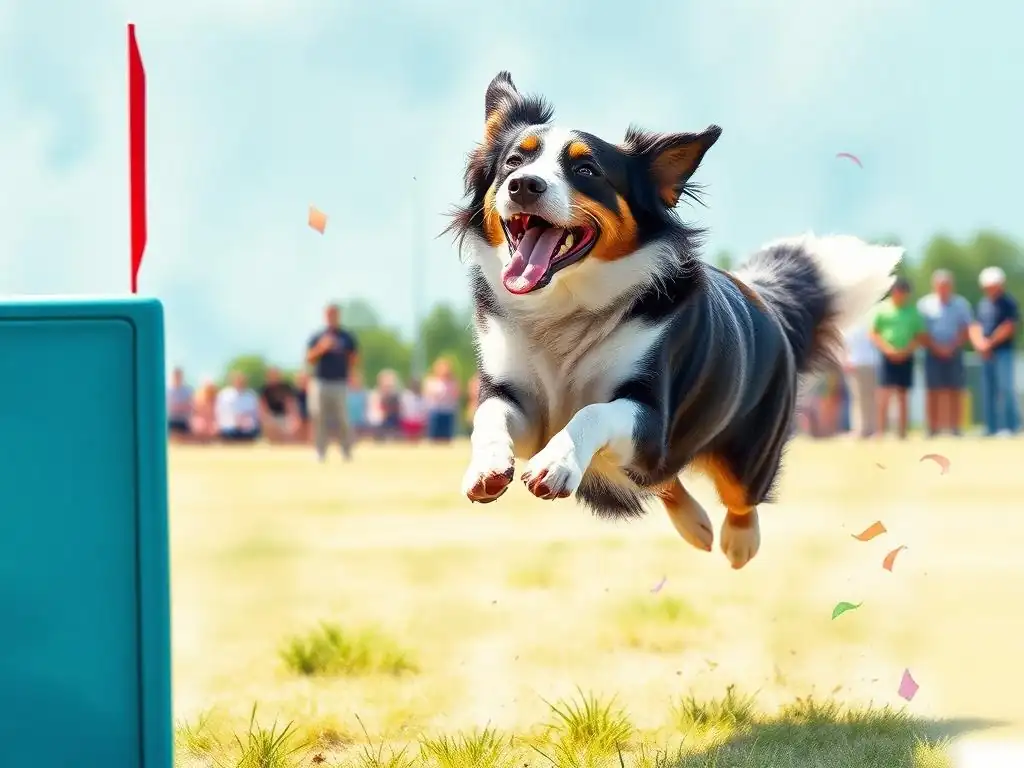
This section focuses on the intermediate stages of flyball training for dogs, building upon foundational skills. We'll explore key milestones focusing on speed, teamwork, and distraction management – crucial elements for successful flyball competition. Remember, patience and positive reinforcement are key throughout the entire training process. Consistent progress, not speed, should be your primary focus. Celebrate each small victory! 🎉
Increasing Speed and Efficiency: Advanced Drills
Once your dog reliably retrieves the ball and returns to the box, it's time to focus on increasing speed and efficiency. This involves refining their technique and introducing more challenging drills. We'll examine several key areas:
- Faster Turns: Practice tighter turns around the jump bar. Start with wider turns and gradually decrease the radius, rewarding quick and accurate execution. Use visual aids like cones to guide their path. A good target is to achieve a smooth, almost instantaneous turn without sacrificing speed.
- Optimized Fetch: Work on a faster, more efficient fetch. This goes beyond simply retrieving the ball; it's about streamlining the entire process. Encourage a powerful push-off from the box and a direct path to the ball. Consider using a slightly longer-handled ball launcher to increase distance and simulate race conditions.
- Jump Technique: Ensure your dog maintains a consistent, powerful jump throughout the course. Focus on their takeoff and landing – smooth, controlled movements are essential to prevent injuries and maximize speed. Video recording your dog's runs can be invaluable for identifying areas needing improvement. Analyze their form; are they using their full body strength? Are their jumps consistent in height and distance?
- Drill Integration: Combine these elements into more complex drills. For example, create a mini-course with a few jumps and turns to simulate parts of a full flyball race. This helps your dog integrate the skills learned independently into a more fluid sequence. Remember to always end on a positive note, even if there are minor setbacks during the drill.
Teamwork and Coordination: Practicing with Other Dogs
Flyball is a team sport! As your dog progresses, integrating them with other dogs is crucial. This introduces new challenges and helps build essential teamwork skills.
- Controlled Introductions: Start with controlled introductions to other dogs, preferably in a familiar, low-stress environment. Short, supervised sessions are key, gradually increasing the duration as your dog becomes comfortable.
- Practice Runs: Practice runs with other dogs should be carefully managed. Ensure all dogs are appropriately trained and well-behaved. The initial runs might be less focused on speed and more on navigating the course alongside other dogs without conflict.
- Turn Taking: Teach your dog to wait their turn patiently, even when other dogs are running. This requires impulse control and can be achieved through consistent training using cues like “wait” or “stay.”
- Positive Reinforcement: Positive reinforcement is crucial when working with multiple dogs. Reward calmness, good behavior, and respectful interactions between dogs. Avoid punishment, which could negatively impact their performance and enjoyment of the sport. Focus on celebrating the team's success rather than individual performance.
Handling Distractions: Building Focus and Concentration
Real-world flyball competitions are far from quiet and controlled environments. Therefore, building your dog's ability to focus amidst distractions is paramount for success.
- Gradual Exposure: Gradually introduce distractions during training. Start with minor distractions like noises and gradually progress to more significant ones, such as other activities taking place nearby. Consistent exposure helps your dog adapt and remain focused on the task.
- Controlled Environment: Begin in a relatively quiet space, then progressively introduce more distractions. The goal is to help your dog learn to filter out irrelevant stimuli and maintain concentration on the flyball course.
- Rewarding Focus: Reward your dog for maintaining focus even when distractions are present. This reinforces the desired behavior and encourages them to continue concentrating. A high-value reward is particularly effective in distracting situations.
- Varying Training Locations: Training in different locations helps your dog adapt to a wider range of environmental stimuli and build resilience to distractions. This could include different times of day and varying levels of activity around the training area. Remember that consistency in positive reinforcement is key regardless of the environment.
Remember, celebrating milestones is not just about rewarding your dog; it's also about acknowledging your own progress as a handler. Enjoy the journey and the bond you build with your canine companion through this exciting sport! 🏆
Troubleshooting Common Issues: Stalls and Hesitations
Stalls and hesitations are common hurdles in intermediate flyball training. These aren't necessarily signs of a poorly trained dog, but rather points where the dog needs further support and refinement in their understanding of the course and their own abilities. Often, these issues stem from a breakdown in communication between handler and dog, or a lack of confidence within the dog itself. Let's explore some common causes and effective solutions.
One frequent cause of stalls is a poorly defined cue or inconsistent handling. If your dog isn't consistently receiving clear signals for the various stages of the course – the initial release, the turn around the box, and the return – they may become confused and hesitant. A dog relying on visual cues from their handler might stall if the handler moves unpredictably or offers conflicting signals.
To address this, focus on precise and consistent cueing. Practice your cues in various environments to help your dog generalize the commands. Use clear verbal cues paired with consistent hand signals, ensuring your movements are smooth and predictable.
Another common problem is a lack of reinforcement. If the reward system isn't sufficiently rewarding or consistent, your dog might lose motivation and become less enthusiastic about completing the course. Remember, positive reinforcement is key. Make sure your rewards are highly valued by your dog – whether it's a favorite toy, high-value treats, or enthusiastic praise. Reward effort as well as successful completion. Even if your dog doesn't complete the course perfectly, acknowledge and reward any attempts to follow the cues and navigate the obstacles. This helps maintain their motivation and confidence.
Fear and anxiety can also play a significant role in stalls and hesitations. A dog that's fearful of the flyball box or the loud noises of the competition might freeze or refuse to continue. In these cases, desensitization and counter-conditioning are vital. Gradually introduce your dog to the stimuli they fear, starting at a distance and rewarding calm behavior.
Slowly decrease the distance as your dog's confidence grows. Positive reinforcement techniques, such as clicker training, can be particularly helpful in building a positive association with the potentially frightening aspects of the course. Consider using calming aids, such as pheromone diffusers or calming treats, to help reduce anxiety in particularly stressful situations.
Finally, physical limitations can also contribute to stalls. If your dog is experiencing pain or discomfort, they might be hesitant to run or jump. Regular veterinary check-ups are essential to rule out any underlying health issues. Ensure your dog is appropriately conditioned for the physical demands of flyball.
Gradually increase the intensity and duration of training sessions to avoid overexertion and injury. Pay close attention to your dog's body language – any signs of limping, stiffness, or reluctance to move should prompt a veterinary examination. Addressing physical issues promptly is crucial to prevent further problems and ensure your dog's well-being. Remember, a healthy and comfortable dog is a successful flyball dog!
Advanced Flyball Training Milestones for Dogs
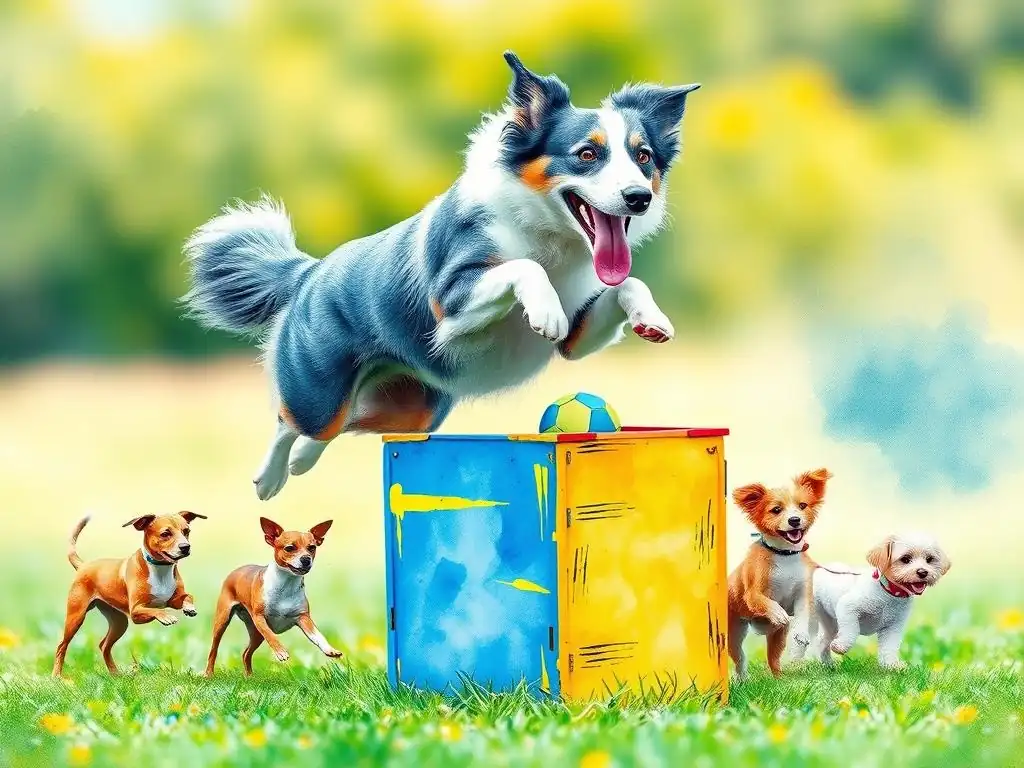
This section focuses on the advanced stages of flyball training for dogs, building upon the foundational skills already mastered. We'll explore crucial milestones that mark a dog's readiness for competition and sustained success in this exhilarating canine sport. Reaching these milestones requires patience, consistent training, and a deep understanding of your dog's individual needs and capabilities. Remember, celebrating each achievement reinforces positive behavior and strengthens the bond between you and your canine athlete.
Competition Preparation: Refining Performance
Once your dog consistently retrieves the ball and returns to the box flawlessly during practice, it's time to elevate your training to a competition level. This involves refining their performance under increasingly challenging conditions. Think of it as fine-tuning a finely tuned machine. Small adjustments can make a significant difference in overall speed and accuracy.
Several key aspects need meticulous attention:
- Precision Turns: Practice sharp, controlled turns at the end of the run to ensure a smooth transition back to the box. Work on minimizing wasted movements and maximizing efficiency. Consider using visual cues, such as cones or markers, to guide your dog's path.
- Box Entry: The box entry should be swift and precise. Practice variations in box placement and distances to ensure adaptability. Reward quick and accurate entries consistently. A hesitant entry can cost valuable seconds during a competition.
- Teamwork and Synchronization: If you're participating in team flyball, focus on synchronization with other dogs and handlers. Practice starting and stopping signals, ensuring seamless transitions between dogs. This requires excellent communication and coordination.
- Handling Distractions: Practice sessions should gradually incorporate distractions to simulate competition environments. Introduce noises, movement, and even other dogs to build resilience and focus. The goal is to train your dog to remain calm and focused under pressure.
Handling Pressure: Managing Anxiety and Excitement
Competition environments can be overwhelming for even the most experienced flyball dogs. Managing anxiety and excitement is paramount to consistent performance. Signs of stress might include excessive panting, restlessness, or refusal to perform. Addressing these issues proactively is crucial for your dog's well-being and success.
Here are some strategies to help your dog handle pressure effectively:
- Desensitization: Gradually introduce your dog to competition-like settings. Start with low-pressure situations and slowly increase the intensity. This gradual exposure helps your dog adapt to the sensory overload of a competition.
- Relaxation Techniques: Incorporate relaxation exercises into your training routine. These could include massage, calming treats, or even quiet resting periods. A relaxed dog is better equipped to handle pressure.
- Positive Reinforcement: Maintain a positive and encouraging approach throughout training. Avoid punishment or harsh corrections, as these can exacerbate anxiety. Reward calm behavior and focus.
- Individualized Approach: Recognize that every dog reacts differently to pressure. Tailor your training methods to your dog's specific needs and sensitivities. What works for one dog may not work for another.
Maintaining Motivation: Keeping Training Engaging
Maintaining your dog's motivation is essential for long-term success in flyball. Training sessions should remain exciting and rewarding to prevent boredom and burnout. A bored dog is less likely to perform at their best.
Here's how to keep your flyball training sessions engaging:
- Variety: Introduce variations in training exercises to prevent monotony. This could involve changing the location, using different types of balls, or incorporating new challenges.
- Rewards: Continue to use high-value rewards to motivate your dog. These could be treats, praise, or even a favorite toy. Vary your rewards to keep things interesting.
- Breaks: Ensure your dog gets adequate rest and breaks during training sessions. Overtraining can lead to fatigue and decreased performance.
- Positive Interaction: Focus on positive interactions with your dog outside of training. This strengthens your bond and creates a positive association with training. Remember, flyball is a team sport; the fun you share is what matters most!
Remember that consistent, positive reinforcement and a focus on your dog's well-being are key to achieving these advanced flyball training milestones. Celebrate every success along the way, and enjoy this exciting journey with your four-legged friend! 🎉
Celebrating Success: Recognizing Achievements and Progress
Celebrating your dog's achievements in flyball is crucial for maintaining motivation and building a strong bond. Flyball training, while incredibly rewarding, can be challenging. Consistent progress, even in small increments, deserves acknowledgment. Don't just focus on the big wins; celebrate the smaller victories along the way. This positive reinforcement strengthens the dog-handler relationship and keeps your canine companion enthusiastic about training. A simple "good dog!" and a pat on the head can go a long way, but consider incorporating more elaborate celebrations as your dog masters more complex skills.
For instance, mastering a specific hurdle sequence, consistently making accurate turns, or reliably retrieving the ball from the box are all significant milestones. Each successful run, regardless of speed, represents progress. You might consider rewarding your dog with a favorite toy after a particularly good practice session or a special treat after conquering a challenging obstacle. Positive reinforcement through praise, treats, and playtime is key to maintaining your dog's engagement and enthusiasm.
Remember that celebrating success isn't just about rewarding your dog; it's also about acknowledging your own hard work and dedication. Flyball training is a journey that requires patience, persistence, and a willingness to learn. Taking the time to appreciate your accomplishments, both big and small, will help you stay motivated and continue to improve your teamwork with your canine partner. Consider keeping a training journal to track your progress and celebrate those special moments.
This journal can become a valuable record of your flyball journey, showcasing not just your dog's skills, but also the growth of your bond. Use photos and videos to capture these memorable milestones. This visual record will help you reflect on how far you've both come. 🎉
Beyond the Course: Maintaining Skills and Enjoyment
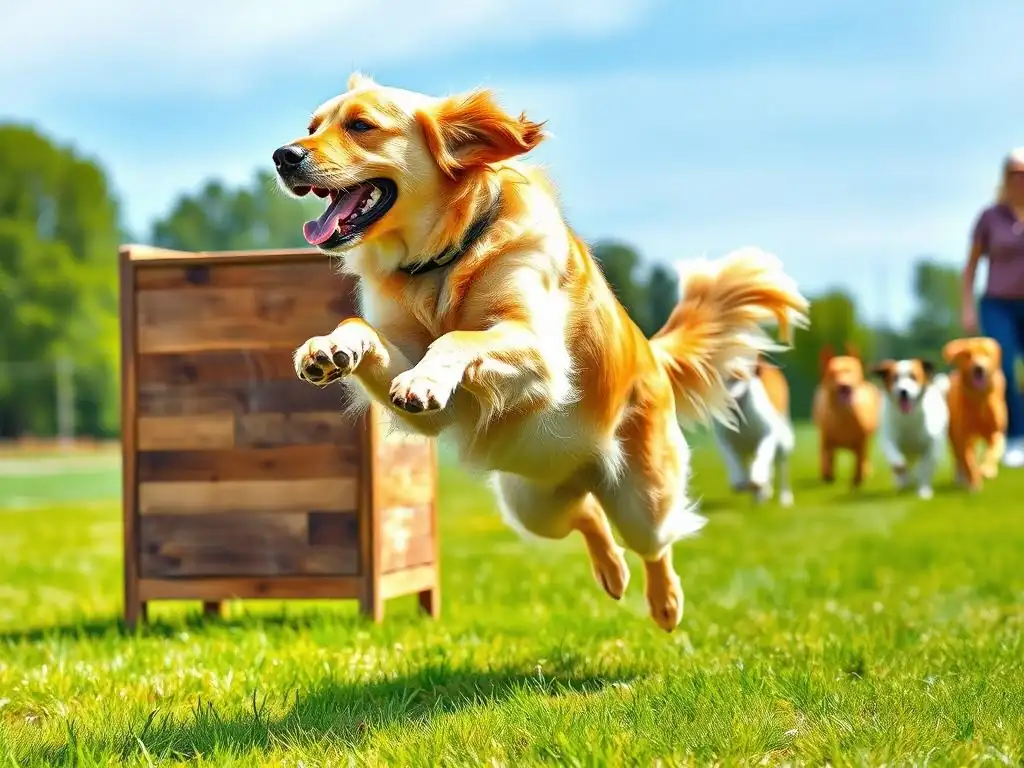
Maintaining your dog's flyball skills and enthusiasm requires consistent effort beyond formal training sessions. Think of it like this: you wouldn't expect to run a marathon without regular training; the same applies to canine athletes. The key is to create a balanced program that keeps your dog physically and mentally stimulated, preventing boredom and reinforcing learned behaviors. This section will focus on practical strategies to ensure your dog continues to thrive in flyball and enjoys the process.
Regular Practice and Maintenance Drills
Regular practice is crucial for maintaining your dog's flyball skills. While full-blown practice sessions aren't always feasible, incorporating short, focused drills into your daily routine can make a significant difference. These drills should focus on refining specific skills, rather than full-course runs. For example:
- Box work: Spend 5-10 minutes daily focusing on clean box entries and exits. Reward quick, decisive actions.
- Turnarounds: Practice sharp turns, emphasizing speed and control. This is especially important for maintaining agility and preventing injuries.
- Fetch practice: A strong fetch is fundamental to flyball. Regular fetch practice, varying the distance and retrieving objects, keeps your dog's retrieving skills sharp.
- Recall exercises: Reliable recall is essential for safety and efficiency during training and competitions. Incorporate recall drills into your daily walks and playtime.
Consistent, short practices are far more effective than infrequent, lengthy sessions. Remember to focus on positive reinforcement and keep the sessions fun and engaging. A tired, frustrated dog won't learn as effectively. Think of it as quality over quantity when planning your flyball training milestones dogs. A consistent training regime is key to success.
Cross-Training for Fitness and Agility
Cross-training is vital for preventing injuries and maintaining overall fitness. Flyball demands specific skills, but a well-rounded fitness regime enhances performance and reduces the risk of muscle imbalances. Consider these cross-training activities:
- Swimming: A low-impact exercise that builds muscle strength and cardiovascular fitness.
- Walking/Hiking: Excellent for building endurance and improving overall health. Vary the terrain to challenge your dog.
- Agility training: Improves coordination, agility, and responsiveness – all crucial for flyball success. This also helps develop focus and listening skills.
- Other dog sports: Exploring other canine activities, such as scent work or dock diving, provides mental stimulation and prevents boredom.
Remember to introduce new activities gradually and monitor your dog's response. The goal is to build strength and stamina without overexerting your canine athlete. A balanced approach to flyball training milestones dogs is important to ensure longevity in the sport.
Enriching Your Dog's Life: Beyond Flyball Training
Flyball is a fantastic sport, but it shouldn't be the only focus in your dog's life. A balanced and enriched lifestyle is essential for a happy and well-adjusted dog. Consider these activities:
- Mental stimulation: Puzzle toys, scent work, and training games keep your dog mentally engaged and prevent boredom. This prevents frustration and enhances focus during flyball training.
- Socialization: Regular interaction with other dogs and people helps your dog develop appropriate social skills and reduces anxiety.
- Downtime and relaxation: Ensure your dog has ample time to rest and relax. A tired dog is more likely to be irritable and less receptive to training.
- Regular veterinary check-ups: Maintaining your dog's health is paramount. Regular check-ups ensure early detection of any potential problems.
Remember, a happy, healthy, and well-rounded dog is a more successful flyball competitor. By incorporating these strategies into your training plan, you'll not only maintain your dog's flyball skills but also build a stronger bond and enhance their overall well-being. This holistic approach to flyball training milestones dogs is essential for long-term success and enjoyment.
Rewarding Your Canine Athlete: Beyond Treats and Praise
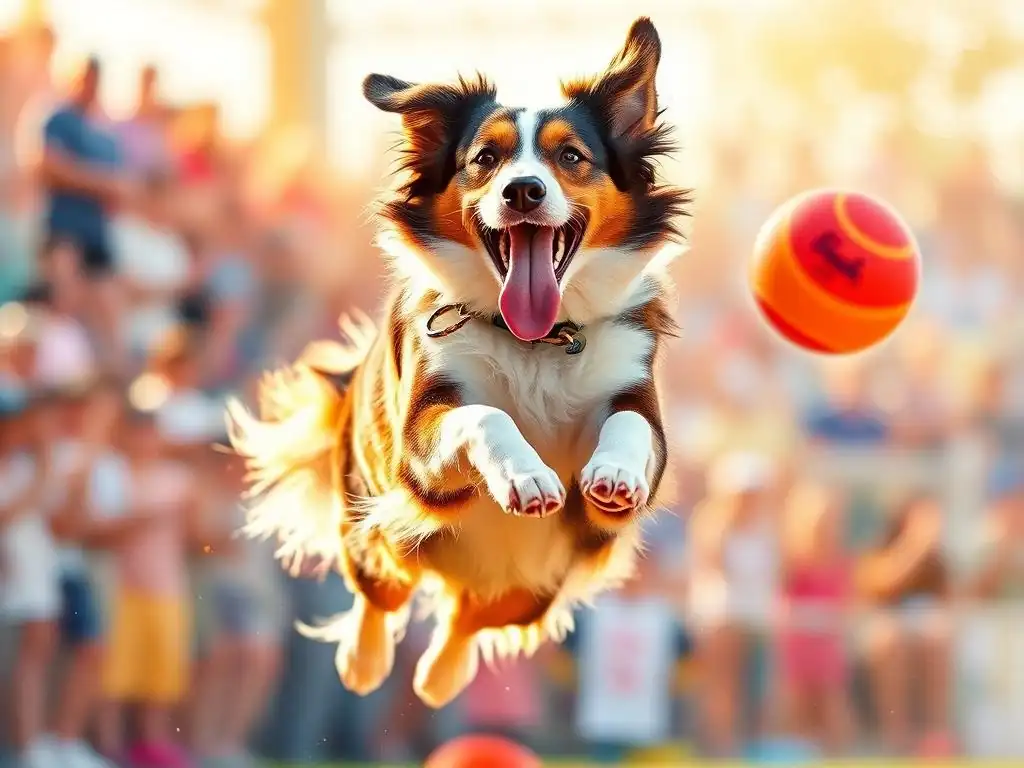
Flyball training for dogs isn't just about mastering the course; it's about fostering a strong, positive relationship between you and your canine companion. While treats and praise are essential components of positive reinforcement, a truly effective reward system goes beyond these basics. Understanding your dog's individual motivations is key to unlocking their full potential in flyball.
Some dogs are highly food-motivated, readily responding to the promise of a delicious kibble or a tasty treat. Others, however, are more toy-driven, their eyes lighting up at the sight of their favorite fetch toy. Still others thrive on praise and affection, their tails wagging furiously at a simple "Good dog!"
It's crucial to observe your dog's reactions to different rewards to tailor your approach. Experiment with a variety of rewards to discover what truly motivates your dog. This might involve trying different types of treats (high-value treats are particularly effective during intensive training sessions), a variety of toys (squeaky toys, plush toys, ropes), or even a combination of both, along with enthusiastic praise. Remember, the most effective reward is the one that elicits the most enthusiastic response from your dog.
Positive Reinforcement Strategies for Flyball Success
Positive reinforcement is the cornerstone of successful flyball training. It focuses on rewarding desired behaviors, making them more likely to be repeated. This contrasts sharply with punishment-based methods, which can damage the dog-handler bond and create fear or anxiety. In flyball, positive reinforcement translates to rewarding each small step toward success. This might include rewarding the dog for approaching the box, for correctly retrieving the ball, or for returning to you after retrieving the ball.
Consider this example: Instead of correcting a dog for a missed jump, focus on rewarding the successful jumps. Celebrate even the smallest improvements. This builds confidence and makes the training process more enjoyable for both you and your dog. Gradually increase the difficulty of the tasks as your dog masters each step.
For instance, start with simple retrieves in an open area before progressing to the full flyball course. This gradual approach prevents overwhelm and ensures that your dog remains engaged and motivated throughout the training process. Remember to keep training sessions short and frequent, focusing on positive interaction and building your dog’s confidence. This approach ensures that "Flyball training milestones dogs" achieve are celebrated and motivate further progress.
Celebrating Achievements: Recognizing Milestones and Progress
Tracking your dog's progress is crucial for maintaining motivation and identifying areas needing further work. One effective method is to keep a training journal. This journal should note each training session, detailing the exercises performed, the dog's performance, and the rewards used. This detailed record allows you to monitor your dog's progress over time, identifying patterns and areas where adjustments are needed. For example, if your dog consistently struggles with a particular jump, you can dedicate extra time and attention to that specific skill.
You can also incorporate visual aids. A simple chart tracking successful runs or completed skills can be very motivating for both you and your dog. Visual representations of progress, such as stickers or stars on a chart, can provide a clear indication of achievements. Rewarding significant milestones with special treats or playtime outside of the training setting provides further encouragement.
Remember, celebrating small victories is just as important as celebrating larger achievements. This positive reinforcement helps build your dog's confidence and reinforces the positive associations with flyball. The joy you share in their success is a powerful reward in itself.
Building a Strong Bond: The Importance of Teamwork in Flyball
Flyball is not just a sport; it's a team effort. The bond between you and your dog is the foundation of success. A strong bond is built on trust, mutual respect, and consistent positive reinforcement. Training should be a fun, interactive experience, not a chore. Your dog should view you as a supportive partner, not a demanding taskmaster. This positive dynamic is essential for overcoming challenges and achieving goals.
Maintaining a positive and encouraging tone throughout the training process is critical. Avoid harsh corrections or punishments; instead, focus on rewarding desired behaviors. Use clear and consistent cues, ensuring your dog understands what is expected of them. Regular playtime outside of training sessions strengthens the bond between you and your dog, fostering a relaxed and playful relationship.
This relaxed atmosphere translates to a more receptive and engaged dog during training sessions, leading to faster progress and greater enjoyment for both of you. Ultimately, the success in flyball relies on the strong bond and teamwork between you and your canine partner. This partnership is the key to unlocking your dog's potential and celebrating your shared achievements.
Frequently Asked Questions
What are some early milestones in flyball training for dogs?
Early milestones include teaching your dog to fetch the ball, return to you reliably, and understanding the basic concept of the box. These foundational skills are crucial before progressing to more complex drills.
How long does it typically take to train a dog for flyball?
The timeframe varies greatly depending on the dog's breed, age, and prior experience, as well as the consistency of training. Some dogs may grasp the basics quickly, while others might require more time and patience. Expect a process of months, not weeks.
What are some intermediate milestones in flyball training?
Intermediate milestones involve running the full course (without the ball), accurate box entry and exit, and consistent ball retrieval from the box. This stage focuses on refining speed and accuracy.
How can I tell if my dog is ready to compete in flyball?
Your dog should be able to consistently complete the course with accurate ball retrieval and a smooth, controlled run. They should also show enthusiasm and a good understanding of the game. Consider participating in local practice sessions before competing.
What are some advanced flyball training milestones?
Advanced milestones focus on improving speed and efficiency, executing precise turns, and maintaining focus and excitement under pressure. This stage often involves working on team dynamics and competitive strategies.
Final Reflection: The Enduring Joy of Flyball Milestones
The journey of flyball training isn't just about speed and skill; it's about celebrating the unwavering bond between dog and handler, a bond forged through shared triumphs and patient perseverance. The seemingly small victories—that first successful jump, the confident retrieve, the perfectly timed turnaround—are not just steps toward a faster time; they are testaments to the dedication and trust built between you and your canine companion. These milestones, however big or small, deserve to be celebrated.
The impact of positive reinforcement and consistent celebration extends far beyond the flyball field. It fosters a deeper understanding and appreciation for our canine partners, teaching us patience, empathy, and the profound joy of shared accomplishment. The greatest reward in life is to love and be loved in return.
This sentiment rings true not only in our personal lives but also in the rewarding world of dog training, where mutual respect and affection are the cornerstones of success. The journey itself, marked by these milestones, is as valuable as the final destination.
Now, consider your own flyball journey. What small victories have you overlooked? What moments of connection with your dog have filled you with pride? Take a moment to reflect on these achievements, not just as steps toward a faster time, but as precious memories forged in the crucible of shared effort and mutual respect. Embrace the journey, celebrate the milestones, and continue to build that incredible bond with your four-legged teammate. The rewards are immeasurable.
Unleash Your Dog's Potential: Take the Next Step in Flyball!
Thank you for exploring the world of flyball training! We hope you've gained valuable insights into recognizing and celebrating your dog's achievements. Now let's put that knowledge into practice!
- Set a new training goal this week: Focus on a specific skill, such as improving your dog's hurdle technique or refining their box turnaround. Even small improvements are worth celebrating!
- Share your flyball journey: Post a photo or video of your dog's progress on social media and inspire other flyball enthusiasts! Use #PetCareWorldFlyball to connect with our community.
- Consider joining a local flyball club: Connect with experienced trainers and fellow dog lovers who share your passion. This will significantly accelerate your dog's learning and deepen your understanding of the sport.
Ready to see your dog excel? What small step will you take today to celebrate their progress and help them reach new heights in flyball?