
The Environmental Factors That Trigger Digging: What to Look For

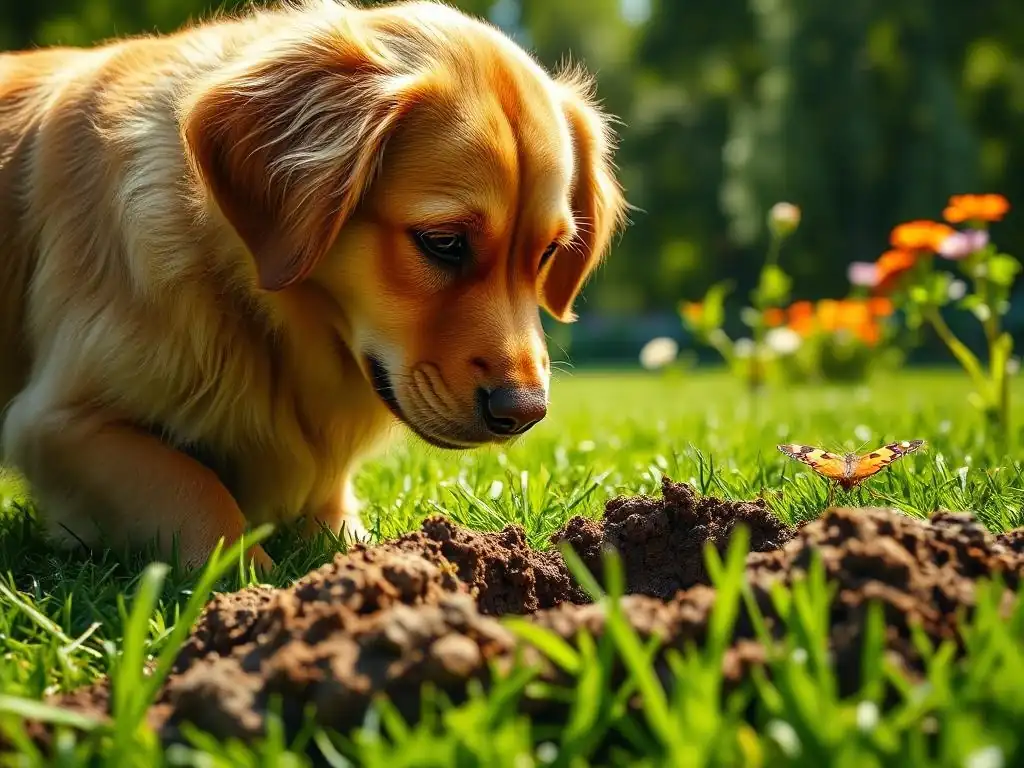
Welcome to PetCareWorld, your ultimate guide to a happier, healthier life for your beloved companion! Are you puzzled by your dog's incessant digging? We delve into the fascinating world of canine behavior with our in-depth article, "The Environmental Factors That Trigger Digging: What to Look For," exploring the surprising reasons behind this common canine habit. Discover the hidden clues and unlock the secrets to understanding and managing your dog's digging tendencies. Prepare to be amazed by what you learn – let's get started!
- Understanding Excessive Digging in Dogs: Why Pets Excessively Dig
- Analyzing Your Dog's Environment: Clues to Curb Excessive Digging
- The Role of Temperature and Weather in Triggering Digging
- Dealing with External Stimuli: Neighborhood Factors Affecting Digging
- Creating a Dig-Proof Environment: Practical Solutions to Stop Excessive Digging
- When to Seek Professional Help for Persistent Digging
- Frequently Asked Questions
- Final Reflection: Unearthing the Roots of Excessive Digging
- Uncover Your Pet's Digging Mystery!
Understanding Excessive Digging in Dogs: Why Pets Excessively Dig
Excessive digging can be a frustrating problem for dog owners, transforming pristine lawns into lunar landscapes and leaving you wondering, "Why does my dog dig so much?" This isn't simply a matter of playful instinct; it's often a symptom of underlying issues that require understanding and addressing. This comprehensive guide explores the environmental factors that trigger excessive digging in dogs, helping you identify the root cause and implement effective solutions. We'll delve into the psychology behind this behavior, exploring the connection between boredom, environmental stimulation, and the resulting destructive digging.
Armed with this knowledge, you can create a more enriching environment for your canine companion, reducing digging behaviors and fostering a happier, healthier relationship. Understanding the why behind your dog's digging is the first step towards resolving this common behavioral issue. Let's get started!
Identifying the Root Cause of Destructive Digging Behavior
Many environmental factors contribute to a dog's excessive digging. It's rarely a single cause, but rather a combination of triggers. One of the most common culprits is boredom. A dog left alone for extended periods with insufficient mental and physical stimulation will often resort to digging as a means of entertainment. Think of it as their way of relieving stress and engaging their natural instincts. Beyond boredom, however, other environmental factors play a significant role:
- Unsuitable yard conditions: Hard-packed soil, lack of shade, or an overly sunny yard can make a dog uncomfortable, leading them to dig for cooler, shadier spots.
- Scent trails: Dogs possess an incredible sense of smell. They may be digging to follow interesting scents, bury treats or toys, or even mark their territory.
- Prey drive: The instinct to hunt and burrow is deeply ingrained in many dog breeds. If your dog sees something moving underground – a mouse, insect, or even a root – they may dig to try and catch it.
- Anxiety and stress: Dogs experiencing separation anxiety, fear, or general stress may engage in digging as a self-soothing mechanism. This is often accompanied by other signs of anxiety, such as excessive barking, pacing, or destructive chewing.
- Lack of exercise: A dog that isn't getting enough physical exercise will have pent-up energy, making them more prone to digging as a way to burn off excess energy.
This table summarizes common environmental triggers and their potential solutions:
| Trigger | Description | Solution |
|---|---|---|
| Boredom | Lack of mental and physical stimulation | Provide more toys, puzzles, and interactive playtime; increase exercise. |
| Unsuitable yard conditions | Hard soil, lack of shade, or excessive sun | Improve yard landscaping; provide shade; water the yard regularly. |
| Scent trails | Following interesting scents, burying items | Provide designated digging areas; bury toys or treats in these areas. |
| Prey drive | Instinct to hunt and burrow | Provide alternative digging opportunities; supervise outdoor time. |
| Anxiety and stress | Self-soothing behavior due to separation anxiety, fear, or general stress | Address underlying anxiety; provide comfort items; consider professional help. |
| Lack of exercise | Pent-up energy | Increase daily exercise; provide more opportunities for physical activity. |
The Relationship Between Boredom and Digging in Dogs
Boredom is a significant contributor to excessive digging. Dogs are intelligent creatures who need mental stimulation just as much as physical exercise. A bored dog is an unhappy dog, and digging often becomes their outlet for pent-up energy and frustration. For example, a dog left alone in a small, barren yard all day with no toys or interaction may start digging out of sheer boredom.
This behavior isn't malicious; it's a manifestation of their natural instincts seeking an outlet. The intensity of digging often correlates with the level of boredom; a dog left alone for longer periods with less stimulation will likely dig more intensely. This is particularly true for working breeds or those with high energy levels that require more mental and physical challenges. Providing engaging activities, such as puzzle feeders, interactive toys, or training sessions, can significantly reduce boredom-induced digging.
Environmental Enrichment: Preventing Digging Through Stimulation
The key to preventing excessive digging is providing a stimulating and enriching environment for your dog. This involves addressing the root causes and providing alternative, acceptable outlets for their natural digging instincts. This may include:
- Creating a designated digging area: Designate a specific area in your yard where your dog is allowed to dig. This could be a sandbox filled with sand, a patch of loose soil, or even a large container filled with dirt.
- Providing digging toys: There are numerous digging toys available on the market designed to satisfy a dog's natural digging instincts. These toys often involve hiding treats or toys within them, providing both mental and physical stimulation.
- Increasing exercise and playtime: Regular walks, runs, and playtime are crucial for burning off excess energy and preventing boredom. Engage in activities that challenge your dog mentally and physically, such as fetch, agility training, or hide-and-seek.
- Providing mental stimulation: Puzzle toys, treat-dispensing balls, and training sessions can help keep your dog mentally stimulated and reduce the likelihood of digging out of boredom. Consider training sessions that involve digging-related commands, rewarding them for digging in the designated area.
- Addressing underlying anxiety: If anxiety is a contributing factor, consider consulting a veterinarian or a certified dog behaviorist. They can help you identify the underlying cause and develop a plan to manage your dog's anxiety.
By understanding the environmental factors that trigger excessive digging and implementing these enrichment strategies, you can create a happier, healthier environment for your dog and significantly reduce this destructive behavior. Remember, patience and consistency are key.
Analyzing Your Dog's Environment: Clues to Curb Excessive Digging

Understanding why pets excessively dig, particularly dogs, often hinges on a thorough analysis of their environment. This section delves into specific environmental factors that can trigger excessive digging behavior, providing practical steps to mitigate the problem. We'll explore how yard design, soil type, and the presence of prey animals contribute to this common canine behavior issue. Remember, addressing the root cause is key to successfully modifying this unwanted behavior.
The Impact of Yard Design on Digging Behavior
The layout of your yard significantly influences your dog's digging habits. A poorly designed or stimulating environment can inadvertently encourage digging. For example, a monotonous, sparsely vegetated yard offers little in terms of mental stimulation, leading to boredom-induced digging. Conversely, a yard with limited shade or places to escape the elements can push your dog to dig for a cooler or more sheltered spot.
Consider these points:
- Lack of Enrichment: A yard devoid of stimulating features, such as toys, digging boxes (filled with safe, enriching materials), or obstacles, can lead to frustration and boredom, resulting in destructive digging. Think of it as a lack of mental "exercise"—your dog needs stimulation just as much as physical activity.
- Insufficient Shade/Shelter: On hot days, dogs may dig to create cooler areas to escape the heat. Ensure adequate shade is provided through trees, umbrellas, or dog houses.
- Uninteresting Landscaping: If your yard lacks variation in texture and visual interest, it can become uninteresting to your dog. Adding plants, rocks, or other elements can break up the monotony and potentially reduce digging.
- Lack of Defined Boundaries: A lack of clear boundaries, such as fences or hedges, can contribute to digging attempts to escape the yard. Ensure your fencing is secure and tall enough to prevent escapes.
Providing a stimulating environment with various textures and elements can significantly reduce the likelihood of your dog resorting to digging out of boredom or frustration. A well-designed yard is a proactive step in addressing why pets excessively dig.
Assessing Soil Type and its Attraction to Digging
The type of soil in your yard plays a crucial role in a dog's inclination to dig. Loose, soft soil is naturally more appealing for digging than compacted earth. Some dogs find the texture satisfying, while others might be motivated by the ease with which they can manipulate it.
Here's a breakdown of how soil type affects digging:
| Soil Type | Digging Likelihood | Reasons | Mitigation Strategies |
|---|---|---|---|
| Loose, Sandy Soil | High | Easy to dig, satisfying texture | Compact the soil, add gravel, create designated digging areas |
| Clay Soil | Moderate | More challenging to dig, can be sticky | Amend with organic matter to improve drainage |
| Rocky or Compacted Soil | Low | Difficult to dig, less appealing texture | May not require intervention |
Understanding your soil type allows you to implement tailored solutions. For instance, if you have loose, sandy soil, compacting it or adding gravel can deter digging. For clay soil, improving drainage with organic matter can make it less attractive. Remember, a designated digging area filled with appropriate materials can provide a satisfying alternative.
Identifying and Removing Potential Prey Items (e.g., insects, rodents)
Many dogs are naturally inclined to dig in search of prey. The presence of insects, rodents, or other small animals in your yard can significantly increase digging behavior. This is instinctive behavior—your dog is simply following its natural hunting instincts.
To address this, take the following steps:
- Regular Yard Inspection: Conduct regular inspections of your yard to identify and eliminate potential prey animals. Look for burrows, droppings, or other signs of their presence.
- Pest Control: Employ appropriate pest control methods to reduce the population of insects and rodents. This might involve using traps or contacting a professional pest control service.
- Secure Trash Cans: Ensure that your trash cans are securely sealed to prevent access to food scraps that might attract rodents.
- Remove Potential Hiding Spots: Eliminate areas where rodents or insects might hide, such as piles of wood or debris.
By removing the incentive of prey, you can significantly reduce digging motivated by hunting instincts. Remember, proactive pest control is essential in managing this aspect of why pets excessively dig. A clean, well-maintained yard is less likely to attract unwanted animals, thus reducing your dog's inclination to dig for them.
The Role of Temperature and Weather in Triggering Digging

Temperature and weather conditions significantly influence a dog's digging behavior. While many assume digging is solely a boredom-related issue, environmental factors often play a crucial role in why pets excessively dig, especially concerning temperature regulation and seeking comfortable nesting sites. Understanding these environmental triggers is key to effectively managing unwanted digging. This section will explore the relationship between temperature, weather patterns, and canine digging habits. We'll delve into how both heat and cold can motivate digging, and provide practical solutions for mitigating these behaviors.
Digging as a Response to Heat or Cold
Dogs, like many other mammals, actively seek ways to regulate their body temperature. Extreme heat or cold can trigger digging as a coping mechanism. In hot weather, dogs might dig to create cooler burrows in the shade, accessing cooler soil beneath the surface. This behavior is particularly prevalent in breeds with thick coats or those prone to overheating.
For example, a Saint Bernard might dig furiously on a scorching summer afternoon to create a cool refuge. Conversely, during cold spells, digging can serve as a means to create insulated nests for warmth. Dogs may burrow into leaf piles, loose soil, or even snowdrifts to shield themselves from harsh weather conditions. A smaller breed like a Chihuahua might show increased digging behavior in winter, seeking a sheltered spot to escape the wind and cold.
The intensity of digging often correlates with the severity of the temperature extremes. On exceptionally hot days, you might observe increased digging activity, particularly during the hottest parts of the day. Similarly, during prolonged cold snaps, the frequency and depth of digging may increase as the dog seeks more effective insulation. Observing your dog's digging patterns in relation to the daily temperature fluctuations can offer valuable insights into the underlying cause. Keeping detailed records – noting the time of day, temperature, and the location of the digging – can be incredibly helpful in identifying the environmental triggers.
Addressing temperature-related digging requires a multifaceted approach, focusing on providing alternative solutions to meet the dog's thermoregulatory needs. Here's how you can modify your yard to minimize digging driven by temperature:
- Provide Shade: Ensure ample shade during hot weather. This can involve planting trees, installing shade sails, or providing access to shaded areas like porches or garages. A dedicated shaded dog house can be particularly beneficial.
- Cool Surfaces: Offer access to cool surfaces, such as concrete or tile, where your dog can lie down and cool off. A kiddie pool filled with cool water can also be a great addition, especially for breeds that enjoy swimming.
- Winter Protection: During cold weather, provide a well-insulated dog house or a warm, sheltered area where your dog can retreat. Consider using blankets or dog beds to provide additional warmth and comfort.
- Frozen Treats: Offer frozen treats or ice cubes to help your dog stay cool during hot weather. These can provide both hydration and a refreshing alternative to digging for coolness.
| Strategy | Hot Weather Effectiveness | Cold Weather Effectiveness |
|---|---|---|
| Shade Provision | High | Low |
| Cool Surfaces | High | Low |
| Insulated Shelter | Low | High |
| Frozen Treats | High | Low |
By proactively addressing your dog's temperature-related needs, you can significantly reduce the likelihood of digging motivated by these environmental factors. Remember, observation and understanding your dog's individual preferences are crucial for effective management. Regular monitoring of weather patterns and adjusting your yard accordingly will make a substantial difference in curbing unwanted digging. 🐶
Dealing with External Stimuli: Neighborhood Factors Affecting Digging

Why pets excessively dig can often be traced back to external stimuli in their environment. While internal factors like boredom or anxiety certainly play a role, understanding and addressing external triggers is crucial for effective behavior modification. This section focuses on how neighborhood factors contribute to excessive digging and offers practical solutions to mitigate these environmental stressors.
We'll explore how seemingly minor external stimuli can significantly impact a dog's digging behavior, offering insights into how to create a calmer, less digging-prone environment for your canine companion. Understanding these external triggers is a key step in answering the question, "Why pets excessively dig? ".
Distractions from Neighboring Animals or Sounds
Neighboring animals, whether dogs, cats, squirrels, or even birds, can be significant triggers for digging. The instinct to chase or investigate these perceived threats can manifest as excessive digging, especially along fences or boundaries. Loud noises from traffic, construction, or even boisterous neighbors can also induce digging as a stress-relief mechanism. Dogs may dig to create escape routes or simply as a displacement behavior to cope with the overwhelming sensory input.
For example, a dog constantly hearing barking from a nearby dog might start digging furiously at the base of the fence, attempting to get closer to the source of the noise or create a visual escape. Similarly, a dog startled by a sudden loud noise like fireworks might dig a hole as a way to hide or feel safer. The intensity of the digging is often directly proportional to the intensity of the stimulus.
To mitigate this, consider the following:
- Soundproofing: If noise is the primary issue, explore soundproofing options for your yard, such as strategically placed hedges or shrubs.
- Visual Barriers: Tall fences or strategically planted bushes can block the dog’s view of neighboring animals, reducing their urge to chase or investigate.
- Desensitization and Counter-Conditioning: Gradually expose your dog to the sounds or sights of neighboring animals at a distance, rewarding calm behavior with treats and praise. This process helps your dog learn to associate these stimuli with positive experiences, reducing their anxiety.
- Enrichment: Provide ample mental and physical stimulation through interactive toys, puzzle feeders, and regular exercise to reduce boredom and the likelihood of digging as a displacement behavior.
Minimizing Stressors from External Sources to Reduce Digging
Minimizing external stressors is paramount in addressing excessive digging. This involves a holistic approach encompassing various aspects of your dog’s environment. Remember that even subtle changes can significantly affect a dog's behavior. A seemingly minor irritant could be the root cause of the problem. By systematically addressing these sources of stress, you can significantly reduce the frequency and intensity of digging. This proactive approach is key to understanding why pets excessively dig and finding lasting solutions.
Consider these strategies:
| Stress Factor | Mitigation Strategy | Example |
|---|---|---|
| Intrusive Animals | Install secure fencing, use motion-activated sprinklers, or employ deterrents. | Installing a taller fence to prevent squirrels from entering the yard. |
| Loud Noises | Soundproof your yard, create a quiet retreat for your dog, or use calming aids. | Planting dense shrubs to muffle traffic noise. |
| Unfamiliar People | Gradually desensitize your dog to new people by introducing them at a distance. | Having a friend visit from afar initially, rewarding calm behavior. |
| Intense Sunlight | Provide shade with umbrellas, canopies, or strategically placed plants. | Setting up a shaded area in the yard for your dog to relax. |
| Unpleasant Odors | Regularly clean the yard, address any sources of foul smells, and use odor neutralizers. | Cleaning up dog waste promptly and using yard deodorizers. |
Addressing these external factors, combined with appropriate training and enrichment, offers a comprehensive approach to managing excessive digging. Remember that patience and consistency are key to success. By understanding why pets excessively dig and actively working to modify their environment, you can help your dog develop healthier coping mechanisms and significantly reduce their digging behavior. 🐶
Creating a Dig-Proof Environment: Practical Solutions to Stop Excessive Digging

Excessive digging can be a frustrating behavior for dog owners, but understanding the why behind it is the first step towards a solution. This section focuses on practical, environmental modifications you can make to deter your canine companion from their digging habits. Remember, addressing the underlying causes, such as boredom or anxiety, is crucial, but environmental changes can significantly reduce the frequency of digging. This is especially important if your dog is digging up your prize-winning roses 🌹 or creating unsightly holes in your lawn.
Modifying Your Yard to Discourage Digging Behavior
Modifying your yard requires a multifaceted approach. It's not just about deterrents; it's about making digging less appealing and more challenging. Consider these strategies:
- Install fencing: A sturdy fence, extending at least a few feet underground, prevents escape and discourages digging at the perimeter. Consider burying chicken wire or hardware cloth along the fence line to create an additional barrier. This is particularly important if your dog is a determined digger.
- Use landscaping to your advantage: Strategic landscaping can make digging less appealing. Planting thorny bushes or densely packed ground cover in areas prone to digging can create a natural deterrent. These plants create physical barriers and make digging more difficult and less rewarding.
- Cover vulnerable areas: Protect flower beds, gardens, or other sensitive areas with landscape fabric, rocks, or heavy mulch. These materials make it more difficult for your dog to dig and less likely they will find the activity rewarding. Think of it as creating a "dig-proof" zone.
- Amend soil conditions: Dogs often dig in loose, soft soil. Amending your soil with clay or sand can make it denser and more difficult to dig. This can be a more permanent solution than simply covering the area. However, ensure this doesn't harm your plants.
- Provide firm, flat surfaces: Pave or cover areas where your dog frequently digs with concrete, pavers, or large stones. This removes the soft soil that attracts dogs to dig in the first place. The lack of loose soil removes the reward associated with digging.
- Regularly inspect your yard: Regularly inspect your yard for any signs of new digging and address them promptly. This prevents your dog from establishing a digging routine. Catching it early is key to preventing the behavior from becoming ingrained.
Providing Alternative Digging Spots for Your Dog
Redirecting your dog's digging behavior to a designated area is a crucial part of behavior modification. This satisfies their natural digging instinct without causing damage elsewhere. Consider these options:
- Designated digging pit: Create a designated "digging pit" filled with sand or soil. This provides a safe and appropriate place for your dog to engage in their digging behavior. Make it enticing by burying toys or treats within the sand. This positive reinforcement is key to associating the pit with positive experiences.
- Sandboxes: A sandbox filled with clean, dry sand can be a great alternative digging spot, especially if your dog enjoys digging in loose materials. Regularly replenish the sand to maintain its attractiveness.
- Puzzle toys: Engaging puzzle toys can redirect your dog's digging behavior by providing mental stimulation, which can reduce the urge to dig out of boredom. A dog that's mentally stimulated is less likely to engage in destructive behaviors.
- Regular exercise: Sufficient daily exercise is critical in reducing digging, as it helps tire your dog physically and mentally. A tired dog is less likely to find the energy for digging. Aim for at least 30-60 minutes of exercise daily, tailored to your dog's breed and energy level.
Remember, consistency is key. Implementing these strategies requires patience and persistence. By modifying your yard and providing alternative digging spots, you can significantly reduce your dog's excessive digging and create a more harmonious home environment. Addressing the "why" behind the digging behavior, alongside these environmental changes, will yield the best results. Don't forget to reward your dog for good behavior to further reinforce positive habits.
When to Seek Professional Help for Persistent Digging
Excessive digging, while sometimes a normal canine behavior, can become a serious problem impacting your home and your dog's well-being. Knowing when to seek professional help is crucial in addressing persistent digging issues and preventing further complications. This section will guide you through identifying the signs that your dog needs veterinary or behavioral attention and will assist you in finding qualified professionals to help.
Identifying Signs Your Dog Needs Veterinary or Behavioral Attention
Persistent digging, despite attempts at modification, often points to an underlying issue. It's not just about the amount of digging, but also the context and your dog's overall behavior. Several red flags indicate the need for professional intervention:
- Sudden onset of excessive digging: If your dog, previously a non-digger, suddenly starts exhibiting excessive digging behavior, this warrants immediate attention. This could signal underlying medical issues, pain, anxiety stemming from a change in environment, or another trigger.
- Digging accompanied by other behavioral changes: Changes in appetite, sleep patterns, or social interactions alongside excessive digging could signify a medical condition or psychological distress. For example, a dog experiencing pain might dig frantically to create a nest or escape discomfort.
- Destructive digging: Digging that goes beyond simple hole creation and results in damage to property, including landscaping, fences, or even the foundation of your house, necessitates professional help. This indicates a more serious underlying behavioral or medical problem.
- Failure to respond to training and management strategies: If you've implemented various digging prevention techniques, such as providing alternative digging areas, enriching their environment, and using deterrents, but have seen no improvement, it's time to seek expert assistance. This suggests that the problem is more complex than simple environmental modification can resolve.
- Digging related to obsessive-compulsive disorder (OCD): In some cases, excessive digging can be a manifestation of OCD in dogs. This requires specialized behavioral intervention. Signs of OCD may include repetitive behaviors, such as excessive licking, chewing, or chasing their tail, in addition to digging.
Finding Qualified Professionals to Address Severe Digging Problems
Addressing severe digging problems often requires a multi-faceted approach involving both veterinary and behavioral professionals. Finding qualified individuals is essential for effective resolution.
Here's how to locate professionals who can help:
- Veterinarian: A veterinarian can rule out any underlying medical conditions contributing to your dog's digging. They can perform a thorough physical exam, run diagnostic tests, and prescribe medication if necessary, addressing potential pain or discomfort.
- Certified Professional Dog Trainer (CPDT-KA): A CPDT-KA is a certified professional dog trainer with knowledge of canine behavior and training techniques. They can assess your dog's behavior, develop a customized training plan, and teach you effective management strategies to address the digging behavior.
- Veterinary Behaviorist (DACVB): A veterinary behaviorist is a veterinarian with specialized training in animal behavior. They can provide in-depth assessments and develop comprehensive behavior modification plans for complex cases. They are particularly valuable when dealing with potential underlying medical or psychological conditions contributing to the digging.
Remember, patience and consistency are key when working with professionals to address your dog's digging. A collaborative approach involving you, your veterinarian, and a certified dog trainer or veterinary behaviorist significantly increases the chances of success. Addressing the root cause of the digging, whether it's medical or behavioral, is essential for long-term resolution and a happier, healthier dog. Don't hesitate to seek professional help—it's a sign of responsible pet ownership.
Frequently Asked Questions
Why does my dog dig excessively?
There are many reasons! Environmental factors like boredom, seeking cooler temperatures, or the presence of interesting scents underground can all trigger excessive digging. Consider providing more enrichment and addressing the root cause.
My cat is suddenly digging in the garden – what's going on?
Cats dig for several reasons, including burying waste, hunting instincts, or stress. Changes in their environment or underlying medical issues could be contributing factors. Consult a vet if you're concerned.
Is digging a normal behavior for pets?
Yes, to a certain extent. Digging is instinctive for many animals, helping them build nests, bury food, or hunt prey. However, excessive digging can signal a problem that needs addressing.
How can I stop my pet from digging in my flowerbeds?
Try providing alternative digging spots, such as a designated sandbox filled with sand. Enrichment activities, like puzzle toys, can also reduce boredom-related digging. Positive reinforcement training can also help redirect the behavior.
What if my pet is digging because of a medical condition?
Excessive digging could be a symptom of underlying health problems. If you're concerned, consult your veterinarian for a thorough examination. They can rule out medical causes and suggest appropriate solutions.
Final Reflection: Unearthing the Roots of Excessive Digging
Understanding why our pets excessively dig is not merely a matter of managing garden aesthetics; it's a window into their well-being and a crucial aspect of responsible pet ownership. The behaviors we observe—from frantic pawing to meticulously crafted holes—are often the outward manifestations of unmet needs or underlying anxieties. Ignoring these signals can lead to escalating problems and a less fulfilling life for our furry companions.
The exploration of environmental triggers for excessive digging has profoundly impacted my understanding of animal behavior. It's highlighted the importance of empathy and observation in building a strong human-animal bond. The more we learn about animals, the more we realize how much they have to teach us.
This quote resonates deeply, as each instance of digging, once understood, offers a valuable lesson in communication and care. By recognizing the root causes—boredom, stress, instinct, or even medical issues—we can move beyond simple punishment and instead provide enriching environments and appropriate outlets for their natural behaviors.
Now, consider your own pet. Have you observed their digging habits? Do you understand the underlying reasons? Take the time to observe your pet's behavior, consider their environment, and seek professional help if needed. By understanding the "why" behind the digging, you're not just solving a garden problem; you're fostering a deeper connection with your beloved companion, ensuring a happier and healthier life for both of you. Let's work together to create environments where our pets thrive, not just survive.
Uncover Your Pet's Digging Mystery!
Thank you for learning about why your pet digs! Understanding the cause is the first step towards a solution. Let's put that knowledge to work.
- Identify and address the underlying cause: Carefully consider your pet's environment. Could a simple change, like providing more shade, a new toy, or adjusting feeding times, reduce the digging? This is crucial.
- Share your experiences: Connect with other PetCareWorld readers in the comments below! Have you successfully solved a similar problem? Sharing your solutions can help others.
- Enrich your pet's life: Introduce engaging activities to keep your pet mentally stimulated and less likely to dig. New challenges and games can make a big difference.
What small environmental change could most effectively curb your pet's digging?