
Dog Nail Trimming: What to Do if Your Dog Has Black Nails

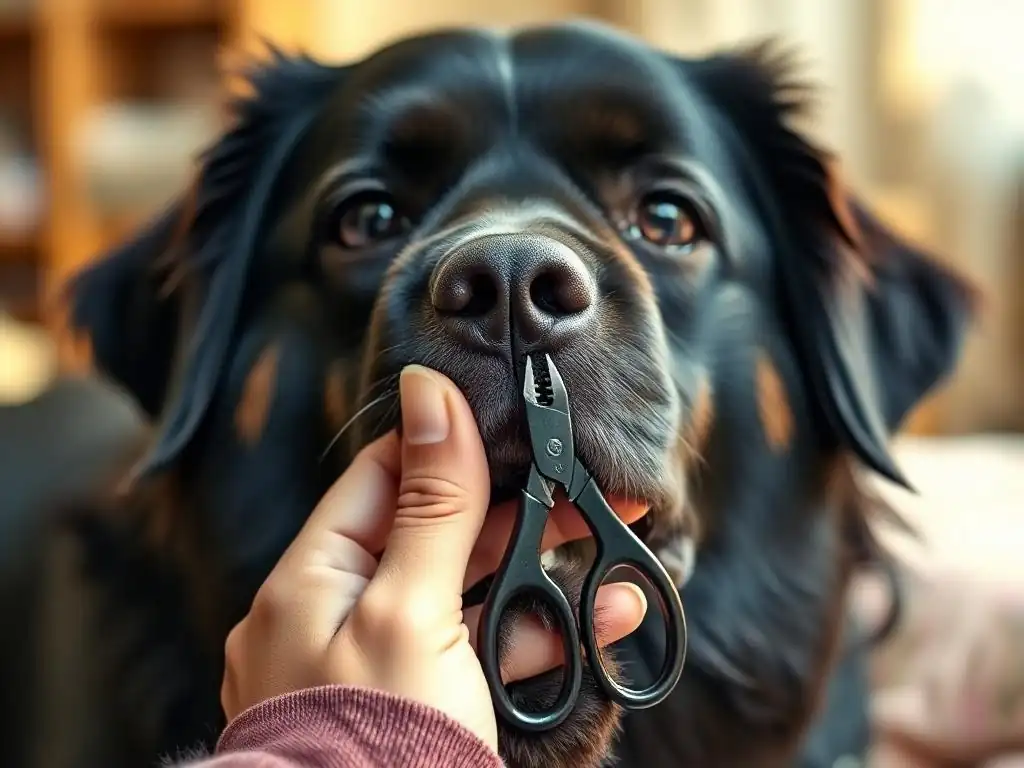
Welcome to PetCareWorld, your ultimate guide to happy and healthy pets! Are you struggling with the daunting task of safely trimming your black dog's nails? We understand the challenge – black nails can make it difficult to see the quick. Discover our expert advice and practical techniques to confidently and safely maintain your canine companion's paw health. Learn how to avoid accidental bleeding and keep your furry friend comfortable. Dive in and unlock the secrets to perfect nail trims!
- Understanding the Challenges of Trimming Black Dog Nails
- Essential Tools for Safe Black Nail Trimming
- Step-by-Step Guide to Trimming Black Dog Nails Safely
- Post-Trimming Care and Maintenance
- When to Seek Professional Help for Nail Trimming
- Additional Tips for Safe and Stress-Free Nail Trimming
- Frequently Asked Questions
- Final Reflection: The Confidence to Care: Trimming Your Dog's Black Nails
- Conquer Those Black Claws: Master Your Dog's Nail Trims!
Understanding the Challenges of Trimming Black Dog Nails
Trimming your dog's nails is a crucial aspect of responsible pet ownership, contributing significantly to their overall health and comfort. However, the task can present unique challenges, especially when dealing with dogs that have black nails. Unlike lighter-colored nails, where the quick (the pink part containing nerves and blood vessels) is easily visible, black nails make identifying the quick significantly more difficult, increasing the risk of accidental injury.
This article will guide you through safe and effective techniques for trimming black dog nails, focusing on minimizing the risk of cutting the quick and ensuring a positive experience for both you and your canine companion. We'll explore various tools, techniques, and aftercare to help you confidently and safely maintain your dog's nail health. Mastering this skill is essential for preventing painful injuries and promoting your dog's well-being.
Proper nail trimming contributes to better posture, prevents painful overgrowth, and helps avoid potential issues like arthritis and joint problems later in life. Learning to trim black dog nails safely is a valuable skill for every dog owner.
Identifying the Quick in Black Nails: Techniques and Tools
Identifying the quick in a dog's black nails requires patience and a keen eye. Unlike light-colored nails where the quick is readily visible, black nails present a significant challenge. Several techniques can help you locate the quick safely:
- Use a bright light: A strong flashlight or a specialized pet nail trimming light can help illuminate the nail's structure, making it easier to discern the quick's shadow or subtle changes in the nail's color.
- Feel for the quick: Gently press on the nail. You should feel a slight resistance as you approach the quick. The area just before this resistance is where you should aim to trim.
- Look for the "live" portion: The quick is the living part of the nail. As you look at the nail closely, you may be able to discern a small, darker area that is more vascular. This area should be avoided when trimming.
- Trim in small increments: It's always better to trim a little at a time rather than risk cutting too deep. This is especially crucial with black nails.
The right tools are also essential:
- Guillotine Clippers: These clippers offer a precise cut, but require more skill and careful handling to avoid cutting the quick.
- Scissor Clippers: These clippers provide a more visible cut, allowing for better control and observation of the nail.
- Nail Grinder: A grinder is a good option for those who are nervous or inexperienced as it gradually files the nail down. However, it takes longer and can make some dogs anxious with the noise.
The Risk of Cutting the Quick: Prevention and Treatment
Cutting the quick is painful for your dog and can lead to bleeding. Here's how to prevent it:
- Practice makes perfect: The more you practice, the better you'll become at identifying the quick. Start with small trims and gradually increase the length as your confidence grows.
- Use the right tools: Choosing appropriate clippers or a grinder is important for precision and control.
- Relax your dog: A relaxed dog is less likely to move suddenly, reducing the risk of accidental cuts. Consider using treats or positive reinforcement.
- Know your dog's nail anatomy: Understanding the structure of your dog's nails will help you better identify the quick.
If you accidentally cut the quick:
- Apply pressure: Immediately apply firm pressure to the bleeding nail using a clean cloth or styptic powder.
- Keep your dog calm: A calm dog will recover faster. Avoid letting them lick the wound excessively.
- Monitor for infection: Watch for signs of infection, such as swelling, redness, or pus. Consult your veterinarian if you notice any concerning symptoms. Remember, prevention is always better than cure, so patience and careful technique are key to safely trimming your dog's black nails. 🐶
Essential Tools for Safe Black Nail Trimming
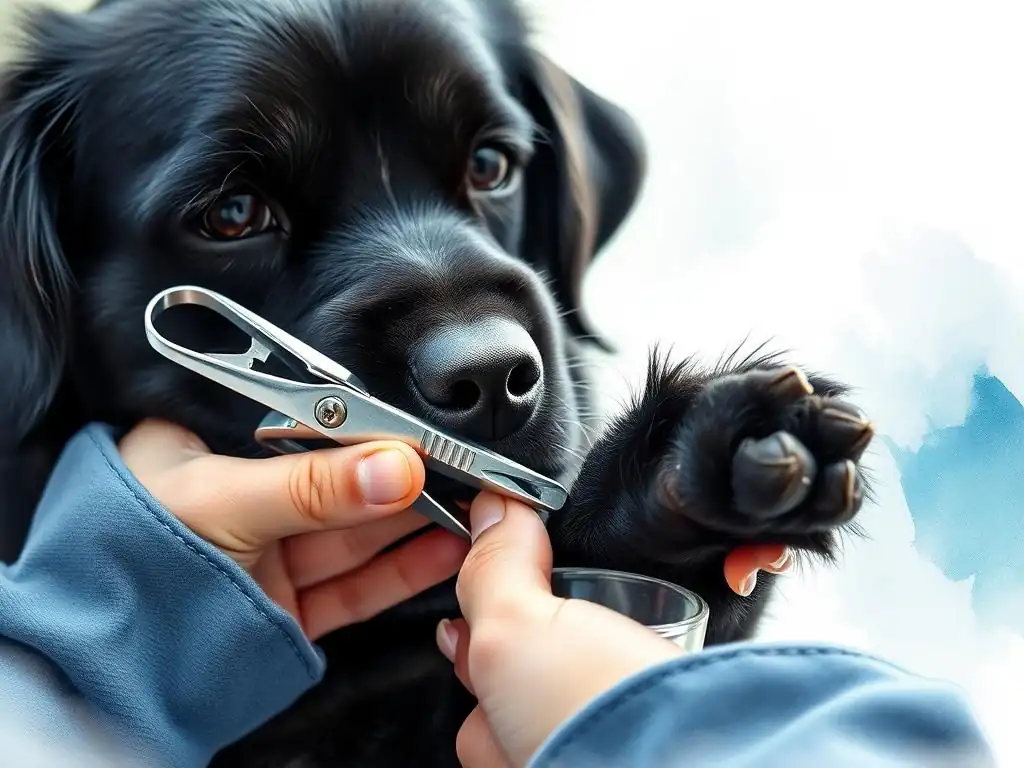
Trimming your dog's nails, especially if they have black nails, requires precision and the right tools to ensure a safe and comfortable experience for both you and your furry friend. Improper trimming can lead to bleeding and discomfort, so investing in quality tools is crucial. This section focuses on acquiring the necessary equipment to trim black dog nails safely.
Choosing the Right Nail Trimmer for Black Nails
Selecting the appropriate nail trimmer is paramount when dealing with black nails. Unlike white nails, where the quick (the pink part containing nerves and blood vessels) is easily visible, black nails present a greater challenge in identifying the quick's location. Therefore, choosing a trimmer that offers good visibility and control is vital.
Several options exist, each with its own advantages and disadvantages:
- Guillotine Trimmers: These trimmers have a small hole where you insert the nail. While precise, they can be more difficult to use with black nails due to the lack of quick visibility. They require a steadier hand and more experience to avoid accidentally cutting into the quick.
- Scissor Trimmers: These trimmers resemble small scissors and offer better visibility than guillotine trimmers. They allow for a more controlled cut, which is beneficial when trimming black nails. However, they may require slightly more practice to master the technique.
- Rotary Trimmers: These are electric trimmers that grind down the nail rather than cutting it. They are often considered safer for beginners as the risk of cutting into the quick is minimized. However, they can be more expensive and require some getting used to.
The best choice depends on your comfort level and your dog's temperament. Consider starting with a scissor trimmer if you're a beginner, as they offer a good balance of control and visibility. No matter which type you choose, always opt for a high-quality trimmer made from durable materials to ensure a clean and precise cut. A dull trimmer will make the process more difficult and increase the risk of injury.
Gathering Additional Supplies: Styptic Powder, Gauze, and Treats
Even with the most careful trimming, accidents can happen. Having the right supplies on hand to deal with a nicked quick is essential for a safe black dog nail trimming experience. These supplies will help to control bleeding and soothe your dog.
| Supply | Purpose | Importance |
|---|---|---|
| Styptic Powder | Stops bleeding quickly and efficiently. | Crucial for controlling bleeding if you accidentally cut into the quick. |
| Gauze | Applies pressure to the nail to help stop bleeding and absorb any excess blood. | Provides a clean and effective method of applying pressure to the affected area. |
| High-Value Treats | Rewards your dog for good behavior and helps to create a positive association. | Keeps your dog calm and cooperative during the nail trimming process; essential for a successful trim. |
Remember, preparation is key. Having all your supplies readily available before you begin will make the entire process smoother and less stressful for both you and your dog. A calm environment and positive reinforcement will go a long way in making nail trimming a less daunting task. 🐶
Step-by-Step Guide to Trimming Black Dog Nails Safely
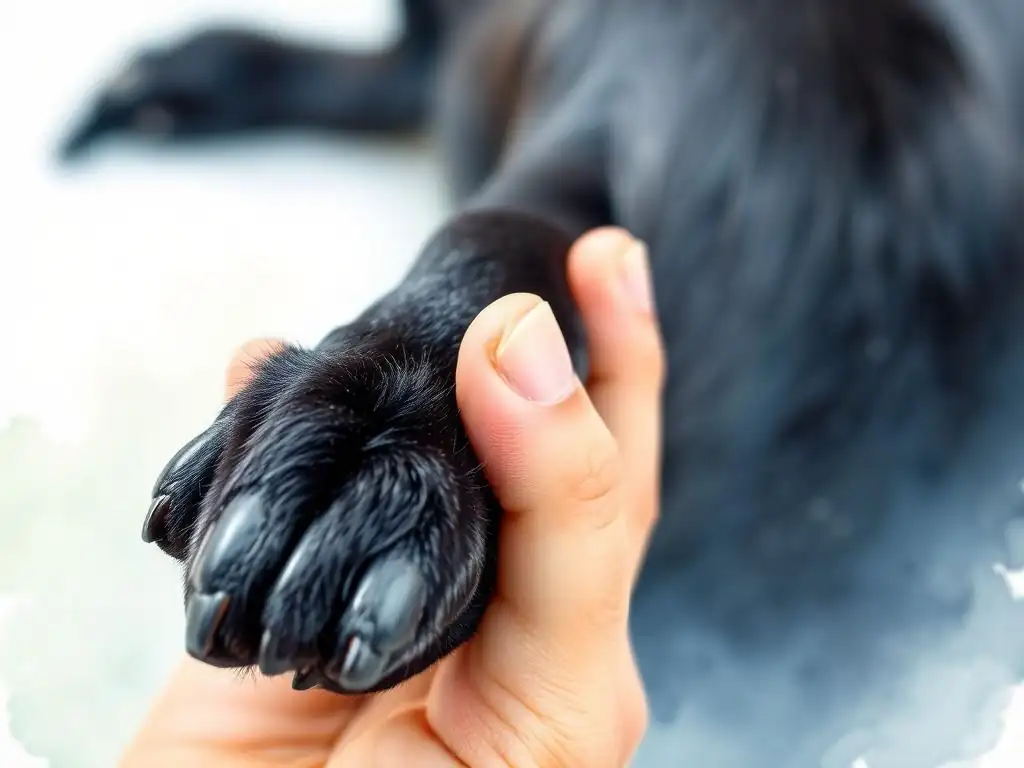
This section provides a detailed, step-by-step guide on how to safely trim your dog's black nails. Successfully trimming black dog nails requires patience, precision, and a keen eye. Remember, safety is paramount – always prioritize your dog's comfort and well-being. This guide focuses on techniques to minimize the risk of accidentally cutting the quick (the pink part of the nail containing nerves and blood vessels). Even experienced pet owners should approach this task with caution.
Preparing Your Dog for a Comfortable Trimming Experience
Before you even think about clippers, preparation is key for a successful and stress-free nail trim. A relaxed dog is a safer dog. Here's how to set the stage:
- Choose the right time: Select a time when your dog is calm and relaxed, perhaps after a walk or playtime. Avoid trimming when your dog is hungry, tired, or stressed. A calm environment is crucial.
- Gather your supplies: You'll need sharp dog nail clippers (guillotine or scissor type), styptic powder (to stop bleeding if you accidentally cut the quick), and a few high-value treats. Having everything ready beforehand prevents interruptions.
- Positive reinforcement: Use positive reinforcement techniques throughout the process. Speak in a soothing voice, offer praise and treats frequently. Associate the nail trimming experience with positive feelings.
- Desensitization: If your dog is anxious about nail trims, gradually introduce them to the clippers. Let them sniff and investigate the clippers without actually trimming their nails. Reward calm behavior.
- Proper positioning: Position your dog comfortably. Some dogs prefer to sit, others lie down. Make sure you have a secure grip on their paw, but avoid holding them too tightly, which could increase their anxiety. Gentle but firm is the key.
Visualizing the Quick: Using a Light Source
Identifying the quick in black nails can be challenging. The key is using a light source to help you see the blood vessels within the nail.
- Use a bright light: A flashlight or a strong lamp will illuminate the nail, making it easier to see the quick's shadow or outline. The quick will appear as a darker, pinkish area within the nail. A bright light helps to reveal subtle color variations.
- Observe the nail's shape: The quick usually extends about halfway down the nail in most dogs, but this can vary. Observe the shape of the nail and try to identify the point where the nail begins to curve. This often indicates the proximity of the quick.
- Practice makes perfect: The more you practice visualizing the quick, the more confident you will become in identifying its location. Don't be afraid to take your time and carefully examine each nail before trimming. Accuracy is key to preventing accidental injury.
- Consider professional help: If you feel uncomfortable or are unsure about visualizing the quick, consult a professional groomer or veterinarian. They can demonstrate the technique and offer personalized guidance. Seeking professional help is a sign of responsible pet ownership.
The Trimming Process: Small, Incremental Cuts
Once you've identified the quick, it's time to trim. Remember, small, incremental cuts are crucial.
- Trim in small increments: Avoid cutting too much at once. Trim only a tiny sliver of the nail at a time, and frequently check your progress with the light source. This ensures that you won't accidentally cut into the quick.
- Use sharp clippers: Dull clippers can crush the nail, causing discomfort and increasing the risk of bleeding. Sharp clippers make for clean, precise cuts.
- Check for bleeding: If you accidentally cut the quick, apply styptic powder immediately to stop the bleeding. Most styptic powders will stop the bleeding within a few minutes. If bleeding persists, consult a veterinarian.
- Reward your dog: Throughout the trimming process, continue to praise and reward your dog with treats. Positive reinforcement maintains a calm and positive association with nail trimming.
- Regular trimming: Regular nail trimming is crucial for your dog's comfort and health. Aim for a trimming session every 2-4 weeks, or as needed, depending on your dog's nail growth rate. Regular maintenance prevents overgrown nails, which can lead to discomfort and potential health problems.
This detailed guide should help you trim your dog's black nails safely. Remember, patience and practice are key to mastering this essential pet care task. Always prioritize your dog's safety and well-being. If at any point you feel unsure, don't hesitate to seek professional help.
Checking for Bleeding: Immediate Action Steps
Accidents happen, even to the most experienced pet owners. If you accidentally cut into the quick while trimming your dog's black nails, you'll likely see a small amount of blood. Don't panic! Quick action is key to stopping the bleeding and minimizing discomfort for your furry friend. The first thing to do is remain calm; your dog will sense your anxiety.
A common misconception is that copious amounts of blood indicate a serious injury. While any bleeding is undesirable, a small amount of blood is usually easily managed. The quick itself contains many tiny blood vessels, and a nick will cause bleeding, but it's rarely severe. However, it's crucial to act swiftly to stem the flow.
Several methods can effectively stop the bleeding. One highly effective technique involves applying direct pressure to the affected nail. Use a clean, soft cloth or piece of cotton wool and apply firm, consistent pressure directly to the bleeding nail for several minutes. This helps to constrict the blood vessels and promote clotting. Avoid using harsh materials or excessive rubbing, as this could worsen the situation and cause more pain.
Another effective method is using styptic powder. This is a specially formulated powder designed to quickly stop bleeding in pets. It's readily available at most pet stores and veterinary clinics. Simply apply a small amount of styptic powder directly to the bleeding nail. The powder will quickly coagulate the blood and form a protective layer, halting the bleeding within a short time. Always follow the product instructions carefully.
If the bleeding is profuse or doesn't stop after 10-15 minutes of applying pressure or styptic powder, it's vital to seek immediate veterinary attention. Prolonged or heavy bleeding can indicate a more serious injury to the quick, and professional veterinary care may be necessary. Remember, your dog's well-being is paramount. Don't hesitate to contact your vet if you are concerned. They can provide accurate assessment and appropriate treatment. It's always better to err on the side of caution when dealing with your pet's injuries. 🐾
Post-Trimming Care and Maintenance
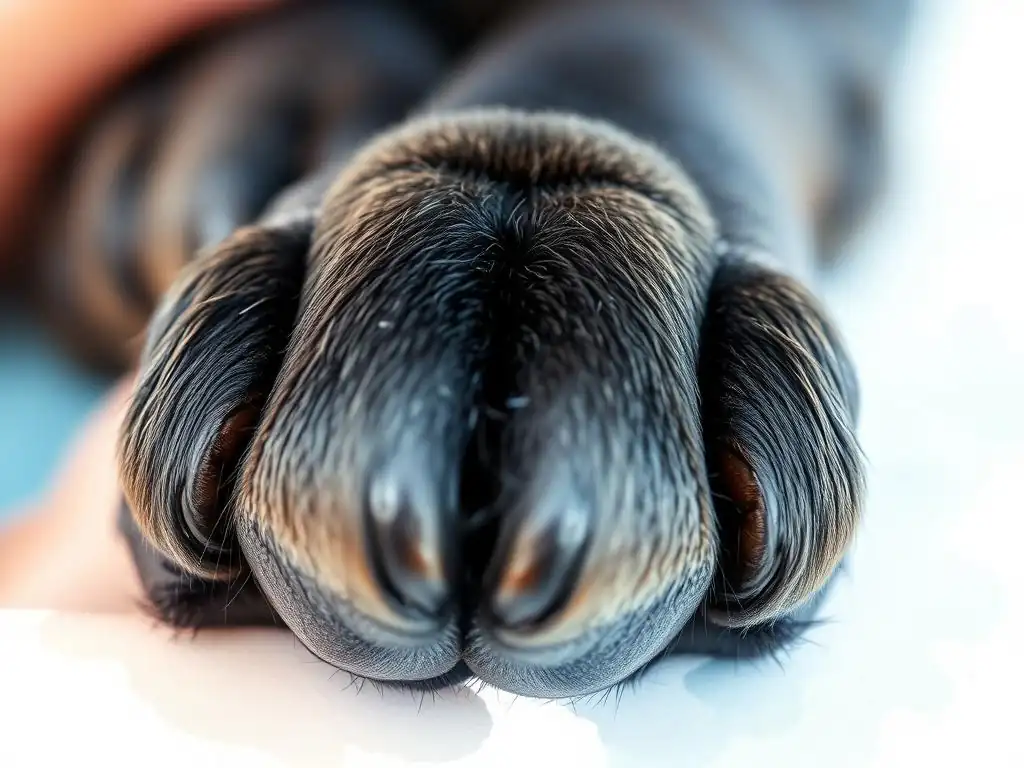
After successfully trimming your dog's black nails, post-trimming care is crucial for preventing complications and ensuring your canine companion's comfort. This involves diligent monitoring, appropriate aftercare, and understanding when professional intervention is necessary. Remember, even with careful trimming, minor bleeding or discomfort can occur.
Monitoring Your Dog's Paws After Trimming
Immediately following a nail trim, carefully examine your dog's paws. Look for any signs of bleeding. Even a small nick can cause bleeding, especially in dogs with dark nails where the quick is harder to see. If bleeding occurs, apply styptic powder directly to the affected nail. This powder helps to clot the blood quickly and efficiently.
Keep a close eye on the area for the next few hours; if bleeding persists or seems excessive, contact your veterinarian immediately. Beyond bleeding, check for signs of swelling, lameness, or any other unusual behavior that might indicate pain or discomfort. Gentle touch and reassurance can help your dog feel more comfortable. Observe your dog's gait; any limping or reluctance to put weight on a paw warrants further investigation.
Pro Tip: Keep styptic powder readily available in your pet first-aid kit. It's a lifesaver in these situations!
Frequency of Nail Trims for Dogs with Black Nails
The frequency of nail trims for dogs with black nails depends on several factors including your dog's activity level, breed, and individual nail growth rate. Generally, you should aim to trim your dog's nails every 2-4 weeks. However, some dogs may need more frequent trims, while others may go longer between sessions. Regularly checking your dog's nails will help you determine the optimal trimming schedule.
If you hear clicking sounds when your dog walks on hard surfaces, it's a clear sign that their nails are too long and need trimming. Overgrown nails can lead to discomfort, joint problems, and even changes in gait. Remember, it's better to trim frequently and a little at a time than to risk cutting into the quick.
| Factor | Impact on Trimming Frequency |
|---|---|
| Activity Level | High activity = less frequent trims; Low activity = more frequent |
| Breed | Some breeds have faster-growing nails than others |
| Nail Growth | Individual variation in growth rate |
Signs Your Dog Needs a Professional Nail Trim
Despite your best efforts, some dogs may require professional nail trimming. This might be necessary if your dog is:
- Extremely anxious or fearful during nail trims.
- Difficult to handle safely.
- Has excessively thick or overgrown nails that are difficult to manage at home.
- Showing signs of significant discomfort or pain during home trimming attempts.
Don't hesitate to seek professional help if you feel uncomfortable or unsafe trimming your dog's nails yourself. A groomer or veterinarian can provide a safe and efficient trimming experience. Remember, a professional trim is a worthwhile investment in your dog's overall well-being. Prioritize your dog's safety and comfort above all else. The peace of mind that comes with knowing your dog's nails are trimmed correctly is invaluable. A professional can also advise on the best practices for maintaining your dog's nail health between trims. This might include specific dietary recommendations or suggestions for nail-filing tools.
When to Seek Professional Help for Nail Trimming
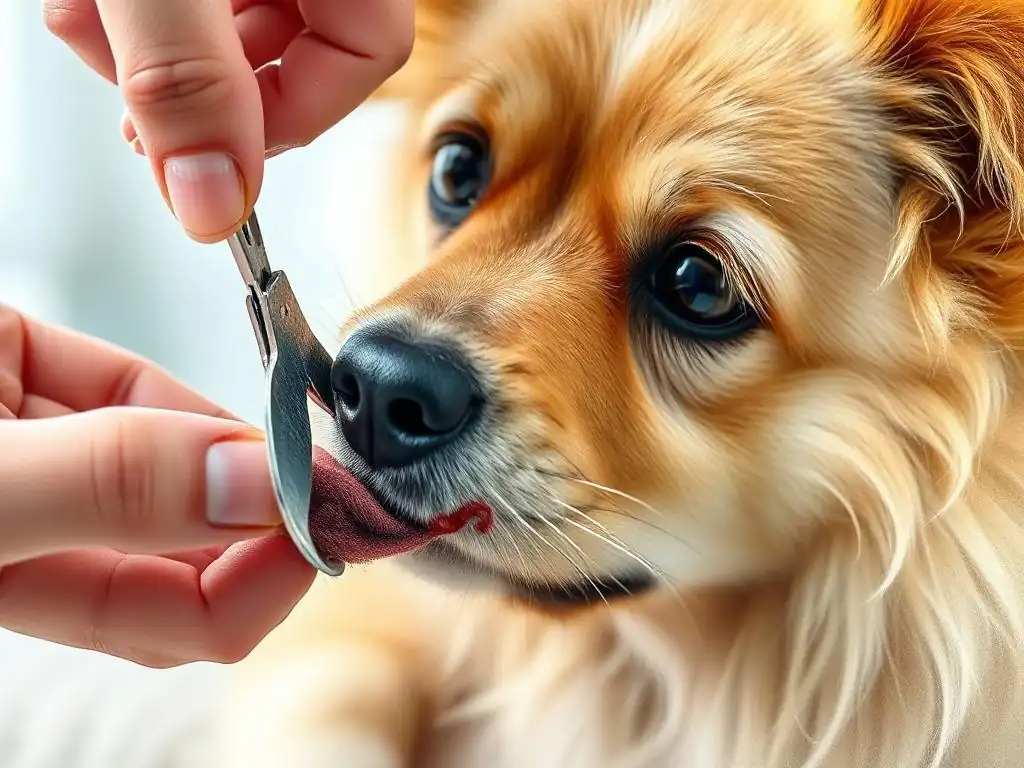
Trimming your dog's nails, especially black ones, can be a daunting task. While learning to do it yourself is rewarding, knowing when to seek professional help is crucial for your dog's safety and well-being. Ignoring potential problems can lead to painful injuries and unnecessary vet visits down the line. This section will help you identify situations where professional assistance is necessary.
Recognizing When You Need a Veterinarian or Groomer
There are several scenarios where it's best to leave the nail trimming to the professionals. These include:
- Your dog is excessively fearful or aggressive: If your dog displays signs of extreme anxiety, fear, or aggression during attempts at nail trimming, forcing the issue can worsen the problem and lead to injury for both you and your pet. A professional groomer or veterinarian experienced in handling anxious animals can use specialized techniques and calming methods to make the process safer. This is especially important for dogs with a history of trauma or negative associations with handling.
- You are uncomfortable or lack confidence: It's perfectly acceptable to admit that you don't feel confident trimming your dog's nails, particularly black ones. Improper trimming can lead to quicking (cutting into the quick, the pink part containing nerves and blood vessels), causing bleeding, pain, and infection. A professional will have the skill and experience to trim safely and efficiently.
- Your dog has unusually thick or curved nails: Some dogs, especially those who don't walk on hard surfaces regularly, develop extremely thick or curved nails that are difficult to manage at home. These nails may require special tools or techniques best handled by a professional groomer. They might also indicate underlying health issues, making a veterinary consultation advisable.
- You notice any abnormalities: If you notice any changes in your dog's nails, such as discoloration, swelling, bleeding, or unusual growth patterns, it's essential to seek veterinary attention immediately. These could be symptoms of underlying health problems, such as an infection or a more serious condition. Delaying treatment can lead to complications.
- Your dog has a medical condition: Certain medical conditions can affect nail growth and make trimming more challenging or risky. For instance, dogs with diabetes or clotting disorders may require special care during nail trimming. Always consult your veterinarian before attempting to trim the nails of a dog with a known health condition.
Example Scenario: Dealing with an Anxious Dog
Imagine a rescue dog, previously neglected, who shows clear signs of fear when you approach with nail clippers. This dog might flinch, growl, or even bite out of fear, not aggression. Attempting to force a trim would likely result in injury and further traumatize the dog. Instead, seek out a professional groomer specializing in anxious animals. They'll use positive reinforcement techniques and desensitization methods to help the dog become comfortable with the nail trimming process over time. This approach is far more humane and effective than trying to do it yourself.
Remember, prioritizing your dog's safety and comfort is paramount. Don't hesitate to seek professional help if you're unsure or encounter any difficulties. A skilled groomer or veterinarian can provide safe and effective nail trimming services, ensuring your furry friend's paws remain healthy and happy. Regular professional trims, even alongside occasional home trims, can contribute to a positive experience for you and your dog, supporting a healthy and safe nail care routine. The investment in professional help is a small price to pay for your dog's well-being and peace of mind.
Additional Tips for Safe and Stress-Free Nail Trimming
Trimming your dog's nails, especially black ones, requires patience and a gentle approach. Successfully achieving a safe and stress-free nail trim relies on more than just technique; it's about building trust and understanding your dog's body language. Remember, even with the best intentions, a forceful or rushed approach can lead to injury or create negative associations with nail trimming, making future attempts even more challenging. Prioritize your dog's comfort and safety above all else. A calm and relaxed dog is much more likely to tolerate the procedure.
Creating a Positive Association with Nail Trimming
The key to successful nail trimming lies in positive reinforcement. Before you even think about the clippers, start associating nail trimming with positive experiences. This involves gradually introducing your dog to the clippers and the process itself, rewarding calm behavior throughout.
Begin by simply letting your dog sniff and investigate the clippers. Reward them with high-value treats and praise for showing curiosity without fear. Over several days, gradually increase the duration of this exposure. Next, gently touch their paws, rewarding them for remaining calm. You can even lightly touch their nails. The goal is to build a positive association between your touch, the clippers, and delicious rewards. This process desensitizes your dog to the tools and the procedure itself, significantly reducing anxiety during the actual trimming. Consistency is crucial; short, frequent sessions are more effective than infrequent, lengthy ones.
Desensitization Techniques for Nervous Dogs
Some dogs exhibit significant anxiety around nail trimming. For these dogs, a more gradual desensitization process is necessary. This might involve using a clicker and treat system to reward calm behavior during each stage of the process. Start by simply holding the clippers near their paws, rewarding any calm response. Slowly move closer to the nails, rewarding calm behavior at each step. If your dog shows signs of stress (e.g., panting, yawning, lip licking), immediately stop and move back a step. Never force your dog into a situation that causes them distress.
Consider using a calming aid, such as a pheromone diffuser or calming treats, to reduce anxiety levels. These products can help create a more relaxed environment during the nail trimming process. Remember, the process should be positive and rewarding, not stressful or frightening. If your dog remains extremely fearful or anxious, despite your efforts, consult a professional dog trainer or veterinarian for guidance and support.
They can provide personalized advice and techniques to manage your dog's anxiety and help you safely trim their nails. Patience and consistency are key – with a gradual approach, you can help your dog overcome their fear and make nail trimming a less stressful experience for both of you. Remember to always prioritize your dog's well-being and safety. A successful nail trim is one that is done calmly and without causing your dog any distress.
Frequently Asked Questions
How can I safely trim my black dog's nails?
Trimming your black dog's nails safely requires good lighting and careful observation. Look for the quick, the pink part containing nerves and blood vessels, and trim just a tiny bit beyond it. Use sharp clippers and proceed slowly.
What if I accidentally cut the quick?
If you accidentally cut the quick, apply styptic powder immediately to stop the bleeding. Keep your dog calm and comfort them. It's a common mistake, but it's usually not a major problem.
How often should I trim my black dog's nails?
The frequency depends on your dog's activity level and how fast their nails grow. Generally, aim for trimming every 2-4 weeks or when you hear their nails clicking on the floor.
What tools are best for trimming black dog nails?
High-quality nail clippers designed for dogs are essential. Consider guillotine-style clippers or scissor-style clippers, whichever you find easier to use. Good lighting is also crucial.
What are the signs of an infected nail?
Signs of infection include swelling, redness, discharge, or limping. If you notice any of these, contact your veterinarian immediately. Don't attempt home remedies for an infected nail.
Final Reflection: The Confidence to Care: Trimming Your Dog's Black Nails
Successfully trimming your dog's black nails isn't just about avoiding a trip to the vet; it's about building a bond of trust and ensuring your canine companion's comfort and well-being. The seemingly simple act of nail trimming becomes a powerful demonstration of responsible pet ownership, impacting your dog's physical health and your relationship profoundly.
The fear surrounding black nail trims is a common thread among pet owners, often stemming from a lack of knowledge and confidence. This fear, however, can be overcome with patience, the right tools, and a clear understanding of canine anatomy. The process itself becomes a powerful metaphor for the ongoing learning and adaptation required in any loving relationship. The best things in life are worth fighting for, and the bond with your pet is certainly one of them.
This quote highlights the dedication and effort involved in mastering even the most seemingly mundane tasks of pet care.
Now, take a moment to reflect on your own relationship with your dog. Consider the small acts of care that build trust and strengthen your bond. Perhaps you've already mastered the art of nail trimming, or maybe this article has given you the confidence to try. Either way, remember that every interaction, every act of care, contributes to a richer, more fulfilling life for both you and your furry friend. Embrace the challenge, celebrate the small victories, and continue to learn and grow together.
Conquer Those Black Claws: Master Your Dog's Nail Trims!
Thanks for learning how to trim your dog's tricky black nails! We hope you feel more confident and prepared. Ready to put your knowledge into practice?
- **Trim those nails! ** Use the techniques discussed to carefully and safely trim your dog's nails. Remember to reward them with treats and praise.
- **Share your trimming experiences (both successes and challenges!) with other PetCareWorld readers in the comments below. ** We love hearing your stories!
- Consider trying a different nail-trimming technique next time for even greater precision.
So, what new approach will you try for your next nail trim? Let's discuss!