
Solving Common Dog Behavior Problems: Expert Tips for a WellBehaved Companion

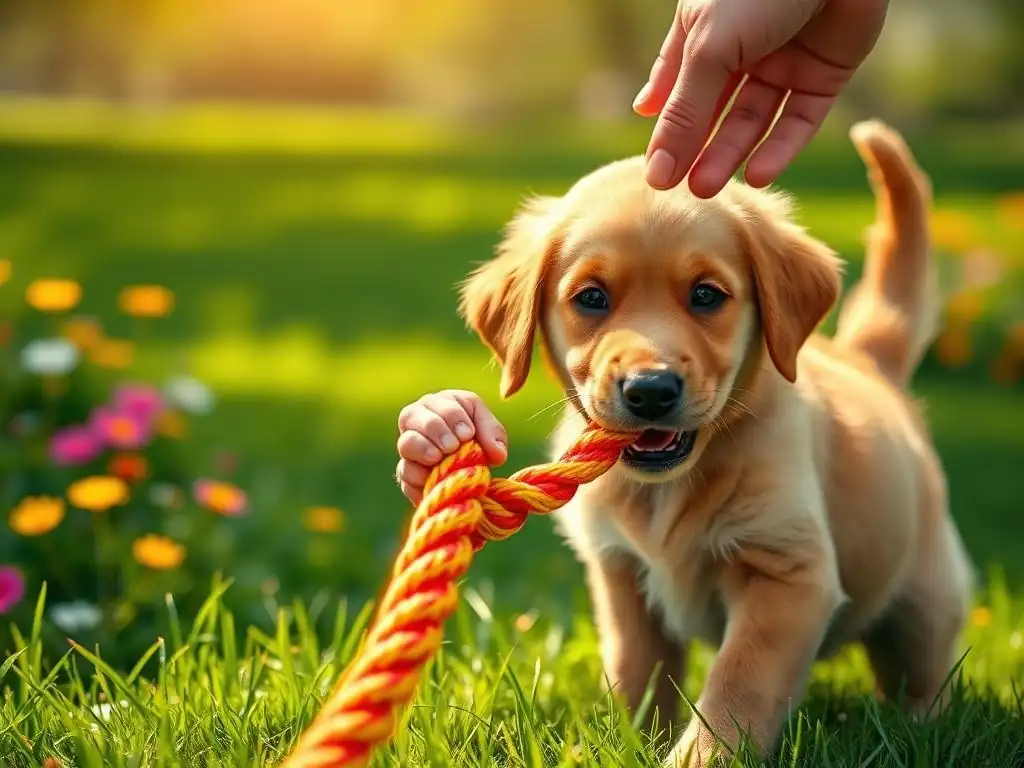
Welcome to PetCareWorld, your ultimate guide to a happier, healthier life with your beloved pets! Are you facing frustrating challenges with your canine companion? We understand. Discover effective and humane Dog behavior problem solutions in our comprehensive guide, packed with expert advice to transform your relationship with your dog. Dive in and unlock the secrets to a well-behaved and joyful furry friend!
- Understanding and Addressing Canine Behavioral Issues
-
Effective Strategies for Resolving Dog Behavior Problems
- Positive Reinforcement Training Techniques for Dogs: Rewards and Motivation
- Addressing Aggressive Behavior in Dogs: Identifying Triggers and Implementing Safety Protocols
- Managing Separation Anxiety in Dogs: Creating a Safe and Comfortable Environment
- Curbing Excessive Barking in Dogs: Training and Environmental Modifications
- Stopping Destructive Chewing in Dogs: Providing Appropriate Chew Toys and Redirecting Behavior
- House Training Challenges in Dogs: Consistency, Patience, and Positive Reinforcement
- Advanced Techniques for Complex Dog Behavior Issues
- Seeking Professional Help for Dog Behavior Problems
- Maintaining a Well-Behaved Dog: Ongoing Training and Enrichment
- Frequently Asked Questions
- Final Reflection: A Partnership Forged in Understanding
- Unleash Your Dog's Best Behavior!
Understanding and Addressing Canine Behavioral Issues
Navigating the world of dog ownership is a rewarding journey filled with unconditional love and playful companionship. However, even the most well-intentioned pet owners can encounter challenges with their canine companions. This comprehensive guide delves into the common behavioral issues dogs exhibit, exploring their root causes and offering practical, expert-driven solutions.
Understanding your dog's behavior is crucial for building a strong, positive relationship and fostering a happy, well-adjusted pet. We'll cover everything from addressing minor annoyances like excessive barking to tackling more serious issues that may require professional intervention. By the end of this article, you'll be equipped with the knowledge and tools to effectively manage common dog behavior problems and create a harmonious home environment for both you and your furry friend.
Remember, patience and consistency are key in addressing canine behavioral issues, and seeking professional help when needed is a sign of responsible pet ownership. This guide focuses on providing you with the information needed to make informed decisions regarding your dog's well-being. Let's embark on this journey together towards a better understanding of our canine companions and how to help them thrive.
Identifying Common Dog Behavior Problems: From Excessive Barking to Destructive Chewing
Many dog behavior problems stem from easily identifiable sources. Let's examine some of the most common issues dog owners face:
- Excessive Barking: This can range from occasional barking to incessant noise that disrupts the household and neighbors. Causes include boredom, anxiety, territoriality, and a lack of proper training. Understanding the trigger for the barking is the first step towards finding a solution.
- Destructive Chewing: Chewing is natural for puppies, but excessive chewing in adult dogs often signals underlying issues such as anxiety, boredom, or a lack of appropriate chew toys. This can lead to damaged furniture and other household items.
- Jumping: Many dogs jump on people, often out of excitement or in an attempt to get attention. This can be problematic, especially with children or elderly individuals. Consistent training is essential to curb this behavior.
- Aggression: This can manifest in various forms, from growling and snapping to biting. Aggression can stem from fear, pain, territoriality, or lack of socialization. This is a serious issue that often requires professional help.
- House Soiling (Accidents): While accidents are common in puppies, consistent house soiling in adult dogs can indicate medical problems, anxiety, or insufficient house training.
- Separation Anxiety: This manifests as excessive barking, whining, destructive behavior, or even self-harm when left alone. It's a significant issue that requires careful management and often professional intervention.
The table below summarizes common dog behavior problems and their potential causes:
| Behavior Problem | Potential Causes |
|---|---|
| Excessive Barking | Boredom, anxiety, territoriality, lack of training |
| Destructive Chewing | Anxiety, boredom, lack of appropriate chew toys |
| Jumping | Excitement, attention-seeking |
| Aggression | Fear, pain, territoriality, lack of socialization |
| House Soiling | Medical problems, anxiety, insufficient house training |
| Separation Anxiety | Anxiety, fear of abandonment |
Understanding these common problems is crucial for effective intervention. The next section explores the underlying reasons for these behaviors.
Recognizing the Root Causes of Misbehavior in Dogs: Underlying Medical Conditions and Emotional Factors
It's vital to remember that many behavioral problems are not simply "bad behavior" but rather symptoms of underlying issues. Before implementing behavioral modification techniques, it's crucial to rule out any medical conditions that might be contributing to the problem. For example, a dog experiencing pain from arthritis might become aggressive when touched, while a dog with a urinary tract infection might have accidents in the house. A visit to the veterinarian is always a good first step.
Beyond medical conditions, emotional factors play a significant role in a dog's behavior. Fear, anxiety, and stress can manifest as various behavioral problems. For instance, a dog who is fearful of loud noises might exhibit destructive chewing or excessive barking during thunderstorms. A dog lacking proper socialization might display aggression towards other dogs or people. Understanding the emotional state of your dog is key to addressing the root cause of the problem.
Consider these examples: A dog constantly digging in the yard might be suffering from boredom or a lack of mental stimulation. A dog exhibiting excessive licking or chewing might be experiencing anxiety or stress. A dog that suddenly becomes aggressive might be experiencing pain or fear. Careful observation and a holistic approach are essential to identifying the true source of the misbehavior.
The Importance of Early Intervention in Addressing Dog Behavior Problems
Early intervention is paramount when dealing with dog behavior problems. Addressing issues as soon as they arise prevents them from becoming ingrained habits. The younger a dog is, the more easily they learn and adapt to new behaviors. Waiting until a problem becomes severe can make it considerably more challenging to correct.
Ignoring problems or attempting to address them with inconsistent methods can worsen the situation. Early intervention allows for proactive training and management strategies, making it easier to establish positive behaviors and prevent future issues. If you notice any concerning behavioral changes in your dog, don't hesitate to seek professional guidance from a certified dog trainer or veterinary behaviorist.
They can provide tailored advice and support to address the specific needs of your canine companion and help you build a stronger, more harmonious relationship. Remember, a well-behaved dog is a happy dog – and a happy dog makes for a happy owner! 🐾
Effective Strategies for Resolving Dog Behavior Problems

This section delves into practical, evidence-based strategies for addressing common canine behavioral issues. Understanding the root cause of a behavior problem is crucial for effective intervention. Many seemingly intractable dog behavior problems stem from a combination of factors including genetics, early socialization, and environmental influences. A holistic approach, considering all these aspects, is key to achieving lasting positive change in your dog's behavior. Remember, patience and consistency are paramount in any dog training endeavor. This section focuses on providing effective solutions for "Dog behavior problem solutions".
Positive Reinforcement Training Techniques for Dogs: Rewards and Motivation
Positive reinforcement training is widely considered the most humane and effective method for modifying dog behavior. It focuses on rewarding desired behaviors, making them more likely to be repeated. This contrasts sharply with punishment-based methods, which can be detrimental to the dog's well-being and create fear and anxiety.
Instead of focusing on what not to do, positive reinforcement highlights what to do. For example, if you want your dog to sit, you reward them with a treat or praise every time they sit on command. This creates a positive association between the action (sitting) and the reward (treat/praise).
The key elements of successful positive reinforcement include:
- Clear and consistent commands: Use simple, consistent verbal cues.
- Immediate rewards: Reward the desired behavior immediately after it occurs. The timing is crucial for effective learning.
- Variety of rewards: Use a mix of treats, praise, toys, and even petting to keep your dog engaged.
- Positive reinforcement schedule: Start with frequent rewards and gradually reduce the frequency as the dog learns the behavior. A good schedule might be continuous reinforcement initially, then moving to intermittent reinforcement.
- Patience and consistency: It takes time and consistency to train a dog effectively. Don't get discouraged if your dog doesn't learn immediately.
Consider this example: A dog exhibiting excessive barking can be taught alternative behaviors, like "quiet" or "go to your bed," which are then rewarded. This redirection replaces the undesirable barking with a desirable behavior. This approach is far more effective than simply shouting at the dog to be quiet.
Addressing Aggressive Behavior in Dogs: Identifying Triggers and Implementing Safety Protocols
Aggressive behavior in dogs can manifest in various ways, from growling and snapping to biting. Understanding the underlying causes is crucial for devising effective intervention strategies. Triggers for aggression can include fear, territoriality, possessiveness over resources (food, toys, etc. ), pain, or even learned behaviors.
Identifying the triggers is the first step. Keep a detailed record of when and under what circumstances the aggression occurs. This may involve noting specific locations, people, or situations. Once the triggers are identified, you can implement strategies to mitigate them.
Safety protocols are essential when dealing with aggressive dogs. This includes:
- Never leave young children unsupervised with an aggressive dog.
- Manage interactions with other dogs carefully. Controlled introductions in neutral territory are crucial.
- Provide a safe space for your dog: A crate or designated area where the dog can retreat when feeling stressed or overwhelmed.
- Seek professional help: A certified veterinary behaviorist or a professional dog trainer experienced in aggression management can provide tailored guidance.
Remember, aggression is often a symptom of an underlying issue. Addressing the root cause, whether it's fear, pain, or learned behavior, is paramount for long-term success. Ignoring or punishing aggression will likely exacerbate the problem.
Managing Separation Anxiety in Dogs: Creating a Safe and Comfortable Environment
Separation anxiety in dogs manifests as excessive distress when left alone. Symptoms can include destructive chewing, excessive barking or howling, urination or defecation indoors, and attempts to escape. This distressing behavior stems from a strong attachment bond and the dog's fear of abandonment.
Creating a safe and comfortable environment is crucial for managing separation anxiety. This involves:
- Gradual desensitization: Start by leaving your dog alone for short periods and gradually increasing the duration.
- Providing enrichment: Engage your dog with puzzle toys or long-lasting chews to distract them while you are away.
- Creating a den-like space: A dog bed, crate, or other designated area can provide a sense of security and safety.
- Consistent routines: Maintain a consistent daily routine to help your dog anticipate your departures and arrivals.
- Avoid emotional goodbyes: Dramatic goodbyes can heighten the dog's anxiety. Keep departures and arrivals calm and low-key.
- Professional help: If separation anxiety is severe, consult a veterinary behaviorist or a certified professional dog trainer for tailored strategies and possibly medication.
Addressing separation anxiety requires patience and a consistent approach. The goal is not to eliminate the dog's attachment but to help them cope more effectively with your absences. A combination of environmental modifications and behavioral techniques often yields the best results. Remember that "Dog behavior problem solutions" frequently require a multi-faceted approach.
Curbing Excessive Barking in Dogs: Training and Environmental Modifications
Excessive barking can be a significant challenge for dog owners, disrupting household peace and potentially straining relationships with neighbors. Addressing this behavior requires a multi-pronged approach combining training techniques and environmental modifications. Firstly, understanding why your dog barks is crucial. Is it due to boredom, anxiety, territoriality, or a learned response to certain stimuli? Identifying the root cause allows for a more targeted solution.
One effective training method is to teach your dog a "quiet" command. Start by identifying a trigger that causes your dog to bark – perhaps a doorbell or a passing car. As soon as the barking begins, say "Quiet!" firmly but calmly. The moment your dog stops barking, even for a split second, immediately reward them with a high-value treat and praise. Repeat this process consistently, gradually increasing the duration of the "quiet" period before rewarding. Consistency is key; the more frequently you practice, the quicker your dog will learn to associate silence with positive reinforcement.
Environmental modifications can significantly reduce barking triggers. For instance, if your dog barks excessively at passersby, consider installing blinds or curtains to reduce visual stimulation. If territorial barking is the issue, creating a safe and secure space for your dog, such as a comfortable bed in a quiet corner, can help alleviate anxiety. Providing ample mental and physical stimulation through regular exercise and interactive play can also significantly reduce boredom-related barking.
Remember, a tired dog is a less likely to bark excessively. Finally, consider consulting a certified professional dog trainer for personalized guidance and support if you're struggling to manage your dog's barking on your own. They can provide tailored strategies based on your dog's specific needs and behavior patterns.
Stopping Destructive Chewing in Dogs: Providing Appropriate Chew Toys and Redirecting Behavior
Destructive chewing is a common problem, particularly in puppies and young dogs, but it can also affect adult dogs experiencing anxiety or boredom. The key to curbing this behavior lies in providing appropriate outlets for their natural chewing instincts and redirecting their focus away from inappropriate targets. This involves a combination of providing suitable chew toys and consistently redirecting your dog when they attempt to chew on forbidden items.
Offering a variety of durable chew toys is paramount. These should be tailored to your dog's size, breed, and chewing style. Consider options like Nylabones, Kong toys (which can be stuffed with treats for added engagement), and tough rubber toys. Rotate the toys regularly to maintain your dog's interest and prevent boredom. Ensure that the toys are appropriately sized – too small and they could be a choking hazard, too large and they might not be engaging enough.
Redirecting your dog's behavior is equally important. The moment you catch your dog chewing on something they shouldn't, immediately interrupt them with a firm "No!" and immediately replace the forbidden item with an approved chew toy. Praise and reward them enthusiastically when they engage with the appropriate toy. This positive reinforcement helps them associate chewing on their toys with positive outcomes.
Furthermore, ensure your dog has adequate mental and physical stimulation. A bored dog is more likely to engage in destructive chewing. Regular walks, interactive games, and training sessions can help alleviate boredom and redirect their energy. Finally, consider consulting a veterinarian to rule out any underlying medical conditions that might contribute to excessive chewing.
House Training Challenges in Dogs: Consistency, Patience, and Positive Reinforcement
House training is a crucial aspect of responsible dog ownership, and it often presents challenges for new pet owners. Success hinges on consistency, patience, and the effective use of positive reinforcement. Establishing a clear and consistent routine is vital. This includes regular feeding schedules, frequent potty breaks (especially after waking up, after meals, and before bedtime), and consistent use of a designated potty area.
Positive reinforcement is a powerful tool in house training. Reward your dog immediately and enthusiastically with treats and praise every time they eliminate outside in the designated area. This positive association helps them understand what behavior is desired. Avoid punishing accidents; punishment can create fear and anxiety, making the training process more difficult. Instead, if you catch your dog in the act of eliminating indoors, interrupt them with a firm "No!" and immediately take them outside to their designated potty spot. If they finish eliminating outside, reward them generously.
Consistency is key; all members of the household must follow the same house training rules. Inconsistency can confuse your dog and prolong the training process. Be patient; accidents will happen, especially during the initial stages of training. Celebrate the successes and learn from the setbacks.
Remember, house training takes time and dedication. If you encounter significant challenges, consider seeking guidance from a certified professional dog trainer or veterinarian who can offer personalized advice and address any underlying medical or behavioral issues. With patience, consistency, and positive reinforcement, you can successfully house train your dog and establish a harmonious home environment.
Advanced Techniques for Complex Dog Behavior Issues

This section delves into more intricate dog behavior problems requiring specialized training methods beyond basic obedience. Understanding the underlying causes of these behaviors is crucial for effective intervention. We'll explore proven techniques to address fear, anxiety, leash pulling, and food aggression, offering practical solutions to improve your dog's well-being and strengthen your bond. Remember, consistency and patience are key when implementing these advanced dog behavior problem solutions.
Dealing with Fear and Anxiety in Dogs: Desensitization and Counter-Conditioning
Fear and anxiety in dogs manifest in various ways, from excessive barking and hiding to destructive chewing and aggression. Desensitization and counter-conditioning are powerful techniques to help alleviate these issues. Desensitization gradually exposes the dog to the feared stimulus at a low intensity, while counter-conditioning pairs the stimulus with a positive experience, like treats or praise.
For example, a dog fearful of loud noises might initially be desensitized by playing calming music at a low volume. Gradually, the volume is increased over several sessions. Simultaneously, counter-conditioning involves pairing the music with positive reinforcement – giving treats and praise each time the music plays. This helps the dog associate the previously feared stimulus with positive feelings.
The process requires careful observation and adjustment based on the dog's reactions. If the dog shows signs of distress, the intensity of the stimulus needs to be lowered. The goal is to create a positive association, ultimately eliminating the fear response. Professional help from a certified dog behaviorist or veterinary behaviorist is often recommended for severe cases. This systematic approach, focusing on gradual exposure and positive reinforcement, is a cornerstone of effective dog behavior problem solutions for anxiety.
Correcting Jumping and Pulling on the Leash: Training and Equipment Solutions
Jumping and leash pulling are common dog behavior problems that can be frustrating for owners and potentially dangerous. Addressing these issues requires a combination of training techniques and the strategic use of equipment.
Jumping can be curbed by ignoring the dog when it jumps, turning your back, and only rewarding calm behavior. Positive reinforcement training, rewarding the dog for keeping all four paws on the ground, is highly effective. Consistency is paramount; everyone interacting with the dog must follow the same rules.
Leash pulling, on the other hand, can be managed through techniques like the "loose-leash walking" method. This involves rewarding the dog for walking calmly beside you, stopping whenever the leash becomes taut. Using a front-clip harness or head halter can also help redirect the dog's pulling behavior. These tools help gently discourage pulling without causing pain or discomfort. However, these tools should be used in conjunction with positive reinforcement training, not as a stand-alone solution. Choosing the right equipment and employing consistent training are crucial components of effective dog behavior problem solutions for leash manners.
Managing Food Aggression in Dogs: Controlled Feeding and Resource Guarding Techniques
Food aggression, characterized by a dog's protective behavior around food, is a serious concern that requires careful management. It stems from resource guarding – the dog perceives its food as a valuable resource to be defended. Addressing this requires understanding the root cause and implementing controlled feeding strategies.
Controlled feeding involves managing access to food, ensuring the dog doesn't feel threatened by others. This might involve feeding the dog in a separate, quiet location, using slow-feed bowls to prevent gulping, and never approaching the dog while it's eating. Positive reinforcement techniques, such as rewarding calm behavior around food, are essential. Never punish a dog for guarding its food, as this can exacerbate the problem.
Techniques like "desensitization and counter-conditioning" can also be applied. Gradually introducing the dog to other people or animals near its food bowl while rewarding calm behavior can help reduce its anxiety and protective instincts. Professional guidance from a certified dog trainer or veterinarian is vital, especially in severe cases. A multi-faceted approach that addresses resource guarding and incorporates positive reinforcement is crucial for effective dog behavior problem solutions related to food.
Seeking Professional Help for Dog Behavior Problems

Sometimes, despite our best efforts, we may need expert assistance to address persistent dog behavior problems. Understanding when to seek professional help and how to find the right professional is crucial for achieving positive results and ensuring the well-being of your canine companion. This section delves into the importance of professional intervention and provides guidance on navigating this process effectively. Successfully navigating dog behavior issues often requires a collaborative approach, combining owner commitment with professional expertise.
When to Consult a Veterinarian or Certified Dog Trainer: Recognizing the Need for Expert Assistance
Many seemingly simple dog behavior problems can mask underlying medical conditions. A dog exhibiting sudden aggression, excessive barking, or house soiling might be suffering from pain, anxiety related to a medical issue, or a cognitive dysfunction. Therefore, the first step in addressing any concerning behavior is a visit to your veterinarian. A thorough veterinary examination can rule out any physical causes and provide a crucial baseline for behavioral modification.
Furthermore, certain behaviors—like extreme aggression, self-mutilation, or compulsive disorders—often require the expertise of a certified professional dog trainer or veterinary behaviorist. These specialists possess the knowledge and skills to conduct comprehensive behavioral assessments, diagnose underlying behavioral issues, and create tailored intervention plans. They can also help owners understand the root causes of the problem, often stemming from factors like fear, anxiety, or lack of socialization. Ignoring these serious issues can lead to worsening of the problem and potential harm to the dog or others.
Consider seeking professional help if your dog exhibits:
- Aggression: Unprovoked biting, snapping, or growling towards people or other animals.
- Excessive barking or howling: Persistent, disruptive vocalization that doesn't respond to basic training.
- Destructive chewing or digging: Damage to property beyond normal puppy behavior.
- House soiling: Urination or defecation indoors despite adequate house training.
- Separation anxiety: Extreme distress when left alone, manifesting as howling, destructive behavior, or accidents.
- Compulsive behaviors: Repetitive, seemingly purposeless actions like tail chasing or excessive licking.
- Fear or anxiety: Excessive reactivity to stimuli, leading to avoidance or panic.
Finding Qualified Dog Behavior Professionals: Resources and Recommendations
Finding a reputable and qualified professional is paramount. Avoid trainers who use aversive methods (shock collars, prong collars, etc. ), as these can be harmful and counterproductive. Look for professionals with certifications from reputable organizations, such as the Certification Council for Professional Dog Trainers (CCPDT) or the International Association of Animal Behavior Consultants (IAABC).
Here are some avenues to explore when searching for qualified professionals:
- Veterinarian referrals: Your vet likely has a network of trusted behaviorists and trainers.
- Online directories: Several websites maintain directories of certified dog trainers and behaviorists.
- Local animal shelters and rescue organizations: These groups often have recommendations for qualified professionals in your area.
- Word-of-mouth: Ask other dog owners for recommendations based on their positive experiences.
Remember to thoroughly vet any potential professional. Schedule a consultation to discuss your dog's behavior, the professional's approach, and their experience with similar cases. A good professional will be transparent about their methods and willing to answer all your questions.
Creating a Collaborative Approach to Dog Behavior Modification: Owner Commitment and Professional Guidance
Addressing dog behavior problems is a collaborative effort that requires consistent commitment from both the owner and the professional. The professional provides the expertise and guidance, while the owner is responsible for implementing the recommended training plan consistently and patiently. This teamwork is essential for achieving lasting positive changes in your dog's behavior.
The success of any behavioral modification plan hinges on the owner's consistent application of the techniques taught by the professional. This includes:
- Consistent training: Regular practice of the exercises and techniques recommended by the professional is crucial for reinforcing desired behaviors.
- Patience and understanding: Behavior modification takes time and effort. Setbacks are normal, and patience is key to success.
- Open communication: Maintain open communication with the professional, reporting progress, challenges, and any changes in your dog's behavior.
- Positive reinforcement: Focus on rewarding desired behaviors rather than punishing unwanted ones. Positive reinforcement methods are far more effective in the long run.
By working together, owners and professionals can create a supportive environment that fosters positive behavioral change, resulting in a happier, healthier, and better-behaved canine companion. Remember, consistent effort and a positive approach are key ingredients for success in addressing dog behavior problem solutions.
Maintaining a Well-Behaved Dog: Ongoing Training and Enrichment
Addressing dog behavior problems isn't a one-time fix; it's an ongoing process requiring consistent effort and understanding. Think of it like maintaining a healthy diet – you wouldn't expect to eat well for a week and then revert to unhealthy habits and expect to maintain good health. Similarly, consistent training is crucial for long-term success in managing your canine companion's behavior.
This section focuses on maintaining a well-behaved dog through ongoing training and enrichment activities, preventing future issues, and solidifying positive behaviors. We'll delve into the importance of consistency, the role of enrichment, and proactive measures to prevent future behavioral challenges. This is crucial for building a strong bond with your dog and ensuring a harmonious life together.
Consistency and Patience: The Keys to Long-Term Success in Dog Training
Consistency is paramount in dog training. Dogs thrive on routine and predictability. Inconsistent commands or rewards can lead to confusion and frustration, hindering progress. For example, if you sometimes allow your dog to jump on the couch and sometimes reprimand them, they won't understand what's expected of them. This inconsistency reinforces the unwanted behavior.
To achieve consistency:
- Establish clear rules: Determine what behaviors are acceptable and unacceptable within your household. Ensure all family members understand and enforce these rules consistently.
- Use consistent commands: Choose specific words for commands (e.g., "sit," "stay," "come") and use them consistently. Avoid using synonyms.
- Maintain a consistent reward system: Use positive reinforcement consistently. Reward desired behaviors immediately with treats, praise, or toys.
- Be patient: Training takes time and effort. Don't get discouraged if your dog doesn't learn a new trick overnight. Celebrate small victories and remain patient throughout the process.
Remember, patience is just as important as consistency. Dogs learn at different paces. Some dogs pick up commands quickly, while others require more time and repetition. Celebrate small wins and adjust your training methods as needed. Never resort to punishment; positive reinforcement is far more effective in the long run. The key is to build a positive association between good behavior and rewards.
Enrichment Activities for Dogs: Mental Stimulation and Physical Exercise
A bored dog is more likely to develop behavioral problems. Providing adequate mental and physical stimulation is crucial for a well-adjusted dog. Enrichment activities help prevent destructive behaviors, reduce anxiety, and improve overall well-being. Think of it as preventative medicine for your dog's behavior.
Here are some enrichment ideas:
- Physical Exercise: Daily walks, runs, or playtime in a dog park provide essential physical exercise. This helps burn excess energy and reduces hyperactivity. The amount of exercise will depend on your dog's breed, age, and energy level.
- Mental Stimulation: Puzzle toys, treat-dispensing balls, and hide-and-seek games provide mental stimulation. These activities challenge your dog's problem-solving skills and keep them engaged.
- Training Sessions: Regular training sessions are not just about teaching commands; they also provide mental stimulation. Short, frequent sessions are more effective than long, infrequent ones.
- Socialization: Proper socialization is crucial, especially during puppyhood. Exposure to different people, dogs, and environments helps your dog develop appropriate social skills and reduces anxiety.
Preventing Future Behavior Problems: Proactive Training and Management
Proactive training and management are key to preventing future behavior problems. Addressing potential issues before they escalate is far easier than dealing with established behavioral problems. This is a proactive approach to dog behavior management.
Here's how to be proactive:
- Early Socialization: Expose your puppy to various sights, sounds, and people from a young age. This helps prevent fear-based behaviors later in life.
- Puppy Classes: Enroll your puppy in puppy classes to learn basic obedience and socialization skills. This provides a structured environment for learning and interaction with other dogs.
- Manage the Environment: Create a safe and stimulating environment for your dog. Remove temptations that might lead to unwanted behaviors (e.g., leaving valuable items within reach).
- Supervise Interactions: Always supervise interactions between your dog and children or other pets. This helps prevent conflicts and teaches appropriate social behavior.
- Seek Professional Help: Don't hesitate to seek professional help from a certified dog trainer or veterinary behaviorist if you're struggling with a behavior problem. Early intervention is crucial.
By implementing these strategies, you can significantly reduce the likelihood of encountering serious dog behavior problems and foster a strong, positive relationship with your canine companion. Remember, consistent training, enrichment, and proactive management are the cornerstones of a well-behaved and happy dog. This holistic approach ensures your dog's well-being and strengthens the bond you share.
Frequently Asked Questions
What are some common dog behavior problems?
Common issues include excessive barking, destructive chewing, leash pulling, aggression, and house soiling. These can stem from various underlying causes, requiring tailored solutions.
How can I stop my dog from excessive barking?
Identify the trigger for the barking (e.g., boredom, anxiety, territoriality). Then, implement positive reinforcement training techniques, using rewards to encourage quiet behavior. Consider seeking professional help if the problem persists.
My dog is destructive when left alone. What can I do?
Provide ample exercise and mental stimulation before leaving. Gradually increase alone time, starting with short periods. Consider puzzle toys or enrichment activities to keep your dog occupied. Consult a vet to rule out medical causes.
How can I address leash pulling during walks?
Use a harness designed to discourage pulling, and reward your dog for walking calmly beside you. Employ positive reinforcement techniques, like frequent praise and treats, to reinforce good behavior. Consistent training is key.
My dog shows signs of aggression. What should I do?
Never punish aggressively. Consult a certified professional dog trainer or veterinary behaviorist immediately. Aggression can stem from fear, pain, or other underlying issues requiring expert assessment and management.
Final Reflection: A Partnership Forged in Understanding
The challenges of dog ownership are often underestimated, but understanding canine behavior is the key to unlocking a harmonious relationship. Successfully navigating common behavioral issues isn't just about obedience; it's about building a strong bond based on mutual respect and understanding. This understanding is crucial not only for the well-being of your dog but also for your own peace of mind.
The journey of learning to communicate effectively with our canine companions is a continuous one, profoundly shaping both their lives and ours. It's a process of learning their unique personalities, understanding their motivations, and responding with patience and consistency. As the renowned ethologist, Konrad Lorenz, once said, There is no such thing as a bad dog, only bad owners.
This quote underscores the responsibility we bear in shaping our dogs' behavior and highlights the importance of education and empathy in our interactions.
Now, consider the impact of your newfound knowledge. You have the tools to address common issues, from excessive barking to destructive chewing. Take the time to reflect on your relationship with your dog. Are you providing the necessary mental and physical stimulation? Are you consistently applying positive reinforcement techniques? By actively engaging in these practices, you're not just solving problems; you're building a stronger, more loving relationship with your furry friend, a relationship built on trust and understanding that will enrich both your lives for years to come.
Unleash Your Dog's Best Behavior!
Thank you for taking the time to learn how to improve your dog's behavior! We hope you found these expert tips helpful and inspiring. Now it's time to put that knowledge into practice.
- Start with one new training technique this week. Begin with a small, achievable goal, focusing on a specific behavior you'd like to improve. Celebrate your successes along the way—consistency is key!
- Share your progress and challenges with other PetCareWorld community members in the comments below. Let's learn from each other's experiences!
- Consider exploring our extensive library of dog training resources for even more helpful advice and support.
Ready to see a happier, better-behaved dog? What small step will you take today to achieve this?