
Dock Diving Games and Drills for Fun and Skill

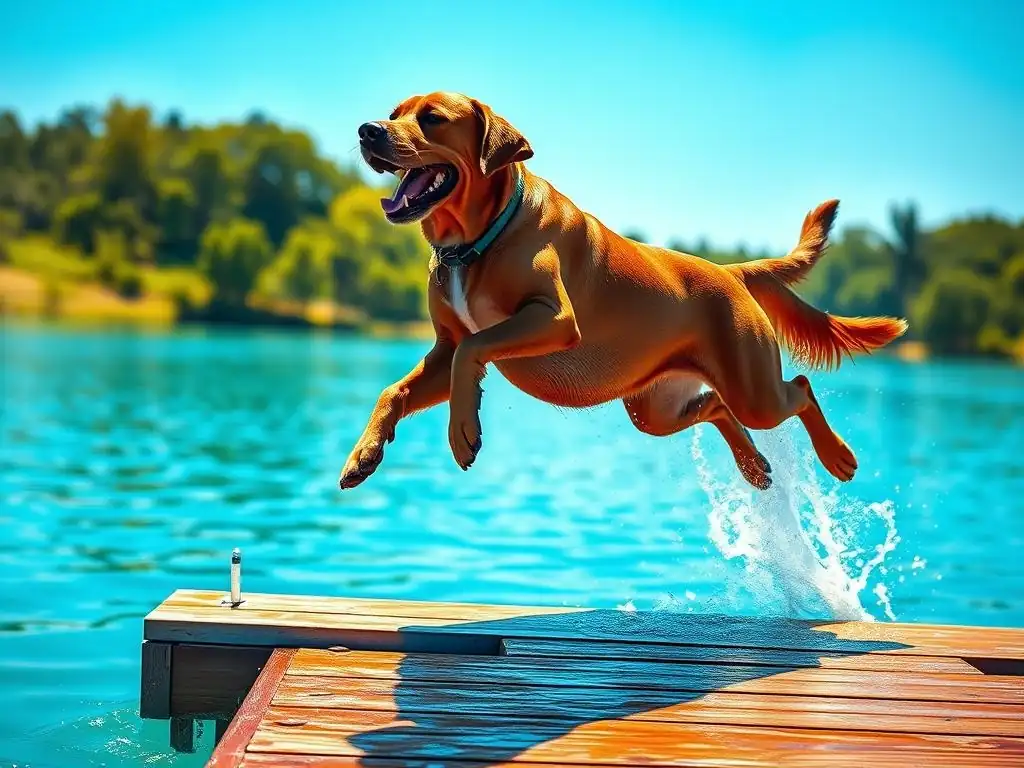
Welcome to PetCareWorld, your ultimate guide to a happier, healthier life for your beloved pets! Are you ready to unleash your dog's inner athlete? Dive into our expert guide on Dog Dock Diving Training Drills, packed with fun and effective techniques to build your canine companion's skills and confidence in this exhilarating sport. Discover the secrets to success and watch your furry friend soar to new heights!
- Introducing Your Dog to Dock Diving: Building Confidence and Excitement
- Essential Dog Dock Diving Training Drills: Building Technique
- Advanced Dog Dock Diving Training Drills: Refining Skills
- Safety First: Essential Dock Diving Precautions for Dogs
- Choosing the Right Dock Diving Competition for Your Dog
- Maintaining Your Dog's Fitness for Dock Diving
- Frequently Asked Questions
- Final Reflection: The Joyful Leap: Building Bonds Through Dock Diving
- Unleash Your Dog's Inner Olympian: Dive into Action!
Introducing Your Dog to Dock Diving: Building Confidence and Excitement
Dock diving is a thrilling and rewarding canine sport that combines athleticism, fun, and a strong bond between dog and owner. This comprehensive guide will walk you through the essential steps of dog dock diving training drills, focusing on building your dog's confidence and excitement for the sport. From initial water introductions to mastering advanced techniques, we'll provide you with practical strategies and proven methods to help your canine companion become a dock diving star. Understanding the importance of positive reinforcement and gradual progression is key to success, ensuring a positive and enjoyable experience for both you and your furry friend. This guide focuses specifically on building a solid foundation, making the transition to more advanced dog dock diving training drills smoother and more efficient. We'll cover everything from overcoming initial apprehension to cultivating a love for the dock and the exhilarating plunge into the water. Let's dive in! 🏊♀️🐕
Initial Water Introduction and Positive Reinforcement
Introducing your dog to water should be a positive and gradual process. Forcing your dog into the water will likely create fear and anxiety, hindering your progress. Instead, start by letting your dog explore the water at their own pace. Begin with shallow water, allowing them to sniff and paw at the water's edge. Use high-value treats and praise liberally to create positive associations. Gradually increase the depth of the water, always ensuring your dog feels safe and comfortable. Remember, patience is key! 🎉
Consider using a toy or a favorite treat to lure your dog into the water. Keep the sessions short and sweet, ending on a positive note. If your dog shows any signs of fear or hesitation, immediately back off and try again later. The goal is to build confidence and excitement, not to force participation.
Positive reinforcement is paramount; reward every small step forward with enthusiastic praise, treats, and affection. This approach will foster a love for the water and make the entire learning process more enjoyable for both you and your dog. Remember, every dog learns at their own pace, so be patient and celebrate every success, no matter how small.
Early Training: Getting Comfortable with the Dock
Once your dog is comfortable in the water, it's time to introduce them to the dock. Begin by simply allowing your dog to walk onto the dock and explore. Use high-value rewards to encourage them to stay on the dock. Gradually increase the time they spend on the dock, always ending the session before your dog becomes bored or frustrated. It's crucial to make the dock a positive and rewarding place. Avoid any pressure or forceful actions. Let your dog explore at their own pace. 🐾
You can use various techniques to help your dog get comfortable with the dock. For example, you can scatter treats on the dock to encourage exploration. You can also play games on the dock, such as tug-of-war or fetch. The key is to make the dock a fun and exciting place for your dog. Remember to always end the session on a positive note, even if your dog only spent a few seconds on the dock. Consistency and positive reinforcement are crucial during this stage. Celebrate even the smallest successes to reinforce positive behavior and build your dog's confidence.
Building Excitement: Reward-Based Approach to the Dock
Now that your dog is comfortable on the dock, it's time to start building excitement for the jump. Use a reward-based approach to motivate your dog to jump off the dock. Start by luring your dog off the dock with a favorite toy or treat. Once your dog jumps, reward them immediately with enthusiastic praise and a high-value reward. Gradually increase the distance your dog needs to jump to reach the reward. Remember to keep the sessions short and fun. The goal is to build excitement and anticipation for the jump, not to create stress or anxiety. 🐶👏
Remember to adjust the difficulty of the training according to your dog's individual progress. Some dogs may be natural water enthusiasts and quickly progress through these stages, while others might require more time and patience. Always prioritize your dog's comfort and well-being. The use of positive reinforcement techniques remains crucial throughout this phase. Consistent positive reinforcement ensures a happy and successful learning experience for both you and your canine companion, paving the way for more advanced dog dock diving training drills in the future.
Essential Dog Dock Diving Training Drills: Building Technique

This section details crucial dog dock diving training drills to hone your canine's technique and maximize their performance. Remember, safety and positive reinforcement are paramount throughout the training process. Consistency and patience are key to success in building a strong foundation for your dog's dock diving journey. These drills focus on building the specific skills needed for successful and confident dock diving. We’ll cover techniques to improve accuracy, distance, and water entry, all essential components of a winning performance.
Target Training for Accurate Jumps
Target training is fundamental for accurate jumps in dog dock diving. It teaches your dog to focus on a specific point before launching, leading to more consistent and precise jumps. Begin by using a brightly colored target, such as a disc or a floating toy, placed at the end of the dock. Reward your dog liberally with praise and treats when they approach and touch the target with their nose.
Gradually increase the distance between your dog and the target. As your dog becomes more proficient, start associating the target with the jump itself. Lure your dog onto the dock with the target, holding it just beyond the edge. Once they’re comfortable, release the target, allowing them to jump for it. This process reinforces the association between the target and the jump. Remember to maintain a positive and encouraging environment, celebrating even small successes. Consistent positive reinforcement is crucial for building confidence and avoiding any negative associations with the training process.
For advanced training, try using multiple targets to refine accuracy and control. This will encourage your dog to focus on a precise spot rather than just jumping. You could set up targets at varying distances and angles to challenge them and improve their ability to adjust their jump. Analyzing each jump and making subtle adjustments to your training approach based on your dog's performance is essential for achieving optimal results. Remember, each dog learns at a different pace, so adjust your training accordingly.
Distance Training: Increasing Jump Length
Increasing your dog's jump distance requires a gradual and progressive approach. Start by ensuring your dog is comfortable and confident jumping from the dock. Then, begin extending the distance incrementally. You can achieve this by placing the target (or reward) progressively further from the dock's edge. A small increase each session prevents overwhelming your dog and maintains motivation.
Employing a system of lure-reward-release can significantly improve distance. Lure your dog onto the dock with the target, gradually moving it further away with each successful jump. Remember to reward immediately upon landing in the water. This positive reinforcement encourages longer jumps and strengthens the association between jumping further and receiving a reward.
Consider using a longer dock or adding extensions to increase the distance gradually. Avoid sudden increases in distance, as this can lead to fear or hesitation. Always prioritize your dog's comfort and confidence. The key is consistent, positive reinforcement and gradual progression. Keep track of your dog's progress; note the distances achieved in each session. This data will help you monitor their improvement and adjust the training intensity accordingly.
Fetch and Retrieve Drills: Improving Water Entry
Efficient water entry is crucial for maximizing distance and minimizing water resistance. Fetch and retrieve drills are excellent for improving this aspect. Start with simple fetch games in shallow water, gradually increasing the distance and depth. Focus on rewarding your dog for a clean entry—a straight, powerful jump into the water.
Introduce the dock into the fetch game. Throw the toy from the end of the dock, encouraging your dog to jump to retrieve it. This combines the fetch element with the dock diving action. Pay close attention to your dog's body posture and entry angle. A clean entry minimizes resistance and maximizes the jump's effectiveness. Correcting any poor form early on is vital for preventing bad habits from developing.
For advanced training, incorporate variations in the toy's trajectory and distance. This will challenge your dog's ability to adjust their jump accordingly. Always ensure that the water is safe and the depth is appropriate for your dog's swimming ability. Remember, safety is the top priority. Celebrate successes and offer encouragement, even during challenging sessions. Consistent training and positive reinforcement will help your dog develop the skills and confidence necessary for a successful and enjoyable dock diving experience.
Jumping for Toys and Treats: Enhancing Motivation
Jumping for toys and treats is a fundamental step in dog dock diving training, crucial for building the initial drive and excitement necessary for successful diving. This method leverages a dog's natural instinct to chase and retrieve, transforming it into a positive association with the dock and the act of jumping. The key here is to gradually increase the distance and complexity, always maintaining a high level of positive reinforcement.
Start with the dog close to the dock, perhaps just a foot or two away. Toss a favorite toy or a high-value treat onto the dock, ensuring it lands within easy reach. Reward your dog enthusiastically as they retrieve the item. Repeat this several times, ensuring your dog understands the connection between the dock and the reward. Slowly increase the distance from which you toss the item, gradually moving further away from the dock with each successful jump. This builds confidence and encourages the dog to jump further to get their reward.
It's vital to use high-value rewards – something your dog truly craves. This could be their favorite squeaky toy, a particularly delicious treat, or even a combination of both. The reward should be immediate and enthusiastic, reinforcing the positive association with the jump. Never punish a dog for hesitation or a failed attempt; instead, make the experience fun and rewarding. If your dog shows signs of frustration, take a step back and reduce the distance, ensuring they experience success.
Remember to vary the location of the reward on the dock. Don't always place it in the same spot. This encourages the dog to explore the entire surface of the dock, improving their balance and spatial awareness. Gradually introduce distractions, such as other dogs or people, to build the dog's focus and confidence in various environments. The goal is to create a strong positive association between the dock, the jump, and the reward, setting the stage for more advanced dock diving training.
Remember, patience and positive reinforcement are key. Celebrate every small victory, and your dog will be diving with confidence in no time! Remember to adjust the training based on your dog’s breed and temperament; some dogs will be quicker learners than others. Consider consulting with a professional dock diving trainer if you encounter significant challenges.
Advanced Dog Dock Diving Training Drills: Refining Skills
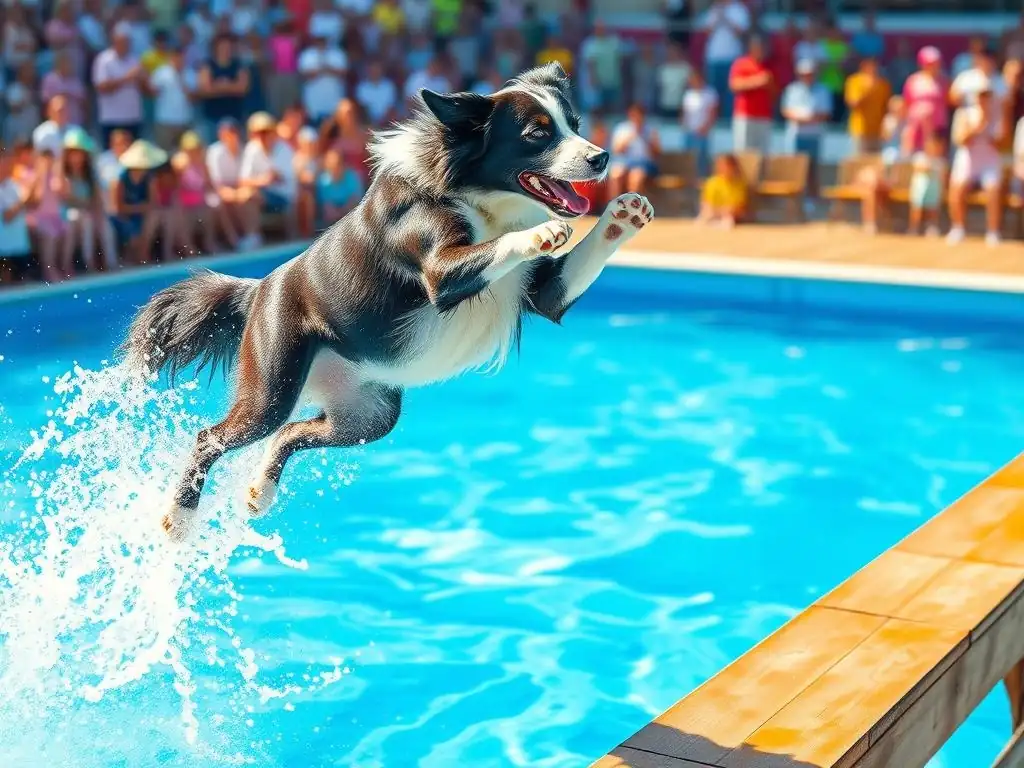
This section delves into advanced dog dock diving training drills designed to refine your canine athlete's skills, moving beyond the basics to achieve peak performance. These drills focus on enhancing specific aspects of the dive, ultimately leading to improved scores and a more confident, skilled dog. Remember to always prioritize your dog's safety and enjoyment throughout the training process. Positive reinforcement remains key!
Improving Entry Technique: Minimizing Splash
A clean entry is crucial for maximizing distance and minimizing deductions in competition. A powerful, yet controlled, entry minimizes splash, allowing judges to accurately assess the dog's performance. Here's how to refine this critical skill:
- The "Target Practice" Drill: Place several brightly colored targets (floats or toys) at varying distances from the dock. Reward your dog for entering the water cleanly and directly at each target. This helps them focus on the specific point of entry rather than just jumping. Gradually increase the distance of the targets to encourage longer, more controlled dives.
- Slow-Motion Entry: Start by having your dog practice slow-motion entries. This allows you to identify and correct any flaws in their technique, such as a hesitant approach or a poor body position. You can use hand signals or verbal cues to guide them, emphasizing a smooth, streamlined entry. Positive reinforcement is essential throughout this process.
- The "Silent Entry" Drill: This drill focuses on minimizing splash. Reward your dog for entering the water with minimal disturbance. You can use a splash-measuring device (though not necessary for training) to track progress and provide quantifiable feedback. The goal is a near-silent entry, demonstrating precision and control.
- Video Analysis: Filming your dog's dives from multiple angles can be invaluable. Reviewing the footage allows you to identify subtle issues in their technique that may not be apparent during live training. This detailed analysis helps you tailor your training to address specific areas for improvement.
Air Time Drills: Maximizing Distance and Height
Increasing air time is a key objective in dock diving. It directly translates to greater distance and a more impressive performance. These drills focus on building the power and technique needed for those spectacular leaps:
- The "Ramp-Up" Drill: Gradually increase the height of the dock. Start with a low height and gradually increase it as your dog gains confidence and power. This progressive approach prevents injury and builds the necessary muscle strength and coordination.
- Distance Markers: Place markers at increasing distances from the dock to track your dog's progress. Reward them for achieving each milestone. This provides a clear visual representation of their improvement and encourages them to strive for longer distances. Consider using different colored markers for varying distances.
- "Run and Jump": Incorporate a short run-up before the jump. This builds momentum and allows the dog to generate more power for a longer and higher jump. Ensure the run-up is safe and controlled, preventing injuries.
- High-Value Rewards: Utilize high-value rewards, such as favorite toys or treats, to motivate your dog and reinforce desired behaviors. The reward should be directly related to the effort and performance, encouraging them to strive for maximum distance and height.
- Plyometrics (with Vet Approval): Consult your veterinarian before introducing plyometrics, which involve exercises that use explosive movements to build muscle power. Under professional guidance, exercises like short bursts of running or jumping can enhance your dog's leg strength and agility, but only under careful supervision.
Controlled Turns and Maneuvers: Adding Complexity
Adding controlled turns and maneuvers elevates your dog's dock diving performance from a simple jump to a showcase of skill and athleticism. These drills require advanced training and a high level of dog-handler communication:
- Target Turns: Place targets in the water at various angles from the dock. Train your dog to jump, perform a controlled turn in the air, and land near the chosen target. This drill requires precise timing and coordination.
- "Figure Eight" Drill: This drill involves guiding your dog to perform a figure-eight pattern in the water after the initial jump. This requires masterful control and a strong bond between dog and handler. Start with simple turns and gradually increase the complexity.
- "Touch and Go": This drill involves having your dog jump, touch a floating target, and then return to the dock. This is a challenging maneuver that requires precise control and focus. It assesses both jumping and water-handling skills.
- Progressive Difficulty: Start with simple turns and gradually increase the complexity. Always ensure the safety of your dog and avoid pushing them beyond their capabilities. Positive reinforcement and patience are crucial.
| Drill Type | Focus | Difficulty Level | Key Considerations |
|---|---|---|---|
| Target Practice | Entry Technique | Beginner | Target placement, reward system |
| Ramp-Up | Air Time | Intermediate | Gradual increase in height, safety precautions |
| Figure Eight | Controlled Maneuvers | Advanced | Precise timing, strong handler-dog communication |
| Touch and Go | Combined Skills | Advanced | Target placement, water retrieval training |
Remember, consistent training and positive reinforcement are key to success in advanced dock diving drills. Always prioritize your dog's safety and well-being. Enjoy the journey of refining your canine athlete's skills! 🐶
Safety First: Essential Dock Diving Precautions for Dogs
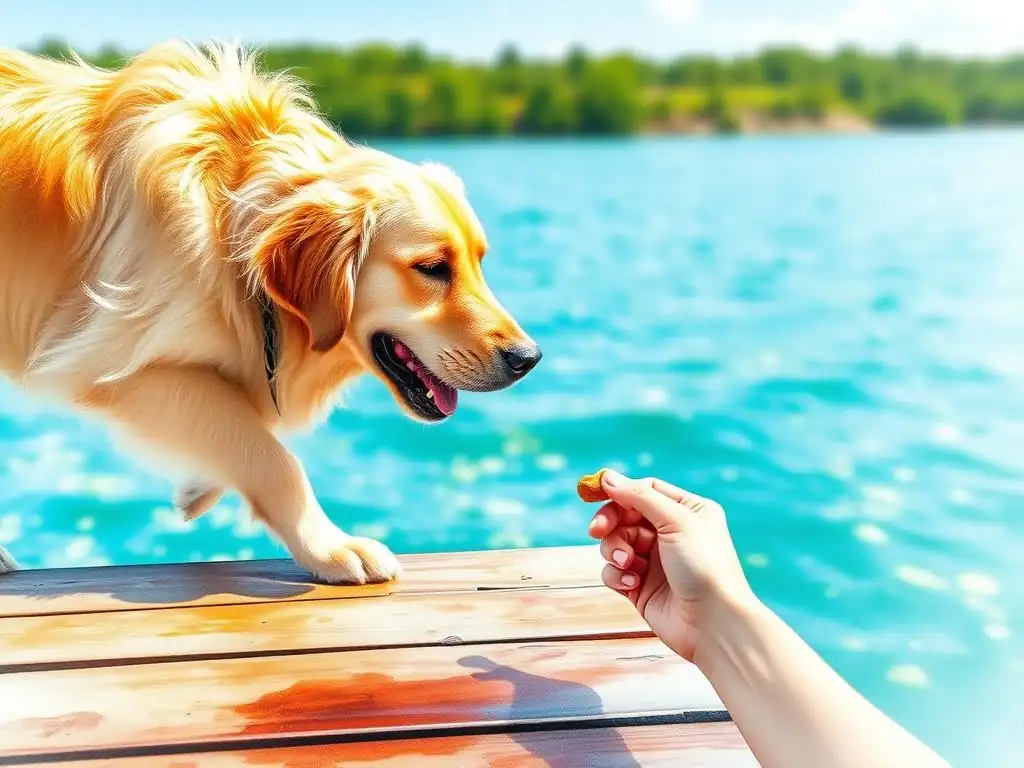
Dock diving is a thrilling and rewarding activity for both dogs and their owners, but safety should always be the top priority. Failing to prioritize safety can lead to injuries for your canine companion and spoil the fun. This section outlines crucial precautions to ensure a safe and enjoyable dock diving experience for your dog. Remember, responsible dog ownership extends to all activities, and dock diving is no exception. Careful planning and consistent vigilance are key to preventing accidents and promoting your dog's well-being.
Water Safety and Supervision
Water safety is paramount in dog dock diving. Never leave your dog unsupervised near the water, even for a moment. This is especially critical for dogs who aren't strong swimmers or are still learning. Always have a spotter present, preferably someone familiar with canine swimming and rescue techniques. The spotter's role includes monitoring the dog's progress in the water, providing immediate assistance if needed, and ensuring a safe retrieval after each jump.
Consider the water temperature. Cold water can cause hypothermia in dogs, especially smaller breeds or those with shorter coats. Monitor your dog closely for signs of shivering or lethargy, and limit training sessions in cold water. Conversely, excessively hot water can also be problematic. Ensure the water is at a comfortable temperature for your dog.
The depth of the water is another critical factor. The water should be deep enough to allow your dog to swim comfortably after a jump, but not so deep that it creates unnecessary challenges for retrieval. Shallow water can lead to injuries if your dog hits the bottom forcefully, while excessively deep water can make retrieval difficult and stressful. Aim for a depth that allows for easy swimming and safe recovery. Using a designated dock diving pool or area designed for this activity helps control these environmental factors.
Proper Equipment and Gear
Using the right equipment is crucial for both your dog's safety and their performance. A well-fitted life vest is essential, especially for dogs who are new to dock diving or aren't naturally strong swimmers. The life vest should be buoyant enough to keep your dog afloat but not so restrictive that it hinders their jumping ability. Look for a vest specifically designed for canine water sports, ensuring it's properly adjusted to fit snugly without restricting movement.
Beyond the life vest, consider other equipment that can enhance safety. For example, a well-designed dock ramp can help your dog gain confidence and maintain a safe launch angle. Avoid slippery ramps or those with uneven surfaces. The dock itself should be sturdy and secure, capable of withstanding the weight of your dog and the force of their jumps. Regular inspection of all equipment is essential to ensure it remains in good condition and safe for use. Damaged or worn-out equipment should be replaced immediately.
Recognizing Signs of Fatigue and Overexertion
Even the most enthusiastic dock diving dog can experience fatigue and overexertion. Recognizing the signs is crucial to prevent injuries and ensure your dog's well-being. Common signs of fatigue include:
- Lethargy or unwillingness to jump.
- Increased panting or difficulty breathing.
- Muscle tremors or stiffness.
- Changes in behavior, such as becoming unusually quiet or withdrawn.
- Slowed swimming speed or difficulty staying afloat.
If you observe any of these signs, immediately stop the training session and allow your dog to rest. Provide them with fresh water and allow them to cool down gradually. Forcing a fatigued dog to continue can lead to serious health problems, such as muscle strains, exhaustion, or even drowning. Remember, it's always better to err on the side of caution.
Prioritizing your dog’s safety and well-being is the cornerstone of responsible and enjoyable dog dock diving training drills. Observe your dog carefully, and adjust training sessions based on their individual needs and capabilities. Regular breaks and plenty of positive reinforcement are essential components of successful and safe dog dock diving training.
Choosing the Right Dock Diving Competition for Your Dog
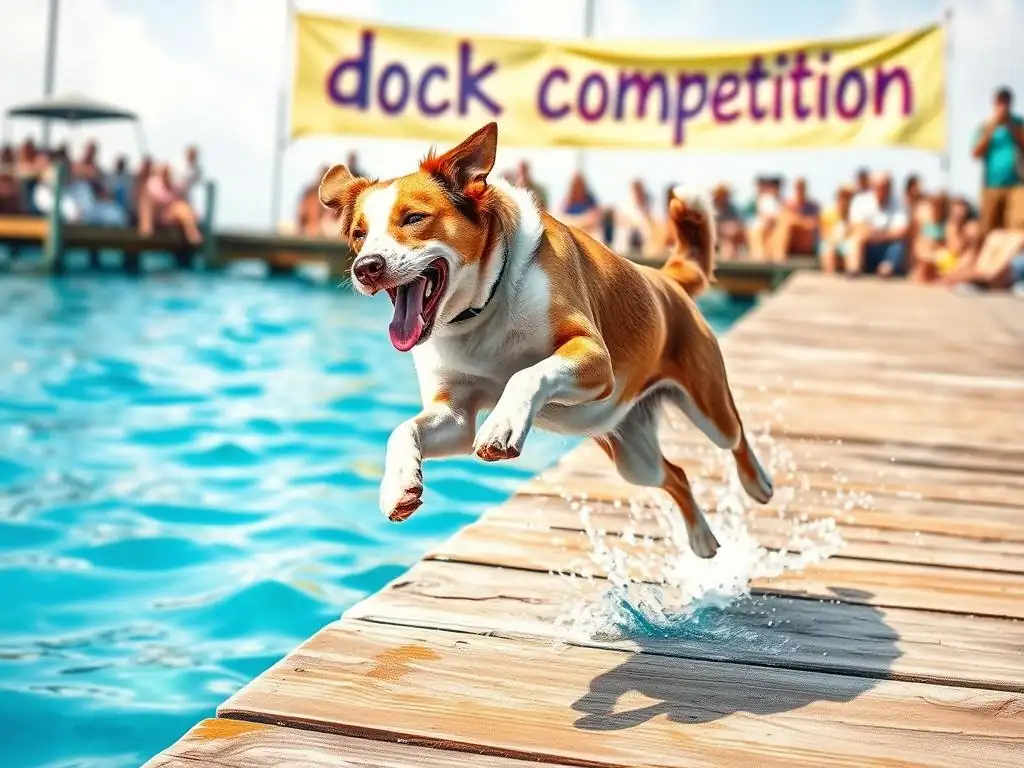
Selecting the appropriate dock diving competition for your canine companion is crucial for a positive and rewarding experience. The right competition will depend heavily on your dog's age, experience level, and your own goals. Are you aiming for a fun day out, or are you hoping to qualify for national competitions? Understanding the different competition levels and formats is key to ensuring both you and your dog have a blast.
Consider factors like the distance of the jumps, the number of participants, and the overall atmosphere. A less intense, smaller competition may be ideal for a young or inexperienced dog, while a larger, more competitive event might suit a seasoned dock diving pro. Remember, the primary goal should always be to have fun and build a strong bond with your dog through this exciting activity.
Beginner-Friendly Competitions
Beginner-friendly dock diving competitions prioritize fun and participation over intense competition. These events often feature shorter jump distances, fewer dogs competing simultaneously, and a more relaxed atmosphere. They’re perfect for introducing your dog to the sport and building their confidence. Look for competitions that emphasize positive reinforcement and offer plenty of encouragement for both dogs and their handlers. Many clubs offer "introductory" or "fun" events specifically designed for newcomers.
These often include shorter sessions, fewer jumps per dog, and less formal judging. The focus is on having a positive experience and getting your dog comfortable with the dock and the water. Expect less pressure and more opportunities for practice and playful interaction. These events are also a great way to meet other dog owners and learn more about the sport from experienced participants. The emphasis is on building your dog's confidence and establishing a positive association with the activity.
Advanced Dock Diving Events
Advanced dock diving events are a different beast entirely. These competitions often involve longer jumps, more challenging courses, and stiffer competition. Dogs participating in these events typically have extensive training and experience. You'll find longer waiting periods between attempts, and the judging is more rigorous. The atmosphere is generally more focused and competitive.
Advanced events may also incorporate specialty categories, such as extreme vertical jumps or distance competitions. These events often attract top-level competitors aiming for national titles and prize money. Preparation is key; expect a more structured and demanding environment. Your dog will need to demonstrate advanced skills and stamina to perform well under pressure. The jumps are longer, the competition is fiercer, and the demands on both dog and handler are significantly higher.
Think of it as the Olympics of dog dock diving! It's all about precision, distance, and style, demanding dedicated training and a high level of athleticism from your canine athlete. Participation in advanced events requires significant commitment and a deep understanding of dock diving techniques and training strategies. Careful planning and preparation are essential for success.
Maintaining Your Dog's Fitness for Dock Diving
Maintaining peak physical condition is crucial for your dog's success and safety in dock diving. A well-conditioned dog will have the stamina to perform multiple jumps, reducing the risk of fatigue-related injuries. This section details essential aspects of maintaining your canine athlete's fitness, focusing on nutrition, hydration, and injury prevention. Remember, consistency is key; gradual improvements over time are more effective than sudden intense training. Properly training your dog for dock diving requires a holistic approach, encompassing physical conditioning as well as mental preparation.
Nutrition for Dock Diving Dogs
A balanced diet is the cornerstone of a healthy and athletic dog. Dock diving demands significant energy expenditure, requiring a diet rich in high-quality protein to support muscle growth and repair. Carbohydrates provide essential energy for those powerful jumps. Consider these nutritional guidelines:
- High-Protein Diet: Aim for a diet with at least 30% protein from lean sources like chicken, fish, or lamb. Avoid fillers and excessive grains.
- Healthy Fats: Incorporate healthy fats (omega-3 and omega-6 fatty acids) from sources like fish oil or flaxseed oil to support joint health and coat condition. These are vital for maintaining muscle function and flexibility.
- Controlled Carbohydrates: Choose complex carbohydrates like brown rice or sweet potatoes over simple sugars to provide sustained energy release. Avoid sugary treats, which can lead to weight gain and energy crashes.
- Adequate Fiber: Fiber promotes healthy digestion, which is crucial for overall well-being and energy levels.
- Supplements: Consult your veterinarian about potential supplements, such as glucosamine and chondroitin, to support joint health, especially in older dogs. They might recommend additional supplements based on your dog's individual needs and breed.
Hydration and Recovery
Proper hydration is equally important as nutrition. Dehydration can significantly impact performance and increase the risk of heatstroke, especially during hot weather. Ensure your dog has access to fresh, clean water at all times, particularly before, during, and after training sessions. Consider these points:
- Water Intake Before Training: Offer your dog water 30-60 minutes before training to allow for proper absorption.
- Water Breaks During Training: Provide short water breaks during longer training sessions.
- Electrolyte Replacement: After intense training sessions, consider adding electrolytes to your dog's water to replenish lost minerals. This is especially important in hot climates.
- Post-Training Rest: Allow ample rest and recovery time after training sessions. This allows muscles to repair and prevents overtraining.
Preventing Injuries
Preventing injuries is paramount in dock diving. A gradual increase in training intensity, proper warm-up and cool-down routines, and careful monitoring of your dog's physical condition are crucial.
- Gradual Progression: Start with short, low-intensity training sessions and gradually increase the duration and intensity as your dog's fitness improves. Avoid pushing your dog too hard too soon. This is a common mistake that leads to injuries.
- Warm-up and Cool-down: Always include a proper warm-up before each training session, such as light jogging or playing fetch. A cool-down after training, such as gentle stretching, helps to reduce muscle soreness and prevent injuries.
- Proper Landing Technique: Ensure your dog learns to land correctly to minimize stress on their joints. Observe their landing technique and provide corrections if needed.
- Regular Veterinary Check-ups: Schedule regular veterinary check-ups to monitor your dog's overall health and identify any potential problems early on. This proactive approach is key to preventing more serious issues.
- Monitoring for Signs of Injury: Pay close attention to your dog's behavior and body language. Signs of injury might include limping, stiffness, reluctance to jump, or changes in appetite. If you notice any of these signs, consult your veterinarian immediately. Early intervention is key to successful treatment and recovery.
Remember, responsible and informed training is crucial for your dog's long-term health and success in dock diving. By focusing on these key areas—nutrition, hydration, and injury prevention—you can help your canine companion thrive in this exciting sport.
Frequently Asked Questions
What is dock diving?
Dock diving is a canine sport where dogs jump from a dock into a body of water to retrieve a toy. It's a fun and engaging activity that provides excellent exercise and mental stimulation for your dog.
What are some basic dog dock diving drills?
Start with land-based training, encouraging your dog to jump onto a platform. Gradually increase the height and distance. Then, introduce the water, rewarding positive attempts and building confidence.
How can I motivate my dog during dock diving training?
Use high-value rewards, such as favorite toys or treats. Positive reinforcement is key; praise and encouragement will boost your dog's enthusiasm. Keep training sessions short and fun.
What safety precautions should I take during dock diving training?
Ensure the water is safe and shallow initially. Always supervise your dog closely. Consider using a dog life vest, especially for inexperienced dogs.
What equipment do I need for dock diving training?
You'll need a dock or platform, a retrievable toy, and high-value rewards. A life vest is recommended, and a first-aid kit is always a good idea.
Final Reflection: The Joyful Leap: Building Bonds Through Dock Diving
The exhilarating splash of a dog launching off a dock isn't just a fun spectacle; it's a testament to the powerful bond between humans and their canine companions, built through dedicated training and shared joy. This article explored various dock diving games and drills, demonstrating how structured practice can transform a playful activity into a rewarding skill-building experience for both dog and owner. The increasing popularity of dock diving highlights a growing appreciation for enriching canine activities that foster physical and mental well-being.
The journey of learning to dock dive with my own dog, a spirited Labrador named Gus, profoundly impacted our relationship. It wasn't just about teaching him a trick; it was about understanding his body language, building trust, and celebrating his successes, big and small. The patience and positive reinforcement required mirrored the dedication needed in any strong relationship. The best moments in life are the unplanned ones.
This rings true for dock diving; the spontaneous leaps of joy, the unexpected tricks learned, and the shared laughter make it an unforgettable experience.
So, what will your next joyful leap be? Consider the lessons learned here – the importance of positive reinforcement, the value of consistent training, and the immeasurable reward of building a stronger bond with your canine friend. Don't just think about dock diving as a competition; embrace it as an opportunity to deepen your connection, celebrate your dog's unique abilities, and create lasting memories together. The water awaits – and so does an adventure filled with splashes, smiles, and unwavering companionship.
Unleash Your Dog's Inner Olympian: Dive into Action!
Thanks for exploring the exciting world of dock diving with us! We hope you've gained valuable insights into improving your canine companion's skills and strengthening your bond through this exhilarating sport. Now it's time to put your knowledge into practice.
- Start with a short, focused training session today: Even 15 minutes of play with your dog's favorite toy can make a big difference. Focus on positive reinforcement—it's key to success!
- Share your dock diving journey: Post a photo or video of your dog's progress on social media using #PetCareWorldDockDiving and inspire others to join the fun!
- Consider joining a local dock diving group or starting one yourself: Connecting with other enthusiasts is a great way to learn new techniques and build friendships.
Ready to see your dog reach new heights? What small step will you take today to advance their dock diving adventure?