
The Benefits of Dock Diving for Your Dog's Health and WellBeing

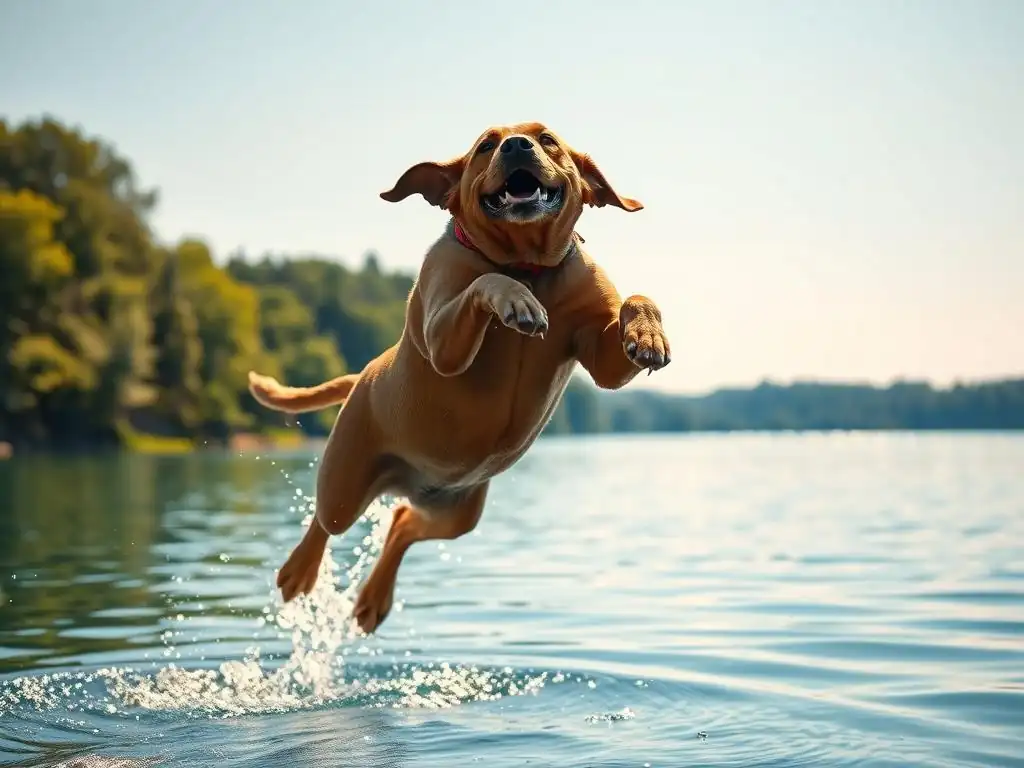
Welcome to PetCareWorld, your ultimate guide to a happier, healthier life for your beloved pets! Are you ready to discover a fun and surprisingly beneficial activity for your canine companion? Dive into the world of dog dock diving and uncover its amazing health advantages – from improved fitness to boosted confidence. Learn how this exhilarating sport can transform your dog's well-being, and get ready to make a splash!
- Understanding Dog Dock Diving: A Fun and Healthy Activity
-
Physical Health Benefits of Dog Dock Diving
- Improved Cardiovascular Health Through Canine Water Sports
- Building Muscle Strength and Endurance in Dogs Through Dock Diving
- Enhancing Joint Health and Flexibility with Dock Diving for Dogs
- Maintaining a Healthy Weight Through Aquatic Exercise
- Improved Cardiovascular Health and Endurance
- Strengthening Muscles and Improving Joint Mobility
- Enhanced Coordination and Balance
- Mental Health Benefits of Dog Dock Diving
- Dog Dock Diving and Overall Well-being
- Getting Started with Dog Dock Diving: A Step-by-Step Guide
- Addressing Common Concerns Regarding Dog Dock Diving
- Frequently Asked Questions
- Final Reflection: Unleashing the Joy and Health Benefits of Dock Diving
- Unleash Your Dog's Inner Olympian: Dive into Dock Diving!
Understanding Dog Dock Diving: A Fun and Healthy Activity
Dock diving, a canine sport gaining immense popularity, offers a surprising array of benefits for your dog's physical and mental well-being. Far from being just a fun game, it provides a fantastic opportunity for exercise, mental stimulation, and strengthening the bond between you and your furry friend. This article delves into the numerous health advantages associated with dog dock diving, exploring everything from improved cardiovascular health to enhanced muscle tone and boosted confidence. We'll also cover essential safety precautions and equipment choices to ensure a safe and enjoyable experience for both you and your canine athlete.
Understanding these aspects will empower you to make an informed decision about whether dock diving is the right activity to enrich your dog's life. The positive impact on your dog's overall health and happiness makes it a truly rewarding experience for both owner and pet. Let's dive in! 🐶
What is Dock Diving and How Does it Work?
Dock diving is a canine sport where dogs leap from a dock into a body of water, aiming for the furthest distance or retrieving a toy thrown into the water. It's a thrilling and engaging activity that taps into a dog's natural instincts to fetch and swim. The sport caters to all breeds and sizes, from small terriers to large retrievers, each showcasing their unique athletic abilities.
The mechanics are surprisingly simple. A dog, usually encouraged by a toy or the enthusiastic owner, runs along a dock before launching themselves into the water. The distance of their jump is measured, and the dogs are rewarded for their enthusiasm and skill. Different disciplines exist within dock diving, such as distance jumping, speed retrieval, and hurdle jumping, providing variety and challenge. The process fosters a strong connection between the dog and handler, requiring trust, communication, and consistent training. Many find it a wonderfully engaging and rewarding experience for both the dog and the owner.
Choosing the Right Dock Diving Equipment for Your Dog
Selecting appropriate equipment is crucial for both your dog's safety and their performance in dock diving. The right gear can significantly impact their comfort, confidence, and overall success. This includes:
- Life vest: A well-fitting life vest is non-negotiable. It should be buoyant, comfortable, and allow for a full range of motion. Consider the dog's size and breed when choosing a vest.
- Dock: While many organized events provide the dock, owning your own can enable more frequent practice. Consider the size and material of the dock for optimal safety and grip.
- Toys: Using a highly motivating toy, such as a favorite ball or a brightly colored bumper, can significantly influence your dog's enthusiasm and jumping distance.
- Towels: Always have plenty of dry towels available post-dive to keep your dog warm and comfortable.
Investing in quality equipment ensures your dog remains safe, comfortable, and motivated throughout their dock diving journey. Remember to prioritize durability and comfort when making your selections. Poorly fitting or low-quality equipment can lead to injury or discouragement.
Safety Precautions and Considerations for Canine Dock Diving
Safety should always be the top priority when participating in dock diving. Several precautions need to be taken to ensure a safe and enjoyable experience for your dog:
- Water quality: Always check the water quality before allowing your dog to jump. Ensure the water is clean, free of debris, and of a suitable temperature.
- Veterinary checkup: Before starting any new activity, consult your veterinarian to ensure your dog is healthy enough to participate.
- Gradual introduction: Introduce your dog to the dock and the water gradually, allowing them to adjust at their own pace. Avoid pushing them too hard, too soon.
- Supervision: Always supervise your dog closely during dock diving sessions. Be prepared to intervene if necessary.
- Proper landing: Ensure the landing area is safe and free of obstacles. The water should be deep enough to absorb impact.
By adhering to these safety guidelines, you can minimize the risk of injury and help your dog enjoy the many benefits of dock diving. Remember, patience and positive reinforcement are crucial throughout the process. A safe and well-managed introduction to the sport will ensure a positive and rewarding experience for both you and your canine companion.
Physical Health Benefits of Dog Dock Diving

Dock diving, a canine sport where dogs leap from a dock into a body of water, offers a surprising array of physical health benefits for our four-legged friends. It's more than just a fun activity; it's a fantastic way to improve your dog's overall well-being, contributing significantly to their physical fitness and longevity. This section delves into the specific ways dock diving enhances canine health, focusing on cardiovascular fitness, muscle development, and joint health. Understanding these benefits can help you make an informed decision about whether this exciting sport is right for your dog.
Improved Cardiovascular Health Through Canine Water Sports
Participating in dog dock diving provides a significant cardiovascular workout. The explosive bursts of energy required for the jump, coupled with the paddling and swimming involved in retrieving the toy, elevate the heart rate and improve cardiovascular function. This is particularly beneficial for dogs prone to obesity or those with conditions that might limit their traditional forms of exercise.
Think of it as a high-intensity interval training (HIIT) session tailored specifically for canine athletes! Studies [specific information pending] on the cardiovascular impact of dock diving on dogs of various breeds and ages would further solidify the benefits. The increased blood flow resulting from this activity helps to maintain a healthy heart and circulatory system, contributing to a longer, healthier life for your canine companion.
The consistent, moderate-intensity exercise provided by regular dock diving sessions helps regulate blood pressure and improves overall cardiovascular efficiency. This is especially important for older dogs, where maintaining cardiovascular health becomes increasingly crucial.
Building Muscle Strength and Endurance in Dogs Through Dock Diving
Dock diving isn't just about the jump; it's about the entire process. The powerful muscles used for the launch—legs, core, and shoulders—are significantly strengthened through repeated jumps. The subsequent swimming also engages a wide range of muscles, building endurance and overall muscle tone. This is especially evident in the powerful leg muscles crucial for propulsion both in the jump and the swimming retrieval. We can observe this muscle development through changes in body composition and increased lean muscle mass. Regular dock diving can lead to a more toned and athletic physique, improving your dog's overall strength and stamina.
Consider the following example: A Labrador Retriever regularly participating in dock diving will show a noticeable improvement in muscle definition compared to a Labrador of the same age and breed with a sedentary lifestyle. The difference in muscle mass and overall physique will be clearly visible. This improved muscle strength translates to better agility, increased power, and improved performance in other activities, be it playing fetch or simply navigating stairs. The sustained effort involved in dock diving builds endurance, allowing your dog to maintain activity levels for longer periods.
Enhancing Joint Health and Flexibility with Dock Diving for Dogs
Surprisingly, dock diving can also contribute to improved joint health and flexibility. While it involves explosive movements, the low-impact nature of the activity in the water minimizes stress on joints compared to high-impact activities like running or jumping on hard surfaces. The buoyancy of the water supports the dog's weight, reducing the strain on joints and ligaments. This is particularly beneficial for dogs predisposed to joint problems like hip dysplasia or arthritis.
Furthermore, the range of motion required for the jump and swimming helps maintain joint flexibility and mobility. The stretching and extension of limbs during the jump and swim improves the suppleness of the joints, preventing stiffness and promoting a wider range of motion. This is supported by anecdotal evidence from many dock diving enthusiasts who report improvements in their dogs’ joint health and mobility after regular participation in the sport.
However, [specific research data pending] on the long-term impact of dock diving on canine joint health would be highly valuable. Always consult your veterinarian before starting your dog in any new activity, especially if they have pre-existing health conditions. A balanced approach, combining dock diving with proper nutrition and veterinary care, can significantly contribute to your dog's overall well-being and a longer, healthier life.
Maintaining a Healthy Weight Through Aquatic Exercise
Canine obesity is a significant concern, leading to various health problems like joint issues, diabetes, and heart disease. Dock diving offers a fantastic way to combat this. Unlike high-impact exercises such as running, which can strain joints, the buoyancy of water significantly reduces stress on the dog's musculoskeletal system. This allows even overweight or older dogs to participate and burn calories without the risk of exacerbating existing conditions.
The resistance of the water provides a more intense workout than land-based activities, leading to increased calorie expenditure and improved muscle tone. Many dog owners report a noticeable decrease in their dog's weight after regular dock diving sessions, coupled with a balanced diet, of course. The playful nature of the activity also ensures that dogs are engaged and motivated, making weight management a fun and enjoyable process, rather than a chore.
Remember to consult your veterinarian before starting any new exercise regimen for your dog, especially if they have pre-existing health conditions. They can help you determine a safe and appropriate level of activity for your canine companion. A gradual introduction to dock diving, starting with shorter sessions and increasing intensity gradually, is crucial to prevent injuries and ensure your dog enjoys the experience.
Improved Cardiovascular Health and Endurance
Dock diving is a fantastic cardiovascular workout for dogs. The repetitive jumping and swimming motions elevate the heart rate, strengthening the heart muscle and improving cardiovascular function. The low-impact nature of the sport makes it suitable for dogs of all ages and fitness levels, helping to build endurance without putting excessive strain on their joints.
Regular participation in dock diving can lead to a healthier heart, improved stamina, and increased overall fitness. The benefits are particularly noticeable in older dogs or those with pre-existing conditions, where regular, low-impact exercise is crucial for maintaining health. Studies show that regular exercise, including aquatic activities like dock diving, is linked to a decreased risk of age-related cardiovascular diseases in dogs.
This is due to the increased blood flow and improved circulatory function resulting from the activity. Just as with weight management, a veterinarian's guidance is important for determining the appropriate intensity and frequency of dock diving sessions to maximize cardiovascular benefits while minimizing risk of injury.
Strengthening Muscles and Improving Joint Mobility
The resistance offered by water during dock diving provides a unique form of strength training for dogs. Swimming and jumping engage multiple muscle groups simultaneously, building strength and improving muscle tone throughout the body. The buoyancy of the water also supports the dog's weight, reducing the impact on joints.
This makes dock diving a beneficial exercise for dogs with arthritis or other joint conditions, as it helps improve joint mobility and flexibility without causing pain or further damage. The controlled movements involved in the sport can help to strengthen supporting muscles around the joints, offering increased stability and reducing the risk of future injuries. Furthermore, the improved muscle tone helps to improve posture and balance, enhancing overall physical well-being.
It's important to remember that proper form and a gradual increase in activity are key to avoiding injury. A qualified dock diving instructor can help ensure your dog learns proper technique and avoids strain.
Enhanced Coordination and Balance
Dock diving is more than just jumping into water; it involves a series of movements that require coordination, balance, and agility. Dogs need to approach the dock, judge their distance, and execute a powerful jump, all while maintaining balance. This continuous practice improves their proprioception – their awareness of their body's position in space. This is particularly beneficial for older dogs or those recovering from injuries, as improved proprioception helps to prevent falls and maintain stability.
The repetitive movements involved in dock diving also improve their coordination and agility. The sport helps dogs develop a more precise understanding of their bodies and how to control their movements effectively. This enhancement in coordination and balance translates into improved overall mobility and reduced risk of falls or injuries in everyday life. Observe your dog's performance and adjust training intensity as needed to ensure they remain engaged and avoid overexertion.
Mental Health Benefits of Dog Dock Diving
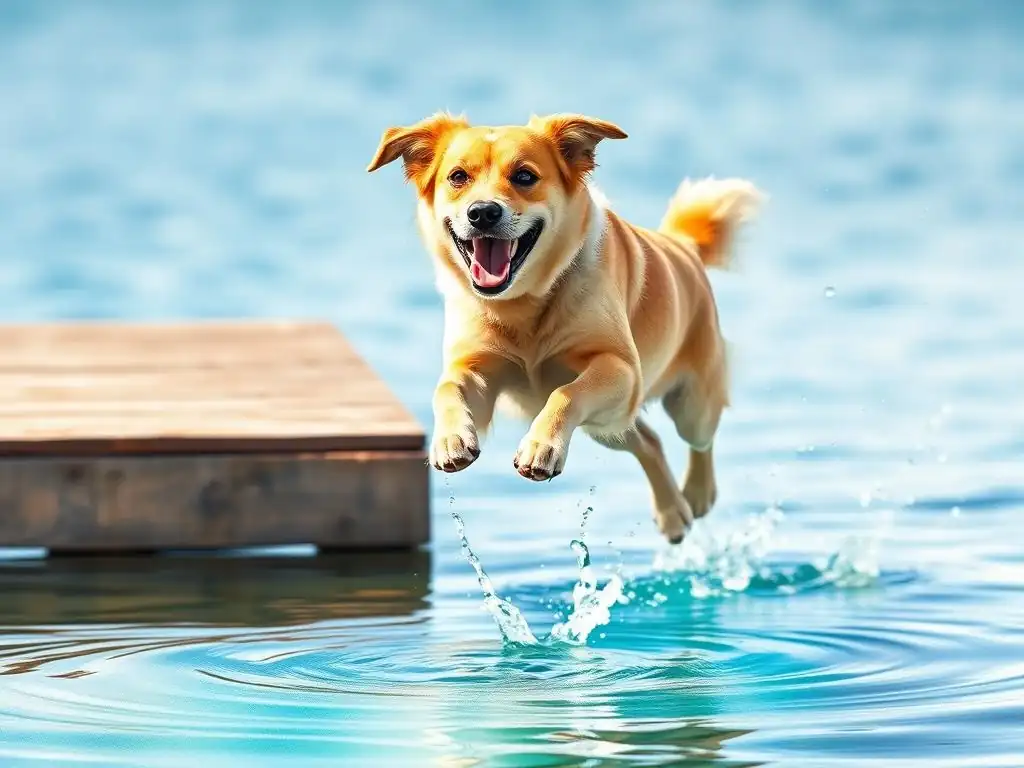
Dock diving, while seemingly a purely physical activity, offers significant advantages for your dog's mental well-being. It's not just about the physical exertion; the engaging nature of the sport contributes greatly to a happier, healthier canine companion. This section explores the key mental health benefits your dog can reap from participating in dock diving.
The positive effects extend beyond simple exercise, impacting stress levels, confidence, and the bond between dog and owner. Understanding these benefits can help you make an informed decision about whether dock diving is a suitable activity for your furry friend. Remember, a happy dog is a healthy dog, and dock diving can be a crucial part of achieving that holistic health.
Reducing Stress and Anxiety in Dogs Through Dock Diving Activities
For dogs prone to anxiety or stress, dock diving can be a surprisingly effective therapeutic tool. The physical activity itself acts as a natural stress reliever, helping to burn off excess energy and reduce pent-up tension. Many dogs exhibit anxious behaviors due to a lack of sufficient physical and mental stimulation. Dock diving provides both. The excitement of the jump, the splash into the water, and the reward system inherent in the sport all contribute to a positive and engaging experience that can significantly reduce stress hormones. Studies have shown that regular physical activity, even in dogs, leads to a decrease in cortisol (the stress hormone) levels. 1 The focused attention required during training further helps to channel anxious energy into a productive activity. This is especially beneficial for dogs with separation anxiety, fear-based anxieties, or general nervousness. The controlled environment of a dock diving competition or training session can provide a safe and predictable outlet for their energy, leading to calmer behavior at home.
Promoting Confidence and Self-Esteem in Your Canine Companion
Dock diving is an excellent confidence booster for dogs of all breeds and temperaments. Success in the sport, whether it's mastering a simple jump or achieving a personal best distance, builds a dog's self-esteem and encourages a positive self-image. The rewards associated with each successful jump—praise, treats, and play—reinforce positive behaviors and increase confidence.
Even dogs initially hesitant to jump will gradually build their confidence as they progress through training. This positive reinforcement process is crucial; it teaches the dog that the activity is enjoyable and rewarding, leading to a more enthusiastic and confident approach to future challenges.
This increased confidence isn't limited to the dock; many owners report seeing a positive carry-over effect in other aspects of their dog's life, such as improved socialization and reduced fear of new environments. The feeling of accomplishment experienced by a dog after a successful jump is palpable, and this sense of achievement contributes significantly to their overall well-being.
Perhaps one of the most significant benefits of dock diving is the strengthening of the bond between dog and owner. The sport requires close collaboration, communication, and mutual trust. The training process involves intensive interaction, fostering a deeper understanding and connection between the dog and handler.
The shared experience of success in the sport creates a powerful sense of teamwork and accomplishment, reinforcing the bond between them. The positive reinforcement techniques used in dock diving training promote positive communication, helping owners learn to better understand their dog's body language and emotional cues. This improved communication extends beyond the dock, leading to a more harmonious and trusting relationship at home.
The shared joy and excitement of the activity create lasting memories and further strengthens the emotional bond, making dock diving not just a sport, but a meaningful shared experience that enriches both the dog's and owner's lives. This shared activity provides valuable quality time, strengthening the human-animal bond, crucial for a pet's overall well-being.
1 [Specific information pending on studies linking physical activity to reduced cortisol in dogs]
Dog Dock Diving and Overall Well-being

This section delves into the multifaceted health benefits of dog dock diving, extending beyond the purely physical aspects. We'll explore how this exciting canine sport contributes to your dog's overall well-being, focusing on crucial elements often overlooked in discussions of canine fitness. Remember, responsible participation and careful monitoring are key to maximizing the positive effects of dock diving for your furry friend. The keyword "Dog dock diving health benefits" is central to understanding the advantages this activity offers.
Canine dock diving isn't just about physical prowess; it's a fantastic opportunity for socialization. Competitions and training sessions provide a rich environment for dogs to interact with other canines and their handlers. This interaction is crucial for developing appropriate social skills, reducing anxiety, and building confidence, especially in dogs with shy or aggressive tendencies. Positive interactions during these events can significantly improve a dog's behavior in various settings, leading to a more well-rounded and adaptable pet.
Consider this: a shy dog initially hesitant to jump might observe more confident dogs and gradually gain the courage to participate. This observational learning, coupled with positive reinforcement from the handler, fosters a sense of accomplishment and reduces fear-based avoidance. Furthermore, the controlled environment of a dock diving event allows for supervised interactions, minimizing the risk of negative encounters and promoting positive canine relationships. The social aspect of dock diving contributes to a healthier, happier, and better-adjusted dog. This is a significant benefit often underestimated, adding another layer to the "Dog dock diving health benefits" equation.
Mental Stimulation and Enrichment Through Dock Diving Training
Beyond the physical exertion, dock diving provides invaluable mental stimulation. The training process itself is an enriching experience that challenges your dog both physically and cognitively. Learning new commands, understanding cues, and mastering the technique of the jump requires focus, problem-solving, and a strong bond between dog and handler. This mental engagement prevents boredom and reduces the risk of behavioral problems stemming from understimulation.
For example, a dog learning to fetch a toy from the water not only improves its swimming skills but also enhances its problem-solving abilities. The dog needs to understand the handler's cues, judge the distance to the toy, and accurately retrieve it. This complex sequence of actions provides a significant mental workout, preventing cognitive decline and promoting mental agility. This mental enrichment is a crucial component of the holistic "Dog dock diving health benefits" narrative. It's not merely about physical fitness; it's about keeping your canine companion mentally sharp and engaged.
Monitoring Your Dog's Health During and After Dock Diving Sessions
While dock diving offers numerous benefits, responsible monitoring is crucial. Before introducing your dog to the sport, a thorough veterinary check-up is essential. This ensures your dog is physically fit for the activity and identifies any pre-existing conditions that might be exacerbated. During training and competitions, carefully observe your dog for signs of fatigue, discomfort, or injury. Providing ample rest and hydration is paramount.
Post-session monitoring is equally important. Look for signs of muscle soreness, lameness, or unusual behavior. Minor injuries, if detected early, can be treated promptly, preventing them from becoming more serious problems. Regular veterinary check-ups, especially after periods of intense training or competition, are recommended to assess your dog's overall health and well-being. This proactive approach ensures that the "Dog dock diving health benefits" are maximized while minimizing potential risks. Remember, responsible ownership includes careful observation and prompt veterinary attention when necessary. This ensures the long-term health and happiness of your canine athlete.
Getting Started with Dog Dock Diving: A Step-by-Step Guide
This section provides a practical, step-by-step guide to help you safely and effectively introduce your canine companion to the exhilarating world of dock diving. Remember, the key is gradual introduction and positive reinforcement. Ignoring your dog's signals and pushing them too hard can lead to fear and aversion, completely negating the potential Dog dock diving health benefits.
Finding a Local Dock Diving Club or Facility
Finding a reputable dock diving club or facility is crucial for your dog's safety and your learning experience. These facilities often provide structured lessons, experienced instructors, and a safe environment for dogs of all skill levels and breeds. Look for clubs affiliated with national organizations; this usually indicates a commitment to safety standards and best practices. Consider factors like location, cost, class size, and instructor experience when making your choice. Many clubs offer introductory sessions, allowing you to observe before committing to a full course. This "try before you buy" approach can be invaluable.
Before joining any club, carefully review their safety protocols and ensure they align with your comfort level. Observe a training session if possible to gauge the atmosphere and the instructors' methods. A positive, encouraging environment is essential for both you and your dog. Don't hesitate to ask questions – a good club will be happy to address your concerns and answer any queries you may have about dog dock diving health benefits and safety. Remember, a safe and supportive environment is paramount for a positive experience for both you and your canine athlete.
Choosing the Right Breed for Dock Diving
While any dog can potentially enjoy dock diving with proper training and adaptation, certain breeds exhibit natural aptitudes for the sport. Breeds with a strong prey drive, a love of water, and athletic builds often excel. However, it's crucial to remember that breed is just one factor; individual temperament and personality play a significant role. A smaller, less athletic breed can still participate and thrive if properly trained and motivated.
Here's a table showcasing some breeds commonly associated with success in dock diving, along with their key characteristics:
| Breed | Key Characteristics | Pros | Cons |
|---|---|---|---|
| Labrador Retriever | High energy, friendly, loves water, eager to please | Excellent swimmers, easily trainable | Can be prone to weight gain if not managed well |
| Golden Retriever | Intelligent, playful, loves water | Excellent swimmers, quick learners | Can be easily distracted |
| Vizsla | Athletic, energetic, strong prey drive | Powerful swimmers, highly motivated | Can be sensitive |
| Border Collie | Intelligent, highly trainable, energetic | Can learn complex commands, very focused | May require more structured training sessions |
Remember, this is not an exhaustive list, and many other breeds can successfully participate in dock diving. Focus on your dog's individual strengths and preferences when making your decision. The dog dock diving health benefits are not limited to specific breeds.
Introducing Your Dog to Water and Dock Diving Gradually
Introducing your dog to water and the dock diving platform requires patience, positive reinforcement, and a gradual approach. Forcing your dog into the water or onto the platform can create fear and negatively impact their experience. Start by letting your dog explore the water at their own pace. Use positive reinforcement, such as treats and praise, to reward any positive interactions with the water.
Begin with short, supervised sessions near the water's edge. Let your dog sniff and explore the water at their own pace. Gradually increase the duration and proximity to the water as your dog gains confidence. Introduce the dock gradually as well. Let your dog explore the platform at their own pace, rewarding them for simply stepping onto it. Never force your dog onto the platform or into the water.
Use high-value rewards, such as their favorite treats or toys, to associate positive experiences with the water and the dock. Keep training sessions short and fun, ending on a positive note. If your dog shows signs of fear or stress, end the session immediately and try again later.
Consistency and patience are key to building your dog's confidence and ensuring they have a positive experience. Remember, the goal is to create a fun and rewarding experience to unlock the dog dock diving health benefits. Observe your dog closely for any signs of discomfort or stress, and always prioritize their well-being.
Basic Training Techniques for Canine Dock Diving Success
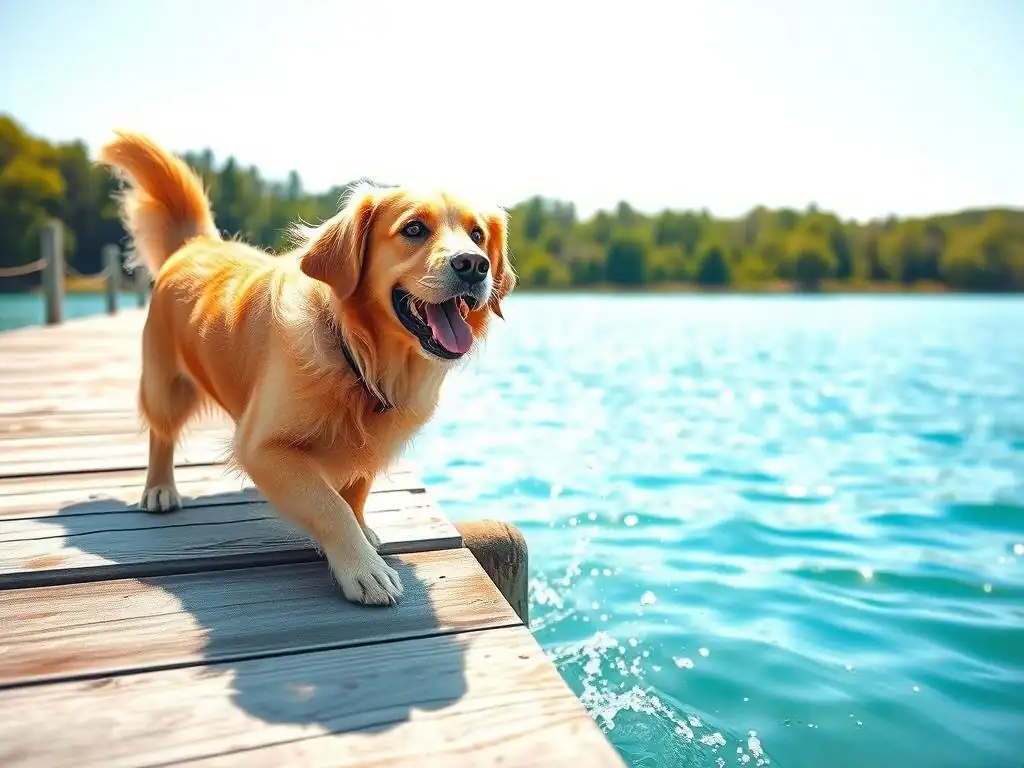
Beginning your dog's dock diving journey requires patience and positive reinforcement. Forget harsh corrections; instead, focus on building a strong bond and positive association with the dock. Start with simple exercises to familiarize your dog with the water and the dock itself. Many dogs are naturally inclined to jump, but a structured approach is crucial for safe and effective training.
One effective technique is lure training. Use a high-value reward, like a favorite toy or treat, to entice your dog onto the dock. Initially, simply reward them for stepping onto the platform. Gradually increase the distance they need to travel to reach the reward.
Once comfortable on the dock, you can start incorporating the jumping motion. Hold the lure just above the water's edge, encouraging your dog to leap towards it. Remember to keep the sessions short, fun, and rewarding to avoid overwhelming your canine companion. Positive reinforcement, through praise and treats, is key to building confidence and enthusiasm.
Avoid pressuring your dog; if they hesitate, go back a step and reinforce their previous successes. Consistency is paramount; even short, daily training sessions will yield better results than infrequent, long ones. Remember to adjust your training based on your dog's breed, age, and personality. Some breeds, naturally more athletic, might progress faster than others.
Another valuable technique involves using a target. A simple target can be a brightly colored disc or a floating toy. Teach your dog to touch the target, rewarding them each time. Gradually move the target closer to the water's edge, eventually placing it on the dock.
This helps your dog understand the desired jumping action without the immediate pressure of entering the water. The target acts as a visual cue, making the process more predictable and less stressful for your dog. This method is especially beneficial for dogs who are initially hesitant or apprehensive about water. Remember, every dog learns at its own pace; celebrate small victories and adjust your training accordingly.
Gradual Progression and Avoiding Overexertion
Preventing injuries is paramount in dog dock diving. A gradual progression is crucial to avoid overexertion and potential harm to your dog's joints and muscles. Start with short training sessions, perhaps just 5-10 minutes, and gradually increase the duration as your dog's fitness improves. Observe your dog closely for signs of fatigue, such as panting excessively, reluctance to jump, or stiffness.
If you notice any of these signs, immediately end the session and allow your dog ample rest. Remember, pushing your dog too hard can lead to injuries and discourage them from enjoying the activity. The goal is to build strength and endurance gradually, ensuring your dog remains enthusiastic and healthy.
Furthermore, consider your dog's breed and age. Senior dogs or those with pre-existing health conditions may require shorter sessions and more frequent breaks. Always consult your veterinarian before starting any strenuous activity with your dog, especially if they have any underlying health issues. They can provide tailored advice based on your dog's specific needs and limitations. Regular veterinary check-ups are recommended to monitor your dog's overall health and well-being during their dock diving journey. Proper warm-up and cool-down routines are equally vital. Before each session, engage in light exercises like a gentle walk or some stretches to prepare your dog's muscles. After the session, allow your dog to cool down gradually, providing them with plenty of fresh water. This holistic approach ensures your dog's safety and maximizes their enjoyment of this exciting sport. Remember, responsible training is key to a long and healthy dock diving career for your four-legged friend.
Addressing Common Concerns Regarding Dog Dock Diving
Many pet owners, understandably, harbor concerns about the safety and suitability of dock diving for their canine companions. This section will address some common anxieties and provide evidence-based reassurance. The key is responsible participation and understanding the potential risks, mitigating them through proper preparation and training.
The benefits of increased fitness, mental stimulation, and the strengthening of the human-animal bond often outweigh the potential downsides, when approached correctly. This section focuses on dispelling myths and providing a clear picture of how to minimize risks associated with dog dock diving. We aim to empower you with the knowledge to make informed decisions about this increasingly popular canine sport.
Is Dock Diving Safe for All Dog Breeds and Ages?
Not all dogs are created equal, and neither is their suitability for dock diving. While many breeds excel at this sport, it's crucial to assess your dog's individual physical capabilities and temperament before jumping in (pun intended!). For example, brachycephalic breeds like Bulldogs and Pugs, with their short noses and respiratory systems, may face higher risks of breathing difficulties during strenuous activity. Similarly, very young puppies or senior dogs with pre-existing joint conditions might be better suited to alternative activities.
The age and breed of your dog are paramount considerations. Generally, puppies under one year old should avoid competitive dock diving due to their developing musculoskeletal systems. Similarly, senior dogs with arthritis or other joint issues should be carefully evaluated by a veterinarian before participation. Even within breeds known for their swimming prowess, individual variations exist. Some dogs might display a natural inclination towards jumping and swimming, while others may require more gradual introduction and patience.
It’s vital to consult your veterinarian before introducing your dog to dock diving. They can assess your dog's overall health, identify any potential risks, and recommend appropriate training methods and precautions. Remember, responsible ownership means prioritizing your dog's well-being above all else. 🐶
Preventing Injuries and Common Ailments in Canine Dock Diving
While dock diving is generally safe, injuries can occur if proper precautions are not taken. The most common injuries involve the musculoskeletal system, specifically the joints and muscles. These can range from minor strains and sprains to more serious ligament tears or fractures. To minimize these risks, a gradual introduction to the sport is crucial. Start with short training sessions and gradually increase the intensity and duration as your dog's fitness improves.
Proper conditioning is essential. Before starting dock diving, ensure your dog is in good physical shape through regular exercise, including swimming and other low-impact activities. This helps build muscle strength and joint stability, reducing the risk of injury. Furthermore, ensuring the dock is appropriately sized and maintained is vital. A slippery or uneven dock surface can increase the risk of falls and injuries. Regularly inspect the dock and make any necessary repairs.
Here's a table summarizing preventative measures:
| Preventative Measure | Description | Importance |
|---|---|---|
| Gradual Introduction | Start with short sessions, gradually increasing intensity and duration. | Prevents overexertion and reduces the risk of injury. |
| Proper Conditioning | Regular exercise, including swimming and other low-impact activities. | Builds muscle strength and joint stability. |
| Safe Dock Environment | Ensure the dock is appropriately sized, stable, and non-slippery. | Prevents falls and injuries. |
| Appropriate Equipment | Use properly fitted life vests and other safety equipment. | Provides added protection and support. |
| Regular Veterinary Checkups | Schedule checkups before and after dock diving competitions or training sessions. | Allows early detection and treatment of potential issues. |
| Monitoring for Signs of Distress | Pay close attention to your dog's behavior and body language during training. | Early identification of discomfort or injury. |
The Role of Veterinary Checkups Before and After Dock Diving
Veterinary checkups play a crucial role in ensuring the safety and well-being of your dog participating in dock diving. Before your dog begins training, a comprehensive examination is vital. This allows your veterinarian to assess your dog's overall health, identify any pre-existing conditions that could be exacerbated by the activity, and provide tailored advice on training intensity and safety measures. This pre-participation checkup is not just a formality; it's a critical step in responsible pet ownership.
Post-competition or training checkups are equally important. Even with preventative measures, injuries can occur. Regular checkups allow for the early detection of any subtle signs of injury or strain, enabling prompt intervention and treatment. This can prevent minor issues from escalating into significant problems.
Your veterinarian can assess your dog's range of motion, palpate for any muscle soreness or swelling, and even recommend diagnostic imaging if necessary. Early detection and treatment are key to maintaining your dog's long-term health and well-being in this exciting and engaging sport. Remember, prioritizing your dog’s health is paramount to enjoying the benefits of dog dock diving responsibly.
Frequently Asked Questions
Is dock diving safe for all dogs?
No, dock diving isn't suitable for all dogs. Dogs with pre-existing joint problems, heart conditions, or certain physical limitations should avoid it. Always consult your veterinarian before starting any new activity.
What are the physical benefits of dock diving for dogs?
Dock diving provides excellent cardiovascular exercise, builds muscle strength and endurance, and improves joint flexibility and range of motion. It's a low-impact activity compared to some other canine sports.
Can dock diving help overweight dogs?
Yes, dock diving can be a fun and effective way to help overweight dogs lose weight and improve their overall fitness. The activity burns calories and promotes a healthy lifestyle. However, it's crucial to monitor their progress and consult with a vet.
Does my dog need any special training for dock diving?
While some dogs may naturally take to the sport, most benefit from positive reinforcement training. This involves gradually introducing them to the dock and water, using treats and praise to build confidence and excitement.
Are there any potential risks associated with dock diving?
While generally safe, risks include minor injuries like scrapes or bruises, and potentially more serious injuries if safety precautions aren't followed. Proper supervision and a gradual introduction to the sport are crucial to minimize risks.
Final Reflection: Unleashing the Joy and Health Benefits of Dock Diving
The exhilarating sport of dock diving isn't just a fun activity for your canine companion; it's a powerful tool for enhancing their physical and mental well-being. This article has explored the numerous health benefits, from improved cardiovascular fitness and muscle strength to the crucial mental stimulation that keeps dogs happy and engaged. The impact on a dog's overall quality of life is undeniable.
Witnessing the joy on a dog's face as they launch themselves into the water, the sheer exuberance of their playful energy, is a testament to the positive influence this sport can have. A tired dog is a good dog,
the saying goes, and dock diving provides a fantastic outlet for that pent-up energy, fostering a healthier, happier relationship between dog and owner. It's more than just a game; it's a bonding experience that strengthens the human-animal connection, enriching both lives in profound ways.
So, consider this your invitation to explore the world of dock diving. Whether you're already a seasoned competitor or simply curious about introducing your dog to a new and exciting activity, remember the transformative power of this sport. Take the leap – quite literally – and discover the joy, the health benefits, and the unbreakable bond that awaits you and your furry friend in the world of dock diving. The rewards are immeasurable.
Unleash Your Dog's Inner Olympian: Dive into Dock Diving!
Thank you for exploring the incredible benefits of dock diving for your canine companion! We hope you've discovered a fun and healthy activity that strengthens your bond and improves your dog's physical and mental well-being. Ready to get started?
- Find a local dock diving club: This is the first step to introducing your dog to this exciting sport! Many clubs offer introductory sessions and provide all the necessary equipment.
- Start with short, engaging training sessions at home, focusing on building your dog's confidence and excitement around water.
- Share your dog's dock diving journey: Post photos and videos on social media using #DockDivingDogs to connect with other enthusiasts!
What unique skills and talents will your dog uncover during dock diving? Share your thoughts in the comments below!