
Pomeranian Perfection: How to Groom, Train, and Love Your Fluffy Friend

Welcome to PetCareWorld, your ultimate guide to a happier, healthier life for your beloved pets! Are you ready to unlock the secrets to Pomeranian perfection? Our comprehensive Pomeranian grooming training guide will equip you with the knowledge and techniques to groom and train your fluffy friend, building a stronger bond and ensuring their well-being. Dive in and discover the expert advice that awaits – your journey to a perfectly pampered Pomeranian starts now!
- Understanding Your Pomeranian: Temperament and Needs
- Pomeranian Grooming: A Step-by-Step Guide
-
Pomeranian Training: Techniques for Success
- Basic Obedience Training for Pomeranians: Sit, Stay, Come
- House Training Your Pomeranian: Crate Training and Potty Breaks
- Socialization for Pomeranians: Introducing Your Pup to People and Other Dogs
- Addressing Common Behavioral Issues in Pomeranians: Excessive Barking, Biting
- Positive Reinforcement Training Methods for Pomeranians
-
Enhancing Your Bond: Activities and Enrichment for Your Pomeranian
- Interactive Games and Toys for Pomeranians: Keeping Them Mentally Stimulated
- Pomeranian-Friendly Walks and Exercise: Tailoring Activities to Their Size
- Building a Strong Bond Through Daily Interaction: Affection and Playtime
- Understanding Your Pomeranian's Body Language: Recognizing Signs of Happiness and Stress
- Pomeranian Health and Wellness: A Comprehensive Guide
- Finding the Perfect Pomeranian: Adoption vs. Breeding
- Resources for Pomeranian Owners: Breed Clubs and Online Communities
- Frequently Asked Questions
- Final Reflection: Embracing the Joyful Chaos of Pomeranian Ownership
- Unleash Your Pom's Inner Superstar!
Understanding Your Pomeranian: Temperament and Needs
Pomeranians, with their fluffy coats and fox-like faces, have captured the hearts of dog lovers worldwide. This comprehensive guide delves into the art of Pomeranian care, providing a detailed roadmap to grooming, training, and nurturing your fluffy friend. We'll explore their unique personality traits, essential needs, and common health concerns, empowering you to provide the best possible care for your beloved Pomeranian. This guide aims to be your ultimate resource, addressing the keyword "Pomeranian grooming training guide" and offering practical advice for every stage of your Pomeranian's life, from playful puppyhood to dignified senior years.
We'll cover everything from mastering the art of Pomeranian grooming to implementing effective training techniques, ensuring a happy and healthy life for your furry companion. Understanding your Pomeranian's individual needs is paramount, and this guide will provide the knowledge and tools you need to succeed. Let's embark on this journey together!
Pomeranian Personality Traits: Playful, Bold, and Loyal
Pomeranians are known for their surprisingly bold and confident personalities, belying their small size. They are often described as playful and affectionate companions, forming strong bonds with their owners. Their spirited nature makes them engaging pets, but it also requires understanding and consistent training. They are intelligent dogs, capable of learning a wide range of commands, but their independent streak can sometimes make training a challenge.
Early socialization is crucial to ensure they develop into well-adjusted adults, comfortable around other dogs and people. Their loyalty is unwavering, and they will fiercely protect their family. However, this protective instinct needs careful management to prevent excessive barking or aggression.
Many Pomeranians also exhibit a playful, almost mischievous side, enjoying games and interaction with their human companions. This playful nature is a key part of their charm and should be encouraged through interactive play sessions and puzzle toys. Remember, understanding their personality is the first step towards building a strong and loving relationship.
Essential Needs: Diet, Exercise, and Enrichment for Happy Pomeranians
Providing for your Pomeranian's essential needs is crucial for their overall health and well-being. A balanced diet is paramount. High-quality dog food, specifically formulated for small breeds, should form the basis of their nutrition. Avoid overfeeding, as Pomeranians are prone to obesity, which can lead to various health problems. Regular veterinary check-ups are essential to monitor their weight and address any dietary concerns.
Daily exercise, though not requiring strenuous activity, is still vital. Several short walks throughout the day are ideal, providing mental stimulation and physical activity. Interactive games and play sessions can also contribute to their daily exercise needs. Enrichment is equally important.
Providing mental stimulation through puzzle toys, training sessions, and social interaction keeps them engaged and prevents boredom. A bored Pomeranian can become destructive or develop behavioral problems. Consider providing a variety of toys, rotating them regularly to maintain interest. Remember, a happy Pomeranian is a healthy Pomeranian, and meeting their needs in all aspects is key to their long and fulfilling life.
Common Health Concerns in Pomeranians: Early Detection and Prevention
While generally healthy, Pomeranians are prone to certain health issues. Early detection and prevention are crucial. Some common concerns include luxating patella (a kneecap that slips out of place), tracheal collapse (a weakening of the trachea), and dental problems. Regular veterinary check-ups, including dental cleanings, are essential for early detection and management of these conditions.
Maintaining a healthy weight is crucial in preventing many of these issues. Obesity can exacerbate existing conditions and increase the risk of developing new ones. A balanced diet and regular exercise are vital in preventing obesity. Responsible breeding practices also play a significant role in reducing the incidence of hereditary health problems.
Choosing a reputable breeder who screens their dogs for genetic conditions is a crucial step in ensuring a healthy puppy. By being proactive and vigilant, you can significantly reduce the risk of these health concerns and ensure your Pomeranian lives a long and happy life. Remember, prevention is always better than cure.
Pomeranian Grooming: A Step-by-Step Guide
This section provides a comprehensive guide to Pomeranian grooming, covering essential tools, bathing techniques, and popular haircut styles. Regular grooming is crucial for maintaining your Pomeranian's beautiful coat, preventing matting, and ensuring their overall health and well-being. Remember, consistency is key to achieving and maintaining a healthy and attractive coat for your fluffy friend. This guide will help you master the art of Pomeranian grooming, transforming your pampered pup into a show-stopping star.
Essential Grooming Tools for Pomeranians: Brushes, Combs, and Clippers
Grooming your Pomeranian requires the right tools. Investing in high-quality equipment will make the process easier and more effective, minimizing stress for both you and your pet. Here's a list of essentials:
- Slicker Brush: This is your workhorse for daily brushing. It removes loose undercoat and prevents matting. Look for a brush with fine, flexible wires to avoid scratching your dog's skin.
- Undercoat Rake: Specifically designed to remove excess undercoat, particularly during shedding seasons. Use gently to avoid pulling out too much hair.
- Comb: A fine-toothed comb is vital for detangling mats and checking for fleas or skin irritations. Start combing at the tips and work your way up to the roots.
- Shedding Blade (optional): These specialized tools are excellent for removing large amounts of undercoat quickly and efficiently. However, use with caution and avoid applying too much pressure.
- Professional Clippers (optional): If you plan on trimming your Pomeranian's fur yourself, invest in high-quality clippers with different blade attachments for various lengths. Consider taking a grooming course if you're unsure about using clippers.
Remember to always check your Pomeranian for any skin irritations or injuries before grooming. Gentle handling is paramount throughout the process. Regular brushing, even just a few minutes each day, will prevent many grooming problems down the line, saving you time and effort in the long run.
Bathing Your Pomeranian: Frequency, Products, and Techniques
While Pomeranians boast a luxurious double coat, they don't require frequent baths. Over-bathing can strip their coat of natural oils, leading to dryness and irritation. Aim for a bath every 4-6 weeks, or as needed if your dog gets particularly dirty.
Here's a step-by-step guide:
- Gather your supplies: Dog shampoo (specifically formulated for Pomeranians or dogs with similar coat types), conditioner, several towels, and a non-slip mat for the bathtub.
- Wet your Pomeranian's coat thoroughly: Use lukewarm water, avoiding getting water in their ears or eyes.
- Apply shampoo: Work the shampoo into a lather, massaging gently from the neck down. Pay special attention to areas prone to matting, such as behind the ears and under the legs.
- Rinse thoroughly: Ensure all shampoo is removed; residual shampoo can irritate the skin.
- Apply conditioner (optional): Conditioner helps to detangle the coat and leave it soft and shiny.
- Dry your Pomeranian: Gently towel dry your dog as much as possible before using a low-heat hairdryer. Always keep the hairdryer at a safe distance to avoid burning your dog.
Choosing the right shampoo is crucial. Look for a mild, pH-balanced formula designed for dogs. Avoid using human shampoos, as these can disrupt your dog's skin's natural pH balance. Always reward your Pomeranian with treats and praise throughout the bathing process to make it a positive experience.
Pomeranian Haircut Styles: From Fluffy to Show-Ready
Pomeranians are known for their profuse, fluffy coats, but there's a wide range of haircut styles to choose from, from the traditional "lion cut" to more modern looks. The best style depends on your preferences and your dog's personality. Consider these popular options:
- Puppy Cut: A short, even trim all over, this style is low-maintenance and keeps your Pomeranian cool in warmer weather.
- Lion Cut: A classic Pomeranian style, this cut features a longer mane around the neck and face, with shorter fur on the body.
- Teddy Bear Cut: A softer, rounder version of the lion cut, this style is incredibly cute and popular.
- Show Cut: This meticulously groomed style requires professional expertise and is generally reserved for show dogs.
Regardless of the style you choose, regular trimming is essential to prevent matting and keep your Pomeranian looking their best. If you're unsure about trimming your Pomeranian's fur yourself, consider consulting a professional groomer. They can provide expert advice and create a style that perfectly suits your dog's coat and personality. Remember to always use sharp, clean clippers and work slowly and carefully to avoid cutting your dog's skin. A well-groomed Pomeranian is a happy Pomeranian!
Maintaining Your Pomeranian's Coat: Daily Brushing and Detangling
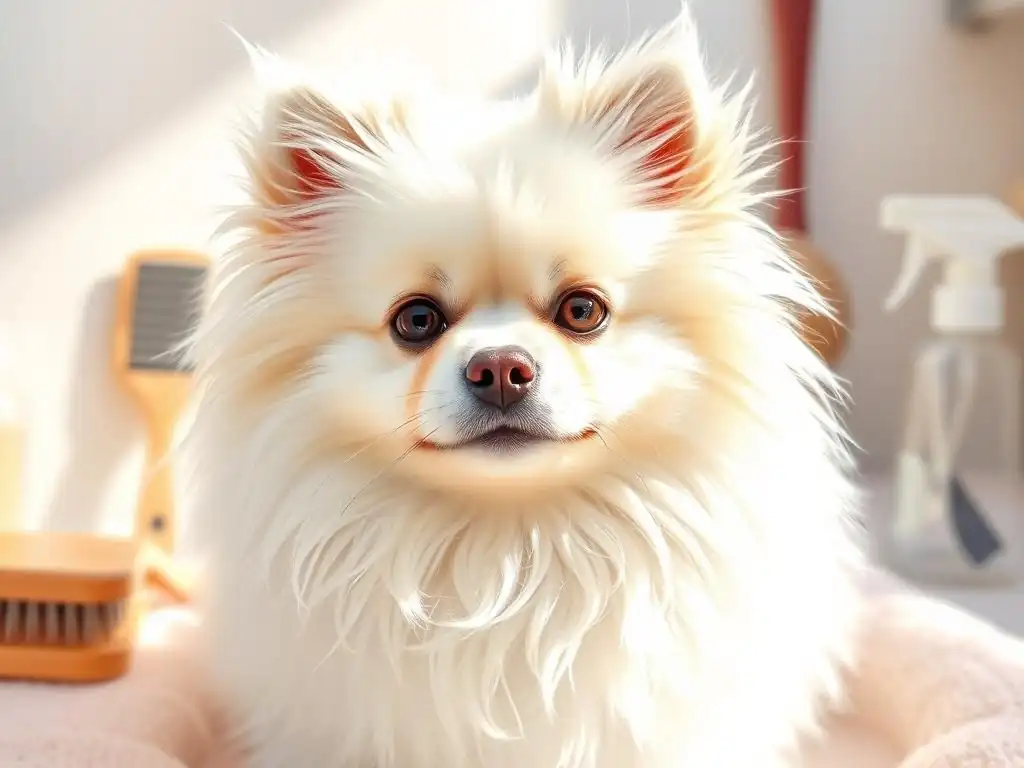
Pomeranians, with their profuse, luxurious double coats, require diligent grooming to prevent matting and tangles. Daily brushing is not just recommended; it's essential. Failing to brush your Pomeranian regularly will lead to uncomfortable mats, which can pull on the skin and cause pain. These mats can also harbor dirt, bacteria, and parasites, potentially leading to skin infections. Think of it as a preventative health measure as much as a beauty treatment.
The best approach involves using a high-quality slicker brush to reach deep into the undercoat and remove loose hair. A wide-toothed comb is then invaluable for detangling any knots or mats that have formed. Start brushing gently, working systematically from the head to the tail, paying close attention to areas prone to matting, such as behind the ears, under the legs, and around the tail.
If you encounter a stubborn mat, use your fingers to gently loosen it before attempting to comb it out. Never pull aggressively, as this can damage the hair and cause discomfort to your pet. Regular brushing also helps distribute the natural oils throughout the coat, keeping it healthy and shiny.
This daily routine significantly reduces the time and effort needed for more intensive grooming sessions. Consider incorporating a de-shedding tool a few times a week to minimize shedding throughout your home. Remember, patience is key – make the brushing experience positive and rewarding for both you and your Pomeranian.
Nail Trimming and Ear Cleaning for Pomeranians
Regular nail trimming is crucial for Pomeranians to prevent overgrown nails, which can lead to discomfort, pain, and even lameness. Overgrown nails can also crack or split, causing bleeding and infection. Ideally, you should trim your Pomeranian's nails every 2-3 weeks, or as needed. If you're unsure about how to trim your dog's nails, it's always best to consult a veterinarian or a professional groomer for guidance the first few times. They can show you the proper technique and help you avoid accidentally cutting the quick (the pink part of the nail containing nerves and blood vessels).
For ear cleaning, use a veterinarian-recommended ear cleaning solution and cotton balls or gauze pads. Never use cotton swabs, as these can push debris further into the ear canal and potentially damage the eardrum. Gently wipe the inside of the ear flap, removing any visible dirt or wax. If you notice any unusual odor, redness, discharge, or excessive scratching at the ears, consult your veterinarian immediately, as this could indicate an ear infection.
Regular ear cleaning helps prevent infections and keeps your Pomeranian's ears healthy and clean. Remember to reward your Pomeranian with treats and praise throughout these grooming procedures to make it a positive experience for them. This will help them associate grooming with positive reinforcement, making future sessions easier and less stressful.
Pomeranian Training: Techniques for Success
Pomeranians, with their fluffy charm and spirited personalities, require consistent and positive reinforcement training to become well-behaved companions. Their intelligence and eagerness to please make them highly trainable, but their independent streak necessitates patience and a clear, consistent approach. This section delves into effective Pomeranian training techniques, focusing on basic obedience, house training, and crucial socialization. Remember, early and consistent training lays the foundation for a happy and well-adjusted Pomeranian. This Pomeranian grooming training guide will help you achieve success.
Basic Obedience Training for Pomeranians: Sit, Stay, Come
Teaching basic obedience commands like "sit," "stay," and "come" is paramount for Pomeranian owners. These commands provide essential control and contribute significantly to their safety and well-being. Start training early, ideally from 8 weeks of age, using positive reinforcement methods.
This involves rewarding desired behaviors with treats, praise, and affection. Avoid harsh corrections or punishment, which can damage their confidence and create fear-based anxieties.
- "Sit": Lure your Pomeranian into a sitting position using a treat held above their head. Once they sit, immediately reward them with the treat and verbal praise ("Good sit!"). Repeat this process multiple times, gradually fading the lure.
- "Stay": Start with short durations. Have your Pomeranian sit, say "stay," and hold your hand up as a visual cue. Reward them for remaining in place. Slowly increase the duration of the stay command.
- "Come": Use an enthusiastic and happy tone when calling your Pomeranian. Reward them immediately upon arrival. Practice this command in different environments to reinforce their recall in various situations.
Consistency is key. Practice these commands several times a day, in short, engaging sessions. Keep training sessions positive and fun to maintain your Pomeranian's enthusiasm. Remember, patience and persistence are crucial for success in Pomeranian training.
House Training Your Pomeranian: Crate Training and Potty Breaks
House training a Pomeranian requires patience, consistency, and a clear understanding of their elimination needs. Crate training is a highly effective method for achieving house training success. A crate provides a safe and secure space for your Pomeranian, mimicking their den-like instinct.
- Crate Selection: Choose a crate that's appropriately sized for your Pomeranian, allowing them enough space to stand, turn around, and lie down comfortably. Avoid crates that are too large, as they can encourage elimination within the crate.
- Crate Introduction: Gradually introduce your Pomeranian to the crate. Place treats and toys inside to create positive associations. Never use the crate as punishment.
- Potty Breaks: Establish a regular potty break schedule, taking your Pomeranian outside frequently, especially after waking up, after meals, and after playtime. Immediately reward successful eliminations outdoors.
- Accident Cleanup: If an accident occurs indoors, clean the area thoroughly with an enzymatic cleaner to remove the scent and discourage repeat accidents. Do not scold your Pomeranian for accidents; instead, focus on positive reinforcement for successful potty breaks.
Maintaining a consistent routine, coupled with positive reinforcement, will significantly expedite the house training process. Remember, accidents are a normal part of the learning process; your patience and understanding are crucial for your Pomeranian's success.
Proper socialization is vital for a well-adjusted Pomeranian. Exposing your Pomeranian to a variety of people, dogs, and environments from a young age helps them develop appropriate social skills and prevents the development of fear or aggression.
- Early Exposure: Start socialization early, ideally between 8 and 16 weeks of age, during the critical socialization period. Introduce your Pomeranian to different people, ensuring positive interactions.
- Controlled Introductions: When introducing your Pomeranian to other dogs, do so in a controlled environment, allowing them to sniff each other before engaging in play. Supervise all interactions to prevent conflicts.
- Positive Experiences: Ensure all experiences are positive and rewarding. If your Pomeranian shows signs of fear or anxiety, remove them from the situation and try again later in a less overwhelming environment. Positive reinforcement during these experiences will solidify positive associations.
- Ongoing Socialization: Socialization is not a one-time event; it's an ongoing process throughout your Pomeranian's life. Continue to expose your Pomeranian to new people, places, and dogs to maintain their social skills and confidence. A well-socialized Pomeranian will be a happier, more confident, and better-adjusted companion.
Addressing Common Behavioral Issues in Pomeranians: Excessive Barking, Biting
Pomeranians, with their spirited personalities, can sometimes exhibit behaviors that require gentle guidance. Excessive barking and biting are two common issues that many Pomeranian owners face. Understanding the root cause is crucial for effective training. Excessive barking, for instance, might stem from boredom, anxiety, territoriality, or a lack of socialization.
A Pomeranian left alone for extended periods might bark excessively out of loneliness or frustration. Similarly, a Pomeranian who hasn't been properly socialized with other dogs and people might exhibit fear-based barking or even biting when encountering unfamiliar stimuli. Territorial barking is another common issue, particularly if your Pomeranian feels the need to protect its home or belongings.
Addressing excessive barking requires a multi-pronged approach. First, ensure your Pomeranian gets enough exercise and mental stimulation. Regular walks, playtime, and interactive games can significantly reduce boredom-related barking. Training your Pomeranian to respond to commands like "quiet" is also essential.
Use positive reinforcement techniques, rewarding silence with treats and praise. If anxiety is the underlying cause, consider consulting a veterinarian or a certified professional dog trainer who can help you develop a behavior modification plan. This might involve desensitization and counter-conditioning techniques to help your Pomeranian overcome its fear or anxiety triggers. For territorial barking, manage your Pomeranian's exposure to triggers, such as visitors or other dogs, gradually introducing them in a controlled environment.
Biting, especially in young Pomeranians, is often a playful or exploratory behavior. However, it's crucial to address it early on to prevent it from becoming a serious problem. Never punish a Pomeranian for biting; this can increase fear and anxiety, potentially worsening the behavior. Instead, redirect their attention to a chew toy or a game.
If your Pomeranian bites too hard during play, immediately stop the interaction and give them some time to calm down. Consistent training and socialization are key to preventing biting. Early socialization with other dogs and people helps your Pomeranian learn appropriate social interactions and reduces the likelihood of fear-based biting. If biting persists or becomes aggressive, seeking professional guidance from a certified dog trainer or veterinarian is highly recommended.
Positive Reinforcement Training Methods for Pomeranians
Positive reinforcement is the most effective training method for Pomeranians, and indeed for most dogs. This method focuses on rewarding desired behaviors rather than punishing unwanted ones. It leverages your Pomeranian's natural desire for rewards, such as treats, praise, or toys, to shape their behavior. This approach builds a strong bond between you and your dog, fostering trust and cooperation.
Several key techniques fall under the umbrella of positive reinforcement. Clicker training, for example, uses a clicker to mark the exact moment your Pomeranian performs the desired behavior. This precise marking helps your Pomeranian understand exactly what action earned the reward. Immediately following the click, provide a treat.
This creates a strong association between the behavior and the reward. Another effective technique is luring, where you use a treat to guide your Pomeranian into the desired position or action. For instance, you can lure your Pomeranian into a sit position by holding a treat near their nose and slowly moving it backward over their head.
Consistency is paramount in positive reinforcement training. Use the same commands consistently and reward desired behaviors immediately. Keep training sessions short and fun, avoiding overwhelming your Pomeranian. Positive reinforcement also involves ignoring unwanted behaviors, rather than punishing them.
If your Pomeranian exhibits an undesirable behavior, simply ignore it and redirect their attention to a more appropriate activity. Remember to celebrate even the smallest successes, praising and rewarding your Pomeranian generously to reinforce positive behaviors. This positive and encouraging approach helps build a strong, trusting relationship with your Pomeranian, making the training process enjoyable for both of you and leading to a well-behaved and happy companion. 🎉
Enhancing Your Bond: Activities and Enrichment for Your Pomeranian
This section focuses on strengthening the bond between you and your Pomeranian through engaging activities and environmental enrichment. A happy, stimulated Pomeranian is a well-adjusted Pomeranian, making training and grooming easier in the long run. Remember, a Pomeranian's small size doesn't mean a small need for mental and physical stimulation. Tailoring activities to their specific needs is key to their overall well-being and your relationship. This isn't just about Pomeranian grooming training; it's about building a lifelong partnership.
Interactive Games and Toys for Pomeranians: Keeping Them Mentally Stimulated
Pomeranians, despite their fluffy exterior, possess sharp minds. Ignoring their mental needs can lead to behavioral issues, such as excessive barking or destructive chewing. Providing interactive games and toys is crucial for preventing boredom and encouraging positive behavior.
Consider these options:
- Puzzle toys: These toys require your Pomeranian to solve a puzzle to access a treat, providing both mental stimulation and a rewarding experience. Look for toys designed for small breeds, ensuring they are safe and durable. The challenge should be appropriate for their age and skill level. Start with simpler puzzles and gradually increase the difficulty.
- Treat-dispensing balls: These are a great way to keep your Pomeranian occupied and engaged. The act of rolling the ball and receiving treats reinforces positive behavior and provides a physical outlet. Choose a ball that's the right size to prevent choking hazards.
- Hide-and-seek: A simple game of hide-and-seek can be incredibly stimulating for your Pomeranian. Hide treats around the house and let them sniff them out. This taps into their natural hunting instincts and provides a fun, rewarding experience.
- Training games: Incorporate training into playtime. Use treats and positive reinforcement to teach simple tricks, such as "sit," "stay," and "fetch." This strengthens your bond while simultaneously addressing Pomeranian grooming training needs indirectly by ensuring a well-behaved dog.
Remember to rotate toys regularly to prevent boredom. A variety of toys keeps your Pomeranian engaged and prevents them from becoming fixated on a single item. Observe your Pomeranian's preferences and adjust the types of toys offered accordingly. Always supervise playtime to ensure safety.
Pomeranian-Friendly Walks and Exercise: Tailoring Activities to Their Size
While Pomeranians are small, they still require daily exercise to maintain both physical and mental health. Their energy levels are surprisingly high for their size, and neglecting their exercise needs can lead to weight gain and behavioral problems.
However, their small size necessitates careful consideration when planning walks and exercise.
- Short, frequent walks: Instead of one long walk, several shorter walks throughout the day are more suitable for Pomeranians. This prevents overexertion and allows them to explore their environment at their own pace.
- Safe walking environments: Keep your Pomeranian on a leash at all times, especially in unfamiliar areas. Their small size makes them vulnerable to larger dogs or even traffic accidents. Avoid overly crowded areas or excessively strenuous terrains.
- Interactive games during walks: Incorporate games such as fetch (with a small, lightweight ball) or hide-and-seek into your walks. This makes exercise more enjoyable and mentally stimulating.
- Indoor play: On days when outdoor walks aren't feasible, provide indoor playtime. This can include interactive games, chasing toys, or even a simple game of tug-of-war with a soft rope toy.
Remember to monitor your Pomeranian for signs of fatigue, such as panting or slowing down. Adjust the intensity and duration of exercise accordingly. The goal is to provide enough exercise to keep them healthy and happy, without overexerting their small bodies. This contributes significantly to a well-behaved Pomeranian, making Pomeranian grooming training less of a challenge.
Building a Strong Bond Through Daily Interaction: Affection and Playtime
The cornerstone of a positive relationship with your Pomeranian is consistent, positive interaction. This involves more than just feeding and grooming; it's about building a strong bond through daily affection and playtime.
- Dedicated cuddle time: Schedule dedicated time each day for cuddling and petting your Pomeranian. This allows them to bond with you and receive the affection they crave. Many Pomeranians love to be held and snuggled.
- Positive reinforcement training: Use positive reinforcement techniques during training sessions. Reward good behavior with treats, praise, and affection. Avoid harsh punishment, as this can damage your relationship and create fear and anxiety.
- Routine and consistency: Pomeranians thrive on routine and consistency. Establish a daily schedule that includes feeding times, walk times, and playtime. This provides them with a sense of security and predictability.
- Grooming as bonding time: Incorporate grooming into your daily routine. Brushing your Pomeranian's coat is not only essential for maintaining their hygiene but also provides an opportunity for bonding and physical affection. This is an integral part of a comprehensive Pomeranian grooming training plan.
By incorporating these suggestions, you will foster a strong, loving bond with your Pomeranian, making both training and grooming a more enjoyable experience for both of you. Remember, patience and consistency are key to building a lasting relationship with your fluffy friend. 🐶
Understanding Your Pomeranian's Body Language: Recognizing Signs of Happiness and Stress
Pomeranians, despite their small size, are expressive dogs with a surprisingly nuanced body language. Understanding their communication is key to building a strong bond and ensuring their well-being. Learning to recognize signs of happiness and stress will allow you to better respond to their needs and prevent potential behavioral problems. A happy Pomeranian is a healthy Pomeranian!
One of the most obvious signs of a happy Pomeranian is their playful demeanor. This often manifests as enthusiastic tail wags (a vigorous, whole-body wag is a particularly good sign), playful nipping or biting (usually gentle), and a generally relaxed posture. Their ears will typically be upright and forward, and their eyes will be bright and alert, not wide and fearful.
They might also engage in "play bows," a posture where they lower their front end while keeping their rear end raised, inviting you to play. Vocalizations also play a role; happy Pomeranians might emit happy yaps or excited barks, often accompanied by a wagging tail. Observe the context of these vocalizations; a single bark in a playful situation is different from a series of high-pitched barks in a stressful one.
Conversely, a stressed Pomeranian will exhibit very different behaviors. They might become withdrawn and quiet, hiding or avoiding eye contact. Their tail might be tucked low or between their legs, and their ears might be flattened against their head. A stressed Pomeranian might exhibit lip licking, yawning (even when not tired), or whale eye (showing the whites of their eyes). These are subtle signs of anxiety, and ignoring them can lead to more serious behavioral issues.
Increased panting, even in cool environments, can also indicate stress. Their posture will often be hunched and tense, and they might tremble or shiver. Changes in appetite or elimination habits can also be indicators of underlying stress. For example, a Pomeranian normally eager for treats might refuse food, or experience increased urination or defecation due to anxiety.
Recognizing these subtle cues is crucial. For example, if your Pomeranian exhibits signs of stress during a grooming session, you might need to adjust your approach, making it more gentle and gradual. Similarly, understanding their happy cues will allow you to reward desired behaviors and strengthen your bond. Remember, consistency and patience are key.
The more you observe your Pomeranian and learn their individual communication style, the better you will be able to understand and respond to their needs, fostering a happier and healthier relationship. Don't hesitate to consult with a veterinary behaviorist if you are unsure about your Pomeranian's behavior or if stress persists. Early intervention is essential.
Pomeranian Health and Wellness: A Comprehensive Guide
This section delves into the essential aspects of maintaining the health and well-being of your Pomeranian, a breed known for its spirited personality and fluffy coat. Understanding their specific needs is crucial for ensuring a long and happy life for your furry companion. This guide provides practical advice on preventative care, nutrition, and recognizing potential health issues. Proper care contributes significantly to your Pomeranian's overall quality of life and helps prevent costly and stressful health problems down the line. Remember, proactive health management is key to Pomeranian perfection.
Regular Vet Checkups for Pomeranians: Vaccinations and Preventative Care
Regular veterinary visits are paramount for your Pomeranian's health. These checkups aren't just about vaccinations; they're a crucial part of preventative care. A veterinarian can detect subtle signs of illness early on, often before they become serious problems. Pomeranians, like other small breeds, are prone to certain health issues, and early detection is key to successful treatment.
Puppies require a series of core vaccinations to protect them from common canine diseases such as parvovirus, distemper, and adenovirus. These vaccinations typically begin at 6-8 weeks of age and are given in a series of shots over several weeks. Your vet will provide a detailed vaccination schedule tailored to your puppy's age and health.
Beyond vaccinations, regular checkups allow your vet to monitor your Pomeranian's weight, check their teeth and gums, and assess their overall health. They can also detect potential problems like heart murmurs, hip dysplasia (though less common in Pomeranians than in larger breeds), and eye conditions. Early detection often allows for early intervention and better treatment outcomes.
Remember to schedule regular checkups, typically every six months to a year for adult Pomeranians, and more frequently for puppies. Don't hesitate to contact your vet if you notice any changes in your dog's behavior, appetite, or energy levels. Proactive care is the best way to ensure a healthy and happy Pomeranian.
Nutritional Needs of Pomeranians: Choosing the Right Food
Proper nutrition is fundamental to a Pomeranian's health and well-being. These small dogs have high energy levels and require a diet that meets their specific nutritional needs. Choosing the right food is crucial for maintaining their ideal weight, shiny coat, and overall vitality. Avoid feeding table scraps, as many human foods are toxic to dogs.
Selecting a high-quality dog food formulated for small breeds is essential. Look for foods with a high percentage of animal protein as the first ingredient, and avoid those with excessive fillers, artificial colors, and preservatives. The food should also contain essential vitamins and minerals to support your Pomeranian's immune system and overall health. Consider factors like your dog's age, activity level, and any existing health conditions when choosing a food. Always consult your veterinarian for recommendations on the best diet for your individual Pomeranian.
Remember to monitor your Pomeranian's weight regularly and adjust their food intake as needed. Obesity is a common problem in small breeds, and it can lead to a range of health issues. Providing fresh water at all times is also crucial for hydration and overall health. A balanced diet, combined with regular exercise, is a key component of Pomeranian perfection.
Recognizing Signs of Illness in Pomeranians: When to Seek Veterinary Attention
Knowing the signs of illness in your Pomeranian is crucial for ensuring prompt veterinary care. Early intervention can often mean the difference between a minor ailment and a serious health problem. While Pomeranians are generally hardy, they can be susceptible to certain health issues.
Some common signs of illness in Pomeranians include:
- Lethargy or decreased energy levels
- Changes in appetite (either increased or decreased)
- Vomiting or diarrhea
- Coughing or sneezing
- Difficulty breathing
- Changes in urination or defecation habits
- Excessive shedding or skin problems
- Lameness or limping
- Changes in behavior (e.g., increased aggression or anxiety)
If you notice any of these signs, it's crucial to consult your veterinarian immediately. Don't delay seeking veterinary attention, as early diagnosis and treatment are key to a positive outcome. Remember, your Pomeranian relies on you to recognize and address any health concerns promptly. A proactive approach to their health is essential for their long-term well-being and contributes significantly to achieving Pomeranian perfection. Early detection and prompt veterinary care are vital parts of responsible pet ownership.
Finding the Perfect Pomeranian: Adoption vs. Breeding

Choosing whether to adopt or breed a Pomeranian is a crucial first step in welcoming this spirited breed into your life. Both options offer unique rewards and challenges, and the best choice depends on your individual circumstances and priorities. This section will explore the pros and cons of each, helping you make an informed decision aligned with responsible pet ownership.
Adopting a Pomeranian: Finding a Rescue or Shelter
Adopting a Pomeranian from a rescue organization or animal shelter offers a rewarding way to give a deserving dog a loving home. Many Pomeranians find themselves needing new homes due to unforeseen circumstances, and rescues are dedicated to finding them suitable, permanent placements.
The benefits of adoption are numerous. You're providing a second chance for a dog in need, often at a significantly lower cost than purchasing from a breeder. Many rescues perform initial health checks and vaccinations, reducing your immediate veterinary expenses. You might even find an older Pomeranian, perfect for those seeking a calmer, more settled companion. However, it's important to be realistic.
Adopted Pomeranians may have underlying health issues or behavioral quirks requiring patience and understanding. Their history may be unknown, potentially requiring more time and effort for socialization and training. Thorough research to find a reputable rescue organization is crucial. Look for organizations with transparent adoption processes, detailed information about their dogs, and a commitment to responsible rehoming.
Choosing a Responsible Pomeranian Breeder: Questions to Ask
If you decide to purchase a Pomeranian from a breeder, responsible breeding practices are paramount. A responsible breeder prioritizes the health and well-being of their dogs, carefully selecting breeding pairs to minimize genetic health issues. They should be knowledgeable about the breed standard and committed to producing healthy, well-adjusted puppies.
Before committing to a breeder, ask probing questions. Inquire about the health testing performed on the parent dogs (hip and knee evaluations, eye exams, genetic screenings are vital). Request to see the parents and the puppy's environment. A responsible breeder will be open and transparent, readily providing information about their breeding program and the puppies' lineage.
Avoid breeders who prioritize profit over the welfare of their dogs, those who sell puppies online without proper vetting, or those who are unwilling to answer your questions thoroughly. The cost of a Pomeranian from a responsible breeder will be higher, reflecting the investment in health testing, quality care, and responsible breeding practices. This higher initial cost may save you money on potential veterinary expenses in the long run.
Preparing Your Home for a New Pomeranian: Creating a Safe and Comfortable Environment
Bringing a Pomeranian home requires preparation to ensure a smooth transition and a safe, comfortable environment for your new furry friend. Pomeranians, despite their small size, are active and playful dogs with specific needs.
This involves creating a designated space for your Pomeranian, including a comfortable bed, food and water bowls, and toys. Pomeranians are prone to certain health issues, so ensure you have a well-stocked pet first-aid kit. Puppy-proofing your home is crucial, removing any potential hazards like electrical cords, toxic substances, and small objects they could swallow.
Consider the use of baby gates to restrict access to certain areas, particularly if you have children or other pets. Pomeranians are intelligent and benefit from enrichment activities, such as puzzle toys or interactive games. Providing a stimulating environment will help prevent boredom and destructive behaviors.
Remember that your new Pomeranian will need time to adjust to its new surroundings. Patience, consistency, and a loving approach are key to fostering a strong bond and ensuring a happy, healthy life for your fluffy friend. Consider investing in high-quality Pomeranian grooming supplies from the outset, as maintaining their luxurious coat requires regular attention.
Resources for Pomeranian Owners: Breed Clubs and Online Communities
Finding a supportive community is crucial for any Pomeranian owner. Whether you're a seasoned pro or a new puppy parent, connecting with other Pomeranian enthusiasts provides invaluable support, advice, and a sense of belonging. This section outlines resources to help you find reputable breeders, rescue organizations, and thriving online communities dedicated to these fluffy companions. Navigating the world of Pomeranian care is easier when you have a network of knowledgeable individuals to guide you. This section will help you find those connections, enhancing your Pomeranian ownership experience.
Reputable Pomeranian Breeders and Rescuers
Choosing a responsible breeder is paramount when acquiring a Pomeranian. A responsible breeder prioritizes the health and temperament of their dogs, conducting health screenings and ensuring proper socialization. They are also transparent about their breeding practices and willing to answer your questions thoroughly. Avoid breeders who prioritize profit over the well-being of their dogs. Similarly, rescue organizations offer loving homes to Pomeranians in need, often providing valuable information on the breed and potential challenges.
Finding reputable breeders and rescuers requires diligent research. Look for breeders who are members of reputable kennel clubs, such as [Specific Kennel Club Name Pending] and [Another Kennel Club Name Pending]. These clubs often have strict standards for membership, ensuring a higher level of ethical breeding practices. Check online reviews and testimonials to gauge the experiences of previous owners. Remember to ask questions about the parents' health history, temperament, and socialization. A good breeder will be happy to answer your questions and provide you with ample information.
For rescue organizations, consider searching online for "[Pomeranian rescue] [your region/state]". Many regional and national rescue groups specialize in Pomeranians, offering a second chance for these adorable dogs. Adopting from a rescue can be a rewarding experience, providing a loving home to a dog in need and contributing to a worthy cause. Always visit the rescue in person to meet the dog and assess its temperament and health before making a decision.
Useful Online Pomeranian Resources and Communities
The internet offers a wealth of information and community support for Pomeranian owners. Online forums, social media groups, and breed-specific websites provide platforms for sharing experiences, seeking advice, and connecting with other Pomeranian enthusiasts. These online communities can be invaluable sources of information, particularly for addressing specific challenges or concerns related to grooming, training, or health. However, it is essential to approach online information critically, verifying information with reputable sources before implementing any advice.
Here's a breakdown of online resources that can benefit Pomeranian owners:
- Breed-Specific Forums: Many online forums are dedicated to specific dog breeds, including Pomeranians. These forums provide a space for owners to share experiences, ask questions, and discuss various aspects of Pomeranian care. Remember to be mindful of the information found online, always verifying with trusted sources.
- Social Media Groups: Facebook groups, Instagram communities, and other social media platforms host numerous Pomeranian-focused groups. These groups offer a more informal space for interaction, sharing photos, and connecting with other owners.
- Breed-Specific Websites: Dedicated websites often offer information on Pomeranian history, care, and health. These websites can be a valuable resource for learning more about the breed and finding reputable breeders or rescue organizations.
Remember to always approach online resources with a critical eye. Not all information online is accurate or reliable. Cross-reference information with reputable sources and consult with your veterinarian or a professional dog trainer for advice on specific issues. The online Pomeranian community can be a powerful tool, but responsible engagement is key. Enjoy the journey of connecting with fellow Pomeranian lovers and enriching your experience as a Pomeranian owner!
Frequently Asked Questions
How often should I groom my Pomeranian?
Pomeranians require regular grooming, ideally 2-3 times a week, to prevent matting and keep their coat healthy. This includes brushing, combing, and occasional baths.
What special tools do I need for Pomeranian grooming?
You'll need a slicker brush, a comb, shedding blade, and high-quality shampoo and conditioner specifically designed for Pomeranians' delicate coats. Nail clippers and ear cleaning solution are also essential.
How can I train my Pomeranian to tolerate grooming?
Start early socialization and introduce grooming tools gradually. Reward calm behavior with treats and praise. Make grooming a positive experience to build trust.
What are some common Pomeranian grooming mistakes to avoid?
Avoid over-bathing, which can dry out their skin. Also, be careful not to cut their coat too short, as this can damage the texture and appearance. Using the wrong tools can also cause damage.
Where can I find more detailed information on Pomeranian grooming and training?
PetCareWorld offers a comprehensive "Pomeranian grooming training guide" with in-depth information and expert advice on all aspects of Pomeranian care, including grooming, training, and overall well-being.
Final Reflection: Embracing the Joyful Chaos of Pomeranian Ownership
The bond between humans and their canine companions is a powerful force, and nowhere is this more evident than in the devoted relationship shared with the spirited Pomeranian. These fluffy bundles of energy demand attention, patience, and a willingness to embrace the unique challenges and rewards of their ownership. This guide has explored the essential aspects of grooming, training, and loving your Pom, equipping you with the knowledge to navigate this journey successfully.
The impact of responsible pet ownership extends far beyond the individual dog; it shapes our communities and influences how we interact with the animal kingdom. The joy a well-trained, healthy Pomeranian brings to a family is immeasurable. A dog is the only thing on earth that loves you more than he loves himself.
– Josh Billings. This quote perfectly encapsulates the unconditional love these tiny dogs offer, a love that is deeply rewarding when met with understanding and care. The journey of learning to understand and respond to your Pom's needs is a continuous process of growth and mutual respect.
Now, it's your turn. Take the knowledge gained from this guide and apply it to your own relationship with your Pomeranian. Embrace the playful nips, the fluffy clouds of fur, and the unwavering loyalty. Remember that consistent training, diligent grooming, and an abundance of love are the keys to unlocking a truly fulfilling partnership with your spirited little friend. The journey may be challenging at times, but the rewards far outweigh the effort. Begin today, and watch your bond with your Pomeranian flourish.
Unleash Your Pom's Inner Superstar!
Thank you for exploring the world of Pomeranian care! We hope you've learned valuable tips for caring for your fluffy friend. Now let's put that knowledge into practice and strengthen your bond with your adorable companion.
- Master the Art of Grooming: Practice the grooming techniques we discussed—your Pom will appreciate the shiny, healthy coat! Consider professional grooming for an extra pampering experience.
- Strengthen Your Bond: Dedicate 15 minutes daily to focused playtime and training. Even short sessions make a big difference!
- Share Your Pom's Charm: Show off your Pomeranian's beauty and playful personality! Share your favorite photos on social media using #PomPerfectionPetCareWorld.
Ready to transform your daily routine into a series of unforgettable moments with your Pomeranian? What's your favorite aspect of caring for your furry friend?