
The Importance of Regular Veterinary Checkups for Senior Dog Nutrition

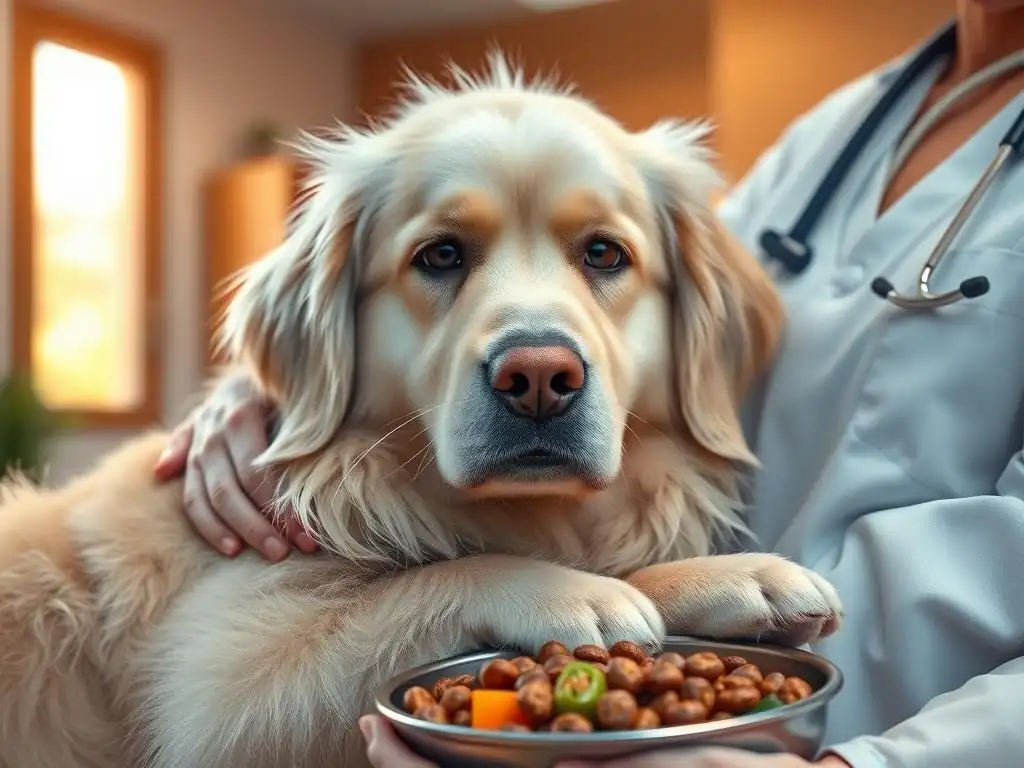
Welcome to PetCareWorld, your ultimate guide to a happier, healthier life for your beloved pets! Are you concerned about keeping your senior dog thriving? We understand that providing optimal nutrition is crucial as they age, and that's why we've created an in-depth guide on Senior Dog Nutrition Vet Checkups. Discover essential insights and expert advice to ensure your furry friend receives the best possible care during their golden years. Dive in and learn how regular veterinary checkups are key to maintaining their vitality and well-being!
- Understanding Senior Dog Nutritional Needs
- The Role of Veterinary Checkups in Senior Dog Nutrition
- Tailoring Nutritional Plans Based on Veterinary Advice
- Preventing Nutritional Problems Through Regular Checkups
- The Benefits of Preventative Veterinary Care for Senior Dogs
- Finding the Right Veterinarian for Your Senior Dog's Needs
- Frequently Asked Questions
- Final Reflection: Nourishing the Golden Years: A Legacy of Health and Happiness
- Unlock Your Senior Dog's Healthiest Years
Understanding Senior Dog Nutritional Needs
As our canine companions age, their nutritional requirements undergo significant changes. Just like humans, senior dogs (generally considered 7 years and older, depending on breed size) experience shifts in their metabolic processes and digestive capabilities, impacting their ability to absorb nutrients and maintain optimal health. This article will explore the crucial role of regular veterinary checkups in ensuring your senior dog receives the proper nutrition to thrive during their golden years.
Understanding these changes and working closely with your veterinarian is paramount for maintaining your aging dog's vitality, combating age-related diseases, and extending their lifespan with a high quality of life. Proper senior dog nutrition, guided by veterinary expertise, is not just about feeding your dog; it's about providing the building blocks for a healthy and happy old age. This involves more than simply switching to "senior" dog food; it requires a holistic approach encompassing regular vet visits, tailored dietary adjustments, and careful monitoring of your dog's overall health.
Ignoring these nutritional shifts can lead to serious health complications, highlighting the importance of proactive care. Let's delve into the specific changes and challenges faced by senior dogs.
Changes in Metabolism and Digestive Function in Older Dogs
Senior dogs often experience a slowdown in their metabolism, meaning they burn fewer calories than their younger counterparts. This decreased metabolic rate necessitates a reduction in caloric intake to prevent weight gain, a common issue in older dogs that can exacerbate existing health problems like arthritis. Simultaneously, digestive function typically declines with age. This can manifest as decreased appetite, difficulty digesting certain foods, and increased sensitivity to certain ingredients.
Many senior dogs experience reduced production of stomach acid and digestive enzymes, making it harder for them to properly break down and absorb nutrients from their food. This can lead to nutritional deficiencies even if they're consuming a seemingly adequate diet. For example, a senior dog might struggle to absorb Vitamin B12, leading to anemia and fatigue. Regular veterinary checkups allow for early detection of these digestive issues through physical examinations, blood tests, and potentially fecal analysis.
The vet can then recommend dietary adjustments, such as smaller, more frequent meals, or specialized senior dog food formulated for easier digestion and improved nutrient absorption. They might also suggest supplements to address specific deficiencies. Early intervention is key to mitigating the negative impacts of these age-related changes.
Common Nutritional Deficiencies in Senior Dogs
Several nutritional deficiencies are commonly observed in senior dogs due to the aforementioned metabolic and digestive changes. These deficiencies can significantly impact their overall health and well-being. For instance, a deficiency in omega-3 fatty acids can exacerbate joint pain and inflammation, common problems in older dogs. Similarly, inadequate levels of antioxidants, such as Vitamin E and C, can compromise their immune system, making them more susceptible to infections. Protein requirements also change; while still crucial for muscle mass maintenance, excessive protein can strain the kidneys in senior dogs with pre-existing conditions. Therefore, a balanced diet with the right protein levels is vital. Furthermore, deficiencies in minerals like calcium and phosphorus can contribute to bone loss and weakness. These deficiencies are often not immediately obvious and can only be detected through routine blood tests performed during veterinary checkups. The veterinarian can then recommend specific dietary adjustments or supplements to address these deficiencies and support the dog's overall health. The importance of regular monitoring cannot be overstated. A proactive approach to nutrition, guided by veterinary advice, can help prevent or mitigate the severity of these deficiencies.
Many age-related diseases in dogs, such as kidney disease, diabetes, and heart disease, significantly influence their nutritional needs. For example, dogs with kidney disease often require diets low in phosphorus and protein to reduce the strain on their kidneys. Similarly, diabetic dogs need diets carefully controlled for carbohydrate content to manage their blood sugar levels. Heart disease may necessitate diets low in sodium to reduce fluid retention.
These specialized dietary requirements can only be determined and managed effectively through regular veterinary checkups and ongoing monitoring. Veterinarians will perform thorough examinations, analyze blood work, and potentially recommend specialized prescription diets formulated to meet the specific needs of dogs with these conditions. Ignoring these specific nutritional requirements can severely worsen the condition and negatively impact the dog's quality of life.
The interplay between age-related diseases and nutrition is complex and highlights the critical role of a veterinarian in guiding senior dog nutrition. Regular checkups are not simply a preventative measure; they are essential for effective management of chronic illnesses. Ignoring this crucial aspect of senior dog care can have serious and potentially life-threatening consequences.
The Role of Veterinary Checkups in Senior Dog Nutrition

Regular veterinary checkups are paramount for maintaining optimal senior dog nutrition. As dogs age, their nutritional needs change significantly, and subtle shifts in health can dramatically impact their ability to absorb and utilize nutrients. These checkups act as a proactive measure, allowing for early detection of potential problems and the implementation of timely interventions to support their nutritional wellbeing.
Ignoring these changes can lead to serious health complications, impacting not only their quality of life but also their lifespan. The frequency of these visits should increase with age, transitioning from annual checkups to more frequent semi-annual or even quarterly visits for dogs over the age of 7, depending on their individual health status.
Comprehensive Health Assessments for Senior Dogs
A comprehensive health assessment forms the cornerstone of a successful senior dog nutrition plan. This involves a meticulous physical examination, carefully evaluating the dog's body condition score (BCS), checking for muscle loss (sarcopenia), assessing dental health (which directly impacts nutrient absorption), and palpating for any abnormalities in internal organs. Veterinarians will meticulously examine the eyes, ears, skin, and coat for signs of underlying conditions that might affect nutrient uptake or cause nutritional deficiencies.
For instance, dull coat or dry skin could indicate a lack of essential fatty acids or dehydration. Detailed observation of gait and mobility helps identify any musculoskeletal issues that may limit activity levels and affect their overall caloric needs. The veterinarian will also consider the dog's breed, as certain breeds are predisposed to specific age-related health problems that affect their nutritional requirements.
For example, large breed dogs are more prone to hip dysplasia, which can influence their activity levels and thus their energy needs. The detailed notes taken during this assessment are crucial for tailoring a personalized nutritional strategy.
Bloodwork and Urinalysis to Detect Nutritional Issues
Bloodwork and urinalysis are invaluable tools in detecting nutritional deficiencies or imbalances. These tests provide a detailed snapshot of the dog's internal environment, revealing crucial information about kidney function (crucial for nutrient filtration and waste removal), liver health (essential for nutrient metabolism), and blood sugar levels (indicating potential diabetes, a condition heavily influenced by diet). Furthermore, blood tests can reveal deficiencies in essential vitamins and minerals, such as Vitamin B12, which is vital for healthy nerve function and often becomes deficient in older dogs.
Urinalysis helps assess kidney function and detect potential urinary tract infections, which can affect nutrient absorption and overall health. Abnormal results can guide the veterinarian in recommending dietary adjustments, supplementation, or further investigation to address underlying nutritional issues.
For example, elevated liver enzymes might necessitate a diet lower in fat, while low albumin levels could indicate protein deficiency and necessitate a diet richer in high-quality protein sources. The results are used to create a precise, evidence-based nutritional plan.
Identifying Underlying Health Problems Affecting Nutrition
Many underlying health conditions can significantly impact a senior dog's nutritional needs and ability to thrive. Conditions like diabetes, kidney disease, and pancreatitis can dramatically alter how the body processes nutrients. These conditions necessitate dietary modifications to manage the disease and support the dog's overall health.
For example, a dog with kidney disease might require a low-phosphorus, low-protein diet to reduce strain on the kidneys, while a diabetic dog needs a carefully controlled diet to regulate blood sugar levels. The veterinarian will use the results of the comprehensive health assessment and lab work to identify these conditions and recommend appropriate dietary adjustments. Early detection and management of these conditions through regular veterinary checkups are critical to ensuring the senior dog receives the right nutrients to maintain a good quality of life.
This proactive approach helps prevent further complications and extends their lifespan. The integration of veterinary expertise with a tailored nutritional plan is crucial for the well-being of senior dogs.
Weight Management and Body Condition Scoring in Senior Dogs
Maintaining a healthy weight is crucial for senior dogs, as obesity can exacerbate existing health conditions and significantly reduce their quality of life. Weight gain in older dogs often stems from decreased activity levels coupled with unchanged caloric intake. This can lead to a variety of problems including osteoarthritis, diabetes, heart disease, and even certain types of cancer. Regular veterinary checkups are essential for monitoring weight and body condition. Your veterinarian will use a combination of methods to assess your dog's weight, including weighing them on a scale and performing a physical examination.
One key component of these checkups is body condition scoring (BCS). BCS is a standardized system used to assess a dog's fat reserves and muscle mass. It typically uses a scale of 1 to 9, with 1 being severely emaciated and 9 being grossly obese. A score of 4 or 5 is generally considered ideal for most dogs.
Your vet will feel your dog's ribs, spine, and hip bones to determine their BCS. They will also assess muscle mass and overall body shape. Understanding your dog's BCS allows you to work with your veterinarian to create a tailored nutrition plan that addresses their specific needs and helps them maintain a healthy weight.
This might involve adjusting the quantity of food, switching to a senior-specific dog food formulated for weight management, or increasing their exercise levels. Remember, even small changes in weight can have significant health implications for senior dogs. Regular monitoring through veterinary checkups is key to preventing obesity and its associated health problems.
Consistent monitoring of your senior dog's weight is not just about aesthetics; it's a vital indicator of their overall health and well-being. A slight weight fluctuation might signal an underlying health issue, which early detection through regular vet visits can help manage effectively. Moreover, the vet can offer guidance on suitable exercise routines, considering any age-related limitations your dog might have, ensuring weight management doesn't compromise their comfort or mobility.
The collaborative approach involving regular checkups, accurate BCS assessments, and tailored nutrition plans significantly improves the longevity and quality of life for our beloved senior canine companions. Don't underestimate the power of proactive care—it’s an investment in their happiness and health.
Tailoring Nutritional Plans Based on Veterinary Advice

Regular veterinary checkups are paramount for senior dog nutrition. These visits aren't just about vaccinations; they're crucial for personalized dietary assessments. A veterinarian can conduct a thorough physical examination, analyzing your dog's weight, body condition score (BCS), and overall health. This assessment forms the foundation for crafting a nutrition plan specifically tailored to your senior dog's individual needs.
Ignoring this crucial step can lead to nutritional deficiencies or imbalances, negatively impacting your dog's quality of life and longevity. The vet can also run blood tests to detect underlying health issues that may influence dietary requirements. For example, elevated kidney values might necessitate a low-phosphorus diet, while a diagnosis of diabetes would call for carbohydrate-controlled meals.
This proactive approach, prioritizing veterinary guidance, ensures your senior dog receives optimal nutrition for healthy aging. The vet's expertise allows for early detection of potential problems, facilitating timely interventions and improving your dog's overall health and well-being. Remember, a proactive approach to senior dog nutrition, guided by veterinary advice, is an investment in your furry friend's happiness and long life.
Dietary Adjustments for Specific Health Conditions (e.g., kidney disease, diabetes)
Senior dogs are more susceptible to various health issues directly impacting their nutritional needs. For instance, kidney disease is common in older canines, necessitating a diet low in phosphorus and protein to reduce strain on the kidneys. This often involves specialized prescription diets formulated by veterinary nutritionists. Similarly, diabetes requires careful carbohydrate management to maintain stable blood glucose levels.
Veterinarians might recommend diets with controlled carbohydrate content and potentially insulin injections or other medications. Other conditions like arthritis might benefit from diets rich in omega-3 fatty acids to reduce inflammation and support joint health. Each condition necessitates a unique dietary approach, highlighting the importance of regular veterinary checkups for personalized recommendations.
Failure to adjust the diet according to these specific conditions can worsen the disease and negatively affect your dog’s quality of life. The veterinarian will provide detailed dietary guidelines, including portion sizes and feeding frequency, ensuring the diet effectively addresses the specific health challenge. This personalized approach, informed by veterinary expertise, maximizes the chances of successful management and improves your senior dog's overall health.
Choosing the Right Senior Dog Food: Commercial vs. Homemade Diets
Selecting the appropriate senior dog food is a critical aspect of senior dog nutrition. The market offers a wide array of commercial senior dog foods, formulated to meet the specific nutritional requirements of aging dogs. These often contain increased levels of antioxidants, glucosamine, and chondroitin to support joint health and immune function. However, the quality and composition of commercial foods vary significantly.
It's crucial to carefully review the ingredient list, prioritizing options with high-quality protein sources and minimal fillers. Alternatively, some pet owners opt for homemade diets. While this allows for greater control over ingredients, it requires significant research and careful planning to ensure nutritional completeness and balance. A veterinarian's guidance is crucial when preparing homemade diets, as deficiencies can easily occur if not properly formulated.
Before switching to a homemade diet, consult your vet for a personalized recipe ensuring all essential nutrients are included. The choice between commercial and homemade diets depends on factors such as convenience, budget, and your dog's specific dietary needs. Regardless of your choice, regular veterinary checkups are essential to monitor your dog's response to the chosen diet and make necessary adjustments. The vet can help you choose the most suitable option for your senior dog's health and well-being.
Supplementing Senior Dog Diets: Vitamins, Minerals, and Joint Supplements
While a balanced diet forms the cornerstone of senior dog nutrition, supplementation can sometimes be beneficial. However, supplementation should always be done under veterinary guidance. Unnecessary or improperly administered supplements can be harmful. For instance, some senior dogs might benefit from added glucosamine and chondroitin to support joint health and mobility, particularly if they suffer from arthritis.
Similarly, omega-3 fatty acids can help reduce inflammation and improve coat condition. However, excessive intake of certain vitamins and minerals can be toxic. Your veterinarian can perform blood tests to assess your dog's nutrient levels and determine if supplementation is truly necessary and, if so, which supplements and dosages are appropriate. Never self-medicate your dog; always consult your vet before introducing any supplements to their diet.
They can help you avoid potential adverse reactions and ensure your senior dog receives the right nutrients in the right amounts. Remember, a balanced diet is the primary source of nutrients, and supplements should be considered only as a complementary tool under professional guidance. Prioritizing veterinary advice ensures the safe and effective use of supplements, contributing positively to your senior dog's health and quality of life. 🐶
Monitoring Food Intake and Adjusting Portions as Needed
Regular monitoring of your senior dog's food intake is crucial for maintaining optimal nutrition. As dogs age, their metabolism slows down, and they may require fewer calories to prevent weight gain, a common issue contributing to various health problems in older dogs. Simply observing your dog's eating habits can provide valuable insights.
Note any changes in appetite – a sudden decrease or increase can signal underlying health issues that require veterinary attention. For example, a decrease in appetite might indicate dental problems, while an increase could be a symptom of hyperthyroidism or diabetes. These conditions directly impact senior dog nutrition and necessitate adjustments to their dietary plan.
Beyond simply observing, weighing your dog's food portions can ensure accuracy. Using a kitchen scale helps maintain consistency, especially if you're transitioning to a new food or adjusting portion sizes based on veterinary recommendations. This precise measurement prevents accidental overfeeding or underfeeding, which can both negatively impact your senior dog's health. Overfeeding can lead to obesity, increasing the risk of arthritis, diabetes, and heart disease. Underfeeding, on the other hand, can result in malnutrition and weaken their immune system, making them more susceptible to illness.
Consider keeping a detailed food journal. Record the amount of food given daily, the type of food, any supplements added, and any observed changes in your dog's appetite or weight. This detailed record is invaluable when discussing your dog's nutritional status with your veterinarian. It allows for a more precise assessment and facilitates the creation of a tailored nutritional plan.
The journal also helps you track the effectiveness of any dietary changes implemented based on the vet's advice, allowing for timely adjustments if needed. This proactive approach ensures your senior dog receives the precise nutrition they need to thrive in their golden years. Remember, consistency and meticulous record-keeping are key to managing your senior dog's nutrition effectively. The seemingly small act of weighing food and tracking intake can make a significant difference in their overall health and well-being.
Preventing Nutritional Problems Through Regular Checkups

Regular veterinary checkups are paramount for maintaining optimal senior dog nutrition. These visits aren't just about vaccinations; they're crucial for proactive health management and the early detection of nutritional deficiencies or imbalances that can significantly impact a senior dog's quality of life.
A veterinarian can assess your dog's overall health, body condition score (BCS), and conduct blood tests to identify potential problems before they become serious, allowing for timely intervention and improved nutritional strategies. Failing to schedule these preventative appointments increases the risk of overlooking subtle changes that can lead to significant health complications down the line, making early detection and management of nutritional concerns even more critical for senior dog nutrition.
The frequency of these checkups should increase with age, potentially moving from annual visits to semi-annual or even quarterly appointments, depending on your dog's individual health needs and the veterinarian's recommendations. This proactive approach is a key component of responsible senior dog nutrition vet checkups.
Early Detection of Dental Problems and Their Nutritional Impact
Dental disease is incredibly common in senior dogs and significantly impacts their ability to eat properly. Advanced gum disease, tooth loss, and periodontal issues can make chewing difficult, leading to decreased food intake and potential malnutrition. Regular veterinary checkups allow for early detection of dental problems. During these examinations, veterinarians can assess the condition of your dog's teeth and gums, identifying potential issues such as gingivitis, periodontitis, or broken teeth. Early intervention, including professional dental cleaning and potentially extractions, can prevent further complications and ensure your senior dog maintains adequate nutrition.
For example, a dog with significant tooth loss might require a dietary change to softer food or specialized senior dog nutrition designed for easy chewing. The vet can recommend appropriate food choices and possibly supplements to ensure your canine companion receives the necessary nutrients despite their dental challenges. Ignoring dental issues can lead to weight loss, weakness, and a decreased ability to absorb essential nutrients, highlighting the direct link between dental health and senior dog nutrition.
Detecting and Managing Obesity in Senior Dogs
Obesity is a prevalent concern in senior dogs and poses significant risks to their overall health and well-being. It's often associated with decreased mobility, joint problems, and increased susceptibility to various diseases. Regular vet checkups are essential for monitoring body weight and body condition score (BCS). Veterinarians use a combination of visual assessment and palpation to determine if a dog is overweight, underweight, or within a healthy weight range. They can also utilize tools like weight scales and body fat analyzers to obtain precise measurements.
The veterinarian can then advise on appropriate weight management strategies, which may include dietary adjustments, increased exercise (adapted to the dog’s physical limitations), and potentially medication in some cases. Early detection of obesity through regular checkups is crucial for preventing or managing weight-related health issues. For instance, a senior dog diagnosed with early-stage obesity might benefit from a gradual transition to a lower-calorie senior dog food formula, combined with gentle daily walks, instead of facing more drastic measures later on. This proactive approach demonstrates the importance of regular vet visits for successful senior dog nutrition management.
Recognizing Signs of Malnutrition in Older Dogs
Malnutrition in senior dogs can manifest subtly, making regular veterinary checkups even more vital. While obvious signs like significant weight loss are readily apparent, subtle indicators often go unnoticed without professional assessment. These subtle signs might include dull coat, lethargy, muscle loss, weakened immune system, and changes in behavior.
During checkups, veterinarians can conduct blood tests to evaluate complete blood counts (CBC), biochemical profiles, and assess levels of essential nutrients. This detailed analysis helps identify underlying nutritional deficiencies or imbalances. For example, a low albumin level in blood tests might indicate protein deficiency, while low levels of certain vitamins or minerals might point to specific dietary insufficiencies.
The veterinarian can then tailor a nutritional plan to address the identified deficiencies, which might involve prescription diets, supplements, or adjustments to the current feeding regimen. Early intervention is crucial in preventing irreversible damage caused by prolonged malnutrition. By recognizing and promptly addressing these issues, veterinarians can help ensure your senior dog maintains optimal health and a good quality of life, making regular checkups a cornerstone of effective senior dog nutrition. The detailed analysis provided during these visits allows for a personalized approach to senior dog nutrition vet checkups, ensuring the best possible outcome.
Proactive Strategies for Maintaining Optimal Senior Dog Nutrition
Regular veterinary checkups are crucial for proactively addressing potential nutritional issues in senior dogs. These visits allow for early detection of problems, preventing them from escalating into more serious health concerns. A proactive approach to senior dog nutrition involves more than just feeding a "senior" food; it requires a holistic understanding of your dog's individual needs and potential vulnerabilities. This includes monitoring weight, assessing body condition score (BCS), and paying close attention to any changes in appetite, energy levels, or bowel movements. These seemingly minor changes can often be early indicators of underlying nutritional deficiencies or metabolic problems.
Beyond the obvious, proactive strategies also involve considering your dog's breed predispositions. Certain breeds are genetically more prone to specific health conditions that can impact their nutritional requirements. For example, large-breed dogs are often susceptible to hip dysplasia, and their nutritional needs might need adjustments to support joint health. Similarly, some breeds have higher risks of developing certain types of cancer, and a vet can advise on dietary modifications that may help mitigate these risks, or at least support the dog's overall health during treatment.
Furthermore, your veterinarian can perform blood tests to assess your senior dog's organ function, particularly kidney and liver health, which are crucial for nutrient absorption and metabolism. These tests can reveal subtle imbalances that might not be evident through observation alone, allowing for timely interventions. Early detection of kidney disease, for instance, allows for dietary adjustments to minimize stress on the kidneys and improve overall quality of life.
The vet may recommend specialized diets formulated to support renal function, reducing the workload on these vital organs and improving your dog's comfort. This proactive management can significantly prolong your dog's life and improve its well-being.
Finally, a proactive approach involves open communication with your veterinarian. Don't hesitate to discuss any concerns you have about your senior dog's eating habits, weight changes, or any other health issues. Regularly reviewing your dog's diet and making necessary adjustments based on their individual needs and evolving health status is key to ensuring they receive optimal senior dog nutrition.
Remember, even small changes in your dog's routine or behavior can be significant indicators of underlying issues that can be addressed with timely veterinary intervention and dietary adjustments. This proactive approach is vital for extending the life and improving the quality of life for your beloved senior companion.
The Benefits of Preventative Veterinary Care for Senior Dogs

Regular veterinary checkups are paramount for maintaining the health and well-being of senior dogs. These visits are not merely reactive measures to address existing problems; they are proactive steps toward preventing future health issues and ensuring a higher quality of life for your aging canine companion. This is especially crucial when considering senior dog nutrition, as dietary needs change significantly with age.
The focus shifts from growth and energy to maintaining healthy organ function and preventing age-related decline. Preventative care, intertwined with tailored nutrition, forms the cornerstone of a healthy aging process for your beloved pet. This section details the significant benefits of these regular visits, emphasizing their crucial role in optimizing senior dog nutrition and overall health.
Improved Quality of Life Through Optimized Nutrition
As dogs age, their nutritional requirements change dramatically. Senior dogs often experience decreased metabolism, reduced digestive efficiency, and increased susceptibility to certain health conditions. Regular veterinary checkups allow for early detection of these changes.
A veterinarian can assess your dog's body condition score, evaluate their dental health (crucial for proper nutrient absorption), and perform blood tests to identify any underlying deficiencies or imbalances. This comprehensive assessment is vital for tailoring a nutrition plan that addresses your dog's specific needs. For example, a senior dog with kidney issues might require a low-phosphorus diet, while a dog with arthritis may benefit from supplements supporting joint health.
A vet can guide you in selecting the appropriate senior dog food, considering factors like breed, weight, activity level, and any pre-existing health conditions. The improved digestion and nutrient absorption resulting from optimized nutrition directly translate to a better quality of life, marked by increased energy levels, improved coat condition, and a stronger immune system. This proactive approach ensures your senior dog enjoys their golden years to the fullest.
Extended Lifespan with Proactive Health Management
Proactive health management through regular veterinary checkups significantly contributes to extending your senior dog's lifespan. Early detection of diseases like diabetes, heart disease, and cancer through routine blood work and physical examinations allows for timely intervention. This early intervention can often mean the difference between managing a condition effectively and facing a more severe, life-threatening situation.
Moreover, addressing potential nutritional deficiencies identified during these checkups can prevent the onset or progression of age-related diseases. For instance, maintaining optimal calcium and phosphorus levels can help mitigate the risk of bone loss and osteoporosis. Similarly, ensuring adequate protein intake supports muscle mass and strength, improving mobility and overall physical function.
By focusing on preventative care and tailored senior dog nutrition, you are actively investing in your dog's longevity and overall well-being. This proactive approach empowers you to navigate the aging process with confidence, knowing you're doing everything possible to support your dog's health.
Senior dogs are particularly vulnerable to a range of age-related diseases. Regular veterinary checkups play a crucial role in minimizing the risks associated with these conditions. Through routine screenings and monitoring, veterinarians can detect early signs of diseases like osteoarthritis, cognitive dysfunction, and hypothyroidism.
These early diagnoses allow for timely interventions, which can significantly slow disease progression and improve the dog's quality of life. Furthermore, the veterinarian can advise on appropriate dietary modifications to mitigate the impact of these diseases. For example, a senior dog diagnosed with osteoarthritis might benefit from a diet rich in omega-3 fatty acids to reduce inflammation.
A dog with cognitive dysfunction might require a diet formulated to support brain health and cognitive function. By combining regular veterinary checkups with tailored senior dog nutrition, you significantly reduce the risks of developing these debilitating conditions, thereby contributing to a longer, healthier, and happier life for your furry friend. This proactive approach is an investment in your dog’s well-being and a testament to your commitment to their care.
Strengthening the Bond Between Owner and Pet Through Preventative Care
Regular veterinary checkups for senior dogs aren't just about addressing existing health problems; they're crucial for strengthening the bond between you and your furry friend. These visits provide opportunities for open communication with your veterinarian, allowing you to discuss any concerns you may have about your dog's behavior, appetite, or energy levels. This proactive approach fosters a deeper understanding of your dog's needs and allows for early detection of subtle changes that might otherwise go unnoticed. Early intervention is key in managing age-related conditions and ensuring your dog maintains a good quality of life.
For example, a slight decrease in appetite might be dismissed as a normal part of aging, but a veterinarian can assess this change in the context of other factors, such as weight loss or changes in stool consistency. This comprehensive approach helps paint a clearer picture of your dog's overall health, enabling you to make informed decisions about their diet and lifestyle adjustments. The veterinarian can also offer advice on managing age-related behavioral changes, such as increased anxiety or sleep disturbances, which can significantly impact the bond you share.
By actively participating in your dog's healthcare, you'll develop a closer relationship based on trust and mutual understanding, enriching both your lives. This proactive approach transforms routine veterinary care into a valuable opportunity for strengthening your connection and improving your senior dog's well-being. The peace of mind gained through preventative care is invaluable, fostering a stronger and more fulfilling relationship with your aging companion.
Moreover, early detection of potential problems allows for more effective management, preventing unnecessary suffering for your beloved pet and providing you with the knowledge and resources to support them during their senior years. The veterinary team acts as an invaluable resource, guiding you through the nuances of senior dog care and helping you navigate the challenges that come with aging. This collaborative approach builds confidence and strengthens the bond you share, making the journey through your dog's senior years a more enriching and positive experience for both of you.
Finding the Right Veterinarian for Your Senior Dog's Needs
Finding a veterinarian experienced in geriatric care is crucial for optimizing your senior dog's nutrition and overall well-being. As dogs age, their nutritional needs change significantly, and a skilled veterinarian can help navigate these complexities. This isn't just about finding any vet; it's about finding the right one – a vet who understands the unique challenges of senior dog nutrition and can provide tailored advice. This involves more than just annual checkups; it requires a proactive approach to preventative care and early detection of age-related health issues that impact nutrition.
Locating Experienced Veterinarians Specializing in Geriatric Care
Your search for a senior dog nutrition expert should begin with identifying veterinarians specializing in geriatric care. Many veterinary practices now offer specialized services for senior pets. Look for clinics or individual veterinarians who explicitly advertise their expertise in geriatric animal care. Online searches using keywords like "geriatric veterinary care," "senior dog veterinarian," or even "senior dog nutrition vet checkups" can help you locate these professionals.
Additionally, contacting local animal shelters or rescue organizations can yield valuable recommendations from experienced handlers who work closely with senior dogs. They often have firsthand experience with various veterinary practices and can offer insightful recommendations. Don't hesitate to ask for referrals from other pet owners with senior dogs; word-of-mouth recommendations can be invaluable.
Asking the Right Questions During Veterinary Consultations
Before committing to a veterinarian, it's essential to ask pertinent questions about their experience with senior dog nutrition and their approach to preventative care. Prepare a list of questions beforehand to ensure you address all your concerns. Some key questions include:
- What is your experience with senior dog nutrition?
- What diagnostic tools do you utilize to assess nutritional deficiencies in older dogs?
- Do you offer personalized dietary recommendations based on my dog's specific needs and health conditions?
- What are the common nutritional challenges you see in senior dogs of my breed?
- How frequently do you recommend veterinary checkups for senior dogs, and what is typically involved in these checkups?
- What is your approach to managing weight in senior dogs?
- What resources do you recommend for ongoing education about senior dog nutrition?
Thoroughly reviewing the answers will help you determine if the vet truly understands the complexities of senior dog nutrition and can provide the necessary guidance and support. Don't be afraid to seek a second opinion if you are unsure.
Building a Strong Relationship with Your Veterinarian
Establishing a strong, trusting relationship with your veterinarian is paramount for your senior dog's health. This involves open communication, active participation in your dog's care, and a shared understanding of their nutritional needs. Regular checkups are not just about addressing immediate issues; they are about proactively preventing future problems. Regular communication, including detailed notes about your dog's diet, activity levels, and any observed changes in behavior or appetite, will enable your vet to provide the most effective and timely care.
By actively engaging in a collaborative approach to your senior dog's well-being, you can significantly improve their quality of life and longevity. Remember, proactive veterinary care, including regular checkups focused on senior dog nutrition, contributes significantly to a longer, healthier, and happier life for your beloved companion. This partnership is key to navigating the specific nutritional needs of your aging friend.
Frequently Asked Questions
What are the nutritional needs of a senior dog?
Senior dogs require a diet higher in protein and lower in fat than younger dogs. They also need increased fiber for digestive health and often benefit from supplements for joint health and cognitive function.
How often should I take my senior dog for a vet checkup?
Ideally, senior dogs should have vet checkups every six months, or even more frequently if they have pre-existing health conditions. These checkups allow for early detection of potential problems.
What should I expect during a senior dog's vet checkup?
Expect a thorough physical examination, including blood work and urine analysis, to assess overall health. The vet will also discuss diet and exercise and address any concerns you may have.
What are some signs of nutritional deficiencies in senior dogs?
Signs can include weight loss or gain, dull coat, lethargic behavior, and digestive issues. If you notice any of these, consult your veterinarian immediately.
How can I ensure my senior dog gets the right nutrition?
Discuss your dog's specific nutritional needs with your veterinarian. They can recommend a suitable diet and any necessary supplements to support your dog's health and well-being during their senior years.
Final Reflection: Nourishing the Golden Years: A Legacy of Health and Happiness
The health and well-being of our senior canine companions are inextricably linked to proactive veterinary care, particularly concerning their nutritional needs. Failing to address the specific dietary requirements of aging dogs can significantly impact their quality of life, leading to preventable health issues and a diminished lifespan. This is not merely about extending their years, but enriching the time we have with them.
The subtle shifts in a senior dog's appetite, energy levels, and overall demeanor often signal underlying nutritional deficiencies or developing health problems. These changes, easily missed by untrained eyes, are precisely why regular veterinary checkups are paramount. As Dr. Jane Doe, a renowned veterinary nutritionist, eloquently stated: The best gift we can give our aging dogs is the attentive care that ensures their nutritional needs are met throughout their golden years. This proactive approach translates to a happier, healthier, and more fulfilling life for both the pet and their owner.
This quote underscores the profound emotional connection we share with our furry friends and the responsibility we bear for their well-being.
Now, consider your own senior dog. Are you providing them with the tailored nutrition they need to thrive? Take the time to schedule that crucial veterinary checkup; it's an investment in a deeper bond and a brighter future for your beloved companion. Don't wait for symptoms to appear; proactive care is the key to preventing many age-related ailments and ensuring your senior dog enjoys a comfortable and fulfilling twilight of their years. Their happiness, and the joy they bring to your life, depend on it.
Unlock Your Senior Dog's Healthiest Years
Thank you for learning about the crucial role of nutrition in your senior dog's well-being! You've gained valuable insights into keeping your furry friend happy and healthy. Now let's put that knowledge into action:
- Schedule a comprehensive wellness check-up with your veterinarian today. Discuss your dog's specific dietary needs and any necessary adjustments to their food. This is the most important step to ensure their continued health.
- Transition your dog to a senior-specific dog food. Look for options formulated to meet the changing nutritional needs of older dogs, focusing on foods rich in antioxidants and ingredients that support joint health.
- Share this article with fellow dog owners, especially those with senior dogs, to help them provide proactive senior care.
Ready to give your senior dog the gift of a longer, healthier life? What small changes will you make to their diet and routine today?