
Fun Games and Activities to Keep Your Dog Engaged on the Trail

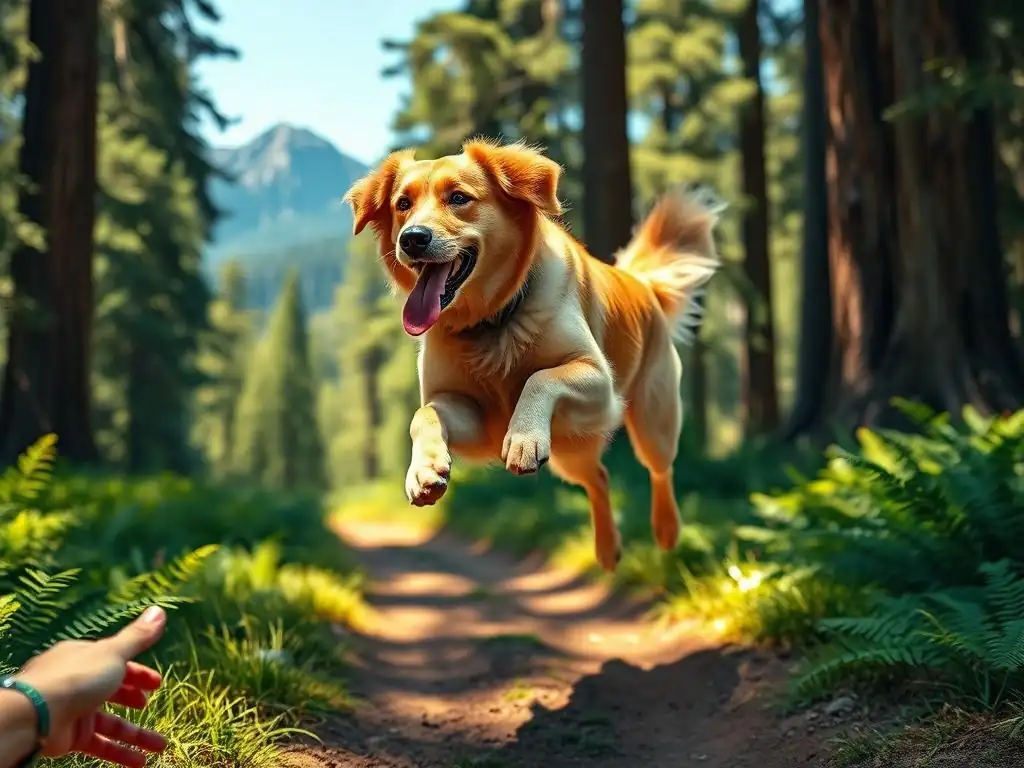
Welcome to PetCareWorld, your ultimate guide to a happier, healthier life for your beloved companion! Are you ready to transform your dog walks into exciting adventures? Discover the joy of Dog trail hiking games – we'll reveal fun, engaging activities to keep your furry friend stimulated and entertained on every trail. Dive in and unlock a world of playful possibilities, strengthening your bond with your canine companion while exploring the great outdoors!
- Engaging Your Dog During Trail Hiking: Boosting Fun and Focus
- Dog Trail Hiking Games: Interactive Fun on the Go
- Safety First: Essential Considerations for Trail Games
- Advanced Dog Trail Hiking Games: For Experienced Hikers and Dogs
- Post-Hike Relaxation and Reward: Completing the Adventure
- Choosing the Right Trails for Dog Hiking Games: Trail Selection Guide
-
Frequently Asked Questions
- What are some fun games I can play with my dog while hiking?
- How can I ensure my dog's safety while playing games on the trail?
- What if my dog gets tired during our hiking game?
- Are there any games suitable for dogs of all ages and fitness levels?
- What should I do if my dog encounters another dog on the trail while playing games?
- Final Reflection: The Unfolding Adventure: Dogs, Trails, and the Bonds We Share
- Unlock Your Dog's Trail-Adventure Potential!
Engaging Your Dog During Trail Hiking: Boosting Fun and Focus
Hiking with your canine companion can be an incredibly rewarding experience, strengthening your bond and providing both of you with much-needed exercise and fresh air. However, a long trail can become monotonous for even the most enthusiastic dog. This article explores fun games and activities designed to keep your dog engaged and happy throughout your hiking adventures, transforming a potentially boring trek into an exciting and enriching experience.
We'll cover strategies to prevent boredom, ensuring a safe and enjoyable hike for both you and your furry friend. Learning to engage your dog mentally and physically on the trail will not only make your hikes more fun but also contribute to your dog's overall well-being and training.
This guide focuses specifically on games and activities suitable for various trail conditions and dog breeds, offering practical advice for a successful and memorable hiking experience with your dog. Remember to always prioritize your dog's safety and well-being during any outdoor activity.
The Importance of Mental Stimulation During Dog Hikes
A physically tiring hike isn't always enough to satisfy a dog's needs. Dogs, especially intelligent breeds, require significant mental stimulation to prevent boredom and potential behavioral issues. A bored dog on a trail might become destructive, pull excessively on the leash, or become overly reactive to other hikers or wildlife. Providing mental enrichment during hikes helps to channel their energy constructively and strengthens your bond.
Think of it as a form of positive reinforcement, rewarding good behavior and focus while keeping your dog happily occupied. This is crucial, especially for longer hikes or trails with limited opportunities for physical exploration. Studies have shown that mentally stimulated dogs are calmer, better-behaved, and less prone to anxiety. 🐕
Consider these points regarding mental stimulation:
- Variety is key: Avoid repeating the same games every hike. Keep your dog guessing!
- Positive reinforcement: Use treats, praise, and affection to reward good behavior.
- Observe your dog: Pay attention to their cues. If they seem tired or frustrated, take a break.
- Adjust to the trail: Some games are better suited for certain terrains.
Preventing Boredom: Key to a Happy Hiking Companion
Preventing boredom is paramount to ensuring a positive hiking experience for your dog. A bored dog is a restless dog, and restlessness can lead to unwanted behaviors on the trail. The key is to anticipate potential boredom triggers and proactively introduce engaging activities to keep your dog focused and happy. This includes planning for regular breaks, offering opportunities for scent work, and incorporating interactive games that challenge your dog mentally and physically.
Remember to always prioritize your dog's safety and comfort. Consider your dog's breed, age, and fitness level when selecting activities. Always carry plenty of water and ensure your dog has access to shade during hotter parts of the day. A well-prepared and engaged dog is a happy dog!
Here's a breakdown of effective boredom-busting strategies:
- Scent Work: Let your dog sniff out various scents along the trail. This naturally engages their senses and provides mental stimulation.
- Hide-and-Seek: Hide treats or toys along the trail and let your dog find them. This is a great way to combine physical activity with mental engagement.
- Obstacle Courses (Natural): Utilize natural obstacles like logs, rocks, and streams to create a fun and challenging obstacle course. Always ensure the obstacles are safe for your dog.
- Fetch (with a twist): Instead of a standard fetch, try throwing the toy at different angles or distances to keep your dog engaged.
Remember to always adapt your approach based on your dog's individual needs and the specific challenges of the trail. Happy hiking! 🐾
Dog Trail Hiking Games: Interactive Fun on the Go
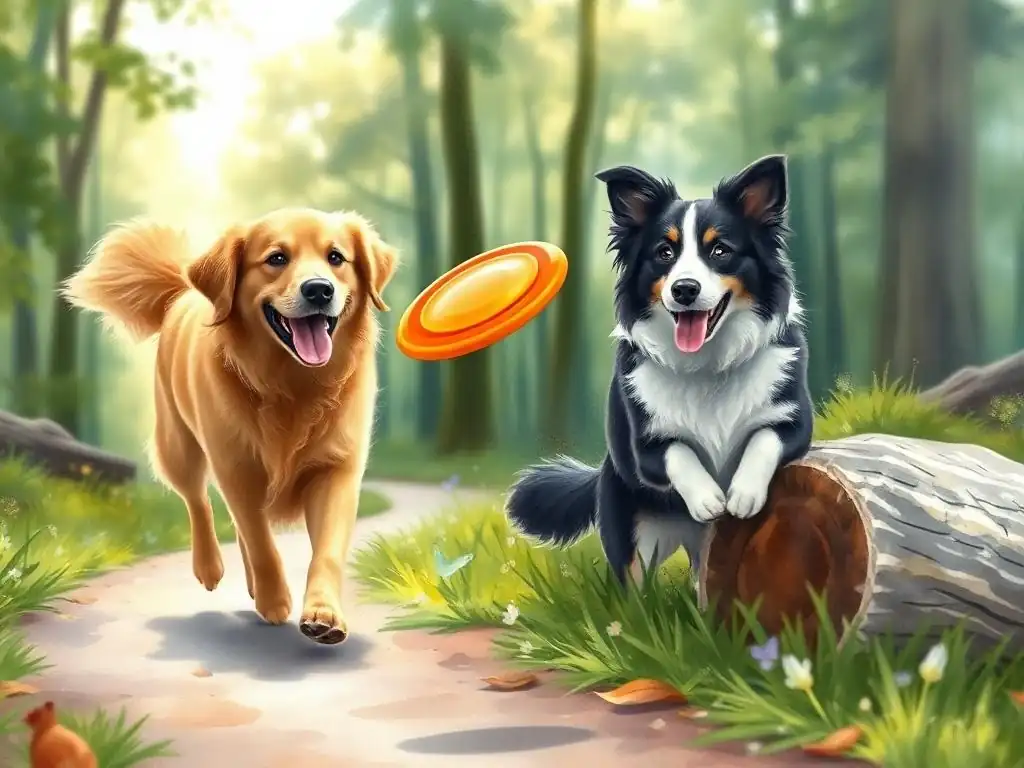
This section explores engaging games and activities perfect for keeping your canine companion stimulated and happy during your dog trail hiking adventures. These games are designed to tap into your dog's natural instincts, providing both mental and physical enrichment while enjoying the beauty of the trails. Remember to always prioritize your dog's safety and well-being; choose trails appropriate for their age, breed, and fitness level. Proper hydration and breaks are crucial, especially during warmer months. Let's explore some fun ways to enhance your hiking experience with your furry friend!
"Find the Treat" Game: A Classic Scent-Based Activity
The "Find the Treat" game is a fantastic way to engage your dog's natural scenting abilities, turning a simple hike into a rewarding treasure hunt. This game is particularly beneficial for dogs with high energy levels or those prone to boredom. It's also a great way to work on impulse control.
To start, choose high-value treats – small pieces of cooked chicken, cheese, or their favorite dog biscuits work well. Scatter these treats along the trail, hiding them under rocks (ensure they are not sharp or heavy! ), amongst leaves, or in small crevices. Give your dog the command "Find it!" or a similar cue, and let them sniff out the hidden goodies.
Vary the difficulty to keep your dog engaged. Initially, place the treats in easily accessible locations. As your dog improves, increase the challenge by hiding treats further away or under more concealing objects. Remember to always supervise your dog during this game to prevent them from accidentally ingesting anything harmful. The reward of finding a tasty treat will reinforce positive behavior and keep them focused on the activity, making the hike more enjoyable for both of you. This simple game enhances the dog trail hiking experience by turning a simple walk into a stimulating game of scent detection.
Obstacle Course Challenge: Using Natural Trail Features
Transform your dog trail hike into an exciting obstacle course using the natural features of the trail itself. This game not only provides physical exercise but also strengthens your bond with your dog through collaboration and shared accomplishment.
The beauty of this game lies in its adaptability. Use fallen logs as balance beams, rocks as stepping stones, and shallow streams as wading areas (always check the water's depth and temperature beforehand). You can incorporate simple commands like "over," "through," and "around" to guide your dog safely and effectively through each obstacle. Remember to praise and reward your dog for successfully navigating each challenge. This positive reinforcement enhances their confidence and encourages them to participate enthusiastically.
Consider your dog's physical limitations and adjust the difficulty accordingly. For puppies or senior dogs, opt for easier obstacles. For more athletic breeds, you can incorporate more challenging features like steeper inclines or larger rocks. Always ensure the obstacles are safe and stable to avoid injuries. This creative approach to dog trail hiking games adds a layer of excitement and mental stimulation to your adventure.
Fetch with a Twist: Variations for Enhanced Engagement
While classic fetch is always a winner, adding variations to your fetch game on the trail can prevent boredom and keep your dog engaged for longer periods. Instead of simply throwing the ball or frisbee, try incorporating some variations to spice things up.
- Distance Fetch: Gradually increase the distance you throw the toy. This not only provides physical exercise but also tests your dog's recall abilities.
- Direction Fetch: Throw the toy in different directions, requiring your dog to follow your commands and navigate the terrain effectively. This improves their directional awareness.
- Hidden Fetch: Hide the toy under a bush or behind a tree before giving the "fetch" command. This adds an element of surprise and engages their hunting instincts. This is particularly beneficial for dogs who enjoy scent work.
- Fetch Relay: If you're hiking with another dog owner, consider a fetch relay race, where the dogs take turns fetching the toy back and forth. This encourages friendly competition and social interaction.
Remember to always use a sturdy and durable toy suitable for your dog's chewing habits. Regularly check the toy for wear and tear to prevent accidental ingestion of small pieces. By incorporating these simple variations, you can transform a simple game of fetch into a dynamic and engaging activity that keeps your dog entertained and happy throughout your dog trail hiking adventure. This ensures that even a familiar game remains exciting and stimulating.
Recall Training Games: Improving Obedience on the Trail
Recall training is paramount for safe and enjoyable dog trail hiking. A reliable recall prevents your dog from chasing wildlife, getting lost, or encountering hazardous situations. Integrating recall games into your hiking routine transforms a crucial safety measure into a fun bonding experience. Instead of simply yelling "Come!" and expecting immediate obedience, incorporate elements of play and reward to reinforce the command.
One effective method is the "Hide-and-Seek" game. Find a spot slightly off the trail where your dog can't see you, then call their name enthusiastically. The element of surprise adds excitement, making the recall more rewarding than a simple command. Reward their arrival with enthusiastic praise, a favorite toy, or a small, high-value treat.
Gradually increase the distance and the duration of the "hiding" periods as your dog's recall improves. Remember to always keep your dog within sight, especially in unfamiliar terrains, to prevent any potential risks. This game not only strengthens recall but also builds confidence and trust between you and your canine companion.
Another engaging game is "Chase Me!" Start by walking a short distance down the trail, then turn and call your dog. Run a short distance away, encouraging your dog to chase you. This turns recall into a playful game of pursuit, making it much more enjoyable for your dog.
The key is to keep it fun and rewarding. Don't run too far or too fast, and always end the game with positive reinforcement when your dog catches up. This game is particularly useful in teaching your dog to focus on you even when distracted by the surrounding environment. Remember to vary the pace and direction to keep your dog guessing and engaged.
For dogs who are easily distracted, incorporating scent work into recall training can be incredibly beneficial. Hide a high-value treat or toy along the trail and then call your dog back to you before allowing them to find it. This teaches them to prioritize your command over their natural instinct to explore scents. This method not only strengthens recall but also provides valuable mental stimulation for your dog, making the hike even more enriching. Remember to always choose a safe and easily accessible location to hide the treat, preventing your dog from getting into any trouble.
Remember to always prioritize safety. Never let your dog off-leash unless you are in a completely enclosed and safe area. Always be aware of your surroundings and the potential hazards on the trail. Consistent training and positive reinforcement are key to building a reliable recall, making your dog trail hiking adventures safer and more enjoyable for both of you. Start with short training sessions and gradually increase the difficulty and duration as your dog's recall improves. The goal is to make recall a fun and rewarding experience for your dog, creating a strong bond and a safe hiking companion.
Safety First: Essential Considerations for Trail Games
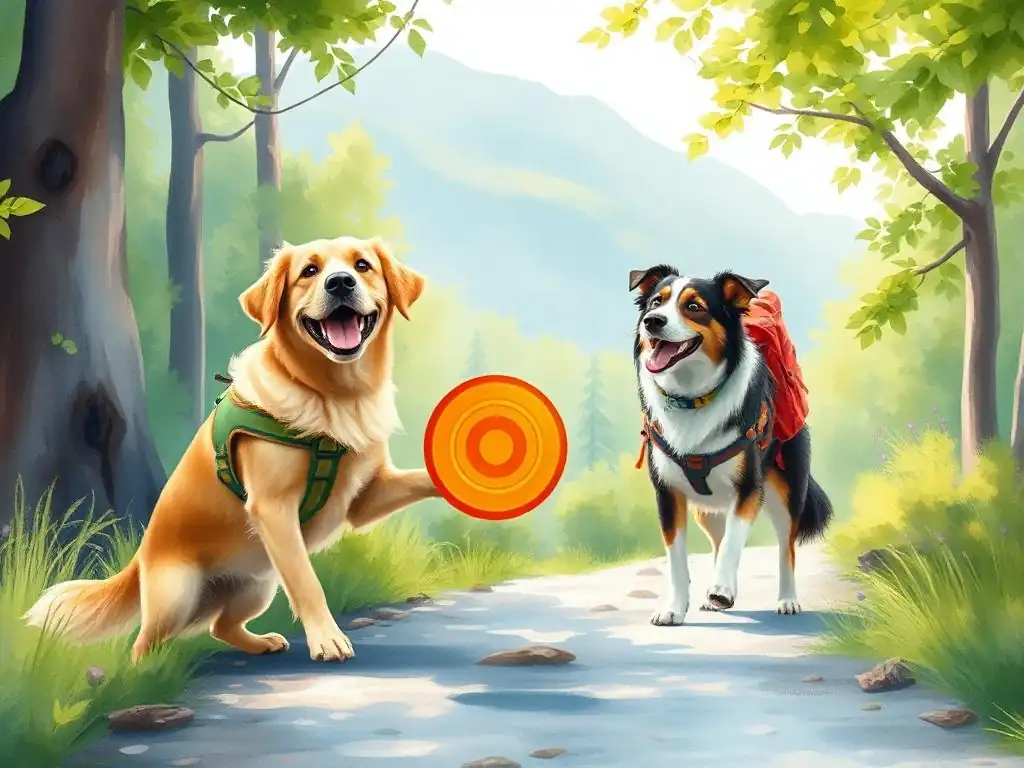
Before embarking on any trail adventure with your canine companion, prioritizing safety is paramount. "Dog trail hiking games" should always be secondary to ensuring your dog's well-being and yours. This involves careful planning and preparation, understanding your dog's physical limitations, and being acutely aware of potential hazards along the trail. Failing to prioritize safety can lead to injuries, distress, and even emergencies. Let's delve into the key safety aspects to ensure a fun and secure experience for both you and your furry friend.
Maintaining Control: Leash Handling and Safety Techniques
Effective leash handling is crucial for maintaining control and preventing accidents. A standard 6-foot leash might be insufficient for navigating challenging terrain or managing an exuberant dog. Consider using a longer, hands-free leash system, such as a bungee leash or a hands-free walking belt, which allows for more freedom while still providing a degree of control. However, be mindful of the potential for entanglement.
Practice using your chosen leash system before hitting the trail to ensure familiarity and proficiency. Always keep your dog in sight and within a safe distance, especially near cliffs or other hazards. Regularly check the leash for wear and tear to prevent unexpected breakage. For dogs with a strong prey drive, a well-fitting harness might offer more control than a collar, particularly when encountering wildlife.
Avoiding Hazards: Protecting Your Dog on the Trail
Trails present various potential hazards for dogs. These include:
- Sharp objects: Thorns, rocks, and broken glass can cause cuts and injuries. Regularly inspect your dog's paws for cuts or embedded debris.
- Wildlife encounters: Be cautious of wildlife such as snakes, porcupines, and aggressive animals. Keep your dog on a leash and maintain a safe distance from any wildlife you encounter.
- Water sources: Not all water sources are safe for dogs to drink. Carry plenty of fresh water for your dog, especially on hot days.
- Steep inclines and declines: Steep trails can be strenuous for dogs, especially older or less fit ones. Choose trails appropriate for your dog's physical condition and adjust the length and difficulty of the hike accordingly.
- Overheating: Dogs can overheat easily, particularly in hot weather. Monitor your dog's body temperature and provide frequent water breaks in shaded areas. Consider hiking during cooler parts of the day.
Remember, adapting your hike to your dog's needs is crucial for a safe and enjoyable experience. Avoid strenuous activities in extremely hot or cold weather.
Emergency Preparedness: What to Pack for Trail Adventures
Being prepared for unexpected events is essential. Your trail pack should include:
| Item | Quantity | Purpose |
|---|---|---|
| First-aid kit for dogs | 1 | Treating minor injuries such as cuts, scrapes, and paw wounds. |
| Water | Ample | Keeping your dog hydrated, especially during hot weather. |
| Food | Sufficient | Providing energy for your dog, particularly on longer hikes. |
| Leash and harness/collar | 1 each | Maintaining control and safety. |
| Waste bags | Multiple | Cleaning up after your dog. |
| Towel | 1 | Drying your dog after crossing streams or swimming. |
| Portable phone charger | 1 | Essential for emergencies and contacting help. |
| Dog whistle | 1 | Calling your dog from a distance, especially in areas with poor visibility. |
Always inform someone of your hiking plans, including your route and estimated return time. This is crucial in case of an emergency. A fully charged cell phone is also essential. 🐕🐾 Remember, preparedness minimizes risks and ensures a safe and enjoyable "dog trail hiking games" experience.
Advanced Dog Trail Hiking Games: For Experienced Hikers and Dogs
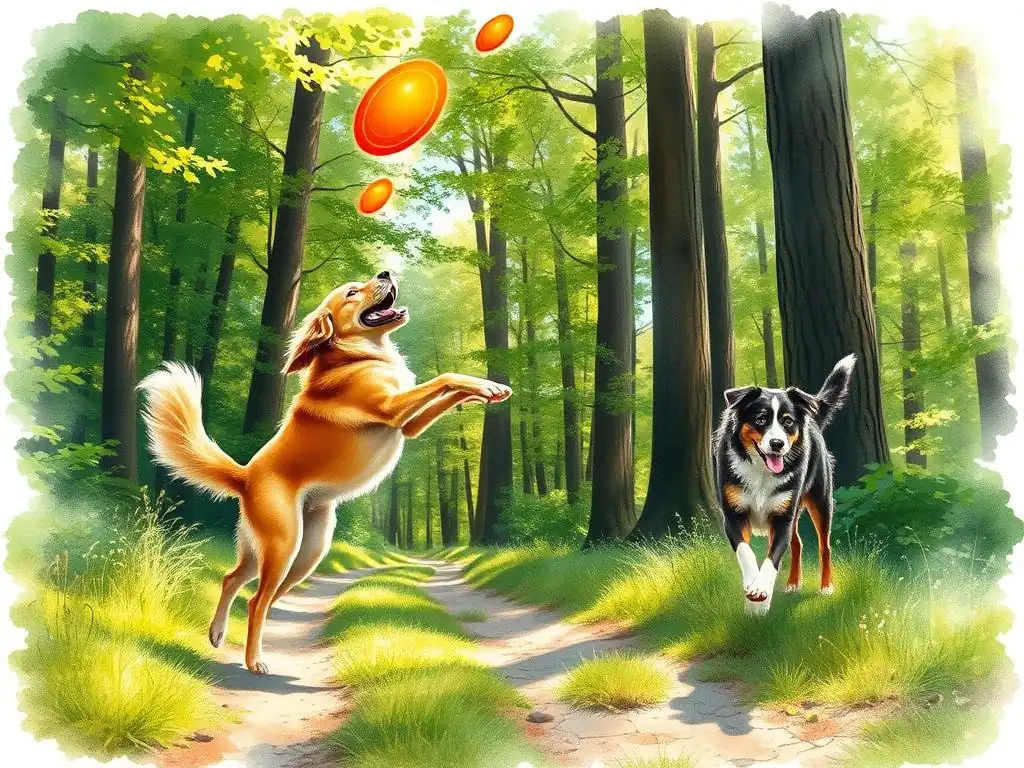
This section delves into more challenging games suitable for dogs with established hiking experience and owners comfortable with advanced training techniques. These games build upon basic obedience and focus on enhancing your dog's problem-solving skills, mental stimulation, and teamwork on the trail. Remember always to prioritize your dog's safety and well-being; adjust the difficulty based on your dog's individual capabilities and the terrain. Proper hydration and rest breaks are crucial for both you and your canine companion during these more demanding activities. Let's explore some engaging options for your advanced "dog trail hiking games."
Scent Work Challenges: Advanced Hiding and Retrieval
Scent work provides exceptional mental stimulation for dogs, and the trail offers a fantastic, naturally varied environment to enhance these challenges. Instead of simple hide-and-seek in your backyard, integrate scent work into your hikes.
Here are some advanced variations:
- Multi-layered scent trails: Create a more complex scent trail by using multiple scent articles (toys, treats) placed at increasing distances and with varying degrees of concealment. You could even bury some items shallowly, encouraging your dog to dig gently. Remember to use safe, non-toxic scents.
- Scent discrimination: Introduce multiple scents, requiring your dog to locate a specific target scent among distractors. This sharpens their olfactory skills and focuses their attention. For example, hide a specific toy scented with their favorite treat among items with different, less appealing smells.
- Scent tracking over varied terrain: This challenges your dog's ability to follow a scent trail across different surfaces—grass, dirt, rocks, etc.—making it a more realistic and engaging experience. This helps build their stamina and focus.
Remember to always supervise your dog closely during these activities and ensure the environment is safe for both of you. Positive reinforcement, using treats and praise, is key to success. Start with simpler tasks and gradually increase the difficulty as your dog progresses.
Beyond basic recall, teach your dog to follow your lead in more challenging trail situations. This enhances their trust in you and their ability to navigate complex environments safely.
Here's how to approach this "dog trail hiking games" aspect:
- Varying terrain: Practice navigating different types of trails – uphill, downhill, rocky paths, and through dense vegetation. This builds their confidence and agility.
- Obstacles: Introduce obstacles like logs, streams (with safe crossings), and uneven ground. This requires your dog to carefully consider their steps and follow your guidance.
- Distance and duration: Gradually increase the distance and duration of your hikes, building your dog's stamina and their ability to maintain focus over extended periods.
This isn't just about obedience; it’s about building a strong bond and a shared understanding of navigating the trail together. Remember to use clear verbal cues and hand signals, and always reward your dog's efforts. Consistency and patience are crucial.
Hiking with Multiple Dogs: Managing Group Dynamics on the Trail
Hiking with multiple dogs adds a layer of complexity, requiring careful management of group dynamics and individual needs. This "dog trail hiking games" challenge demands strong leadership from the owner.
Consider these essential strategies:
| Challenge | Solution |
|---|---|
| Dog-on-dog aggression | Ensure proper socialization beforehand. Use separate leashes and harnesses. |
| Different fitness levels | Adjust the pace to accommodate the slowest dog. Provide frequent breaks. |
| Distractions on the trail | Employ strong recall commands and keep dogs under close supervision. |
| Uneven terrain | Choose trails suitable for all dogs' abilities. Use assistance if needed. |
Remember to prioritize safety and fairness for all dogs. Using different colored leashes or harnesses can help you quickly identify each dog and manage them effectively. Positive reinforcement, rewarding calm behavior and cooperation, is crucial for a successful group hike. If you encounter persistent challenges, consider consulting a professional dog trainer experienced in managing multiple dogs.
This detailed approach to advanced games will make your dog trail hiking adventures even more enjoyable and rewarding for both you and your canine companion. Remember to always prioritize safety and adapt the activities to your dog's individual capabilities. Enjoy the trail!
Post-Hike Relaxation and Reward: Completing the Adventure
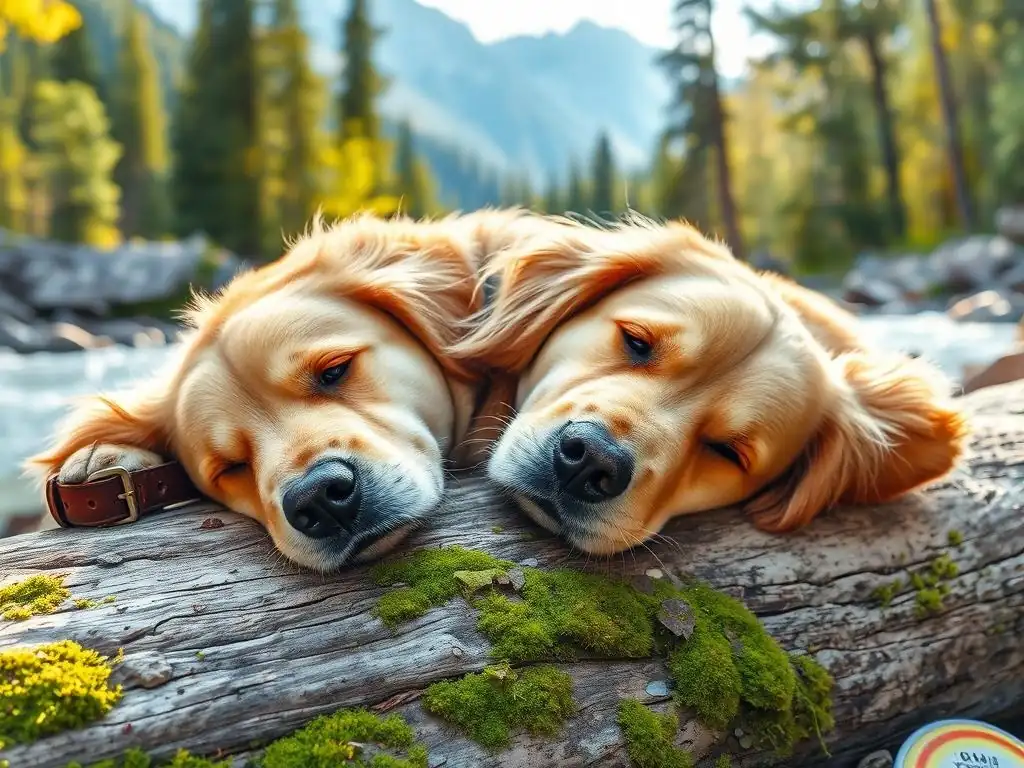
After a thrilling hike filled with exciting dog trail hiking games, ensuring your canine companion's comfort and rewarding their good behavior is crucial. The post-hike phase is just as important as the adventure itself, contributing significantly to a positive overall experience and encouraging future trail explorations. This section focuses on how to smoothly transition from an active hike back to a relaxed state, emphasizing the importance of proper care and positive reinforcement.
Hydration and Refueling: Providing Essential Care
The physical exertion of a hike, especially in warmer weather, can dehydrate even the most energetic dogs. Upon returning from your trail adventure, immediately offer your dog fresh, cool water. Observe their water intake closely; a significant amount of water will likely be consumed. Don't just rely on a single bowl; consider offering water in multiple smaller bowls throughout the post-hike relaxation period to encourage consistent hydration. Along with water, provide a light, easily digestible meal.
Avoid heavy, rich foods that might upset their stomach after strenuous activity. A small portion of their regular kibble or a light broth-based meal is ideal. Remember to monitor your dog for signs of heatstroke, such as excessive panting, lethargy, or vomiting. If you observe any of these symptoms, seek veterinary attention immediately. Proper hydration and refueling are essential components of responsible dog trail hiking games.
Think of it as a vital part of the overall experience, not just an afterthought. Consider packing electrolyte supplements for longer, more strenuous hikes, especially during hot weather. These supplements can help replenish lost electrolytes and prevent dehydration-related issues. Planning ahead and being prepared makes all the difference in ensuring your dog's well-being.
Positive Reinforcement: Rewarding Good Behavior
Rewarding good behavior is paramount in establishing a positive association with dog trail hiking games. Your dog's excellent behavior throughout the hike—whether it's staying close, following commands, or displaying appropriate reactions to other hikers and wildlife—deserves enthusiastic praise and rewards. Use positive reinforcement techniques such as verbal praise ("Good boy/girl! ", "Excellent! "), petting, and treats.
Timing is key—reward immediately after the desired behavior is displayed. Avoid delayed rewards, as this can confuse your dog. Consider using high-value treats specifically reserved for hiking adventures to further enhance the positive association. This could be a small piece of cooked chicken, a bit of cheese, or their favorite small dog biscuit. The key is consistency.
Every instance of good behavior should be acknowledged and rewarded. This consistent positive reinforcement will encourage your dog to repeat the desired behaviors during future hikes, making your adventures together even more enjoyable and fulfilling. It's not just about the physical activity; it's about building a strong bond based on mutual trust and understanding. Remember, a happy dog is a well-behaved dog, especially on the trail. This positive reinforcement strategy is a cornerstone of successful dog trail hiking games.
Choosing the Right Trails for Dog Hiking Games: Trail Selection Guide
Selecting the appropriate trail is paramount for a safe and enjoyable dog hiking experience. Improper trail selection can lead to injury, exhaustion, and ultimately, a negative experience for both you and your canine companion. This section focuses on choosing trails suitable for various skill levels and dog breeds, maximizing the fun and minimizing the risk involved in "Dog trail hiking games." Remember, responsible pet ownership includes understanding your dog's limitations and choosing trails that match their capabilities.
Beginner-Friendly Trails: Ideal for Puppy Hikes and Training
Beginner-friendly trails are characterized by their short distances, gentle inclines, and well-maintained paths. These trails are perfect for puppies, senior dogs, or dogs new to hiking. They offer a low-impact introduction to the world of outdoor adventures, allowing your dog to build stamina and confidence gradually. Look for trails with clearly marked paths, readily available water sources, and minimal obstacles. The length should ideally be under 2 miles, with minimal elevation gain.
These shorter trails allow for frequent breaks and plenty of opportunities to reinforce positive training behaviors during your "Dog trail hiking games." Remember to bring plenty of water and treats to reward your furry friend for their efforts! Consider trails within parks or designated dog areas for easy access and a controlled environment. For example, many city parks offer paved or well-maintained gravel paths ideal for initial training sessions and puppy hikes.
Intermediate and Advanced Trails: Challenging Routes for Experienced Dogs
Once your dog has mastered beginner trails and shows good stamina and obedience, you can progress to intermediate and advanced routes. These trails typically involve longer distances, steeper inclines, and potentially more challenging terrain, such as rocky paths, uneven surfaces, or water crossings. Intermediate trails might range from 3-5 miles, with moderate elevation changes. Advanced trails can extend beyond 5 miles, featuring significant elevation gain and more rugged terrain.
Before embarking on these more demanding hikes, ensure your dog is physically fit and well-trained. Excellent recall is crucial on less confined trails to prevent them from straying off the path. Always check the weather forecast and pack accordingly.
Bring extra water, a first-aid kit for both you and your dog, and consider a dog backpack for carrying extra supplies on longer "Dog trail hiking games." Remember to monitor your dog closely for signs of fatigue or distress. Adjust your pace and take frequent breaks as needed.
Considering Your Dog's Breed and Fitness Level: Matching Trails to Abilities
Matching the trail difficulty to your dog's breed and fitness level is crucial for a safe and enjoyable hiking experience. Brachycephalic breeds (dogs with short noses, like Bulldogs or Pugs) are more susceptible to heatstroke and respiratory problems and should be kept on shorter, less strenuous trails, especially during warmer weather. Larger, more athletic breeds, such as Huskies or German Shepherds, generally have higher stamina and can handle longer, more challenging trails. However, even athletic dogs need gradual acclimatization to avoid injury.
Regardless of breed, consider your dog's age and overall health. Senior dogs or those with pre-existing conditions may require shorter, less strenuous trails. Always prioritize your dog's well-being and adjust the difficulty of your "Dog trail hiking games" accordingly.
Observe your dog's body language; signs of fatigue include panting excessively, slowing down significantly, or showing reluctance to continue. If you notice any of these signs, take a break or turn back. Remember, a successful hike is one where both you and your dog return home safe, happy, and ready for another adventure.
Frequently Asked Questions
What are some fun games I can play with my dog while hiking?
You can play classic games like fetch or hide-and-seek, using treats or toys as rewards. Scent work is also great; hide a treat and let your dog find it. Remember to always keep your dog on a leash for safety.
How can I ensure my dog's safety while playing games on the trail?
Always keep your dog on a secure leash, especially in areas with traffic or wildlife. Bring plenty of water and check your dog for injuries regularly. Be mindful of the terrain and your dog's physical limitations.
What if my dog gets tired during our hiking game?
It's important to monitor your dog's energy levels. If they seem tired, take frequent breaks and let them rest. Consider carrying water and a portable bowl for hydration. Don't push them beyond their limits.
Are there any games suitable for dogs of all ages and fitness levels?
Yes! Simple scent games and short games of fetch are adaptable. You can adjust the distance and intensity to suit your dog's abilities. Focus on positive reinforcement and short, frequent play sessions.
What should I do if my dog encounters another dog on the trail while playing games?
Maintain a safe distance and assess the situation. If both dogs seem friendly, a brief supervised interaction might be okay. However, if either dog shows signs of aggression, immediately separate them and continue your hike. Always prioritize your dog's safety and comfort.
The joy of shared adventures on the trail with our canine companions is more than just exercise; it's a powerful testament to the enduring bond between humans and animals. This connection, strengthened by playful interaction and shared experiences, is vital for both our physical and mental well-being, and the games and activities explored in this article offer a pathway to deepen that bond.
The impact of enriching our dogs' lives through engaging trail activities extends far beyond a simple walk in the woods. It fosters a deeper understanding of their needs, their intelligence, and their capacity for joy. It's about creating memories, building trust, and celebrating the unique relationship we share. As the renowned ethologist Konrad Lorenz so eloquently stated, The bond between a dog and his master is as powerful as any force in nature.
This bond, nurtured through mindful engagement, becomes a source of strength and companionship for both parties, enriching our lives in ways we often underestimate.
Consider the games and activities discussed within this article – not just as a checklist, but as opportunities. Opportunities to connect more deeply with your furry friend, to witness their unwavering enthusiasm, and to appreciate the simple beauty of shared moments in nature. Take the time to choose a game that resonates with both you and your dog, and embark on your next trail adventure with a renewed sense of purpose and playful intention. The trails await, and the memories are waiting to be made.
Unlock Your Dog's Trail-Adventure Potential!
Thank you for joining us on this journey to discover fun, engaging activities for your canine companion on the trail! We hope you've gained some great ideas to enrich your adventures together. Now it's time to put those tips into practice!
- Focus on one new activity: Choose just one of the activities we discussed, such as scent work or a new variation on fetch, and dedicate your next trail walk to mastering it. This focused approach will help you and your dog build confidence and have a wonderful time!
- Share your adventures: Snap some photos of your dog enjoying their new trail game and share them on social media using #PetCareWorldTrailAdventures. Let's inspire other dog owners!
- Challenge yourselves: Next time, try incorporating a new, slightly more challenging trail – always prioritizing safety, of course.
Ready to embark on your next exciting trail adventure with a happy, engaged pup? What new skills will you and your dog learn together?