
Summer Grooming for Dogs: Keeping Your Pup Cool & Comfortable

Welcome to PetCareWorld, your ultimate guide to a happier, healthier life for your beloved pets! Are you ready to beat the heat and keep your canine companion comfortable this summer? Discover essential Dog summer grooming tips in our latest article, packed with expert advice to ensure your furry friend stays cool and content throughout the hottest months. Dive in and unlock the secrets to a stress-free summer for you and your pup!
- Essential Dog Summer Grooming Tips for Heat Relief
- Specific Summer Grooming Needs Based on Breed
- Summer Grooming Products for Dogs: Choosing the Right Tools
- DIY Dog Grooming at Home vs. Professional Grooming Services
- Signs of Overheating in Dogs & Emergency Procedures
- Maintaining Your Dog's Skin Health During Summer
- Hydration and Nutrition for a Cool and Comfortable Summer
- Frequently Asked Questions
- Final Reflection: The Enduring Bond: Summer Grooming and Canine Wellbeing
- Unlock Your Pup's Summer Cool: It's Grooming Time!
Essential Dog Summer Grooming Tips for Heat Relief
Summer is here, and while we humans enjoy the sunshine, our canine companions can suffer from the heat. Maintaining a proper grooming routine is crucial for keeping your dog cool, comfortable, and healthy during the warmer months. This guide provides essential dog summer grooming tips, focusing on practical techniques to prevent overheating and ensure your furry friend enjoys a safe and happy summer.
We'll cover key areas like brushing, bathing, and nail trimming, offering specific advice to address common summer challenges and optimize your dog's well-being. Proper grooming isn't just about aesthetics; it's a vital aspect of responsible pet ownership, contributing significantly to your dog's overall health and happiness, especially during the hot summer months. Neglecting summer grooming can lead to various problems, from uncomfortable matting to increased risk of heatstroke.
By following these tips, you’ll be well-equipped to keep your pup cool and comfortable all summer long. This guide is specifically designed to help you effectively manage your dog’s grooming needs during the summer, addressing the unique challenges posed by higher temperatures and increased humidity.
Brushing Your Dog's Coat: Removing Matted Fur and Preventing Overheating
Regular brushing is paramount, especially during summer. A thick, matted coat traps heat close to your dog's skin, significantly increasing the risk of overheating. For short-haired breeds, brushing once or twice a week is usually sufficient. However, long-haired breeds may require daily brushing, particularly during summer.
Use a brush appropriate for your dog's coat type; a slicker brush is effective for removing loose fur and preventing matting in many breeds. Pay close attention to areas prone to matting, such as behind the ears, under the armpits, and around the legs. Removing mats not only improves air circulation and reduces heat retention but also prevents skin irritation and potential infections.
Remember, a cool, well-brushed coat is a happy, healthy coat, especially during the summer months. The process of brushing also helps to remove dead skin cells and dirt, contributing to a cleaner and healthier coat. Consider purchasing a de-shedding tool for breeds that shed heavily; these tools can help to remove undercoat, further improving air circulation and reducing heat buildup.
The Importance of Regular Bathing in Summer for Dogs
While you shouldn't bathe your dog excessively, regular bathing during summer is beneficial. Excessive bathing can strip the skin of its natural oils, potentially leading to dryness and irritation. However, a cool bath can help to lower your dog's body temperature and remove dirt and debris that can trap heat.
Use a dog-specific shampoo and conditioner formulated to maintain the skin's natural pH balance. Avoid using human shampoos, as these can be harsh and irritating to your dog's skin. After bathing, thoroughly rinse your dog to remove all traces of shampoo, as residue can irritate the skin.
Ensure you dry your dog completely, as damp fur can lead to chilling, especially on cooler evenings. The frequency of bathing will depend on your dog's breed and activity level; some dogs may only need a bath every few weeks, while others might benefit from more frequent bathing, especially if they spend a lot of time outdoors. Always use lukewarm water to avoid shocking your dog's system.
Trimming Your Dog's Nails: Preventing Overheating and Injury
Overgrown nails can cause discomfort and interfere with your dog's gait, potentially leading to overheating. Long nails can also easily snag on surfaces, causing injury. Regular nail trimming is crucial for maintaining your dog's comfort and preventing injuries. If you're not comfortable trimming your dog's nails yourself, consult a professional groomer.
If you are trimming them yourself, use a sharp pair of dog nail clippers and be cautious to avoid cutting into the quick (the pink part of the nail containing nerves and blood vessels). If you accidentally cut into the quick, apply styptic powder to stop the bleeding. Regular nail trims not only prevent overheating by improving your dog's gait and reducing strain, but also help to keep your dog's paws clean and healthy, reducing the risk of infection. Remember, short, well-maintained nails are essential for your dog's overall comfort and well-being during the summer months.
Specific Summer Grooming Needs Based on Breed
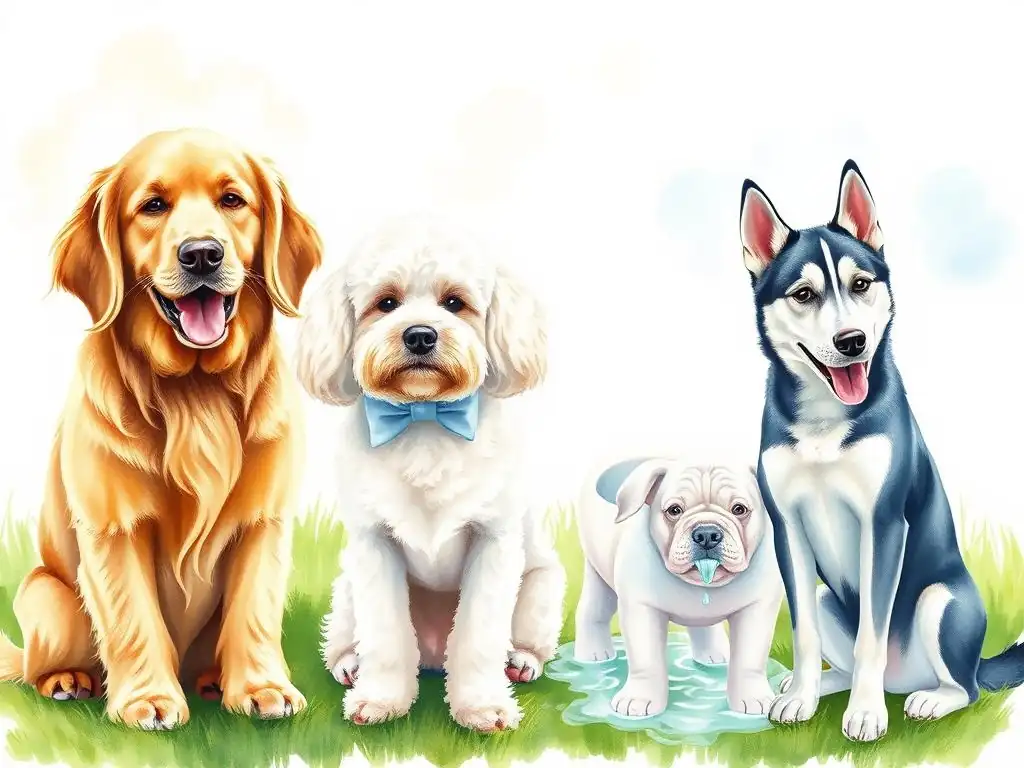
Summer grooming for dogs isn't a one-size-fits-all approach. The optimal grooming regimen significantly depends on your dog's breed and coat type. Failing to tailor your grooming routine to your dog's specific needs can lead to overheating, matting, and skin irritations. Understanding these breed-specific needs is crucial for ensuring your canine companion stays cool and comfortable throughout the summer months. This section will delve into the specific grooming requirements for different coat types, providing practical tips to help you navigate the summer heat with your furry friend. Remember, consistent grooming is key to preventing summer-related dog grooming problems.
Grooming Tips for Short-Haired Dogs During Summer
Short-haired dogs might seem less prone to overheating, but they still require regular grooming during the summer. While they don't need extensive brushing, regular brushing helps remove dead hair and prevents matting. This is especially important in shedding seasons. Focus on using a soft-bristled brush to stimulate circulation and remove loose fur. Consider the following:
- Frequency: Brush your short-haired dog at least once a week during the summer. More frequent brushing might be necessary for breeds that shed heavily.
- Bath Time: While daily baths aren't necessary, a cool bath every couple of weeks can help remove dirt and debris and provide a refreshing experience. Use a dog-specific shampoo and conditioner to avoid skin irritation.
- Paw Care: Don't forget your dog's paws! Check for any cuts, dryness, or debris trapped between the pads. Keep them clean and moisturized to prevent discomfort.
Summer Grooming for Long-Haired Dog Breeds
Long-haired dogs require significantly more attention during summer. Their thick coats can trap heat, leading to overheating and discomfort. Regular brushing is essential to prevent matting and keep their coat clean and well-ventilated. Here’s how to approach grooming long-haired breeds in summer:
- Brushing: Daily brushing is recommended for long-haired breeds during summer. Use a slicker brush or a de-shedding tool to remove loose undercoat and prevent matting. Pay close attention to areas prone to tangles, like the legs, tail, and armpits.
- Trimming: Consider trimming your dog's coat shorter during the summer months. This will help to improve air circulation and reduce the risk of overheating. However, avoid shaving your dog completely, as this can remove their natural sun protection.
- Professional Grooming: For particularly long or thick coats, consider scheduling regular professional grooming appointments. A groomer can help manage your dog's coat effectively and provide expert advice on summer grooming.
Grooming Considerations for Dogs with Thick Coats
Dogs with thick double coats, such as Huskies and Malamutes, require special attention during the summer. While these coats provide insulation in winter, they can trap significant heat during the summer months. Improper grooming can lead to overheating and skin problems. Consider these aspects:
- Undercoat Removal: The most crucial aspect of grooming for dogs with thick coats is removing the excess undercoat. This can be done using a de-shedding tool or by visiting a professional groomer. Removing the undercoat significantly improves air circulation and reduces the risk of overheating.
- Regular Brushing: Even with undercoat removal, regular brushing is still essential. This helps to remove loose hair and prevent matting. Use a de-shedding tool or a slicker brush, depending on your dog's coat type.
- Cooling Measures: In addition to grooming, consider implementing other cooling measures, such as providing access to cool water, shade, and air conditioning. These measures, combined with proper grooming, will help keep your dog cool and comfortable during the summer.
Remember, these are general guidelines. Always consult with your veterinarian or a professional groomer for personalized advice tailored to your dog's specific breed, coat type, and overall health. Paying close attention to your dog's individual needs is essential for ensuring their well-being throughout the summer. By implementing these dog summer grooming tips, you can help your furry friend beat the heat and stay happy and healthy.
Summer Grooming Products for Dogs: Choosing the Right Tools
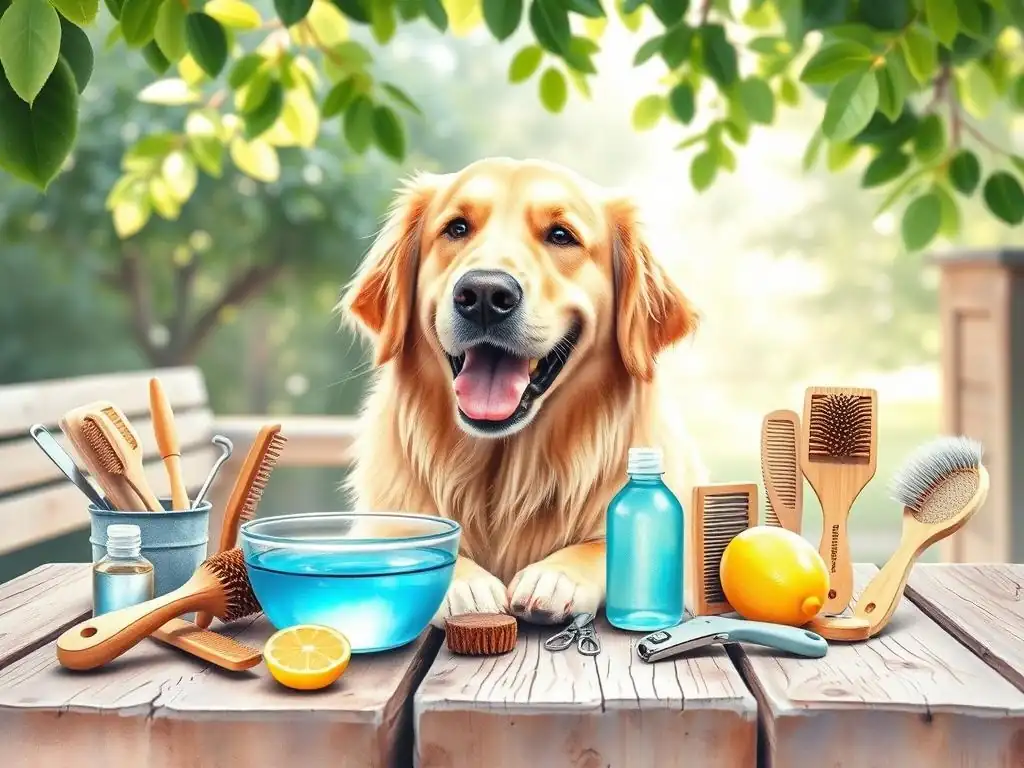
Summer grooming for your canine companion requires the right tools to ensure a comfortable and safe experience. Choosing high-quality products is crucial for both the effectiveness of the grooming process and the well-being of your dog's skin and coat. This section will guide you through selecting the best shampoos, conditioners, brushes, combs, and clippers for optimal summer dog grooming.
Remember, always prioritize products specifically formulated for dogs to avoid skin irritation and allergies. This is vital for maintaining your dog's health and preventing potential problems associated with improper grooming. Effective summer dog grooming is not just about aesthetics; it's a key component of your dog's overall health and well-being during the hottest months.
Best Shampoos and Conditioners for Summer Dog Grooming
Selecting the right shampoo and conditioner is paramount for a successful summer dog grooming session. Avoid human shampoos, as their pH levels differ significantly from those of canine skin, leading to dryness, irritation, and potential skin problems. Opt for shampoos formulated for dogs, particularly those designed for summer use. Look for shampoos that are:
- Hypoallergenic: Essential for dogs with sensitive skin, reducing the risk of allergic reactions.
- Gentle and moisturizing: Summer heat can dry out your dog's coat, so a moisturizing formula is key.
- Cooling: Some shampoos incorporate ingredients like aloe vera or menthol to provide a refreshing, cooling sensation.
- Suitable for your dog's coat type: Different shampoos cater to various coat types (short, long, thick, etc.). Choose one that suits your dog's specific needs.
Consider also adding a conditioner to your routine, especially for dogs with long or thick coats. Conditioners help detangle, soften, and improve the overall health and shine of your dog's fur, making brushing easier and more comfortable. Look for conditioners that are lightweight and won't leave the coat feeling greasy. Regular use of the right shampoo and conditioner will contribute significantly to your dog's comfort during the hot summer months. Remember to always rinse thoroughly to prevent residue buildup.
Essential Brushes and Combs for Summer Dog Grooming
The type of brush or comb you use depends largely on your dog's coat type and length. Regular brushing is crucial during summer, as it removes dead hair, prevents matting, and distributes natural oils, keeping their coat healthy and preventing overheating.
Here’s a breakdown of common brush types:
| Brush Type | Ideal for | Benefits |
|---|---|---|
| Slicker Brush | Long and medium-haired dogs | Removes mats, tangles, and dead hair; promotes healthy coat growth. |
| Undercoat Rake | Dogs with thick undercoats | Efficiently removes excess undercoat, preventing matting and overheating. |
| Bristle Brush | Short-haired dogs, all coat types | Distributes natural oils, adds shine, and stimulates circulation in the skin. |
| Dematting Comb | Severely matted coats | Carefully removes mats, but use with caution to avoid skin irritation. |
| Wide-Tooth Comb | Long-haired dogs, wet coats | Detangles gently, ideal for use after bathing. |
Regular brushing helps remove loose hair, preventing excessive shedding and keeping your dog cooler. Always brush gently to avoid causing discomfort. It's also a great opportunity to check for fleas, ticks, or any skin irritations. This proactive approach to grooming is a crucial aspect of your dog's overall summer care routine.
Clippers and Trimmers for Summer Dog Grooming: A Guide for Safe Use
Clippers and trimmers can be valuable tools for summer dog grooming, particularly for dogs with thick or long coats. However, improper use can lead to injury, so proceed with caution and consider professional grooming if you are unsure.
Before using clippers or trimmers:
- Familiarize yourself with the device: Read the instructions carefully and practice on a small area before tackling the entire coat.
- Gather your supplies: Have a good quality pair of clippers, lubrication oil (if required), and a selection of combs or clipper attachments.
- Prepare your dog: Make sure your dog is calm and comfortable. Consider using treats or positive reinforcement.
- Work in sections: Don't attempt to clip the entire coat at once. Work in small, manageable sections to avoid mistakes and ensure even clipping.
Remember that using clippers or trimmers incorrectly can easily cut your dog's skin. If you're uncomfortable using these tools, it’s best to consult a professional groomer. Properly used, however, clippers and trimmers can be extremely beneficial in keeping your dog cool and comfortable throughout the summer months. This is especially true for breeds prone to overheating. Always prioritize your dog's safety and comfort during the grooming process.
DIY Dog Grooming at Home vs. Professional Grooming Services
Summer heat can be tough on our furry friends, making regular grooming even more crucial. But should you tackle this task yourself, or leave it to the professionals? Let's weigh the pros and cons of DIY dog grooming at home versus professional grooming services, specifically focusing on summer care. Choosing the right approach depends on your dog's breed, coat type, temperament, and your own skill level. Finding the balance that keeps your canine companion cool and comfortable is key.
Benefits of DIY Dog Grooming in Summer
DIY dog grooming offers several advantages, particularly during the summer months. The most obvious benefit is cost savings. Professional grooming can be expensive, especially if your dog requires frequent visits. This is especially relevant during summer when more frequent brushing and bathing might be necessary. Secondly, DIY grooming allows for greater control and flexibility.
You can schedule grooming sessions at your convenience, accommodating your dog's schedule and your own. This is particularly helpful if your dog has a sensitive temperament or gets anxious in unfamiliar environments. Finally, the increased bonding time with your pet is invaluable. The process of brushing, bathing, and nail trimming can strengthen your relationship, providing a calming and reassuring experience for your dog. Regular handling also helps you become more attuned to any potential skin issues or health concerns.
Consider these points when deciding on DIY summer grooming:
- Breed-specific needs: Double-coated breeds like Huskies require different brushing techniques than short-haired breeds like Dachshunds. Researching breed-specific grooming needs is paramount.
- Tool selection: Investing in high-quality grooming tools—brushes, combs, clippers, and shampoos specifically designed for dogs—will make the process easier and more effective. Using the wrong tools can damage your dog's coat or skin.
- Patience and gentleness: Dogs can be sensitive during grooming. A calm, patient approach is essential to ensure a positive experience for both you and your pet. Never force your dog; if they become agitated, take a break and try again later.
When to Seek Professional Dog Grooming Services During Summer
Despite the advantages of DIY grooming, there are situations where professional services are beneficial, especially during the summer. If your dog has a particularly thick or matted coat, a professional groomer possesses the expertise and tools to safely and efficiently remove mats without causing discomfort or injury. They also have the knowledge to identify and address potential skin problems, such as allergies or infections, which might be exacerbated by the summer heat.
Furthermore, professional groomers can provide essential services like nail trimming and ear cleaning, which can be challenging for novice pet owners. Certain breeds, such as those with intricate haircuts or those prone to overheating, may benefit significantly from a professional's expertise. Consider professional grooming if:
- Your dog has a dense, thick coat requiring specialized tools and techniques for efficient de-shedding.
- You notice any skin irritations, rashes, or unusual lumps or bumps that require a professional assessment.
- Your dog is anxious or fearful during grooming, making it difficult to perform the task safely at home.
- You lack the time or confidence to perform all aspects of grooming correctly, such as nail trimming or ear cleaning.
- Your dog requires a breed-specific haircut that necessitates professional skill and precision.
Ultimately, the decision of whether to DIY or seek professional dog grooming services during summer depends on your individual circumstances and your dog's needs. Prioritizing your dog's comfort and well-being should always guide your choice. Careful consideration of your dog's breed, coat, and temperament will help you make the best decision to ensure a cool, comfortable, and stress-free summer for your beloved canine companion. Remember, regular grooming is a crucial aspect of responsible dog ownership, especially during the hot summer months. This helps maintain their health and overall well-being.
Signs of Overheating in Dogs & Emergency Procedures
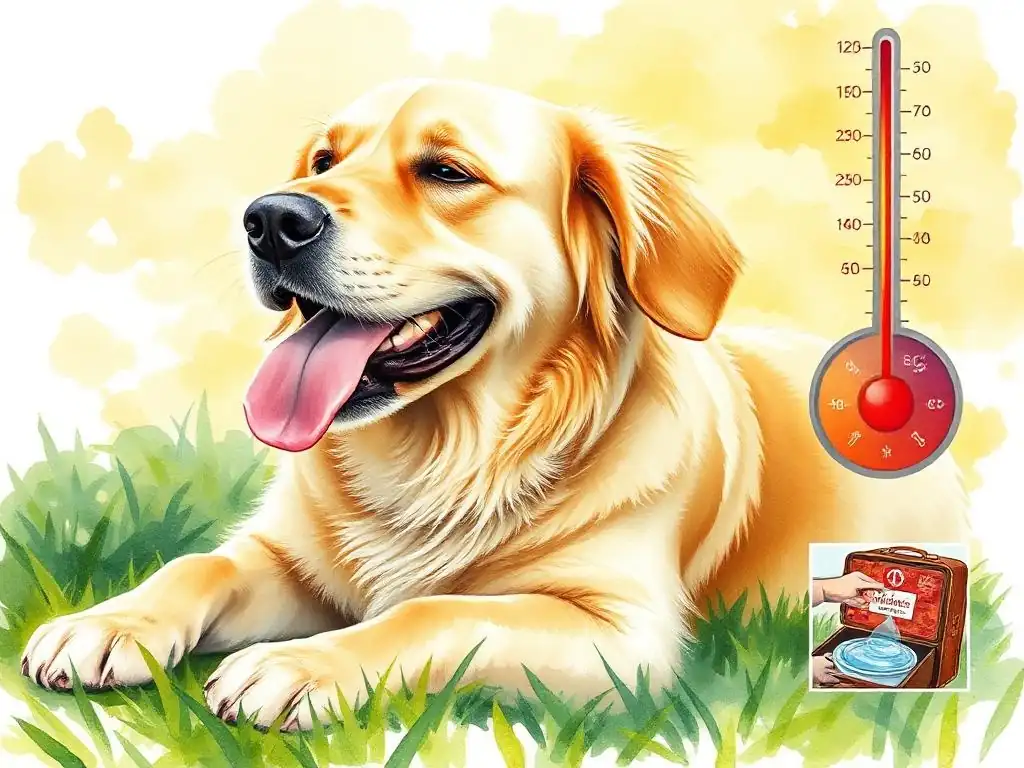
Summer presents unique challenges for our canine companions, and recognizing the signs of overheating is crucial for their well-being. Heatstroke in dogs is a serious, even life-threatening condition, demanding swift action. Understanding the subtle and more pronounced symptoms, and knowing how to react quickly, can mean the difference between a speedy recovery and a tragic outcome.
This section provides essential information on identifying heatstroke and implementing immediate emergency procedures. Proper dog summer grooming is just one part of keeping your furry friend safe; vigilance and preparedness are equally important aspects of responsible pet ownership. This directly addresses the keyword "Dog summer grooming tips" by highlighting the importance of preventative measures alongside grooming.
Recognizing Heatstroke Symptoms in Dogs
Heatstroke in dogs manifests in various ways, ranging from mild discomfort to severe distress. Early detection is key. Watch for these telltale signs:
- Excessive Panting: While panting is a normal canine cooling mechanism, excessive panting, particularly with an open mouth and extended tongue, is a red flag. Think labored breathing, almost like they are struggling to catch their breath.
- Increased Heart Rate: Feel your dog's pulse. A significantly elevated heart rate compared to their normal resting rate indicates stress and potential overheating. [Specific heart rate ranges pending based on breed and size].
- Lethargy and Weakness: Is your usually energetic dog suddenly sluggish, unwilling to play, or collapsing? This could indicate heat exhaustion progressing to heatstroke.
- Drooling: Excessive drooling, beyond their usual amount, is another warning sign. The saliva may be thick and sticky.
- Vomiting or Diarrhea: These digestive upsets can accompany heatstroke and further dehydrate your dog.
- Staggering or Collapse: This is a serious sign indicating severe heatstroke requiring immediate veterinary intervention.
- High Body Temperature: While you can't easily check this at home without a rectal thermometer, a significantly elevated temperature is a hallmark of heatstroke.
Immediate Actions to Take if Your Dog Overheats
Time is of the essence when dealing with heatstroke. Immediate action can save your dog's life. Follow these steps:
- Move your dog to a cool place immediately. This could be an air-conditioned room, a shaded area, or even a cool bath.
- Cool your dog down gradually. Don't use ice water, as this can cause shock. Instead, use lukewarm water to gradually lower their body temperature. Focus on the paws, armpits, and groin area. You can also use cool, wet towels.
- Monitor your dog's breathing and heart rate. Continue to assess their condition.
- Offer small amounts of cool water. Do not force them to drink. Dehydration is a concern, but forcing water can worsen the situation.
- Seek veterinary attention immediately. Heatstroke is a medical emergency, and your veterinarian needs to assess and treat your dog. Do not delay veterinary care; even if your dog seems to be recovering, underlying complications can still arise.
Remember, prevention is always better than cure. Providing ample shade, fresh water, and adjusting exercise routines during hot weather are crucial steps in preventing heatstroke. Incorporating these dog summer grooming tips, along with other preventative measures, will help ensure your dog stays safe and comfortable throughout the summer months. Proper grooming, coupled with responsible pet ownership, contributes significantly to your dog's overall health and happiness. 🐶☀️
Maintaining Your Dog's Skin Health During Summer
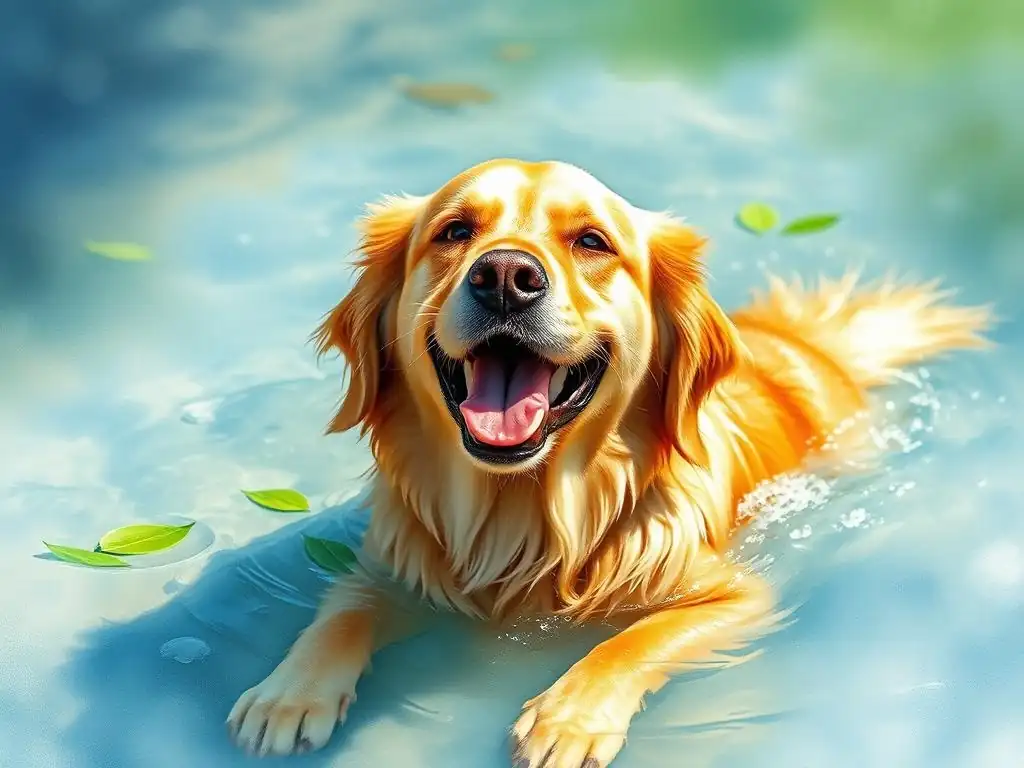
Summer presents unique challenges to a dog's skin health. The increased heat and humidity, coupled with exposure to allergens like pollen and insects, can lead to various skin problems. Proactive grooming and careful attention to your dog's skin are crucial for maintaining their comfort and well-being during the warmer months. Regular brushing removes dead hair and prevents matting, which can trap moisture and irritate the skin.
This is especially important for long-haired breeds. Consider using a high-quality dog shampoo formulated for sensitive skin, avoiding harsh chemicals and fragrances that can further dry out or irritate their skin. Remember to rinse thoroughly to remove all traces of shampoo. Frequency of bathing should be adjusted based on your dog's breed and coat type; some dogs may only need bathing every few months, while others might require more frequent baths.
Protecting Your Dog's Skin from Sunburn
Just like humans, dogs can suffer from sunburn, particularly those with light-colored or short coats. Certain breeds, like Dalmatians and Whippets, are particularly susceptible. Sunburn can cause pain, inflammation, and even skin cancer. To protect your furry friend, consider using a pet-safe sunscreen with a high SPF. Apply it to areas prone to sunburn, such as the nose, ears, and belly.
Remember to choose a sunscreen specifically formulated for animals, as human sunscreens can be toxic if ingested. Seeking shade during peak sun hours (typically between 10 a.m. and 4 p.m.) is also vital. Providing plenty of shade in your yard, or using a dog-friendly sunshade while out and about, significantly reduces their risk of sunburn. Regularly check your dog's skin for any signs of redness, blistering, or peeling. If you notice any sunburn symptoms, consult your veterinarian immediately.
Dealing with Summer Skin Irritations in Dogs
Summer often brings an increase in insect bites, allergies, and other skin irritations. Fleas and ticks are common culprits, causing itching, redness, and potential infections. Regular flea and tick prevention is essential. Consult your veterinarian to determine the best preventative measures for your dog's specific needs, considering their breed, age, and lifestyle.
Allergies to pollen, grass, and other environmental allergens can also manifest as itchy skin, rashes, and hot spots. Regular bathing with a hypoallergenic shampoo can help to remove allergens from their coat. If your dog exhibits excessive scratching, licking, or chewing, it's crucial to consult a veterinarian to rule out underlying allergies or infections. They can perform tests to identify allergens and recommend appropriate treatment options, which might include medication or a change in diet.
In severe cases, your vet might prescribe antihistamines or other medications to alleviate discomfort and reduce inflammation. Keeping a detailed record of your dog's skin condition, including when symptoms appear and what environmental factors might be contributing, can aid in diagnosis and treatment. Remember, early intervention is key to managing summer skin irritations effectively.
This information is for educational purposes only and does not constitute veterinary advice. Always consult with a qualified veterinarian for any health concerns related to your dog.
Hydration and Nutrition for a Cool and Comfortable Summer
Summer heat significantly impacts a dog's physiology, demanding adjustments to their hydration and nutritional intake to maintain their well-being. Failing to address these needs can lead to heatstroke and other serious health complications. This section details crucial steps to ensure your canine companion stays cool and comfortable throughout the warmer months. Proper dog summer grooming tips extend beyond just their coat; it's about total body care.
Ensuring Adequate Water Intake for Your Dog During Hot Weather
Dehydration is a serious threat to dogs during hot weather. Increased panting and sweating (through their paws) lead to rapid fluid loss. Therefore, ensuring your dog has constant access to fresh, cool water is paramount. Simply leaving a bowl of water isn't always enough; consider these strategies:
- Multiple Water Sources: Place water bowls in multiple locations, especially in shaded areas around your home and garden. This prevents your dog from having to travel far in the heat to quench their thirst.
- Ice Cubes: Adding a few ice cubes to the water bowl can keep the water cooler for longer periods. You can even freeze water in a Kong toy for a refreshing and engaging treat.
- Water Fountains: Consider investing in a pet water fountain. These fountains circulate the water, keeping it aerated and more appealing to your dog than stagnant water. Many dogs prefer the taste of running water.
- Monitoring Intake: Pay close attention to your dog's water consumption. Increased thirst is a clear sign of dehydration. If you notice a significant decrease in water intake or other signs of dehydration (lethargy, dry gums), consult your veterinarian immediately.
- Traveling with Water: Always carry plenty of water with you when traveling with your dog, especially on walks or hikes. Portable water bowls are readily available and make this easy.
Adjusting Your Dog's Diet for Summer Months
Just as water intake needs adjustment, so does your dog's diet. The summer heat can reduce your dog's appetite, and certain foods can help regulate their body temperature and provide essential nutrients.
- Smaller, More Frequent Meals: Instead of large meals, opt for smaller, more frequent meals throughout the day. This prevents your dog from feeling overly full and lethargic in the heat. This is especially important for breeds prone to bloating.
- Nutrient-Rich Foods: Focus on foods rich in electrolytes and antioxidants. These nutrients help replenish fluids and support your dog's immune system, making them more resilient to the effects of heat. Consult with your veterinarian or a veterinary nutritionist for specific dietary recommendations tailored to your dog's breed, age, and activity level.
- Avoid High-Fat Foods: High-fat foods can increase the risk of heatstroke. Opt for lean protein sources and foods that are easily digestible.
- Frozen Treats: Offer frozen treats like ice cubes made from broth or plain yogurt to help your dog stay cool and hydrated. These can be a fun and refreshing alternative to regular meals. Remember to supervise your dog while they enjoy these treats.
- Monitoring Weight: Monitor your dog's weight regularly. Any significant weight loss might indicate a problem requiring veterinary attention. This is especially true if coupled with decreased appetite or other signs of illness. Maintaining a healthy weight is crucial for overall health and helps manage heat stress.
Remember, these dog summer grooming tips are crucial for keeping your furry friend safe and healthy throughout the summer. Always consult your veterinarian for personalized advice regarding your dog's specific needs. Proactive care is the best approach to ensuring a happy and healthy summer for your canine companion.
Frequently Asked Questions
How often should I groom my dog during the summer?
More frequent grooming is essential during summer. Aim for at least once a week, possibly more depending on your dog's breed and coat. This helps remove excess fur and prevents matting.
What are the best tools for summer dog grooming?
You'll need a good quality de-shedding tool, a slicker brush, and possibly thinning shears (if you're comfortable using them). A dog-specific shampoo is also crucial.
Should I shave my dog's fur for the summer?
Shaving isn't recommended for most breeds. A dog's coat provides sun protection and insulation. Trimming is generally better than shaving.
How can I keep my dog cool during grooming?
Grooming should take place in a cool, shaded area. Use lukewarm water, and take frequent breaks to allow your dog to rest. Offer water frequently.
What are some other ways to keep my dog cool in the summer besides grooming?
Provide access to shade and cool water at all times. Consider a cooling mat or dog pool. Limit strenuous activity during the hottest parts of the day.
Final Reflection: The Enduring Bond: Summer Grooming and Canine Wellbeing
The simple act of grooming our canine companions takes on a profound significance during the summer months, becoming a crucial element in ensuring their health and happiness. A well-groomed dog is not just aesthetically pleasing; it's a dog protected from heatstroke, discomfort, and potential skin irritations. This seemingly small act of care speaks volumes about the depth of our connection with our furry friends.
The impact of responsible pet ownership, particularly regarding summer grooming, extends far beyond the individual dog. It reflects a growing awareness of animal welfare and a deeper understanding of the unique needs of our canine companions. The bond with a dog is as powerful as any human relationship.
This quote highlights the emotional investment we have in our pets, and proper summer grooming is a tangible expression of that care. We are not merely fulfilling a task; we are nurturing a relationship built on trust, mutual respect, and a shared journey through life.
Now, consider your own dog. Think about the gentle touch of your brush against their fur, the relief they feel after a cool bath, the contented sigh as you trim their nails. This is more than just grooming; it's an act of love, a testament to the enduring bond you share. Take a moment today to reflect on your dog's summer comfort.
Are you providing them with the best possible care? If not, what small steps can you take to improve their wellbeing this summer and beyond? Let's continue to learn, adapt, and ensure our canine companions thrive, not just survive, during the warmest months of the year.
Unlock Your Pup's Summer Cool: It's Grooming Time!
Thanks for reading our guide on keeping your furry friend cool and comfortable this summer! You're now equipped to help them beat the heat. Let's put that knowledge into action!
- Prioritize your dog's summer grooming: Schedule a grooming appointment or give your dog a haircut to keep them cool and looking their best. This is crucial for their summer comfort!
- Share your summer grooming tips: Help other PetCareWorld members by sharing your experiences, success stories, and favorite products in the comments below. Let's all learn from each other!
- Explore more seasonal pet care advice: Discover more helpful articles on PetCareWorld.org dedicated to keeping your dog happy and healthy all year round.
Ready to give your best friend the gift of a cool and comfortable summer? What's your favorite tip for keeping your dog cool during hot weather?