
Homemade Dog Food: Recipes and Tips for a Balanced Diet

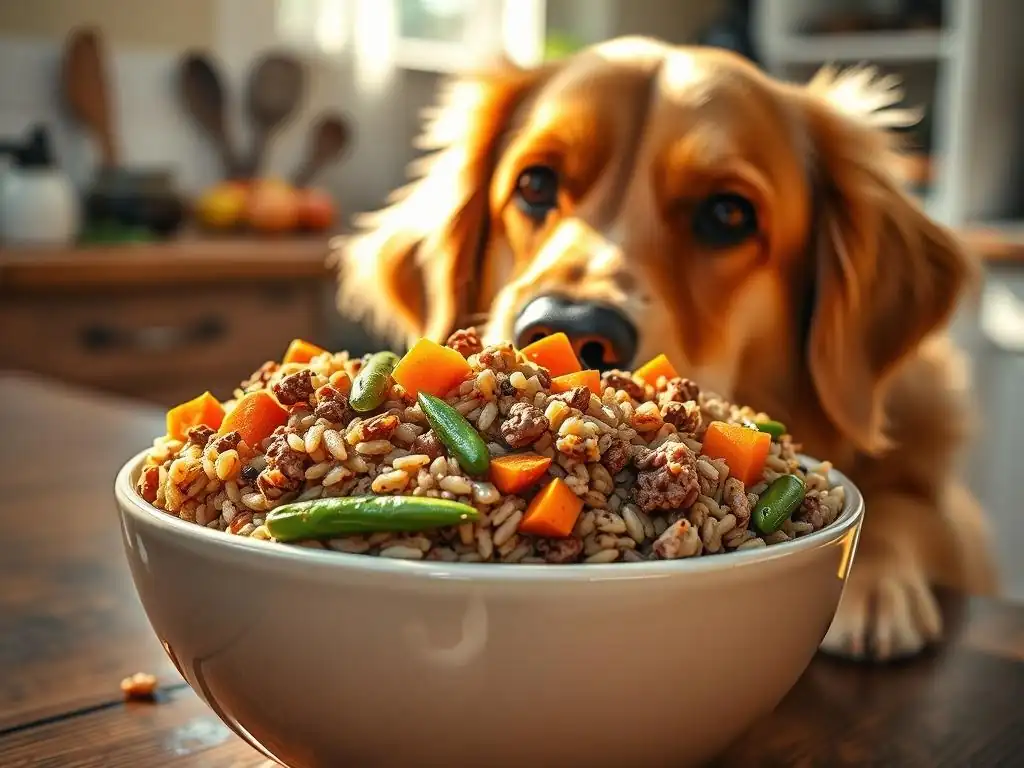
Welcome to PetCareWorld, your ultimate guide to a happier, healthier life for your beloved companions! Are you ready to take control of your dog's nutrition and explore the exciting world of homemade dog food recipes? Discover how crafting balanced and nutritious meals at home can transform your dog's well-being. Dive in and unlock the secrets to creating delicious and healthy dishes your furry friend will adore!
- Understanding Your Dog's Nutritional Needs
- Homemade Dog Food Recipes: A Guide to Balanced Meals
- Important Considerations When Making Homemade Dog Food
- Supplementing Homemade Dog Food for Optimal Health
- When to Consult a Veterinarian About Homemade Dog Food
- Homemade Dog Food vs. Commercial Dog Food: A Comparison
- Frequently Asked Questions
- Final Reflection: Nourishing Bonds: The Power of Homemade Dog Food
- Unleash Your Inner Chef: Craft the Perfect Meal for Your Pup!
Understanding Your Dog's Nutritional Needs
Crafting a homemade dog food diet requires a deep understanding of canine nutritional requirements. This isn't just about throwing together scraps; it's about creating a balanced and nutritious meal plan that supports your dog's health and well-being throughout their life. This comprehensive guide will walk you through the essential steps of formulating homemade dog food recipes, ensuring your furry friend receives the optimal nutrition they need to thrive.
We'll cover everything from identifying essential nutrients to calculating caloric intake and addressing potential allergies, empowering you to make informed decisions about your dog's diet and contribute to their long-term health. Remember, always consult with your veterinarian before making significant changes to your dog's diet, especially if they have pre-existing health conditions. They can provide personalized guidance based on your dog's specific needs and help you avoid potential nutritional deficiencies or imbalances.
Essential Nutrients for Canine Health: Protein, Fats, Carbohydrates, Vitamins & Minerals
A balanced homemade dog food recipe must include the right proportions of macronutrients (protein, fats, and carbohydrates) and micronutrients (vitamins and minerals).
- Protein: The cornerstone of a canine diet, protein provides the building blocks for muscles, tissues, and enzymes. High-quality protein sources include lean meats like chicken, turkey, beef, and fish. The recommended protein percentage in a dog's diet varies depending on age and activity level, but generally falls between 18-30%. [Specific protein requirements based on life stage pending]
- Fats: Essential for energy, hormone production, and healthy skin and coat, fats should comprise approximately 15-25% of your dog's daily caloric intake. Healthy fat sources include chicken fat, fish oil (rich in Omega-3 fatty acids), and coconut oil. Avoid excessive saturated fats.
- Carbohydrates: While dogs don't require carbohydrates in the same way humans do, they provide a readily available source of energy. Choose complex carbohydrates like brown rice, sweet potatoes, and oats over refined carbohydrates. The carbohydrate percentage should be moderate, generally around 20-40%, depending on other nutritional components.
- Vitamins & Minerals: These micronutrients are crucial for various bodily functions. A balanced homemade diet should include sources rich in vitamins A, D, E, K, and B vitamins, as well as minerals like calcium, phosphorus, iron, and zinc. Supplementation may be necessary to ensure adequate intake, but always consult your veterinarian before adding supplements. A deficiency in even one crucial vitamin or mineral can negatively impact your dog's health. For example, a lack of calcium can lead to bone problems.
It is crucial to maintain a precise balance between these nutrients. An excess or deficiency of any one can lead to health complications. Using pre-made recipes or consulting a veterinary nutritionist can help ensure this balance is achieved. 🐶
Determining the Right Caloric Intake for Your Dog Based on Breed, Age, and Activity Level
Caloric needs vary significantly based on several factors. A small, inactive dog requires far fewer calories than a large, highly active breed. Age also plays a crucial role; puppies need more calories for growth, while senior dogs may require fewer due to slower metabolisms. Consider these factors when calculating your dog's daily caloric intake:
| Factor | Impact on Caloric Needs | Example |
|---|---|---|
| Breed Size | Larger breeds generally require more calories. | Great Dane vs. Chihuahua |
| Age | Puppies need more; seniors need less. | Growing puppy vs. elderly dog |
| Activity Level | Highly active dogs need significantly more calories. | Working dog vs. lap dog |
| Body Condition | Overweight dogs need fewer calories; underweight dogs need more. | Obese dog requiring weight loss; underweight dog needing to gain weight |
To determine the precise caloric needs of your dog, consult with your veterinarian or a veterinary nutritionist. They can provide accurate calculations based on your dog's individual characteristics and activity levels. Failing to meet their caloric needs can result in either weight gain or weight loss, both detrimental to your dog's health.
Identifying Food Allergies and Sensitivities in Your Dog
Food allergies and sensitivities are relatively common in dogs and can manifest in various ways, including skin issues (itching, redness, hot spots), gastrointestinal problems (vomiting, diarrhea), and even behavioral changes. Common allergens include beef, dairy, chicken, wheat, soy, and corn.
If you suspect your dog has a food allergy or sensitivity, a gradual elimination diet is often recommended. This involves removing suspected allergens from your dog's diet one at a time and carefully monitoring for any improvements in their symptoms. This process requires patience and careful observation, and it's essential to work closely with your veterinarian to create a safe and effective elimination diet. They can help you identify potential allergens and ensure your dog receives all necessary nutrients during the elimination process. Remember, incorrectly eliminating crucial nutrients can be harmful, highlighting the importance of professional guidance. ⚠️
Homemade Dog Food Recipes: A Guide to Balanced Meals
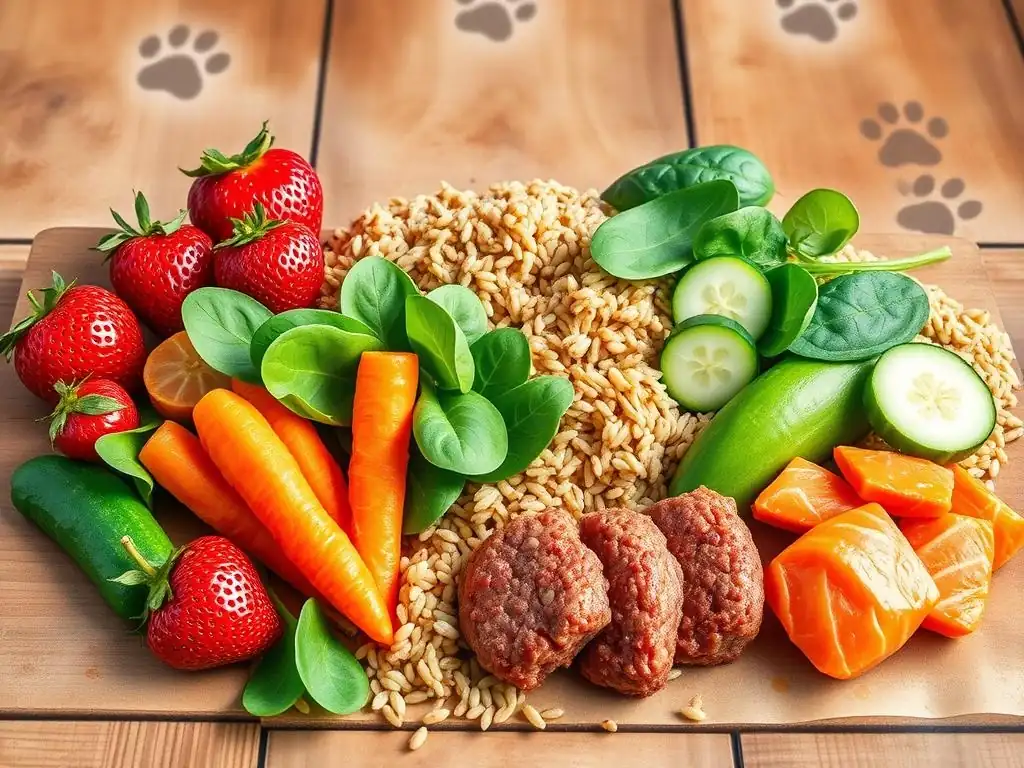
This section provides detailed recipes for homemade dog food, focusing on nutritional balance and catering to different life stages. Remember to always consult your veterinarian before making significant changes to your dog's diet, especially if they have pre-existing health conditions. These recipes are guidelines; adjust portion sizes based on your dog's breed, size, age, and activity level. Providing your canine companion with a balanced, homemade diet can significantly contribute to their overall health and well-being. The key is to ensure a proper balance of protein, carbohydrates, healthy fats, and essential vitamins and minerals.
Recipe 1: Chicken and Brown Rice Recipe for Adult Dogs
This recipe is a great option for adult dogs of all breeds, offering a good source of lean protein and complex carbohydrates. It's easily digestible and provides essential nutrients for maintaining a healthy weight and energy levels.
Ingredients List for Chicken and Brown Rice Recipe
- 1 lb boneless, skinless chicken breast, cooked and shredded
- 1 cup brown rice, cooked
- ½ cup cooked green beans, finely chopped
- ¼ cup cooked carrots, finely chopped
- 1 tbsp olive oil
- 1 tsp ground flaxseed (omega-3 fatty acids)
- 1 egg (optional, excellent source of protein and essential nutrients)
Step-by-Step Instructions for Chicken and Brown Rice Recipe
- Cook the brown rice according to package directions.
- Cook the chicken breast until fully cooked. Shred the chicken into small pieces.
- Steam or boil the green beans and carrots until tender. Finely chop them.
- In a large bowl, combine the cooked brown rice, shredded chicken, green beans, and carrots.
- Add the olive oil and flaxseed. Mix thoroughly.
- If using, add the beaten egg and mix well.
- Divide the mixture into appropriate portions for your dog, based on their weight and activity level. Store leftover portions in airtight containers in the refrigerator for up to 3 days or freeze for longer storage.
Nutritional Benefits of Chicken and Brown Rice for Dogs
- Chicken: Excellent source of high-quality protein, essential for muscle building and repair. Provides essential amino acids.
- Brown Rice: Provides complex carbohydrates for sustained energy. A good source of fiber, promoting healthy digestion.
- Green Beans & Carrots: Excellent sources of vitamins, minerals, and fiber. Low in calories and contribute to overall health.
- Olive Oil: Healthy fats, providing essential fatty acids for skin and coat health.
- Flaxseed: Rich in omega-3 fatty acids, beneficial for skin, coat, and joint health. Supports a healthy immune system.
Recipe 2: Beef and Sweet Potato Recipe for Senior Dogs
This recipe is designed for senior dogs, focusing on easily digestible ingredients that support joint health and provide gentle energy. Sweet potatoes are a great source of fiber and antioxidants, beneficial for digestion and overall well-being in older dogs.
Ingredients List for Beef and Sweet Potato Recipe
- 1 lb lean ground beef, cooked
- 1 large sweet potato, cooked and mashed
- ½ cup cooked peas, finely chopped
- ¼ cup plain, unsweetened yogurt (probiotics for gut health)
- 1 tbsp bone broth (optional, for added flavor and joint support)
Step-by-Step Instructions for Beef and Sweet Potato Recipe
- Cook the ground beef until fully cooked. Drain off any excess fat.
- Bake or boil the sweet potato until tender. Mash thoroughly.
- Steam or boil the peas until tender. Finely chop them.
- In a large bowl, combine the cooked ground beef, mashed sweet potato, and peas.
- Stir in the yogurt and bone broth (if using). Mix well.
- Divide the mixture into appropriate portions for your senior dog, remembering that their caloric needs may be lower than younger dogs. Store leftovers as described in Recipe 1.
Nutritional Benefits of Beef and Sweet Potato for Senior Dogs
- Lean Ground Beef: Provides a good source of protein, essential for maintaining muscle mass in senior dogs. Easily digestible.
- Sweet Potato: Excellent source of fiber, promoting healthy digestion and preventing constipation. Rich in beta-carotene (vitamin A), which is crucial for eye health.
- Peas: Good source of vitamins and minerals, including vitamin K and iron. Low in calories and easily digestible.
- Plain Yogurt: Provides probiotics, beneficial for gut health and digestion, particularly important for senior dogs.
- Bone Broth (optional): Contains collagen, which may support joint health in senior dogs. Adds flavor and moisture.
Remember to always monitor your dog's weight and adjust portion sizes as needed. A healthy, balanced diet is crucial for your dog's longevity and overall well-being! 🐾
Recipe 3: Salmon and Vegetable Recipe for Small Breed Dogs
This recipe is specifically designed for small breed dogs, considering their smaller stomachs and higher metabolic rates. Salmon provides essential omega-3 fatty acids crucial for maintaining a healthy coat and skin, while the vegetables offer vital vitamins and fiber for optimal digestion. Remember to always consult your veterinarian before making significant changes to your dog's diet, especially if they have pre-existing health conditions. This recipe serves as a guideline; adjust portion sizes based on your dog's weight and activity level.
Avoid overfeeding, as this can lead to obesity and related health problems. The ingredients are easily sourced, and the preparation is straightforward, making it a practical option for busy pet owners. We've focused on easily digestible ingredients to minimize the risk of upset stomachs. Always ensure the food is thoroughly cooked to eliminate any potential bacterial contamination.
Ingredients List for Salmon and Vegetable Recipe
This recipe yields approximately 4 cups of dog food, enough for several meals depending on your dog's size.
| Ingredient | Quantity | Notes |
|---|---|---|
| Cooked Salmon (boneless, skinless) | 1 cup | Choose wild-caught salmon whenever possible for higher nutritional value. |
| Cooked Brown Rice | 1 cup | Provides complex carbohydrates for sustained energy. |
| Cooked Green Beans | ½ cup | Excellent source of fiber and vitamins. |
| Cooked Carrots (diced) | ½ cup | Rich in beta-carotene and fiber. |
| Plain Unsweetened Yogurt | ¼ cup | Adds probiotics for gut health (optional, but recommended). |
| Chicken Broth (low sodium) | ¼ cup | To adjust consistency; use less if mixture is already moist. |
Step-by-Step Instructions for Salmon and Vegetable Recipe
- Prepare the Ingredients: Cook the salmon, brown rice, green beans, and carrots separately until tender. Allow them to cool completely before mixing. Ensure the salmon is cooked thoroughly to eliminate any potential bacteria.
- Combine Ingredients: In a large bowl, gently combine the cooked salmon, brown rice, green beans, carrots, and yogurt. Add chicken broth as needed to achieve a desirable consistency. The mixture should be moist but not watery.
- Portion and Store: Divide the mixture into individual portions suitable for your dog's meals. Store the portions in airtight containers in the refrigerator for up to 3 days or freeze for longer storage. Always allow the food to thaw completely before serving.
- Serve and Observe: Introduce this new food gradually, mixing it with your dog's current food over a few days. Monitor your dog for any signs of digestive upset such as vomiting or diarrhea. If any issues arise, discontinue use and consult your veterinarian.
Nutritional Benefits of Salmon and Vegetables for Small Breeds
Salmon is a powerhouse of nutrition for dogs, particularly small breeds. Its high omega-3 fatty acid content contributes significantly to healthy skin and a shiny coat, reducing inflammation and promoting overall well-being. Small breeds are prone to skin sensitivities; the omega-3s in salmon can help mitigate these issues.
The vegetables in this recipe provide essential vitamins and minerals, including Vitamin A (from carrots), Vitamin C (from green beans), and fiber for healthy digestion. Fiber is especially important for small breeds, as they can be prone to digestive sensitivities. Brown rice offers a good source of complex carbohydrates for sustained energy, supporting their active lifestyles.
The addition of plain yogurt introduces probiotics, beneficial bacteria that support a healthy gut microbiome, leading to improved digestion and nutrient absorption. This combination of nutrients ensures your small breed dog receives a well-rounded and balanced meal, supporting their growth and overall health. Always remember to consult with your veterinarian to determine the appropriate portion size and dietary needs for your specific dog.
Important Considerations When Making Homemade Dog Food
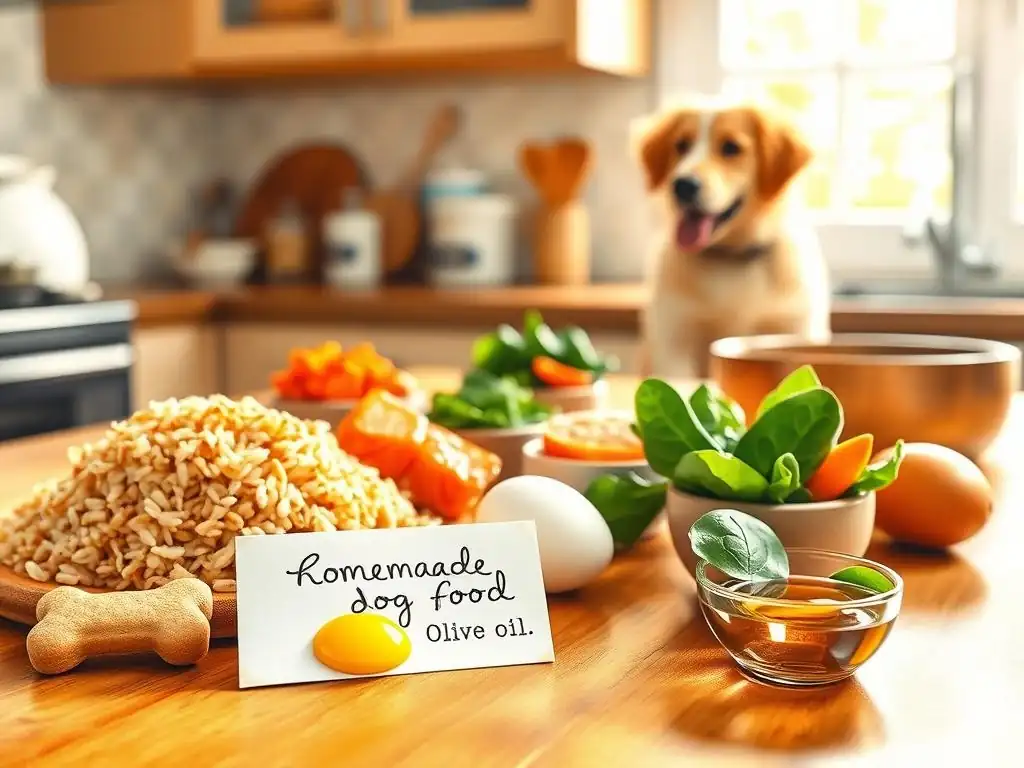
Creating a homemade dog food diet requires careful planning and execution to ensure your canine companion receives complete and balanced nutrition. Simply substituting commercial kibble with table scraps is insufficient and can lead to serious health problems. A balanced homemade diet must meet your dog's specific nutritional needs based on factors like age, breed, activity level, and any existing health conditions.
Failing to meet these requirements can result in deficiencies or excesses of essential nutrients, potentially causing weight gain, skin problems, weakened immunity, or more severe illnesses. Therefore, consulting with a veterinary nutritionist before switching to a homemade diet is strongly recommended. They can help you create a personalized recipe tailored to your dog's unique needs and ensure it provides the right balance of proteins, fats, carbohydrates, vitamins, and minerals.
This initial consultation is a crucial investment in your dog's long-term health and well-being. Remember, a balanced diet is the cornerstone of a healthy and happy dog.
Sourcing High-Quality Ingredients for Your Dog's Food
The quality of ingredients directly impacts the nutritional value and safety of your homemade dog food. Opting for high-quality, human-grade ingredients is paramount. This means avoiding processed meats, fillers, and artificial additives commonly found in lower-quality commercial dog foods. Prioritize lean protein sources such as chicken breast, turkey, beef, or fish (avoiding bones to prevent choking hazards).
Incorporate a variety of vegetables like carrots, green beans, and spinach, offering a spectrum of vitamins and minerals. Whole grains like brown rice or oats provide essential carbohydrates for energy, while healthy fats from sources like salmon oil or coconut oil support skin and coat health. Always check labels for potential allergens and contaminants. Organic options are preferred whenever possible, minimizing exposure to pesticides and other harmful chemicals.
Choosing reputable suppliers for your ingredients is key to ensuring their quality and safety. Remember, the adage "you are what you eat" applies to our canine companions as well. Investing in premium ingredients translates directly into a healthier and happier dog.
Safe Food Handling Practices to Prevent Contamination
Maintaining strict hygiene is crucial when preparing homemade dog food to prevent bacterial contamination. Always wash your hands thoroughly before and after handling ingredients. Use separate cutting boards and utensils for pet food preparation to avoid cross-contamination with human food. Thoroughly clean and sanitize all surfaces and equipment that come into contact with the ingredients.
Cook all meat and poultry to the recommended internal temperature to eliminate harmful bacteria. Avoid leaving prepared food at room temperature for extended periods; refrigerate or freeze leftovers promptly. Pay close attention to the expiration dates of all ingredients and discard anything that shows signs of spoilage.
Proper food handling practices are essential not only for preventing foodborne illnesses in your dog but also for minimizing the risk of spreading bacteria to other household members. Regular cleaning of your kitchen and storage areas is an integral part of this process. Implementing these practices helps ensure the safety and quality of your dog's homemade food.
Proper Storage and Freezing Techniques for Homemade Dog Food
Proper storage is vital to maintain the freshness, safety, and nutritional value of your homemade dog food. For short-term storage (up to 3-4 days), refrigerate the prepared food in airtight containers. Larger batches are best stored in freezer-safe containers or bags. Portion the food into individual servings before freezing to make meal preparation easier. Always label containers with the date of preparation to ensure proper rotation of food.
When thawing frozen portions, do so safely in the refrigerator to avoid bacterial growth. Never refreeze thawed food. Understanding the appropriate storage methods will help you maintain the quality and safety of your dog's homemade food, preventing spoilage and ensuring that your dog receives a nutritious meal every time. Properly stored homemade dog food can be a delicious and healthy addition to your dog's diet. Remember, careful planning and attention to detail are key to success in this endeavor.
Transitioning Your Dog to a Homemade Diet Gradually
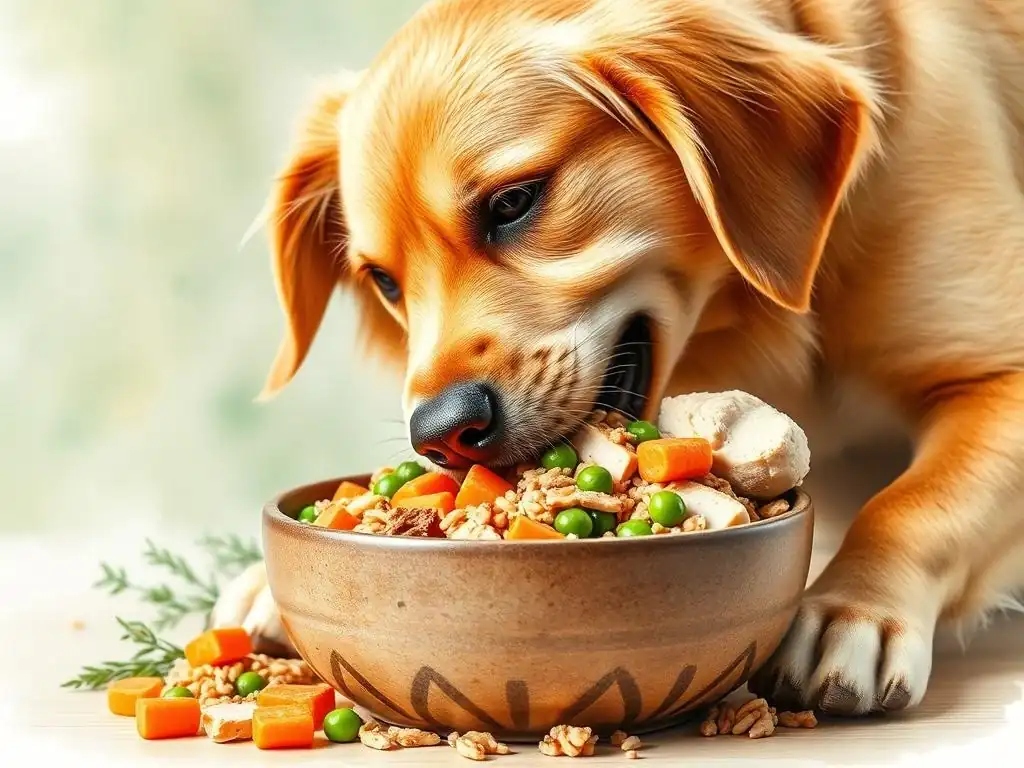
Switching your dog to a homemade diet requires a careful and gradual approach to avoid digestive upset. A sudden change can lead to vomiting, diarrhea, and other unpleasant symptoms. The best strategy involves a slow transition, mixing the new homemade food with their current commercial food over a period of 7-10 days.
Start by replacing 25% of their regular food with homemade food on day one. Observe your dog closely for any signs of digestive distress. If everything seems fine, increase the proportion of homemade food to 50% on day three. Continue this gradual increase, adding another 25% every two to three days until your dog is completely transitioned to the homemade diet by day 7-10. This slow introduction allows their digestive system to adapt to the new ingredients and nutrients.
Remember that every dog is different. Some dogs might tolerate the transition more easily than others. If you notice any persistent digestive issues, such as prolonged diarrhea or vomiting, reduce the amount of homemade food and consult your veterinarian. They can help determine if there's an ingredient causing a problem or if another approach is needed. Patience and careful observation are key to a smooth transition. Don't rush the process, and prioritize your dog's comfort and well-being. A successful transition ensures a happy and healthy dog enjoying the benefits of a homemade diet.
Monitoring Your Dog's Weight and Adjusting Food Portions Accordingly
Maintaining a healthy weight is crucial for your dog's overall health and well-being. When feeding a homemade diet, regular weight monitoring is essential, as the caloric density of homemade food can vary significantly depending on the ingredients. Use a kitchen scale to measure food portions accurately and weigh your dog regularly, ideally once a week, using a pet scale. This consistency will help you detect any unwanted weight gain or loss promptly.
A healthy weight is typically determined by your vet, considering factors like breed, age, and activity level. If your dog starts gaining weight, reduce the portion size slightly. Conversely, if weight loss is observed, increase the portion size gradually. Remember to consider your dog's activity level—a more active dog will generally require more calories than a less active one. Pay attention to your dog's body condition score (BCS), a numerical rating system used by veterinarians to assess a dog's body fat. A BCS of 4-5/9 is generally considered ideal.
Always consult your veterinarian if you have any concerns about your dog's weight. They can provide personalized guidance on appropriate food portions and help identify any underlying health issues that might be affecting your dog's weight. Regular monitoring and adjustments will help ensure your dog maintains a healthy weight and enjoys the benefits of their nutritious homemade diet. Don't hesitate to seek professional advice if you're unsure about the right portion sizes or notice any significant weight changes. 🐕🦺
Supplementing Homemade Dog Food for Optimal Health
Creating a balanced homemade dog food diet requires careful planning and attention to detail. Even with the most meticulously crafted recipes, deficiencies can occur. Therefore, understanding when and how to supplement your dog's homemade food is crucial for maintaining optimal health. This section will explore key areas where supplementation might be necessary, focusing on essential vitamins, minerals, omega-3 fatty acids, and probiotics.
Remember, always consult your veterinarian before making significant changes to your dog's diet, especially if they have pre-existing health conditions. Proper supplementation ensures your canine companion receives the complete and balanced nutrition they need to thrive. This is especially important when using homemade dog food recipes.
Essential Vitamins and Minerals for Canine Health: When to Supplement
Dogs require a variety of vitamins and minerals for proper growth, development, and overall well-being. While many can be sourced through high-quality ingredients in homemade dog food, some may be lacking or present in insufficient quantities. For instance, Vitamin A, crucial for vision and immune function, is abundant in liver, but overconsumption can be toxic. Therefore, careful ingredient selection and portion control are paramount. Similarly, Vitamin D, essential for calcium absorption and bone health, can be supplemented, especially in dogs with limited sun exposure.
Determining when supplementation is necessary often involves understanding your dog's individual needs and monitoring their health. Signs of deficiencies can be subtle and may include dull coat, lethargy, poor appetite, and weakened immune system. Regular veterinary checkups, including blood work, can help identify potential deficiencies early on. Supplements should be chosen carefully, selecting high-quality products formulated specifically for canine needs. Never exceed the recommended dosage, as excessive intake of certain vitamins and minerals can also be harmful. A balanced approach, combining careful recipe planning with targeted supplementation when needed, ensures your dog receives all the essential nutrients they require.
The Role of Omega-3 Fatty Acids in Canine Health
Omega-3 fatty acids, specifically EPA and DHA, are vital for maintaining healthy skin and coat, reducing inflammation, and supporting cognitive function in dogs. While some ingredients in homemade dog food recipes, like fatty fish (in moderation! ), contain omega-3s, the levels might not always be sufficient to meet your dog's needs. This is particularly true for dogs with skin allergies, arthritis, or other inflammatory conditions. Supplementing with fish oil or krill oil, which are rich in EPA and DHA, can be beneficial in these cases.
The benefits of omega-3 supplementation extend beyond skin and coat health. Studies have shown that omega-3s can help improve joint health, reduce the symptoms of arthritis, and even support cognitive function in aging dogs. However, it's crucial to choose high-quality supplements that are free from heavy metals and other contaminants. Always follow the recommended dosage on the product label and monitor your dog for any adverse reactions. Remember, a balanced diet rich in omega-3s, whether from food sources or supplements, contributes significantly to your dog's overall well-being. This is a key aspect of successfully implementing homemade dog food recipes.
Probiotics and Digestive Health in Dogs
Maintaining a healthy gut microbiome is crucial for optimal digestion and overall health in dogs. Probiotics, which are live microorganisms, can help support a balanced gut flora, improving digestion, boosting immunity, and even reducing the risk of certain digestive disorders. While some homemade dog food recipes may include ingredients that naturally support gut health, such as yogurt (plain, unsweetened! ), direct probiotic supplementation can be beneficial, especially during periods of stress, illness, or antibiotic use.
Choosing a high-quality probiotic supplement specifically formulated for dogs is essential. Look for products that contain a variety of beneficial bacterial strains and are guaranteed to contain a specified number of colony-forming units (CFUs) per serving. Introduce probiotics gradually to avoid digestive upset. Monitor your dog's stool consistency and overall digestive health to assess the effectiveness of the supplement. A healthy gut microbiome is essential for nutrient absorption and overall well-being, making probiotic supplementation an important consideration when feeding your dog a homemade diet. This is another important factor when considering homemade dog food recipes.
When to Consult a Veterinarian About Homemade Dog Food

Making your own dog food can seem like a great way to control your pet's diet and ensure they're getting the best possible nutrition. However, it's crucial to understand that crafting a truly balanced homemade dog food recipe requires significant knowledge of canine nutritional needs. Improperly balanced homemade dog food can lead to serious health problems, including nutritional deficiencies and imbalances. This is why consultation with a veterinarian is not just recommended, but often essential.
Addressing Specific Dietary Needs and Health Concerns
Your veterinarian plays a vital role in guiding you through the process of creating a safe and effective homemade dog food plan, especially if your dog has specific dietary requirements or health concerns. For instance, dogs with allergies often require elimination diets to identify the offending allergen. A veterinarian can help you formulate a recipe that excludes potential allergens, such as chicken, beef, or dairy, while ensuring the recipe remains nutritionally complete.
Similarly, dogs with diabetes, kidney disease, or other chronic illnesses may need diets tailored to their specific condition. Your vet can help you adjust recipes to manage these conditions and support your dog's overall health. They might suggest specific ingredients to include or exclude, or adjust the overall caloric content of the food.
Ignoring these specific needs and relying solely on generic homemade dog food recipes can worsen their condition. Remember, a tailored approach is key to maintaining the health of your canine companion.
Understanding potential nutritional deficiencies in homemade diets.
One of the biggest challenges in making homemade dog food is ensuring it meets all your dog's nutritional requirements. Commercial dog foods undergo rigorous testing to guarantee balanced nutrient profiles. Homemade recipes, however, can easily lack essential vitamins, minerals, and amino acids if not carefully planned. For example, a diet lacking sufficient taurine can lead to dilated cardiomyopathy (DCM) in dogs, a serious heart condition.
Similarly, deficiencies in calcium and phosphorus can affect bone health, resulting in conditions like rickets or osteomalacia. These deficiencies are not easily apparent and can manifest over time, leading to irreversible damage. To avoid these risks, it’s vital to work with your vet to design a recipe that uses precise ingredient measurements and potentially supplements to ensure a complete and balanced nutritional profile.
Regular blood tests, recommended by your vet, can help monitor your dog's nutrient levels and identify any potential deficiencies early on, allowing for timely adjustments to the homemade dog food recipe. This proactive approach is crucial for preventing long-term health issues. Don't underestimate the importance of professional veterinary guidance in this aspect of pet care; it's an investment in your dog's well-being.
Homemade Dog Food vs. Commercial Dog Food: A Comparison
Choosing between homemade and commercial dog food is a significant decision for every pet owner. Both options have advantages and disadvantages, and the best choice depends heavily on individual circumstances, including your dog's specific dietary needs, your budget, and the time you're willing to invest. This section will delve into a detailed comparison, helping you make an informed decision about what's best for your canine companion. We'll analyze the cost, convenience, and nutritional control aspects of each option.
Cost Comparison: Homemade vs. Commercial Dog Food
The cost of homemade dog food can be surprisingly variable. While some ingredients are inexpensive (like rice and certain vegetables), others, such as high-quality protein sources (e.g., fresh meat, fish), can be significantly more expensive than those found in many commercial brands. To accurately assess the cost, you need to meticulously track your spending on ingredients and compare it to the price of a comparable amount of commercial dog food.
For example, let's compare a week's worth of food for a medium-sized dog. A high-quality commercial kibble might cost around $20-$30. Homemade food, using fresh chicken breast, brown rice, and vegetables, could potentially cost anywhere from $15 to $40 or more, depending on the prices in your area and the specific recipe. The variability lies in the choice of protein source; using cheaper cuts of meat or organ meats can significantly reduce the cost. However, the nutritional value might also change.
To get a clearer picture, consider creating a detailed spreadsheet tracking the cost of each ingredient in your homemade recipes for a month. Then, compare this total cost to the cost of purchasing commercial dog food for the same period. This detailed analysis will provide a personalized cost comparison for your dog. Remember to factor in the time investment, which is essentially a hidden cost of homemade food preparation.
Convenience Factor: Homemade vs. Commercial Dog Food
Convenience is a major factor for many pet owners. Commercial dog food offers unparalleled convenience. It's readily available, requires no preparation, and has a long shelf life. Simply open a bag and serve. This is especially beneficial for busy individuals or those with multiple pets.
Homemade dog food, on the other hand, requires significant time and effort. You need to plan meals, shop for ingredients, prepare the food (which might involve chopping, cooking, and blending), and store it properly to maintain freshness. This process can easily consume several hours per week, depending on the complexity of your chosen recipes. Furthermore, ensuring proper food storage and preventing spoilage requires additional attention and planning. The convenience factor is a crucial aspect to consider when weighing the pros and cons of homemade versus commercial dog food.
Nutritional Control: Homemade vs. Commercial Dog Food
One of the primary arguments for homemade dog food is the ability to exert greater control over the nutritional content. You can select high-quality, human-grade ingredients, avoiding artificial colors, flavors, and preservatives often found in commercial kibble. This allows you to tailor the diet to your dog's specific needs, such as managing allergies or addressing particular health concerns. You can meticulously adjust the protein, fat, and carbohydrate ratios to optimize your dog's health and well-being.
However, achieving a truly balanced and nutritionally complete homemade diet requires significant knowledge of canine nutritional requirements. A poorly balanced homemade diet can lead to nutritional deficiencies or imbalances, potentially causing serious health problems. It's crucial to consult with a veterinary nutritionist to ensure your recipes meet your dog's specific needs and provide a complete and balanced diet.
Improperly balanced homemade diets can easily lead to deficiencies in essential vitamins and minerals, highlighting the importance of professional guidance. Always remember that creating a nutritionally sound homemade diet requires more than just choosing healthy ingredients; it demands precise calculations and understanding of canine nutritional science. 🐶
Frequently Asked Questions
What are the benefits of making homemade dog food?
Homemade dog food allows for complete control over ingredients, ensuring your dog receives high-quality nutrition tailored to their specific needs and avoiding potential allergens or artificial additives. It can also be a more cost-effective option in the long run.
What ingredients should I avoid when making homemade dog food?
Avoid onions, garlic, grapes, raisins, chocolate, xylitol, and macadamia nuts, as these are toxic to dogs. Also, limit high-fat foods to prevent pancreatitis. Always research ingredient safety thoroughly.
How do I ensure my homemade dog food is nutritionally balanced?
Consult with your veterinarian or a certified veterinary nutritionist to create a balanced recipe that meets your dog's specific nutritional requirements. Use a reliable recipe source that provides complete and balanced nutritional information.
How often should I feed my dog homemade food?
The feeding frequency depends on your dog's age, breed, activity level, and individual needs. Follow the feeding guidelines provided by your vet or nutritionist, adjusting portion sizes as necessary to maintain a healthy weight.
Can I switch my dog from commercial food to homemade food suddenly?
No, gradually transition your dog to homemade food over 7-10 days to avoid digestive upset. Start by mixing small amounts of homemade food with their regular food, slowly increasing the proportion of homemade food over time.
Final Reflection: Nourishing Bonds: The Power of Homemade Dog Food
The rising awareness of pet nutrition and the desire for greater control over our canine companions' diets has made homemade dog food a significant trend. It's no longer just a niche pursuit; it's a testament to the deep bond we share with our furry friends and a growing understanding of the profound impact food has on their overall health and well-being.
The journey of creating balanced, nutritious meals for our dogs is more than just following recipes; it's a journey of connection and understanding. It's about learning what fuels their energy, supports their immune systems, and contributes to their longevity. The best thing you can do for your dog is to love them, and that includes providing them with the best possible nutrition.
This simple truth underscores the importance of thoughtful consideration when it comes to our canine companions' food. The shift towards homemade dog food reflects a broader cultural shift towards mindful consumption and a deeper appreciation for the natural world.
Now, consider your own dog. What are their unique needs? What ingredients resonate with their individual health profile? Take the knowledge gained from this article and embark on a journey of personalized nutrition for your beloved pet. Experiment, adapt, and most importantly, enjoy the process of creating a healthier, happier life for your furry friend, one delicious, homemade meal at a time.
Unleash Your Inner Chef: Craft the Perfect Meal for Your Pup!
Thanks for exploring the world of homemade dog food! We hope you've gained valuable insights into creating a balanced and nutritious diet for your furry friend. Ready to put your new knowledge into practice?
- Create your dog's first delicious, homemade meal! Use the recipes and tips from the article as a guide, remembering to adjust portions based on your dog's size and activity level. Experiment with different flavors and ingredients to find your dog's favorites!
- Share your culinary creations and feedback on social media using #PetCareWorldHomemade. Let's build a community of pet parents passionate about healthy, homemade meals.
- Share a picture of your happy dog enjoying their new meal! We love seeing happy, healthy pups.
What exciting new ingredient will you add to your dog's next homemade meal?