
Summer Travel with Dogs: Safety Tips for Cars, Planes, and More

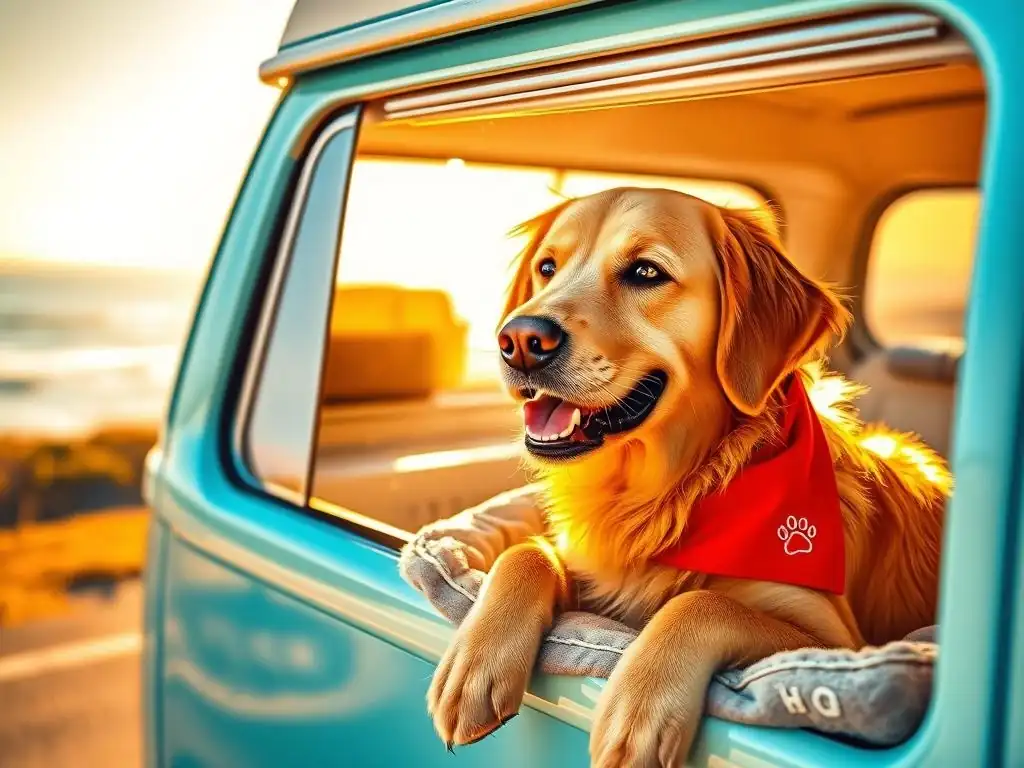
Welcome to PetCareWorld, your ultimate guide to a happier, healthier life for your beloved pets! Are you planning a summer getaway with your furry friend? Then our essential guide on Safe Dog Summer Travel Tips is a must-read. Discover expert advice on ensuring safe and stress-free travel for your canine companion, whether by car, plane, or other means. Uncover the secrets to a smooth and enjoyable journey for both you and your dog – learn more now!
- Planning Your Safe Dog Summer Travel Itinerary
- Safe Dog Summer Travel by Car
- Air Travel with Dogs: A Comprehensive Guide
- Summer Travel Safety Tips for Dogs: Beyond Cars and Planes
-
Frequently Asked Questions
- How can I keep my dog safe in the car during summer travel?
- What are the airline regulations for traveling with dogs in the summer?
- What are some essential items to pack for a summer road trip with my dog?
- How can I protect my dog from heatstroke during summer travel?
- What should I do if my dog gets heatstroke during summer travel?
- Final Reflection: The Unforgettable Journey: Ensuring Safe Summer Travels with Your Canine Companion
- Unleash Your Summer Adventure: Safe Travels with Your Furry Friend!
Planning Your Safe Dog Summer Travel Itinerary
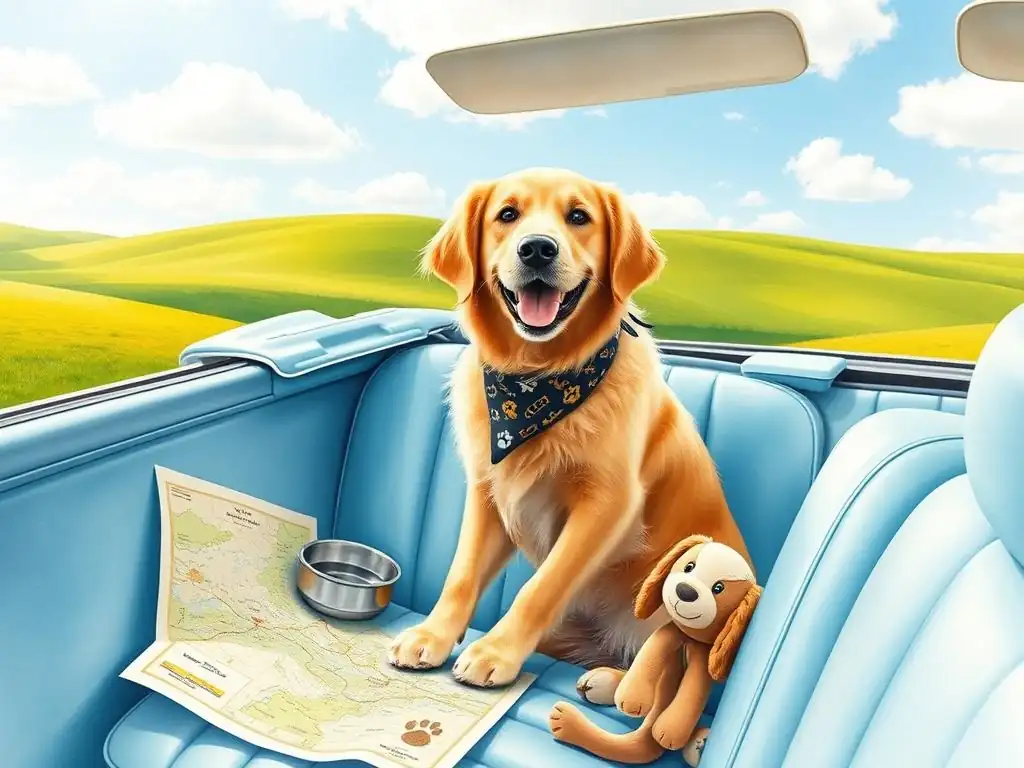
Summer is the perfect time for adventures, and what better companion than your beloved canine friend? However, traveling with dogs during the summer months requires careful planning to ensure their safety and comfort. This comprehensive guide provides essential tips for safe dog summer travel, covering car trips, air travel, and other considerations to make your journey a happy one for both you and your furry friend.
We'll explore choosing the right destination, booking pet-friendly accommodations, and packing the necessary essentials for a safe and enjoyable trip, all while keeping your dog's well-being at the forefront. Remember, responsible pet ownership extends to travel, and by following these guidelines, you can create unforgettable memories without compromising your dog's health and happiness.
This guide will help you confidently navigate the complexities of safe dog summer travel, ensuring a stress-free and enjoyable experience for everyone involved. Let's dive into the details to make your summer travels with your dog a resounding success!
Choosing the Right Destination for Your Canine Companion
Selecting the right destination is paramount for a safe and enjoyable trip. Consider your dog's breed, age, and health when making your decision. Certain climates are better suited to certain breeds; for example, brachycephalic breeds (dogs with short noses like Bulldogs and Pugs) are highly susceptible to heatstroke and should avoid excessively hot and humid locations. 🐕🦺
Before booking, research the area thoroughly. Are there dog-friendly parks, trails, and beaches nearby? What are the local regulations regarding dogs in public spaces? Are there any potential hazards, such as poisonous plants or wildlife, that you need to be aware of?
It's also essential to consider the level of activity your dog can comfortably handle. A strenuous hike might be ideal for a young, energetic dog, but could be overwhelming for an older or less active one. Remember to prioritize your dog's comfort and well-being above all else. Thorough planning minimizes stress and maximizes enjoyment for both you and your furry travel buddy.
Booking Pet-Friendly Accommodations: Hotels, Vacation Rentals, and Campgrounds
Once you've chosen your destination, securing pet-friendly accommodations is crucial. Many hotels, vacation rentals, and campgrounds welcome dogs, but it's vital to confirm their pet policies before booking. Some establishments may have size restrictions, breed restrictions, or additional fees for pets. Always inquire about any specific requirements, such as proof of vaccination or well-behaved dog certifications. 🐶
When reviewing options, pay attention to the amenities offered. Is there a designated pet relief area? Are there nearby dog parks or walking trails? Consider the overall environment – a quiet, secluded location might be preferable for a nervous dog, while a lively, social atmosphere might be better suited for a more outgoing canine. Reading reviews from other pet owners can provide valuable insights into the pet-friendliness of a particular establishment. Don't hesitate to call ahead and ask any questions you may have to ensure a comfortable and welcoming stay for both you and your dog.
Packing Essentials for a Safe and Comfortable Trip: Food, Water, Medications, and More
Packing appropriately is essential for a smooth and safe journey. Begin by creating a comprehensive checklist to avoid forgetting any crucial items. This checklist should include, but is not limited to:
- Food and Water: Pack enough food for the entire trip, plus a little extra, in case of delays. Use travel-friendly containers to avoid spills. Always carry plenty of fresh water.
- Bowls: Pack collapsible bowls for easy transport and storage.
- Medications: If your dog takes any medications, ensure you have an adequate supply, along with any necessary syringes or pill dispensers. Keep medications in a cool, dry place.
- Leash, Collar, and ID Tags: A sturdy leash and collar with up-to-date identification tags are non-negotiable. Consider adding a GPS tracker for added security.
- First-aid kit: Include items like antiseptic wipes, bandages, and tweezers for removing ticks or thorns.
- Poop bags: Always clean up after your dog.
- Toys and Comfort Items: Familiar toys and a comfortable blanket can help reduce anxiety during travel.
- Towels: Useful for cleaning up spills or drying your dog after a swim.
Remember to check airline regulations if flying, as some items may be restricted. Careful planning will ensure your dog's comfort and safety throughout your summer adventure. 🐾
Safe Dog Summer Travel by Car
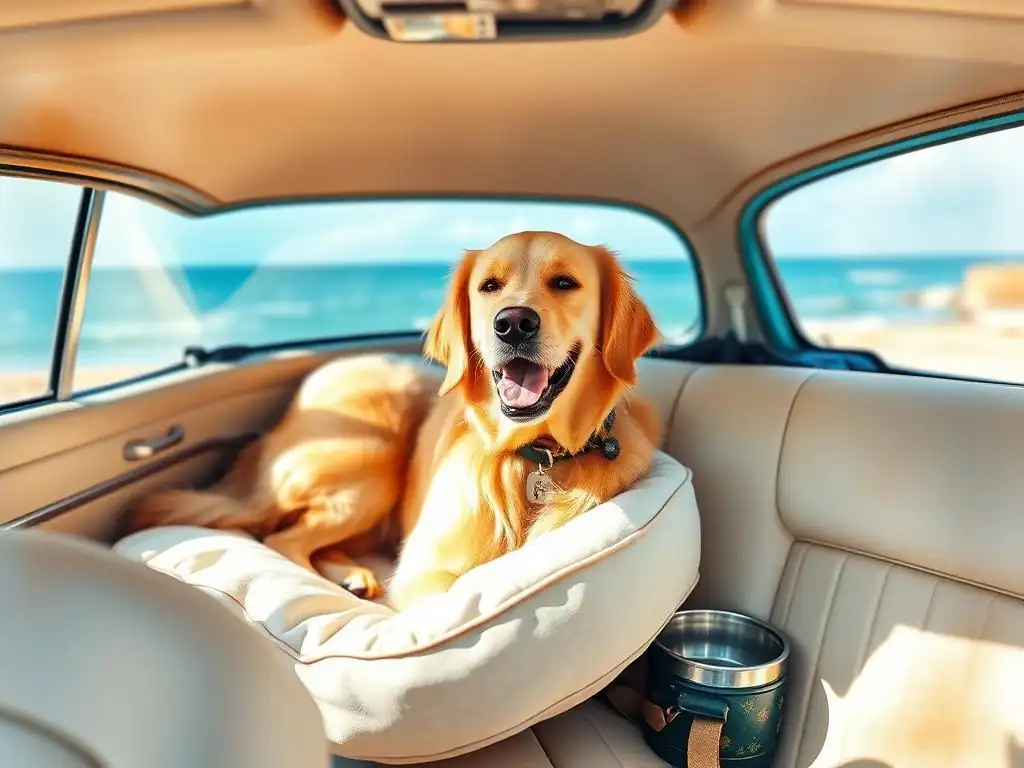
Summer road trips with your canine companion can be incredibly rewarding, creating lasting memories for both of you. However, ensuring your dog's safety and comfort during the journey is paramount. This section focuses on making your car trip a safe and enjoyable experience for your furry friend, covering essential preparations and in-car safety measures. Remember, prioritizing your dog's well-being throughout the trip is key to a successful and stress-free adventure. Following these safe dog summer travel tips will help you avoid potential hazards and ensure a smooth journey.
Preparing Your Vehicle for a Dog-Friendly Road Trip
Before embarking on your road trip, thoroughly prepare your vehicle to accommodate your dog comfortably and safely. This involves more than just throwing a dog bed in the backseat. Consider these crucial steps:
- Cleaning the Car: A clean car is a safer car, especially when traveling with a pet. Thoroughly clean your vehicle, paying special attention to areas where your dog will be spending time. Remove any potential hazards such as loose items that could become projectiles in an accident. 🐕🦺
- Securing Belongings: Secure any loose items that could injure your dog or distract you while driving. This includes items like bags, tools, and anything else that might move around during the journey.
- Providing Shade and Ventilation: If your car doesn't have air conditioning, ensure adequate ventilation and shade. Crack windows slightly for airflow, but ensure they're not open wide enough for your dog to jump out. Consider using window shades to prevent direct sunlight from overheating the interior.
- Packing Essentials: Pack a dedicated travel bag for your dog including food, water bowls, leash, poop bags, and any necessary medications. Don't forget a first-aid kit specifically for pets! 💊
Ensuring Your Dog's Safety During the Drive: Car Seats, Harnesses, and Restraints
Never let your dog roam freely in the car. An unrestrained dog can be a serious hazard in the event of an accident, and can also distract you while driving. Proper restraint is crucial for both your safety and your dog's.
- Car Seats and Harnesses: Investing in a dog car seat or harness is a worthwhile investment. These provide secure containment, preventing your dog from moving around freely and potentially causing injury to themselves or others. Choose a seat or harness that fits your dog securely and is appropriately sized.
- Crate Travel: For smaller dogs, a sturdy travel crate secured with a seatbelt is an excellent option. This provides a safe and familiar space for your dog, reducing anxiety and ensuring their safety.
- Seatbelt Attachments: Many harnesses come with seatbelt attachments, allowing you to secure your dog to the car's seatbelt system. This is a safer alternative to letting them roam free.
- Never in the Front Seat (Generally): Unless specifically designed for pet passenger safety, avoid placing your dog in the front seat. Airbags can cause serious injury to a pet in a collision.
Planning Regular Stops for Rest and Relief: Breaks for Water, Exercise, and Potty Breaks
Long journeys require regular stops to allow your dog to stretch their legs, relieve themselves, and rehydrate. Neglecting these needs can lead to discomfort and even health issues.
- Frequency of Stops: Plan for frequent stops, especially during hot weather. Aim for a break every 2-3 hours, or more often if your dog shows signs of distress.
- Hydration is Key: Always carry plenty of fresh water and a portable water bowl. Dehydration is a serious risk, especially during hot summer months. 💧
- Exercise and Play: Short walks and playtime during stops are essential for your dog's physical and mental well-being. Let them burn off some energy and relieve themselves.
- Shade and Shelter: Find shaded areas or use a portable dog shelter to protect your dog from direct sunlight during breaks. Avoid leaving your dog unattended in the car, even for short periods. ☀️
Remember, responsible pet ownership extends to travel. By implementing these safe dog summer travel tips, you'll ensure a safe and enjoyable experience for both you and your furry friend. Enjoy the open road!
Dealing with Car Sickness in Dogs: Prevention and Remedies
Car sickness, or motion sickness, is a common problem for dogs, especially during long journeys. It's distressing for both the pet and the owner, leading to anxiety and mess. Understanding the causes and implementing preventative measures is crucial for a smooth and comfortable road trip. The primary cause of car sickness in dogs is the conflict between the inner ear's perception of movement and what the dog's eyes see.
This sensory mismatch triggers nausea and vomiting. Certain breeds seem more prone to car sickness than others, but any dog can experience it. Factors such as the length of the journey, the car's movement (sharp turns, bumpy roads), and even the dog's overall health can all play a role.
Preventing car sickness involves a multi-pronged approach. One highly effective strategy is to acclimate your dog to car rides gradually. Start with short trips around the neighborhood, rewarding calm behavior with treats and praise. Gradually increase the duration and distance of the trips over several weeks or months, allowing your dog to associate the car with positive experiences. Never force a car-sick dog into a car; this will only worsen their anxiety and aversion to travel.
Another important preventative measure is to feed your dog a light meal several hours before the journey. A full stomach can exacerbate nausea. Avoid feeding your dog right before or during the car ride. Providing fresh water, however, is crucial, especially on longer journeys, to prevent dehydration. Keeping the car well-ventilated is also important; a stuffy car can worsen nausea and discomfort. Consider opening windows slightly (ensuring your dog cannot jump out) or using air conditioning.
If your dog does suffer from car sickness, several remedies can help. Veterinarians may prescribe anti-nausea medication specifically designed for dogs. These medications should only be administered under veterinary guidance, as improper use can have adverse effects. Natural remedies like ginger can also be helpful. Ginger has anti-nausea properties and can be added to your dog's food in small amounts before travel.
Always consult your vet before introducing any new supplements or remedies into your dog’s diet. Remember that consistency is key; finding the right preventative measures and remedies requires patience and observation. With the right approach, you can ensure your canine companion enjoys the ride, making your summer travels together safe and enjoyable. 🐾
Air Travel with Dogs: A Comprehensive Guide
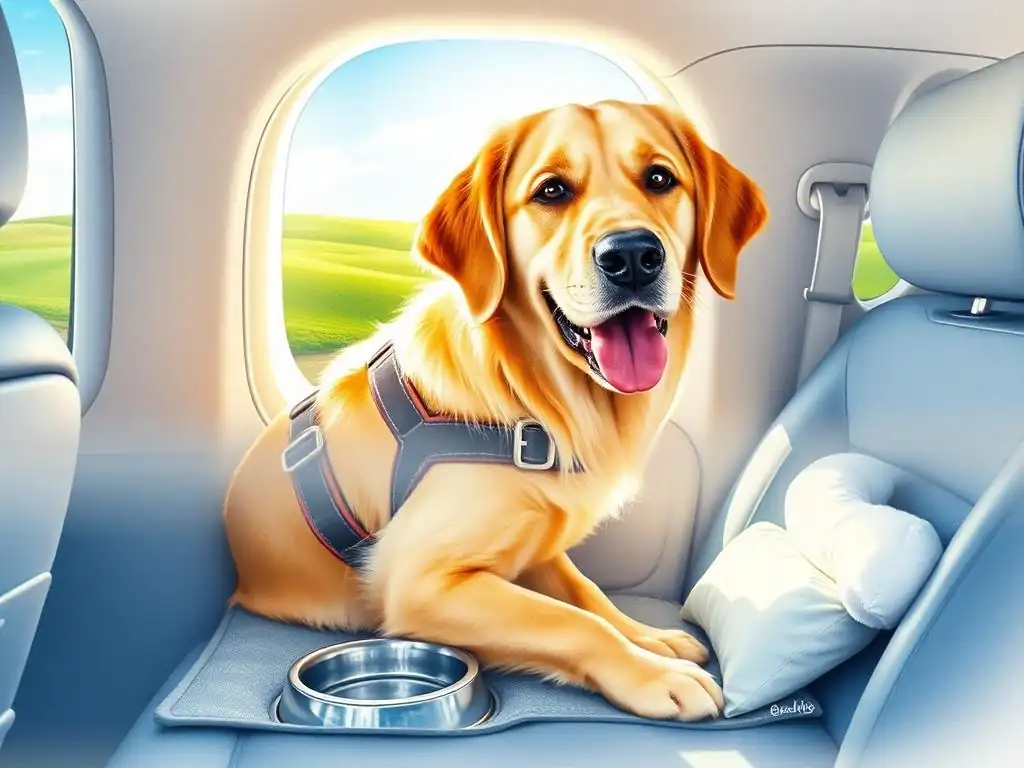
Air travel with your canine companion can be a smooth and enjoyable experience with proper planning and preparation. This section focuses on ensuring your dog's safety and comfort during air travel, addressing key aspects from airline selection to in-flight care. Remember, always prioritize your dog's well-being throughout the journey. This guide provides crucial information for safe dog summer travel tips, especially important given the added stress heat can place on animals.
Choosing the Right Airline and Booking Your Pet's Flight
Selecting the right airline is paramount for a stress-free journey. Not all airlines accept pets, and those that do have varying policies regarding size, breed restrictions, and in-cabin versus cargo transport. Research is crucial. Consider factors such as the airline's pet policies (check their websites carefully! ), the length of the flight, and the time of year (summer travel may have more restrictions due to heat). Some airlines have excellent reputations for pet travel, prioritizing animal welfare and providing specialized services. Others may have stricter limitations or less favorable conditions.
Booking your pet's flight often requires advance notice, sometimes weeks or even months in advance, particularly during peak travel seasons. Confirm the airline's specific booking procedures and any associated fees. These fees can vary significantly depending on the airline, the size of your dog, and whether your dog travels in the cabin or as cargo. It's vital to clarify all costs upfront to avoid unexpected expenses.
Remember to book your pet's flight alongside your own to ensure coordinated travel arrangements. Failing to do so could lead to significant complications and delays. Don't forget to factor in potential layovers and their impact on your dog's comfort and well-being.
Preparing Your Dog for Air Travel: Crate Training and Anxiety Management
Proper crate training is essential for air travel. Your dog needs to be comfortable and secure within their crate for the duration of the flight. Start crate training well in advance of your trip, gradually increasing the time your dog spends in the crate. Make the crate a positive space with toys, treats, and familiar scents.
This positive association will help reduce anxiety during the flight. For dogs prone to anxiety, consider consulting your veterinarian about calming aids or medications. These should be administered according to veterinary guidance and well in advance of the flight to avoid any adverse reactions.
Anxiety management strategies extend beyond crate training. Familiarizing your dog with the crate and the travel process can significantly reduce stress. Practice loading and unloading the crate, and gradually introduce the sounds and vibrations that might be experienced during the flight. You can use recordings of airplane noises to desensitize your dog. Consider pheromone diffusers or calming treats to help manage anxiety during travel. Remember, a calm and comfortable dog is a safer dog, especially during the potentially stressful experience of air travel. Plan for potential disruptions and have a backup plan in place for unexpected events.
Meeting Airline Requirements: Documentation, Health Certificates, and Travel Crates
Airlines have strict requirements regarding pet travel documentation. These typically include up-to-date vaccination records, a health certificate issued by a licensed veterinarian within a specific timeframe before the flight, and sometimes even specific blood tests depending on your destination. These health certificates attest to your dog's health and fitness to travel. Failing to provide the necessary documentation will result in your dog being denied boarding, leading to significant disruption and potential costs. Thoroughly review the airline's specific requirements and ensure you have all necessary documents well in advance of your departure date.
The type of crate used for air travel is also subject to strict regulations. Airlines specify crate dimensions and materials to ensure your dog's safety and comfort. The crate must be appropriately sized, allowing your dog to stand, turn around, and lie down comfortably. It should be sturdy enough to withstand the rigors of air travel and well-ventilated to prevent overheating.
Ensure the crate meets all airline specifications to avoid delays or rejection at the airport. Proper labeling of the crate with your contact information and your dog's name is crucial for easy identification and efficient handling during the journey. This meticulous attention to detail is key to ensuring a safe and stress-free journey for your beloved pet.
Keeping Your Dog Safe and Comfortable During the Flight
Ensuring your canine companion's safety and comfort during air travel requires meticulous planning and preparation. The flight itself can be stressful for dogs, even those accustomed to travel. Understanding their needs and taking proactive steps to mitigate potential anxieties is crucial for a smooth journey. Remember, airlines have specific regulations regarding pet travel, so familiarizing yourself with these rules well in advance is paramount. Failure to comply could result in your dog being denied boarding.
One crucial aspect is providing adequate hydration. Dehydration is a significant concern during air travel, especially during longer flights. While airlines may offer water, it's advisable to bring your own supply in a leak-proof container. Consider a travel water bowl that attaches to your carry-on bag for easy access. Remember to check with your airline about their specific policies on bringing water onboard for your pet.
Another key element is maintaining a comfortable temperature for your dog. Cabin temperatures can fluctuate, so dressing your dog appropriately is essential. A lightweight, breathable sweater or jacket can offer protection against chilly air conditioning. Conversely, avoid overdressing your dog, as overheating can be equally dangerous. Observe your dog closely for signs of discomfort, such as panting excessively or appearing lethargic.
Providing a comfortable and familiar environment is vital to reducing stress. A soft, familiar bed or blanket can offer a sense of security. Consider bringing your dog's favorite toys to help distract them and alleviate anxiety. However, avoid toys that pose a choking hazard or could easily be damaged during the flight.
A calming pheromone spray or diffuser (always check with the airline first!) might also be beneficial for particularly anxious dogs. Remember to keep your dog secured in their carrier throughout the flight, even if they are well-behaved. This is a safety precaution for both your dog and other passengers.
Finally, be prepared for potential disruptions. Unexpected turbulence can unsettle dogs. Having treats on hand to distract and reassure your dog during turbulent moments can be incredibly helpful. Remaining calm yourself is also contagious; your dog will pick up on your stress levels, so maintaining a peaceful demeanor will benefit them significantly. Remember, patience and preparation are key to a safe and comfortable flight for your furry friend. A little extra effort before, during, and after the flight will make all the difference in ensuring a positive experience for both you and your beloved pet.
Summer Travel Safety Tips for Dogs: Beyond Cars and Planes

This section delves into crucial aspects of safe summer travel with your canine companion, extending beyond the common concerns of car and plane journeys. We'll explore essential strategies for ensuring your dog's well-being and safety during warmer months, focusing on preventative measures and recognizing potential hazards. Remember, a well-planned trip is a safe trip, and prioritizing your dog's comfort is paramount for a happy and memorable experience for both of you.
This guide offers practical advice for various travel scenarios, helping you navigate the challenges of summer travel with your furry friend. Let's ensure your dog's summer adventures are filled with fun and safety!
Protecting Your Dog from Heatstroke: Recognizing Symptoms and Prevention Strategies
Heatstroke is a serious and potentially fatal condition for dogs, especially during summer travel. Recognizing the symptoms early is crucial for prompt intervention. Dogs, unlike humans, don't sweat efficiently, making them highly susceptible to overheating. Prevention is key, and understanding your dog's individual tolerance to heat is vital.
Several factors increase the risk of heatstroke: breed (brachycephalic breeds are particularly vulnerable), age (puppies and senior dogs are more at risk), and underlying health conditions. The environment also plays a significant role; high temperatures, humidity, and direct sunlight all contribute to the risk.
Recognizing the Symptoms:
Early symptoms of heatstroke can be subtle and easily missed. Be vigilant and look for these signs:
- Excessive panting or difficulty breathing
- Increased heart rate
- Lethargy and weakness
- Excessive drooling or salivation
- Vomiting
- Diarrhea
- Staggering or collapse
- Dark red gums
Prevention Strategies:
- Never leave your dog unattended in a parked car: Even on a mildly warm day, the temperature inside a car can rise rapidly to dangerous levels.
- Provide ample shade and fresh water: Ensure your dog always has access to shade and cool, fresh water, especially during outdoor activities.
- Avoid strenuous exercise during peak heat: Limit walks and playtime to cooler parts of the day (early morning or late evening).
- Use cooling vests or mats: These products can help regulate your dog's body temperature.
- Know your dog's limits: Pay close attention to your dog's behavior and body language. If they seem overheated, take immediate action.
- Acclimatize gradually: If traveling to a hotter climate, gradually acclimatize your dog to the higher temperatures over several days.
- Consider pet-friendly accommodations: When traveling, choose accommodations that offer air conditioning or adequate ventilation.
Hydration for Traveling Dogs: Providing Fresh Water and Preventing Dehydration
Dehydration is a significant concern during summer travel, especially for dogs. Maintaining proper hydration is essential for their overall health and well-being. Dehydration can lead to various health problems, including heatstroke, kidney issues, and decreased energy levels. Therefore, proactive measures are crucial to prevent dehydration during your travels.
Providing Fresh Water:
- Carry plenty of water: Always carry a sufficient supply of fresh, clean water for your dog, especially during long journeys or outdoor activities.
- Use a portable water bowl: A collapsible or portable water bowl is ideal for travel, making it easy to provide water on the go.
- Offer water frequently: Offer water to your dog regularly, even if they don't seem thirsty. Dehydration can occur before thirst is noticeable.
- Monitor water intake: Pay attention to how much water your dog is drinking. Reduced water intake could indicate a problem.
- Consider electrolyte supplements: In cases of severe dehydration or after strenuous activity, electrolyte supplements can help replenish lost electrolytes.
Preventing Dehydration:
- Avoid strenuous activity during peak heat: Reduce the intensity and duration of exercise during the hottest parts of the day.
- Provide shade and ventilation: Ensure your dog has access to shade and proper ventilation, particularly in enclosed spaces like cars or carriers.
- Monitor your dog's behavior: Watch for signs of dehydration, such as lethargy, dry gums, and sunken eyes.
- Wet your dog down: On hot days, consider lightly wetting your dog's fur to help cool them down.
Tick and Flea Prevention During Summer Travel
Ticks and fleas are prevalent during summer months, posing significant health risks to dogs. These parasites can transmit diseases, causing discomfort and potentially serious illness. Taking preventative measures before, during, and after your travels is crucial for protecting your dog's health.
Preventative Measures:
- Use a preventative medication: Consult your veterinarian about appropriate tick and flea preventative medications for your dog. These medications can be topical, oral, or collar-based.
- Check your dog regularly: Thoroughly check your dog's fur for ticks and fleas after each outdoor activity.
- Use a tick removal tool: Have a tick removal tool readily available for safely removing any ticks found on your dog.
- Groom your dog regularly: Regular grooming helps remove loose fur and debris, making it easier to spot ticks and fleas.
- Treat your environment: Treat your home and yard with appropriate products to control tick and flea populations.
- Choose pet-friendly accommodations: Consider accommodations that take preventative measures against pests.
By following these guidelines, you can significantly reduce the risk of tick and flea infestations and protect your dog from the diseases they transmit. Remember, prevention is always better than cure. A proactive approach to tick and flea control ensures your dog enjoys a safe and healthy summer adventure.
Dealing with Unexpected Situations: Lost Dog Procedures and Emergency Contacts
Summer travel, while exciting, can present unforeseen challenges. Losing your dog, even for a short time, can be incredibly stressful. Preparation is key to mitigating this risk and ensuring a swift reunion. Before embarking on any journey, establish clear lost dog procedures and readily accessible emergency contacts. This proactive approach can significantly reduce the anxiety and time involved in locating a missing pet.
One crucial step is to equip your dog with proper identification. A collar with clearly visible ID tags displaying your current contact information is essential. Consider microchipping your dog – this provides a permanent form of identification that remains even if your dog loses its collar. Ensure your contact information is up-to-date with your microchip registry. Many registries allow for online updates, making this a simple but critical task.
Beyond identification, create a detailed plan of action for if your dog gets lost. This plan should include immediate steps like thoroughly searching the immediate area, notifying nearby businesses and individuals, and contacting local animal shelters and veterinary clinics. It's also wise to prepare a "lost dog" poster with a clear photo of your dog, a detailed description, and your contact information. Consider distributing these posters in the vicinity where your dog was last seen.
Having a readily accessible list of emergency contacts is vital. This shouldn't just include your own contact information but also that of trusted friends, family members, and local veterinarians. Include the contact details for local animal control, emergency veterinary services, and any pet-sitting or dog-walking services you might be using during your travels. Store this information digitally on your phone and also keep a physical copy in a secure, easily accessible location.
Remember, prevention is better than cure. Always keep your dog on a leash in unfamiliar environments and ensure they are supervised at all times, especially in busy areas or near open bodies of water. A well-fitting harness, rather than just a collar, can provide additional security and prevent escape.
Regular training and positive reinforcement can also help ensure your dog responds to commands, making it easier to manage them in potentially stressful situations. By combining preparedness with responsible pet ownership, you can significantly reduce the chances of losing your canine companion and ensure a safe and enjoyable summer trip for both of you. 🐶
Frequently Asked Questions
How can I keep my dog safe in the car during summer travel?
Never leave your dog unattended in a parked car, even for a short time, as temperatures can rise dangerously quickly. Ensure adequate ventilation and consider using a sunshade to reduce heat buildup. Bring plenty of water.
What are the airline regulations for traveling with dogs in the summer?
Airline regulations vary, so check with your specific airline well in advance of your flight. Be prepared for additional fees and size/weight restrictions. Consider your dog's breed and health when deciding if flying is suitable.
What are some essential items to pack for a summer road trip with my dog?
Pack plenty of water, a collapsible bowl, dog food, poop bags, a first-aid kit, and your dog's favorite toys and bedding. Don't forget identification tags and any necessary medications.
How can I protect my dog from heatstroke during summer travel?
Monitor your dog closely for signs of overheating (excessive panting, drooling, lethargy). Provide frequent water breaks, avoid strenuous activity during the hottest parts of the day, and consider traveling during cooler hours.
What should I do if my dog gets heatstroke during summer travel?
Seek immediate veterinary attention. In the meantime, move your dog to a cool place, apply cool (not cold) water to their paws and belly, and offer them small amounts of water to drink. Do not give them ice.
Final Reflection: The Unforgettable Journey: Ensuring Safe Summer Travels with Your Canine Companion
Summer travel with our beloved canine companions shouldn't be a stressful ordeal; it should be an adventure filled with joy and unforgettable memories. The tips outlined in this article – from car safety essentials to navigating airport regulations – are designed to empower you to create precisely that kind of experience. Failing to prioritize safety can quickly turn a dream vacation into a nightmare, so proactive planning is key.
The impact of responsible pet ownership extends far beyond our individual relationships with our furry friends. It shapes the broader cultural landscape, influencing how we view animal welfare and our collective responsibility towards them. The bond with a dog is as powerful as any human relationship, and it's a bond that deserves to be cherished and protected.
This sentiment underscores the importance of prioritizing safety, not just for our own peace of mind, but for the well-being of our loyal companions who enrich our lives immeasurably.
Now, consider your upcoming summer plans. Will you be hitting the open road, soaring through the skies, or exploring local trails? Whatever your adventure holds, remember the lessons shared here. Take the time to prepare thoroughly, ensuring your dog's comfort and safety are paramount. By doing so, you'll not only create a memorable experience for your furry friend, but you'll also deepen the bond you share, creating memories that will last a lifetime. Let's make this summer a safe and happy one for all our canine travel buddies!
Unleash Your Summer Adventure: Safe Travels with Your Furry Friend!
Thank you for taking the time to learn how to keep your canine companion safe and happy on your summer travels! We hope this information gives you the confidence to plan a fantastic adventure together. Now, let's make those travel plans a reality!
- Prioritize your pet's health with a pre-trip veterinary checkup: This is the most important step to ensure a smooth journey. Schedule that appointment today!
- Share your travel tips & photos with other pet owners: Inspire others by posting your travel experiences on social media using #PetCareWorldTravel. Let's build a community of safe and responsible pet travelers!
- Create a personalized travel checklist for your dog: Remember to include essentials such as food, water bowls, medications, and emergency contact information. A little planning will minimize stress and maximize your enjoyment!
Ready to create unforgettable summer memories with your best friend? What's the most exciting part of your upcoming pet-friendly adventure?