
Dog Sports and Mental Stimulation: Keeping Your Dog's Mind Sharp

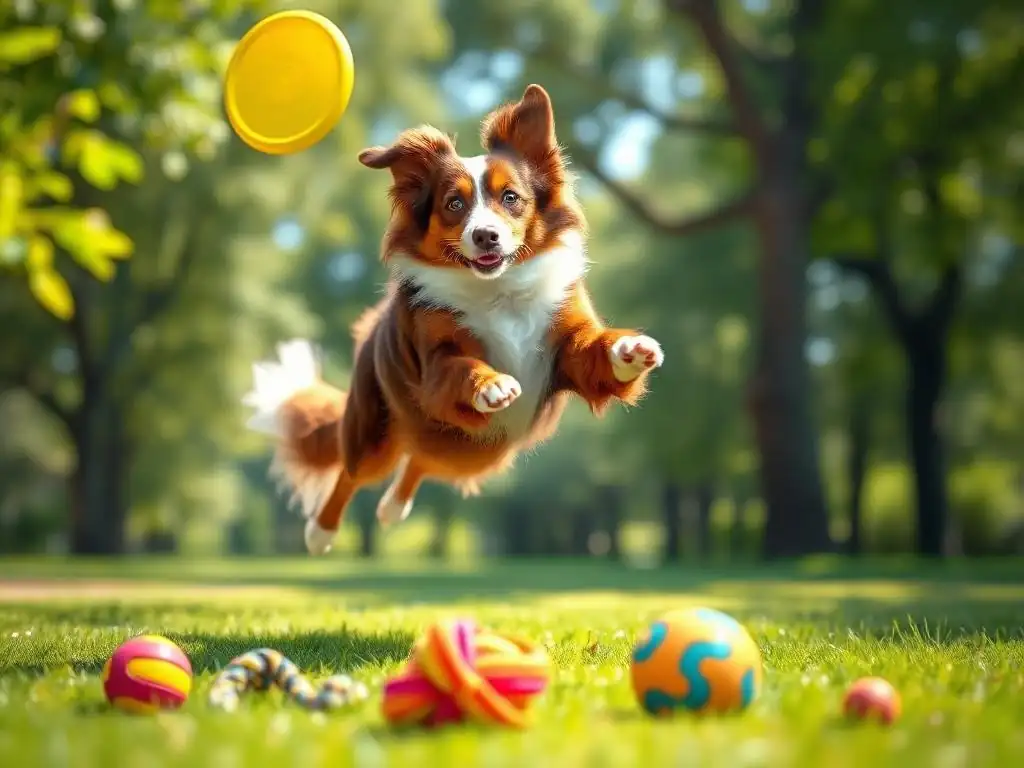
Welcome to PetCareWorld, your ultimate guide to a happier, healthier life for your beloved pet! Are you ready to unlock your dog's full potential? Discover the incredible benefits of Dog mental stimulation games and learn how enriching activities can transform your canine companion's well-being. Dive into our Dog Care & Training section and uncover the secrets to a sharper, more engaged, and ultimately, happier dog. Let's embark on this exciting journey together!
- Understanding the Importance of Dog Mental Stimulation Games
-
Popular Dog Sports for Mental Enrichment
- Agility Training: A Physically and Mentally Challenging Sport
- Obedience Training: Building Focus and Problem-Solving Skills
- Flyball: A Fast-Paced Team Sport for Energetic Dogs
- Canine Freestyle: Expressing Creativity Through Dance and Tricks
- Scent Work: Engaging Your Dog's Powerful Nose
- Dock Diving: A Fun and Exciting Water Sport
- DIY Dog Mental Stimulation Games at Home
- Choosing the Right Activities for Your Dog's Breed and Age
- Monitoring Your Dog's Engagement and Progress with Dog Mental Stimulation Games
- Combining Dog Sports and Mental Stimulation Games for Optimal Well-being
- Frequently Asked Questions
- Final Reflection: Unleashing the Power of Play: A Sharper Mind, a Stronger Bond
- Unleash Your Dog's Inner Champion!
Understanding the Importance of Dog Mental Stimulation Games
Canine companions, much like their human counterparts, thrive on mental stimulation. A stimulated mind translates to a happier, healthier, and better-behaved dog. This article delves into the crucial role of dog mental stimulation games in maintaining your canine's cognitive well-being, exploring the connection between mental enrichment and physical health, and highlighting the preventative measures against boredom-related behavioral problems.
We'll also examine the specific needs of senior dogs and how mental stimulation can help mitigate age-related cognitive decline. Ultimately, understanding and implementing engaging mental exercises will strengthen the bond between you and your furry friend, leading to a more fulfilling life for both of you.
This guide focuses on providing practical strategies and game ideas to keep your dog mentally sharp, addressing the common keyword search of "Dog mental stimulation games" and offering effective solutions for pet owners. Let's explore how to make playtime a powerful tool for your dog's overall health and happiness.
The Link Between Mental Enrichment and Canine Well-being
A dog's mental health is intrinsically linked to its physical health and overall well-being. Just as physical exercise prevents obesity and strengthens muscles, mental stimulation prevents boredom and strengthens cognitive function. A bored dog is more prone to destructive behaviors like excessive chewing, digging, or barking. Providing mental enrichment through games and activities helps channel your dog's natural instincts, reducing stress and anxiety. Studies have shown that dogs engaged in mentally stimulating activities exhibit improved sleep patterns, reduced aggression, and increased overall happiness.
🐶 The benefits extend beyond behavior; mental stimulation can even contribute to a stronger immune system. Think of it as mental "muscle building" for your canine companion! Regular mental exercise helps maintain a healthy balance in your dog's life, leading to a happier and healthier pet. The key is to provide a variety of engaging activities to keep your dog challenged and entertained.
Untreated boredom in dogs can manifest in a multitude of undesirable behaviors. Destructive chewing, excessive barking, digging, inappropriate elimination, and even aggression can all stem from a lack of mental stimulation. These behaviors are often not malicious but rather a result of a dog's attempt to alleviate boredom and expend pent-up energy. Providing ample opportunities for mental engagement acts as a preventative measure against these problems. For example, puzzle toys that require your dog to solve a problem to access a treat can keep them occupied for extended periods, preventing them from engaging in destructive behaviors.
Interactive games like hide-and-seek or fetch also provide both physical and mental stimulation. By implementing a routine that includes regular mental exercises, you can significantly reduce the likelihood of boredom-related behavioral issues. Remember, a tired mind is a well-behaved dog! 🧠
Cognitive Decline in Senior Dogs: The Role of Mental Stimulation
As dogs age, they, like humans, experience cognitive decline. This can manifest as confusion, disorientation, changes in sleep patterns, and decreased interaction. However, just as physical exercise helps maintain mobility in senior dogs, mental stimulation plays a vital role in slowing down cognitive decline.
Engaging senior dogs in mentally stimulating activities can help maintain their cognitive function for longer. Simple games like scent work, where your dog uses its nose to find hidden treats, can be incredibly beneficial. Adapting games to suit their physical limitations is crucial.
For example, instead of a vigorous game of fetch, you could opt for a slower-paced game of hide-and-seek with treats. Maintaining a stimulating environment, even in old age, can significantly improve the quality of life for your senior companion, ensuring they remain engaged and happy in their golden years. Remember to always consult your veterinarian about any changes in your dog's behavior to rule out any underlying medical conditions.
Popular Dog Sports for Mental Enrichment
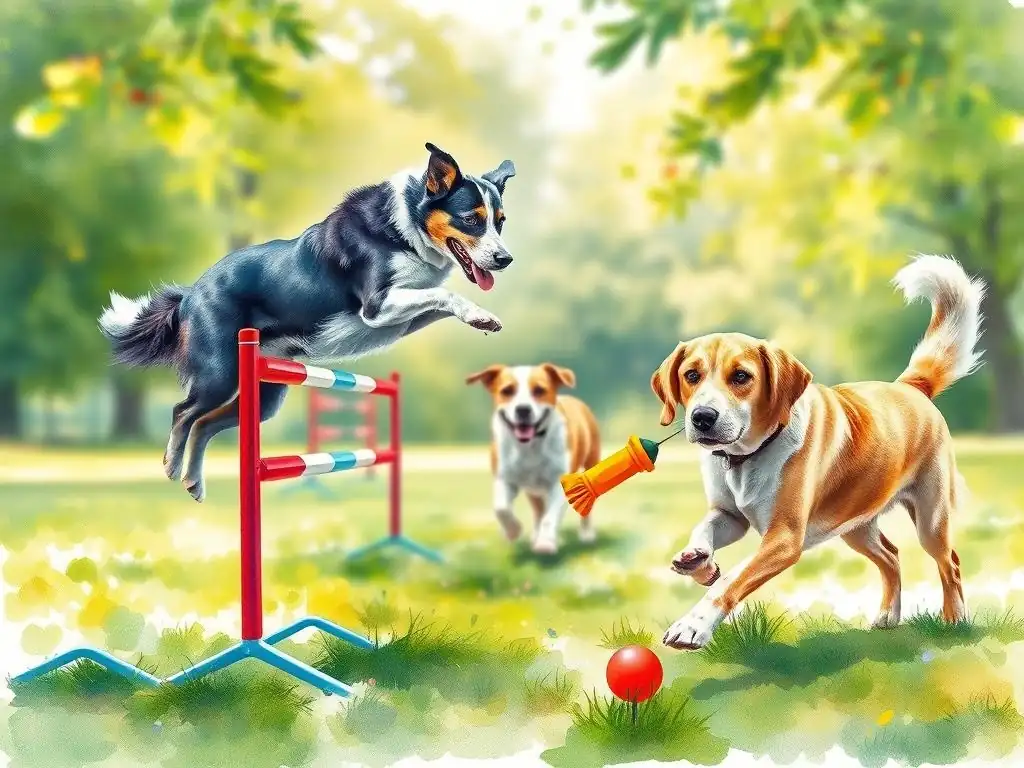
Dog mental stimulation games are crucial for a dog's overall well-being, preventing boredom and promoting a healthy, happy life. Participating in dog sports offers a fantastic avenue for providing this crucial mental enrichment, combining physical activity with complex cognitive challenges. Beyond the obvious physical benefits, these activities stimulate problem-solving skills, boost confidence, and strengthen the bond between dog and owner. Let's explore some popular options.
Agility Training: A Physically and Mentally Challenging Sport
Agility training is more than just a physical workout; it's a rigorous mental exercise for your canine companion. Dogs must navigate a challenging course filled with obstacles like jumps, tunnels, weave poles, and teeter-totters, all while following their handler's commands. This requires intense focus, spatial reasoning, and the ability to quickly adapt to changing situations. The constant need to process information and respond appropriately provides significant mental stimulation.
The benefits extend beyond the immediate training session. Dogs learn to anticipate commands, understand body language cues, and develop a deeper understanding of their own physical capabilities. This boosts their self-confidence and problem-solving abilities, translating into improved behavior in everyday life.
For example, a dog trained in agility might be better equipped to handle unexpected situations, such as encountering a loud noise or navigating a crowded environment. Successful completion of each obstacle reinforces positive behavior and strengthens the bond between dog and handler. Regular agility training sessions can significantly reduce behavioral issues stemming from boredom or lack of mental stimulation.
Obedience Training: Building Focus and Problem-Solving Skills
Obedience training, often overlooked as solely a behavioral tool, is a powerful mental workout for dogs. Learning commands like "sit," "stay," "come," and "down" requires focus, concentration, and the ability to follow complex instructions. Advanced obedience training introduces more challenging exercises, such as scent work or retrieving specific items, further stimulating their cognitive abilities. This type of training isn't just about following orders; it's about problem-solving. Dogs must process information, understand the context of the command, and execute the action correctly.
Consider the mental effort involved in a dog learning to differentiate between "sit" and "stay," or to retrieve a specific toy from a pile of similar ones. This process strengthens their cognitive function, improves their memory, and enhances their ability to learn and adapt. Furthermore, successful completion of obedience exercises builds confidence and strengthens the dog-owner bond.
A well-trained dog is a more confident dog, less prone to anxiety and behavioral issues. The structured environment of obedience training provides a predictable and rewarding experience, contributing to a happier and healthier dog. The positive reinforcement inherent in most obedience training methods further enhances the learning process and strengthens the dog-owner relationship.
Flyball: A Fast-Paced Team Sport for Energetic Dogs
Flyball is a high-energy team sport that requires incredible speed, agility, and mental sharpness. Teams of dogs race individually to retrieve a ball from a box, return to their handler, and then trigger the release of the next dog's ball. This fast-paced activity demands intense concentration, quick reflexes, and the ability to follow complex instructions under pressure. Dogs must learn to control their excitement, focus on the task at hand, and cooperate with their teammates.
The mental stimulation in flyball comes from the multi-step process involved, requiring dogs to remember the sequence of actions, anticipate the release of the ball, and navigate their way through the course. It's not just about speed; it's about precise timing and coordination. The competitive nature of the sport adds an extra layer of mental engagement, motivating dogs to perform at their best.
Successful participation in flyball builds confidence, improves focus, and provides a fantastic outlet for energetic dogs. The teamwork aspect further strengthens social skills and promotes positive interaction with other dogs and handlers. Flyball is a truly rewarding experience for both dog and owner, offering a unique blend of physical and mental stimulation.
Canine Freestyle: Expressing Creativity Through Dance and Tricks
Canine freestyle, often called "dog dancing," is a fantastic way to provide your dog with significant mental stimulation while strengthening your bond. It's more than just learning tricks; it's about choreographing a routine that combines obedience commands with creative movements and expressive interactions. The process of learning and perfecting a routine requires your dog to focus, learn sequences, and respond to your cues—all crucial aspects of mental enrichment. Think of it as a challenging puzzle for your canine companion, where the reward is not just a treat, but also praise, affection, and the satisfaction of performing a well-executed routine.
The constant learning and adaptation needed to improve a freestyle routine keeps your dog mentally engaged and prevents boredom. Furthermore, the physical activity involved in freestyle helps maintain a healthy weight and contributes to overall physical fitness. A well-designed freestyle routine can incorporate a wide array of tricks, from simple spins and bows to more complex jumps and weaves, constantly challenging your dog's cognitive abilities. The bond built through this shared activity is an added bonus, creating a deeper connection between you and your furry friend.
Many dogs find the positive reinforcement and the opportunity for self-expression incredibly rewarding, leading to a happier and more confident canine companion. The variety within canine freestyle allows for continuous learning and adaptation, preventing the routine from becoming stale and maintaining your dog's interest. Consider incorporating new tricks and challenging sequences to keep your dog mentally sharp and engaged.
Scent Work: Engaging Your Dog's Powerful Nose
Scent work is an incredibly enriching activity that taps into your dog's natural instincts. Dogs possess an olfactory system far superior to humans, and scent work provides a stimulating outlet for their powerful noses. This activity engages your dog's brain on multiple levels, requiring them to focus, problem-solve, and use their sense of smell to locate hidden scents. The process involves training your dog to identify specific odors, such as essential oils or even specific items, which are then hidden in various locations.
Your dog must use their nose to track and locate these scents, receiving rewards for successful finds. The difficulty can be adjusted to match your dog's skill level, making it suitable for both puppies and seasoned veterans. The mental challenge of scent work is significant, as it requires concentration, memory, and the ability to differentiate between various scents. This activity is particularly beneficial for dogs who enjoy sniffing and exploring, providing a constructive outlet for their natural instincts.
Moreover, scent work can be adapted to different environments, from your home to outdoor spaces, ensuring variety and preventing boredom. It's a low-impact activity suitable for dogs of all breeds and fitness levels, making it an accessible and enjoyable form of mental stimulation for almost any canine companion. Many find that scent work provides a great outlet for anxious or hyperactive dogs, providing a focused and rewarding task that channels their energy constructively. The sense of accomplishment your dog experiences when successfully locating a scent is incredibly rewarding, boosting their confidence and strengthening your bond.
Dock Diving: A Fun and Exciting Water Sport
Dock diving is a thrilling and engaging canine sport that provides both physical and mental stimulation. This activity involves your dog jumping from a dock into a body of water, aiming for maximum distance or height. While it primarily seems like a physical activity, the mental aspects are equally crucial. Dogs need to learn to understand and respond to your commands, judge their distance, and control their body in the air—all requiring significant cognitive function.
The training process involves teaching your dog to associate the dock with a positive experience, gradually increasing the distance and complexity of the jumps. This requires patience, positive reinforcement, and a clear understanding of your dog's capabilities. The excitement of the activity keeps your dog engaged and motivated, and the physical exertion helps maintain a healthy weight and improve cardiovascular fitness. Furthermore, dock diving can boost your dog's confidence, providing a sense of accomplishment and encouraging a positive attitude.
The sport requires a good understanding of your dog's body language and their reactions to stimuli, enhancing your ability to communicate and understand your canine companion. Many breeds excel at dock diving, showcasing their natural athleticism and providing a fun and rewarding outlet for their energy. It's important to note that safety is paramount in dock diving; ensuring a safe and controlled environment is crucial to prevent injuries. The mental stimulation derived from the training and the actual jumps make it a well-rounded activity for dogs who enjoy water and challenges.
DIY Dog Mental Stimulation Games at Home
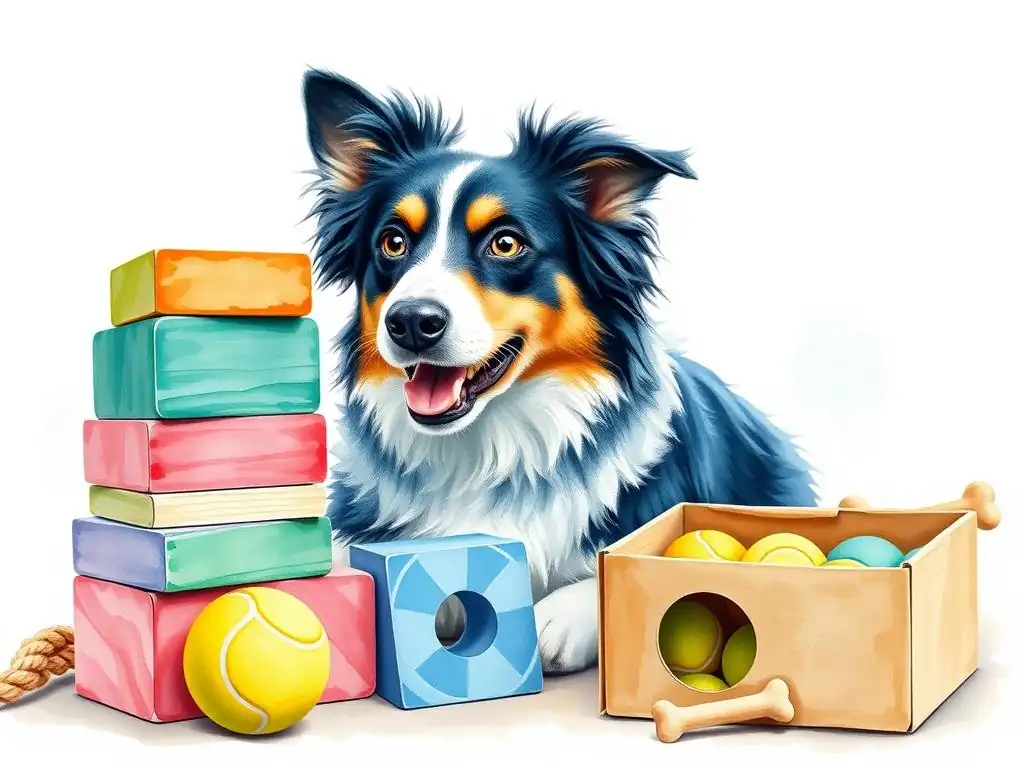
This section explores simple, cost-effective ways to provide your canine companion with the mental stimulation they crave using readily available household items. These "Dog mental stimulation games" are not only fun for your dog but also strengthen your bond and contribute to their overall well-being. Remember to always supervise your dog during playtime and adjust the difficulty of the games based on your dog's age, breed, and experience level. Ignoring mental enrichment can lead to behavioral issues like excessive barking, chewing, or destructive behavior. Providing adequate mental stimulation is crucial for a happy and well-adjusted dog.
Puzzle Toys: Keeping Your Dog Engaged and Entertained
Puzzle toys offer a fantastic way to challenge your dog's problem-solving skills. These toys require your dog to work for their reward, providing both mental and physical stimulation. The market offers a wide variety of commercially available puzzle toys, but equally enriching options can be crafted at home using everyday objects.
For instance, you can create a simple puzzle by hiding treats inside an empty toilet paper roll, stuffing it with crumpled newspaper, or partially sealing the ends. Another option involves scattering kibble or small treats inside a muffin tin and covering some of the cups with tennis balls or similar items. This requires your dog to use their nose and paws to uncover the hidden treasures, stimulating their sense of smell and problem-solving abilities. The level of difficulty can be adjusted by varying the size of the container, the number of treats, and the complexity of the hiding spots.
More advanced DIY puzzle toys can be constructed using cardboard boxes, PVC pipes, or even repurposed plastic bottles. Remember to always supervise your dog while they are playing with these toys to ensure their safety and prevent them from ingesting small parts. The key is to create a challenge that's engaging but not frustrating. Observe your dog's behavior; if they seem easily discouraged, simplify the puzzle. If they solve it too quickly, increase the difficulty.
Hide-and-Seek: A Simple Game with Big Rewards
Hide-and-seek is a classic game that provides excellent mental stimulation for dogs of all breeds and ages. It taps into their natural instincts to search and find, engaging their sense of smell and rewarding them with the joy of discovery. The simplicity of this game makes it easily adaptable to various environments and skill levels.
Start by hiding a high-value treat or toy in a relatively easy-to-find location. Use a clear verbal cue, such as "Find it! ", and encourage your dog to search. As your dog becomes more proficient, gradually increase the difficulty by hiding the item in more challenging spots, using more complex hiding spots, or increasing the search area. You can even vary the hiding places, using furniture, under rugs, or even outside in a designated area.
Remember to keep the game positive and rewarding. Praise your dog enthusiastically when they find the hidden item, and provide a generous reward. Avoid scolding or punishing them if they struggle to locate the item. The goal is to make the game fun and engaging, fostering a positive association with the activity. Regularly playing hide-and-seek will not only enhance your dog's problem-solving skills but also strengthen your bond through interactive playtime.
Training Games: Building Focus and Obedience
Training games offer a unique blend of mental and physical stimulation, enhancing your dog's focus, obedience, and overall trainability. These games transform typical training exercises into fun and engaging activities, keeping your dog mentally alert and motivated. Moreover, consistent engagement in training games improves your dog's understanding of commands and enhances their ability to follow instructions, ultimately leading to better behavior in everyday situations.
Instead of simply practicing "sit" or "stay" repeatedly, incorporate elements of surprise and challenge. For example, you could play "Name that Treat," where you show your dog a variety of treats and ask them to choose a specific one by name. Or try "Target Training," using a target stick or hand to guide your dog through a series of movements, rewarding them for accuracy. The possibilities are endless; you can adapt almost any training exercise into an engaging game by adding elements of unpredictability, variety, and positive reinforcement.
Remember to keep the training sessions short and focused, avoiding overstimulation or frustration. Positive reinforcement, through praise, treats, or toys, is essential to maintain your dog's motivation and build a positive association with training. By integrating training games into your dog's routine, you'll not only sharpen their minds but also cultivate a stronger, more trusting relationship with your furry friend. This approach to "Dog mental stimulation games" ensures both mental and emotional well-being.
Interactive Food Puzzles: Slowing Down Mealtimes
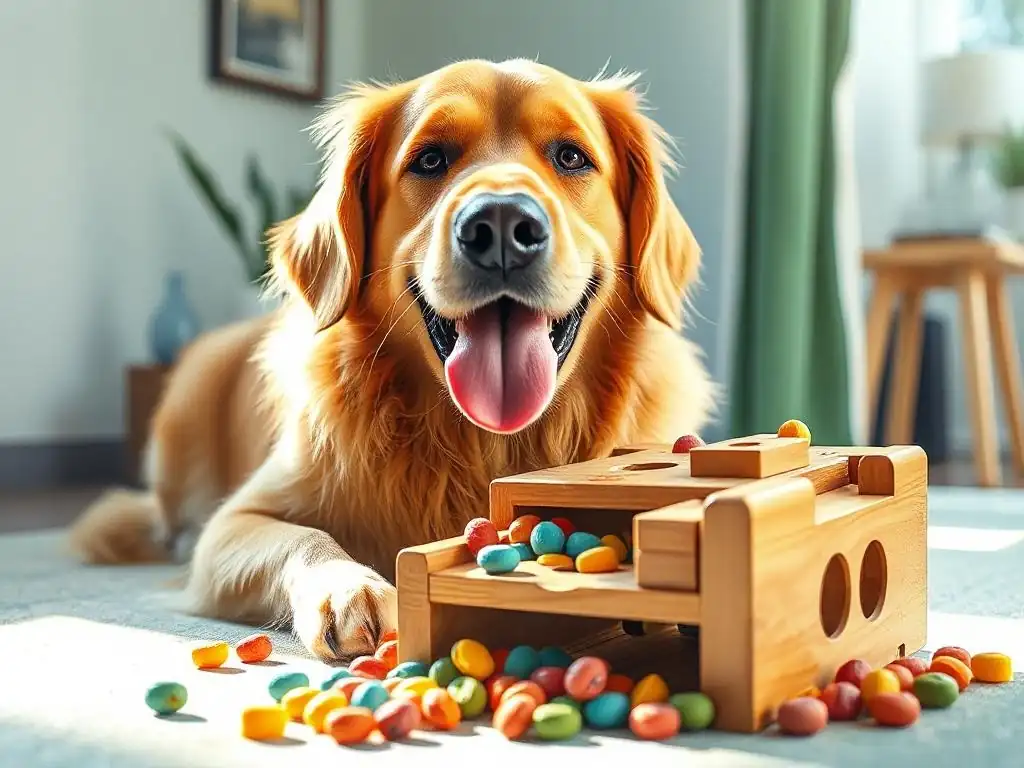
Interactive food puzzles are a fantastic way to provide mental stimulation for your dog while simultaneously slowing down their eating habits. Many dogs gobble their food down in seconds, leading to digestive issues and a lack of satisfaction. Food puzzles force them to work for their meal, engaging their problem-solving skills and promoting a more mindful eating experience. The benefits extend beyond just slowing down eating; the mental engagement helps tire them out, reducing destructive behaviors stemming from boredom or excess energy.
There's a wide variety of commercially available puzzles, ranging from simple treat-dispensing balls to complex multi-chambered contraptions. However, the beauty of DIY food puzzles is that you can tailor them specifically to your dog's skill level and preferences, using readily available household items. For example, a simple muffin tin can be filled with kibble or small treats, requiring your dog to sniff out and retrieve each piece individually.
This simple activity provides significant mental engagement, especially for dogs who are easily bored with routine. You can increase the difficulty by covering some of the muffin tin cups or using smaller treats that are more challenging to extract.
Another effective method is to hide treats within a rolled-up towel or a cardboard box with strategically placed holes. This encourages your dog to use their nose and paws to locate the hidden treasures, stimulating their sense of smell and problem-solving abilities. Remember to always supervise your dog during these activities to ensure they don't ingest any potentially harmful materials. The key is to gradually increase the difficulty of the puzzle as your dog masters each challenge, preventing boredom and maintaining their engagement.
Regularly rotating the types of puzzles you use will also keep things fresh and exciting for your canine companion. This prevents them from becoming too familiar with the puzzle and losing interest. The goal is to make mealtime an engaging mental workout, not just a quick refueling stop.
DIY Enrichment Activities Using Household Items
Transforming everyday household items into engaging dog enrichment activities is surprisingly easy and cost-effective. This approach not only provides mental stimulation but also promotes a strong bond between you and your furry friend. By involving your dog in these activities, you're not only improving their cognitive abilities but also strengthening your relationship through shared experiences.
One incredibly simple yet effective game involves hiding treats around the house. This "treasure hunt" engages your dog's natural scavenging instincts, encouraging them to use their nose to locate the hidden goodies. Start with easy-to-find hiding spots and gradually increase the difficulty as your dog progresses. You can even use different levels of difficulty throughout the week to keep your dog engaged. Remember to choose hiding spots that are safe and accessible.
Another fantastic option utilizes empty toilet paper or paper towel rolls. Stuffing these rolls with treats or kibble creates a simple yet rewarding puzzle. Your dog will have to work to get the food out, providing both physical and mental stimulation. You can also add a layer of complexity by nesting several rolls together or by taping them to create a more challenging maze. The possibilities are endless, limited only by your creativity and your dog's problem-solving skills.
Remember to always supervise your dog during these activities and ensure that any materials used are safe and non-toxic. Avoid using anything that could be easily ingested or that could pose a choking hazard. The goal is to create a fun and enriching experience for your dog, not to create a dangerous situation. By incorporating these simple yet effective DIY games into your dog's routine, you can significantly enhance their mental well-being and strengthen the bond you share. These "Dog mental stimulation games" are not just fun; they're crucial for a happy and healthy dog.
Choosing the Right Activities for Your Dog's Breed and Age
Selecting the appropriate dog mental stimulation games is crucial for your canine companion's well-being. It's not a one-size-fits-all approach; the ideal activities depend heavily on your dog's breed, age, and physical capabilities. Ignoring these factors can lead to frustration for both you and your dog, potentially hindering their enjoyment and progress. Let's explore how to tailor activities to different life stages and breeds.
Considerations for Puppies
Puppies possess boundless energy but limited attention spans and developing physical capabilities. Dog mental stimulation games for puppies should focus on short, engaging sessions that build foundational skills and avoid overwhelming them. Think of it as a gentle introduction to the world of canine cognitive challenges.
- Focus on basic obedience: Start with simple commands like "sit," "stay," and "come," incorporating treats and praise to reinforce positive behavior. This builds a strong bond and lays the groundwork for more complex games later.
- Puzzle toys for young minds: Introduce simple puzzle feeders that require minimal physical effort but stimulate their problem-solving skills. These toys help teach patience and reward them for perseverance. Avoid toys with small parts that could be a choking hazard.
- Short, frequent play sessions: Puppies tire easily. Multiple short play sessions throughout the day are more effective than one long, tiring session. This prevents overstimulation and keeps them engaged.
- Socialization is key: Controlled exposure to other dogs and people under supervision is crucial for healthy social development. Puppy classes offer a great opportunity for both mental and social enrichment. This helps them learn appropriate social interactions and reduces anxiety.
Remember, puppies are still developing physically and mentally. Prioritize safety and avoid overly strenuous activities. Observe your puppy closely for signs of fatigue or stress, and adjust the activity accordingly. Patience and positive reinforcement are key to success.
Adapting Games for Senior Dogs
As dogs age, their physical abilities decline, and their energy levels may decrease. However, mental stimulation remains incredibly important for maintaining their cognitive health and overall well-being. Adapting dog mental stimulation games for senior dogs requires careful consideration of their physical limitations.
- Low-impact activities: Opt for games that require minimal physical exertion, such as scent work or simple hide-and-seek with treats. Avoid activities that put excessive strain on their joints or muscles.
- Shorter sessions: Senior dogs tire more easily than younger dogs. Keep playtime shorter, but more frequent, to maintain their interest without overexertion.
- Cognitive enrichment: Focus on activities that challenge their minds, such as learning new tricks or playing puzzle games designed for senior dogs (often with larger, easier-to-manipulate pieces).
- Adjust difficulty: Modify the difficulty level of games to match their capabilities. If a game is too challenging, it can lead to frustration. If it's too easy, it can become boring. Finding the sweet spot is crucial.
- Observe for signs of discomfort: Pay close attention to your senior dog's body language. If they show signs of pain or discomfort, stop the activity immediately.
Senior dogs benefit greatly from mental stimulation, helping to prevent cognitive decline and maintain their quality of life. By adapting games to their needs, you can ensure they continue to enjoy playtime and stay mentally sharp.
Selecting Activities Based on Breed Characteristics
Different dog breeds possess unique physical and mental attributes that influence their suitability for various dog mental stimulation games. Understanding your dog's breed characteristics is crucial for selecting activities that are both challenging and enjoyable.
| Breed Type | Suitable Activities | Less Suitable Activities |
|---|---|---|
| High-energy breeds | Agility, flyball, frisbee, long walks, fetch | Passive games, prolonged periods of inactivity |
| Working breeds | Herding, scent work, tracking, protection training | Games requiring minimal mental stimulation |
| Toy breeds | Puzzle toys, hide-and-seek, short training sessions | Activities requiring high levels of physical endurance |
| Independent breeds | Scent work, puzzle toys, solitary activities | Highly interactive games requiring close supervision |
This table offers a general guideline. Individual dogs within a breed may have varying preferences and capabilities. Observe your dog's behavior and adjust the activities accordingly. The key is to find activities that are stimulating, enjoyable, and appropriate for your dog's unique characteristics. Remember, the goal is to provide enriching experiences that cater to their individual needs and keep their minds engaged and happy. Always prioritize safety and adjust activities as needed.
Monitoring Your Dog's Engagement and Progress with Dog Mental Stimulation Games
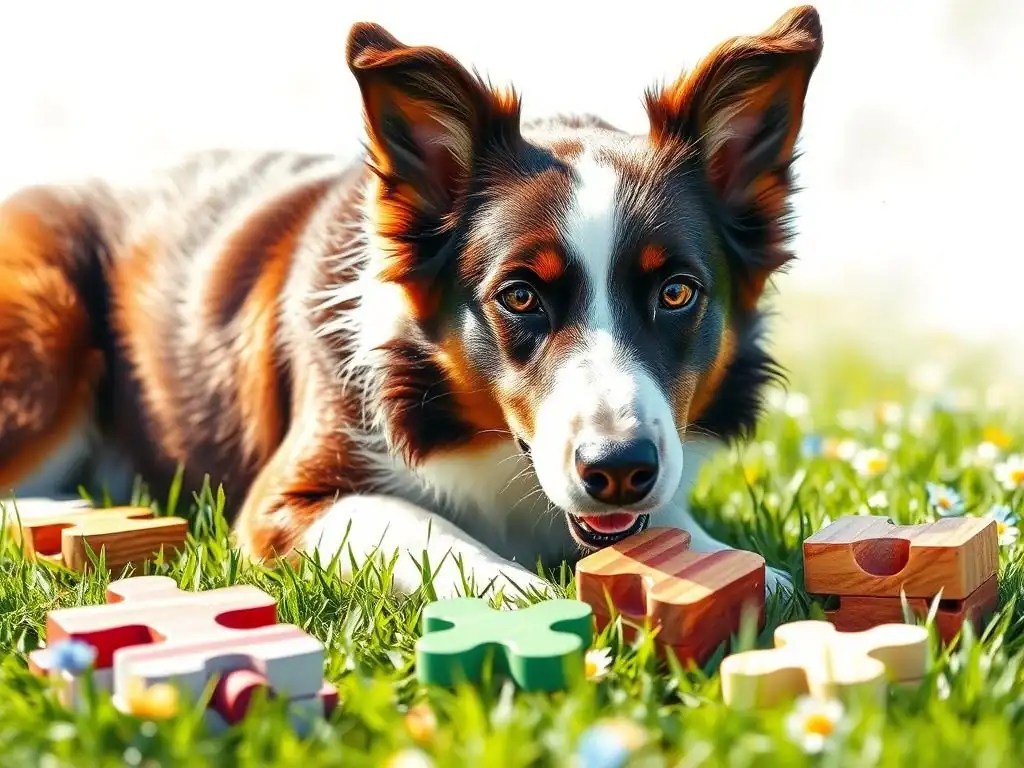
Effective dog mental stimulation games require consistent monitoring to ensure they remain engaging and beneficial for your canine companion. Simply throwing a puzzle toy at your dog and leaving it isn't sufficient; active observation is key to understanding your dog's learning curve and adjusting the challenge accordingly. This ensures the game remains stimulating, preventing boredom and frustration. The goal is to find the "sweet spot" – a level of difficulty that challenges your dog without overwhelming them.
Recognizing Signs of Boredom and Frustration
Monitoring your dog's engagement involves recognizing subtle cues indicating boredom or frustration. These can manifest differently depending on your dog's personality. However, some common signs include:
- Reduced interest: If your dog quickly loses interest in the game, consistently abandoning it before completion, it might be too easy. They need a more challenging puzzle or activity.
- Excessive pacing or whining: Restlessness and vocalization often signal frustration. This suggests the game is too difficult, causing stress rather than enjoyment. Simplify the task or provide more guidance.
- Destructive behavior: Frustration can lead to destructive chewing or digging, especially if your dog feels stuck or unable to solve the puzzle. This is a clear indication that the game needs adjustment.
- Lack of focus: If your dog is easily distracted during the game, consistently losing interest in the task, it may be too simple or too long. Try shorter sessions or introduce more engaging elements.
- Body language: Observe your dog's body language carefully. Yawning, lip licking, whale eye (showing the whites of their eyes), and tucked tail can all signal stress or anxiety.
We should also note that breeds known for their intelligence, like Border Collies or Poodles, might require more complex challenges than less demanding breeds. Tailoring the difficulty to your dog’s breed and individual capabilities is crucial. For instance, a simple treat-dispensing ball might be sufficient for a senior dog with limited mobility, while a puzzle feeder with multiple compartments could be ideal for a young, energetic Border Collie.
Adjusting Activities Based on Your Dog's Response
Based on your observations, you should actively adjust the difficulty and duration of the games. This is an iterative process requiring patience and observation. Here are some strategies:
- Too easy: Increase the difficulty by adding more steps, using smaller treat openings, or introducing more complex puzzles. You could also increase the time it takes your dog to complete the activity.
- Too difficult: Simplify the game by reducing the number of steps, using larger treat openings, or offering more guidance. Consider breaking down complex tasks into smaller, more manageable steps.
- Appropriate difficulty: If your dog is engaged and completing the game successfully, but not too quickly, maintain the current level of difficulty. However, gradually introduce slight variations or increase the complexity over time to prevent boredom. Remember, variety is key to keeping them engaged.
Remember, the aim is not just to complete the game but to engage your dog mentally and emotionally. Observe for signs of enjoyment and satisfaction, such as tail wags, happy panting, and relaxed body posture. These positive responses indicate you've found the right balance.
The Importance of Positive Reinforcement and Rewards
Positive reinforcement is paramount in successful dog mental stimulation games. It fosters a positive association with the activity, encouraging your dog to participate willingly and enthusiastically. Reward your dog frequently throughout the game, not just upon completion. This keeps them motivated and focused.
Here are some effective reward strategies:
- High-value treats: Use small, high-value treats that your dog loves. This increases their motivation to solve the puzzle.
- Verbal praise: Combine treats with enthusiastic verbal praise, such as "Good dog!" or "Yes!". This creates a positive emotional connection with the game.
- Physical affection: After successful completion, offer plenty of petting and praise. This reinforces the positive experience.
- Vary rewards: Mix up the rewards to keep your dog engaged. Sometimes offer a favorite toy, a game of fetch, or even extra playtime as a reward.
Remember, consistency and patience are key. By carefully monitoring your dog's responses and adjusting the activities accordingly, you can create a stimulating and enjoyable experience that strengthens your bond and keeps your canine companion mentally sharp. This ensures your dog remains happy and healthy, both physically and mentally. The benefits of consistent dog mental stimulation games are immeasurable for improving your dog's overall well-being.
Combining Dog Sports and Mental Stimulation Games for Optimal Well-being
Canine athletes aren't just about physical prowess; their mental agility is equally crucial. Combining dog sports with engaging mental stimulation games provides a holistic approach to canine well-being, maximizing both physical and cognitive fitness. This synergistic approach leads to a happier, healthier, and better-behaved companion. Many dog sports, inherently, incorporate elements of mental stimulation. For example, agility requires problem-solving and strategic thinking to navigate the course. Similarly, obedience trials demand focus, concentration, and the ability to interpret and respond to complex commands. However, supplementing these activities with dedicated mental stimulation games enhances their effectiveness and prevents boredom.
Creating a Balanced Training Program
A balanced training program should seamlessly integrate physical and mental exercises. Think of it like a well-rounded fitness regimen for humans – you wouldn't only lift weights; you'd also incorporate cardio and flexibility training. For dogs, this translates to a mix of high-energy dog sports like flyball or frisbee, combined with calmer activities like scent work or puzzle toys. Consider your dog's breed, age, and energy levels when designing the program. A high-energy Border Collie will require more intense physical activity and complex mental challenges compared to a laid-back Greyhound. Here's a sample weekly schedule:
| Day | Morning Activity | Afternoon Activity | Evening Activity |
|---|---|---|---|
| Monday | 30-minute agility practice | Puzzle toy session (15 minutes) | Relaxing playtime |
| Tuesday | Rest/Light walk | Scent work training (20 minutes) | Chew toy and quiet time |
| Wednesday | Flyball practice (1 hour) | Short walk and fetch | Training session (obedience) |
| Thursday | Rest/Light walk | Hide-and-seek game (15 minutes) | Relaxing playtime |
| Friday | 30-minute obedience training | Puzzle toy session (15 minutes) | Relaxing playtime |
| Weekend | Longer hike/Dog park visit | Free play and socialisation | Quiet time with owner |
Remember to adjust this schedule based on your dog's individual needs and preferences. The key is consistency and variety to keep your canine companion engaged and stimulated.
Integrating Mental and Physical Exercise for a Healthy Lifestyle
The benefits of integrating mental and physical exercises are profound. Physically demanding dog sports improve cardiovascular health, muscle tone, and coordination. However, without mental stimulation, dogs can become frustrated, bored, or even destructive. Mental exercises, on the other hand, sharpen cognitive skills, improve problem-solving abilities, and reduce stress.
Combining both prevents boredom and promotes a sense of accomplishment, contributing to a happier and healthier dog. Studies have shown that dogs engaged in both physical and mental activities exhibit improved behavior, reduced anxiety, and a stronger bond with their owners. This holistic approach significantly contributes to a longer, healthier, and more fulfilling life for your canine companion. For example, a dog trained in scent work, a mentally stimulating activity, will be better able to focus during an agility course, thereby improving their performance.
The Long-Term Benefits of Mental Enrichment for Your Dog
Long-term mental enrichment offers a multitude of benefits. It can significantly reduce the risk of behavioral problems such as excessive barking, destructive chewing, and anxiety. By providing ample mental stimulation, you're essentially providing your dog with a fulfilling and engaging life, preventing boredom-induced misbehavior.
Furthermore, mental enrichment can help maintain cognitive function as dogs age, delaying or mitigating age-related cognitive decline. This is crucial for senior dogs, as it helps them stay active, engaged, and enjoy a higher quality of life in their golden years. Think of it as a mental workout that keeps their minds sharp and agile, just like physical exercise keeps their bodies fit.
Investing in your dog's mental well-being is an investment in their overall health and happiness, leading to a stronger bond and a more enriching experience for both you and your furry friend. Regular mental stimulation games, incorporated into a balanced lifestyle, will contribute to a longer, healthier, and happier life for your dog. 🎉
Frequently Asked Questions
What are some examples of dog mental stimulation games?
Many games engage your dog's mind! Try hide-and-seek with treats, puzzle toys, or training games that require problem-solving. Interactive games like fetch with variations also work well.
How much daily mental stimulation does my dog need?
The amount varies by breed, age, and energy level. Aim for at least one or two stimulating sessions daily, incorporating both physical and mental challenges. Observe your dog for signs of boredom or frustration.
Are dog sports good for mental stimulation?
Absolutely! Sports like agility, flyball, and dock diving provide excellent physical and mental exercise. They challenge your dog's problem-solving skills and build a strong bond between you.
My dog seems bored. What can I do?
Introduce new toys, games, or training exercises to keep things interesting. Vary your routine and incorporate environmental enrichment like walks in new areas or sniffing games. Consult a vet or trainer if boredom persists.
How can I tell if my dog is mentally stimulated enough?
A mentally stimulated dog is usually calm, focused, and well-behaved. They'll show less destructive behavior and have a healthy appetite and sleep patterns. Signs of understimulation include excessive barking, chewing, or anxiety.
Final Reflection: Unleashing the Power of Play: A Sharper Mind, a Stronger Bond
The mental agility of our canine companions is often overlooked, yet it's just as crucial to their well-being as physical exercise. A stimulated mind leads to a happier, healthier dog, reducing behavioral issues and strengthening the human-animal bond. This isn't just about preventing boredom; it's about unlocking their full potential and enriching their lives.
The impact of engaging our dogs in mentally stimulating activities extends far beyond simple obedience training. It fosters a deeper connection, built on mutual understanding and shared experiences. These games are not just about tricks; they're about communication, trust, and the joy of collaborative problem-solving. A dog is the only thing on earth that loves you more than he loves himself.
– Josh Billings. This quote speaks to the profound bond we can cultivate through shared activities that challenge and delight both dog and owner.
Now, consider how you can incorporate these games into your daily routine. Think beyond the simple fetch; explore the world of scent work, puzzle toys, and agility training. Embrace the opportunity to learn alongside your dog, to witness their brilliance, and to strengthen the unbreakable bond you share. The rewards are immeasurable – a happier, healthier dog, and a deeper, more meaningful relationship.
Unleash Your Dog's Inner Champion!
Thanks for exploring the world of canine sports and mental enrichment! You've learned how crucial mental stimulation is for a happy and healthy dog. Now, let's put that knowledge into practice. Ready to boost your dog's brainpower and strengthen your bond?
- Enroll your dog in a local introductory class for a canine sport: This is the best way to discover which activity your dog enjoys most – perhaps agility, flyball, obedience training, or even scent work.
- Play a simple at-home training game: Hide treats around the house to encourage your dog to sniff them out and solve the puzzle. It's a fun and engaging way to strengthen your bond.
- Share your dog's newfound skills (and favorite games!) with our community: Tell us about your experiences in the comments below!
What exciting canine adventure will you and your furry friend embark on today?