
Dog Mouth Ulcers: Causes, Symptoms, and Treatment Options


Welcome to PetCareWorld, your ultimate guide to a happier, healthier life for your beloved pets! Are you worried about your furry friend? Discover effective home treatments for dog mouth ulcers and learn how to identify and address this common canine concern. Our expert advice on Dog Mouth Ulcers: Causes, Symptoms, and Treatment Options will provide you with the knowledge and tools to ensure your dog's comfort and well-being. Dive in and explore the wealth of information we offer to help you navigate the world of pet care with confidence.
- Understanding Dog Mouth Ulcers: A Comprehensive Guide
- Diagnosing Dog Mouth Ulcers: Veterinary Examination
- Dog Mouth Ulcers Treatment Home Remedies and Veterinary Care
- Preventing Dog Mouth Ulcers: Proactive Oral Care
- Long-Term Management of Recurrent Dog Mouth Ulcers
- Frequently Asked Questions
- Final Reflection: Healing Our Canine Companions: A Holistic Approach to Dog Mouth Ulcers
- Unlock Your Dog's Happy Smile: Take Action Today!
Understanding Dog Mouth Ulcers: A Comprehensive Guide
Oral ulcers, or sores, in dogs can be a distressing sight for pet owners and often indicate an underlying health problem. This comprehensive guide will delve into the various causes, symptoms, and treatment options for dog mouth ulcers, equipping you with the knowledge to effectively address this issue and ensure your canine companion's oral health. We'll explore both home remedies and professional veterinary treatments for "dog mouth ulcers treatment home," offering a holistic approach to managing this common canine ailment.
Understanding the potential causes is crucial for effective treatment and preventing future occurrences, ensuring your furry friend enjoys a happy and healthy life. We will cover a wide range of potential causes, from simple trauma to more serious underlying conditions, providing you with the information necessary to make informed decisions about your dog's care.
Identifying Canine Oral Ulcers: Symptoms and Signs
Recognizing the signs of mouth ulcers in your dog is the first step towards effective treatment. Symptoms can vary depending on the underlying cause and severity of the ulcers. Common signs include:
- Excessive drooling or salivation 🐾
- Difficulty eating or drinking 🦴
- Pawing at the mouth 🐾
- Bleeding from the mouth 🩸
- Visible sores or lesions on the gums, tongue, or inside of the cheeks 👅
- Bad breath (halitosis) 👃
- Lethargy or decreased activity levels 😴
- Weight loss 📉
Some dogs may exhibit subtle signs, while others may show more pronounced symptoms. If you notice any of these signs, it's crucial to consult your veterinarian for a proper diagnosis and treatment plan. Early detection is key to preventing complications and ensuring a swift recovery for your beloved pet.
Common Causes of Mouth Ulcers in Dogs
Several factors can contribute to the development of mouth ulcers in dogs. These range from minor injuries to more serious underlying health issues. Understanding these causes is vital in determining the appropriate treatment strategy.
Trauma and Injury: A Leading Cause of Oral Ulcers
Physical trauma to the mouth, such as from chewing on hard objects, fighting with other dogs, or accidental injuries, frequently leads to oral ulcers. These injuries can range from minor abrasions to more significant wounds, requiring varying levels of intervention. Careful observation and gentle cleaning of the affected area are often sufficient for minor injuries. However, more severe trauma may necessitate veterinary intervention, including wound cleaning, medication, and potentially sutures.
Infectious Diseases: Bacterial, Viral, and Fungal Infections
Infectious agents such as bacteria, viruses, and fungi can also cause mouth ulcers in dogs. These infections can manifest as localized lesions or more widespread oral inflammation. Bacterial infections are often treated with antibiotics, while viral infections typically require supportive care to manage symptoms. Fungal infections, such as those caused by Candida, may necessitate antifungal medications. Accurate diagnosis through veterinary examination and laboratory testing is essential to determine the specific infectious agent and guide appropriate treatment.
Immune-Mediated Diseases: Autoimmune Disorders and Ulcers
Autoimmune diseases, where the body's immune system mistakenly attacks its own tissues, can sometimes manifest as oral ulcers. These ulcers are often recurrent and can be challenging to manage. Treatment typically involves immunosuppressant medications to control the immune response and alleviate symptoms. Careful monitoring and management are crucial in these cases, as autoimmune disorders can have significant health implications.
Nutritional Deficiencies and Oral Ulcers
While less common, nutritional deficiencies can sometimes contribute to the development of oral ulcers. Inadequate intake of essential vitamins and minerals can compromise the integrity of the oral mucosa, making it more susceptible to injury and infection. A balanced diet and appropriate supplementation, as recommended by a veterinarian, can help address these deficiencies and promote oral health.
Cancer and Oral Tumors: A Serious Consideration
In some instances, oral ulcers can be a sign of a more serious condition, such as oral cancer or tumors. These conditions often require aggressive treatment, including surgery, radiation therapy, and chemotherapy. Early detection is crucial for improving the prognosis. If you suspect your dog might have oral cancer, immediate veterinary attention is paramount. Regular veterinary checkups, including oral examinations, are essential for early detection and intervention.
Diagnosing Dog Mouth Ulcers: Veterinary Examination
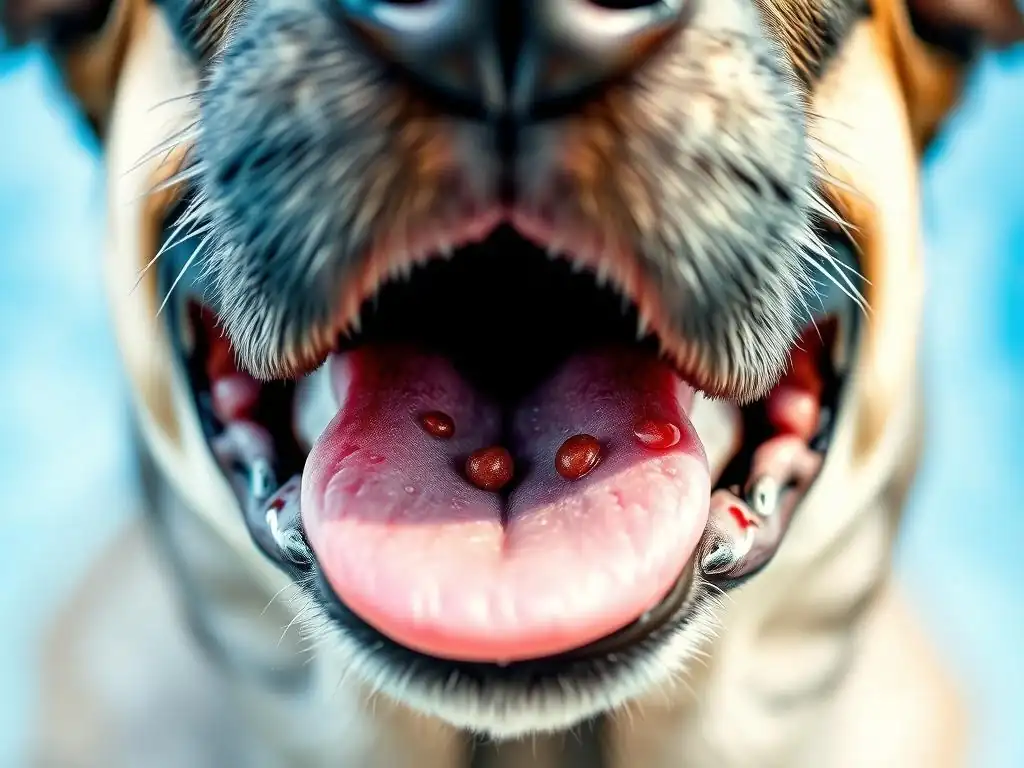
Accurately diagnosing dog mouth ulcers requires a thorough veterinary examination. While some superficial observations can be made at home, a professional assessment is crucial for determining the underlying cause and selecting the appropriate treatment. Ignoring or delaying professional veterinary care can lead to complications, impacting your dog's overall health and well-being. This section focuses on the vital role of veterinary professionals and the diagnostic tests employed to identify the root cause of your dog's mouth ulcers. Remember, effective dog mouth ulcers treatment home remedies should always be used in conjunction with, and under the guidance of, a veterinarian.
The Role of a Veterinary Professional in Diagnosis
A veterinarian plays a pivotal role in diagnosing dog mouth ulcers. Their expertise goes beyond simply identifying the presence of sores; they delve into the underlying cause, considering various factors that might be contributing to the problem. The initial consultation will involve a detailed history taking, including questions about your dog's diet, recent illnesses, medications, any potential trauma to the mouth, and the duration and progression of the ulcers. This information helps the vet narrow down the possibilities.
The vet will then perform a thorough physical examination, paying close attention to the mouth and gums. They will assess the size, location, number, and appearance of the ulcers, noting any signs of infection, inflammation, or other abnormalities. This comprehensive approach is key to differentiating between various conditions that can manifest as mouth ulcers.
For example, a simple viral infection might present differently than a more serious condition like cancer. The veterinarian's experience and knowledge are invaluable in making this distinction. A proactive approach is crucial for a successful outcome in dog mouth ulcers treatment home or otherwise.
Diagnostic Tests for Oral Ulcers in Dogs
Beyond the visual examination, several diagnostic tests might be necessary to pinpoint the cause of your dog's mouth ulcers and inform the best course of treatment. These tests can range from simple to more complex procedures depending on the veterinarian's assessment.
- Blood tests: These are often the first step to assess your dog's overall health and rule out systemic diseases that could be contributing to the ulcers. These tests check for infections, immune deficiencies, and other underlying health problems. Bloodwork can reveal the presence of infections or indicate if the immune system is compromised, both critical factors when considering dog mouth ulcers treatment home or professional interventions.
- Cytology: In this procedure, a sample of cells from the ulcer is collected and examined under a microscope. This helps identify the type of cells present, differentiating between bacterial, viral, or fungal infections, or even cancerous cells. Cytology offers a more detailed view of the ulcer's composition, assisting in a precise diagnosis.
- Biopsy: If other tests are inconclusive, a biopsy may be recommended. This involves taking a small tissue sample from the ulcer for histological examination in a laboratory. This deeper analysis can reveal the underlying cause, particularly in cases of suspected neoplasia (tumors) or other more complex conditions. A biopsy is often a crucial step in determining the appropriate treatment strategy for serious cases.
- Radiographs (X-rays): In some instances, X-rays of the mouth and jaw may be necessary to detect underlying bone abnormalities or foreign bodies that could be causing irritation and ulceration. This imaging technique helps visualize structures beneath the surface, providing a broader perspective on the problem.
The selection of appropriate diagnostic tests is tailored to each individual case, ensuring the most effective and efficient route to diagnosis and treatment. Remember, prompt and accurate diagnosis is the cornerstone of successful dog mouth ulcers treatment home or otherwise. The veterinarian's expertise in selecting and interpreting these tests is critical for providing the best possible care for your canine companion.
Dog Mouth Ulcers Treatment Home Remedies and Veterinary Care
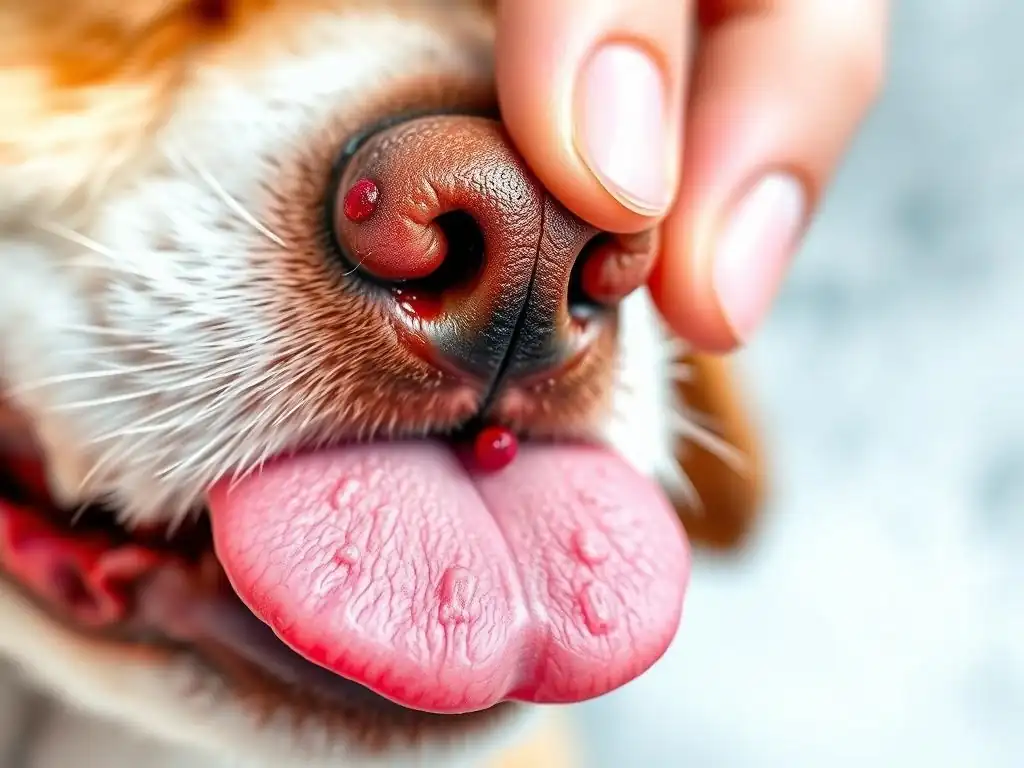
This section explores both home remedies suitable for managing minor dog mouth ulcers and when professional veterinary intervention becomes necessary. Remember, while home care can be helpful for mild cases, it's crucial to consult a veterinarian for diagnosis and treatment of any persistent or severe ulcers. Early intervention can prevent complications and ensure your dog's comfort. This section will focus on "dog mouth ulcers treatment home" options, providing a balanced perspective on self-care and professional veterinary care.
Home Remedies for Minor Ulcers: Gentle Care and Management
Minor mouth ulcers in dogs can often be managed with gentle home care. This approach focuses on soothing the affected area and promoting healing. However, it's vital to monitor the ulcers closely for any signs of worsening or infection.
Natural Approaches to Soothe Dog Mouth Ulcers
Several natural approaches can help soothe discomfort associated with minor dog mouth ulcers. These methods are generally safe, but always consult your vet before trying anything new, especially if your dog is on medication.
- Aloe vera: Applying a small amount of pure aloe vera gel directly to the ulcer can help reduce inflammation and promote healing. Ensure the gel is 100% aloe vera and free of additives.
- Honey: Raw honey possesses natural antibacterial and antiseptic properties. A tiny amount applied directly to the ulcer (with supervision to prevent ingestion) may aid in healing and prevent infection. Choose a high-quality, raw honey.
- Chamomile tea: A cooled chamomile tea rinse (ensure it's cooled completely to avoid burns) can gently cleanse the mouth and soothe irritated tissues. Avoid forcing your dog to drink it; simply use a clean cloth or cotton swab to dab the solution onto the ulcers.
Dietary Adjustments for Dogs with Mouth Ulcers
Modifying your dog's diet can significantly impact healing and comfort. Soft, easily digestible foods are key during this period.
- Soft food options: Switch to wet food, canned food, or well-cooked, soft vegetables like sweet potatoes. Avoid hard kibble, which can irritate the ulcers.
- Avoid acidic foods: Acids can exacerbate pain and inflammation. Temporarily exclude acidic foods like citrus fruits and tomatoes from your dog's diet.
- Nutrient-rich foods: Ensure your dog's diet provides adequate nutrients to support healing. Consult your vet about supplements if necessary. A balanced diet is crucial for a faster recovery.
When to Seek Veterinary Intervention for Dog Mouth Ulcers
While home remedies can manage minor ulcers, certain signs indicate the need for immediate veterinary attention. Ignoring these signs can lead to serious complications.
Prescription Medications for Severe Ulcers
Veterinarians may prescribe various medications depending on the cause and severity of the ulcers. These might include:
- Antibiotics: To combat bacterial infections.
- Anti-inflammatory drugs: To reduce pain and swelling.
- Pain relievers: To manage discomfort.
- Topical medications: Applied directly to the ulcers to promote healing and reduce inflammation. The specific medication will depend on the diagnosis.
The veterinarian will determine the appropriate medication and dosage based on your dog's individual needs and the severity of the condition. Always follow your vet's instructions carefully.
Surgical Options for Chronic or Severe Cases
In some cases, particularly with chronic or severe ulcers that don't respond to medical treatment, surgery may be necessary. Surgical intervention might involve:
- Biopsy: To determine the underlying cause of the ulcers.
- Removal of damaged tissue: To facilitate healing and prevent further complications.
- Repair of underlying conditions: Addressing any underlying medical conditions contributing to the ulcer formation.
Surgical options are a last resort, usually considered only after other treatment methods have proven ineffective. Your veterinarian will thoroughly explain the risks and benefits of surgery before proceeding. The decision to pursue surgery will be made based on a careful assessment of your dog's condition.
Dog Mouth Ulcers Treatment Home: Effective Home Management Strategies
Dealing with dog mouth ulcers can be distressing for both pet and owner. While veterinary care is crucial for diagnosis and treatment of underlying conditions, several home management strategies can significantly alleviate discomfort and promote healing. These strategies focus on improving oral hygiene, managing pain, and providing a supportive environment for your canine companion. Remember, these home remedies are supplementary to, and not a replacement for, professional veterinary care.
Always consult your vet before implementing any new treatment plan, especially if your dog's condition doesn't improve or worsens. Early intervention is key to preventing complications and ensuring your dog's swift recovery. The severity and underlying cause of the ulcers will dictate the appropriate course of action.
Cleaning and Hygiene: Maintaining Oral Health
Maintaining impeccable oral hygiene is paramount when dealing with dog mouth ulcers. Gentle cleaning is essential to prevent infection and promote healing. Avoid harsh chemicals or abrasive cleaning agents. Instead, use a soft, damp cloth or a finger brush designed for dogs to gently wipe away food debris and plaque buildup. A diluted solution of warm water and salt can be used to rinse the mouth, but be sure to avoid getting it in your dog's eyes.
[Specific dilution ratio pending]. For dogs tolerant of brushing, a pet-specific toothpaste (without xylitol!) can be used. Regular brushing, even if just once a day, can make a significant difference in preventing secondary infections and promoting faster healing. Observe your dog's reaction closely; if they show signs of distress during cleaning, stop immediately.
It's crucial to remember that consistent cleaning is a long-term commitment, even after the ulcers have healed. Regular dental checkups with your veterinarian are also recommended to maintain your dog's overall oral health and to prevent future occurrences of mouth ulcers. Early detection of dental issues can prevent them from escalating into more serious problems. Proactive dental care is a crucial aspect of responsible pet ownership. Consider dental chews or toys specifically designed for plaque removal, but always supervise your dog while using them.
Pain Management for Dogs with Mouth Ulcers
Pain management is a critical aspect of treating dog mouth ulcers. The discomfort can significantly impact your dog's appetite, mood, and overall well-being. While medication should be prescribed and administered by a veterinarian, there are some supportive measures you can take at home. Offering soft, easily digestible food can help reduce the pain associated with chewing. Consider blending their regular food or opting for wet food options. Avoid hard kibble or anything that requires excessive chewing.
Providing a comfortable and stress-free environment is also important. Ensure your dog has a quiet and comfortable resting place. Gentle petting and reassurance can provide comfort and reduce anxiety. Observe your dog closely for signs of increased pain, such as reluctance to eat, excessive drooling, or changes in behavior.
If you notice any worsening of symptoms or signs of significant distress, contact your veterinarian immediately. Prompt veterinary intervention is essential to manage pain effectively and prevent potential complications. Remember, your veterinarian is the best resource for determining the appropriate pain management strategy for your dog's specific needs and condition. They can prescribe medications tailored to your dog's weight, age, and overall health.
Preventing Dog Mouth Ulcers: Proactive Oral Care

Preventing dog mouth ulcers begins with a proactive approach to oral hygiene. Just like humans, dogs need regular care to maintain healthy gums and teeth, minimizing the risk of developing painful ulcers. A holistic approach encompassing regular vet visits, a balanced diet, and a consistent oral hygiene routine significantly reduces the likelihood of ulcer formation and other dental problems.
Ignoring preventative measures can lead to more severe issues requiring extensive and potentially costly veterinary intervention. Investing time and effort in preventative care is a cost-effective and compassionate way to ensure your canine companion enjoys a lifetime of comfortable chewing, eating, and playing.
Regular Dental Checkups: Essential for Prevention
Regular veterinary dental checkups are paramount in preventing dog mouth ulcers and other oral health issues. These checkups should ideally occur at least annually, or more frequently depending on your dog's breed, age, and overall health. During these appointments, your veterinarian will perform a thorough oral examination, checking for signs of gingivitis, periodontal disease, and any existing ulcers or lesions.
Early detection is crucial; catching problems early allows for less invasive and more effective treatment. Furthermore, professional dental cleaning, which may involve scaling and polishing under anesthesia, effectively removes plaque and tartar buildup, reducing the risk of bacterial infections that can contribute to ulcer development. Don't underestimate the importance of these professional cleanings – they are a cornerstone of preventative dental care.
Think of it as a comprehensive dental insurance policy for your furry friend! The cost of preventative care is significantly less than the cost of treating advanced dental disease.
Proper Diet and Nutrition: Supporting Oral Health
A balanced and appropriate diet plays a vital role in maintaining your dog's oral health and reducing the risk of mouth ulcers. Foods specifically formulated for dental health often contain ingredients that help to reduce plaque and tartar buildup. These can include ingredients that are abrasive in a gentle way, helping to clean teeth during chewing.
Avoid giving your dog excessive amounts of sugary treats or sticky foods, as these contribute to bacterial growth and can exacerbate existing oral problems. Providing your dog with appropriate chew toys, such as durable Nylabones or other similar products, can also help to naturally clean their teeth and massage their gums. Remember, a healthy diet isn't just about providing sufficient calories; it's about supplying the necessary nutrients to support strong teeth and healthy gums, thus reducing the susceptibility to ulcers.
Consult your veterinarian or a veterinary nutritionist for dietary recommendations tailored to your dog's specific needs and breed. They can help you make informed decisions about choosing the right food and supplements.
Daily Oral Hygiene: Brushing and Cleaning Techniques
Daily oral hygiene is a crucial element in preventing dog mouth ulcers. Brushing your dog's teeth daily, or at least several times a week, significantly reduces plaque and tartar accumulation, a major contributor to gum disease and ulcer formation. Use a dog-specific toothbrush and toothpaste—never use human toothpaste, as it can be toxic to dogs. Start slowly, gradually introducing the brushing routine to avoid stressing your pet.
Many dogs will readily accept toothbrushing, especially if introduced when they are puppies. If your dog resists, there are enzymatic dental wipes and sprays that can supplement brushing. These products are designed to help freshen breath and reduce plaque. Remember to reward your dog with positive reinforcement throughout the brushing process to create a positive association.
Regular brushing, coupled with a healthy diet and regular veterinary checkups, forms a powerful preventative strategy against dog mouth ulcers and other oral health issues. The small investment of time each day can make a huge difference in your dog's long-term oral health and overall well-being. 🐶
Chew Toys and Dental Treats: Maintaining Clean Teeth
Regular chewing is crucial for maintaining good canine oral hygiene and preventing mouth ulcers. Chew toys, especially those designed for dental health, can help remove plaque and tartar buildup, reducing the risk of gum inflammation and subsequent ulcer formation. The act of chewing stimulates saliva production, which naturally cleanses the mouth and neutralizes acids. Look for toys made of durable, non-toxic materials that can withstand vigorous chewing. Avoid toys that are too soft or easily breakable, as these can pose a choking hazard and won't effectively clean teeth. Harder toys, like Nylabones ® or similar products, provide a more thorough cleaning action. Remember to supervise your dog while they are chewing to prevent accidental ingestion of small pieces.
Beyond chew toys, dental treats specifically formulated to promote oral health can be beneficial. These treats often contain ingredients that help scrape away plaque and tartar, or they may have a textured surface designed for cleaning. However, it’s important to choose treats wisely. Some commercial dental chews contain high levels of calories and fat, which can contribute to weight gain and other health problems. Always check the ingredient list and choose options with low fat and sugar content. Moreover, dental treats should be considered a supplement to, not a replacement for, regular brushing.
The size and type of chew toy or dental treat should be appropriate for your dog's breed and size. A small dog will need smaller toys and treats than a large breed. Oversized items could be a choking hazard, while undersized options may not be effective at cleaning the teeth. Observe your dog's chewing style and choose toys that they find engaging and challenging, but not so hard as to cause damage to their teeth.
Remember that regular professional dental cleanings are still essential for maintaining optimal oral health, even with the use of chew toys and dental treats. A veterinarian can advise on the frequency of professional cleanings based on your dog's individual needs. Early intervention is key in preventing serious dental issues and the subsequent development of painful mouth ulcers.
Long-Term Management of Recurrent Dog Mouth Ulcers

Recurrent dog mouth ulcers can be a significant challenge for both pets and their owners. While initial treatment focuses on healing existing ulcers, long-term management aims to prevent future occurrences and improve the pet's overall oral health. This involves a multifaceted approach encompassing vigilant monitoring, lifestyle adjustments, and ongoing veterinary care. The goal is to minimize discomfort, maintain a good quality of life for your canine companion, and avoid the complications associated with chronic ulceration. Successful management often hinges on a proactive and collaborative relationship between pet owner and veterinarian.
Monitoring for Recurrence: Early Detection is Key
Early detection of recurring ulcers is paramount in effective management. Regular oral examinations are crucial. Ideally, you should inspect your dog's mouth at least once a week, looking for any signs of redness, swelling, or lesions. Pay close attention to the gums, tongue, and inside of the cheeks.
Familiarize yourself with your dog's normal oral mucosa to better identify any deviations. Note any changes in behavior, such as increased drooling, difficulty eating, or pawing at the mouth. These subtle cues can indicate the onset of ulcer recurrence before they become visibly apparent. Keep a detailed record of your observations, noting the date, location, size, and any other relevant characteristics of any observed ulcers.
This record will be invaluable in discussions with your veterinarian. A proactive approach, with consistent monitoring, helps ensure prompt intervention and minimizes the severity of future outbreaks. Remember, early detection significantly improves treatment outcomes and reduces the risk of complications.
Lifestyle Adjustments to Prevent Future Ulcers
Certain lifestyle adjustments can significantly reduce the likelihood of recurrent dog mouth ulcers. These preventative measures focus on minimizing irritants and promoting overall oral hygiene. Dietary changes can play a crucial role. If your dog has a food allergy or sensitivity contributing to ulcer formation, switching to a hypoallergenic diet recommended by your veterinarian may be necessary.
This often involves transitioning gradually to avoid digestive upset. Providing fresh water at all times is essential. Dehydration can exacerbate mouth dryness, increasing the risk of ulcer formation. Regular dental care is another cornerstone of prevention.
Daily brushing with a veterinary-approved dog toothpaste is recommended to remove plaque and food debris that can irritate the mouth. Consider using enzymatic dental chews or toys to help maintain oral hygiene between brushing sessions. Addressing any underlying medical conditions, such as immune deficiencies or autoimmune disorders, is also critical, as these can predispose dogs to recurrent mouth ulcers. A holistic approach that integrates dietary modifications, improved oral hygiene, and management of underlying health issues is key to long-term ulcer prevention.
Ongoing Veterinary Care for Chronic Cases
For dogs with chronic or recurrent mouth ulcers, ongoing veterinary care is essential. Regular check-ups, typically every few months, allow for the early detection of recurrence and monitoring of treatment effectiveness. Your veterinarian may recommend blood tests to assess overall health and rule out any underlying systemic conditions.
Depending on the cause and severity of the ulcers, your vet might prescribe medication, such as corticosteroids to reduce inflammation or antibiotics to combat bacterial infections. In some cases, more advanced diagnostics, such as biopsies, might be necessary to determine the underlying cause of the ulcers and guide treatment strategies. Close collaboration with your veterinarian is crucial to develop a personalized management plan that addresses your dog's specific needs and ensures the best possible outcomes.
Don't hesitate to contact your veterinarian if you notice any new or worsening symptoms, even between scheduled appointments. Consistent veterinary care is the key to successfully managing chronic dog mouth ulcers and maintaining your pet's overall well-being.
Frequently Asked Questions
What are the common causes of mouth ulcers in dogs?
Mouth ulcers in dogs can be caused by a variety of factors, including trauma, viral or bacterial infections, immune-mediated diseases, and certain medications. Sometimes, the underlying cause remains unknown.
What are the symptoms of mouth ulcers in dogs?
Symptoms include excessive drooling, difficulty eating, bad breath, paw-in-mouth behavior, and visible sores or lesions in the mouth. Your dog may also seem lethargic or less playful.
Can I treat my dog's mouth ulcers at home?
For mild cases, you can try rinsing your dog's mouth with a dilute salt water solution and providing soft, easily digestible food. However, always consult your veterinarian for diagnosis and treatment.
When should I take my dog to the vet for mouth ulcers?
Seek veterinary attention if your dog shows significant discomfort, refuses to eat, has bleeding ulcers, or if home remedies don't improve the condition within a few days. Severe cases require professional intervention.
What are some potential long-term complications of untreated dog mouth ulcers?
Untreated mouth ulcers can lead to dehydration, malnutrition, infection, and chronic pain. Prompt veterinary care is crucial to prevent these complications.
Final Reflection: Healing Our Canine Companions: A Holistic Approach to Dog Mouth Ulcers
The prevalence of dog mouth ulcers is a significant concern for pet owners worldwide, demanding a comprehensive understanding of their causes, symptoms, and effective treatment options. The suffering of a beloved pet is undeniably heartbreaking, and the ability to provide timely and appropriate care is paramount to their well-being. This understanding extends beyond simply alleviating symptoms; it's about fostering a deeper connection with our animal companions and ensuring their overall health and happiness.
Witnessing the discomfort of a dog struggling with mouth ulcers is deeply unsettling. It underscores the profound responsibility we have as pet owners to be vigilant and proactive in their care. The bond with a dog is as lasting as the love we give them.
This sentiment highlights the emotional investment we make in our furry friends, making their health a priority that transcends mere veterinary care. It necessitates a holistic approach, considering not just the immediate treatment of ulcers but also preventative measures and a focus on overall canine wellness. This includes a balanced diet, regular dental hygiene, and a stress-free environment.
Now, consider your own dog. Have you noticed any signs of discomfort? Take the time to examine their mouth regularly, and don't hesitate to seek professional veterinary advice at the first sign of trouble. Remember, early intervention is key to effective treatment and preventing further complications. By understanding the causes and potential treatments for dog mouth ulcers, you are empowered to be a more informed and caring pet owner, ensuring your canine companion enjoys a long and healthy life filled with joy and companionship.
Unlock Your Dog's Happy Smile: Take Action Today!
Thank you for learning about dog mouth ulcers. We hope this article provided valuable insights into understanding and addressing this common problem. Now, let's put that knowledge into action for your furry friend.
- Schedule a veterinary appointment: This is the most crucial step. Early detection and treatment are key to preventing complications and ensuring your dog's comfort. Don't delay!
- Review your dog's diet: Consider switching to a more easily digestible food or adding supplements recommended by your veterinarian. Even a small dietary change can significantly improve your dog's oral health.
- Share your experiences: Have you successfully treated mouth ulcers in your dog? Share your advice and experiences in the comments below—your insights could help other pet owners!
Ready to give your dog the happiest, healthiest mouth possible? What will you do today to help them feel better?