
Crate Training for Separation Anxiety: Is It the Right Solution for Your Dog?

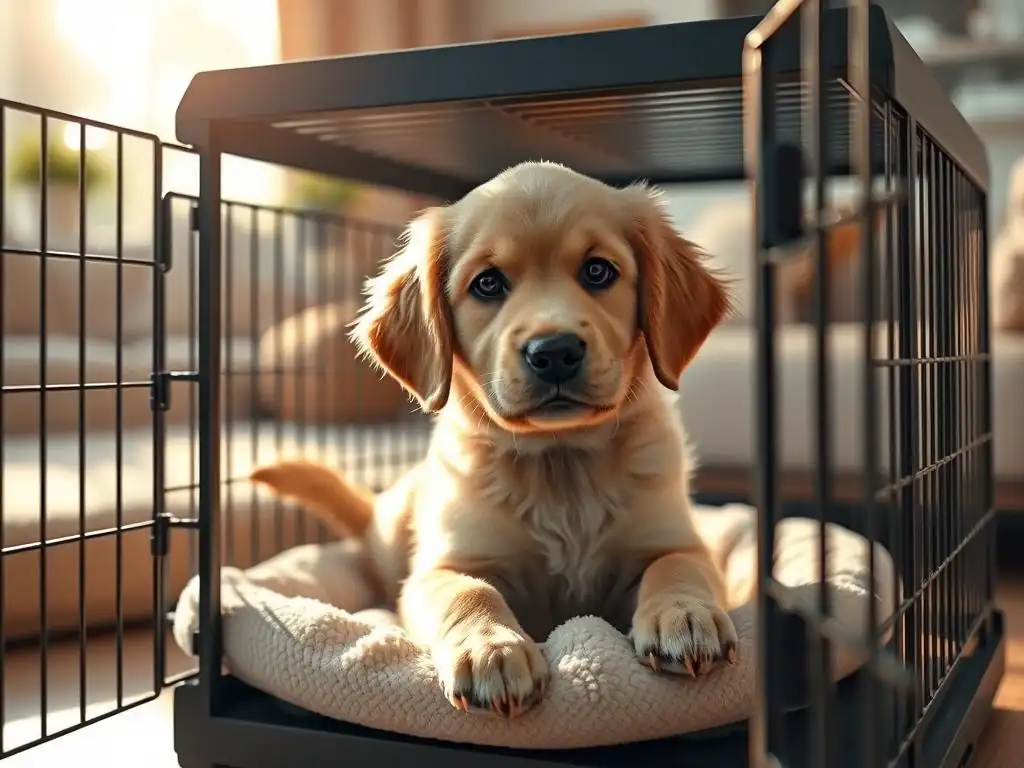
Welcome to PetCareWorld, your ultimate guide to a happier, healthier life for your beloved pets! Are you struggling with your dog's separation anxiety? Discover how crate training can offer a safe and effective solution, transforming anxious moments into peaceful departures. Learn more about this powerful technique and unlock the key to a more relaxed and confident companion in our in-depth guide on "Dog Crate Training Separation Anxiety." Dive in and start building a stronger bond with your furry friend today!
- Understanding Dog Separation Anxiety and its Symptoms
- Crate Training as a Tool for Managing Separation Anxiety
- Implementing a Successful Crate Training Program for Separation Anxiety
- Alternatives to Crate Training for Separation Anxiety
- When Crate Training is NOT the Right Solution
- Conclusion: Crate Training and Separation Anxiety – A Balanced Perspective
-
Frequently Asked Questions
- What is separation anxiety in dogs?
- Does crate training help with separation anxiety?
- How do I introduce my dog to the crate for separation anxiety training?
- What other methods can I use alongside crate training to address separation anxiety?
- When should I seek professional help for my dog's separation anxiety?
- Final Reflection: Unlocking Canine Calm: Crate Training and Separation Anxiety
- Unlock Your Dog's Confidence: Start Crate Training Today!
Understanding Dog Separation Anxiety and its Symptoms
Dog separation anxiety is a significant behavioral issue affecting many canine companions. It's characterized by extreme distress and anxiety exhibited by a dog when left alone, even for short periods. This distress manifests in various ways, causing significant disruption to both the dog's well-being and the owner's lifestyle. This article delves into the complexities of dog separation anxiety, exploring its symptoms, causes, and whether crate training is an effective solution.
We will examine the nuances of this problem, helping you understand if crate training is the right approach for your anxious pup, and offering insights into alternative strategies if needed. Understanding the root causes and appropriate management techniques is crucial for addressing this challenging behavioral problem and fostering a happier, healthier relationship with your dog. The goal is to equip you with the knowledge to make informed decisions about your dog’s care and alleviate their suffering.
Recognizing the Signs of Separation Anxiety in Dogs
Recognizing the signs of separation anxiety in your dog is the first crucial step towards effective management. These signs can vary in intensity and presentation, but some common indicators include:
- Destructive behavior: Excessive chewing, digging, scratching at doors or windows, and the destruction of furniture or personal belongings. The damage is often focused on areas near exits or points of access to the owner.
- Vocalization: Excessive barking, howling, whining, or crying while alone. This can be persistent and intense, causing disturbances to neighbors.
- Elimination problems: House soiling or urination, even in dogs that are usually reliably house-trained. This is often a sign of stress and anxiety.
- Self-harm: Excessive licking, chewing, or biting at themselves, potentially leading to skin irritation or wounds.
- Pacing and restlessness: Constant movement, pacing, or frantic attempts to escape confinement. This can be visibly distressing for the dog.
- Tremors and shaking: Physical manifestations of anxiety, indicating a high level of fear and unease.
Many dogs exhibit a combination of these symptoms. The severity of these behaviors can escalate over time if left unaddressed. Early intervention is key to preventing the development of more severe and entrenched anxiety. Keeping a detailed record of your dog's behavior when left alone, noting the duration and intensity of each symptom, can be incredibly helpful for veterinary professionals or certified dog trainers.
Common Causes of Separation Anxiety in Canines
The underlying causes of separation anxiety in dogs are complex and often multifaceted. While a single trigger might not always be identifiable, several factors commonly contribute to this condition:
- Early separation from mother and littermates: Dogs removed too early from their mothers and littermates may lack crucial socialization skills and develop anxieties related to independence.
- Changes in routine or environment: Significant life changes, such as moving house, the arrival of a new family member or pet, or a change in the owner's work schedule, can trigger anxiety.
- Trauma or neglect: Negative past experiences, such as abandonment, abuse, or neglect, can leave lasting emotional scars and contribute to anxiety.
- Lack of socialization: Inadequate socialization during puppyhood can make a dog more susceptible to anxiety in various situations, including separation.
- Genetic predisposition: Some breeds may be genetically predisposed to anxiety disorders, making them more vulnerable to separation anxiety. [Specific breed information pending].
Understanding these potential causes is crucial in developing a tailored management plan. Addressing underlying issues, rather than just managing the symptoms, is essential for long-term success. A thorough veterinary check-up is recommended to rule out any underlying medical conditions that could be contributing to the anxiety.
Differentiating Separation Anxiety from Other Behavioral Issues
It's crucial to differentiate separation anxiety from other behavioral issues that might present similar symptoms. For example, a dog exhibiting destructive behavior might be suffering from boredom, lack of exercise, or a medical condition rather than separation anxiety. Similarly, excessive barking could be a response to external stimuli, such as noises or other animals, rather than anxiety related to being alone.
A key differentiator is the timing of the behavior. Separation anxiety symptoms typically manifest only when the dog is left alone, subsiding once the owner returns. Other behavioral problems may be present regardless of the owner's presence. Careful observation and record-keeping are essential for accurate diagnosis. Consulting with a veterinarian or a certified professional dog trainer can help determine the underlying cause of the problem and develop an effective treatment plan. This ensures that the appropriate intervention strategies are implemented, leading to more effective and humane management of the dog’s behavior.
Crate Training as a Tool for Managing Separation Anxiety
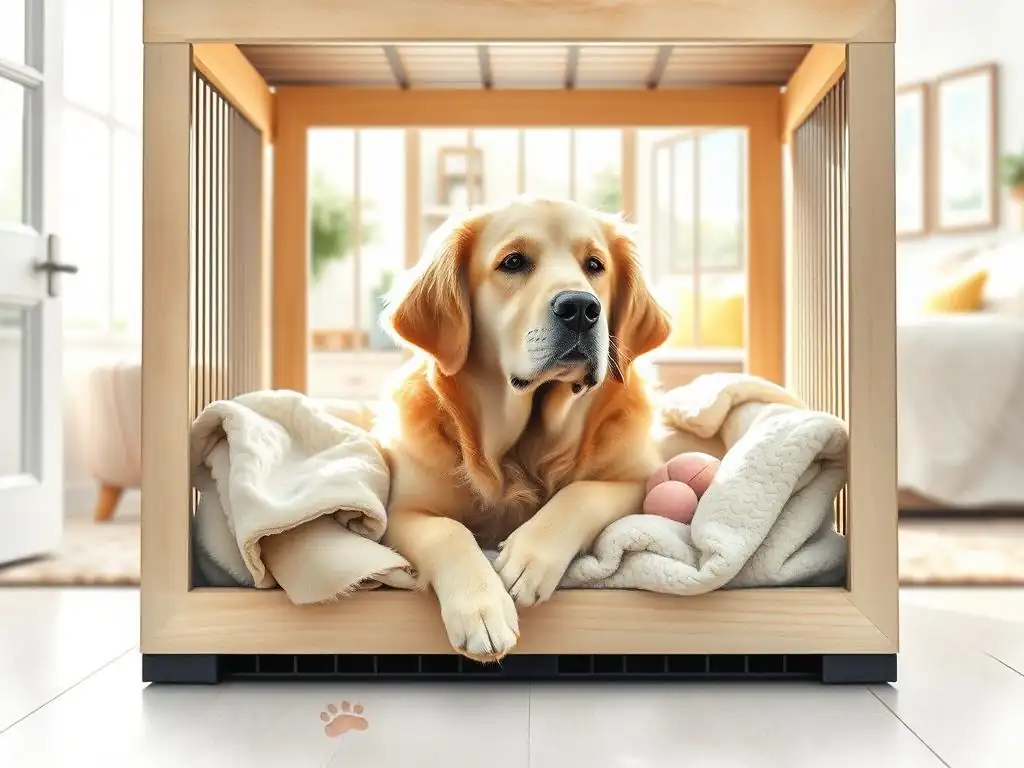
Crate training, often viewed as a method for housetraining puppies, can be a remarkably effective tool in managing separation anxiety in dogs. This isn't about confining your dog as punishment; instead, it's about creating a safe, secure, and predictable space that your dog associates with comfort and calmness. For dogs suffering from separation anxiety, the crate becomes a den-like retreat, a place where they can feel safe and protected when their owner is away.
Successfully implementing crate training requires patience, consistency, and a positive reinforcement approach. The goal isn't to cure separation anxiety – that often requires a multi-faceted approach involving veterinary guidance and behavioral modification – but to significantly reduce its symptoms and provide your dog with a coping mechanism.
The effectiveness of crate training for separation anxiety is often linked to the gradual introduction of the crate and the positive associations built around it. We'll delve deeper into these aspects below.
How Crate Training Can Help Alleviate Separation Anxiety
Separation anxiety manifests in various ways, from destructive chewing and excessive barking to incessant whining and pacing. Crate training can mitigate these behaviors by providing a defined space where the dog feels secure. The crate acts as a boundary, preventing the dog from engaging in anxiety-driven destructive behaviors while you are away.
By associating the crate with positive experiences – like feeding, playing with toys, or receiving treats – the dog learns to view it as a comforting refuge rather than a prison. The predictability offered by the crate is also crucial. A dog suffering from separation anxiety often experiences heightened stress due to uncertainty.
The consistent use of the crate provides a routine, reducing this unpredictability and offering a sense of security. This structured environment helps to calm the dog's nervous system, thus decreasing the intensity of anxiety symptoms. The crate, therefore, doesn't solve the underlying issue, but manages the outward manifestations of the anxiety, providing a safer and less stressful experience for both the dog and the owner.
Benefits of Crate Training for Anxious Dogs
The advantages of crate training for dogs with separation anxiety extend beyond simply preventing destructive behavior. It provides a structured environment that promotes calmness and reduces stress. This structured environment translates to:
- Reduced Destructive Behavior: Confining the dog to the crate prevents them from chewing furniture, digging holes in the carpet, or engaging in other anxiety-related destructive activities.
- Decreased Vocalization: The crate can significantly reduce excessive barking, howling, or whining.
- Improved Sleep: A comfortable crate can provide a safe and quiet place for your dog to rest and sleep, which is especially beneficial for anxious dogs.
- Enhanced Self-Soothing: The crate provides a sense of security and control, encouraging the dog to self-soothe and calm down.
- Easier Travel: A crate-trained dog will be more comfortable and less anxious during car rides or other travel situations.
Beyond these direct benefits, crate training lays the foundation for other positive training techniques. The crate can serve as a safe space during thunderstorms or other stressful events. It also provides a designated area for the dog to rest and relax, helping to establish a healthy routine and reduce overall anxiety levels.
Choosing the Right Crate Size and Type for Your Dog
Selecting the appropriate crate is paramount to the success of crate training for separation anxiety. The crate should be large enough for your dog to stand up, turn around comfortably, and lie down stretched out, but not so large that they feel lost in it. A crate that's too spacious can exacerbate anxiety, as it provides too much room for the dog to pace and worry. Consider these factors:
| Crate Type | Pros | Cons | Suitable For |
|---|---|---|---|
| Wire Crate | Good ventilation, easy to clean | Can feel less secure than other options | Most dogs, especially those needing visibility |
| Plastic Crate | More secure, better sound insulation | Less ventilation, can be harder to clean | Dogs who are easily startled or need more privacy |
| Soft-Sided Crate | Portable, lightweight, good for travel | Less durable, not suitable for strong chewers | Occasional use, travel, or smaller dogs |
Choosing the right size is crucial. Measure your dog from the nose to the base of the tail and add 6-12 inches to determine the appropriate length. Height should allow your dog to stand comfortably. Avoid crates that are too big, as they might encourage anxious pacing, and never use a crate as punishment – this will negate all positive associations. Remember, the crate should be a haven, not a jail. 🐶
Implementing a Successful Crate Training Program for Separation Anxiety
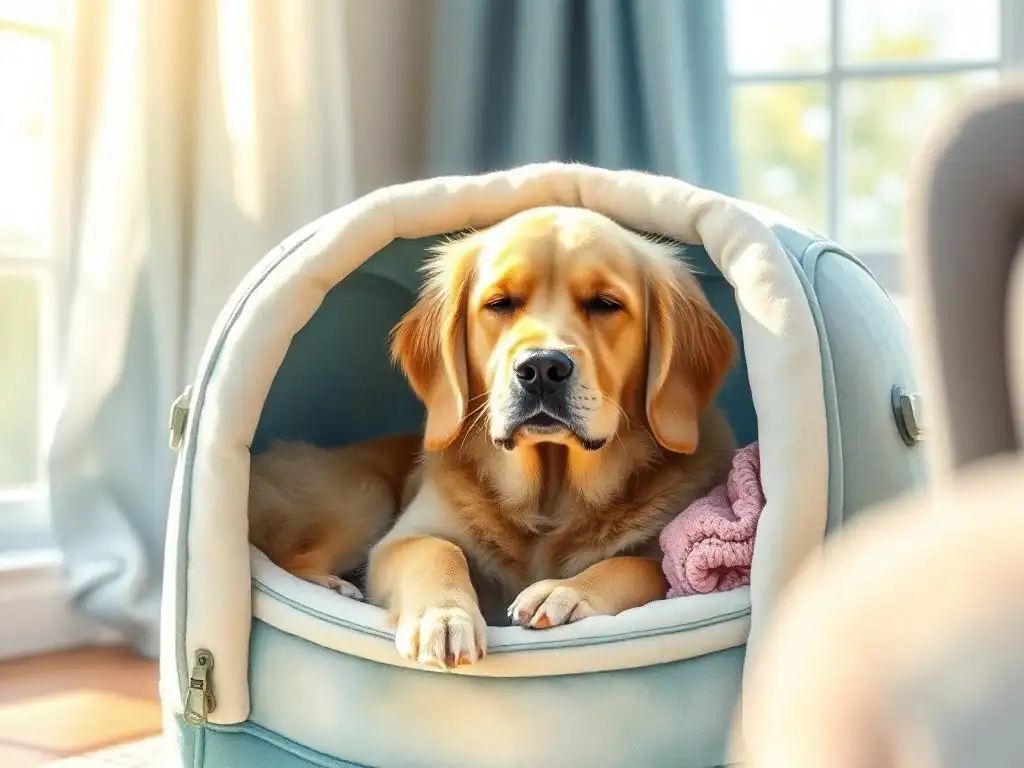
This section details the practical application of crate training to mitigate separation anxiety in dogs. Remember, crate training isn't a magical cure-all; it's a tool best used in conjunction with other anxiety-reducing strategies. Success hinges on patience, consistency, and a positive approach. The goal isn't to punish your dog but to create a safe, secure space they associate with comfort and calm, gradually reducing their fear of being alone. This process requires a significant time investment and a deep understanding of canine behavior. We'll explore this in detail below.
Step-by-Step Guide to Crate Training Your Anxious Dog
Begin by selecting a crate appropriately sized for your dog. It should be large enough for them to stand, turn around, and lie down comfortably, but not so large that they can create a separate "bathroom" area. Avoid overly large crates, especially in the initial stages.
- Introduce the Crate Positively: Make the crate a welcoming space. Place a comfortable bed, favorite toys, and perhaps a familiar-smelling blanket inside. Scatter treats around the crate and inside to encourage exploration. Never force your dog into the crate. Instead, lure them in with treats or toys.
- Short, Positive Sessions: Start with very short sessions (5-10 minutes) and gradually increase the duration as your dog becomes more comfortable. Always end the session on a positive note, rewarding your dog for calm behavior inside the crate with treats, praise, or a favorite toy.
- Supervise Initially: During these early sessions, remain close to your dog, offering reassurance and praise. Your presence will help them associate the crate with safety and security. Avoid leaving them alone in the crate during this initial familiarization phase.
- Gradual Separation: Once your dog readily enters and remains calm in the crate for short periods with you nearby, start practicing short separations. Leave the room for a minute or two, then return. Gradually increase the duration of your absences as your dog’s confidence grows.
- Consistency is Key: Consistency is paramount. Maintain a regular routine, ensuring that your dog's crate training sessions follow a predictable pattern. Inconsistent training can confuse your dog and hinder progress. This consistent approach is crucial for addressing their separation anxiety effectively. The more consistent you are, the faster you'll see positive results.
- Never Use the Crate as Punishment: The crate should always be a positive and safe space. Never use it as a punishment tool, as this will only worsen your dog's anxiety and create negative associations with the crate. Remember, the goal is to make it a sanctuary, not a jail.
Positive Reinforcement Techniques for Crate Training
Positive reinforcement is the cornerstone of effective crate training for dogs with separation anxiety. It focuses on rewarding desired behaviors rather than punishing unwanted ones. Here are some key techniques:
- High-Value Treats: Use small, high-value treats that your dog absolutely loves. These can be used to lure your dog into the crate, reward them for staying calm inside, and generally create positive associations.
- Verbal Praise: Pair treats with enthusiastic verbal praise. A cheerful "Good dog!" or "Yes!" can reinforce positive behavior and build your dog's confidence.
- Toys: Providing engaging toys inside the crate can help distract your dog and keep them occupied during crate time. Rotate toys regularly to keep things interesting.
- Calming Signals: Learn to recognize and respond to your dog's calming signals, such as yawning, lip licking, or turning their head away. These indicate stress and anxiety; addressing these signals with reassurance and positive reinforcement can help reduce their anxiety levels.
- Clicker Training: A clicker can be a valuable tool for marking and rewarding desired behaviors precisely. This technique allows you to immediately reinforce positive actions, strengthening the association between the behavior and the reward.
Addressing Potential Challenges During Crate Training
Even with careful planning and positive reinforcement, challenges may arise during crate training. Here are some common issues and how to address them:
| Challenge | Solution |
|---|---|
| Whining or Barking | Ignore the whining (unless excessive or prolonged), and only reward quiet behavior. Gradually increase duration. |
| Destructive Behavior | Ensure the crate is appropriately sized and properly secured. Consider using a pheromone diffuser. |
| Refusal to Enter the Crate | Make the crate more inviting. Use high-value treats and toys to lure your dog inside. |
| House Soiling Inside the Crate | Ensure adequate potty breaks before crate time. Consider reducing crate time if accidents persist. |
Remember, patience and persistence are crucial. If you encounter significant challenges, consulting a certified professional dog trainer or veterinary behaviorist is highly recommended. They can provide personalized guidance and address any underlying behavioral issues contributing to your dog's separation anxiety. Addressing these challenges effectively will lead to a successful crate training experience for both you and your canine companion. 🐶
Alternatives to Crate Training for Separation Anxiety
Crate training, while often beneficial for housetraining and providing a safe space, isn't always the ideal solution for dogs suffering from separation anxiety. For some dogs, the crate can paradoxically increase anxiety, making the separation even more stressful. Understanding this is crucial for responsible pet ownership and choosing the best approach for your individual dog. This section explores viable alternatives to crate training for managing separation anxiety in dogs. The key is to address the underlying cause of the anxiety, not just manage the symptoms.
Behavior Modification Techniques for Separation Anxiety
Behavior modification is a cornerstone of treating separation anxiety. It focuses on gradually desensitizing your dog to the cues associated with your departure and rewarding calm behavior. This often involves a multi-pronged approach:
- Counter-conditioning: This involves associating your departure cues (keys jingling, grabbing your coat) with positive experiences, like treats or a favorite toy. Start by practicing these cues without actually leaving. Over time, gradually increase the duration and intensity of the cues before you leave.
- Desensitization: This method involves slowly exposing your dog to the anxiety-provoking stimuli (e.g., the sound of your car starting) at a low intensity, gradually increasing the intensity as your dog remains calm. This helps them learn that these stimuli aren't inherently threatening.
- Exercise and Mental Stimulation: A tired dog is often a calmer dog. Ensure your dog gets plenty of physical exercise before you leave, and provide them with engaging mental stimulation through puzzle toys or interactive games. This helps burn off excess energy and reduces anxiety.
- Consistent Routine: Dogs thrive on routine. Maintaining a predictable schedule for feeding, walks, playtime, and your departures can significantly reduce anxiety. Sudden changes in routine can exacerbate separation anxiety.
Consider professional help from a certified dog trainer or veterinary behaviorist. They can tailor a behavior modification plan specifically to your dog's needs and provide guidance throughout the process. Remember, consistency is key to success with behavior modification techniques. It requires patience and dedication, but the rewards are well worth the effort.
Medication and Veterinary Consultations for Severe Cases
For dogs with severe separation anxiety, medication may be necessary. This is not a first-line treatment, and should always be considered in conjunction with behavior modification. A veterinary behaviorist can assess your dog's condition and recommend appropriate medication, such as selective serotonin reuptake inhibitors (SSRIs) or other anxiolytics. These medications help regulate neurotransmitters in the brain that contribute to anxiety.
It's crucial to understand that medication alone is rarely sufficient. Medication works best when combined with a comprehensive behavior modification program. The medication helps manage the symptoms, while the behavior modification addresses the root cause of the anxiety. Regular veterinary check-ups are essential to monitor your dog's response to medication and make adjustments as needed. Never start or stop medication without consulting your veterinarian.
Environmental Enrichment to Reduce Anxiety
Creating a stimulating and enriching environment can significantly reduce your dog's anxiety when you're away. This involves providing a variety of engaging activities to keep your dog occupied and prevent boredom, a major contributor to separation anxiety.
- Puzzle Feeders: These toys require your dog to work for their food, providing mental stimulation and reducing boredom. This can keep them occupied for extended periods.
- Long-lasting Chews: Providing durable, safe chews, like bully sticks or long-lasting dental chews, can keep your dog entertained and help alleviate anxiety.
- Safe and Comfortable Space: Ensure your dog has a safe, comfortable, and secure space where they can retreat when feeling anxious. This could be a dog bed in a quiet corner, or a designated "safe zone" away from high-traffic areas. This space should be free from stressors and provide a sense of security.
- Music or White Noise: Some dogs find calming music or white noise helpful in reducing anxiety. Playing calming music or white noise while you are away can create a more soothing atmosphere.
Remember that addressing separation anxiety requires a holistic approach. Combining behavior modification, environmental enrichment, and, in severe cases, medication, provides the best chance for success. The goal is not just to suppress the symptoms, but to help your dog feel secure and confident even when you are not around. Patience, consistency, and a deep understanding of your dog's individual needs are essential throughout this process.
When Crate Training is NOT the Right Solution

Crate training, while often beneficial for housetraining and providing a safe space, isn't a universal solution for dog separation anxiety. Understanding when it's not the appropriate approach is crucial to avoid exacerbating the problem. Improper implementation can even increase a dog's anxiety levels, leading to further behavioral issues. This section explores scenarios where crate training might be detrimental and offers alternative strategies. The key is to carefully assess your dog's individual needs and personality before committing to this method. Remember, the goal is to alleviate anxiety, not create a new source of stress.
Dogs Unlikely to Benefit from Crate Training
Certain dogs may find crate training counterproductive for separation anxiety. These include dogs with:
- Severe separation anxiety: For dogs exhibiting extreme distress – destructive behaviors like excessive barking, howling, chewing, or self-harm – crate training alone might worsen their anxiety. The confinement could amplify their feelings of isolation and helplessness. A gradual desensitization and counter-conditioning approach, combined with professional guidance, is often more effective.
- Pre-existing negative crate associations: If your dog already has negative experiences with the crate (e.g., punishment, forced confinement), using it to address separation anxiety is likely to fail. Rebuilding trust and creating positive associations with the crate is a prerequisite before considering it for anxiety management.
- Medical conditions: Underlying medical issues, such as pain, cognitive dysfunction, or hormonal imbalances, can contribute to anxiety. Addressing these underlying problems is essential before attempting behavioral modifications like crate training. A veterinary checkup is always recommended.
- Certain breeds: While not a definitive rule, some breeds are inherently more prone to separation anxiety than others. These breeds might not respond well to crate confinement for anxiety management. [Specific breed data pending]. Understanding your dog's breed predispositions is important.
The effectiveness of crate training for separation anxiety is highly dependent on the dog's individual temperament and history. A cautious approach and professional consultation are recommended.
Potential Drawbacks of Crate Training for Separation Anxiety
While crate training offers benefits for some dogs, potential drawbacks exist, particularly concerning separation anxiety:
- Increased anxiety: If not implemented correctly, the crate can become a symbol of confinement and isolation, heightening the dog's anxiety rather than reducing it. The dog might associate the crate with being left alone, amplifying feelings of abandonment.
- Lack of long-term solution: Crate training primarily addresses the symptoms of separation anxiety (destructive behaviors during absence) but doesn't tackle the root cause of the anxiety itself. It's a management tool, not a cure.
- Difficulty with generalization: The dog might only be calm in the crate, experiencing anxiety in other situations even after successful crate training. This limits the applicability of the training to specific scenarios.
- Ethical concerns: Forcing an anxious dog into a crate can be viewed as ethically questionable, especially if it leads to increased stress and distress. Prioritizing the dog's well-being should always be the primary concern.
Careful consideration of these drawbacks is crucial before using crate training for separation anxiety. Alternative, less restrictive methods might be more appropriate for some dogs.
Assessing Your Dog's Individual Needs
Before deciding on crate training for separation anxiety, a thorough assessment of your dog's individual needs is essential. This involves:
| Factor | Considerations |
|---|---|
| Severity of Separation Anxiety | Observe your dog's behavior when left alone. Note the intensity and type of destructive behaviors, vocalizations, and signs of distress. Is it mild, moderate, or severe? |
| Crate History | Has your dog had positive or negative experiences with the crate? A history of negative associations can hinder the effectiveness of crate training for anxiety management. |
| Overall Temperament | Is your dog generally calm, anxious, or reactive? Dogs with highly anxious temperaments might not respond well to crate confinement. |
| Underlying Medical Conditions | Rule out any underlying medical conditions that could be contributing to the anxiety. A veterinary examination is highly recommended. |
| Response to Other Training | How well does your dog respond to other training methods? Success with other training approaches suggests a higher likelihood of success with crate training, if carefully implemented. |
This assessment will help determine if crate training is suitable or if alternative methods, such as desensitization and counter-conditioning, are more appropriate. Remember, a veterinarian or certified professional dog trainer can provide valuable guidance and support in this process. Consulting a professional is highly recommended for severe cases of separation anxiety. 🐶
Conclusion: Crate Training and Separation Anxiety – A Balanced Perspective
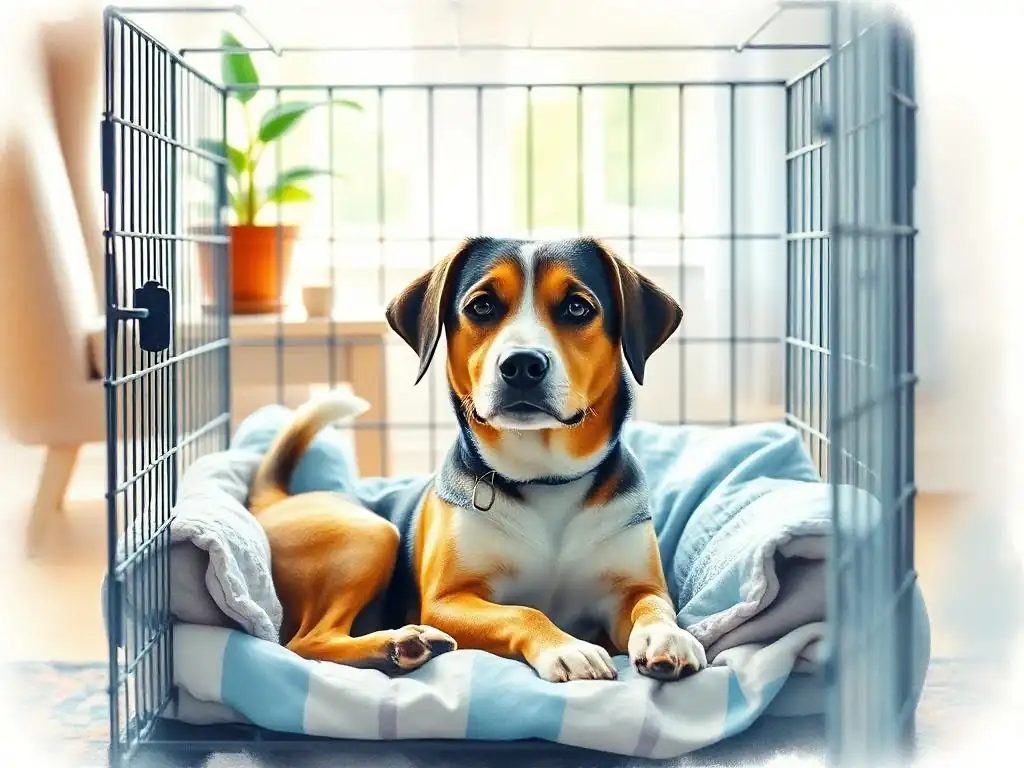
Crate training, when implemented correctly and ethically, can be a valuable tool in managing canine separation anxiety, but it's not a miracle cure. Its effectiveness hinges heavily on the individual dog's temperament, the severity of their anxiety, and the owner's commitment to a holistic approach. Simply placing a dog in a crate and hoping for the best is a recipe for failure and could even worsen the anxiety.
Successful crate training for separation anxiety requires patience, consistency, and a deep understanding of your dog's needs. Remember, the crate should be a safe haven, not a punishment. The goal is to associate the crate with positive experiences, gradually building up tolerance to being alone.
This involves positive reinforcement techniques, creating a comfortable den-like environment within the crate, and a carefully managed desensitization process. Failing to address the underlying causes of the separation anxiety, while relying solely on crate training, is unlikely to yield lasting results. A multi-faceted approach is crucial.
Weighing the Pros and Cons for Your Specific Dog
Before implementing crate training for separation anxiety, a thorough assessment of your dog's individual characteristics is essential. Consider these factors:
| Factor | Pro | Con |
|---|---|---|
| Dog's Breed & Temperament | Some breeds adapt more readily to crates. Calm breeds may find it easier. | Anxious or independent breeds might find crate confinement stressful, exacerbating their anxiety. |
| Severity of Anxiety | Mild anxiety may be manageable with crate training. | Severe anxiety may require more comprehensive interventions beyond crate training alone. |
| Age & Training History | Puppies are often easier to crate train than adult dogs. | Older dogs with ingrained negative associations with confinement may be harder to train. |
| Pre-existing Medical Issues | None. | Underlying health problems could influence anxiety and response to crate training (consult vet). |
| Home Environment | Provides a safe, contained space during absences. | If the crate is in a noisy or stressful location, it could increase anxiety. |
For instance, a young, easily adaptable Labrador Retriever with mild separation anxiety might benefit significantly from a well-executed crate training program. Conversely, a senior German Shepherd with severe anxiety and a history of trauma might experience increased stress in a crate, necessitating alternative management strategies. Careful consideration of these pros and cons is crucial to determining the suitability of crate training for your specific dog. Remember, a veterinary assessment is highly recommended.
Seeking Professional Guidance from Veterinarians and Trainers
Addressing separation anxiety effectively often requires professional intervention. A veterinarian can rule out underlying medical conditions that might contribute to your dog's anxiety, such as hyperthyroidism or cognitive dysfunction. They can also recommend appropriate medication if necessary, always as part of a broader behavioral modification plan. A certified professional dog trainer, experienced in dealing with separation anxiety, can provide personalized guidance and create a tailored training program.
They can teach you effective techniques for desensitization and counter-conditioning, helping your dog to associate the crate and alone time with positive experiences. Don't hesitate to seek professional help; it's a sign of responsible pet ownership and greatly increases the chances of success. The investment in professional guidance often pays off significantly in improved pet well-being and reduced stress for the owner.
Long-Term Strategies for Managing Separation Anxiety
Even with successful crate training, long-term management of separation anxiety typically involves a combination of strategies. This holistic approach aims to address both the immediate behavioral manifestations and the underlying emotional causes. Continued positive reinforcement, consistent routines, and enriching the dog's environment while alone are crucial. This could involve providing puzzle toys to keep them mentally stimulated, playing calming music, or using pheromone diffusers (like Adaptil) to reduce anxiety. Furthermore, gradually increasing the duration of alone time is essential to build tolerance. Start with short absences and gradually extend them, always rewarding calm behavior. Regular exercise and mental stimulation throughout the day can also help tire your dog physically and mentally, reducing anxiety levels. Finally, consistent monitoring and adjustment of the management plan based on your dog's response are vital for long-term success. Remember, managing separation anxiety is an ongoing process, not a one-time fix. Patience and consistency are key.
Frequently Asked Questions
What is separation anxiety in dogs?
Separation anxiety in dogs is a behavioral disorder characterized by distress when left alone. Symptoms include excessive barking, whining, destructive behavior, and attempts to escape. Early intervention is key.
Does crate training help with separation anxiety?
Crate training can be a helpful tool, but it's not a cure-all. A crate provides a safe and secure space, reducing anxiety, but it must be implemented correctly and combined with other training methods. Positive reinforcement is crucial.
How do I introduce my dog to the crate for separation anxiety training?
Start by making the crate a positive place with treats and toys. Gradually increase the time your dog spends in the crate, rewarding calm behavior. Never force your dog inside. Patience and consistency are essential.
What other methods can I use alongside crate training to address separation anxiety?
Combine crate training with desensitization and counter-conditioning techniques. Gradually increase the duration of your absences, while also associating leaving with positive experiences (e.g., a special chew toy). Consider consulting a certified professional dog trainer or veterinary behaviorist.
When should I seek professional help for my dog's separation anxiety?
Seek professional help if your dog's anxiety is severe, causing significant distress or damage, or if home-based methods are unsuccessful. A vet or certified professional dog trainer can assess your dog's needs and develop a tailored treatment plan.
Final Reflection: Unlocking Canine Calm: Crate Training and Separation Anxiety
The pervasive problem of canine separation anxiety continues to impact countless dogs and their owners, demanding innovative and compassionate solutions. Understanding the nuances of crate training within this context is crucial, as it's not a one-size-fits-all answer, but rather a tool that, when used correctly, can be a powerful component of a comprehensive treatment plan.
The emotional toll of separation anxiety on both dog and owner is undeniable, a silent struggle often hidden behind closed doors. It's a complex issue rooted in a dog's inherent need for security and connection, often exacerbated by inconsistent training or traumatic experiences. A dog's love is a pure love. It is unconditional and true. It is a gift that we must cherish and protect.
This quote highlights the profound bond we share with our canine companions, making the challenge of separation anxiety all the more poignant and demanding of our understanding and empathy.
So, what's next? Consider this your call to action. Don't simply dismiss crate training as a solution or a punishment; instead, delve deeper into understanding your dog's unique needs and anxieties. Seek professional guidance from a certified veterinary behaviorist or a qualified dog trainer to develop a personalized plan that addresses the root causes of your dog's anxiety. Remember, patience, consistency, and a deep understanding of your furry friend are the keys to unlocking canine calm and fostering a truly harmonious relationship built on trust and mutual respect.
Unlock Your Dog's Confidence: Start Crate Training Today!
Thank you for learning about crate training and separation anxiety! We hope you found this information helpful in building a happier, more secure dog. Now, let's put this knowledge into practice.
- Begin your dog's crate training journey today! Start with short, positive sessions, making the crate a safe and rewarding place. Consistency is crucial for success.
- Share your experiences—both successes and challenges—with our community in the comments below. We're happy to hear your stories and offer support.
- Explore our other articles on dog anxiety for more helpful tips and techniques. You might be surprised at what you learn!
Ready to transform your dog's separation anxiety and strengthen your bond? What's your first step toward creating a more confident and secure companion?