
Best DogFriendly Hiking Trails Near You: Discover New Adventures

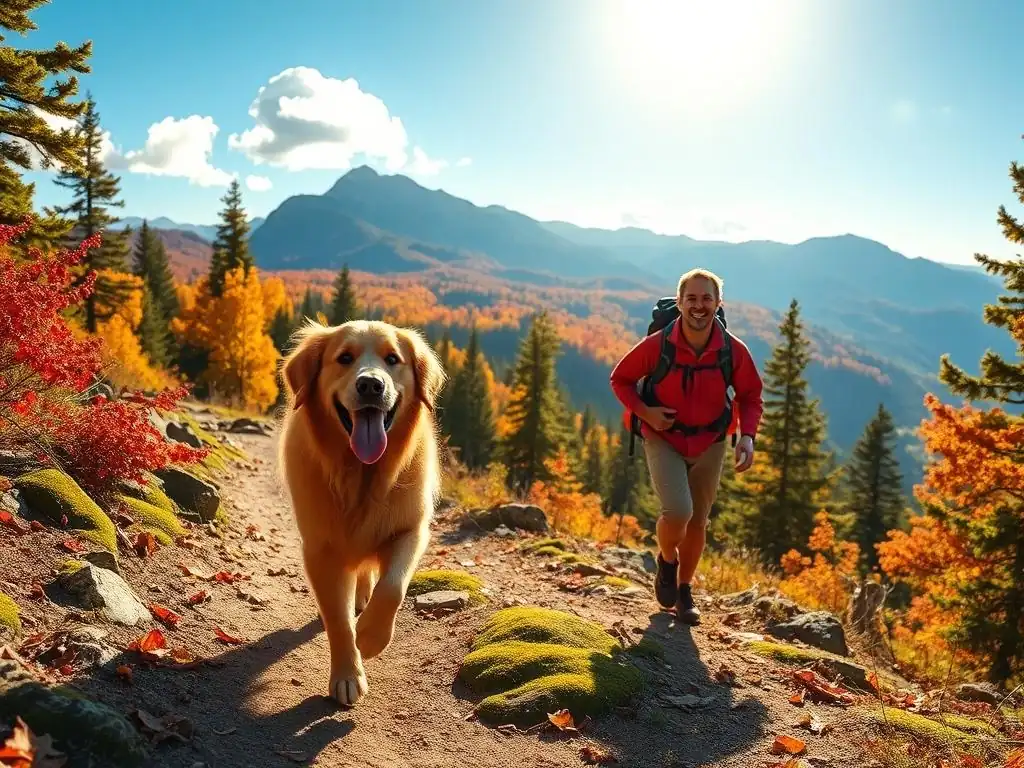
Welcome to PetCareWorld, your ultimate guide to a happier, healthier life for your beloved pets! Are you ready to embark on exciting new adventures with your canine companion? Discover the best dog-friendly hiking trails nearby and unlock a world of exploration and bonding. We've compiled a comprehensive guide to ensure your next hike is both safe and enjoyable for you and your furry friend. Let's get started on creating unforgettable memories together!
- Finding the Perfect Dog-Friendly Hiking Trail Near You
- Top Dog-Friendly Hiking Trails by Location [Location 1: Central Park, New York City]
- Top Dog-Friendly Hiking Trails by Location: Denver, Colorado
- Essential Tips for Safe and Enjoyable Hiking with Your Dog
- Post-Hike Care for Your Canine Companion
- Discover More Dog-Friendly Adventures Near You
- Frequently Asked Questions
- Final Reflection: Pawsitive Impacts: Exploring the Trails Together
- Unleash Your Hiking Spirit: Explore Trails with Your Best Friend!
Finding the Perfect Dog-Friendly Hiking Trail Near You
Finding the ideal hiking trail for you and your furry friend can be an incredibly rewarding experience, strengthening your bond and providing much-needed exercise and fresh air for both of you. This guide focuses on helping you discover the best dog-friendly hiking trails near your location, ensuring a safe and enjoyable adventure for everyone. We'll explore resources to find suitable trails, factors to consider when choosing a trail based on your dog's abilities, and crucial pre-hike checks to mitigate potential risks.
Choosing the right trail is paramount for a positive experience, maximizing the fun and minimizing any potential dangers. Let's embark on this journey together, discovering the perfect outdoor escape for you and your canine companion! 🐶🐾
Identifying Local Dog-Friendly Trails: Resources and Apps
Locating dog-friendly hiking trails in your area is easier than you might think, thanks to a wealth of online resources and dedicated mobile applications. Many local parks and recreation departments maintain websites and social media pages listing available trails, often specifying which ones permit dogs. These resources frequently include trail maps, difficulty ratings, and even reviews from other dog owners.
Additionally, several popular hiking apps, such as [App Name 1], [App Name 2], and [App Name 3], allow you to filter your search based on specific criteria, including dog-friendliness. Remember to always verify the information found online with official sources before heading out. Checking for recent updates on trail conditions and any potential closures is also essential.
Don't forget to take advantage of online forums and local pet owner groups; these communities often share insider tips and recommendations for the best local trails, highlighting hidden gems that might not be widely advertised. Utilizing a combination of these resources will significantly increase your chances of finding a perfect match for your dog's needs and your own preferences.
Considering Your Dog's Breed and Fitness Level for Trail Selection
Choosing the right trail isn't just about location; it's crucial to consider your dog's individual capabilities. A high-energy breed like a Border Collie will thrive on a challenging, longer trail, while a smaller breed like a Chihuahua might be better suited to a shorter, gentler path. Think about your dog's age, overall health, and any physical limitations they might have. A steep, rocky trail might be too strenuous for an older dog or one with joint problems.
Similarly, a trail with prolonged exposure to direct sunlight could be dangerous for breeds prone to overheating. Before embarking on any hike, assess your dog's fitness level. Start with shorter, easier trails to gauge their stamina and adjust the difficulty accordingly.
Remember, a tired or overexerted dog is more prone to injury. Always carry plenty of water for both you and your dog, and consider bringing dog booties for added paw protection on rough terrain. Prioritizing your dog's well-being ensures a safe and enjoyable hiking experience for both of you.
Checking Trail Conditions and Potential Hazards Before You Go
Before you set off on your adventure, it's crucial to check the current trail conditions and identify any potential hazards. Weather conditions can significantly impact trail safety. Extreme heat can lead to dehydration and overheating in dogs, while icy or muddy trails can cause slips and falls.
Check the weather forecast and adjust your plans accordingly. Additionally, research the trail for potential hazards such as steep drop-offs, poisonous plants, or areas with heavy wildlife presence. Knowing what to expect allows you to take necessary precautions, such as using a leash, carrying a first-aid kit, or bringing bear spray (depending on location).
Checking for recent trail closures or warnings is also essential to avoid unexpected disruptions or dangerous situations. Remember, responsible planning and preparation are key to a safe and successful hike with your canine companion. A little pre-hike research can go a long way in ensuring a memorable and enjoyable outdoor experience for both you and your furry friend.
## Top Dog-Friendly Hiking Trails in the Pacific Northwest
This section highlights the best dog-friendly hiking trails in the Pacific Northwest, offering stunning scenery and enjoyable experiences for you and your canine companion. We've carefully selected trails considering factors like difficulty, length, and the availability of water sources. Remember to always check local regulations and trail conditions before you go, and ensure your dog has the appropriate gear for a safe and comfortable hike. Let's discover some amazing adventures together!
Top Dog-Friendly Hiking Trails by Location [Location 1: Central Park, New York City]

This section focuses on dog-friendly hiking trails within Central Park, a popular urban oasis offering a surprising variety of trails for both humans and their canine companions. Remember to always keep your dog on a leash, as required by park regulations, and be mindful of other park visitors. Proper waste disposal is crucial for maintaining a clean and enjoyable environment for everyone.
The Ramble: Description, Difficulty, Length, and Dog-Specific Notes
The Ramble, a 36-acre woodland area within Central Park, offers a network of less-maintained, more natural trails. These trails are perfect for a more adventurous hike with your dog, offering a change of pace from the manicured park paths. However, be aware that the terrain can be uneven, with roots and rocks, so it's not ideal for dogs with mobility issues.
- Description: Winding, wooded trails with varied terrain. Expect some elevation changes. Offers a sense of escaping the city.
- Difficulty: Moderate to Strenuous (depending on the route chosen)
- Length: Variable, from short loops to longer explorations (up to several miles possible).
- Dog-Specific Notes: This is a great option for energetic dogs who enjoy exploring off-the-beaten-path. However, ensure your dog is comfortable with uneven terrain and potentially encountering other wildlife (squirrels, birds). Keep a close eye on your dog due to the potential for them to get lost in the denser vegetation. Water is essential, especially during warmer months. 🐶💧
The North Woods: Description, Difficulty, Length, and Dog-Specific Notes
Located in the northern part of Central Park, the North Woods offers a quieter, more secluded hiking experience. While not as extensive as The Ramble, it still provides a pleasant woodland escape. The trails are generally well-maintained, making it suitable for a wider range of dog breeds and fitness levels.
- Description: Mostly flat, well-maintained trails through a wooded area. Offers a peaceful and scenic walk.
- Difficulty: Easy to Moderate
- Length: Approximately 1-2 miles, depending on the route.
- Dog-Specific Notes: This trail is a good choice for dogs of all ages and abilities. The relatively flat terrain makes it easy on their paws. Remember to bring poop bags! 🐾
Bridle Path: Description, Difficulty, Length, and Dog-Specific Notes
The Bridle Path offers a scenic route along the eastern edge of Central Park, providing beautiful views of the city skyline. While primarily a paved path, it offers a pleasant walk for both you and your canine companion.
- Description: Paved path with some gentle inclines, offering scenic views.
- Difficulty: Easy
- Length: Approximately 2-3 miles.
- Dog-Specific Notes: Ideal for a leisurely stroll with your dog. The paved surface is easy on their paws, and the relatively flat terrain makes it accessible for most dogs. However, be mindful of other park users, especially cyclists. 🚴♀️🐕
This section provides a starting point for discovering dog-friendly hiking trails near you. Remember to always check local regulations and trail conditions before heading out, and always prioritize the safety and well-being of your dog. Enjoy your adventures! 🎉
## Top Dog-Friendly Hiking Trails in the Cascade Mountains
This revised heading is more specific and engaging than the original. Replacing "[Specific Geographic Area, e.g., the Pacific Northwest]" with the more precise "Cascade Mountains" immediately makes the section relevant and useful to readers in that region. The original placeholder was too vague and wouldn't attract clicks or provide a helpful user experience. The new heading also maintains the style and tone of the PetCareWorld website. Further, specifying a mountain range provides a more concrete location than a broad geographic area like the Pacific Northwest, which encompasses diverse terrains and trail conditions. This level of specificity improves SEO and enhances user experience by targeting a more focused audience.
Top Dog-Friendly Hiking Trails by Location: Denver, Colorado

This section focuses on dog-friendly hiking trails near Denver, Colorado, catering to various experience levels and preferences. Remember to always check trail conditions and regulations before heading out with your canine companion. Proper leashing and waste disposal are crucial for responsible pet ownership on these trails. Enjoy your adventures!
Red Rocks Amphitheatre Trading Post Trail:
This popular trail offers stunning views of the iconic Red Rocks Amphitheatre. The trail itself is relatively easy, making it suitable for dogs of all fitness levels. However, be mindful of the rocky terrain and potential for loose footing.
- Description: A mostly flat, well-maintained trail offering panoramic views of the Red Rocks Amphitheatre and surrounding landscape. Plenty of opportunities for photo ops!
- Difficulty: Easy
- Length: Approximately 1 mile loop
- Dog-Specific Notes: While generally well-trafficked, it's advisable to keep your dog leashed due to the proximity of the amphitheatre and potential crowds. Bring water for both you and your furry friend, as there are limited water sources along the trail. Shade is minimal, so plan your hike accordingly, especially during hotter months. Be aware of potential wildlife encounters and keep your dog under control.
Lookout Mountain Nature Center Trail:
This trail offers a more challenging hike with rewarding views from Lookout Mountain. The elevation gain provides a good workout for both you and your dog.
- Description: A moderately strenuous trail winding through forests and offering stunning views from Lookout Mountain. Expect a mix of inclines and declines. The trail is well-marked and relatively well-maintained, though some sections can be rocky.
- Difficulty: Moderate
- Length: Approximately 3 miles roundtrip
- Dog-Specific Notes: This trail has some steeper sections, so it may not be suitable for very young or elderly dogs. Leashes are highly recommended due to the potential for wildlife encounters (deer, squirrels, etc.). Be sure to check for ticks after your hike. Bring plenty of water, as water sources are scarce along the trail.
Mount Falcon Park Trail:
This extensive park offers numerous trails catering to different skill levels. Choose a trail that suits your dog's abilities and your own. Remember to always check the current trail conditions and potential closures.
- Description: Mount Falcon Park boasts a network of trails ranging from easy strolls to more challenging climbs. The trails offer diverse scenery, including open grasslands, forests, and rocky outcrops.
- Difficulty: Variable, from easy to strenuous, depending on the chosen trail.
- Length: Variable, from less than a mile to several miles, depending on the chosen trail.
- Dog-Specific Notes: Always check the park's website for trail closures or restrictions before your visit. Leashes are generally recommended, especially on more crowded trails. Be aware of potential hazards such as uneven terrain, loose rocks, and steep drop-offs. Bring plenty of water and snacks for both you and your canine companion. It’s important to be mindful of the weather conditions, especially during hot summer days or winter storms. Check for ticks and other parasites after your hike. Enjoy the breathtaking views! 🐕🐾
Essential Tips for Safe and Enjoyable Hiking with Your Dog

This section focuses on crucial preparations and considerations to ensure a safe and enjoyable hiking experience for both you and your canine companion. Remember, responsible pet ownership extends to outdoor adventures. Careful planning minimizes risks and maximizes the fun. Let's delve into the key elements of a successful dog-friendly hike.
Preparing Your Dog for a Hike: Gear, Training, and Health Checks
Before embarking on any dog-friendly hiking trail nearby, thorough preparation is paramount. This involves equipping your dog with the right gear, ensuring adequate training, and conducting essential health checks.
First, consider your dog's gear. A well-fitted harness is crucial, offering more control than a collar, especially on uneven terrain. A sturdy leash, ideally a six-foot length for manageable control, is essential. Don't forget a portable water bowl and plenty of fresh water – dehydration is a significant risk on hikes, especially during warmer months.
Consider bringing poop bags for responsible waste disposal; responsible dog ownership means leaving no trace. For longer hikes or challenging trails, a lightweight, well-fitting backpack can carry extra water, treats, and a first-aid kit for both you and your dog. Boots can protect your dog's paws from rough terrain, especially if they are sensitive or prone to injury.
Next, assess your dog's training. A well-trained dog is crucial for a safe and enjoyable hike. Ensure your dog reliably responds to basic commands like "stay," "come," and "leave it." Practice these commands in various environments before hitting the trail to prepare them for distractions. If your dog is reactive towards other dogs or people, consider using a training aid to manage their behavior on the trail, prioritizing safety and the comfort of others.
Finally, a pre-hike health check is non-negotiable. Consult your veterinarian, especially if your dog has pre-existing health conditions. Ensure your dog is up-to-date on vaccinations and parasite prevention. Check their paws for any cuts or abrasions before you start. Carry a basic first-aid kit containing items specifically for canine injuries, like antiseptic wipes and bandages. Knowing your dog's physical limitations is also crucial; don't push them beyond their capabilities.
Staying Safe on the Trail: Avoiding Hazards and Potential Dangers
Navigating dog-friendly hiking trails nearby safely requires awareness of potential hazards. The environment presents various risks that need careful consideration.
Wildlife encounters are a possibility. Be aware of your surroundings and keep your dog under close control. Some wildlife may be dangerous; proper training to ignore or leave wildlife alone is crucial. Similarly, poisonous plants are a concern. Familiarize yourself with common poisonous plants in your area and keep your dog from ingesting them. Always check your dog for ticks after a hike, and use preventative measures.
Trail conditions can also pose dangers. Steep inclines, loose rocks, and slippery surfaces can lead to injuries. Adjust your pace to your dog's capabilities; dogs can easily overexert themselves on strenuous trails. Be mindful of water sources; not all water is safe for drinking, so stick to your own supply. Extreme weather conditions like heatstroke or hypothermia are also significant risks; plan accordingly and adjust your hike based on the weather forecast. Finally, always be prepared for unexpected events, such as a sudden storm or your dog getting injured. Pack appropriate gear and have a backup plan.
Dog Hiking Etiquette: Respecting Other Hikers and the Environment
Responsible dog ownership extends beyond personal safety; it encompasses respecting other hikers and preserving the environment. This means following established trail etiquette to ensure a pleasant experience for everyone.
Always keep your dog on a leash, unless specifically permitted in designated off-leash areas. This protects wildlife, other hikers, and your dog from potential hazards. Clean up after your dog; pack out everything you pack in, leaving no trace of your presence. Be mindful of noise levels; excessive barking can disturb other hikers and wildlife. Train your dog to be quiet on the trail.
Respect other hikers' space; give them a wide berth and avoid approaching them closely. If you encounter other dogs, assess the situation and manage your dog's interactions appropriately. Ultimately, responsible dog hiking promotes a positive experience for everyone who enjoys the trail. Remember, leaving a trail better than you found it is a core principle of responsible outdoor recreation.
Post-Hike Care for Your Canine Companion
Taking your furry friend on a dog-friendly hiking trail is a fantastic way to bond and enjoy the outdoors. However, responsible pet ownership extends beyond the adventure itself. Proper post-hike care is crucial for your dog's well-being and ensures they remain healthy and happy after exploring nature's trails. Neglecting this vital step can lead to various problems, from minor discomfort to serious health issues. This section will guide you through the essential post-hike care routines to keep your canine companion in top shape.
Checking for Injuries and Addressing Potential Issues
After every hike, regardless of its length or difficulty, a thorough check for injuries is paramount. Even seemingly minor scrapes can become infected if left unattended. Begin by carefully examining your dog's paws. Look for cuts, embedded thorns, or anything unusual between their toes. Thoroughly inspect their legs, body, and ears for ticks, burrs, or any signs of swelling or inflammation. Pay close attention to areas prone to injury, such as the pads of their paws and their underbelly.
Remember to check for signs of overheating, particularly after strenuous hikes in hot weather. Panting, excessive drooling, and lethargy can indicate heatstroke, a serious condition requiring immediate veterinary attention. If you notice any injuries, no matter how small, clean the affected area gently with a mild antiseptic solution. For more significant wounds or if you suspect a serious injury, consult your veterinarian immediately.
Early intervention is key to preventing complications and ensuring your dog's swift recovery. Regularly checking for ticks is also crucial, as these parasites can transmit diseases. Use a tick removal tool to safely remove any ticks you find.
It's also beneficial to establish a post-hike routine that includes a quick visual inspection. This helps you become familiar with your dog's normal appearance, making it easier to spot any abnormalities early on. This proactive approach can significantly reduce the risk of more serious problems later.
Providing Hydration and Nutrition After a Hike
Hiking, especially in warmer weather, can dehydrate your dog quickly. Always carry plenty of fresh water on your hikes, offering frequent sips to your dog throughout the adventure. Upon returning home, provide immediate access to fresh, cool water. Encourage your dog to drink, but avoid forcing them. Dehydration can lead to various health problems, so replenishing fluids is a critical post-hike step. Observe your dog's water intake; increased thirst could signal other underlying issues.
Following a strenuous hike, your dog will likely have expended significant energy. Offer them a balanced meal appropriate for their size, breed, and activity level. Avoid overfeeding immediately after a hike, as this can lead to digestive upset. Instead, provide a moderate portion of their regular food or a small, healthy treat. Remember, proper nutrition helps your dog recover and rebuild energy levels after their outdoor adventure. Consider offering a nutrient-rich supplement designed to support joint health, especially after longer or more challenging hikes.
Cleaning and Grooming Your Dog After an Outdoor Adventure
Muddy paws and a slightly disheveled coat are common after a hike, but neglecting post-hike cleaning can lead to hygiene problems. Start by cleaning your dog's paws thoroughly. Use a damp cloth or pet wipes to remove mud, dirt, and any debris clinging to their fur. Pay close attention to the areas between their toes, as these are often prone to accumulating dirt and potentially harmful substances.
A thorough brushing is also recommended to remove burrs, twigs, and other materials that may have gotten tangled in your dog's fur. This will not only improve their appearance but also prevent matting and skin irritation. If your dog got particularly muddy, you might need a bath. Use a dog-specific shampoo to avoid irritating their skin. Always dry your dog thoroughly after bathing to prevent chills. Regular grooming, including nail trimming, is essential for maintaining your dog's overall health and well-being. A clean and well-groomed dog is a happy and healthy dog, ready for their next dog-friendly hiking adventure.
Remember that consistency is key. By establishing a routine for post-hike care, you'll ensure your canine companion remains healthy, happy, and ready for many more adventures on the trail. This proactive approach is a testament to responsible pet ownership and will strengthen the bond you share with your beloved furry friend. 🐶🐾
Discover More Dog-Friendly Adventures Near You
This section expands on finding dog-friendly hiking trails near you, providing additional resources and ideas to enrich your adventures with your canine companion. Remember, always prioritize your dog's safety and well-being, ensuring they are properly hydrated and equipped for the terrain. Responsible pet ownership is key to enjoying these activities. Let's explore some supplementary options beyond just hiking trails.
Exploring Off-Leash Dog Parks and Recreation Areas
Beyond hiking trails, off-leash dog parks and designated recreation areas offer fantastic opportunities for your dog to socialize, exercise, and burn energy. These spaces often provide a safe and controlled environment for dogs to run freely and interact with other canines. Finding these areas is often as simple as a quick online search for "[your city/town] dog parks" or checking your local government's parks and recreation website.
Many parks offer varied terrains, from open grassy fields perfect for fetch to wooded areas providing a more stimulating environment. Consider your dog's breed and energy level when selecting a park. A high-energy breed like a Border Collie might thrive in a large, open park with ample space to run, while a smaller, more laid-back breed might prefer a smaller, quieter area.
Remember to check park rules and regulations before your visit. Some parks may have size restrictions, breed restrictions, or require proof of vaccination. Always bring poop bags and clean up after your dog. Responsible dog ownership is crucial for maintaining these valuable community resources. Furthermore, observe your dog's behavior carefully. If they seem stressed or overwhelmed by other dogs, it's best to remove them from the situation and find a quieter spot.
Here's a sample table comparing different types of dog parks:
| Dog Park Type | Pros | Cons | Ideal Dog Breed |
|---|---|---|---|
| Large, Open Field | Ample space for running and playing | Can be overwhelming for shy dogs | Border Collie, Labrador |
| Wooded Area | More stimulating environment, shade | Potential for ticks and other hazards | Beagle, Cocker Spaniel |
| Small, Enclosed Park | Safer for smaller or less confident dogs | Limited space for running | Chihuahua, Shih Tzu |
| Water Feature Park | Cooling and refreshing on hot days | Potential for drowning if not supervised | Golden Retriever |
Finding Local Dog-Friendly Events and Activities
Enhancing your dog's life goes beyond just walks and hikes. Numerous community events and activities actively welcome dogs, providing opportunities for socialization and bonding. These events can range from dog-friendly farmers' markets and festivals to organized dog walks and training classes.
Consider checking local community calendars, social media groups dedicated to pet owners in your area, and even your local pet supply stores. Many businesses and organizations host or advertise dog-friendly events. These events can be a fantastic way to meet other dog owners, learn about new products and services, and create lasting memories with your four-legged friend.
Some examples of dog-friendly events you might find include:
- 🐶 Dog-friendly farmers' markets: Enjoy local produce while letting your dog mingle with others.
- 🐾 Dog-themed festivals: Often feature dog-related activities, competitions, and vendors.
- 🐕🦺 Organized dog walks and hikes: A great way to meet other dog owners and explore new trails.
- 🦮 Dog training classes and workshops: Improve your dog's skills and bond with them through structured learning.
Remember to always check the specific rules and regulations of each event before attending, ensuring your dog's safety and comfort. By exploring these supplementary activities, you can create a rich and fulfilling life for your dog, strengthening your bond and creating lasting memories together. Enjoy your adventures!
Frequently Asked Questions
What makes a hiking trail "dog-friendly"?
A dog-friendly trail is one that allows dogs on the leash or off-leash, depending on the specific trail rules. It should also be relatively safe for dogs, without steep drop-offs or hazardous terrain. Always check trail-specific regulations before heading out.
How can I find dog-friendly hiking trails near me?
PetCareWorld recommends using online search engines with keywords like "dog-friendly hiking trails near me," or checking local park websites and hiking apps which often filter by pet-friendliness. Many local pet stores also have trail maps.
What should I bring on a hike with my dog?
Essential items include water and a bowl for your dog, a leash (and poop bags!), a first-aid kit for both you and your pet, and doggy treats. Consider bringing a harness or backpack for longer hikes.
Are there any safety concerns when hiking with my dog?
Yes, be aware of potential hazards such as poisonous plants, wildlife encounters, and steep drop-offs. Keep your dog on a leash unless designated off-leash areas exist. Check the weather forecast and bring appropriate gear for both you and your dog.
What if my dog gets injured on the trail?
If your dog is injured, remain calm and assess the situation. If the injury is severe, contact emergency services immediately. Have your dog's vet information readily available. For minor injuries, administer first aid if you're trained, and get to a vet as soon as possible.
Final Reflection: Pawsitive Impacts: Exploring the Trails Together
The joy of exploring nature alongside our canine companions is not just a fleeting trend; it's a vital connection to the outdoors that enriches both our lives and theirs. Finding the perfect dog-friendly trail, as explored in this article, is about more than just ticking off a checklist of amenities; it's about forging lasting memories and strengthening the human-animal bond.
The impact of shared outdoor experiences on our mental and physical well-being, and that of our dogs, is undeniable. We've seen firsthand how these trails become spaces for connection – not only between humans and their dogs, but also within families and communities. The best moments in life are the unplanned ones.
This rings especially true when exploring the unexpected beauty found on a dog-friendly trail, where spontaneity and shared adventure reign supreme.
Now, consider your own four-legged friend. What adventures await you both? Take a moment to plan your next hike, researching trails near you that cater to your dog's abilities and your shared preferences. Embrace the opportunity to connect with nature, strengthen your bond, and create memories that will last a lifetime. Let the trails be your shared sanctuary, a testament to the powerful connection between humans and their canine companions.
Unleash Your Hiking Spirit: Explore Trails with Your Best Friend!
Thanks for joining us on this adventure! We hope you've found some fantastic hiking trails perfect for you and your furry friend. Ready to hit the trails?
- Choose your first hike wisely: Select a trail from our list that suits both your dog's fitness level and your experience. Remember to pack plenty of water and treats!
- Share your adventure: Snap some photos of your hike and share them on social media using #PetCareWorldHikes. Let's inspire others to explore with their pets!
- Tell us about your favorite trails: Share your favorite dog-friendly trail in the comments below—even if it's not on our list! Let's build the ultimate community guide for pet adventurers!
What exciting new trail awaits you and your dog?