
Dog Ear Cleaning: Dealing with Stubborn Wax


Welcome to PetCareWorld, your ultimate guide to a happier, healthier life for your beloved pets! Are you struggling with stubborn ear wax in your canine companion? Our comprehensive Dog ear wax removal guide offers expert advice and step-by-step instructions to tackle this common issue safely and effectively. Discover the secrets to clean, healthy ears and prevent future complications – delve into our expert guide now and unlock the key to your dog's comfort!
- Understanding Canine Ear Wax and its Buildup
- Safe and Effective Dog Ear Wax Removal Techniques
- Dealing with Stubborn Dog Ear Wax: Advanced Strategies
- When to Seek Veterinary Assistance for Dog Ear Problems
- Maintaining Your Dog's Ear Health: Long-Term Strategies
- Frequently Asked Questions
- Final Reflection: The Unsung Hero of Canine Care: Ear Health
- Unlock Your Dog's Happy Ears: Take Action Today!
Understanding Canine Ear Wax and its Buildup
Canine ear wax, or cerumen, is a natural byproduct produced by the glands within a dog's ear canal. It plays a crucial role in protecting the delicate inner ear from infection and debris. However, an overproduction or improper removal of this waxy substance can lead to discomfort and even serious health issues for your beloved canine companion. This comprehensive guide will delve into the nuances of dog ear wax, helping you distinguish between normal cerumen and excessive buildup, understand the underlying causes, and learn how to effectively address the problem. We'll explore safe and effective methods for dog ear wax removal, empowering you to maintain your dog's ear health and prevent potential complications. This guide serves as your ultimate resource for navigating the complexities of dog ear wax removal, ensuring your furry friend enjoys healthy, happy ears. Remember, consistent ear cleaning and monitoring are key to preventing more serious issues.
Identifying Normal vs. Excessive Ear Wax in Dogs
A dog's ear canal naturally produces a small amount of cerumen, which is typically light brown or amber in color and has a relatively dry consistency. This natural wax helps to lubricate the ear canal and trap foreign particles. However, excessive ear wax presents as a darker, often darker brown or even black, sticky, and potentially foul-smelling substance. It may accumulate in significant quantities, potentially obstructing the ear canal.
The amount of ear wax considered "excessive" can vary depending on the breed and individual dog. Some breeds, like Cocker Spaniels, are predisposed to excessive ear wax due to their floppy ears which trap moisture and promote bacterial growth. Regular visual checks of your dog's ears are essential.
If you notice a significant increase in the amount, color change, or a change in consistency (from dry to wet and sticky), it’s time to take action. Pay close attention to the odor as well; a strong, unpleasant smell can indicate an infection. Remember, early detection is key to preventing more serious complications.
Common Causes of Excessive Canine Cerumen Buildup
Several factors can contribute to excessive ear wax buildup in dogs. These include:
- Breed predisposition: As mentioned earlier, floppy-eared breeds are more prone to excessive wax due to poor ventilation and moisture retention within the ear canal.
- Ear infections (Otitis Externa): Infections, whether bacterial, yeast, or parasitic, often lead to an increase in cerumen production as the body attempts to fight off the infection. The resulting wax is often darker, thicker, and has a distinct odor.
- Allergies: Allergies, both environmental and food-based, can trigger inflammation in the ear canal, resulting in increased wax production.
- Foreign bodies: Small objects, such as grass seeds or insects, can become lodged in the ear canal, stimulating inflammation and wax production.
- Ear mites: These tiny parasites infest the ear canal, causing intense itching, inflammation, and excessive dark, often greasy, ear wax.
- Lack of proper cleaning: Insufficient ear cleaning allows wax to accumulate over time.
Recognizing Signs of Otitis Externa in Dogs
Otitis externa, or an outer ear infection, is a common complication of excessive ear wax buildup. Recognizing the signs early is crucial for prompt treatment and preventing further complications. Watch out for these symptoms:
- Head shaking: Your dog may excessively shake their head, trying to relieve the discomfort.
- Scratching at the ears: Persistent scratching is a clear sign of irritation.
- Ear odor: A strong, unpleasant odor emanating from the ears suggests infection.
- Redness and swelling: Examine the outer ear flap for redness, swelling, and inflammation.
- Discharge: Look for any discharge from the ear, which may be yellow, brown, or bloody.
- Pain: Your dog may show signs of pain when their ears are touched.
- Hearing loss: In severe cases, an infection can lead to temporary or even permanent hearing loss.
If you observe any of these signs, consult your veterinarian immediately. Delaying treatment can lead to more severe infections and potential long-term damage to your dog's hearing. Remember, prevention is always better than cure, so regular ear cleaning and monitoring are essential aspects of responsible pet ownership. 🐶
Safe and Effective Dog Ear Wax Removal Techniques
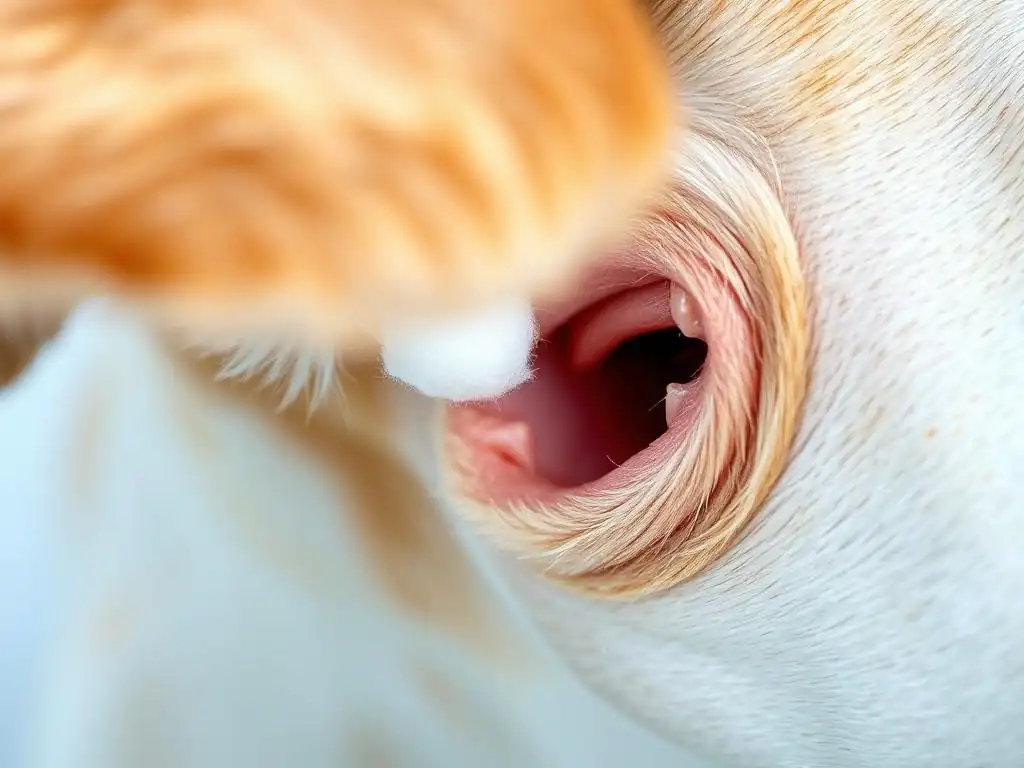
This section delves into safe and effective methods for removing stubborn ear wax from your canine companion. Remember, always prioritize your dog's comfort and safety. Improper ear cleaning can lead to injury or infection. This guide provides information to help you navigate the process confidently, but consulting a veterinarian is crucial if you have any concerns or notice signs of infection. This guide focuses on providing a comprehensive Dog ear wax removal guide.
Home Remedies for Dog Ear Wax Removal: Safe and Gentle Approaches
Before resorting to commercial products, several home remedies can effectively address mild ear wax buildup. These methods are generally gentler and less likely to cause irritation, making them ideal for dogs with sensitive ears. Always test a small amount of any home remedy on a less sensitive area of your dog's skin before applying it to the ear canal.
- Warm Water: A simple, yet effective method. Use lukewarm (not hot!) water to gently wipe the visible outer ear with a soft, clean cloth. Avoid inserting anything into the ear canal. This is primarily for removing surface debris and loose wax.
- Olive Oil: A few drops of warm olive oil can help soften hardened wax, making it easier to remove. Apply the oil gently to the outer ear and massage gently at the base of the ear. Allow it to sit for a few minutes before wiping with a clean cloth. Never force the oil into the ear canal.
- Coconut Oil: Similar to olive oil, coconut oil's antibacterial and antifungal properties can be beneficial. Use the same application method as with olive oil, ensuring the oil is warm and applying it only to the outer ear.
Important Considerations: The effectiveness of these home remedies varies depending on the severity of the wax buildup and your dog's individual sensitivity. Persistent or excessive wax buildup requires professional veterinary attention. 🐶
When to Use Commercial Ear Cleaning Solutions for Dogs
While home remedies are suitable for mild cases, commercial ear cleaning solutions are often necessary for more stubborn wax. These solutions are specifically formulated for dogs' ears and typically contain ingredients that help break down wax and cleanse the ear canal. However, selecting the right product is crucial.
| Product Feature | Importance | Example |
|---|---|---|
| pH Balance | Maintains the natural pH of the dog's ear, preventing irritation. | pH-balanced formula explicitly stated |
| Ingredients | Avoid harsh chemicals or ingredients that could irritate sensitive skin. | Check for natural ingredients and avoid alcohol. |
| Veterinarian-Recommended | Ensures the product is safe and effective for canine use. | Look for recommendations from vets. |
Choosing a veterinarian-recommended solution ensures that the product is safe and effective for your dog. Always follow the manufacturer's instructions carefully. Overuse can irritate the ear canal. If you are unsure which product to choose, consult your veterinarian for guidance.
Step-by-Step Guide: Cleaning Your Dog's Ears at Home
Cleaning your dog's ears should be a gentle and patient process. Never force anything into the ear canal, as this can cause injury or infection. The following steps outline a safe and effective approach:
- Gather Supplies: You will need a veterinarian-approved ear cleaning solution (or a home remedy as discussed above), cotton balls or soft gauze pads, and a towel.
- Warm the Solution: Gently warm the ear cleaning solution to body temperature. Cold solutions can startle your dog.
- Apply the Solution: Hold your dog's ear gently and apply the solution to the outer ear canal, following the manufacturer's instructions.
- Massage Gently: Massage the base of the ear gently for 30-60 seconds to help loosen the wax.
- Wipe Excess: Use a clean cotton ball or gauze pad to gently wipe away any excess solution and loosened wax from the outer ear. Never insert anything deep into the ear canal.
- Repeat if Necessary: If necessary, repeat steps 3-5, but avoid over-cleaning, which can lead to irritation.
- Reward Your Dog: Praise and reward your dog for their patience and cooperation throughout the process. A treat is always a good idea! 🍪
Remember, consistent ear cleaning is crucial for maintaining your dog's ear health. Regular checks and cleaning can prevent the buildup of wax and reduce the risk of infections. If you notice any signs of infection, such as redness, swelling, discharge, or excessive scratching, consult your veterinarian immediately.
Essential Tools for Dog Ear Cleaning: A Detailed List
Before embarking on the crucial task of dog ear wax removal, gathering the right tools is paramount. Improper tools can lead to injury or further irritation, making the process more stressful for both you and your canine companion. Therefore, let's delve into the specifics of what you'll need for a safe and effective cleaning. This isn't just about grabbing the nearest cotton swab; careful selection ensures a gentle and thorough cleaning.
First and foremost, you'll need a dog-specific ear cleaning solution. Avoid using human ear cleaning solutions, as these can disrupt the delicate pH balance of your dog's ears, potentially leading to infections. Look for solutions specifically formulated for canine ears, often featuring ingredients designed to gently break down wax and debris. Many veterinary clinics and pet stores carry a range of suitable options. Remember to always check the ingredients list to ensure it's appropriate for your dog's sensitivities.
Next, you'll need soft cloths or cotton balls. Avoid using cotton swabs (Q-tips), as these can push wax further into the ear canal and potentially damage the eardrum. Instead, opt for soft, absorbent cloths or cotton balls that you can gently wipe around the outer ear. Using multiple cotton balls or cloths ensures you're always working with a clean surface, preventing the spread of bacteria. Opt for unscented, soft cotton to minimize any potential irritation to the sensitive skin around your dog's ears.
Finally, you may wish to have a small bowl of warm water handy. This isn't always necessary, but it can be helpful for rinsing the cloth or cotton ball if significant amounts of wax or debris are present. The water should be lukewarm – never hot – to avoid scalding your dog's sensitive ears. Using warm water helps to soften any stubborn wax build-up, making it easier to remove. Having a separate bowl specifically for this purpose maintains hygiene and prevents accidental contamination.
Having these essential tools – a canine-specific ear cleaning solution, soft cloths or cotton balls, and optionally warm water – will ensure a safe and effective dog ear wax removal process. Remember, always prioritize gentle handling and consult your veterinarian if you have any concerns or notice any signs of infection. Improper cleaning can easily worsen ear problems, so preparation is key.
Dealing with Stubborn Dog Ear Wax: Advanced Strategies
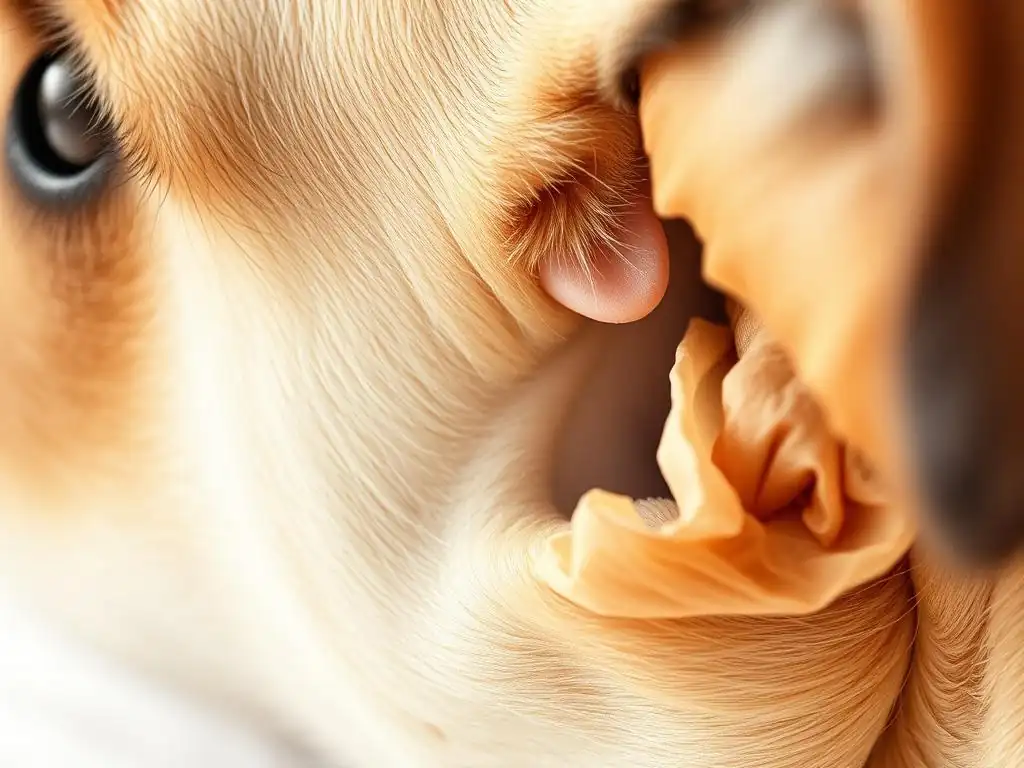
This section focuses on tackling persistent ear wax buildup in dogs, a problem often beyond simple home cleaning. We'll explore scenarios requiring more advanced techniques and when professional veterinary intervention is crucial. Remember, always prioritize your dog's safety and comfort. Never attempt forceful removal of ear wax; this can cause pain and potential injury. This guide provides information for educational purposes only and should not substitute professional veterinary advice.
Addressing Impacted Cerumen in Dogs: Professional Help
Impacted cerumen, or severely impacted ear wax, is a serious condition requiring veterinary attention. Symptoms include significant hearing loss, head shaking, pawing at the ears, pain, and even infection. Ignoring impacted cerumen can lead to serious complications, including chronic ear infections (otitis externa) and damage to the eardrum. A veterinarian will likely perform a thorough examination, potentially including an otoscopic exam to visualize the ear canal.
They may use specialized instruments to gently remove the impacted wax, often employing ear flushing techniques with a warmed solution. In cases of infection, antibiotics or other medications may be necessary. The severity of the impaction dictates the treatment; some cases might require multiple visits for complete wax removal and ongoing monitoring.
Regular veterinary check-ups are key to early detection and prevention of severe wax buildup, especially in breeds prone to ear infections. Early intervention is crucial for successful treatment and to avoid costly and stressful procedures later on. The cost of professional ear cleaning varies greatly depending on location and the complexity of the procedure, but it's a worthwhile investment in your dog's health.
Dealing with Hardened Cerumen in Dogs: Gentle Removal Methods
When dealing with hardened ear wax that doesn't respond to typical home cleaning methods, gentle and patient removal is paramount. Avoid using cotton swabs or other sharp objects, as these can push the wax further into the ear canal and potentially damage the delicate tissues. Instead, consider using a veterinarian-recommended ear cleaning solution. These solutions are formulated to soften the wax, making it easier to remove.
Apply the solution as directed, gently massaging the base of the ear to distribute the fluid. Allow the solution to sit for the recommended time (usually a few minutes) before attempting to remove any softened wax. You can use a soft, damp cloth to wipe away the loosened cerumen from the outer ear. Never insert anything into the ear canal.
If the hardened wax persists after several attempts with a cleaning solution, it's best to seek professional veterinary help. Remember, patience and gentleness are key to preventing injury and discomfort for your canine companion. Monitor your dog closely for any signs of discomfort or infection during and after the cleaning process. Regular, gentle cleaning with appropriate solutions can help prevent the buildup of hardened cerumen in the first place.
Preventing Future Cerumen Buildup in Dogs: Proactive Care
Proactive care is significantly more effective and less stressful than dealing with stubborn ear wax. Regular ear cleaning is crucial, the frequency depending on your dog's breed and individual needs. Some breeds are genetically predisposed to excessive ear wax production. For example, floppy-eared breeds like Cocker Spaniels and Basset Hounds often require more frequent cleaning due to the limited airflow within their ear canals. Use a veterinarian-recommended ear cleaning solution and a soft cloth to gently wipe the outer ear.
Never use cotton swabs. Regularly inspect your dog's ears for any signs of redness, swelling, discharge, or unusual odor. These are all indicators of potential problems that require immediate veterinary attention. A healthy diet and overall good health also contribute to preventing excessive ear wax buildup. Maintain a clean and dry environment for your dog to minimize the risk of ear infections and wax accumulation.
By establishing a regular ear cleaning routine and monitoring your dog's ears closely, you can significantly reduce the chances of needing to deal with stubborn ear wax in the future. This proactive approach saves time, money, and significantly reduces stress for both you and your furry friend. Remember, prevention is always better than cure! 🐶
When to Seek Veterinary Assistance for Dog Ear Problems
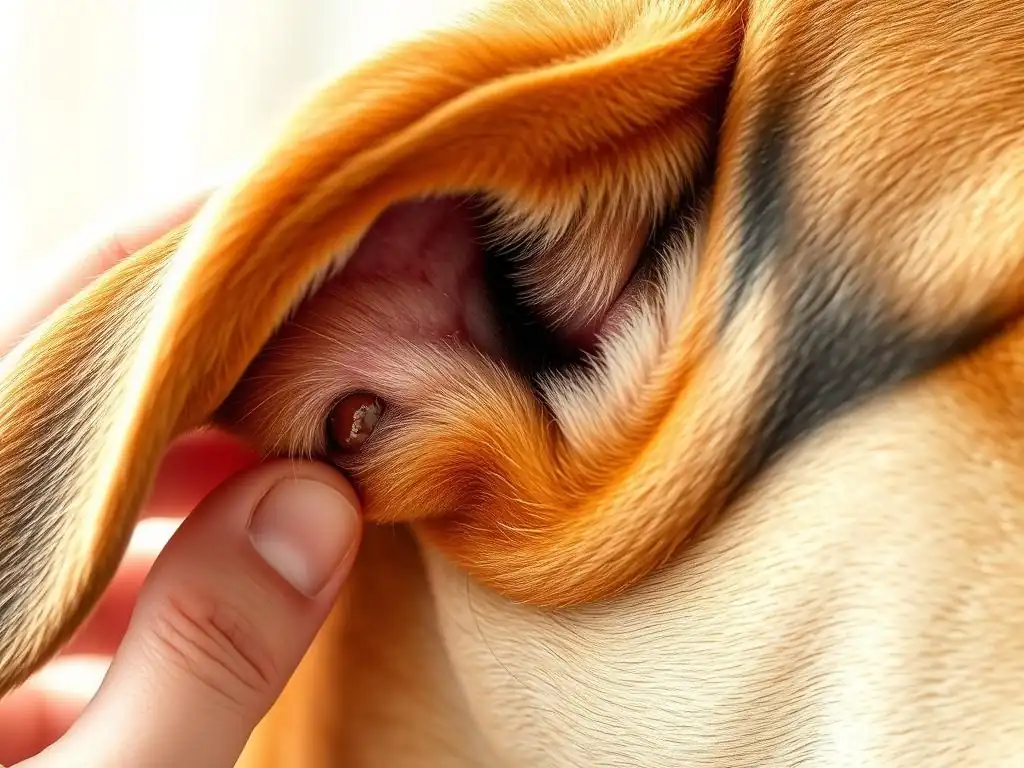
This section focuses on identifying when seemingly simple dog ear wax requires professional veterinary intervention, a crucial aspect of responsible dog ear wax removal. Ignoring warning signs can lead to more serious, and costly, health problems for your canine companion. This guide helps you differentiate between manageable home care and situations needing immediate veterinary attention. Remember, this is not a substitute for professional veterinary advice.
Recognizing Serious Ear Infections Requiring Vet Attention
Ear infections in dogs, often stemming from excessive wax buildup, are not to be taken lightly. Early detection is key to successful treatment. Several symptoms indicate a serious infection that needs immediate veterinary attention:
- Persistent head shaking or scratching: While some scratching is normal, excessive and persistent actions targeting the ears suggest an underlying issue. This is often accompanied by visible redness or swelling around the ear.
- Offensive odor from the ears: A foul smell emanating from your dog's ears is a strong indicator of infection or inflammation. This odor often accompanies dark or discolored ear discharge.
- Visible redness, swelling, or discharge: Examine your dog's ears regularly. Redness, swelling, and any unusual discharge (pus, dark brown fluid) are significant warning signs. Note the color and consistency of the discharge – this information is crucial for your vet.
- Hearing impairment: If your dog seems less responsive to sounds or appears disoriented, it could be a sign of a severe ear infection affecting their hearing.
- Fever and lethargy: A combination of ear problems with a fever and lethargy suggests a systemic infection that requires immediate veterinary care.
Ignoring these signs can lead to chronic ear infections, hearing loss, and even damage to the eardrum. Early veterinary intervention often results in quicker recovery and fewer complications. Remember, prevention is always better than cure! Regular ear cleaning, as part of your dog's overall grooming routine, can significantly reduce the risk of infections.
Understanding the Risks of Improper Dog Ear Cleaning
Improper dog ear cleaning techniques can exacerbate existing problems and even cause new ones. While regular cleaning is essential, it's equally important to do it correctly. The delicate nature of the canine ear canal requires a gentle approach.
Here's a breakdown of potential risks associated with improper ear cleaning:
- Injury to the eardrum: Using cotton swabs or other inappropriate instruments can easily damage the eardrum, leading to pain, infection, and potential hearing loss. Never insert anything into the ear canal beyond the visible part of the ear.
- Introduction of infection: Dirty cleaning tools or overly aggressive cleaning can introduce bacteria or other pathogens into the ear canal, worsening any existing infection or causing a new one. Always use clean tools and a gentle touch.
- Increased inflammation and pain: Rough handling or using harsh cleaning solutions can irritate the sensitive skin inside the ear, leading to further inflammation and discomfort for your dog.
- Wax impaction: Improper cleaning techniques can actually pack the wax deeper into the ear canal, making it harder to remove and potentially leading to a build-up that blocks the ear canal.
Therefore, it’s crucial to follow a veterinarian’s advice or a reliable dog ear cleaning guide. Learning the correct techniques is paramount to avoid these risks and ensure your dog's ear health. Consider using veterinarian-recommended ear cleaning solutions to minimize irritation and potential complications.
Finding a Reputable Veterinarian for Your Dog's Ear Care
Finding a veterinarian experienced in canine ear care is crucial for your dog's well-being. Don't hesitate to ask potential vets about their experience with ear infections and cleaning techniques. A good veterinarian will:
- Thoroughly examine your dog's ears: They should carefully inspect the ears for any signs of infection, inflammation, or foreign bodies.
- Provide clear and concise explanations: They should explain the diagnosis, treatment plan, and potential risks in terms you understand.
- Recommend appropriate cleaning solutions and techniques: They should provide guidance tailored to your dog's specific needs and condition.
- Follow up on treatment: They should schedule follow-up appointments to monitor your dog's progress and make any necessary adjustments to the treatment plan.
Choosing the right vet is an investment in your dog's health. Ask for recommendations from friends, family, or other pet owners. Online reviews can also be helpful, but remember to consider multiple sources and look for consistent feedback. A veterinarian specializing in veterinary dermatology may offer additional expertise in treating complex ear conditions. Remember, a healthy ear is a happy ear! 🐶
Maintaining Your Dog's Ear Health: Long-Term Strategies
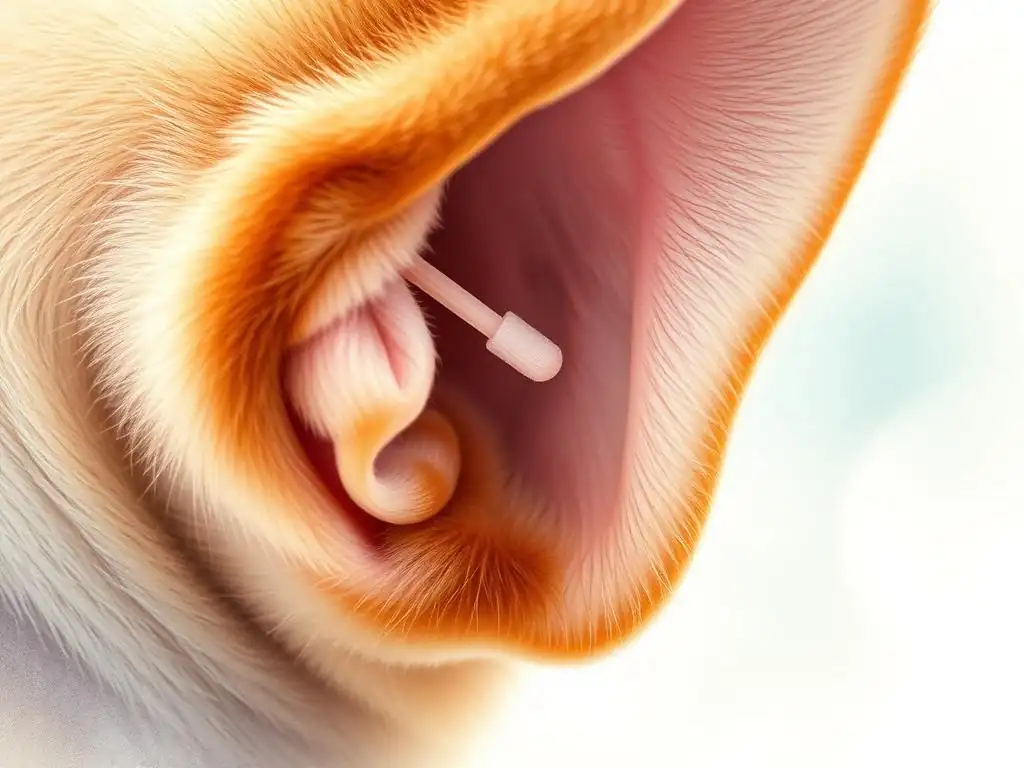
Maintaining your dog's ear health is crucial for their overall well-being. Regular care prevents the buildup of wax and debris, reducing the risk of infections and discomfort. This section focuses on proactive strategies to keep your canine companion's ears clean and healthy, acting as a comprehensive Dog ear wax removal guide for long-term ear health. Ignoring ear health can lead to serious issues, so a preventative approach is paramount. Think of it as a form of preventative veterinary care, saving you potential vet visits and your dog unnecessary pain.
Regular Ear Cleaning Schedule for Dogs: Prevention is Key
Establishing a regular ear cleaning schedule is the cornerstone of preventative ear care. The frequency depends on your dog's breed and individual needs. Some breeds, like Cocker Spaniels and Basset Hounds, are predisposed to ear infections due to their floppy ears which trap moisture and debris. These breeds may require weekly cleaning, while dogs with erect ears might only need cleaning every few weeks.
Here's a sample schedule, but always consult your veterinarian for personalized advice:
| Dog Breed Type | Recommended Cleaning Frequency | Notes |
|---|---|---|
| Floppy-eared breeds | Weekly | Increased risk of infection due to moisture build-up. |
| Erect-eared breeds | Every 2-4 weeks | Less prone to infections but still require regular cleaning. |
| Dogs prone to allergies | Weekly or as needed | More frequent cleaning may be necessary to address allergy-related issues. |
Remember, consistent cleaning is more effective than infrequent, deep cleanings. A gentle approach is key; aggressive cleaning can irritate the delicate skin inside the ear canal. Always use a vet-approved ear cleaning solution. Never use cotton swabs, as these can push wax further into the ear canal and potentially damage the eardrum.
Dietary Considerations for Healthy Dog Ears
Nutrition plays a significant role in maintaining healthy ears. A balanced diet rich in essential fatty acids, like omega-3 and omega-6, can contribute to healthy skin and reduce inflammation, minimizing the risk of ear infections. These fatty acids support the skin's protective barrier, preventing the entry of irritants and bacteria. A diet deficient in these nutrients can lead to dry, flaky skin, which can exacerbate ear problems.
Consider supplementing your dog's diet with omega-3 fatty acids if their current food lacks sufficient levels. Consult your veterinarian before adding any supplements to your dog's diet to ensure it's safe and appropriate for their individual needs and health conditions. Proper hydration is also essential for overall health, including ear health. Make sure your dog always has access to fresh, clean water.
Choosing the Right Ear Cleaner for Your Dog's Breed and Needs
The market offers a wide variety of ear cleaners, each formulated for specific needs. Choosing the right one is crucial for effective and safe ear cleaning. Some cleaners are formulated for sensitive skin, while others are specifically designed for breeds prone to ear infections.
When selecting an ear cleaner, consider the following factors:
- Your dog's breed: Breeds with floppy ears may require a cleaner with enhanced drying properties.
- Your dog's allergies: Choose a hypoallergenic formula if your dog has known allergies.
- Your dog's age and health: Puppies and senior dogs may have more sensitive ears and require a gentler cleaner.
- Your veterinarian's recommendation: Always consult your veterinarian for personalized advice on the best ear cleaner for your dog.
Never use human ear cleaners on your dog, as these products can be harmful and irritating to their delicate ear canals. Opt for veterinary-approved ear cleaners to ensure safety and effectiveness. Careful and consistent ear cleaning, combined with a healthy diet and regular veterinary checkups, will help keep your dog's ears healthy and happy for years to come. This thorough Dog ear wax removal guide should provide you with all the necessary tools for successful ear care.
Frequently Asked Questions
How often should I clean my dog's ears?
This depends on your dog's breed and individual needs. Some dogs require weekly cleaning, while others may only need it monthly. Consult your vet for personalized advice.
What's the best way to remove dog ear wax?
Avoid using cotton swabs, which can push wax further in. Instead, use a soft cloth and a dog-specific ear cleaning solution to gently wipe the visible wax. Never insert anything deep into the ear canal.
My dog's ear wax is dark and smelly. Should I be worried?
Yes, dark, smelly ear wax can indicate an infection or other underlying problem. Consult your veterinarian immediately for diagnosis and treatment.
What are the signs of a dog ear infection?
Signs include excessive scratching, head shaking, redness or swelling in the ear, and a foul odor. If you see any of these, seek veterinary attention promptly.
Can I use human ear cleaning products on my dog?
No, human ear cleaning products are not suitable for dogs. Their ear canals are different, and human products can irritate or damage your dog's ears. Always use dog-specific ear cleaning solutions.
Final Reflection: The Unsung Hero of Canine Care: Ear Health
Clean ears are happy ears, and this couldn't be truer for our canine companions. Ignoring ear wax buildup in dogs can lead to serious infections and discomfort, impacting their overall well-being and our relationship with them. This guide has highlighted the often-overlooked importance of regular ear cleaning and provided practical steps to address even the most stubborn wax.
The impact of proper ear care extends far beyond simply preventing infections; it's about fostering a deeper bond with our furry friends. By understanding their needs and taking proactive steps to maintain their health, we demonstrate our love and commitment. As the saying goes, A dog is the only thing on earth that loves you more than he loves himself.
This simple act of ear cleaning speaks volumes about our dedication to their happiness and longevity. It’s a small gesture with significant implications for their quality of life.
So, take a moment to consider your dog's ears. Are they clean and healthy? Do you have a routine in place for regular cleaning? This isn't just about following a guide; it's about building a stronger, healthier relationship with your beloved pet. Make ear cleaning a part of your regular pet care routine, and witness the positive impact it has on your dog's overall health and happiness. You'll be rewarded with a happier, healthier, and more grateful companion.
Unlock Your Dog's Happy Ears: Take Action Today!
Thank you for learning about ear health and how to care for your furry friend's ears! We hope you feel confident in keeping those ears clean and healthy. Ready to put your new knowledge into practice?
- Prioritize gentle ear cleaning: Establish a regular ear cleaning routine using the methods described, focusing on gentle, consistent care. This will help prevent the buildup of wax and potential infections.
- Schedule a veterinary check-up: If you're still encountering stubborn wax or notice any redness, swelling, or unusual discharge (such as a foul odor or dark-colored discharge), a professional examination is crucial. Your vet can properly diagnose and treat any underlying issues.
- Share your experience! Tell us about your dog’s ear cleaning routine – what worked best for you? Your feedback helps other pet owners!
What small step will you take today to ensure your dog's ears stay healthy and happy?