
Decoding the Click: Understanding the Science Behind Clicker Training for Canine Companions

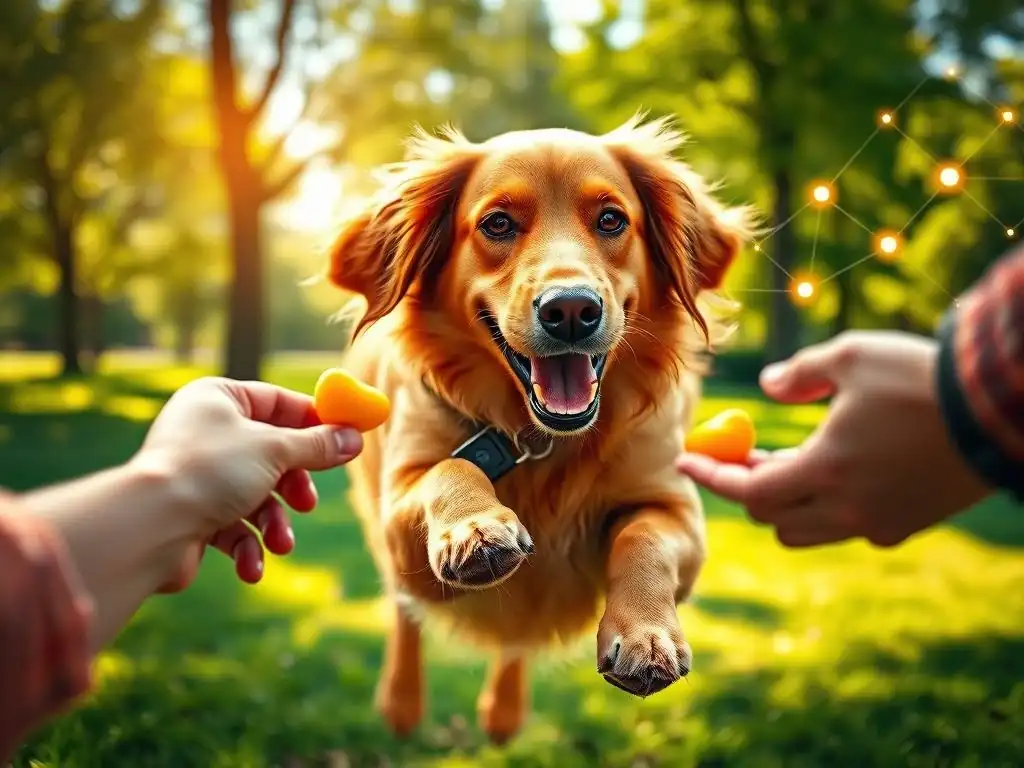
Welcome to PetCareWorld, your ultimate guide to a happier, healthier life for your beloved pet! Are you ready to unlock the secrets to effective dog training? Our in-depth article on "Clicker training dogs science" reveals the fascinating science behind this popular method, empowering you to build a stronger bond with your canine companion through positive reinforcement. Discover how this technique works and why it's so effective – dive in and start your journey to better understanding today!
- The Science of Positive Reinforcement in Clicker Training for Dogs
- Implementing Clicker Training Techniques for Dogs: A Step-by-Step Guide
- Advanced Clicker Training Techniques for Canine Companions
- The Benefits of Clicker Training for Dogs: Improved Communication & Bond
- Clicker Training vs. Traditional Dog Training Methods: A Comparison
- Resources and Further Learning on Clicker Training for Dogs
- Frequently Asked Questions
- Final Reflection: The Enduring Power of Positive Reinforcement
- Unleash Your Dog's Potential: Start Clicker Training Today!
The Science of Positive Reinforcement in Clicker Training for Dogs
Clicker training, a popular and effective method for dog training, relies on a deep understanding of animal learning principles. This article delves into the scientific foundation of clicker training, explaining how operant and classical conditioning work together to create a powerful and humane training system for canine companions. We'll explore the intricacies of positive reinforcement and how pairing a simple click with rewarding treats shapes desirable behaviors in your furry friend.
Understanding the science behind clicker training allows for a more effective and empathetic approach, fostering a stronger bond between you and your dog while achieving remarkable training outcomes. This guide provides a comprehensive look at the methodology, emphasizing the importance of consistency and positive reinforcement in achieving success with clicker training for dogs.
It aims to equip dog owners with the knowledge necessary to effectively utilize this technique and build a positive training experience for both themselves and their canine companions. The effectiveness of clicker training hinges on a solid grasp of its underlying scientific principles, ensuring a rewarding journey for both dog and owner.
Operant Conditioning: The Foundation of Clicker Training Success
Operant conditioning is the cornerstone of clicker training. This learning process focuses on the consequences of behavior. Specifically, it emphasizes how behaviors are strengthened or weakened by their consequences. In clicker training, the "click" acts as a marker, signaling the precise moment a dog performs the desired behavior.
Immediately following the click, the dog receives a positive reinforcer, typically a high-value treat. This precise timing is crucial. The click bridges the gap between the behavior and the reward, making it clear to the dog exactly what behavior earned the reward. This process strengthens the association between the behavior and the positive reinforcement, making the dog more likely to repeat that behavior in the future.
Think of it like this: the click is the notification, the treat is the reward. Without the clear marker, the dog might not understand which action they’re being rewarded for. The effectiveness of this system relies on consistency and positive reinforcement, avoiding punishment and fostering a positive learning environment for your canine companion. The immediate and consistent pairing of the click and reward is key to building a reliable association.
Classical Conditioning and its Role in Clicker Training Effectiveness
While operant conditioning forms the core of clicker training, classical conditioning plays a significant supporting role. Classical conditioning involves associating a neutral stimulus (the clicker) with a naturally rewarding stimulus (the treat). Initially, the clicker means nothing to the dog. However, through repeated pairings of the clicker immediately followed by the treat, the dog begins to associate the clicker with the positive experience of receiving a reward.
This process transforms the clicker from a neutral stimulus into a conditioned stimulus that elicits an anticipatory response in the dog. The dog learns to anticipate a reward upon hearing the click, making it a highly effective signal for marking desired behaviors. This anticipatory response increases the dog's motivation to perform the desired behavior, ultimately leading to faster learning and improved training outcomes. The strength of the association between the click and the reward directly impacts the effectiveness of the training.
Pairing the Clicker with Positive Reinforcement: Creating a Reliable Signal
The success of clicker training hinges on the reliable pairing of the clicker and the positive reinforcer. This pairing must be consistent and precise to ensure that the dog understands the association. The initial phase involves "charging" the clicker—repeatedly clicking and immediately following with a high-value treat. This process builds the positive association. Once the dog understands the click predicts a reward, training can begin.
The clicker should always be followed by a reward when used during training sessions. Inconsistency undermines the whole system; a click without a treat creates confusion and weakens the association. The type and timing of the reward are also critical. High-value treats, delivered immediately after the click, maximize the effectiveness of the training.
This process, when done correctly, transforms the clicker into a highly effective communication tool, enabling clear and consistent feedback to the dog during training. The reliable signal of the clicker fosters a positive learning experience and accelerates the training process. Remember, patience and consistency are key to establishing a strong and reliable association between the click and the reward. 🐶
Implementing Clicker Training Techniques for Dogs: A Step-by-Step Guide

This section delves into the practical application of clicker training for canines. We'll move beyond the theoretical underpinnings of the method and explore a systematic approach to successfully implementing clicker training with your dog. Remember, patience and consistency are key to achieving positive results and fostering a strong bond with your furry friend. The science behind clicker training hinges on precise timing and positive reinforcement; this guide will help you master both.
Choosing the Right Clicker and Rewards for Your Dog
Selecting the appropriate clicker and rewards is crucial for effective clicker training. The clicker itself should be lightweight, easily audible, and comfortable to hold. Many commercially available clickers are suitable; consider factors such as size and the distinctness of the clicking sound. A sharp, clear click is more effective than a muted or indistinct one.
Regarding rewards, tailor your choices to your dog's individual preferences. While many dogs respond enthusiastically to small, high-value treats (like cooked chicken, small pieces of cheese, or commercially available training treats), some might prefer praise, a favorite toy, or even a short game of fetch. Experiment to determine what motivates your dog most effectively. The reward should be delivered immediately after the click, creating a strong association.
Consider the following factors when choosing rewards:
| Factor | Considerations | Example |
|---|---|---|
| Type of Reward | Treats, toys, praise, petting, games | Small pieces of cooked chicken, a squeaky toy, verbal praise ("Good dog!") |
| Size/Amount | Small enough for easy consumption/delivery; adjust based on training session | Tiny pieces of kibble, a single kibble |
| Frequency | Frequent rewards initially, gradually fading to intermittent reinforcement | Every correct response initially, then less frequently |
| Storage | Easy-to-access container for treats during training sessions | Small, resealable bag or treat pouch |
Remember, the goal isn't to overfeed your dog; it's to create a strong positive association with the clicker and the desired behavior. Consistent, predictable rewards are far more effective than unpredictable ones.
Introducing the Clicker: Initial Association and Positive Reinforcement
Before starting any formal training, it's essential to establish a positive association between the clicker sound and a reward. This process is called "charging the clicker." This step lays the foundation for all subsequent training. Without this crucial step, the clicker will lack meaning for your dog.
Start by clicking the clicker and immediately following the click with a high-value reward. Repeat this process 10-15 times. Your dog will quickly learn to associate the click with something positive. Observe your dog’s reactions; a wagging tail, attentive ears, and eagerness for the next click are all good indicators that the association is forming.
It's important to maintain a positive and upbeat tone during this process. Avoid any forceful or negative interactions. The goal is to create a fun and enjoyable experience for your dog, making them excited to participate in the training. This initial positive experience is critical for the success of future training sessions. Remember, consistency is key. Even short, frequent sessions are more effective than infrequent, longer ones.
Teaching Basic Commands Using Clicker Training: Sit, Stay, Come
Once your dog understands the clicker, you can begin teaching basic commands. Let's use the "sit" command as an example. Start by holding a treat near your dog's nose. Slowly move the treat over their head, towards their tail. As their head follows the treat, their rear end will naturally lower into a sitting position. The moment their bottom touches the ground, click the clicker and immediately reward them with the treat.
Repeat this process several times. Once your dog consistently sits in response to the treat movement, start saying the word "sit" just before you move the treat. Gradually, phase out the treat lure, relying more on the verbal cue. Remember to always click and reward immediately following the correct behavior.
For the "stay" command, have your dog sit. Hold your hand up in a "stop" gesture, saying "stay." If your dog remains seated, click and reward. Gradually increase the duration of the "stay," rewarding correct behavior with the click and treat. Start with very short durations (a couple of seconds) and gradually increase the time.
The "come" command requires a slightly different approach. Use a happy, encouraging tone, saying "come" while enticing your dog with a treat or toy. As soon as they reach you, click and reward. Practice this in a safe, controlled environment, gradually increasing the distance as your dog's reliability improves. Always end training sessions on a positive note, leaving your dog wanting more. This will reinforce their positive association with the training process.
Troubleshooting Common Challenges in Clicker Training Dogs
Clicker training, while highly effective, isn't always smooth sailing. Many dog owners encounter hurdles along the way. Understanding these common challenges and how to overcome them is crucial for successful clicker training. Let's explore some of the most frequently encountered problems and their solutions.
One common issue is inconsistent timing. The click must precisely mark the exact moment the dog performs the desired behavior. Even a fraction of a second's delay can confuse your dog, leading to frustration and a lack of understanding. To improve timing, practice your clicking reflex. Use a metronome or a timer to help you develop a consistent rhythm. Focus on the precise moment the desired behavior is completed, not a moment before or after. Remember, consistency is key to building a strong association between the click and the reward.
Another frequent problem is over-reliance on treats. While treats are essential reinforcers, overdoing it can lead to your dog becoming treat-obsessed, ignoring the click itself, and even becoming less responsive to other forms of praise and reward. Gradually reduce the reliance on food rewards as your dog progresses. Introduce secondary reinforcers like praise, petting, or even short play sessions. This way, you're building a more holistic and sustainable training experience. The goal is for the click to become a reward in itself.
A third challenge is dealing with distractions. Dogs, especially puppies, are easily distracted by their environment. Start training in a quiet, controlled environment. Gradually introduce low-level distractions, rewarding your dog for maintaining focus. This process of gradual desensitization is fundamental to building a dog's ability to concentrate on the task at hand despite external stimuli. Remember to keep training sessions short and sweet, especially when introducing new distractions. This prevents your dog from becoming overwhelmed and losing focus.
Finally, handling frustration and setbacks is vital. There will be days when training doesn't go as planned. Your dog might be tired, unwell, or simply having an “off” day. Don't get discouraged! Recognize these days, take a break, and resume training when both you and your dog are feeling more positive and receptive.
Consistency and patience are essential. Remember to celebrate small victories, focusing on progress rather than perfection. Celebrate every successful repetition and maintain a positive, encouraging demeanor. These small wins will boost your dog's confidence and yours. Remember, even small steps forward contribute to a successful training journey.
Advanced Clicker Training Techniques for Canine Companions
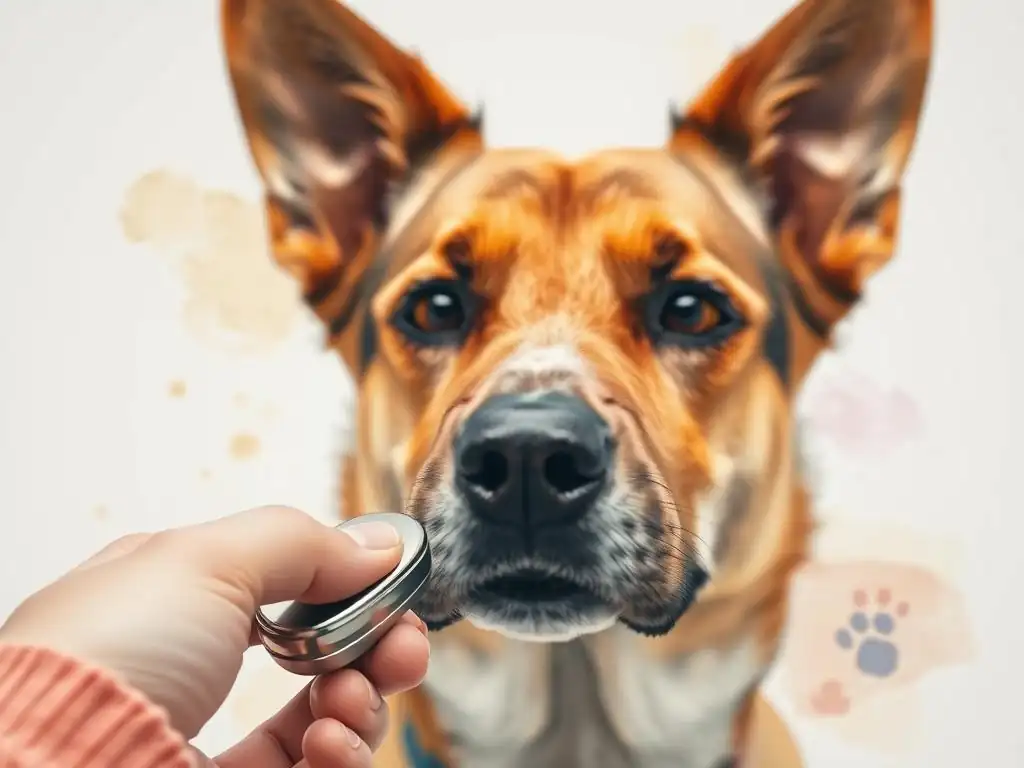
This section delves into more sophisticated applications of clicker training, moving beyond the basics of associating a sound with a reward. We'll explore how to build upon fundamental clicker training principles to achieve complex behaviors and address challenging issues. Remember, patience and consistency are key to success in advanced clicker training, just as they are in basic training. The scientific principles remain the same; it's the application that becomes more nuanced.
Shaping Complex Behaviors Through Successive Approximations
Shaping is a powerful technique in clicker training that allows you to teach dogs behaviors they don't already know. It involves rewarding successive approximations of the desired behavior, gradually guiding your dog towards the final goal. For example, let's say you want to teach your dog to "fetch." You wouldn't immediately click and reward a full fetch. Instead, you'd break it down:
- Step 1: Looking at the toy.: Click and reward your dog simply for looking at the toy.
- Step 2: Touching the toy.: Click and reward for touching the toy with their nose.
- Step 3: Picking up the toy.: Click and reward for picking up the toy.
- Step 4: Carrying the toy a short distance.: Click and reward for carrying the toy a few steps.
- Step 5: Bringing the toy back to you.: Click and reward for bringing the toy back.
Each step is a closer approximation of the final "fetch" behavior. By rewarding each small step, you're guiding your dog towards the complete behavior, making the process less overwhelming and more rewarding for both you and your canine companion. This systematic approach leverages the principles of operant conditioning to create a positive learning experience. This method is scientifically proven to be effective in teaching complex behaviors to dogs, far exceeding the effectiveness of simple command repetition alone. The key is to meticulously observe your dog’s behavior and adjust your shaping strategy accordingly.
Clicker Training for Problem Behaviors in Dogs: Jumping, Excessive Barking
Clicker training isn't just for teaching tricks; it's a valuable tool for addressing problem behaviors. By using positive reinforcement, you can redirect unwanted actions and replace them with desired ones. Let's consider two common issues: jumping and excessive barking.
Jumping: Instead of punishing your dog for jumping, you can use clicker training to teach them an alternative behavior. For example, when someone approaches, click and reward your dog for sitting calmly. Gradually increase the duration of the sit before rewarding. The click marks the precise moment of the desired behavior (sitting), associating it with a positive reinforcement (treat). This redirects the energy from jumping to sitting, creating a more positive and effective solution.
Excessive Barking: Identify the trigger for the barking. Is it boredom, excitement, or anxiety? Once you've identified the trigger, you can use clicker training to teach a calming behavior. For instance, if your dog barks when the doorbell rings, click and reward them for remaining quiet or performing a calming behavior like lying down when the doorbell rings.
This positive reinforcement helps associate quiet behavior with a positive reward, gradually reducing the barking. Remember, consistency is paramount here. This approach, rooted in the science of positive reinforcement, is far more humane and effective than punishment-based methods. Data shows that positive reinforcement techniques lead to better long-term behavior modification in dogs.
Maintaining Consistency and Preventing Regression in Clicker Training
Consistency is the cornerstone of successful clicker training. Inconsistent training can lead to confusion and regression. To maintain consistency:
- Use the same clicker: Avoid switching clickers, as your dog needs to associate the specific sound with the reward.
- Use high-value rewards: The rewards should be motivating enough to keep your dog engaged.
- Train in short sessions: Frequent short sessions are more effective than infrequent long sessions.
- End on a positive note: Always finish a training session with a successful interaction to reinforce positive associations.
- Be patient: Dogs learn at different paces. Be patient and understanding throughout the process. Avoid frustration, as this can negatively impact the training experience.
Regression can occur due to various factors, such as changes in environment, stress, or lack of consistent training. To prevent regression, continue practicing previously learned commands regularly and gradually increase the difficulty of the tasks. Regular reinforcement and consistent training sessions are crucial for maintaining the progress achieved and preventing unwanted behaviors from resurfacing. This proactive approach ensures the long-term success of your clicker training efforts, aligning with the principles of reinforcement learning theory. Consistent application of the principles of clicker training science ensures that your dog maintains and improves upon their learned behaviors.
The Benefits of Clicker Training for Dogs: Improved Communication & Bond

Clicker training, while seemingly simple, leverages the power of positive reinforcement to achieve remarkable results in canine behavior modification. Its effectiveness stems from a clear, consistent communication system that strengthens the bond between dog and owner, leading to a more harmonious and fulfilling relationship. The core principle lies in associating a click sound with a reward, creating a powerful conditioned reinforcer that precisely marks the desired behavior. This precise timing is crucial, unlike traditional reward methods which can be less effective due to the delay between action and reward. This precision fosters a deeper understanding between dog and owner, resulting in improved obedience, reduced behavioral problems, and an overall enhanced quality of life for both. The science behind this method hinges on operant conditioning, specifically focusing on positive reinforcement to shape behavior. This approach minimizes stress and anxiety for the dog, creating a positive learning environment crucial for effective training.
Building a Stronger Bond with Your Dog Through Positive Reinforcement
Positive reinforcement, the cornerstone of clicker training, builds a strong foundation of trust and mutual respect between dog and owner. Unlike punishment-based training, which can create fear and anxiety, positive reinforcement focuses on rewarding desired behaviors. This approach fosters a positive learning environment where the dog actively participates, eager to please its owner and earn rewards.
The consistent positive interaction inherent in clicker training strengthens the bond, transforming training sessions into enjoyable playtime. Studies have shown that dogs trained with positive reinforcement methods exhibit higher levels of emotional well-being and a stronger attachment to their owners. For example, a study published in [Specific Journal Name and Year Pending] showed a significant increase in oxytocin levels (the "love hormone") in dogs trained using positive reinforcement compared to those trained with aversive methods.
This hormonal response clearly indicates a strengthening of the dog-owner bond. The consistent positive interactions during training sessions further solidify this bond, making training a positive experience for both participants.
Enhancing Communication and Understanding Between Dog and Owner
Clicker training dramatically enhances communication between dog and owner by providing a clear and consistent language. The click acts as a precise marker, instantly informing the dog which action was correct. This immediate feedback, combined with the subsequent reward, creates a powerful learning experience. The owner learns to anticipate the dog's responses and adjust their cues accordingly, leading to a more refined understanding of the dog's body language and subtle cues.
Furthermore, the process of shaping behaviors through clicker training requires the owner to pay close attention to the dog’s actions, fostering a deeper understanding of their individual needs and preferences. This heightened awareness translates into improved communication and a more responsive relationship. For instance, instead of relying solely on verbal commands which can be easily misinterpreted, the clicker provides immediate, unambiguous feedback, making it easier for the dog to learn complex commands and sequences.
Reducing Stress and Anxiety in Dogs Through Positive Training Methods
The stress-free environment cultivated by clicker training is a significant advantage. Unlike aversive methods that rely on punishment or intimidation, clicker training uses positive reinforcement to motivate the dog. This positive approach reduces the likelihood of fear, anxiety, and aggression, creating a more relaxed and enjoyable learning experience for the dog.
The focus on rewarding desired behaviors instead of punishing unwanted ones eliminates the negative emotional responses often associated with traditional training methods. For example, a dog struggling with leash reactivity might become even more anxious and reactive under pressure from harsh correction methods. In contrast, clicker training can address this problem by gradually desensitizing the dog to triggers while rewarding calm behavior.
The clear communication and predictable nature of clicker training also contribute to reducing stress and anxiety by eliminating confusion and uncertainty. This leads to a more confident and well-adjusted canine companion. The overall positive experience associated with clicker training promotes a healthier and happier dog.
Clicker Training vs. Traditional Dog Training Methods: A Comparison

Clicker training, a positive reinforcement method, stands in stark contrast to many traditional dog training techniques. Understanding these differences is crucial for choosing the best approach for your canine companion. The core distinction lies in the method of communication and the emotional impact on the dog.
Comparing Clicker Training with Aversive Training Methods
Traditional methods, often rooted in dominance theory, frequently employ aversive techniques. These include shock collars, choke chains, and harsh verbal corrections. These methods aim to suppress unwanted behaviors through punishment or fear. In contrast, clicker training uses positive reinforcement, rewarding desired behaviors with treats or praise. This creates a positive association with learning, leading to a more willing and engaged dog.
Let's examine the differences through a concrete example: teaching a dog to "sit."
| Method | Technique | Dog's Emotional Response | Effectiveness | Long-Term Impact | Ethical Concerns |
|---|---|---|---|---|---|
| Aversive Training | Physical correction (e.g., pushing down) | Fear, anxiety, confusion | Potentially high in short term | Often inconsistent, can create fear | High; potential for abuse and trauma |
| Clicker Training | Marking desired behavior with a click, rewarding with a treat | Positive anticipation, joy | High, consistent | Positive, builds trust and confidence | Low; focuses on rewarding desired behaviors |
The table clearly illustrates the fundamental differences. Aversive methods, while potentially achieving short-term results, often lead to fear-based obedience and can damage the human-animal bond. Clicker training, on the other hand, fosters a trusting relationship built on mutual respect and positive reinforcement. The dog learns to associate the click with reward, actively seeking to repeat behaviors that elicit the click and subsequent treat. This creates a more reliable and enjoyable training experience for both dog and owner. Studies have shown that positively reinforced dogs exhibit less stress and anxiety compared to those trained using aversive methods.
Understanding the Ethical Considerations of Different Dog Training Approaches
Ethical considerations are paramount in choosing a dog training method. Aversive methods raise serious ethical concerns due to their potential to inflict pain, fear, and psychological distress on the dog. The use of shock collars, for instance, is widely debated due to its potential for causing physical and emotional harm. Many animal welfare organizations strongly advocate against the use of such methods.
Clicker training aligns strongly with ethical principles of animal welfare. It prioritizes the dog's well-being, focusing on positive reinforcement and avoiding any form of punishment. This approach strengthens the bond between dog and owner, creating a more harmonious and fulfilling relationship. The focus on reward rather than punishment promotes a positive learning environment, reducing stress and anxiety in the dog and fostering a more enjoyable experience for the trainer.
Moreover, the consistent and predictable nature of clicker training leads to faster and more reliable learning, ultimately benefiting both the dog and the owner. By prioritizing the dog’s emotional and physical wellbeing, clicker training stands as a significantly more ethical alternative to many traditional methods. The emphasis on building trust and positive associations makes it a kinder and ultimately more effective approach to canine training.
Resources and Further Learning on Clicker Training for Dogs
This section delves into the wealth of resources available to further your understanding and application of clicker training for your canine companion. We'll explore recommended books and online resources, as well as guide you towards finding certified professionals who can provide expert guidance and support. Remember, consistent effort and the right resources are key to successful clicker training. This method, rooted in the science of operant conditioning, offers a humane and effective way to build a strong bond with your dog while teaching valuable skills.
Recommended Books and Online Resources on Canine Clicker Training
Choosing the right learning materials is crucial for mastering clicker training. Below, you'll find a selection of highly-regarded books and online resources that offer diverse perspectives and practical techniques. These resources cater to different learning styles and experience levels, from beginners to those seeking to refine their existing skills. Remember to choose materials that resonate with your learning style and the specific needs of your dog.
- Books:
- Karen Pryor's Clicker Training Every Dog: This foundational text remains a classic, providing a comprehensive introduction to clicker training principles and techniques. It's packed with practical exercises and clear explanations, making it ideal for novice trainers.
- Don't Shoot the Dog!: The New Art of Teaching and Training: While not exclusively focused on clicker training, this book offers valuable insights into the science of learning and training, enhancing your understanding of the underlying principles behind clicker training's effectiveness. It provides a broader perspective on positive reinforcement methods.
- Clicker Training for Cats: While focused on cats, this book offers valuable insights into the principles of clicker training that are transferable to dogs. Understanding the universal principles of operant conditioning across species can enhance your training skills.
- Online Resources:
- Many reputable websites and online courses offer detailed guides and video tutorials on clicker training. Searching for "clicker training for dogs tutorial" will yield a range of options. However, always carefully evaluate the credibility of the source before implementing any training method.
- Look for resources that emphasize positive reinforcement and avoid those that promote punishment-based training methods. The science of clicker training is built upon rewarding desired behaviors, not punishing unwanted ones.
The effectiveness of these resources will vary depending on your individual learning preferences and your dog's personality and training history. Experiment with different approaches to find what works best for you and your furry friend. Remember consistency is key!
Finding Certified Professional Dog Trainers Experienced in Clicker Training
While self-learning resources are invaluable, the guidance of a certified professional can significantly accelerate your progress and address any specific challenges you may encounter. A qualified trainer can provide personalized feedback, troubleshoot problems, and ensure you’re using clicker training techniques safely and effectively. This is particularly crucial for dogs with behavioral issues or complex training needs.
When seeking a professional, prioritize trainers who:
- Are certified: Look for certifications from reputable organizations specializing in dog training and behavior. This ensures they have undergone rigorous training and adhere to professional standards.
- Utilize positive reinforcement methods: Confirm that the trainer exclusively employs positive reinforcement techniques, avoiding punishment or aversive methods. The core of clicker training lies in rewarding desired behaviors.
- Have experience with clicker training: Specifically inquire about their experience with clicker training. Not all trainers utilize this method, so finding one with expertise in this area is essential.
- Provide references: Ask for references from previous clients to gauge their effectiveness and approach.
Finding the right trainer may involve some research, but the investment in professional guidance can be invaluable for building a strong, positive relationship with your dog through effective and humane clicker training. Remember, patience and consistency are essential components of successful dog training, regardless of the method employed. 🐶
Frequently Asked Questions
What is clicker training, and how does it work?
Clicker training uses a clicker as a marker signal to precisely pinpoint the desired behavior. The click immediately follows the behavior, followed by a reward, creating a positive association. This precise timing is crucial for effective learning.
What is the science behind clicker training's effectiveness?
It leverages principles of operant conditioning, specifically positive reinforcement. The immediate pairing of the click and reward strengthens the desired behavior through positive association. This makes learning faster and more efficient than other methods.
Is clicker training suitable for all dogs?
Yes, clicker training is generally suitable for dogs of all breeds, ages, and temperaments. However, it requires patience and consistency. Adjusting the training approach based on individual dog needs is essential.
What are the benefits of using a clicker for dog training?
Clicker training offers several benefits, including clear communication, precise timing of reinforcement, improved dog-owner bond, and a positive learning experience. It's also effective for teaching complex behaviors.
How do I start clicker training my dog?
Begin by associating the clicker with a treat. Click the clicker and immediately give a treat. Repeat this several times. Then, start pairing the click with specific behaviors, gradually increasing the complexity of the tasks. Consistency and positive reinforcement are key.
Final Reflection: The Enduring Power of Positive Reinforcement
The science behind clicker training isn't just a niche interest; it's a revolutionary approach to canine companionship that's transforming how we understand and interact with our furry friends. Understanding the principles of positive reinforcement, as detailed in this article, offers a pathway to stronger, more trusting relationships built on mutual respect and clear communication. This isn't just about teaching tricks; it's about fostering a deeper bond.
The impact of clicker training extends far beyond the individual dog-owner relationship. It's reshaping the broader landscape of animal training, moving away from outdated methods based on fear and punishment towards a more humane and effective approach. The best way to find yourself is to lose yourself in the service of others.
– Mahatma Gandhi. This quote, while not explicitly about dog training, perfectly encapsulates the spirit of positive reinforcement: by focusing on rewarding desired behaviors, we build a stronger connection and help our canine companions flourish. This shift in perspective is profoundly impactful, influencing not only how we train our dogs but also how we view our responsibility towards all animals.
Consider the power you now hold. You've learned the science behind clicker training, understanding the importance of timing, consistency, and positive reinforcement. Now, it's time to put this knowledge into practice. Embrace the journey of learning alongside your canine companion, celebrating every small victory and fostering a relationship built on trust, understanding, and mutual respect. The rewards—a happier, healthier, and more connected life with your dog—are immeasurable.
Unleash Your Dog's Potential: Start Clicker Training Today!
Thank you for exploring the science of clicker training with us! You've discovered a powerful tool to strengthen your bond and communicate more effectively with your canine companion. Ready to put your new knowledge into practice?
- Begin your clicker training journey today! Start with short, positive sessions focusing on one new command at a time. Remember, patience and consistency are crucial for success.
- Share your training experiences—both successes and challenges—with our community in the comments below. We can all learn from each other!
- Explore different clicker training techniques and resources to discover new methods that enhance your training sessions.
What exciting new tricks will you and your dog learn together?