Vaccination Side Effects in Dogs: What to Expect and When to Worry
🐶 Worried about dog vaccination side effects? PetCareWorld offers expert guidance on what's normal and when to seek veterinary attention. Learn to…
Read article
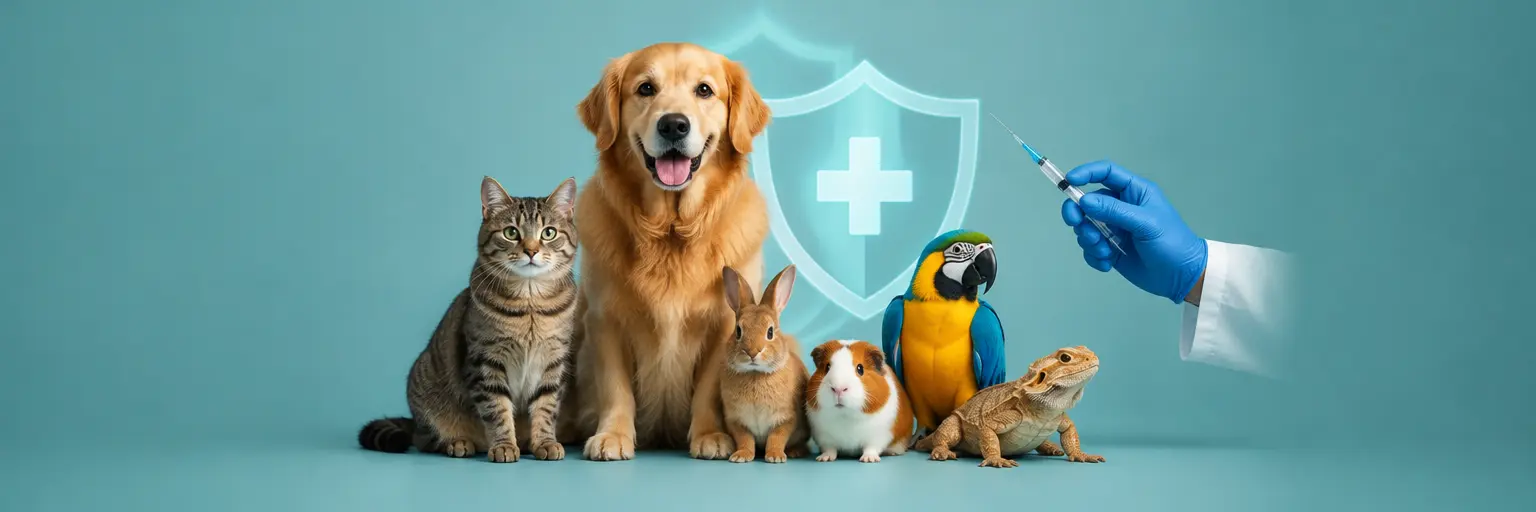
Vaccinations are a cornerstone of preventive health care, but the shot schedule that works for a dog won’t necessarily suit a rabbit or a parrot. At PetCareWorld, we break down species-specific immunization protocols to help you navigate core versus optional vaccines, proper timing, and risk factors for every companion animal in your home. Whether you have a feline friend, a ferret, a horse, or a bearded dragon, our expert guidance ensures you understand how vaccines protect different immune systems and why certain diseases—like distemper in dogs, panleukopenia in cats, or polyomavirus in birds—demand tailored attention. We also cover safe handling during vaccination, potential adverse reactions, and the importance of booster schedules unique to each species’ lifespan and lifestyle. From indoor-only cats to farmyard goats, empower yourself with accurate, science-backed information that keeps every member of your animal family healthy and thriving.

🐶 Worried about dog vaccination side effects? PetCareWorld offers expert guidance on what's normal and when to seek veterinary attention. Learn to…
Read article
🤔 Even indoor cats aren't entirely risk-free. PetCareWorld explores the indoor cat vaccination necessity, weighing the benefits against potential exposure to diseases…
Read article
😊 Protect your feline friend from the devastating effects of cat calicivirus with our comprehensive vaccination guide. PetCareWorld offers expert advice to…
Read articleVaccinations are the cornerstone of preventive pet health, working to shield your beloved companion from a host of serious and potentially fatal infectious diseases. However, a common misconception is that all pets follow the same vaccination schedule. In reality, each species—from dogs and cats to rabbits, ferrets, birds, and reptiles—has unique immune systems, disease risks, and vaccine requirements. At PetCareWorld, we break down the complex world of species-specific immunizations, helping you understand core versus non-core vaccines, the ideal timing for boosters, and how to work with your veterinarian to create a tailored plan. This guide is designed to demystify pet vaccination, ensuring you make informed decisions that safeguard your animal's long-term well-being.
For dogs, core vaccines are universally recommended due to the widespread prevalence and severity of certain diseases. The DHPP vaccine—protecting against Distemper, Hepatitis, Parainfluenza, and Parvovirus—forms the foundational shield, alongside the Rabies vaccine, which is required by law in most regions. These core vaccinations are essential for every dog, regardless of lifestyle, as they guard against airborne pathogens and highly contagious viruses that can survive in the environment for months. Your puppy’s first series typically begins at 6-8 weeks, with boosters every 3-4 weeks until 16 weeks of age, followed by a one-year booster and then revaccination every three years.
Beyond core vaccines, your veterinarian may recommend non-core options based on your dog's exposure risk. These include the Bordetella vaccine for kennel cough, which is vital if your dog frequents boarding facilities, dog parks, or grooming salons. The Leptospirosis vaccine is often advised for adventurous dogs who swim in stagnant water or hike in wooded areas, as this bacterial disease is zoonotic (transmittable to humans). Furthermore, the Lyme disease vaccine is beneficial in tick-endemic regions. A thorough lifestyle assessment with your vet ensures your dog receives comprehensive protection without unnecessary over-vaccination, balancing immunity needs with minimal risk of adverse reactions.
Cats require a distinct vaccination strategy, with the FVRCP vaccine—covering Feline Viral Rhinotracheitis, Calicivirus, and Panleukopenia—being the core standard for all felines, regardless of whether they are strictly indoor pets. This vaccine combats highly contagious respiratory pathogens and a severe gastrointestinal virus that is often fatal, especially in kittens. The Rabies vaccine is also considered core due to legal requirements and the zoonotic risk. Kittens should receive their first FVRCP dose at 6-8 weeks, with boosters every 3-4 weeks until 16 weeks, followed by a booster at one year and then every three years based on your vet’s protocol.
The indoor-versus-outdoor lifestyle heavily influences feline non-core vaccines. The Feline Leukemia Virus (FeLV) vaccine is strongly recommended for cats that venture outdoors or live with other FeLV-positive cats, as this virus suppresses the immune system and leads to cancer. The Feline Immunodeficiency Virus (FIV) vaccine is more controversial and not universally recommended due to its variable efficacy and potential to interfere with diagnostic testing. Additionally, the Bordetella vaccine may be advised for multi-cat households with a history of respiratory infections. Regular antibody titer testing can help determine if your adult cat truly needs another booster, preventing unnecessary injections while maintaining herd immunity.
Rabbits have specific vaccine requirements, with the core vaccine protecting against Myxomatosis and Rabbit Hemorrhagic Disease Virus (RHDV), both of which are often fatal. RHDV has multiple strains, and newer vaccines cover both RHDV1 and RHDV2. These vaccinations are typically given annually, starting at around 5 weeks of age for myxomatosis and 10 weeks for RHDV. Indoor rabbits still require vaccination as these viruses can be transmitted via insect bites, contaminated food, or even on clothing. Unlike dogs and cats, there is no legal mandate, but vaccinating is strongly advised for any rabbit with outdoor access or living in high-risk areas.
Ferrets have a unique vaccination schedule, with the Distemper vaccine (canine strain) and Rabies vaccine being core. Ferrets are highly susceptible to canine distemper, which is nearly always fatal, making this vaccination absolutely critical. The first distemper shot is given at 6-8 weeks, with boosters every 3-4 weeks until 14-16 weeks, then annually. Rabies vaccination for ferrets is also given annually, and in many regions, it is legally required. Rodents like guinea pigs, hamsters, and rats generally do not require routine vaccinations, but they benefit from strict hygiene and quarantine for new animals. Consult a vet experienced with exotic species to discuss appropriate protocols, as vaccine availability varies by country and region.
Birds, particularly parrots, pigeons, and poultry, have more complex vaccination considerations. The Polyomavirus vaccine is the most common for pet parrots (such as macaws, cockatoos, and African greys), protecting against a virus that causes fatal disease in young birds and immunosuppression in adults. This vaccine is usually given subcutaneously, with a two-dose series starting around 5-6 weeks of age, followed by an annual booster. Pigeons require vaccination against Paramyxovirus and Pigeon Pox, especially if they participate in racing or shows. Poultry, such as chickens and ducks, may need vaccines against Marek’s Disease, Newcastle Disease, and Infectious Bronchitis, particularly in large flocks.
One critical differentiator for avian species is that not all birds respond to vaccines equally, and stress from handling and injections can impact their health. Always seek an avian veterinarian who specializes in bird medicine to determine which vaccines are appropriate for your bird’s species, age, and exposure risk. For many pet birds kept singly indoors, the risk of viral exposure is low, and vaccination is sometimes skipped. However, if you board your bird, visit aviaries, or own multiple birds, vaccination becomes much more important. Regular wellness exams and fecal testing are complementary preventive measures that are often more critical than vaccines for overall avian health.
Reptiles—including snakes, lizards, and turtles—do not currently have commercially available vaccines approved for their use. Unlike mammals and birds, the reptilian immune system is fundamentally different, and researchers have yet to develop effective vaccines that confer reliable, long-lasting immunity. This absence of vaccination options makes strict environmental hygiene, proper temperature gradients, and quarantine protocols absolutely essential for preventing infectious diseases. Acclimating a new reptile in isolation for 90 days is a crucial preventive measure to avoid introducing pathogens like cryptosporidiosis or inclusion body disease into your existing collection.
Since vaccines are unavailable, the best strategy for reptile health is proactive management of husbandry parameters. Ensure optimal temperatures, humidity, and UVB lighting, as these directly impact immune function. A nutritionally balanced diet with appropriate calcium and vitamin D3 supplementation is also vital. Regular fecal examinations for parasites and annual veterinary check-ups with a herp specialist are the gold standard for preventive care. If you observe signs of respiratory distress, skin lesions, or lethargy, seek veterinary attention immediately, as early intervention is the only defense against many reptilian pathogens. Always maintain a dedicated quarantine tank and wash hands thoroughly when handling different animals to prevent cross-contamination.
No, vaccines are species-specific. Canine vaccines are formulated for dogs, and feline vaccines for cats. Giving a dog a cat vaccine (or vice versa) will not provide effective immunity and may cause an adverse reaction. Always use products licensed for your specific pet species and follow your veterinarian's guidance on the correct vaccine type and schedule.
Most pets experience only mild, temporary side effects like soreness at the injection site, mild fever, or reduced appetite. Serious allergic reactions are rare but can occur within minutes to hours, manifesting as facial swelling, vomiting, or difficulty breathing. Discuss your pet's health history with your vet to identify any known allergies or risk factors prior to vaccination.
A titer test measures the level of antibodies in your pet's blood to assess immunity against a specific disease. It can help determine if a booster is needed, potentially reducing unnecessary vaccinations. However, titers are not available for all diseases, and a high titer doesn’t guarantee full protection. Many vets use titers to extend intervals between boosters rather than completely replace vaccination protocols.
The first core vaccinations are typically given at 6-8 weeks of age. This timing allows maternal antibodies, passed through the mother's milk, to wane just enough for the vaccine to stimulate the pet's immune system. Earlier vaccination may be less effective due to interference from maternal antibodies, so always follow the exact schedule your vet recommends.
Yes, indoor pets still require core vaccinations. Viruses like panleukopenia and distemper can be brought into your home on your shoes, clothing, or via other animals. Additionally, many regions legally require rabies vaccination for all dogs and cats, regardless of indoor status. Indoor pets may skip some non-core vaccines, but core protection remains essential for their safety.







