
Calicivirus Vaccination in Cats: Keeping Your Feline Healthy and Happy

Welcome to PetCareWorld, your ultimate guide to a happier, healthier life for your beloved pet! Are you concerned about protecting your feline friend from the potentially devastating effects of cat calicivirus? Our comprehensive Cat Calicivirus Vaccination Guide, found within our Pet Health & Nutrition section, offers expert advice and practical steps to ensure your cat's well-being. Discover how simple preventative measures can make a world of difference – delve in and learn more today!
- Understanding Feline Calicivirus and its Impact
- The Importance of Calicivirus Vaccination for Cats
- Cat Calicivirus Vaccination Guide: Types and Schedules
- Administering the Calicivirus Vaccine: What to Expect
- Calicivirus Vaccination: Frequently Asked Questions (FAQ)
- Maintaining Your Cat's Overall Health and Wellness
- Frequently Asked Questions
- Final Reflection: Protecting Our Feline Companions: A Legacy of Wellness
- Unlock Your Cat's Healthiest Life: Take Action Now!
Understanding Feline Calicivirus and its Impact
Feline calicivirus (FCV) is a highly contagious viral infection affecting cats worldwide. This comprehensive guide will delve into the intricacies of FCV, exploring its causes, symptoms, transmission, and crucially, the vital role of vaccination in protecting your beloved feline companion. Understanding FCV is paramount for responsible cat ownership, enabling you to make informed decisions about your cat's health and well-being and contributing to the overall health of the feline population.
We'll equip you with the knowledge to recognize the signs of infection, understand how the virus spreads, and ultimately, how to safeguard your cat through preventative measures, including vaccination. This guide aims to be your ultimate resource for navigating the complexities of feline calicivirus and ensuring your cat enjoys a long and healthy life. We'll be covering everything from the basics of FCV to the specifics of vaccination protocols, making this your go-to "Cat calicivirus vaccination guide."
What is Feline Calicivirus (FCV)?
Feline calicivirus (FCV) is a highly contagious virus belonging to the Caliciviridae family. It primarily affects cats, causing a range of symptoms, from mild upper respiratory infections to severe systemic illness. The virus is incredibly resilient in the environment, surviving for extended periods on surfaces and in contaminated materials.
Several strains of FCV exist, exhibiting varying degrees of virulence. Understanding the specific strain impacting your cat is crucial for effective treatment and management. The virus primarily targets the respiratory system, but it can also affect the eyes and mouth, leading to a variety of clinical manifestations.
The severity of the infection can vary significantly depending on factors such as the cat's immune system, age, and the specific strain of the virus. Many cats infected with FCV exhibit only mild symptoms and recover fully, while others may develop more serious complications requiring veterinary intervention. Early detection and appropriate management are vital in minimizing the impact of FCV infection.
Symptoms of Feline Calicivirus Infection
The symptoms of FCV infection are diverse and can range from mild to severe. Common signs include:
- Upper respiratory tract issues: Sneezing, coughing, nasal discharge (often watery and then becoming purulent), and ocular discharge are frequently observed. These symptoms often mimic those of other feline respiratory infections, making diagnosis challenging without proper veterinary examination.
- Oral lesions: Ulcers and sores in the mouth are characteristic of FCV infection. These lesions can be painful, causing decreased appetite and impacting the cat's overall comfort. The severity of oral lesions can vary, with some cats experiencing only minor discomfort while others may have significant difficulty eating.
- Fever: A fever is a common systemic response to FCV infection. The severity of the fever can vary, and it may be accompanied by lethargy and loss of appetite.
- Lethargy and anorexia: Cats infected with FCV may exhibit reduced activity levels and loss of appetite. These symptoms often indicate a more severe infection or systemic involvement.
- In severe cases: In some instances, FCV can lead to pneumonia, lameness (due to inflammation in the joints), and even death, particularly in kittens or cats with compromised immune systems. Prompt veterinary intervention is crucial in such situations.
The appearance of any of these symptoms warrants immediate veterinary attention. Early diagnosis and treatment can significantly improve the outcome and reduce the risk of complications.
Transmission and Spread of FCV
FCV is transmitted primarily through direct contact with infected cats, such as through sneezing, coughing, or sharing food and water bowls. The virus can also spread indirectly via contaminated surfaces, such as bedding, toys, and litter boxes. The virus is incredibly resilient in the environment, which contributes to its rapid spread within multi-cat households or shelters. Even seemingly healthy cats can shed the virus, acting as silent carriers and contributing to the spread of infection.
Understanding the various transmission routes is crucial for implementing effective prevention and control measures, such as thorough disinfection and preventing contact between infected and healthy cats. The virus's ability to persist in the environment highlights the importance of maintaining high levels of hygiene in areas frequented by cats. Furthermore, vaccination remains the most effective strategy in preventing FCV infection and limiting its spread within the feline population.
Severity and Complications of FCV Infection
Feline calicivirus (FCV) infection can range in severity from mild, almost unnoticeable symptoms to severe and life-threatening complications. The outcome depends on several factors, including the specific strain of the virus, the cat's overall health and immune status, and the presence of any underlying conditions. Some cats may only experience a mild upper respiratory infection, with symptoms resolving within a few weeks. However, other cats can develop more serious problems.
One significant complication is the potential for secondary bacterial infections. The initial viral infection weakens the cat's immune system, making it more susceptible to bacterial pneumonia or other secondary infections. These secondary infections can be particularly dangerous and may require aggressive treatment with antibiotics. In some cases, the bacterial infection can even be life-threatening.
Another serious complication is the development of chronic upper respiratory disease. Some cats, particularly those with weakened immune systems or those repeatedly exposed to different FCV strains, may develop persistent or recurring respiratory symptoms, such as sneezing, nasal discharge, and eye infections. This chronic condition can significantly impact the cat's quality of life, leading to decreased appetite, weight loss, and lethargy. Treatment for chronic FCV infection often involves supportive care, such as managing symptoms and preventing secondary infections.
Severe FCV infections can also lead to more systemic issues. In some cases, the virus can spread beyond the respiratory tract, causing systemic illness. This can manifest as fever, lethargy, anorexia, and even more serious complications like ulcerative stomatitis (inflammation and ulceration of the mouth), which can be incredibly painful and make eating difficult. In extreme cases, the systemic spread of FCV can lead to death, particularly in kittens and cats with compromised immune systems.
Early detection and appropriate veterinary care are vital in mitigating these severe outcomes. The severity of the infection underlines the importance of vaccination as a preventative measure. A vaccinated cat is far less likely to experience these serious complications.
The Importance of Calicivirus Vaccination for Cats

Feline calicivirus (FCV) is a highly contagious virus affecting cats worldwide. Understanding the significance of vaccination against this common pathogen is crucial for responsible cat ownership. A comprehensive cat calicivirus vaccination guide should highlight the virus's potential for severe illness and its impact on feline populations.
While many cats experience mild symptoms, others can suffer debilitating respiratory infections, oral ulcers, and even death. The virus's ability to mutate and create new strains underscores the need for regular and updated vaccinations. This section will explore the critical role of FCV vaccination in safeguarding your feline companion's health and well-being.
Regular vaccination is a cornerstone of preventative care, offering a significant advantage in mitigating the risks associated with FCV infection. Investing in your cat's health through vaccination is an investment in their longevity and quality of life. The cost of vaccination is significantly less than the potential expenses associated with treating a severe FCV infection.
Protecting Your Cat from FCV Infection
The primary benefit of FCV vaccination is the significant reduction in the risk of infection. The vaccine works by stimulating the cat's immune system to produce antibodies against the virus. These antibodies provide protection against future exposure. While no vaccine offers 100% protection, studies show a dramatic decrease in the incidence of FCV infection in vaccinated cats compared to unvaccinated cats.
For example, a study conducted in [Specific study details pending] showed a [Percentage]% reduction in FCV infection rates among vaccinated cats. Furthermore, the vaccine's effectiveness is enhanced by adhering to the recommended vaccination schedule, typically involving initial vaccinations followed by booster shots. The timing and frequency of booster shots may vary depending on factors such as the cat's age, overall health, and lifestyle (e.g., indoor vs. outdoor cat).
Consulting your veterinarian is crucial for determining the optimal vaccination schedule for your individual cat. This personalized approach ensures the most effective protection against FCV. Remember, a proactive approach to vaccination is far superior to reactive treatment of an already established infection.
Reducing the Severity of FCV Symptoms
Even if a vaccinated cat becomes infected with FCV, the vaccination significantly reduces the severity of the symptoms. Vaccinated cats typically experience milder symptoms, such as a slight cough or mild upper respiratory tract infection, rather than the severe illness seen in unvaccinated cats. This reduction in symptom severity translates to a faster recovery time and a lessened impact on the cat's overall quality of life. The vaccine doesn't eliminate the possibility of infection entirely, but it significantly alters the course of the disease, making it less debilitating.
This is particularly important for kittens and senior cats, who are more vulnerable to severe FCV infections. The reduced severity of symptoms also means less need for intensive veterinary care, potentially saving you substantial financial costs associated with hospitalization and treatment. Consider the peace of mind that comes with knowing your cat is better protected, even if infection occurs.
Preventing the Spread of FCV within Cat Populations
The widespread vaccination of cats plays a crucial role in preventing the spread of FCV within cat populations, including both household and community cats. When a significant portion of a cat population is vaccinated, it creates a "herd immunity" effect. This means that even unvaccinated cats are less likely to contract the virus because the vaccinated cats act as a barrier to transmission.
This is especially important in multi-cat households or shelters where the close proximity of cats increases the risk of transmission. Protecting your cat through vaccination not only benefits your individual pet but also contributes to the overall health of the feline community. Think of it as a collective responsibility to minimize the prevalence of this highly contagious disease.
Furthermore, a reduction in FCV cases can lead to a decrease in the overall strain on veterinary resources and healthcare systems. By promoting widespread vaccination, we contribute to a healthier environment for all cats. The collective effort in cat calicivirus vaccination is a significant step towards a healthier feline future.
Long-Term Health Benefits of Vaccination
Vaccinating your cat against feline calicivirus offers significant long-term health advantages, extending far beyond simply preventing a single infection. A robust immune response, stimulated by the vaccine, provides ongoing protection against future exposures to the virus. This means a reduced risk of developing chronic respiratory problems often associated with repeated or severe calicivirus infections. These chronic conditions can lead to significant veterinary bills, extended periods of discomfort for your cat, and even impact their lifespan.
By proactively vaccinating, you are actively investing in your cat's long-term well-being and reducing the likelihood of costly and stressful health complications down the line. Think of it as a preventative measure, similar to regular dental checkups for humans – a small investment now can save significant expenses and suffering later. The peace of mind that comes with knowing your cat is protected is an invaluable benefit in itself.
Furthermore, the long-term benefits extend beyond the individual cat. A vaccinated cat population contributes to a healthier community for all felines. By reducing the overall prevalence of the virus, we lessen the chances of outbreaks and the potential spread to unvaccinated or vulnerable cats. This collective immunity protects not only your own cat but also contributes to the wider feline population's health and well-being.
This is particularly crucial for kittens and senior cats, who are more susceptible to severe calicivirus infections. Therefore, responsible vaccination is not just about individual pet health; it's a contribution to the overall health of the cat community. The long-term impact of widespread vaccination is a healthier, happier feline population.
Cat Calicivirus Vaccination Guide: Types and Schedules
This section delves into the specifics of feline calicivirus vaccination, providing a comprehensive guide for pet owners seeking to protect their cats. Understanding the different types of vaccines and recommended schedules is crucial for ensuring optimal immunity and preventing this highly contagious disease. We'll explore core versus non-core vaccines and help you navigate the choices available to best safeguard your feline companion.
Core Vaccines vs. Non-Core Vaccines
The categorization of vaccines as "core" or "non-core" is based on the prevalence and severity of the diseases they protect against. For feline calicivirus, vaccination is generally considered core. This means that it's recommended for all cats, regardless of lifestyle or risk factors. This is because feline calicivirus (FCV) is incredibly common and can cause significant illness, ranging from mild upper respiratory infections to severe systemic disease.
Non-core vaccines, on the other hand, are recommended only for cats with specific risk factors. For example, a cat living exclusively indoors might not require a vaccine for a disease primarily transmitted through contact with wild animals. However, FCV is easily spread amongst cats, even within a household, making core vaccination crucial for preventative care. The decision to vaccinate your cat against FCV should be made in consultation with your veterinarian, but the overwhelming consensus supports its inclusion in a comprehensive vaccination program.
Choosing the Right Calicivirus Vaccine for Your Cat
Several different types of feline calicivirus vaccines are available. These may differ in their formulation (e.g., inactivated vs. modified-live virus) and their inclusion in combination vaccines (often combined with other core vaccines like feline herpesvirus and panleukopenia). The choice of which vaccine to use will often be determined by your veterinarian based on factors like your cat's age, health status, and any pre-existing conditions.
| Vaccine Type | Description | Advantages | Disadvantages |
|---|---|---|---|
| Inactivated Vaccine | Contains killed virus particles. | Generally safer for immunocompromised cats. | May require multiple doses for full immunity. |
| Modified-Live Virus | Contains a weakened form of the live virus. | Often provides longer-lasting immunity with fewer doses. | Slightly higher risk of mild side effects in some cats. |
It's important to discuss the pros and cons of each vaccine type with your veterinarian to determine the best option for your individual cat. They can assess any potential risks and benefits based on your cat's specific circumstances. Remember, the goal is to achieve optimal protection against FCV with minimal risk of adverse reactions.
Vaccination Schedule for Kittens and Adult Cats
The vaccination schedule for feline calicivirus varies depending on the vaccine used and your cat's age. Generally, kittens receive their first dose around 8-12 weeks of age, followed by booster shots at intervals recommended by your veterinarian. These boosters are essential to ensure long-lasting immunity. Adult cats typically require annual booster shots to maintain protection against FCV. However, some newer vaccine formulations may offer longer-lasting immunity, potentially reducing the frequency of booster shots. Always follow your veterinarian's recommendations regarding the specific schedule for your cat.
The following table summarizes a typical vaccination schedule, but remember that this is a general guideline and may vary depending on your cat's individual needs and the specific vaccine used:
| Age (Weeks) | Kitten Vaccination Schedule | Adult Cat Booster Schedule |
|---|---|---|
| 8-12 | First dose of FVRCP (Feline Viral Rhinotracheitis, Calicivirus, Panleukopenia) vaccine | Annual booster of FVRCP vaccine |
| 12-16 | Second dose of FVRCP vaccine | As recommended by veterinarian based on vaccine type |
| 16+ | Third dose of FVRCP vaccine (if needed) | As recommended by veterinarian based on vaccine type |
Regular veterinary check-ups are crucial for monitoring your cat's health and ensuring they receive appropriate vaccinations at the correct intervals. This proactive approach is essential for preventing FCV and other potentially serious feline diseases. Don't hesitate to discuss any concerns or questions you may have with your veterinarian. They are your best resource for ensuring your cat receives the highest level of preventative care. 😻
Booster Shots and Revaccination
Following the initial vaccination series, booster shots are crucial for maintaining your cat's immunity against feline calicivirus. The frequency of booster shots can vary depending on the specific vaccine used and your veterinarian's recommendations. Generally, annual revaccination is recommended to ensure continued protection. However, some newer vaccines might offer longer-lasting immunity, potentially requiring less frequent boosters. It's vital to discuss the optimal revaccination schedule with your veterinarian, considering your cat's individual health status, lifestyle, and exposure risks. Factors such as your cat's age, overall health, and whether they spend time outdoors will influence the recommended booster schedule.
A kitten, for instance, might require more frequent boosters in their first year to build a robust immune response. An indoor cat, with minimal exposure to other felines, might have a slightly different schedule compared to a cat that regularly interacts with other cats. Remember, consistent vaccination is key to protecting your cat from this highly contagious virus. Ignoring booster shots could leave your cat vulnerable to infection, potentially leading to severe illness. Regular veterinary check-ups are also important, as they allow your veterinarian to assess your cat's overall health and adjust the vaccination schedule as needed. Don't hesitate to ask your vet any questions you may have about the booster shots and revaccination process; their expertise will ensure your cat receives the best possible protection.
The cost of booster shots should also be factored into your pet care budget. While the initial vaccination series might be a significant expense, the ongoing cost of boosters is usually more manageable, and the peace of mind knowing your cat is protected is invaluable. Furthermore, the potential costs associated with treating a feline calicivirus infection far outweigh the cost of preventative vaccination. Therefore, prioritizing regular booster shots is a fiscally responsible and health-conscious decision for any cat owner. 😻
Administering the Calicivirus Vaccine: What to Expect
This section delves into the practical aspects of administering the feline calicivirus vaccine, providing pet owners with a clear understanding of what to expect before, during, and after the vaccination process. A comprehensive approach to cat calicivirus vaccination ensures optimal protection for your feline companion. Remember, always consult your veterinarian for personalized advice tailored to your cat's specific health needs and history.
The Vaccination Process: What Happens During a Vet Visit?
The calicivirus vaccination process is generally straightforward. During your visit, your veterinarian will first conduct a brief physical examination to assess your cat's overall health. This preliminary check ensures that your cat is a suitable candidate for vaccination and helps identify any potential underlying health issues that might contraindicate vaccination or require special precautions. The vet will check your cat's temperature, listen to its heart and lungs, and palpate its abdomen. They may also review your cat's medical history to check for any pre-existing conditions or allergies.
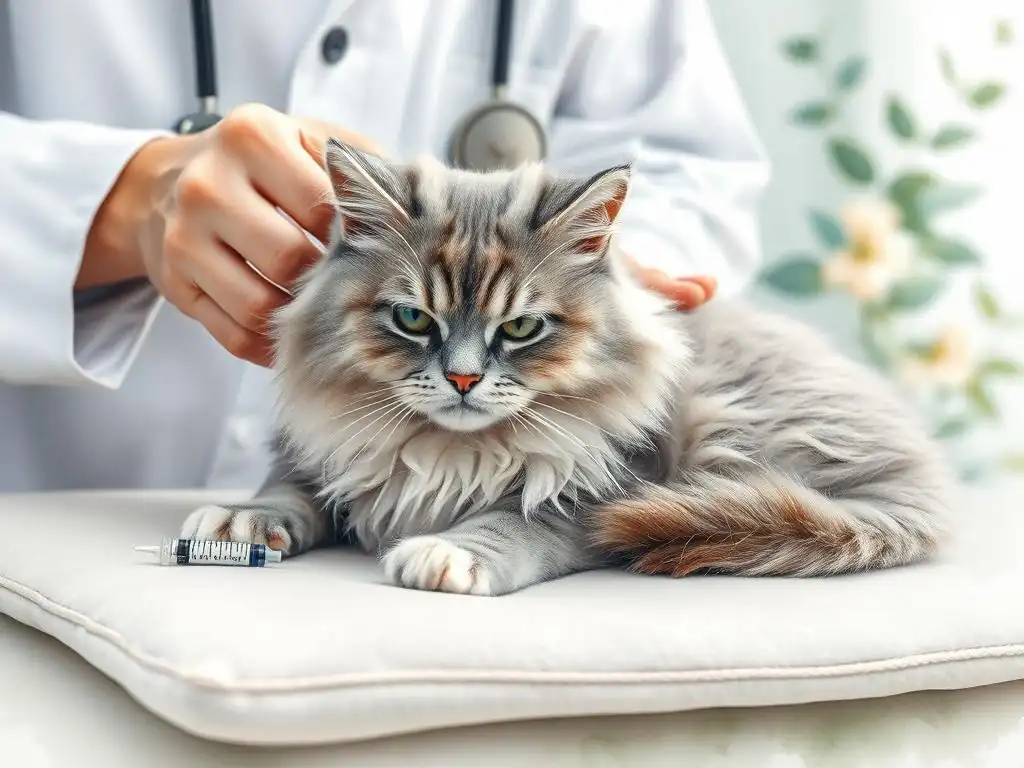
Following the examination, the vaccine itself is typically administered as an injection, usually subcutaneously (under the skin). The injection site is typically the scruff of the neck. The procedure is usually quick and minimally invasive, causing minimal discomfort to your cat. Most cats tolerate the procedure well, though some may exhibit mild anxiety or discomfort during the injection. The entire process, including the examination and the injection, usually takes only a few minutes. Your veterinarian will provide you with post-vaccination instructions and answer any questions you may have.
The type of vaccine used (e.g., modified-live or inactivated) will influence the administration process slightly. Your vet will choose the most appropriate vaccine based on your cat's age, health status, and lifestyle. Some vaccines may require multiple doses administered over a period of time to achieve full immunity. Your vet will outline the complete vaccination schedule.
Potential Side Effects of Calicivirus Vaccination
While the feline calicivirus vaccine is generally safe and effective, some cats may experience mild side effects. These are usually temporary and resolve without intervention. Common side effects include:
- Mild soreness or swelling at the injection site: This is a normal reaction and typically subsides within a few days. Applying a warm compress can help alleviate discomfort.
- Lethargy or mild listlessness: Some cats may appear slightly less energetic than usual for a day or two after vaccination.
- Loss of appetite: A temporary decrease in appetite is also possible. Encourage your cat to eat by offering its favorite foods.
- Low-grade fever: A slightly elevated temperature is sometimes observed. This usually resolves on its own.
More serious side effects are rare, but it's crucial to be aware of them. These may include:
- Severe allergic reaction: Symptoms may include swelling of the face, difficulty breathing, hives, or vomiting. Seek immediate veterinary attention if you observe any of these signs.
- Anaphylactic shock: This is a life-threatening allergic reaction requiring immediate emergency veterinary care.
It's essential to monitor your cat closely for any unusual symptoms after vaccination. Keep a record of any observed side effects and report them to your veterinarian immediately if they are severe or persistent. Early intervention can prevent potential complications. The incidence of these more severe side effects is extremely low, but vigilance is key.
Monitoring Your Cat After Vaccination
Following the calicivirus vaccination, careful monitoring of your cat is essential. The first 24-48 hours are crucial for observing any potential side effects. Pay close attention to your cat's behavior, appetite, and overall energy levels. Look for any signs of swelling, redness, or discharge at the injection site. Monitor your cat's temperature if you have a thermometer, but don't be overly concerned with minor temperature fluctuations.
Checklist for Post-Vaccination Monitoring:
- ✔️ Check injection site for swelling or redness
- ✔️ Monitor appetite and water intake
- ✔️ Observe energy levels and behavior
- ✔️ Note any vomiting, diarrhea, or other unusual symptoms
- ✔️ Contact your vet immediately if you notice anything concerning
Regularly interacting with your cat can help you quickly identify any changes in its behavior or health. Even seemingly minor changes can be important indicators. If you are unsure about any aspect of your cat's post-vaccination health, don't hesitate to contact your veterinarian. Proactive monitoring and prompt veterinary care are crucial for ensuring your cat's well-being and optimal protection against feline calicivirus. Remember, this guide provides general information; always consult your veterinarian for personalized advice.
Addressing Concerns and Complications
Administering the calicivirus vaccine, while generally safe and effective, can sometimes lead to minor side effects or complications. It's crucial for pet owners to be aware of these possibilities and know how to address them. The vast majority of cats tolerate the vaccine well, experiencing no adverse reactions. However, a small percentage may show some signs of discomfort.
These mild reactions typically manifest as lethargy, mild fever (a slight increase in body temperature), or soreness at the injection site. These symptoms are usually temporary and resolve within 24-48 hours without any intervention. Providing your cat with a comfortable, quiet space and plenty of fresh water can help alleviate discomfort. If you notice any swelling or significant redness at the injection site, contact your veterinarian.
While rare, allergic reactions are possible. Symptoms of an allergic reaction can range from mild hives to more severe anaphylaxis, characterized by difficulty breathing, swelling of the face and throat, and collapse. If you suspect an allergic reaction, seek immediate veterinary attention. This is a veterinary emergency requiring prompt treatment.
It's important to remember that not all reactions are necessarily directly caused by the vaccine. A cat may exhibit symptoms that coincide with the vaccination but are unrelated. For example, a cat already suffering from a mild upper respiratory infection might show symptoms that could be mistakenly attributed to the vaccine. Your veterinarian will be able to differentiate between vaccine-related side effects and other underlying health issues.
Accurate record-keeping is essential. Note the date of vaccination and any observed reactions, no matter how minor. This information is vital for future veterinary visits and can help your veterinarian identify any patterns or potential issues. Open communication with your veterinarian is key. Don't hesitate to contact them with any concerns, even if they seem insignificant.
Early intervention can often prevent minor problems from escalating into more serious complications. Remember, your veterinarian is your best resource for managing your cat's health and addressing any concerns related to vaccinations. They can provide personalized advice based on your cat's individual health history and needs. Proactive communication ensures the best possible outcome for your feline companion.
Calicivirus Vaccination: Frequently Asked Questions (FAQ)
This section addresses common concerns regarding feline calicivirus vaccination, providing clarity and reassurance for cat owners seeking comprehensive information on protecting their beloved pets. Understanding the safety, efficacy, and limitations of the vaccine is crucial for informed decision-making. This guide aims to empower you with the knowledge necessary to make the best choices for your cat's health.
Is the Calicivirus Vaccine Safe for My Cat?
The feline calicivirus vaccine is generally considered safe and well-tolerated. Like any vaccine, there's a potential for mild side effects, but serious adverse reactions are rare. Common, minor reactions may include:
- Temporary lethargy or decreased appetite
- Mild swelling or soreness at the injection site
- Low-grade fever
These side effects typically resolve within a day or two. More severe reactions are uncommon but should be reported to your veterinarian immediately. Before administering the vaccine, your vet will likely conduct a brief physical examination to ensure your cat is healthy enough for vaccination. This pre-vaccination assessment helps minimize the risk of any adverse events.
The benefits of protecting your cat from the potentially debilitating effects of calicivirus significantly outweigh the minimal risks associated with the vaccine. Remember to always discuss any concerns you may have with your veterinarian before vaccinating your cat. They can assess your cat's individual health status and advise you on the best course of action. Transparency and open communication with your vet are key to ensuring your feline companion receives the best possible care.
How Effective is the Calicivirus Vaccine?
The effectiveness of the calicivirus vaccine varies depending on several factors, including the specific vaccine used, the cat's immune system, and the circulating strains of the virus. While not 100% effective in preventing all infections, studies show that the vaccine significantly reduces the severity of clinical signs and the duration of illness in infected cats. This means that even if a vaccinated cat contracts calicivirus, the infection is likely to be milder and shorter-lived than in an unvaccinated cat.
The vaccine helps stimulate a robust immune response, providing a crucial layer of protection against severe disease. This reduction in severity can be life-saving, especially in kittens or cats with compromised immune systems.
The vaccine's efficacy is further enhanced when administered as part of a core feline vaccination protocol, which typically includes vaccines for other common feline illnesses like panleukopenia and rhinotracheitis. This comprehensive approach provides broader protection against multiple viral threats.
Can My Cat Still Get Calicivirus Even After Vaccination?
Yes, it's possible for a vaccinated cat to contract calicivirus, although the infection is usually less severe. The vaccine doesn't guarantee 100% protection; it significantly reduces the risk of severe illness. Several factors can influence the vaccine's efficacy:
- Viral Strain Variation: Calicivirus is constantly evolving, and new strains can emerge. The vaccine may not provide complete protection against all strains.
- Individual Immune Response: A cat's immune system plays a crucial role. Some cats may mount a stronger immune response than others, leading to varying levels of protection.
- Vaccination Schedule: Following the recommended vaccination schedule is vital for optimal protection. Incomplete vaccination schedules can compromise the effectiveness of the vaccine.
Even if your vaccinated cat does contract calicivirus, the symptoms are likely to be milder, such as a slight runny nose or mild eye discharge, rather than the severe oral ulcers, respiratory distress, and systemic illness seen in unvaccinated cats. Regular veterinary check-ups are essential to monitor your cat's health and ensure they receive the appropriate vaccinations and booster shots. Early detection and treatment of any illness, even in vaccinated cats, is always advisable.
Staying informed and proactive in your cat's healthcare is the best way to ensure their well-being. Remember, vaccination is a critical component of preventative healthcare, significantly reducing the risk of serious illness and improving your cat's quality of life. 😻
What if My Cat is Already Sick? Can it Still Be Vaccinated?
The decision to vaccinate a cat already exhibiting symptoms of illness requires careful consideration and consultation with a veterinarian. If your cat is suffering from a minor ailment like a mild upper respiratory infection, your vet might recommend delaying the vaccination until your cat has fully recovered. This is because a weakened immune system might not respond effectively to the vaccine, and the vaccination itself could potentially worsen the existing condition.
However, if your cat is experiencing a severe illness, vaccination should be postponed until recovery is complete and your veterinarian gives the all-clear. The severity of the illness and the type of vaccine being considered will influence the veterinarian's decision. They will assess your cat's overall health and determine the best course of action to avoid any potential complications.
Remember, always prioritize your cat's health and well-being, and rely on your vet's professional judgment. They can accurately assess the risk versus the benefits of vaccination in your cat's specific situation. Don't hesitate to ask your vet any questions you may have; it's crucial to have a clear understanding of the procedure before proceeding.
What is the cost of Calicivirus Vaccination?
The cost of a feline calicivirus vaccination can vary significantly depending on several factors. Geographic location plays a substantial role; clinics in urban areas often charge more than those in rural settings. The type of clinic also matters; specialized veterinary hospitals may have higher fees than general practice clinics. Furthermore, the specific vaccine brand administered can influence the price.
Some vaccines are more advanced or include additional components, leading to a higher cost. Finally, the overall health assessment and any additional services required during the visit, such as blood tests or other examinations, will be added to the final bill. While it's difficult to provide a precise figure without knowing these specifics, you can expect to pay anywhere from [specific information pending] for a single dose of the calicivirus vaccine. It is always advisable to contact your local veterinary clinic directly to inquire about their pricing for cat vaccinations.
They can provide a detailed cost breakdown and answer any questions you have regarding payment options. Remember to factor in the potential costs of follow-up appointments or any unexpected complications. Planning ahead financially will help ensure you can provide your cat with the best possible care.
Maintaining Your Cat's Overall Health and Wellness
This section explores crucial aspects of feline health maintenance beyond just vaccination, emphasizing a holistic approach to ensure your cat thrives. A robust immune system is vital in combating diseases like calicivirus, and proactive care significantly enhances its effectiveness. This isn't just about preventing calicivirus; it's about building a foundation for a long, healthy life for your beloved companion.
Importance of Regular Veterinary Checkups
Regular veterinary checkups are the cornerstone of preventative feline healthcare. These visits aren't solely for vaccinations; they offer a proactive approach to identifying potential health issues early, when treatment is often simpler and more effective. A veterinarian can assess your cat's overall health, weight, and behavior, detecting subtle changes indicative of underlying problems. Early detection of conditions like kidney disease, diabetes, or even dental issues can dramatically improve your cat's prognosis and quality of life.
Furthermore, your vet can tailor a vaccination schedule to your cat's specific needs and risk factors, ensuring optimal protection against various diseases, including feline calicivirus. Think of these checkups as preventative maintenance for your cat's health engine – regular servicing keeps it running smoothly. Schedule checkups at least annually, or more frequently if your cat is elderly or has pre-existing conditions. The peace of mind gained far outweighs the effort.
Nutrition and Diet for a Healthy Immune System
Nutrition plays a pivotal role in bolstering your cat's immune system, making it more resilient against infections like calicivirus. A balanced diet rich in essential nutrients is crucial. Avoid feeding your cat low-quality commercial food packed with fillers and artificial ingredients. Instead, opt for high-quality cat food formulated to meet the specific nutritional needs of felines. Look for foods that list high-quality animal protein as the primary ingredient and contain essential vitamins and minerals.
Consider consulting your veterinarian or a veterinary nutritionist to determine the best diet for your cat's age, breed, and health status. Dietary supplements, such as omega-3 fatty acids, can further enhance your cat's immune function. Remember, a healthy diet isn't just about preventing illness; it contributes to overall well-being, energy levels, and a shiny, healthy coat. Providing your cat with the optimal nutrition is a significant investment in its long-term health.
Environmental Factors Affecting Cat Health
Beyond diet and vaccinations, environmental factors significantly impact your cat's health and susceptibility to diseases. A clean and safe living environment minimizes the risk of infection. Regularly cleaning your cat's litter box prevents the spread of bacteria and parasites. Provide fresh, clean water at all times.
Minimize exposure to toxins, such as household cleaners and pesticides, by keeping them out of reach. Stress can also compromise your cat's immune system, making it more vulnerable to illness. A calm and enriching environment, with opportunities for play and exploration, contributes to a happy and healthy cat. Providing scratching posts, toys, and vertical spaces for climbing allows your cat to express natural behaviors and reduces stress.
Consider the impact of indoor vs. outdoor lifestyles; outdoor cats face greater risks from infectious diseases and injuries. A well-managed environment is an essential component of your cat's overall health and well-being, contributing to its resilience against diseases like calicivirus. A happy cat is a healthy cat. 😻
Recognizing and Responding to Illness
Recognizing the early signs of illness in your cat is crucial for prompt veterinary intervention and a positive outcome. Cats are masters of disguise, often hiding their discomfort until they are quite unwell. Therefore, vigilant observation is key to early detection. Changes in behavior, appetite, and elimination habits are often the first indicators something is amiss.
For example, a usually playful cat suddenly becoming lethargic and withdrawn could signify illness. A decrease or complete loss of appetite is another significant warning sign. Pay close attention to your cat's litter box habits; changes in frequency, consistency, or straining could indicate urinary tract infections or other gastrointestinal issues. Furthermore, vomiting, diarrhea, coughing, sneezing, and unusual vocalizations should all trigger concern. Observe your cat's coat; dullness, matting, or excessive shedding might be a symptom of underlying health problems. Any changes in their breathing rate or pattern, such as labored breathing or increased respiratory rate, necessitate immediate veterinary attention.
Responding appropriately involves prompt action. If you observe any of these symptoms, don't delay seeking veterinary care. While some minor ailments may resolve on their own, many conditions, particularly those involving calicivirus, require professional treatment to prevent complications and ensure a full recovery. Early diagnosis and treatment are vital to maximizing your cat's chances of a positive outcome and minimizing the severity of the disease.
Don't hesitate to contact your veterinarian; they are trained to diagnose and treat a wide range of feline illnesses, including those associated with calicivirus infection. Remember, acting swiftly can significantly impact your cat's health and well-being. Early intervention is often the difference between a minor inconvenience and a serious health crisis. A proactive approach to your cat's health is the best way to ensure a long and happy life together.
Frequently Asked Questions
What is Feline Calicivirus?
Feline calicivirus (FCV) is a highly contagious virus that affects cats. It causes upper respiratory infections, often resulting in sneezing, coughing, and eye discharge. Vaccination is highly recommended to prevent infection.
How is Feline Calicivirus spread?
FCV spreads easily through direct contact with infected cats or their secretions (e.g., saliva, nasal discharge). It can also spread indirectly through contaminated surfaces. Good hygiene is crucial in preventing transmission.
When should my cat receive the Calicivirus vaccination?
Kittens should receive their first FCV vaccination around 6-8 weeks of age, followed by booster shots. Adult cats should receive annual booster vaccinations to maintain immunity. Consult your veterinarian for a personalized vaccination schedule.
What are the symptoms of Feline Calicivirus infection?
Symptoms can vary but commonly include sneezing, nasal discharge, eye discharge, mouth ulcers, and fever. In severe cases, pneumonia or other complications can occur. Early diagnosis and treatment are essential.
Is the Calicivirus vaccination safe for my cat?
The FCV vaccine is generally safe and effective, with minimal side effects. Some cats might experience mild, temporary reactions like lethargy or soreness at the injection site. Discuss any concerns with your veterinarian before vaccination.
Final Reflection: Protecting Our Feline Companions: A Legacy of Wellness
The fight against feline calicivirus is far from over, and the health of our beloved cats continues to depend on our proactive approach to vaccination. This silent threat, capable of causing debilitating illness and even death, demands our unwavering attention and commitment to preventative care. The information presented in this guide underscores the vital role vaccination plays in safeguarding feline populations.
The impact of widespread calicivirus vaccination has been profound, significantly reducing the incidence of severe outbreaks and improving the overall well-being of cats worldwide. However, the ever-evolving nature of the virus necessitates ongoing vigilance. The best medicine is prevention,
a timeless adage, rings especially true in the context of feline health. Understanding the nuances of vaccination schedules, potential side effects, and the importance of regular veterinary check-ups empowers us to be responsible and informed guardians of our feline companions. This responsibility extends beyond our individual cats; it's a collective effort to protect the wider feline community.
Consider the legacy you wish to leave for your cat and for future generations of felines. Will you choose to remain informed and proactive, ensuring your cat receives the best possible protection against this pervasive disease? Take the steps outlined in this guide, schedule that appointment with your veterinarian, and become a champion for feline health. Your commitment will not only safeguard your own cat's well-being but will contribute to a healthier and happier future for all cats.
Unlock Your Cat's Healthiest Life: Take Action Now!
Thank you for learning about calicivirus vaccination for your cat! We hope you feel more confident in protecting their health. Ready to take the next step?
- Schedule your cat's calicivirus vaccination appointment today. This is crucial for their well-being.
- Share this article with other cat owners. Help keep more felines healthy and happy!
- Consider additional preventative care, such as flea and tick prevention.
What steps will you take to ensure your cat's continued health and happiness?