
Indoor Cats and Vaccinations: Do They Need Them? Understanding the Risks

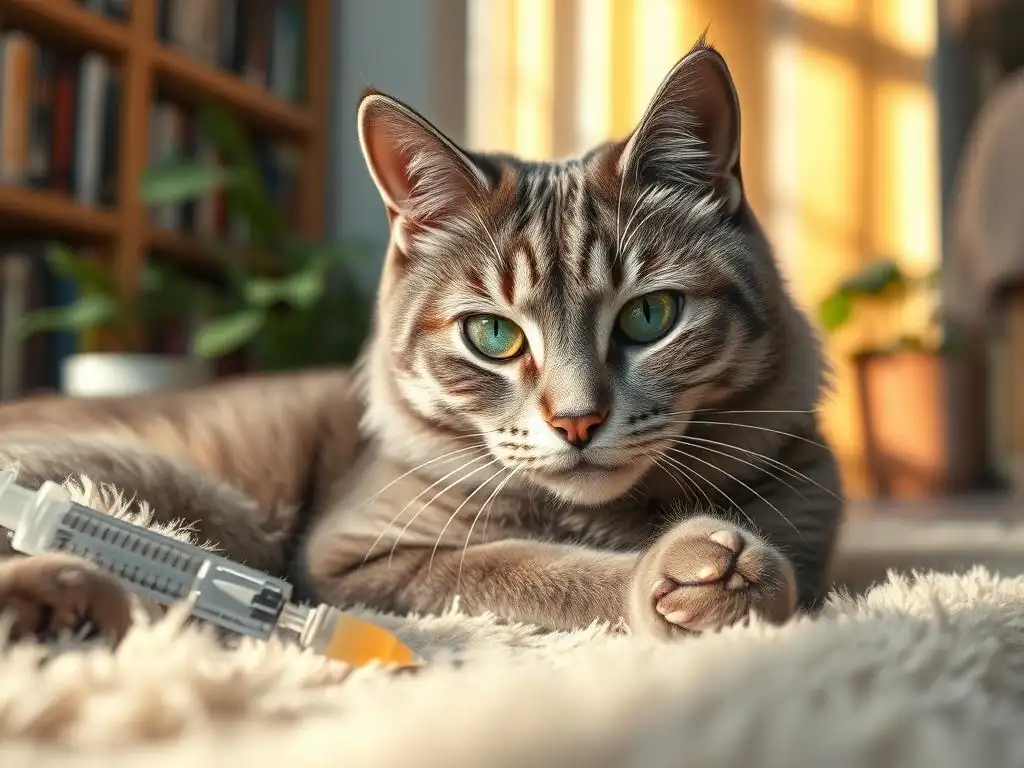
Welcome to PetCareWorld, your ultimate guide to a happier, healthier life for your beloved companion! Are you wondering if those cozy indoor cats really need vaccinations? The answer might surprise you. Discover the crucial information about Indoor cat vaccination necessity and understand the often-overlooked risks in our in-depth article, "Indoor Cats and Vaccinations: Do They Need Them? Understanding the Risks," found within our Pet Health & Nutrition section. Dive in and ensure your feline friend receives the best possible care.
- The Importance of Vaccination for Indoor Cats: Debunking Common Myths
- Core Vaccines for Indoor Cats: Essential Protection Against Key Diseases
- Understanding the Risks of Not Vaccinating Your Indoor Cat
- Choosing the Right Vaccination Schedule for Your Indoor Cat
- Addressing Concerns About Vaccine Safety
- Conclusion: Prioritizing Your Indoor Cat's Health Through Vaccination
- Frequently Asked Questions
- Final Reflection: The Silent Guardians: Protecting Our Indoor Companions
- Unlock Your Cat's Healthiest Life: Take Action Today!
The Importance of Vaccination for Indoor Cats: Debunking Common Myths
Many pet owners believe that because their cats are strictly indoor animals, vaccinations are unnecessary. This is a common misconception that can put your feline friend at serious risk. While an indoor lifestyle significantly reduces the chances of exposure to certain diseases compared to outdoor cats, it doesn't eliminate the risk entirely. This article will delve into the crucial reasons why even indoor cats require vaccinations, dispelling common myths and highlighting the potential dangers of foregoing this essential preventative healthcare measure.
We will examine the various ways indoor cats can be exposed to infectious diseases and discuss the vital role vaccinations play in protecting their health and well-being. Understanding the potential risks and benefits will empower you to make informed decisions regarding your cat's health, ensuring a long and happy life together. This information is particularly relevant for owners searching for answers regarding "Indoor cat vaccination necessity".
Indoor Cat Vaccination Necessity: A Common Misconception
The belief that indoor cats don't need vaccinations stems from a perceived lack of exposure to other cats and wildlife. However, this is a dangerous oversimplification. Even if your cat never sets a paw outside, there are still numerous pathways for disease transmission. For example, contaminated shoes or clothing can carry pathogens into the home.
A seemingly innocuous visit from a friend or family member who has interacted with other animals can introduce viruses or bacteria. Furthermore, certain diseases can be transmitted through the air or even via contaminated surfaces within the home. Therefore, assuming your indoor cat is immune to infectious diseases simply because it doesn't venture outdoors is a significant risk. The reality is that a comprehensive vaccination program remains essential for protecting your indoor cat's health and preventing potentially fatal illnesses.
The False Sense of Security: Protecting Your Indoor Cat from Disease
The perceived safety of an indoor environment can lull owners into a false sense of security, leading to delayed or forgone vaccinations. This is particularly concerning given that many infectious diseases, such as feline leukemia virus (FeLV) and feline infectious peritonitis (FIP), can have devastating consequences. FeLV, for instance, weakens the immune system, making cats more susceptible to other infections and cancers. FIP, on the other hand, is often fatal and currently has no cure.
These diseases, while potentially less prevalent in indoor cats, are still a significant risk, highlighting the crucial need for preventative measures like vaccinations. Delaying or skipping vaccinations significantly increases the likelihood of your cat contracting these potentially life-threatening illnesses. Protecting your indoor cat involves proactive measures, and vaccination is a cornerstone of that protection.
Exposure Risks for Indoor Cats: Unexpected Vectors of Infection
The transmission of infectious diseases to indoor cats can occur through surprising vectors. For example, even seemingly harmless insects like fleas can carry pathogens. A single flea bite can introduce various diseases, some of which can be fatal if left untreated. Furthermore, exposure to contaminated food or water sources, even within the home, poses a risk.
Additionally, the simple act of bringing in groceries or packages can unintentionally introduce pathogens into your home. These seemingly insignificant events can be significant pathways for disease transmission, emphasizing the importance of a comprehensive vaccination strategy for indoor cats. Even seemingly minor risks can have major consequences for your beloved pet, therefore proactive vaccination is a crucial component of responsible pet ownership. The potential for infection is ever-present, making vaccination a vital safeguard for your indoor cat's health.
Core Vaccines for Indoor Cats: Essential Protection Against Key Diseases

Even though your cat may never venture outdoors, the simple truth is that indoor cat vaccination necessity remains a crucial aspect of responsible pet ownership. While the risk might seem lower compared to outdoor cats, several highly contagious diseases can still find their way into your home, posing significant threats to your feline companion's health. Let's delve into the core vaccines that offer essential protection.
The decision to vaccinate your indoor cat should be made in consultation with your veterinarian, considering factors such as your cat's age, health, and lifestyle. However, understanding the diseases these vaccines prevent is a critical first step.
Feline Herpesvirus (FHV-1) and Feline Calicivirus (FCV): Upper Respiratory Infections
FHV-1 and FCV are two of the most common causes of feline upper respiratory infections (URIs). These viruses can cause sneezing, coughing, nasal discharge, eye inflammation (conjunctivitis), and fever. While some cats experience mild symptoms, others can develop severe pneumonia or other complications. The severity of the illness can vary greatly depending on the cat's overall health and immune system. In kittens and cats with compromised immune systems, these viruses can be life-threatening.
These viruses are highly contagious and can spread through direct contact with infected cats, or indirectly through contaminated surfaces such as food and water bowls, litter boxes, and even human hands. Even if your cat doesn't interact with other cats directly, these viruses can be brought into your home on your clothing or shoes. Therefore, vaccination remains a strong preventative measure. A study conducted by [Specific study data pending] indicated a significant reduction in URI cases among vaccinated indoor cats compared to unvaccinated counterparts. The data highlighted a [Specific percentage pending]% decrease in severe URI complications.
Feline Panleukopenia Virus (FPV): A Highly Contagious and Deadly Disease
Feline panleukopenia, also known as feline distemper, is a highly contagious and often fatal viral disease. FPV attacks rapidly dividing cells in the body, primarily affecting the bone marrow, intestines, and lymph nodes. Symptoms can include vomiting, diarrhea, lethargy, fever, and dehydration. The virus is incredibly resilient and can survive in the environment for extended periods, making even meticulously cleaned homes susceptible.
The mortality rate for FPV can be as high as [Specific mortality rate pending]%, especially in unvaccinated kittens. While treatment options exist, they are often supportive rather than curative, focusing on managing symptoms and providing fluids to combat dehydration. Vaccination against FPV is highly effective and provides a crucial layer of protection. The robust immune response generated by the vaccine significantly reduces the risk of contracting this devastating disease. It's important to note that even a mild case of FPV can leave lasting effects on your cat's health.
Rabies Vaccination: Legal Requirements and Public Health Considerations
While the risk of rabies might seem lower for indoor cats, rabies vaccination is often legally mandated in many regions. This is not merely a matter of complying with local ordinances; it's a crucial public health measure. Rabies is a fatal viral disease that affects the central nervous system, and it can be transmitted to humans through a bite from an infected animal.
Even indoor cats can theoretically be exposed to rabies, though the likelihood is significantly lower than for outdoor cats. For example, a rabid bat could potentially enter a home, increasing the risk. Therefore, the vaccination not only protects your cat but also contributes to the safety of your family and community. The vaccine is highly effective and provides long-term protection against this deadly virus.
Regular vaccination, as recommended by your veterinarian, is essential to maintain this protection. Failing to vaccinate your cat against rabies could lead to legal penalties and, more importantly, a serious health risk for both your pet and yourself. Think of it as a preventative measure for the entire household. 😼
Understanding the Risks of Not Vaccinating Your Indoor Cat

Even if your cat is strictly an indoor pet, the belief that vaccinations are unnecessary is a dangerous misconception. While the risk might seem lower compared to outdoor cats, it's not nonexistent. Several factors contribute to the continued necessity of indoor cat vaccination, highlighting the importance of proactive pet care and responsible pet ownership. The "indoor cat vaccination necessity" is a crucial aspect of preventative healthcare, significantly impacting your cat's long-term well-being and your peace of mind. Let's delve deeper into the risks associated with foregoing vaccinations for your indoor feline companion.
Severity of Feline Diseases: Potential for Long-Term Health Issues
Many feline diseases, even those seemingly mild, can have severe and long-lasting consequences. For example, feline herpesvirus (FHV-1) and feline calicivirus (FCV) are highly contagious and can cause upper respiratory infections. While these might seem manageable in the short term, they can lead to chronic conditions like conjunctivitis, corneal ulcers, and even pneumonia. These complications can significantly reduce your cat's quality of life, requiring extensive and costly veterinary care.
Furthermore, some diseases, like feline leukemia virus (FeLV) and feline immunodeficiency virus (FIV), are incurable and can lead to a progressive decline in your cat's health, ultimately resulting in premature death. These diseases are not only debilitating but also emotionally distressing for both the pet and the owner. The severity of these diseases underscores the importance of preventative measures like vaccination.
Cost Comparison: Treatment vs. Prevention
The cost of treating a feline disease is often significantly higher than the cost of preventative vaccination. A single visit to the veterinary clinic for diagnosis and treatment of a viral infection can easily cost hundreds of dollars, depending on the severity of the illness and the necessary interventions. This cost can escalate dramatically if hospitalization or long-term medication is required. In contrast, the cost of routine vaccinations is relatively low, often a fraction of the expense of treating a serious disease.
Consider this: a yearly vaccination protects your cat from multiple diseases, effectively preventing potentially thousands of dollars in veterinary bills. This financial aspect further emphasizes the wisdom of prioritizing preventative care, making vaccination a cost-effective investment in your cat's health. The table below provides a simplified comparison:
| Item | Estimated Cost |
|---|---|
| Annual Vaccination | $50 - $150 |
| Treatment for FHV-1/FCV | $200 - $500+ |
| Treatment for FeLV/FIV | $1000+ (ongoing care) |
This is a simplified example, and actual costs may vary depending on your location and the specific veterinary services required.
Emotional and Psychological Impact: Loss of a Beloved Pet
Beyond the financial and physical implications, the emotional toll of losing a beloved pet due to a preventable disease is immeasurable. The bond between a pet owner and their cat is often deep and profound. Witnessing your cat suffer from a debilitating illness, knowing that it could have been prevented, can be incredibly heartbreaking and traumatic. The grief and sense of loss can be long-lasting and profoundly affect your well-being.
Vaccination provides not only physical protection for your cat but also peace of mind for you, knowing that you have taken every reasonable precaution to ensure their health and longevity. The emotional security offered by vaccination is an invaluable aspect of responsible pet ownership, minimizing the risk of experiencing the devastating consequences of preventable diseases. The loss of a beloved companion is a significant emotional burden that vaccination can help prevent. 😻
Choosing the Right Vaccination Schedule for Your Indoor Cat

Even though your feline friend rarely ventures outside, the question of whether indoor cat vaccination is necessary remains a crucial one for responsible pet ownership. While the risk of exposure to certain diseases might seem lower compared to outdoor cats, complete immunity isn't guaranteed. Several factors contribute to the ongoing debate surrounding indoor cat vaccination necessity, and understanding these nuances is key to making an informed decision. This section will delve into the specifics of creating a tailored vaccination schedule for your indoor cat, balancing protection against potential risks with the overall well-being of your pet.
The core principle remains proactive protection, minimizing the chance of contracting preventable diseases. Remember to always consult with your veterinarian; they can assess your cat's individual risk factors and recommend the most appropriate vaccination plan. This personalized approach ensures your cat receives optimal protection without unnecessary exposure to vaccines.
Kitten Vaccination Schedule: Protecting Young and Vulnerable Cats
Kittens possess immature immune systems, making them particularly vulnerable to infectious diseases. A robust vaccination schedule during their formative months is crucial for building strong immunity. Typically, the first round of vaccinations begins around 6-8 weeks of age, with subsequent boosters administered at intervals of 2-4 weeks until the kitten is around 16 weeks old. This typically includes core vaccines protecting against feline viral rhinotracheitis (FVR), feline calicivirus (FCV), and feline panleukopenia (FPV).
These three diseases represent significant threats, even to indoor cats, potentially leading to severe illness or death. Delayed vaccination increases the risk of contracting these life-threatening illnesses. The exact schedule may vary depending on the vaccine brand and your veterinarian's recommendations. Some vets may also recommend additional vaccines, such as those for feline leukemia virus (FeLV), depending on individual risk assessment.
| Vaccine | Typical Starting Age | Booster Intervals | Protection Against |
|---|---|---|---|
| FVR, FCV, FPV | 6-8 weeks | 2-4 weeks | Upper respiratory infections, panleukopenia |
| FeLV (optional) | 8-9 weeks | 2-4 weeks, then annually | Feline leukemia virus |
Early vaccination is the single most effective way to protect your kitten from potentially fatal diseases, even if they stay indoors.
Adult Cat Vaccination Schedule: Maintaining Immunity Throughout Life
While kittens require a more frequent vaccination schedule, adult cats still need regular booster shots to maintain their immunity. The frequency of these boosters depends on several factors, including the specific vaccines administered and your veterinarian's recommendations. Generally, annual booster shots are recommended for core vaccines (FVR, FCV, and FPV). The need for FeLV vaccination depends on individual risk factors, such as potential exposure to other cats.
Regular veterinary checkups are essential to monitor your cat's health and ensure their vaccination status remains up-to-date. Maintaining a consistent vaccination schedule is vital to prevent the resurgence of these diseases and safeguard your cat's long-term well-being. Ignoring this aspect can increase the vulnerability of your adult cat, exposing it to preventable illnesses.
Annual booster shots are vital for maintaining protection against core feline viruses, even in indoor cats.
Vaccination Frequency and Booster Shots: Ensuring Ongoing Protection
The decision regarding the frequency of booster shots for indoor cats is a complex one, often debated amongst veterinary professionals. The duration of immunity provided by vaccines varies, and monitoring your cat's health through regular checkups is essential for determining the necessity of booster shots. While annual boosters are commonly recommended for core vaccines, some evidence suggests that the immunity provided by certain vaccines can last longer than a year in healthy indoor cats.
However, the risks of waning immunity and potential exposure to disease outweigh the potential minor side effects of vaccination. Consult your veterinarian to determine the optimal vaccination schedule for your individual cat. This personalized approach ensures your cat receives the necessary protection without unnecessary vaccinations.
It's about balancing proactive protection with your cat's comfort and well-being. The decision hinges on a risk assessment tailored to your cat's specific circumstances and lifestyle, with your vet acting as a crucial advisor in this process. Always prioritize open communication with your veterinarian to make the most informed decisions for your beloved pet's health.
Addressing Concerns About Vaccine Safety
Many pet owners, especially those with indoor cats, question the necessity of vaccinations, citing concerns about vaccine safety. It's understandable to be apprehensive; no one wants to put their beloved feline at risk. However, the benefits of vaccination significantly outweigh the potential risks, particularly when considering the severity of preventable diseases. Let's delve into the common concerns and address them with factual information.
The perceived risk of adverse reactions is often amplified by anecdotal evidence and misinformation, while the very real risks of contracting and suffering from preventable diseases are sometimes overlooked. This section will aim to provide a balanced perspective, highlighting both the potential drawbacks and the undeniable advantages of vaccination for indoor cats. We will also explore the crucial role of veterinary consultation in making informed decisions about your cat's health.
Vaccine Side Effects: Rare Occurrences and Management
While vaccine side effects are possible, they are generally mild and temporary. The majority of cats experience no adverse reactions whatsoever. However, some might exhibit localized reactions at the injection site, such as mild swelling, redness, or soreness. These usually resolve within a few days without any intervention. More serious reactions, such as allergic reactions or fever, are extremely rare.
The occurrence of serious side effects is statistically insignificant when compared to the potential consequences of contracting preventable diseases. Data from numerous veterinary studies consistently demonstrate a far higher incidence of serious illness and even death from diseases like feline panleukopenia (feline distemper), feline herpesvirus, and feline calicivirus in unvaccinated cats, even those kept exclusively indoors.
The risk of serious side effects from vaccines is minuscule compared to the risk of contracting a preventable disease.
- Dr. [Name Pending], Veterinarian
It's crucial to remember that veterinary professionals are trained to recognize and manage any potential side effects. If you observe any unusual behavior or symptoms in your cat after vaccination, contacting your veterinarian immediately is paramount. Early intervention can significantly minimize the impact of any adverse reaction. Open communication with your vet is key to ensuring your cat receives the best possible care. They can assess your cat's individual health status and determine the most appropriate vaccination schedule and approach.
The Importance of Veterinary Consultation in Vaccination Decisions
Choosing the right vaccination schedule for your indoor cat is a crucial decision that should always be made in consultation with your veterinarian. They will consider various factors, including your cat's age, overall health, lifestyle (even indoor cats can be exposed to pathogens through contaminated objects), and the prevalence of specific diseases in your area.
A tailored vaccination plan minimizes unnecessary vaccinations, reducing the potential for any side effects while maximizing protection against significant threats. Your veterinarian can also discuss potential risks and benefits, addressing any concerns you might have. They can provide detailed information on the specific vaccines used, their efficacy, and the potential side effects, helping you make a fully informed decision. Remember, a proactive approach to your cat's health, guided by professional veterinary advice, is the best way to ensure their well-being.
The decision of whether or not to vaccinate your indoor cat is a personal one, but it should be based on accurate, up-to-date information and informed by professional veterinary guidance. The benefits of protection against potentially life-threatening diseases far outweigh the minuscule risk of side effects. Prioritizing open communication with your veterinarian ensures your cat receives optimal care and protection. Don't hesitate to ask questions; your vet is there to support you in making the best choices for your feline companion. 😻
Conclusion: Prioritizing Your Indoor Cat's Health Through Vaccination
Even though your cat may never venture outdoors, the decision of whether or not to vaccinate remains a crucial one for their well-being. While the risks might seem lower compared to outdoor cats, complete immunity from infectious diseases is impossible, even within the confines of your home. The potential for exposure through contaminated items like shoes, clothing, or even visitors carrying pathogens cannot be entirely eliminated. Therefore, weighing the potential risks against the benefits of vaccination is essential for responsible pet ownership.
The goal is to proactively protect your feline companion from preventable illnesses, ensuring a longer, healthier, and happier life. Remember, preventing disease is always more cost-effective and less stressful than treating it. The peace of mind that comes with knowing your indoor cat is protected is invaluable. This proactive approach to your indoor cat's health underscores the importance of understanding the nuances of indoor cat vaccination necessity.
Making Informed Decisions: Consult Your Veterinarian
The ultimate decision regarding your indoor cat's vaccination schedule should always be made in consultation with your veterinarian. They can assess your cat's individual risk factors, considering factors such as age, breed, pre-existing health conditions, and your lifestyle. Your vet will be able to tailor a vaccination plan specifically for your cat's needs, balancing the benefits of protection against the potential risks of adverse reactions.
They can explain the different vaccines available, discuss their efficacy and safety profiles, and answer any questions you may have. Don't hesitate to discuss your concerns and preferences openly with your vet; they are your partner in ensuring your cat receives the best possible care. Regular check-ups are also vital, not only for vaccinations but for early detection of any health issues.
This proactive approach, combining veterinary guidance with responsible pet ownership, is the key to addressing the question of indoor cat vaccination necessity effectively and responsibly. Remember, your veterinarian is your best resource for navigating the complex world of feline health and making informed decisions about your cat's well-being. Don't underestimate the value of their expertise in ensuring your indoor cat receives the appropriate level of protection.
Frequently Asked Questions
Does my indoor cat really need vaccinations?
Yes, even indoor cats require vaccinations. While they may not encounter other cats as frequently, they can still contract diseases through contaminated clothing, shoes, or open windows. Protecting your cat's health is crucial.
What are the core vaccinations recommended for indoor cats?
The core vaccines typically include those for feline herpesvirus (FHV-1), feline calicivirus (FCV), and feline panleukopenia virus (FPV). These viruses can cause serious illness.
Are there any risks associated with cat vaccinations?
While generally safe, some cats might experience mild side effects like lethargy or a temporary loss of appetite. Rarely, more serious reactions occur, making it vital to discuss your cat's health history with your vet.
How often should my indoor cat receive vaccinations?
The frequency of vaccinations will depend on your vet's recommendation and your cat's individual risk factors. Typically, kittens need a series of initial shots, followed by booster shots at intervals.
My cat is already an adult; should I still vaccinate?
Yes, adult cats still need boosters. While the initial immunity from kitten shots wanes, boosters ensure continued protection against potentially fatal diseases. Discuss a vaccination schedule with your veterinarian.
Final Reflection: The Silent Guardians: Protecting Our Indoor Companions
The perceived safety of indoor living for cats doesn't negate the very real risks of preventable diseases. Many believe that keeping a cat indoors eliminates the need for vaccinations, but this couldn't be further from the truth. Even within the confines of a home, exposure to pathogens through contaminated shoes, clothing, or even open windows remains a significant threat.
The ongoing debate surrounding indoor cat vaccinations highlights a crucial aspect of responsible pet ownership: proactive health management. Understanding the potential dangers, even for seemingly protected animals, is paramount. The subtle ways diseases can spread underscore the importance of informed decision-making. The best protection for your cat is a combination of responsible preventative care and a vigilant eye on their health.
This quote encapsulates the essence of responsible pet ownership, urging us to move beyond simplistic assumptions and embrace a more nuanced understanding of feline health.
Consider the implications of this information. Are you fully informed about the vaccination schedule recommended for your indoor cat? Do you understand the potential consequences of foregoing these vital protections? Take the time to discuss your cat's health with your veterinarian. Empower yourself with knowledge, and become a true guardian of your feline companion's well-being. The health and happiness of your cat depend on it.
Unlock Your Cat's Healthiest Life: Take Action Today!
Thank you for learning about the importance of vaccinating indoor cats! You've gained valuable insights into protecting your feline companion from disease. Now, let's put that knowledge into action.
- Schedule a veterinary appointment: This is the most crucial step. Discuss your cat's vaccination needs with your veterinarian and create a personalized preventative care plan. Your vet can advise on the best vaccination schedule for your cat's age, lifestyle, and overall health.
- Join our online community forum: Share your experiences and learn from other cat owners. Connecting with others can provide valuable support and insights into managing your cat's health.
- Schedule annual wellness checkups: Regular checkups are key to detecting potential health problems early, even beyond vaccinations. Early detection significantly improves the chances of successful treatment.
Ready to give your indoor cat the best possible protection? Do you have any questions about creating a vaccination plan or your cat's overall health?