
Cat Care Calendar: Tailoring Preventative Schedules for Optimal Feline Health


Welcome to PetCareWorld, your ultimate guide to a happier, healthier life for your beloved companion! Are you ready to unlock the secrets to optimal feline wellness? Our comprehensive Cat Preventative Health Calendar will empower you to create a tailored care schedule, ensuring your cat thrives for years to come. Discover the proactive steps you can take to prevent common illnesses and maintain peak health – delve in and start building a brighter future for your furry friend!
- Creating a Customized Cat Preventative Health Calendar
-
Building Your Cat's Preventative Health Schedule: A Month-by-Month Guide
- Month 1: Initial Vet Checkup and Baseline Assessments
- Month 3: First Round of Core Vaccinations and Parasite Prevention
- Month 6: Booster Vaccinations and Parasite Prevention Reassessment
- Month 9: Dental Checkup and Professional Cleaning (If Needed)
- Month 12: Annual Checkup, Vaccinations, and Parasite Prevention
- Beyond the Annual Checkup: Ongoing Monitoring and Preventative Measures
- Resources and Further Information on Cat Preventative Health
- Frequently Asked Questions
- Final Reflection: A Purrfect Partnership: Building a Lifetime of Health for Your Cat
- Unlock Your Cat's Healthiest Year Yet!
Creating a Customized Cat Preventative Health Calendar
Maintaining your feline companion's health requires proactive planning. A well-structured preventative care schedule is crucial for detecting potential problems early, ensuring longevity, and maximizing your cat's quality of life. This comprehensive guide will help you create a personalized "Cat Preventative Health Calendar," tailored to your cat's specific needs, addressing everything from vaccinations and parasite prevention to dental hygiene and nutritional considerations. We'll explore the key components of a robust preventative care plan, empowering you to become a more informed and proactive pet owner.
This calendar isn't just about scheduling vet visits; it's about building a strong foundation for a happy and healthy life for your beloved cat. Remember, regular check-ups and preventative measures are significantly more cost-effective and less stressful than treating illnesses later on. Let's dive into the specifics of creating your customized cat preventative health calendar – a vital tool for every cat owner.
Assessing Your Cat's Individual Needs: Breed, Age, and Lifestyle
Before constructing your cat's preventative health calendar, it's vital to consider several key factors. These factors will influence the frequency and specifics of various preventative measures.
- Breed: Certain breeds are predisposed to specific health issues. For example, Persians are prone to polycystic kidney disease, while Siamese cats can be susceptible to hypertrophic cardiomyopathy. Understanding your cat's breed can help you identify potential areas of concern requiring more frequent monitoring or specific preventative measures.
- Age: Kittens, adult cats, and senior cats have different health needs. Kittens require a different vaccination schedule than adult cats, while senior cats may need more frequent check-ups to monitor for age-related conditions like arthritis or kidney disease.
- Lifestyle: An indoor cat has different risk factors than an outdoor cat. Indoor cats are less exposed to parasites but might face different risks such as obesity. Outdoor cats, on the other hand, face a higher risk of injuries, infections, and parasite infestations. This directly impacts the frequency of certain preventative measures, like flea and tick treatments.
Consider these factors carefully. A detailed discussion with your veterinarian will help you personalize your cat's preventative health schedule, ensuring optimal care throughout its life. Remember, early detection is key to managing potential health issues effectively.
Essential Preventative Care Components for Cats
Building a comprehensive preventative health calendar involves several crucial components. Let’s break them down into manageable sections for easy implementation. Remember to always consult your veterinarian for personalized advice based on your cat's specific needs and health history. They can help you tailor this schedule to your cat's individual circumstances.
Vaccinations: A Core Component of Cat Preventative Care
Vaccinations protect your cat from various potentially life-threatening diseases. The core vaccines typically recommended include those for feline panleukopenia (feline distemper), feline herpesvirus (FHV-1), feline calicivirus (FCV), and rabies (required by law in many areas). Your veterinarian will determine the appropriate vaccination schedule based on your cat's age, lifestyle, and risk factors.
Remember to keep accurate records of your cat's vaccination history, including the dates and types of vaccines administered. This information is crucial for future vet visits and ensures your cat receives appropriate booster shots.
Parasite Prevention: Fleas, Ticks, and Internal Parasites
Parasites pose a significant threat to feline health. Fleas can cause irritation, anemia, and tapeworm infestations. Ticks can transmit diseases like Lyme disease. Internal parasites, such as roundworms, hookworms, and toxoplasmosis, can also severely impact your cat's well-being. Regular parasite prevention is vital. Your veterinarian can recommend appropriate preventative medications, such as topical treatments, oral medications, or flea collars, based on your cat's age, lifestyle, and the prevalence of parasites in your area. Regular fecal examinations are also crucial for detecting and treating internal parasites.
Dental Hygiene: Maintaining Oral Health in Cats
Dental disease is common in cats and can lead to serious health problems. Regular dental care is essential. This includes brushing your cat's teeth at least two to three times a week with a pet-specific toothpaste. Your veterinarian can perform professional dental cleanings under anesthesia as needed to remove tartar buildup and address any dental issues. Early detection and intervention can prevent more serious and costly dental problems down the line.
Nutritional Needs: Dietary Considerations for a Healthy Cat
Providing your cat with a balanced and nutritious diet is fundamental to its overall health. Choose a high-quality cat food that meets your cat's age and activity level. Avoid feeding your cat table scraps, as many human foods are toxic to cats. Regularly monitor your cat's weight and adjust its food intake as needed to maintain a healthy weight.
Consult your veterinarian or a veterinary nutritionist for guidance on choosing the right diet for your cat's specific needs. Obesity is a significant health concern in cats, increasing their risk of various diseases. Maintaining a healthy weight is crucial for a long and healthy life.
Building Your Cat's Preventative Health Schedule: A Month-by-Month Guide

This section details a sample preventative health schedule for your feline companion. Remember, this is a general guideline, and your veterinarian should be consulted to tailor a plan specific to your cat's breed, age, lifestyle, and health history. Regular veterinary care is crucial for early detection of potential health problems and ensuring your cat enjoys a long, happy life. Building a strong foundation of preventative care is key to optimizing your cat's well-being, and this calendar helps you stay on track with essential procedures. This approach to cat preventative health is vital for responsible pet ownership.
Month 1: Initial Vet Checkup and Baseline Assessments
The first month is all about establishing a baseline for your cat's health. This initial visit to the veterinarian is paramount. It's more than just a quick check-up; it's about building a relationship with your vet and gathering crucial information.
The vet will conduct a thorough physical examination, assessing your cat's weight, body condition score, and overall health. They will also likely check your cat's teeth and gums for any signs of dental disease. This initial exam helps establish a benchmark against which future assessments can be compared.
Furthermore, this visit is an excellent opportunity to discuss your cat's lifestyle, diet, and any pre-existing conditions. Providing your vet with a complete history ensures they can create a truly personalized preventative care plan. This includes details like your cat's breed (certain breeds are predisposed to specific health problems), their living environment (indoor vs. outdoor), and their diet. Don't hesitate to ask questions! Understanding your cat's specific needs is the cornerstone of effective preventative health. This initial assessment lays the groundwork for a proactive approach to cat preventative health calendar management.
Month 3: First Round of Core Vaccinations and Parasite Prevention
By month three, your kitten is usually ready for their first round of core vaccinations. These vaccinations protect against common and potentially life-threatening feline diseases. The specific vaccines recommended will depend on your cat's lifestyle and the prevalence of certain diseases in your area, so your vet will advise you on the appropriate course of action. Typical core vaccines include those for feline panleukopenia (feline distemper), feline herpesvirus (FHV-1), and feline calicivirus (FCV).
This is also the perfect time to initiate parasite prevention. Fleas, ticks, and internal parasites like roundworms and hookworms can pose significant health risks to cats. Your veterinarian can recommend the most suitable preventative medication based on your cat's age, weight, and overall health. They'll discuss options like topical treatments, oral medications, or even preventative collars. Remember to strictly follow the dosage instructions provided by your vet.
Regular parasite prevention is a crucial component of a comprehensive cat preventative health calendar. Early intervention is key to preventing infestations and the associated health complications. Don't underestimate the importance of parasite control in maintaining your cat's overall well-being. Consistent application of preventative measures, as directed by your veterinarian, is vital for a healthy and happy feline companion.
Month 6: Booster Vaccinations and Parasite Prevention Reassessment
At six months, your cat will likely require booster vaccinations to maintain immunity against core diseases. The timing of these boosters can vary depending on the specific vaccine used, so follow your veterinarian's recommendations closely. This visit provides another opportunity for a thorough physical examination and to reassess your cat's health.
It's also essential to reassess your cat's parasite prevention strategy at this stage. Your vet might recommend a change in medication based on the effectiveness of the previous treatment or the emergence of new parasites. They may also perform fecal testing to check for internal parasites. This regular reassessment ensures that your cat remains protected against these potentially harmful pests.
This six-month check-up is a vital part of your cat preventative health calendar. It allows for early detection of any emerging health issues and fine-tuning of your preventative care strategy. Consistent veterinary care, combined with diligent adherence to preventative measures, contributes significantly to the longevity and quality of life for your beloved feline friend. Remember that proactive care is significantly more effective and often less costly than treating established illnesses.
Month 9: Dental Checkup and Professional Cleaning (If Needed)
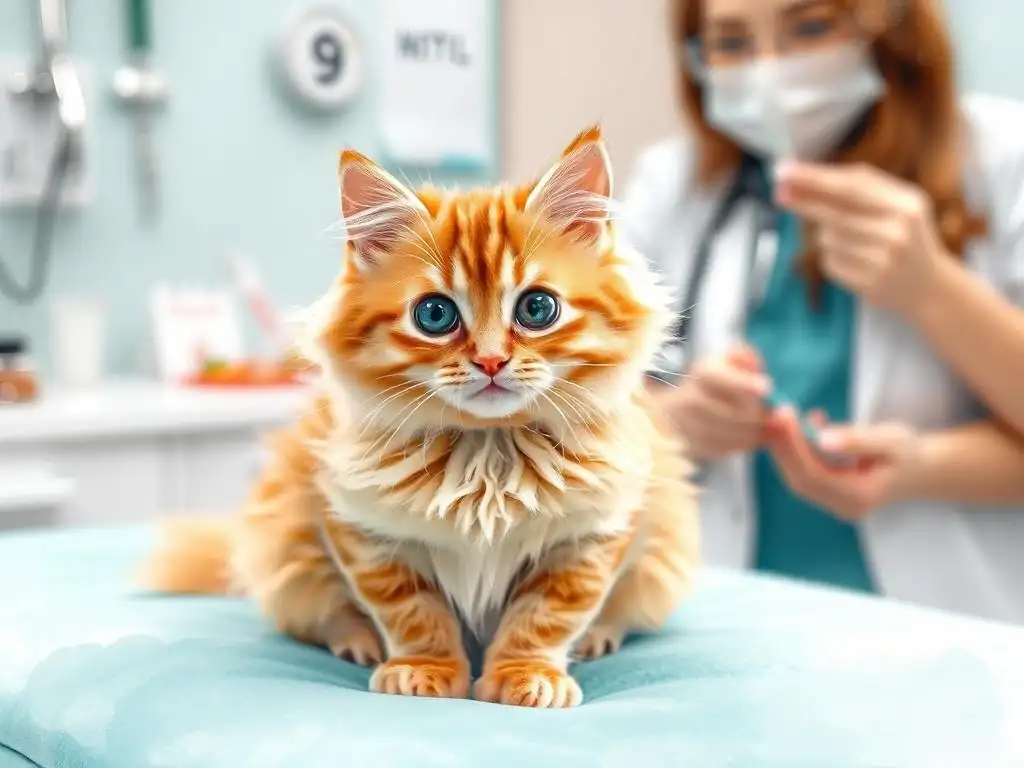
By nine months of age, your kitten's adult teeth should be fully erupted. This is a crucial time to establish a strong foundation for lifelong oral health. Regular dental care is paramount in preventing periodontal disease, a common and painful condition in cats. Periodontal disease isn't just uncomfortable; it can lead to serious systemic health problems, impacting organs like the heart and kidneys. 1 At this point, a veterinary dental checkup is highly recommended. The vet will assess your cat's teeth and gums for any signs of gingivitis, plaque buildup, or tartar accumulation. Early detection is key to preventing more extensive and costly procedures later on.
Many cats will benefit from a professional cleaning at this stage, especially if plaque or tartar is already visible. Professional cleaning removes built-up debris that home brushing alone may not fully address. Your veterinarian will discuss the best course of action for your cat, considering their individual oral health needs. They may also recommend specific dental products, such as enzymatic toothpaste, to maintain good oral hygiene between professional cleanings.
Remember, consistent brushing at home, ideally daily, remains an essential part of your cat's dental care routine, even after a professional cleaning. This preventative measure helps to significantly reduce the risk of future dental problems. Don't underestimate the power of regular brushing – it's a simple yet highly effective tool in maintaining your feline friend's dental health and overall well-being.
Month 12: Annual Checkup, Vaccinations, and Parasite Prevention
The twelve-month mark signifies the transition from kittenhood to adulthood for your cat. This is the ideal time for their first annual veterinary checkup, encompassing a comprehensive health assessment. This appointment goes beyond simply reviewing vaccinations; it's a complete evaluation of your cat's overall health status. The veterinarian will conduct a thorough physical examination, checking weight, body condition, and assessing organ function. They will also screen for any potential health issues, allowing for early intervention if necessary. Early detection of problems like kidney disease or hyperthyroidism is crucial for successful management and improved long-term health outcomes.
This annual checkup is also the perfect opportunity to administer necessary vaccinations and update parasite prevention strategies. Your veterinarian will recommend a vaccination schedule tailored to your cat's lifestyle and risk factors. This may include core vaccines such as feline herpesvirus (FHV-1), feline calicivirus (FCV), and feline panleukopenia virus (FPLV). Depending on your region and your cat's exposure risks, additional vaccines might be recommended.
Regarding parasite prevention, your vet will advise on the most appropriate flea, tick, and heartworm preventative, considering your cat's age, weight, and overall health. Remember to discuss any concerns or questions you have with your veterinarian to ensure that you are making informed decisions about your cat's preventative healthcare. A proactive approach to your cat's health, starting with consistent annual checkups, significantly improves their chances of living a long, happy, and healthy life. 😻
1 [Specific information pending: Citation needed regarding the link between periodontal disease and systemic health issues in cats.]
Beyond the Annual Checkup: Ongoing Monitoring and Preventative Measures

While annual veterinary checkups are crucial for your cat's health, a proactive approach to preventative care goes beyond these yearly visits. A comprehensive "Cat preventative health calendar" should incorporate regular monitoring and preventative measures to catch potential problems early and maintain optimal feline well-being. Think of it as a proactive partnership with your veterinarian, ensuring your cat receives the best possible care throughout their life.
This involves consistent observation of your cat's behavior, subtle changes in their eating habits, and a vigilant eye for any signs of illness. Regular preventative measures, such as parasite control and dental hygiene, are also key components of this ongoing care.
By implementing a robust preventative care plan, you significantly reduce the risk of serious health issues and improve your cat's quality of life. The investment in time and resources will be far outweighed by the peace of mind and the increased lifespan of your beloved feline companion.
Recognizing Early Signs of Illness in Cats
Cats are masters of disguise when it comes to illness. They often hide symptoms until they are quite severe, making early detection crucial. A comprehensive "Cat preventative health calendar" emphasizes recognizing subtle behavioral changes. These can include lethargy, changes in appetite (either increased or decreased), unusual vocalizations (meowing more or less than usual), changes in litter box habits (straining, increased frequency, or accidents outside the box), and alterations in grooming habits (excessive licking or neglecting grooming).
Physical signs to watch for include changes in coat condition (dullness, matting), weight loss or gain, unusual discharge from eyes or nose, labored breathing, and limping. Maintaining a detailed record of your cat's daily activities and noting any deviations from the norm can be invaluable in alerting you to potential problems. Don't hesitate to contact your veterinarian if you observe any concerning changes, even if they seem minor.
Early intervention often leads to better outcomes and less invasive treatment. For example, a subtle change in appetite might indicate a developing dental problem, while lethargy could signal an underlying infection. Early detection is key to successful treatment and improved long-term health.
Maintaining a Healthy Weight for Your Feline Companion
Maintaining a healthy weight is vital for your cat's overall health and well-being. Obesity in cats is a significant risk factor for numerous health problems, including diabetes, arthritis, heart disease, and liver disease. A "Cat preventative health calendar" should incorporate regular weight monitoring. Weigh your cat monthly using a pet scale to track any fluctuations. Consult your veterinarian to determine your cat's ideal weight range based on their breed, age, and body type.
Adjust your cat's food intake and exercise accordingly to maintain a healthy weight. Provide high-quality, age-appropriate food and avoid overfeeding. Interactive play sessions are crucial for burning calories and preventing obesity. Puzzle feeders can also help slow down eating and stimulate mental engagement.
Consider the caloric content of treats and limit their use. Remember that even small changes in weight can have significant long-term health implications. Regular monitoring and adjustments to your cat's diet and exercise routine are essential for preventing obesity and maintaining a healthy weight throughout their life. A healthy weight contributes to a longer, happier, and healthier life for your feline friend.
The Importance of Regular Grooming for Cat Health
Regular grooming is not just about aesthetics; it's a critical aspect of preventative care. A well-maintained "Cat preventative health calendar" includes a dedicated grooming schedule. Regular brushing helps prevent matting, reduces shedding, and distributes natural oils, keeping your cat's coat healthy and shiny. Brushing also allows you to check for fleas, ticks, and skin abnormalities, enabling early detection of potential problems.
During grooming sessions, you can also check your cat's ears for excessive wax buildup, redness, or discharge, and examine their teeth and gums for signs of dental disease. Regular nail trimming is essential to prevent overgrowth, which can cause discomfort and interfere with walking. For long-haired cats, regular grooming is especially important to prevent matting, which can lead to skin infections. Consider the frequency of grooming based on your cat's coat type and length.
For example, long-haired breeds may require daily brushing, while short-haired cats may only need brushing a few times a week. Regular grooming sessions provide a valuable opportunity for bonding with your cat and contribute to their overall health and well-being. It's an important element of your comprehensive "Cat preventative health calendar."
Environmental Enrichment: Stimulating Your Cat's Physical and Mental Well-being
Maintaining a stimulating environment is crucial for your cat's overall well-being, extending far beyond just providing food and water. Environmental enrichment combats boredom and reduces stress, contributing significantly to a longer, healthier life. A bored cat is more prone to destructive behaviors, like scratching furniture or excessive vocalization, and can even develop anxiety-related health problems. Proactive enrichment is a key component of a comprehensive cat preventative health calendar.
Think of environmental enrichment as a multifaceted approach to keeping your feline companion happy and healthy. It involves providing opportunities for physical activity, mental stimulation, and sensory exploration. This can range from simple additions to their daily routine to more significant changes in their living space. For instance, a simple change like rotating toys regularly can keep your cat engaged and prevent them from becoming disinterested. The unpredictability of a new toy, even a familiar one presented in a different way, can be incredibly stimulating.
Providing vertical space is another important aspect of environmental enrichment. Cats are natural climbers, and providing cat trees, shelves, or window perches allows them to satisfy their innate desire to survey their territory. This vertical access also provides opportunities for exercise and play, helping to maintain a healthy weight and reduce the risk of obesity-related illnesses. Obesity is a significant concern for cats, and preventative measures like ensuring adequate exercise are vital. Regular climbing and exploring helps to burn calories and keeps them active.
Beyond physical activity, mental stimulation is equally important. Puzzle feeders, for example, challenge your cat to work for their food, mimicking their natural hunting instincts. This provides both physical and mental exercise, leading to a more fulfilled and contented cat. Consider incorporating interactive play sessions using toys like wands or laser pointers.
These activities not only provide exercise but also strengthen the bond between you and your cat, further enhancing their well-being. Remember, the goal is to mimic aspects of their natural environment and behaviors, promoting both physical and mental fitness. This holistic approach to care is a cornerstone of a successful cat preventative health calendar.
Finally, don't underestimate the importance of sensory enrichment. Cats rely heavily on their senses, and providing opportunities for exploration can greatly enrich their lives. This might involve introducing new textures, scents, or sounds into their environment in a safe and controlled manner. A scratching post with different textures, for instance, can provide both physical and sensory stimulation.
Similarly, introducing safe, cat-friendly herbs can stimulate their sense of smell, mimicking their natural environment and reducing stress. A carefully planned and implemented enrichment program is a vital part of a comprehensive cat preventative health calendar, fostering a happier, healthier, and longer life for your beloved feline companion. 😻
Resources and Further Information on Cat Preventative Health

This section provides you with valuable resources to supplement the information presented in the "Cat Preventative Health Calendar." Remember, proactive care is key to ensuring your feline companion enjoys a long and healthy life. Utilizing these resources can significantly enhance your ability to provide optimal preventative care and address any concerns promptly. Regular veterinary check-ups are paramount, but understanding additional resources empowers you to be a more informed and proactive pet owner. This is crucial for effective management of your cat's "Cat preventative health calendar."
Finding a Reputable Veterinarian for Your Cat
Choosing the right veterinarian is a crucial step in establishing a solid preventative healthcare plan for your cat. A good vet will not only administer vaccinations and perform routine checkups but also offer valuable advice on nutrition, behavior, and overall well-being. Consider these factors when searching:
- Location and Accessibility: Find a clinic conveniently located and easily accessible for you, especially important for emergencies.
- Veterinarian's Experience and Specialization: Look for a veterinarian with experience in feline medicine. Some vets may specialize in specific areas like feline geriatrics or internal medicine.
- Client Reviews and Testimonials: Online reviews can offer valuable insights into the clinic's atmosphere, staff friendliness, and overall quality of care. Look for consistent positive feedback.
- Services Offered: Ensure the clinic offers all the necessary services, including vaccinations, diagnostic testing, and emergency care. Consider whether they offer specialized services relevant to your cat's breed or age.
- Communication and Transparency: A good veterinarian should communicate clearly and openly, explaining procedures and answering your questions thoroughly. Transparency regarding costs is also important.
Consider creating a checklist 📝 to help you compare different veterinary clinics before making your decision. This will ensure you choose a veterinarian who is the best fit for you and your cat's needs, significantly contributing to a successful "Cat preventative health calendar".
Understanding Your Cat's Health Insurance Options
Pet health insurance can provide financial protection against unexpected veterinary expenses. While not strictly part of your cat's preventative health calendar, it offers a crucial safety net. Understanding different policy types and coverage is vital:
| Insurance Type | Description | Pros | Cons |
|---|---|---|---|
| Accident-Only | Covers accidents and injuries only. | Lower premiums | Limited coverage |
| Accident & Illness | Covers accidents, illnesses, and some preventative care (often with limitations). | Broader coverage than accident-only plans | Higher premiums than accident-only plans |
| Comprehensive | Covers accidents, illnesses, and often includes a wider range of preventative care. | Most comprehensive coverage, peace of mind | Highest premiums |
Before purchasing a policy, carefully review the fine print. Pay close attention to exclusions, waiting periods, and annual limits. Comparing quotes from multiple insurers is essential to find the best value for your needs. Proper insurance can ease the financial burden of unexpected health issues, allowing you to focus on your cat's well-being and adherence to their "Cat preventative health calendar."
Additional Reading on Cat Health and Wellness
To further expand your knowledge on feline health and wellness, explore reputable sources of information. Look for materials published by veterinary organizations, universities, and other trusted institutions. These resources can provide in-depth information on various aspects of cat care, complementing the practical guide offered by this "Cat preventative health calendar." Remember that staying informed is a crucial component of responsible pet ownership. Continuously learning about feline health will empower you to make the best decisions for your cat's well-being. This ongoing learning process is vital for the long-term success of your cat's health plan.
Frequently Asked Questions
What is a cat preventative health calendar?
A cat preventative health calendar is a personalized schedule outlining essential routine care tasks for your cat, such as vaccinations, flea/tick prevention, and dental cleanings. It helps ensure your cat receives timely care to stay healthy.
How often should I take my cat to the vet for checkups?
Generally, annual wellness exams are recommended for adult cats. However, kittens require more frequent visits, and senior cats may need more frequent checkups depending on their health. Consult your veterinarian for a personalized schedule.
What vaccinations does my cat need?
Core vaccinations typically include feline herpesvirus (FHV-1), feline calicivirus (FCV), and feline panleukopenia. Your vet will determine if additional vaccinations are necessary based on your cat's lifestyle and risk factors.
How can I prevent fleas and ticks on my cat?
Regular flea and tick prevention is crucial. Options include topical medications, oral medications, and collars. Consult your vet to choose the best product for your cat and your environment.
What are the signs of a dental problem in my cat?
Signs of dental issues include bad breath, excessive drooling, difficulty eating, and bleeding gums. Regular dental checkups and home care are essential for preventing dental problems.
Final Reflection: A Purrfect Partnership: Building a Lifetime of Health for Your Cat
Creating a preventative health calendar for your feline companion isn't just about ticking boxes; it's about forging a deep and lasting bond built on proactive care and mutual understanding. The health and happiness of your cat are directly tied to your vigilance and commitment to their well-being, and a structured approach, as detailed in this article, is key to ensuring a long and fulfilling life together.
The impact of consistent preventative care extends far beyond the immediate benefits of avoiding illness. It fosters a closer relationship between you and your cat, built on trust and mutual respect. Regular check-ups allow for early detection of potential problems, minimizing suffering and maximizing the chances of successful treatment. As the saying goes, The best way to find yourself is to lose yourself in the service of others,
and this holds true for the profound connection we build with our pets through dedicated care. The simple act of scheduling those vital appointments becomes an act of love, a testament to the unique bond we share.
Now, consider your own cat. What steps can you take today to build upon the information presented? Perhaps it's scheduling that crucial vet appointment, creating a personalized calendar tailored to your cat's specific needs, or simply taking a moment to appreciate the purrfect companion who shares your life. Embrace the opportunity to become a proactive partner in your cat's health journey. The rewards – a healthier, happier cat and a deeper bond between you – are immeasurable.
Unlock Your Cat's Healthiest Year Yet!
Thank you for exploring feline preventative care! We hope you discovered practical tips to ensure your cat's well-being. Now, let's put that knowledge into action.
- Create a personalized cat care calendar: Use the information from this article to schedule your cat's veterinary visits, vaccinations, and grooming appointments. This proactive approach is key to maintaining their health!
- Share your best cat care tip: Do you have a secret for keeping your cat happy and healthy? Share it in the comments below – you could help another cat owner!
- Explore more resources: Discover expert advice on feline nutrition, behavior, and enrichment at PetCareWorld.org!
Ready to improve your cat's health? What's the first preventative step you'll take this month?