
Feathered Fears: Understanding and Alleviating Phobias in Pet Birds

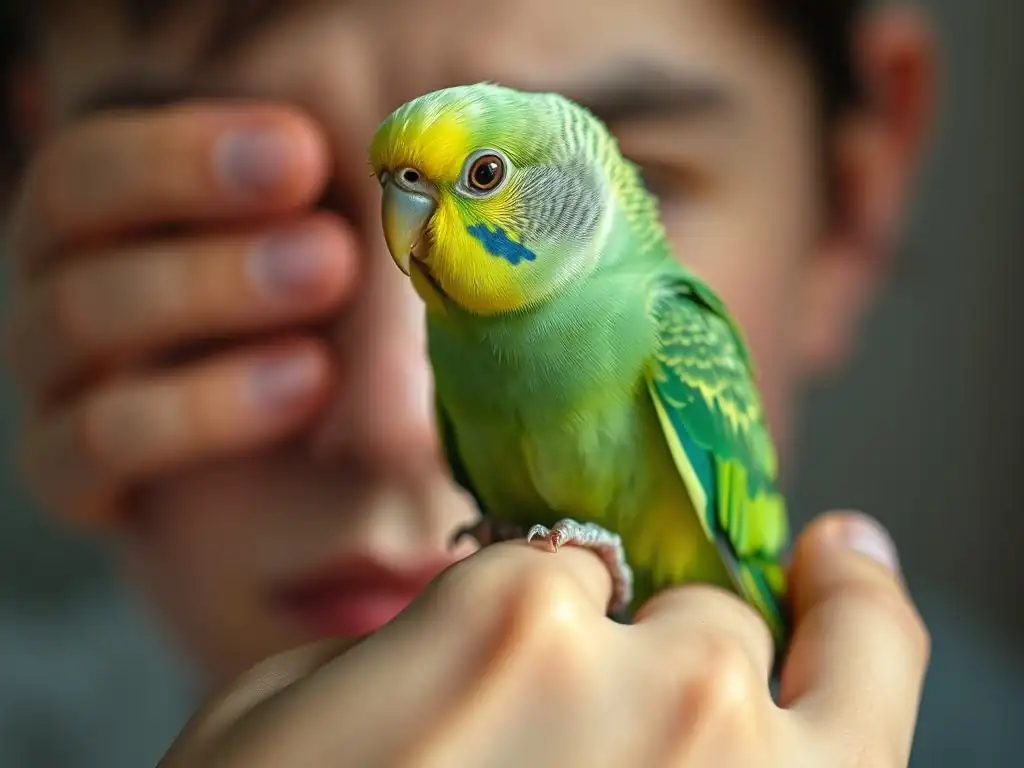
Welcome to PetCareWorld, your ultimate guide to a happier, healthier life for your beloved companions! Are you facing a unique challenge with your feathered friend? Discover expert Bird phobia treatment advice within our comprehensive "Feathered Fears" article, exploring effective strategies to understand and alleviate anxieties surrounding pet birds. Uncover practical solutions and insightful information designed to strengthen your bond and enhance the well-being of your avian family member. Let's embark on this journey together!
- Recognizing Avian Phobias: Signs and Symptoms in Your Feathered Friend
- Common Causes of Phobias in Pet Birds: Understanding the Root of the Problem
-
Effective Strategies for Bird Phobia Treatment Advice: A Holistic Approach
- Gradual Desensitization Techniques: Slowly Introducing the Fear Stimulus
- Positive Reinforcement Training: Rewarding Calm Behavior in the Presence of Fears
- Creating a Safe and Predictable Environment: Reducing Stress and Anxiety
- Nutritional Support for Emotional Wellbeing: Diet's Role in Anxiety Reduction
- Seeking Professional Help for Severe Avian Phobias: When to Consult an Avian Veterinarian or Behaviorist
- Preventing Phobias in Pet Birds: Proactive Measures and Early Intervention
- Long-Term Management of Avian Phobias: Maintaining a Calm and Secure Environment
- Frequently Asked Questions
- Final Reflection: Finding Freedom from Feathered Fears
- Unleash Your Bird's Confidence: A Journey to Fear-Free Living
Recognizing Avian Phobias: Signs and Symptoms in Your Feathered Friend
Pet birds, with their vibrant plumage and charming personalities, often enrich our lives immeasurably. However, even these seemingly carefree creatures can suffer from phobias, significantly impacting their well-being and the bond they share with their owners. This article serves as a comprehensive guide to understanding and addressing phobias in pet birds, providing valuable insights into recognizing the signs, understanding the underlying causes, and implementing effective treatment strategies.
We'll explore various avian phobias, focusing on practical advice and proven techniques to help alleviate your feathered friend's anxieties and foster a happier, healthier relationship. This guide is crucial for any pet bird owner seeking to improve their bird's quality of life and address potential behavioral issues stemming from fear. Learning to recognize the subtle signs of fear is the first step towards providing effective "Bird phobia treatment advice."
Identifying Fearful Behaviors in Parrots and other Birds
Parrots, cockatoos, and other pet birds exhibit a range of behavioral changes when experiencing fear or anxiety. These can manifest in several ways, often subtle and easily overlooked. Some common signs include:
- Increased aggression: A normally docile bird might suddenly become more prone to biting or snapping.
- Feather plucking: Excessive preening or feather plucking can be a sign of underlying stress or anxiety.
- Changes in eating habits: A decrease or increase in appetite, or a refusal of favorite foods, can indicate distress.
- Hiding behaviors: The bird may spend more time hiding or retreating to secluded areas within its cage.
- Restlessness and pacing: Excessive movement and pacing within the cage can also signal anxiety.
- Freezing: The bird may freeze in place, exhibiting a lack of response to stimuli.
Understanding these behavioral indicators is essential for early intervention and effective "Bird phobia treatment advice." The earlier you recognize the signs, the sooner you can address the underlying cause and prevent the phobia from escalating. Remember, every bird is an individual, and the manifestation of fear may vary depending on the bird's species, personality, and past experiences.
Unusual Vocalizations and Body Language as Indicators of Anxiety
Beyond behavioral changes, unusual vocalizations and subtle shifts in body language often serve as key indicators of anxiety in pet birds. Listen carefully for:
- Increased screeching or squawking: Loud, high-pitched vocalizations, particularly outside of their typical communication patterns, can signal fear or distress.
- Changes in call frequency: A sudden increase or decrease in the frequency of calls can also be a significant indicator.
- Dilated pupils: Noticeably larger pupils can be a subtle sign of heightened anxiety or fear.
- Fluffed feathers: A bird fluffing its feathers excessively can indicate a feeling of vulnerability or cold, often stemming from fear.
- Tucked tail: A tucked tail is a common sign of fear or submission in many bird species.
- Rapid breathing: Observe for increased breathing rate, which can be a physical manifestation of anxiety.
These subtle cues, often missed by untrained eyes, provide crucial insights into your bird's emotional state. Paying close attention to these details is vital for providing appropriate "Bird phobia treatment advice" and ensuring your bird's well-being. Keep a detailed record of observed behaviors to aid in diagnosis and treatment.
Differentiating Between Fear, Illness, and Other Behavioral Issues
It's crucial to differentiate fear-based phobias from other potential causes of behavioral changes in your pet bird. Some conditions can mimic the symptoms of anxiety, including:
| Symptom | Fear/Phobia | Illness/Other Issues |
|---|---|---|
| Decreased Appetite | Possible, often accompanied by other signs | Illness, hormonal changes, aging |
| Increased Aggression | Often triggered by specific stimuli | Pain, hormonal imbalances, territoriality |
| Feather Plucking | Stress, anxiety | Parasites, nutritional deficiencies, allergies |
| Hiding Behavior | Fear, insecurity | Illness, fatigue, lack of environmental enrichment |
Before implementing "Bird phobia treatment advice," consult with an avian veterinarian to rule out any underlying medical conditions. A thorough examination can help determine if the behavioral changes are rooted in fear or another underlying issue. This is a crucial step in ensuring the most effective and appropriate care for your feathered companion. Accurate diagnosis is paramount for successful treatment.
Common Causes of Phobias in Pet Birds: Understanding the Root of the Problem
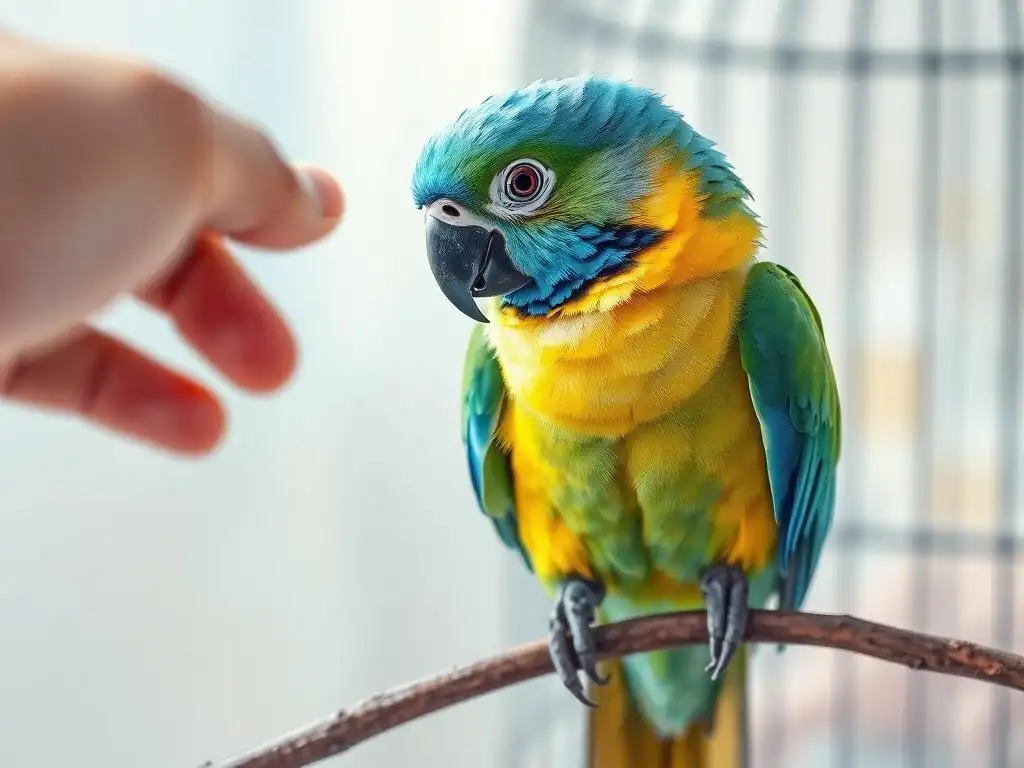
Pet birds, despite their often cheerful demeanor, are susceptible to developing phobias, just like other animals and humans. Understanding the root causes is crucial for effective Bird phobia treatment advice. These phobias manifest in various ways, from mild anxiety to full-blown panic attacks, significantly impacting their quality of life and the bond with their owners. Let's delve into the common factors contributing to these anxieties.
Environmental Triggers: Loud Noises, Sudden Movements, and Unfamiliar Objects
Many avian phobias stem from environmental factors. Loud noises, such as fireworks, thunderstorms, or even loud conversations, can trigger intense fear responses in birds. Their sensitive hearing makes them acutely aware of these sounds, leading to anxiety and panic. Similarly, sudden movements – a quick hand gesture, a dropped object, or even a shadow passing by – can startle them, potentially triggering a fear response. This heightened sensitivity is often exacerbated by their natural prey-predator instincts.
Unfamiliar objects introduced into their environment can also be a source of fear. A new piece of furniture, a rearranged cage, or even a visitor can cause significant distress. Birds thrive on routine and predictability; any disruption to their established environment can be perceived as a threat, leading to avoidance behaviors and anxiety. Consistent, gradual introductions of new stimuli are vital in preventing these fear responses. For example, slowly acclimating a bird to a new toy by placing it near the cage for several days before allowing interaction can significantly reduce the chance of a negative reaction.
Traumatic Experiences: Past Negative Interactions and Their Lasting Impact
Past negative experiences can profoundly impact a bird's behavior, often leading to lasting phobias. A frightening encounter with a predator (even a perceived one, like a cat), a painful experience during a veterinary visit, or a harsh handling experience can create deep-seated fear and anxiety. These traumatic events can imprint on their memory, resulting in avoidance behaviors, fear responses, and even learned helplessness.
The intensity and duration of the traumatic experience influence the severity of the phobia. A single, severe event may have a more significant impact than multiple minor negative interactions. However, even seemingly minor negative incidents can accumulate over time, culminating in a substantial fear response.
Providing a safe and secure environment is paramount in preventing and mitigating the effects of traumatic experiences. Patience, positive reinforcement, and a calm, consistent approach are crucial for helping birds overcome these past traumas. Careful consideration should be given to any potential stressors in their environment, such as loud noises or unpredictable movements, and steps taken to minimize these triggers.
Genetic Predisposition and Breed-Specific Tendencies
While environmental factors and past experiences play a significant role, genetic predisposition also contributes to a bird's susceptibility to phobias. Just as some human individuals are genetically predisposed to anxiety disorders, certain bird breeds may be more prone to developing phobias than others. While specific research on breed-specific phobias in birds is limited, anecdotal evidence suggests that certain breeds exhibit a higher level of anxiety or reactivity than others. [Specific breed data pending].
Understanding this genetic component is important for responsible breeding practices and for tailoring Bird phobia treatment advice to the specific needs of the individual bird. By recognizing that certain breeds might be inherently more sensitive, owners can proactively implement strategies to create a calming and predictable environment, minimizing the likelihood of developing phobias. This might include providing more enrichment activities, ensuring ample hiding spaces, and offering consistent, gentle handling to build trust and confidence. Early intervention and preventative measures are often more effective than attempting to address a fully developed phobia.
Effective Strategies for Bird Phobia Treatment Advice: A Holistic Approach
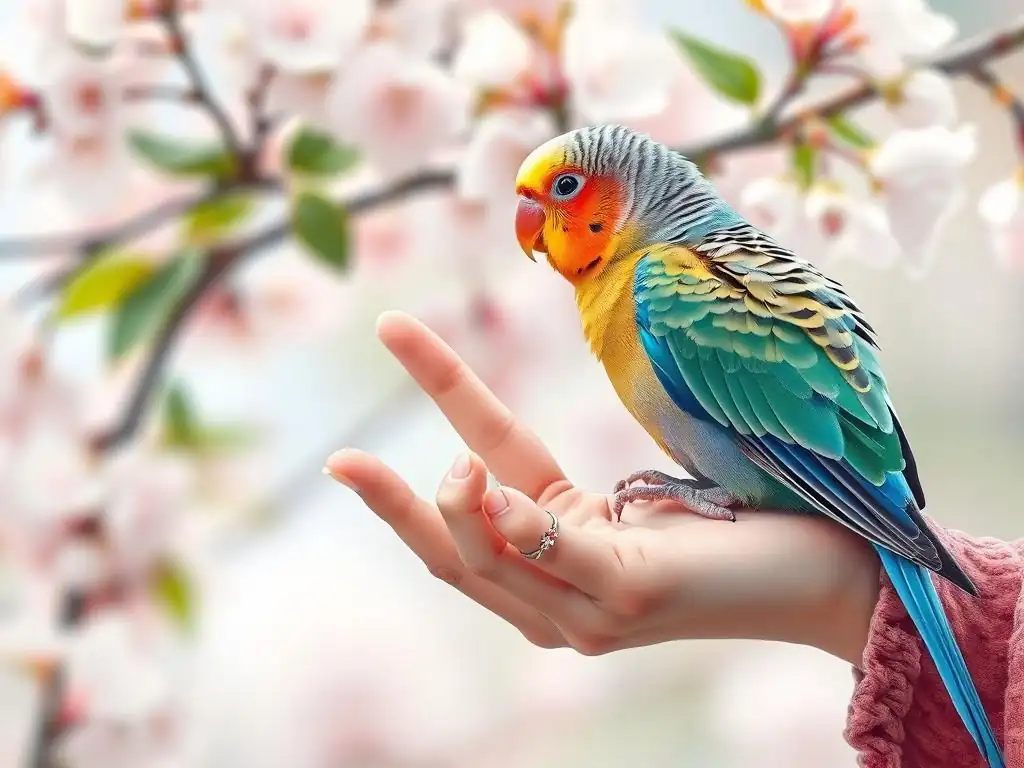
This section delves into practical strategies for addressing avian phobias, offering a multi-faceted approach to help both pet birds and their owners. Remember, patience and consistency are key to successful bird phobia treatment advice. Each technique should be tailored to the individual bird and owner's needs, progressing at a pace comfortable for everyone involved. Ignoring the phobia or forcing interaction will likely worsen the situation.
Gradual Desensitization Techniques: Slowly Introducing the Fear Stimulus
Gradual desensitization is a cornerstone of effective bird phobia treatment advice. This technique involves slowly and systematically exposing the fearful bird (or the person with the phobia, if applicable) to the feared stimulus – in this case, perhaps a specific person, sound, or object – at a distance and intensity that does not trigger a full-blown panic response. The goal is to gradually reduce the bird's (or person's) anxiety response.
This process typically begins far from the source of fear. For example, if the bird is afraid of loud noises, you might start by playing very quiet recordings of the noise from a distance. If the bird shows no distress, gradually increase the volume and decrease the distance over several sessions. Reward calm behavior with positive reinforcement (discussed in the next section).
It's crucial to monitor the bird's body language carefully. Signs of distress might include ruffled feathers, rapid breathing, hiding, or vocalizations. If any of these signs appear, immediately increase the distance or reduce the intensity of the stimulus and try again later. Remember, the pace should be dictated by the bird's comfort level. Rushing the process can undo progress and worsen anxiety.
A sample desensitization plan might look like this:
| Day | Stimulus | Distance (feet) | Intensity (volume/brightness) | Bird's Response | Notes |
|---|---|---|---|---|---|
| 1 | Vacuum cleaner sound | 20 | Very low | Calm | No visible signs of distress |
| 2 | Vacuum cleaner sound | 15 | Low | Slight feather ruffling | Shortened session |
| 3 | Vacuum cleaner sound | 10 | Low | Calm | Increased duration |
| 4 | Vacuum cleaner sound | 10 | Medium | Mild anxiety | Reduced duration, increased distance next session |
| 5 | Vacuum cleaner sound | 15 | Low | Calm | Continued progress |
This table illustrates the importance of careful observation and adjustment. The aim is to create a positive association with the previously feared stimulus. Consistency and patience are paramount.
Positive Reinforcement Training: Rewarding Calm Behavior in the Presence of Fears
Positive reinforcement plays a vital role in bird phobia treatment advice. This method focuses on rewarding calm and relaxed behavior in the presence of the feared stimulus. This reinforces positive associations and helps the bird learn that the feared stimulus isn't inherently threatening.
Rewards should be highly valued by the bird, such as favorite treats, praise, or gentle petting. Every instance of calm behavior, even small ones, should be immediately rewarded. This creates a positive feedback loop, encouraging the bird to remain calm.
For instance, if a bird is afraid of a particular person, that person can start by simply being present in the room, maintaining a calm demeanor and a safe distance. When the bird shows no signs of fear, even for a brief moment, the person should offer a reward. Over time, the distance can be gradually decreased.
It is important to avoid punishment or negative reinforcement, as this can increase fear and anxiety. The focus should always be on rewarding positive behavior. A consistent approach, tailored to the bird's individual needs and preferences, is crucial for success. Remember 🐦 patience is key!
Creating a Safe and Predictable Environment: Reducing Stress and Anxiety
A safe and predictable environment is crucial for reducing stress and anxiety in birds, forming a cornerstone of successful bird phobia treatment advice. A secure and comfortable cage, consistent routines, and minimizing sudden noises or movements can significantly reduce a bird's overall anxiety levels, making them more receptive to desensitization and positive reinforcement training.
Consider these aspects:
- Consistent routines: Regular feeding times, playtime, and sleep schedules provide predictability and reduce uncertainty.
- Enrichment: Providing toys, perches, and opportunities for exploration keeps birds mentally stimulated and reduces boredom-related anxiety.
- Quiet space: Birds are sensitive to noise. Locate the cage away from loud appliances or areas with high foot traffic.
- Secure cage: Ensure the cage is secure and provides a safe haven where the bird can retreat when feeling overwhelmed.
- Minimize sudden movements: Approach the cage slowly and calmly, avoiding sudden gestures or loud noises.
By creating a calming and predictable environment, you lay the foundation for successful bird phobia treatment advice. A relaxed bird is more likely to respond positively to desensitization and positive reinforcement techniques. Remember that a happy and healthy bird is a calm bird.
Nutritional Support for Emotional Wellbeing: Diet's Role in Anxiety Reduction
A balanced diet plays a surprisingly significant role in managing anxiety, not just in humans, but also in our feathered friends. Nutritional deficiencies can exacerbate stress and anxiety, leading to behavioral problems like feather plucking, aggression, or excessive vocalization. Therefore, providing a diet rich in essential nutrients is a crucial component of bird phobia treatment advice, contributing to overall emotional wellbeing and reducing anxiety levels.
For example, a deficiency in Vitamin B complex can directly impact the nervous system, potentially increasing anxiety and irritability. Similarly, deficiencies in omega-3 fatty acids, known for their anti-inflammatory properties, can contribute to heightened stress responses. Ensuring your bird receives a complete and balanced diet, tailored to its specific species and age, is paramount. This might involve supplementing their diet with commercially available bird-specific vitamin and mineral mixes, always consulting with an avian veterinarian before introducing any new supplements.
The quality of the food itself is also vital. Processed seeds and low-quality pellets lack essential nutrients and can actually contribute to nutritional imbalances. Offering a variety of fresh fruits, vegetables, and high-quality pellets, along with appropriate amounts of seeds as treats, will provide a wider spectrum of vitamins, minerals, and antioxidants that support overall health and emotional stability. Remember to always provide fresh, clean water at all times. Dehydration can further exacerbate stress and anxiety.
Furthermore, consider the impact of certain foods on a bird's digestive system. Some foods can cause digestive upset, leading to discomfort and increased stress. Monitor your bird's reactions to different foods and adjust their diet accordingly. Keeping a food diary can be incredibly helpful in identifying potential triggers and ensuring optimal digestive health. A healthy digestive system contributes to a calmer, less anxious bird, forming a key part of comprehensive bird phobia treatment advice. Remember, a healthy gut equals a healthy mind, even for our avian companions!
Seeking Professional Help for Severe Avian Phobias: When to Consult an Avian Veterinarian or Behaviorist
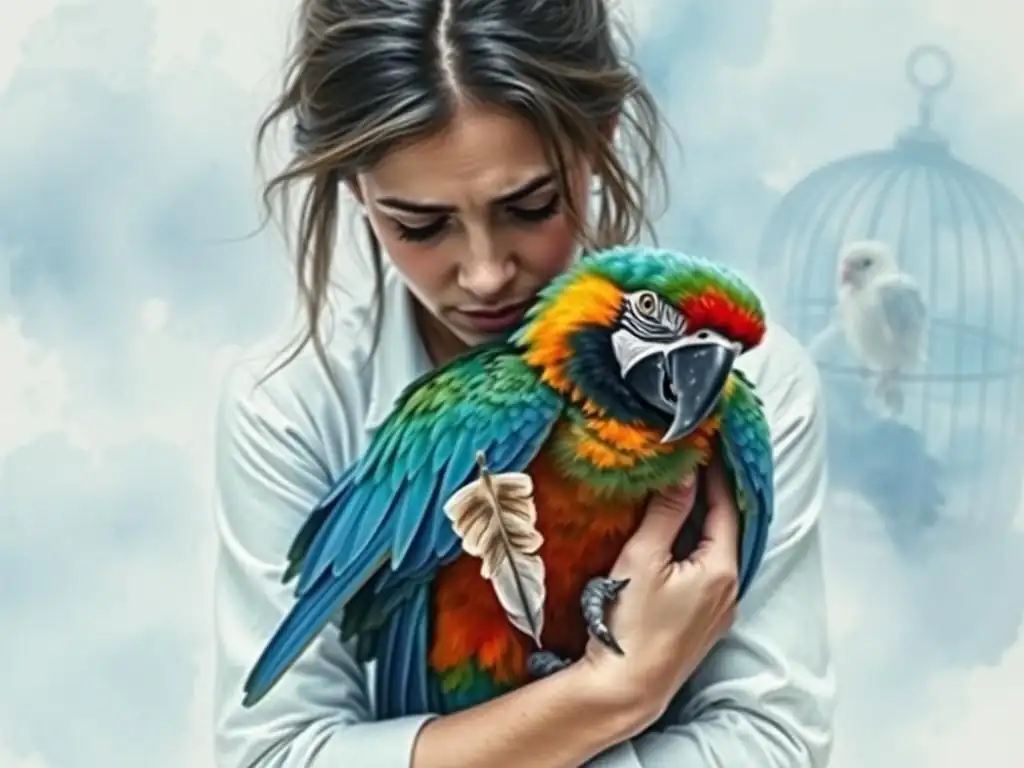
Avian phobias, or the intense fear of birds, can significantly impact a person's quality of life. While mild anxieties might be manageable with self-help techniques, severe bird phobias often require professional intervention. This section focuses on identifying when seeking help from an avian veterinarian or behaviorist becomes crucial for effective bird phobia treatment advice.
Identifying Situations Requiring Expert Intervention
Several warning signs indicate that a bird phobia has escalated beyond self-management capabilities and necessitates professional help. These include:
- Significant impact on daily life: Does the fear of birds prevent you from participating in normal activities, like walking in parks, attending outdoor events, or even visiting friends and family who own birds? If the phobia is disrupting your routine and social life, professional assistance is warranted.
- Physical symptoms: Severe anxiety attacks triggered by the sight or sound of birds, characterized by rapid heartbeat, shortness of breath, sweating, trembling, or nausea, require medical evaluation and treatment. These intense physical manifestations suggest a need for more comprehensive bird phobia treatment advice.
- Avoidance behaviors: Do you actively avoid situations where you might encounter birds, even at the cost of significant inconvenience or missed opportunities? This avoidance, if extreme, is a strong indicator that professional guidance is necessary.
- Intrusive thoughts and fears: Constant worrying about encountering birds, experiencing nightmares about them, or developing irrational fears associated with birds signals the need for specialized therapy. These persistent thoughts can significantly affect mental well-being.
- Impact on relationships: Does your bird phobia strain your relationships with loved ones, particularly if they own birds or enjoy bird-watching? The inability to comfortably share spaces or participate in activities with others due to your phobia warrants professional intervention.
The severity of a phobia is subjective, but the presence of several of these symptoms strongly suggests the need for expert bird phobia treatment advice. Don't hesitate to seek professional help if your phobia is interfering with your happiness and well-being.
Finding Qualified Avian Specialists: Resources and Recommendations
Locating qualified professionals specializing in avian phobias can be a crucial step in successful treatment. While general therapists can offer support, avian veterinarians and behaviorists offer specialized knowledge and techniques.
Finding these specialists may involve:
- Consulting your primary care physician: Your doctor can provide referrals to mental health professionals experienced in treating phobias, and potentially recommend avian specialists in your area.
- Searching online directories: Many online directories list mental health professionals, allowing you to filter by specialty and location. Look for professionals experienced in treating specific phobias, including ornithophobia (fear of birds).
- Contacting local animal shelters or rescue organizations: These organizations often have connections with avian veterinarians and behaviorists and can provide valuable recommendations.
- Checking professional association websites: Professional associations for veterinarians and behaviorists may have member directories that allow you to search for specialists in your region.
Remember, choosing the right professional is essential. Consider their experience, approach, and any specialized training they have in treating phobias. A comfortable and trusting relationship with your therapist is crucial for effective treatment. Thorough research is vital for effective bird phobia treatment advice.
The Role of Medication in Severe Cases: When Pharmaceutical Intervention is Necessary
In some cases, medication may be a valuable component of a comprehensive bird phobia treatment plan. This is particularly true for individuals experiencing severe anxiety symptoms that significantly impair daily functioning. However, medication should always be considered as part of a broader therapeutic approach, not as a standalone solution.
Pharmaceutical intervention might include:
- Anti-anxiety medications: These medications can help manage the physical symptoms of anxiety, such as rapid heartbeat and trembling, making it easier to participate in exposure therapy or other treatment approaches.
- Antidepressants: In some cases, antidepressants may be prescribed to address underlying depression or other mood disorders that might be contributing to or exacerbating the phobia.
It's crucial to understand that medication alone does not "cure" a phobia. It serves as a tool to manage symptoms and improve the individual's ability to engage in effective therapy. A qualified psychiatrist or other medical professional should carefully assess the individual's needs and determine the appropriate medication and dosage. Open communication with your doctor is vital throughout the treatment process. Always seek professional medical advice concerning bird phobia treatment advice involving medication. The decision to use medication should be made in consultation with a healthcare professional. Self-medicating is dangerous and should be avoided.
Preventing Phobias in Pet Birds: Proactive Measures and Early Intervention
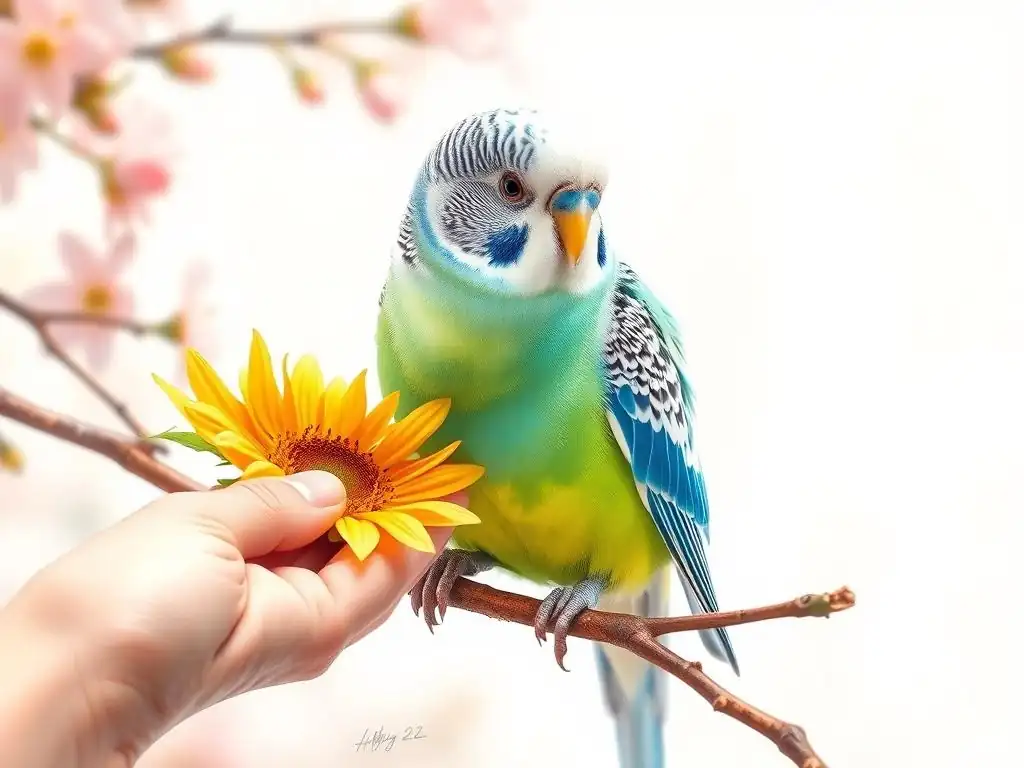
Preventing phobias in pet birds is significantly easier than treating them. Proactive measures and early intervention are key to raising a well-adjusted, confident avian companion. By understanding the factors that contribute to fear and anxiety in birds, and implementing preventative strategies, you can greatly reduce the likelihood of your feathered friend developing a phobia. This section focuses on proactive strategies for bird phobia prevention, providing "Bird phobia treatment advice" before problems even arise. Remember, a calm and confident bird is a happy bird!
Early socialization is paramount in preventing the development of phobias in pet birds. From a young age, gradually expose your bird to a wide range of sights, sounds, smells, and textures. This helps them develop a healthy sense of curiosity and reduces their fear response to novel stimuli.
Think of it like this: a bird hand-raised and constantly exposed to gentle human interaction, household noises (vacuum cleaner, doorbell), and different objects will be far less likely to develop a fear of these things later in life compared to a bird raised in isolation.
Here's a practical approach:
- Gentle Handling: Start with short, gentle handling sessions from a young age. This builds trust and accustoms the bird to human touch.
- Controlled Exposure: Introduce new sounds and objects gradually, always monitoring your bird's reaction. If they show signs of distress, immediately remove the stimulus and try again later, at a greater distance.
- Variety is Key: Expose your bird to a diverse range of stimuli – different types of music, toys with varying textures, people of different ages and appearances.
- Positive Reinforcement: Reward calm behavior with treats and praise. This associates positive experiences with new stimuli.
Building Trust and Confidence: Establishing a Strong Bond with Your Bird
A strong bond between you and your bird is the bedrock of preventing phobias. A bird that trusts and feels safe with its owner is less likely to develop anxieties and fears.
This involves consistent, patient interaction, focusing on building a positive relationship based on mutual respect and understanding.
Consider these techniques:
- Dedicated Time: Spend quality time with your bird every day, engaging in activities they enjoy. This could be talking to them, singing, playing games, or simply sitting quietly near their cage.
- Understanding Bird Body Language: Learn to recognize your bird's subtle cues and signals of stress or anxiety. This allows you to intervene before a fear response escalates. Signs might include ruffled feathers, rapid breathing, or hiding.
- Safe Space: Ensure your bird has a safe, secure space where they can retreat when they feel overwhelmed or stressed. This provides a sense of control and security.
- Avoid Punishment: Never punish your bird for fearful behavior. This will only worsen their anxiety and damage your relationship.
Creating a Stimulating and Enriching Environment: Preventing Boredom-Induced Anxiety
Boredom can lead to anxiety and fear in birds. A stimulating and enriching environment provides mental and physical stimulation, reducing the likelihood of phobias developing.
A bored bird is more likely to develop anxieties, as they may lack the mental stimulation to cope with unusual events or new stimuli.
Here's how to create an engaging environment:
- Variety of Toys: Provide a diverse range of toys that challenge your bird mentally and physically. Rotate toys regularly to prevent boredom.
- Environmental Enrichment: Offer a variety of perches, swings, and climbing structures to encourage natural behaviors.
- Social Interaction: If appropriate, consider introducing your bird to other compatible birds for social interaction. However, ensure careful introductions to prevent aggression.
- Training and Puzzles: Engage your bird in training exercises and puzzle-solving activities to keep their minds sharp and engaged. This can significantly reduce boredom and improve confidence.
By implementing these proactive measures, you can significantly reduce the risk of your bird developing phobias and cultivate a happy, confident, and well-adjusted companion. Remember that early intervention and consistent effort are key to success in preventing and managing avian anxieties. Early and consistent application of these techniques provides the best "Bird phobia treatment advice" – prevention!
Long-Term Management of Avian Phobias: Maintaining a Calm and Secure Environment
Maintaining a calm and secure environment is crucial for long-term management of avian phobias. This isn't a one-time fix; it's an ongoing commitment to minimizing triggers and reinforcing positive associations with birds. Success hinges on creating a predictable, safe space for your feathered friend and, equally important, for yourself. Consistent routines and a proactive approach to potential stressors are key to preventing relapses and ensuring the well-being of both bird and owner.
Ongoing Behavioral Modification Strategies: Continuous Positive Reinforcement
Positive reinforcement remains the cornerstone of long-term avian phobia management. It's not about quick fixes, but about building gradual desensitization and counter-conditioning. This involves systematically exposing yourself to bird-related stimuli—starting with minimal exposure and gradually increasing intensity—while pairing these stimuli with positive experiences. This could involve listening to bird sounds at low volume, viewing images of birds from a distance, or eventually, observing a bird in a controlled environment. Each successful step should be rewarded with a positive reinforcement, such as a favorite treat or a relaxing activity.
Remember consistency is key. Irregular or inconsistent application of positive reinforcement can hinder progress. A structured approach, with clearly defined goals and incremental steps, is more likely to yield lasting results. Consider keeping a detailed journal to track your progress, noting any triggers, responses, and the effectiveness of different reinforcement strategies. This data will be invaluable in adapting your approach and maintaining momentum. For example, if images of large birds trigger a strong reaction, start with smaller birds, gradually increasing the size of the bird in the image over time.
Monitoring for Recurrence of Symptoms: Early Detection and Intervention
Even with consistent effort, occasional setbacks are possible. Regular monitoring for the recurrence of phobia symptoms is essential for early detection and intervention. This might involve self-monitoring techniques like maintaining a daily journal to record anxiety levels, triggers, and coping mechanisms. The journal can also help identify patterns and potential triggers that might otherwise go unnoticed. A significant increase in anxiety levels, avoidance behaviors, or physiological responses (such as increased heart rate or sweating) in response to bird-related stimuli should be taken seriously.
Early intervention is crucial in preventing a relapse into more severe symptoms. If you notice a pattern of increased anxiety, immediately review your desensitization plan and adjust accordingly. Consider slowing down the process, reducing the intensity of the stimuli, or incorporating additional relaxation techniques. Seeking professional help from a therapist specializing in animal-assisted therapy or phobias is also advisable if symptoms persist or worsen. Don't hesitate to reach out for support; early intervention significantly improves the chances of long-term success.
Fostering a Supportive Community: Connecting with Other Bird Owners for Support and Advice
Connecting with a supportive community of bird owners can provide invaluable emotional support and practical advice during the long-term management of avian phobias. Sharing experiences with others who understand the challenges of managing a phobia can reduce feelings of isolation and increase confidence in your ability to cope. Online forums, support groups, or even local bird-watching clubs can provide opportunities for interaction and knowledge sharing.
Hearing success stories from others can be particularly encouraging. Learning about different coping strategies and techniques used by others can offer new perspectives and inspire creativity in your own approach. Moreover, the shared experiences within a supportive community can strengthen your resilience and help you navigate challenging moments. Remember, you are not alone in this journey. Connecting with others can provide the emotional support and practical advice necessary for sustained progress and long-term success in managing your bird phobia. The collective experience and shared understanding within such a community can be remarkably empowering.
Frequently Asked Questions
What is Avian-Specific Phobia?
Avian-specific phobia, or ornithophobia, is an intense and irrational fear of birds. It can manifest differently in individuals, ranging from mild anxiety to debilitating panic attacks. Seeking professional help is crucial for managing severe cases.
Can my bird's behavior trigger or worsen my phobia?
Yes, certain bird behaviors, such as sudden movements, loud noises, or proximity, can trigger or worsen ornithophobia. Understanding your bird's body language and creating a calm and predictable environment can help mitigate this. Consider professional help if it significantly impacts your life.
Are there effective treatments for bird phobias?
Yes, several effective treatments exist. Cognitive Behavioral Therapy (CBT) and exposure therapy are commonly used. Medication may also be considered in severe cases, always under the guidance of a mental health professional.
How can I help a loved one who has a bird phobia?
Be patient and understanding. Avoid forcing interaction with birds. Educate yourself about the phobia and support their efforts to seek professional help. Creating a safe and supportive environment is key.
Where can I find professional help for bird phobia?
You can find qualified therapists specializing in anxiety disorders through your primary care physician, online directories, or mental health organizations. Look for therapists experienced in exposure therapies for specific phobias.
Final Reflection: Finding Freedom from Feathered Fears
The pervasive nature of avian phobias, or ornithophobia, demands our attention, impacting not only individuals but also hindering the human-animal bond. Understanding the root causes and implementing effective treatment strategies is crucial for fostering a more compassionate and inclusive world for both bird lovers and those who fear them. This isn't just about conquering a fear; it's about opening hearts and minds to the beauty and complexity of avian life.
The journey of overcoming ornithophobia is deeply personal, a testament to the resilience of the human spirit and the power of understanding. It's a journey I've witnessed countless times in my work, and each success underscores the importance of patience, empathy, and tailored approaches. The greatest discovery of all time is that a person can change his future by merely changing his attitude.
– Oprah Winfrey. This quote rings true for those grappling with bird phobias; a shift in perspective, coupled with the right tools, can lead to profound transformation.
You, the reader, now hold the knowledge to navigate this challenging landscape. Consider the insights shared within this article – the various therapeutic approaches, the importance of gradual desensitization, and the power of understanding the origins of your fear. Take a moment to reflect on your own relationship with birds. Is there a fear you need to address? If so, what small step can you take today to begin your journey towards freedom? Remember, progress, not perfection, is the key.
Unleash Your Bird's Confidence: A Journey to Fear-Free Living
Thank you for learning about avian phobias! You've gained valuable insights into understanding and addressing your feathered friend's anxieties. Ready to put this knowledge into practice?
- Prioritize a calm and predictable environment: Creating a stress-free home is crucial. Identify and remove anything that might frighten your bird. This is the single most important step you can take.
- Create a safe haven: Designate a quiet, secure space where your bird can retreat when feeling overwhelmed. Include familiar toys and soft bedding to make it extra comforting.
- Share your success! Tell us about your experience and how you're helping your bird overcome its fears in the comments below.
What small step will you take today to help your bird feel safer and more secure?