Senior PetProofing Your Yard: Outdoor Safety Tips for Aging Animals
🐶 Keep your aging canine companion safe with these senior dog yard safety tips! PetCareWorld shows you how to senior-proof your yard,…
Read article
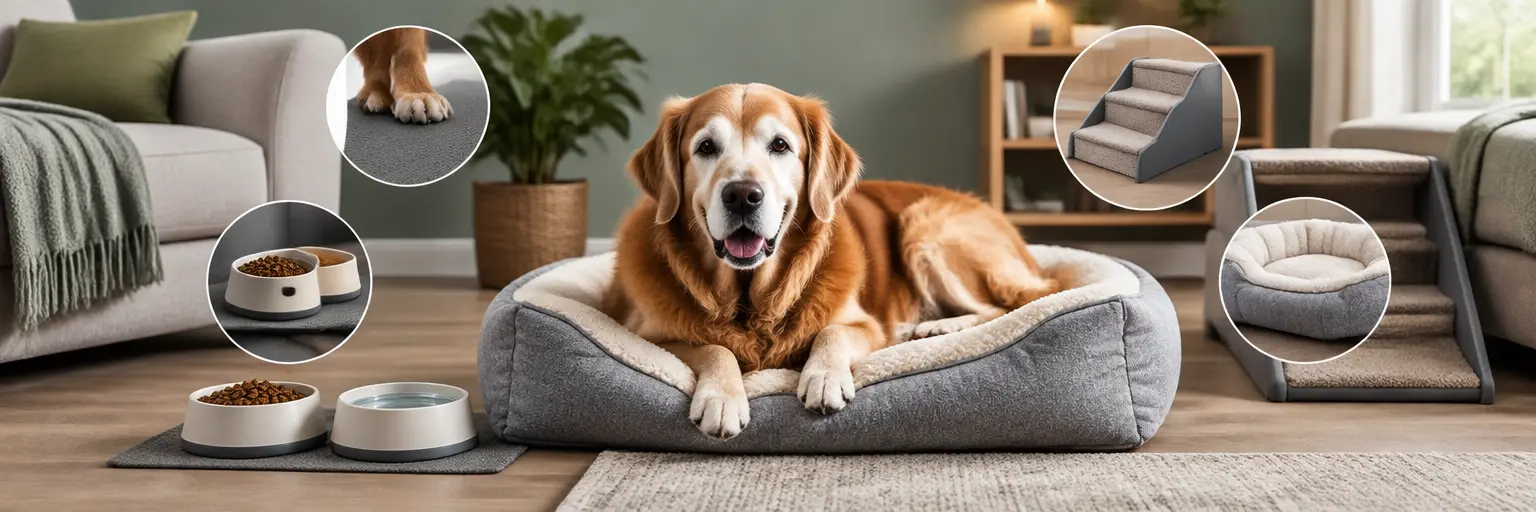
As your beloved companion ages, their needs evolve, and a few thoughtful tweaks to your living space can make a world of difference in their comfort, safety, and happiness. Adjusting your home environment for senior pet care isn’t just about accessibility—it’s about preserving their dignity and independence while preventing common injuries like slips on hardwood floors or difficulty reaching favorite resting spots. Simple upgrades, such as adding non-slip rugs along high-traffic paths, installing pet ramps for sofas or beds, and elevating food and water bowls to reduce neck strain, can significantly ease the physical challenges of arthritis or reduced mobility. Equally important is creating warm, draft-free zones with orthopedic bedding that cushions aging joints, and ensuring litter boxes or potty pads are on the same floor to avoid hazardous stair climbing. Good lighting is crucial for pets with declining vision, so nightlights in hallways and near their sleeping areas can help them navigate confidently after dark.
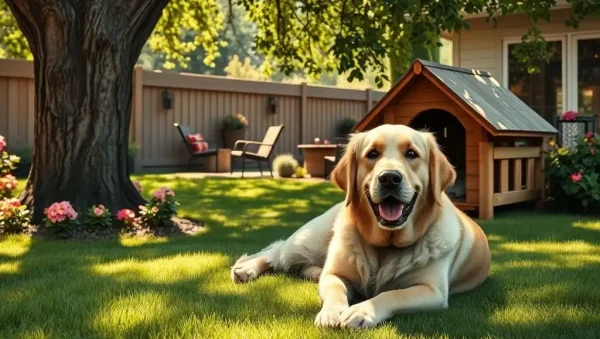
🐶 Keep your aging canine companion safe with these senior dog yard safety tips! PetCareWorld shows you how to senior-proof your yard,…
Read article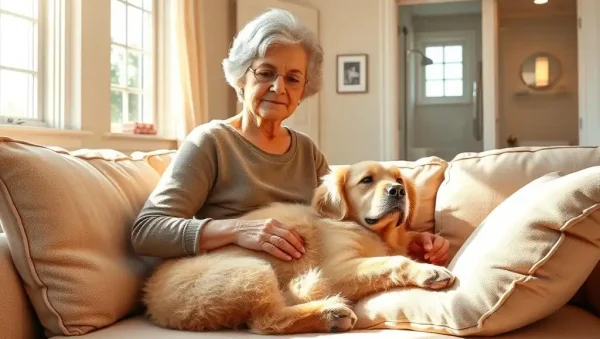
😊 Adapt your home for aging pets! PetCareWorld's room-by-room guide offers essential senior dog home modifications, ensuring comfort and safety for your…
Read article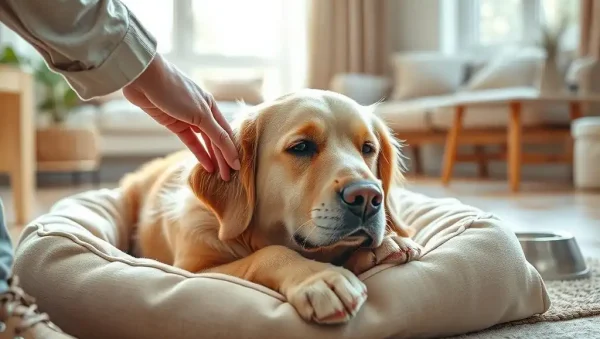
😊 Keep your senior dog's home clean and comfortable with our expert guide to managing incontinence. Discover effective senior dog incontinence home…
Read articleAs your beloved pet enters their golden years, their needs change—and so should your home. The subcategory "Senior Pet Care – Adjusting Home Environment" at PetCareWorld focuses on practical, compassionate modifications that ensure comfort, safety, and dignity for aging dogs, cats, and other pets. From reducing fall risks to improving accessibility, these adjustments can significantly enhance your senior pet's quality of life. This guide covers everything from flooring and furniture tweaks to lighting and temperature control, helping you create a sanctuary that supports mobility, vision, and sensory changes. By proactively adapting your living space, you can prevent injuries, reduce anxiety, and foster independence in your cherished companion.
Floors that were once harmless can become hazardous for senior pets. Slippery surfaces like hardwood, tile, or laminate often cause joint stress and falls, especially for pets with arthritis or hip dysplasia. Installing non-slip rugs, carpet runners, or rubber mats in high-traffic areas provides essential grip. Additionally, consider using pet-safe paw wax or traction socks for extra stability. These simple changes help your pet move confidently, reducing the risk of muscle strain or fractures. At PetCareWorld, we emphasize that secure footing also minimizes anxiety, as your pet won’t hesitate to walk or play. Prioritize entryways, hallways, and areas near food and water bowls, ensuring every step is a safe one.
Think beyond rugs—strategic placement matters. Place non-slip mats under pet beds and near stairs to create designated safe zones. For pets that still enjoy sliding play, use padded interlocking tiles in play areas. If your pet has difficulty standing after rest, add a textured mat beside their sleeping spot to help them gain traction. We also recommend trimming fur between paw pads, as overgrowth can reduce natural grip. By combining traction aids with regular grooming, you create an environment that supports your senior pet’s mobility without requiring major renovation. These upgrades are affordable, DIY-friendly, and yield immediate improvements in your pet’s daily comfort.
Aging pets need easy access to comfortable, supportive sleeping spots. Elevated beds with orthopedic foam reduce pressure on sore joints, while placing them at low heights (or using ramps) allows for effortless entry. For cats, consider heated beds or window perches with step ladders. In multi-level homes, adding pet ramps or stairs to sofas and beds prevents painful jumps that can injure aging spines. Position resting areas away from drafts and direct sunlight, maintaining a stable, mild temperature. PetCareWorld advises using memory foam or egg-crate mattresses to distribute weight evenly, promoting deeper sleep and faster recovery after activity.
Designate several quiet resting zones throughout your home. Senior pets often become sensitive to noise and traffic, so having a calm retreat in each room helps them feel secure. Place beds near family activities but with a clear escape route—this balances social inclusion with personal space. For pets with vision decline, keep resting areas in consistent locations or use subtle scent markers, like lavender sachets, to help them navigate. Additionally, raise food and water bowls on elevated stands to reduce neck strain when eating. These adjustments not only improve physical comfort but also support mental well-being, reducing stress-related behaviors like pacing or excessive licking.
Stairs and steps become formidable obstacles for senior pets with weakened hind legs or arthritis. Installing ramps (wood, plastic, or foldable) is a low-cost solution that preserves independence. For indoor steps, use gradual-incline ramps with rubber traction strips; for outdoor entryways, choose weather-resistant materials. Place ramps at all height changes, including porches, decks, and car doors—this is especially crucial for larger dog breeds that cannot be lifted easily. PetCareWorld recommends measuring your pet’s stride to ensure ramp width and slope match their natural gait, reducing effort and strain.
Beyond physical ramps, create step-free pathways by rearranging furniture. Remove low coffee tables or footstools that create unnecessary climbing. In the yard, install gentle slopes instead of curbs, and keep paths level and well-drained. For pets used to jumping on furniture, train them to use ramps with treats and positive reinforcement; patience is key. If your home has multiple floors, consider using baby gates to limit access to staircases, preventing fall risks while still allowing freedom on one level. These changes require minimal effort but deliver profound safety benefits, especially for pets facing mobility decline or neurological conditions.
Many senior pets develop cataracts, glaucoma, or night blindness—making lighting a critical aspect of home adaptation. Install motion-sensor night lights in hallways, near food bowls, and along favorite paths to prevent disorientation after dark. Use warm, diffused lighting rather than harsh overhead glares, which can cause discomfort. High-contrast color cues, like painting stair edges or doorframes with contrasting tape, help pets identify boundaries. Additionally, keep pathways free of clutter, as vision-impaired pets may bump into furniture. PetCareWorld suggests using scented markers (like vanilla essence) at corners or doors to create olfactory landmarks, helping your pet map their surroundings confidently.
Consistency and gradual transitions are your best allies. Avoid rearranging furniture frequently, as spatial memory is crucial for pets with limited vision. If you must move items, guide your pet through the new layout repeatedly. For pets with partial blindness, increase room brightness during active hours but dim slowly as bedtime approaches, mimicking natural light cycles. Mirrors could confuse, so consider covering them or using decals at pet height. Regularly check for sharp edges in low-traffic areas and cushion them. These adjustments not only prevent accidents but also strengthen your pet’s confidence, enabling them to maintain an active routine without fear.
Senior pets have a harder time regulating body temperature, so optimizing home climate is essential. Older dogs and cats are prone to overheating or chills due to reduced metabolic rates and thinning coats. Set your thermostat to a steady, mild range—typically 68–75°F (20–24°C)—and avoid drafts from windows or air conditioners. Provide heated pet pads or cooling mats (depending on season) to allow self-regulation. In summer, keep indoor areas well-ventilated and offer cool tiled spots; in winter, use insulated bedding and heated water bowls. Monitor humidity levels, as extreme dryness can aggravate respiratory or skin conditions common in seniors.
Create microclimates within your home. Designate warm areas near south-facing windows for morning sunbathing, but combine with shaded retreats to prevent overheating. For pets with heart or kidney issues, ensure consistent temperatures to reduce stress on the body. Use pet-safe thermostats or smart home devices to maintain 24/7 comfort, especially when you’re away. Additionally, avoid sudden temperature swings—for example, don’t move your pet directly from a heated room to a cold garage. Instead, acclimate gradually. These subtle climate controls significantly boost energy levels and joint flexibility, allowing your senior pet to remain playful and engaged.
The biggest priorities are preventing slips and falls, providing easy access to elevated surfaces, and maintaining a consistent, secure layout. Focus on non-slip flooring, ramps for stairs or furniture, and strategically placed light sources. These three areas address the most common safety concerns and are often the easiest to implement with immediate results.
Lay down low-pile carpet runners or interlocking rubber mats along your dog’s usual paths. Alternatively, use grippy pet socks or booties, but ensure they fit snugly without restricting movement. If the issue persists, trim paw fur and keep nails short to improve contact. Also, encourage your dog to walk on rugs by placing treats at intervals, building confidence gradually.
Yes, ramps should have a gentle incline—ideally a 15–20 degree angle—to reduce joint strain. The surface must be covered with non-slip rubber, carpet, or traction tape to prevent paws from sliding. Measure your pet’s stride to ensure the ramp width is sufficient, and always add side rails if your pet is wobbly. Test the ramp under your pet’s weight before relying on it.
Use soft, diffused LED lighting with a warm color temperature (2700K–3000K) to avoid glare. Place low-wattage night lights every few feet along corridors, near litter boxes, and at food stations. Avoid strobe or flickering lights, which can confuse. Consider UV-sensitive paint strips along baseboards to guide your cat without altering the visual appearance during the day.
We recommend a full check every three months, or whenever you notice changes in mobility, vision, or behavior. As your pet ages, their needs may shift, so stay proactive—for instance, adding more ramps or adjusting temperature settings. Keep a log of any near-accidents to identify problem areas. Consistency in reviews prevents emergencies and keeps your home adaptive.







