
Managing Senior Pet Incontinence: Home Solutions for a Cleaner Environment

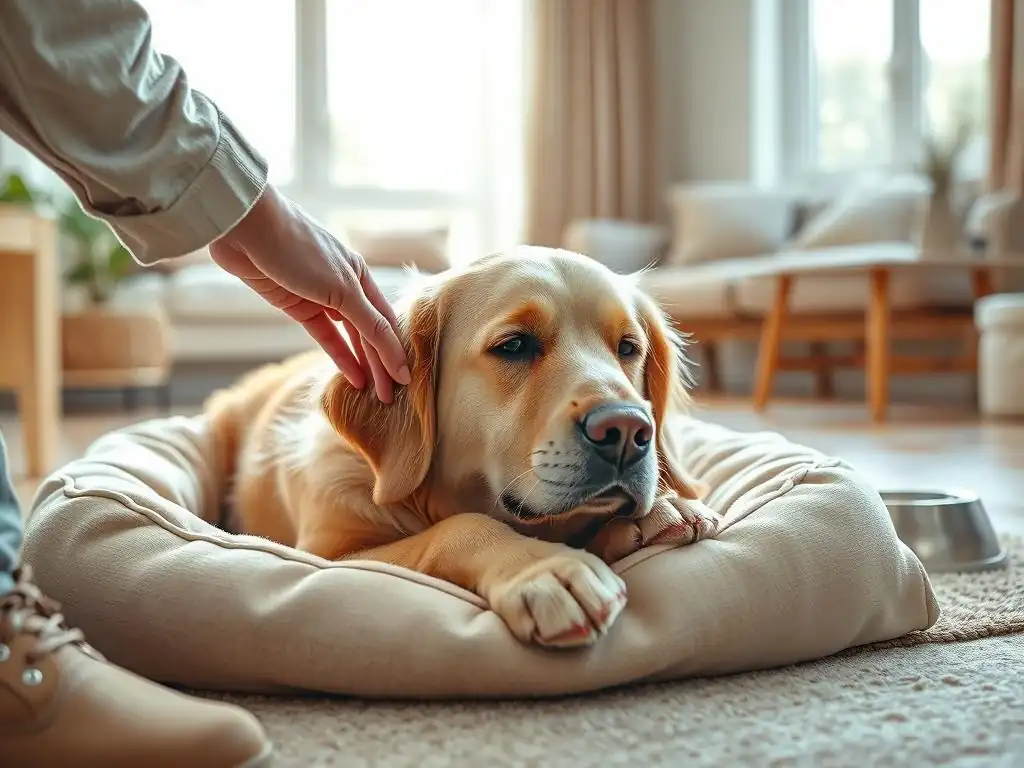
Welcome to PetCareWorld, your ultimate guide to happy and healthy pets! Are you facing the challenges of senior dog incontinence? We understand the difficulties, and that's why we've created a comprehensive guide packed with practical home solutions to help you manage this sensitive issue and maintain a clean and comfortable environment for your beloved companion. Discover effective strategies and regain peace of mind – learn more about Senior Dog Incontinence Home Solutions now and provide the best possible care for your aging friend.
- Understanding Senior Pet Incontinence and its Causes
- Senior Pet Incontinence Home Solutions: Protecting Your Home
- Cleaning Up Accidents: Products and Techniques
- Managing Senior Cat Incontinence at Home
- Adapting Your Lifestyle to Manage Incontinence
- When to Seek Professional Help for Senior Pet Incontinence
- Additional Resources for Senior Pet Incontinence Management
-
Frequently Asked Questions
- What are the most common causes of incontinence in senior dogs?
- Are there any home remedies to manage senior dog incontinence?
- What type of bedding is best for a dog with incontinence?
- How can I make my home more senior dog-friendly to manage incontinence?
- When should I consult a veterinarian about my senior dog's incontinence?
- Final Reflection: A Cleaner Home, A Happier Senior Dog
- Rediscover Peace of Mind: Simple Steps for a Cleaner, Happier Home
Understanding Senior Pet Incontinence and its Causes
As our beloved pets age, they become more susceptible to various health issues, and urinary incontinence is a common one, particularly affecting senior dogs and cats. This often distressing condition significantly impacts both the pet's quality of life and the household environment. This comprehensive guide focuses on practical, home-based solutions for managing senior pet incontinence, specifically addressing the challenges faced by owners of incontinent senior dogs. We'll explore the causes, diagnostic approaches, and effective strategies to maintain a clean and comfortable home environment while providing the best possible care for your aging companion.
Understanding the underlying causes is crucial for implementing effective management strategies. This isn't just about cleaning up accidents; it's about addressing the root cause of the problem and ensuring your senior pet remains happy, healthy, and comfortable in their golden years. Let's delve into the specifics.
Identifying the Signs of Urinary Incontinence in Senior Dogs and Cats
Recognizing the signs of urinary incontinence in your senior pet is the first step towards effective management. While the most obvious sign is frequent accidents, there are other subtle indicators you should watch for. These can include:
- Frequent urination: More frequent trips to the bathroom than usual, even at night.
- Leaking urine: Small amounts of urine leaking throughout the day, even when the pet isn't actively trying to urinate.
- Dribbling urine: A constant or intermittent dribbling of urine.
- Soiled bedding or resting areas: Consistent dampness or odor in the pet's sleeping area.
- Changes in behavior: Increased anxiety or restlessness, especially around urination.
- Changes in appetite or thirst: Increased water consumption can sometimes precede or accompany incontinence.
- Difficulty urinating: Straining or difficulty initiating urination.
It's crucial to differentiate between accidental urination due to age-related cognitive decline (such as dementia) and true urinary incontinence. While both can lead to accidents, the underlying causes and management strategies differ significantly. Early detection and a veterinary examination are key to accurate diagnosis and appropriate treatment. Observing your pet closely and keeping detailed records of their urination habits can be invaluable in helping your veterinarian determine the cause of the problem.
Common Medical Reasons for Incontinence in Older Dogs and Cats
Urinary incontinence in senior pets isn't simply a consequence of aging; it's often a symptom of underlying medical conditions. Several factors can contribute to this issue, including:
- Urinary Tract Infections (UTIs): These are common in older pets and can lead to increased frequency and urgency of urination, sometimes resulting in accidents.
- Kidney Disease: Chronic kidney disease can impair the kidneys' ability to concentrate urine, leading to increased urine production and potential incontinence.
- Hormonal Imbalances: Changes in hormone levels, particularly in spayed female dogs, can contribute to incontinence.
- Neurological Problems: Conditions affecting the nervous system, such as spinal cord injuries or nerve damage, can disrupt bladder control.
- Muscle Weakness: Weakening of the bladder muscles can make it difficult to hold urine effectively.
- Prostate Problems (in male dogs): Enlarged prostate glands can put pressure on the urethra, leading to incontinence.
- Cognitive Dysfunction Syndrome (CDS): Similar to dementia in humans, CDS can affect a pet's ability to control their bladder.
Understanding these potential underlying conditions is vital for your veterinarian to develop an appropriate treatment plan. It's essential to remember that treating the symptoms alone may not address the root cause, and neglecting underlying medical conditions could worsen the situation. A thorough veterinary examination is crucial to determining the exact cause of your pet's incontinence.
Diagnosing the Root Cause: Veterinary Examinations and Diagnostic Tests
A visit to your veterinarian is crucial for accurate diagnosis and appropriate treatment of senior pet incontinence. Your vet will conduct a thorough physical examination, paying close attention to your pet's urinary system and overall health. They may also recommend several diagnostic tests, including:
- Urinalysis: This test analyzes your pet's urine to detect infections, crystals, or other abnormalities.
- Blood tests: These tests assess kidney function, hormone levels, and other important indicators of overall health.
- Ultrasound: This imaging technique can help visualize the bladder, kidneys, and other organs to identify any structural abnormalities.
- X-rays: X-rays can detect issues such as bladder stones or other abnormalities in the urinary tract.
- Cystocentesis: A procedure to collect a sterile urine sample directly from the bladder, minimizing contamination.
The specific tests recommended will depend on your pet's individual symptoms and medical history. The diagnostic process is essential to rule out underlying medical conditions and to develop a tailored treatment plan that addresses the root cause of the incontinence. This thorough approach ensures that the treatment is not only effective but also safe and appropriate for your senior pet's overall health. Remember, patience and collaboration with your veterinarian are key to effectively managing your pet's incontinence and maintaining their comfort and well-being.
Senior Pet Incontinence Home Solutions: Protecting Your Home
This section focuses on practical, readily implementable solutions for managing senior dog incontinence at home, minimizing the mess and stress for both you and your beloved companion. We'll explore strategies to create a cleaner, more comfortable environment for your aging dog, focusing on solutions that are both effective and relatively easy to maintain. Remember, adapting your home to your senior dog's needs is a testament to your love and commitment.
Creating a Designated Potty Area for Your Senior Pet
Senior dogs, due to age-related decline in bladder and bowel control, often benefit from a designated potty area. This isn't about training; it's about managing accidents and making cleanup easier. Consider these factors when choosing a location:
- Accessibility: The area should be easily accessible for your dog, minimizing the strain on aging joints. Avoid stairs or other obstacles.
- Easy Cleanup: Select a surface that's easy to clean and disinfect, such as tile or easily washable linoleum. Avoid carpets in this area.
- Supervision: Ideally, the potty area should be in a location where you can easily supervise your dog, especially during the times they are most prone to accidents.
- Odor Control: Use enzymatic cleaners designed to neutralize pet urine odors. These are significantly more effective than standard cleaners. Regular cleaning is key.
The following table summarizes the pros and cons of different flooring options for your designated potty area:
| Flooring Option | Pros | Cons |
|---|---|---|
| Tile | Easy to clean, durable, waterproof | Can be cold, potentially slippery |
| Linoleum | Easy to clean, relatively inexpensive | Can be less durable than tile |
| Washable Rugs (Small) | Easier on joints, can provide traction | Requires frequent washing, may not be fully waterproof |
| Avoid: Carpet | Difficult to clean thoroughly, retains odor | High risk of odor retention and staining |
Remember to regularly monitor your dog's potty habits to determine the most effective area and timing for their bathroom breaks. Consistent monitoring can help you predict accidents and manage them proactively.
Utilizing Absorbent Bedding and Protective Covers
Protecting your furniture and flooring is crucial in managing senior dog incontinence. Several options offer excellent absorbency and protection:
- Waterproof mattress protectors: These are readily available and offer complete protection for your dog's sleeping area. Choose a protector with a high absorbency rating and a waterproof backing.
- Absorbent dog beds: Specifically designed dog beds with waterproof liners and absorbent materials are readily available. These provide comfort for your dog while protecting your furniture.
- Reusable washable pads: These pads are placed under your dog's bedding or in high-traffic areas to absorb accidents. Look for options with multiple layers for maximum absorbency. Choose large sizes to accommodate potential accidents.
- Protective throws or covers: Use washable throws or covers on furniture to protect it from accidents. These are easily removed and cleaned.
Consider using a combination of these options to create a multi-layered defense against accidents. Regularly check and change soiled bedding and covers promptly to prevent odor buildup and bacterial growth. This is especially crucial for maintaining a hygienic environment for both your dog and yourself.
Easy-to-Clean Flooring Options for Senior Pet Households
Choosing the right flooring for your home can significantly impact your ability to manage senior dog incontinence. Some options are far easier to clean and maintain than others:
- Tile: Tile flooring is the gold standard for easy cleanup. Its non-porous surface prevents urine from seeping in, making spills easy to wipe away. Consider using grout sealant to further prevent odor retention.
- Linoleum: Linoleum is a more budget-friendly alternative to tile, offering similar easy-to-clean properties. However, it is less durable than tile and can show scratches more easily.
- Hardwood: While hardwood can be beautiful, it’s less ideal for managing incontinence. Accidents can penetrate the wood, causing damage and odor retention. Sealing is essential, but accidents may still cause staining.
- Laminate: Laminate flooring is relatively water-resistant, but not entirely waterproof. Spills should be cleaned immediately to prevent water damage. It's not as durable as tile.
Avoid carpeting in areas where your senior dog spends a significant amount of time, especially sleeping areas. Carpets are notoriously difficult to clean thoroughly and retain odors, making them a breeding ground for bacteria. The best option is to replace carpeted areas with tile or linoleum for easier maintenance and a more hygienic environment. Remember, a cleaner environment reduces the risk of infections and contributes to a healthier home for both you and your senior dog.
Strategic Placement of Food and Water Bowls to Minimize Accidents
Senior dog incontinence often leads to accidents near frequently visited areas, such as food and water bowls. Relocating these essentials can significantly reduce the likelihood of messes. Instead of placing bowls in high-traffic areas like the living room or near sleeping spaces, consider moving them to easily cleanable areas like the kitchen or a designated feeding zone. This minimizes the spread of accidents and simplifies cleanup.
For example, placing the bowls on a washable rug or a waterproof mat can further contain any spills or accidents. Consider the dog's physical limitations as well; if your senior dog struggles with mobility, ensure the bowls are easily accessible without requiring excessive strain or movement. This careful placement not only prevents messes but also contributes to your dog's overall comfort and well-being. Remember, the goal is to create a safe and convenient environment for your aging canine companion while also simplifying your cleaning routine.
Regularly monitoring your dog's eating and drinking habits can also help you identify patterns and further refine bowl placement for optimal accident prevention. For instance, you might notice your dog drinks more water at night, prompting you to move the water bowl closer to their sleeping area, but on a protected surface. This proactive approach helps manage incontinence and maintains a clean home environment.
Cleaning Up Accidents: Products and Techniques
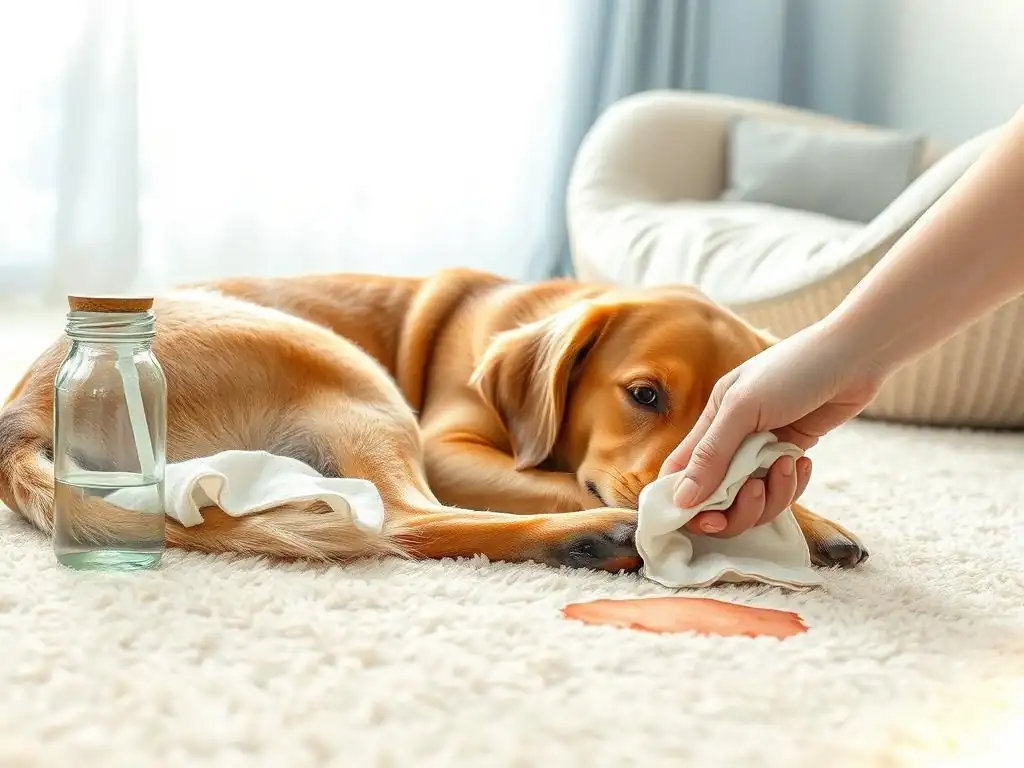
Accidents happen, especially with senior pets experiencing incontinence. Effective cleanup is crucial not only for hygiene but also for preventing recurring accidents in the same location. The lingering scent of urine can attract your pet back to the same spot, creating a vicious cycle. Therefore, choosing the right cleaning products and employing the correct techniques is paramount in managing senior dog incontinence home solutions.
Effective Cleaning Products for Pet Urine and Odor Removal
The key to successful cleaning lies in using products specifically designed to neutralize pet urine odors. Traditional household cleaners often only mask the smell, leaving behind residual odor that your pet can still detect. This can lead to repeated accidents in the same area. Instead, opt for enzymatic cleaners.
Enzymatic cleaners contain beneficial bacteria and enzymes that break down the uric acid crystals and organic compounds present in urine, eliminating the odor at its source. Unlike harsh chemicals, they are generally safe for pets and humans. Look for products specifically marketed for pet urine and stain removal; these are typically more effective than general-purpose cleaners.
Consider factors like:
- Concentration: Higher concentrations are usually more effective but might require more dilution.
- Scent: Some pets are sensitive to strong fragrances; unscented or lightly scented options may be preferable.
- Safety: Ensure the product is non-toxic and safe for your pet if accidental ingestion occurs.
Remember to always follow the product instructions carefully. Over-diluting the cleaner might reduce its efficacy, while using it undiluted could damage surfaces.
Enzyme Cleaners vs. Traditional Cleaners: A Comparison
| Feature | Enzyme Cleaners | Traditional Cleaners |
|---|---|---|
| Mechanism | Breaks down urine components at a molecular level | Masks odor; does not eliminate the source |
| Effectiveness | Highly effective in eliminating odor completely | Less effective; odor may reappear |
| Pet Safety | Generally safe; non-toxic | Can be toxic if ingested; may irritate skin |
| Surface Safety | Typically safe for most surfaces | May damage some surfaces (e.g., wood, fabrics) |
| Cost | Generally more expensive | Less expensive |
| Environmental Impact | Often biodegradable and environmentally friendly | Can be harsh on the environment |
As you can see, while traditional cleaners might seem cheaper upfront, the long-term cost and effort involved in repeated cleanings due to recurring accidents outweigh the initial savings. Investing in enzyme cleaners is a more effective and cost-efficient solution in the long run for managing senior dog incontinence home solutions.
Step-by-Step Guide to Cleaning Senior Pet Accidents
Cleaning up accidents promptly is critical. Here's a step-by-step guide:
- Act quickly: The faster you clean up the accident, the less time the urine has to soak in and the easier it will be to remove.
- Blot, don't rub: Rubbing spreads the urine, making it harder to clean and potentially damaging fabrics. Use paper towels or absorbent cloths to blot up as much liquid as possible.
- Apply enzyme cleaner: Follow the product instructions for dilution and application. Generously saturate the affected area.
- Allow to dwell: Let the cleaner sit for the recommended time (usually 10-15 minutes, but check the product instructions) to allow the enzymes to break down the urine.
- Blot again: After the dwell time, blot the area again to remove any remaining residue.
- Rinse (if necessary): Some enzyme cleaners require rinsing, while others don't. Refer to the product instructions.
- Air dry: Allow the area to air dry completely. Using a fan can speed up the process.
- Repeat if necessary: If the odor persists, repeat the process.
Remember, patience and consistency are key. With the right products and techniques, you can effectively manage senior pet incontinence and maintain a clean and comfortable home environment. This comprehensive approach to senior dog incontinence home solutions will significantly improve your pet's and your quality of life. 🐶🏠
Dealing with Stubborn Stains and Odors
Accidents happen, especially with senior dogs experiencing incontinence. While regular cleaning helps prevent build-up, stubborn stains and lingering odors can be a persistent problem. These odors can be particularly challenging because they can trigger further accidents in the same location, creating a vicious cycle. Successfully tackling these issues requires a multi-pronged approach combining enzymatic cleaners and effective odor neutralizers.
Enzymatic cleaners are crucial in breaking down the organic compounds present in urine and feces. Unlike standard cleaners that merely mask the smell, enzymatic cleaners actually digest the source of the odor, preventing it from returning. It's important to choose a pet-specific enzymatic cleaner, as these are formulated to be safe for your pet and effective on pet waste.
Look for products specifically designed for urine and pet stains, as they often contain higher concentrations of enzymes. Always follow the product instructions carefully, paying close attention to pre-treatment time and application methods. For particularly stubborn stains, you might need to repeat the application process several times.
In addition to enzymatic cleaners, odor neutralizers can play a significant role in eliminating lingering smells. These products often contain odor-absorbing ingredients such as baking soda or activated charcoal. Baking soda, for instance, can be sprinkled directly onto the affected area before applying the enzymatic cleaner, helping to absorb excess moisture and neutralize some of the odor.
After cleaning with the enzymatic cleaner and allowing it to dry thoroughly, you can use an odor neutralizer spray to further eliminate any remaining scent. Remember, a truly clean environment is essential for breaking the cycle of repeat accidents. A lingering smell can act as a beacon for your pet, leading them back to the same spot.
Beyond commercial products, some natural remedies can assist in odor removal. White vinegar, diluted with water, can be used to neutralize odors, but ensure it’s thoroughly rinsed afterward to avoid harming your pet. Similarly, a paste of baking soda and water can be applied to the stain, left to dry, and then vacuumed up.
However, always test any natural remedy on a small, inconspicuous area first to ensure it doesn't damage your flooring or upholstery. Remember to always prioritize safety for your pet when using any cleaning product, even natural ones. Thorough rinsing is essential to remove any residue that could irritate your pet's skin.
The effective management of senior dog incontinence requires consistent effort and a combination of strategies. Addressing stubborn stains and odors is a crucial part of this process, contributing significantly to a cleaner, healthier, and more comfortable environment for both you and your beloved senior companion. Remember, patience and persistence are key to success in this ongoing endeavor.
Managing Senior Cat Incontinence at Home
Senior cat incontinence, while heartbreaking for owners, is a common age-related issue. Understanding the signs, implementing effective home solutions, and mastering cleaning techniques are crucial for maintaining a clean and comfortable environment for both you and your feline companion. This section focuses specifically on managing senior cat incontinence, offering practical strategies to navigate this challenging situation. Remember, always consult your veterinarian for diagnosis and to rule out underlying medical conditions. Early intervention can significantly improve your cat's quality of life and minimize the stress on your household.
Signs of Urinary Incontinence in Older Cats
Recognizing the early signs of urinary incontinence in senior cats is vital for timely intervention. These signs can be subtle at first, often escalating gradually. Look out for these key indicators:
- Frequent urination: More frequent trips to the litter box than usual, even at night.
- Accidental urination: Urinating outside the litter box, even in familiar areas. This might manifest as small puddles or larger accidents.
- Increased thirst: Excessive water consumption can accompany urinary issues.
- Straining to urinate: Difficulty or discomfort during urination.
- Changes in urine: Noticeable changes in the color, odor, or volume of urine. Cloudy or bloody urine warrants immediate veterinary attention.
- Lethargy and discomfort: Incontinence can cause discomfort and lead to a general decrease in energy levels.
It's important to note that these signs can also be indicative of other health problems, such as urinary tract infections (UTIs) or kidney disease. Therefore, a veterinary examination is essential for accurate diagnosis and appropriate treatment. Don't hesitate to seek professional help if you observe any of these symptoms in your senior cat. Early diagnosis and treatment can make a significant difference in managing the condition and improving your cat's comfort.
Home Solutions for Cat Urine Accidents: Litter Box Management Strategies
Effective litter box management is paramount in mitigating the effects of senior cat incontinence. Several strategies can improve your cat's success rate and minimize accidents:
- Multiple litter boxes: Provide more than one litter box, ideally one more than the number of cats in your household. This reduces competition and allows for easier access. Strategically place them in different locations throughout your home, ensuring easy access for your senior cat.
- Easy access: Ensure the litter boxes are easily accessible, with low sides for easier entry and exit for arthritic or less mobile cats. Avoid placing them in high-traffic areas or locations that might stress your cat.
- Litter type: Experiment with different types of litter to find one that your cat prefers. Some cats are sensitive to certain litters, and a change might help. Consider clumping litter for easier cleanup of accidents.
- Litter box cleaning: Regular and thorough cleaning of litter boxes is crucial. Scoop the litter at least once a day, and completely change the litter and clean the box at least weekly. A clean box encourages your cat to use it.
- Location, location, location: Consider the placement of your litter boxes. A quiet, secluded area away from loud noises or high-traffic areas can be very helpful. Observe your cat's behavior and adjust locations as needed.
Implementing these strategies can significantly reduce the frequency of accidents and maintain a cleaner environment. Remember, patience and consistent effort are key to success.
Cleaning Up Cat Urine: Effective Techniques and Products
Cleaning up cat urine accidents requires specialized techniques and products to effectively neutralize the odor and prevent your cat from re-offending in the same spot. Cat urine contains ammonia, which can linger and attract your cat back to the same area.
- Immediate action: The faster you clean up an accident, the better. Blot up as much urine as possible using paper towels. Avoid rubbing, which can spread the urine.
- Enzyme cleaners: Use an enzymatic cleaner specifically designed for pet urine. These cleaners break down the uric acid crystals and neutralize the odor, preventing your cat from returning to the same spot.
- Thorough cleaning: Follow the instructions on the enzyme cleaner carefully. Often, this involves applying the cleaner to the affected area and allowing it to dwell for a period of time before blotting or rinsing.
- Odor eliminators: In addition to enzymatic cleaners, consider using an odor eliminator to mask any lingering smells. Air fresheners are not as effective as enzyme cleaners.
- Professional cleaning: For severe or persistent urine odor problems, consider contacting a professional cleaning service specializing in pet odor removal.
Remember, consistency is key to managing senior cat incontinence. A combination of careful monitoring, appropriate litter box management, and diligent cleaning will contribute to a cleaner and more comfortable environment for both you and your aging feline friend. Patience and understanding are essential throughout this process.
Adapting Your Lifestyle to Manage Incontinence
Managing senior dog incontinence requires significant lifestyle adjustments, but these changes ultimately contribute to a cleaner, healthier, and more comfortable environment for both you and your aging companion. The key is proactive planning and consistent routines. Failing to adapt can lead to increased stress for both pet and owner, potentially exacerbating the problem. Let's explore practical strategies to seamlessly integrate incontinence management into your daily life. This isn't about drastic overhauls; it's about making small, impactful changes that improve your pet's quality of life and maintain a clean home.
Creating a Routine for Senior Pet Bathroom Breaks
Establishing a predictable bathroom break schedule is paramount. Senior dogs, often suffering from decreased bladder control, benefit immensely from regular, frequent potty trips. Instead of relying solely on your pet's cues, create a strict timetable, perhaps every two hours during the day and once or twice overnight. This proactive approach minimizes accidents and helps your senior dog learn to associate specific times with elimination. Consider using a bell or other auditory cue to signal their need to go outside.
This positive reinforcement technique can enhance their understanding and cooperation. Remember, consistency is key; stick to the schedule as closely as possible, even on weekends. Note any patterns in their accidents—they might signal underlying issues needing veterinary attention. For instance, increased nighttime accidents might indicate a urinary tract infection, requiring a vet visit.
Utilizing Diapers or Wraps for Senior Pets
Diapers and wraps are invaluable tools in managing senior dog incontinence. They provide an additional layer of protection, preventing accidents and keeping your home cleaner. The market offers a wide variety of options, from disposable to reusable, each with its own pros and cons. Disposable diapers are convenient but more expensive in the long run.
Reusable wraps, on the other hand, are a more economical choice but require more frequent washing. Consider factors like your dog's size, breed, and activity level when selecting the appropriate type. Proper fitting is crucial; a diaper that's too tight can cause discomfort, while one that's too loose will be ineffective.
Some dogs may initially resist wearing a diaper, but positive reinforcement and gradual acclimation can alleviate this issue. Remember to regularly check for skin irritation and replace soiled diapers promptly to maintain hygiene and prevent infections. Always prioritize your pet's comfort and well-being when using these products.
Training Aids and Behavioral Modification Techniques for Incontinence
While some incontinence is unavoidable due to age-related decline, behavioral modification techniques can still play a crucial role. Positive reinforcement remains a cornerstone of effective training. Reward your dog immediately and consistently for successful bathroom breaks outside. This reinforces the desired behavior and helps them associate elimination with positive outcomes.
Avoid punishment for accidents; this can increase stress and anxiety, potentially worsening the problem. Instead, focus on cleaning up accidents calmly and efficiently. Consider using enzymatic cleaners designed to neutralize pet odors; these prevent your dog from repeatedly eliminating in the same spot. For dogs struggling with nighttime accidents, consider using a designated potty area indoors, such as a puppy pad or easily cleanable surface, for emergencies.
Remember to consult with a veterinary behaviorist for personalized guidance, especially if you're facing significant challenges. They can offer tailored recommendations based on your dog's specific needs and circumstances. Patience and consistency are key to success in behavioral modification. Celebrate small victories along the way to maintain a positive and encouraging training environment.
When to Seek Professional Help for Senior Pet Incontinence
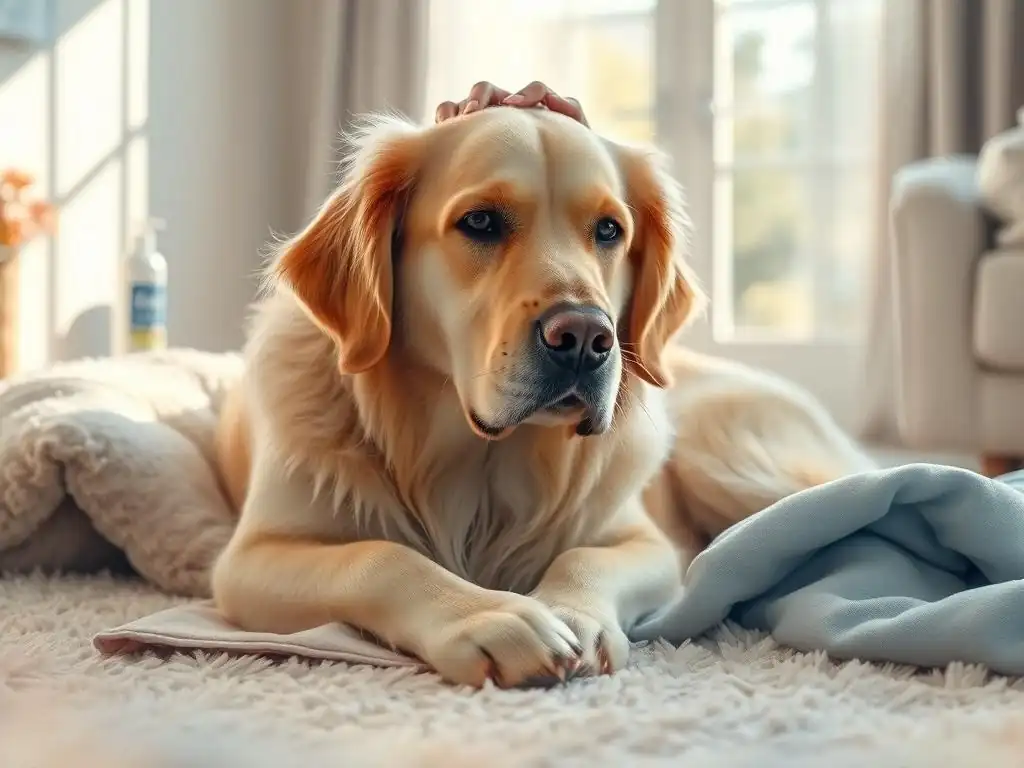
This section focuses on determining when home management strategies for senior dog incontinence are insufficient and professional veterinary intervention becomes necessary. Successfully managing senior dog incontinence often involves a multi-pronged approach. While home solutions can significantly improve cleanliness and comfort, recognizing their limitations is crucial for your pet's well-being. Ignoring underlying health issues can lead to further complications.
Recognizing When Home Solutions Aren't Enough
Effective home management of senior dog incontinence includes consistent cleaning, absorbent bedding, and potentially, diapers or belly bands. However, there are clear indicators that suggest the need for professional veterinary assessment and treatment. These include:
- Sudden onset or rapid worsening of incontinence: A dramatic increase in accidents, especially if accompanied by other symptoms, warrants immediate veterinary attention. This could indicate a sudden underlying medical issue requiring prompt diagnosis and treatment.
- Incontinence accompanied by other symptoms: Urinary incontinence in senior dogs is sometimes a symptom of a more significant health problem. If your dog exhibits additional symptoms such as lethargy, weight loss, changes in appetite, increased thirst or urination (polydipsia/polyuria), painful urination (dysuria), or blood in the urine (hematuria), seek veterinary care promptly. These could be signs of kidney disease, urinary tract infections (UTIs), diabetes, or other serious conditions.
- Pain or discomfort during urination: Observe your dog's behavior during urination. Straining, whimpering, or vocalization suggests potential pain or discomfort, requiring a veterinary examination to rule out conditions like bladder stones or infections.
- Inability to control bowel movements: While this article focuses on urinary incontinence, fecal incontinence often accompanies urinary problems and indicates a more serious underlying issue requiring veterinary intervention.
- Failure of home solutions to improve the situation: After implementing various home management strategies (e.g., frequent potty breaks, absorbent pads, specialized bedding), if there's little to no improvement in incontinence, it's time to consult a veterinarian. This suggests that the underlying cause is likely more complex than can be managed at home.
Veterinary Treatments and Medications for Incontinence
Veterinary treatment for senior dog incontinence aims to address the underlying cause. This may involve a combination of diagnostic tests (such as urinalysis, blood tests, and ultrasound) to identify any infections, kidney problems, or other medical conditions. Treatment options vary depending on the diagnosis and may include:
- Medications: Depending on the underlying cause, your veterinarian might prescribe medications to manage infections (antibiotics for UTIs), regulate hormone levels (for hormonal imbalances), or improve bladder function. Some medications specifically target urinary incontinence, helping to improve bladder control.
- Dietary changes: Adjusting your dog's diet can sometimes help manage incontinence, particularly if it's related to kidney disease or other metabolic issues. Your vet can recommend appropriate dietary adjustments.
- Surgery: In some cases, surgery may be necessary to address conditions like bladder stones or other structural abnormalities contributing to incontinence.
- Supportive care: This can involve regular veterinary checkups, monitoring for complications, and adjusting treatment as needed. Supportive care ensures that your senior dog receives the best possible care and management of their incontinence.
Finding a Veterinarian Specialized in Senior Pet Care
Finding a veterinarian experienced in geriatric pet care is crucial for optimal management of senior dog incontinence. Senior pets have unique health needs, and a specialist can provide more comprehensive care and address potential age-related complications. Consider these factors when searching for a veterinarian:
- Geriatric care specialization: Look for veterinarians who explicitly state their expertise in geriatric or senior pet care on their website or in their practice information.
- Experience with incontinence: Inquire about the veterinarian's experience in diagnosing and treating urinary incontinence in senior dogs.
- Diagnostic capabilities: Ensure the veterinary clinic has the necessary diagnostic equipment (e.g., ultrasound, blood testing facilities) to conduct thorough examinations.
- Client reviews and recommendations: Check online reviews and ask for recommendations from other pet owners with senior dogs. This can help you find a veterinarian with a proven track record of successful incontinence management.
Remember, early intervention is key to managing senior dog incontinence effectively. Don't hesitate to seek professional help if home solutions prove inadequate or if your dog exhibits any concerning symptoms. A proactive approach can significantly improve your senior dog's comfort and quality of life. 🐶
Additional Resources for Senior Pet Incontinence Management
This section provides supplementary information to help you manage senior pet incontinence effectively. We understand that dealing with incontinence can be challenging, and having access to additional resources can make a significant difference in your pet's comfort and your peace of mind. We've compiled some excellent resources to further your understanding and provide practical solutions for this common senior pet issue.
Recommended Websites and Organizations
Navigating the world of senior pet care can feel overwhelming. Luckily, many dedicated organizations and websites offer valuable information and support. These resources often provide detailed guides, expert advice, and community forums where you can connect with other pet owners facing similar challenges. Finding reliable information is crucial, and these resources offer just that. They can help you understand the underlying causes of incontinence, explore various treatment options, and learn about managing the condition at home effectively. Remember, seeking professional veterinary advice remains paramount; these resources serve as valuable complements to professional care.
Here are some examples of the types of information you might find on these websites:
- Detailed guides on managing different types of incontinence: These resources often categorize incontinence based on the underlying cause (e.g., urinary tract infections, hormonal changes, neurological issues) and offer tailored management strategies.
- Product reviews and recommendations: Many websites offer reviews and comparisons of various incontinence products, helping you choose the best option for your pet's needs and your budget.
- Community forums and support groups: Connecting with other pet owners facing similar challenges can provide invaluable emotional support and practical advice. Sharing experiences and learning from others can significantly reduce feelings of isolation and frustration.
- Information on veterinary specialists: These resources can help you locate veterinary specialists experienced in geriatric pet care and incontinence management.
Relevant Books and Articles
Beyond online resources, several books and articles delve deeply into senior pet care and incontinence management. These resources often provide in-depth explanations of the physiological changes associated with aging and incontinence, as well as detailed strategies for managing the condition at home. They can be particularly helpful for understanding the underlying causes of incontinence and developing a comprehensive management plan. Consider using these resources to supplement the advice of your veterinarian.
Examples of topics you might find covered in these books and articles include:
- The physiological changes associated with aging and their impact on urinary function: Understanding the biological mechanisms behind senior pet incontinence is crucial for effective management.
- Different types of incontinence and their underlying causes: This information helps you better understand your pet's specific situation and tailor your approach accordingly.
- Comprehensive home management strategies: These resources often provide step-by-step instructions and practical tips for managing incontinence at home.
- Dietary and lifestyle modifications to support urinary health: Specific dietary changes and lifestyle adjustments can significantly impact urinary function in senior pets.
- Strategies for preventing accidents and keeping your home clean: These resources provide valuable tips for preventing accidents and maintaining a clean and comfortable environment for your pet.
Remember that while these additional resources are valuable, they should not replace professional veterinary advice. Always consult with your veterinarian to develop a comprehensive care plan for your senior pet. They can provide personalized recommendations based on your pet’s specific needs and health condition. The combination of professional veterinary care and these supplementary resources will equip you to provide the best possible care for your aging companion.
Frequently Asked Questions
What are the most common causes of incontinence in senior dogs?
Several factors contribute to incontinence in older dogs, including weakened sphincter muscles, hormonal changes, and underlying medical conditions like urinary tract infections or kidney disease. A vet visit is crucial for diagnosis.
Are there any home remedies to manage senior dog incontinence?
While home remedies can't cure incontinence, they can help manage it. These include frequent potty breaks, easy access to water, and managing their diet. However, professional veterinary care is essential.
What type of bedding is best for a dog with incontinence?
Consider using waterproof, washable bedding like puppy pads, specialized dog beds with waterproof liners, or easily cleaned mats. Regular cleaning is key to maintaining a hygienic environment.
How can I make my home more senior dog-friendly to manage incontinence?
Adapt your home by providing easy access to the outdoors, using non-slip flooring, and placing absorbent pads in strategic locations. These modifications can minimize accidents and stress.
When should I consult a veterinarian about my senior dog's incontinence?
Consult your vet immediately if you notice sudden onset incontinence, changes in urination patterns, or if your dog shows signs of discomfort or pain. Prompt veterinary care is vital for accurate diagnosis and treatment.
Final Reflection: A Cleaner Home, A Happier Senior Dog
The challenges of senior dog incontinence are far more common than many pet owners realize, impacting not only the pet's well-being but also the entire household. This often-overlooked aspect of senior pet care significantly affects family dynamics and daily routines, demanding patience, understanding, and practical solutions. Finding effective strategies is crucial for maintaining a clean and comfortable environment for both the pet and their human companions.
The emotional toll of managing incontinence in a beloved senior dog is often underestimated. It's a journey that requires adapting to a new normal, embracing patience in the face of accidents, and celebrating the small victories of progress. This experience profoundly shapes our understanding of companionship and the unwavering love we share with our furry friends. The best things in life are not things.
This simple statement resonates deeply when caring for a senior pet, reminding us that the bond we share transcends the challenges of aging.
You, the dedicated pet owner, are now equipped with practical strategies to navigate this stage of your dog's life. Consider the information presented – from absorbent bedding to enzymatic cleaners – and choose the solutions that best suit your dog's needs and your home environment. Remember, creating a clean and comfortable space isn't just about hygiene; it's about showing your senior dog the love and care they deserve in their golden years. Embrace this journey with compassion, and cherish every moment you have with your faithful companion.
Rediscover Peace of Mind: Simple Steps for a Cleaner, Happier Home
Thank you for learning more about managing senior pet incontinence. We hope this guide offered valuable insights and practical solutions to improve life for you and your furry friend. Now, let's put that knowledge to work!
- Prioritize consistent cleaning: Regular cleaning, using the most effective products and techniques for your pet's needs, will significantly improve the freshness and comfort of your home.
- Consider alternative bedding: Absorbent, washable mats or bedding designed for pet incontinence can minimize accidents and keep your home cleaner.
- Share your experience: Let other PetCareWorld members know what worked best for you! Your insights could help others facing similar challenges.
What small change will you make today to create a more comfortable home for your senior pet?