
The Role of Vaccinations in Protecting Your Pet's Health


Welcome to PetCareWorld, your ultimate guide to a happier, healthier life for your beloved companion! Are you curious about the crucial role vaccinations play in safeguarding your pet's well-being? Discover the unseen threats facing your furry, feathered, or scaled friend and learn how simple preventative measures can make a world of difference. Dive into our in-depth article on "Pet vaccination health importance" and unlock the secrets to a longer, healthier life for your pet. Let's explore the power of prevention together!
- Understanding the Importance of Pet Vaccination Health
- How Pet Vaccinations Work: Building Immunity
- Creating a Vaccination Schedule for Your Pet
- Potential Side Effects and Risks of Pet Vaccinations
- Choosing the Right Veterinarian for Your Pet's Vaccinations
- The Long-Term Benefits of Pet Vaccinations: A Healthy and Happy Life
- Frequently Asked Questions
- Final Reflection: The Unwavering Importance of Pet Vaccinations
- Unlock Your Pet's Healthiest Life: Take Action Today!
Understanding the Importance of Pet Vaccination Health
Pet vaccination is a cornerstone of responsible pet ownership, playing a crucial role in safeguarding your furry, feathered, or scaled companions from a multitude of potentially life-threatening diseases. This article delves into the critical importance of pet vaccination in maintaining optimal health and well-being, exploring the core vaccines necessary for various animal species and highlighting the significant impact these preventative measures have on reducing the incidence of serious illnesses. Understanding the benefits of vaccination empowers pet owners to make informed decisions that contribute to longer, healthier lives for their beloved pets.
Regular vaccinations are an investment in your pet's future, preventing suffering and reducing the financial burden associated with treating preventable diseases. We will explore the essential vaccinations for dogs, cats, and exotic pets, emphasizing the species-specific needs and the overall importance of proactive pet healthcare.
The information provided here will help you understand the vital role vaccinations play in your pet's overall health and longevity, contributing to a stronger bond between you and your animal companion. This is particularly relevant in the context of recognizing signs of illness, as timely vaccination can significantly reduce the risk of your pet contracting many common and dangerous diseases.
Core Vaccines for Canine Health: Protecting Against Common Diseases
Canine vaccination protocols are designed to protect dogs from a range of infectious diseases that can cause significant illness or even death. These core vaccines are generally recommended for all dogs, regardless of lifestyle, and provide broad protection against common pathogens. The specific vaccines included in the core protocol may vary slightly depending on location and the prevalence of certain diseases in the area, but generally include protection against:
- Canine Distemper: A highly contagious viral disease affecting the respiratory, gastrointestinal, and nervous systems. Symptoms can range from mild respiratory illness to severe neurological complications.
- Canine Adenovirus Type 1 and 2: Adenovirus Type 1 causes hepatitis, while Type 2 causes respiratory disease. Both can be serious and potentially fatal.
- Canine Parvovirus: A highly contagious viral disease causing severe vomiting, diarrhea, and dehydration. Parvovirus is particularly dangerous for puppies and can be fatal.
- Canine Leptospirosis: A bacterial disease spread through contaminated water or urine. Leptospirosis can cause kidney and liver damage.
- Rabies: A deadly viral disease affecting the nervous system. Rabies vaccination is mandatory in many regions.
The timing of these vaccinations is crucial, with a series of initial shots followed by booster vaccinations at regular intervals throughout the dog's life. [Specific vaccination schedules pending]. Consulting with your veterinarian is essential to create a tailored vaccination plan for your dog, considering their age, breed, lifestyle, and overall health. Ignoring core canine vaccinations significantly increases the risk of preventable illness and suffering for your canine companion. 🐶
Feline Vaccination Essentials: Preventing Deadly Illnesses
Feline vaccinations are equally vital in protecting cats from several potentially fatal diseases. Similar to canine vaccinations, core feline vaccines protect against a range of infectious agents that can have devastating consequences. These essential vaccines typically include protection against:
- Feline Herpesvirus (FHV-1): A common cause of upper respiratory infections in cats, leading to sneezing, eye discharge, and conjunctivitis. While often manageable, severe cases can be life-threatening.
- Feline Calicivirus (FCV): Another common cause of upper respiratory infections, FCV can also cause oral ulcers and lameness. Like FHV-1, complications can be severe.
- Feline Panleukopenia (FPL): A highly contagious viral disease causing severe vomiting, diarrhea, and dehydration. FPL is particularly dangerous for kittens and can be fatal.
- Feline Leukemia Virus (FeLV): A retrovirus that weakens the cat's immune system, making them susceptible to other infections and cancers. FeLV is incurable.
- Rabies: Just as in dogs, rabies vaccination is mandatory in many regions and is essential for protecting both your cat and the community.
The frequency of feline vaccinations will vary depending on several factors, and regular check-ups with your veterinarian are crucial for maintaining optimal health and preventing disease. 🐈⬛ Ignoring these core vaccinations significantly increases the risk of your cat developing life-threatening illnesses.
Essential Vaccinations for Exotic Pets: Species-Specific Vaccination Protocols
Vaccinations for exotic pets are equally important, although the specific vaccines required vary greatly depending on the species. The protocols are often more complex and require a deeper understanding of the particular needs of each animal. For example, reptiles may require vaccinations against specific bacterial or viral infections common within their species, while birds might need protection against avian influenza or other avian-specific diseases. [Specific vaccination protocols for various exotic pets pending].
It is crucial to consult with a veterinarian specializing in exotic animals to determine the appropriate vaccination schedule for your specific pet. This ensures that your pet receives the necessary protection against the diseases prevalent in their species and geographic location. The health of your exotic pet relies heavily on the accuracy and timeliness of vaccinations, so consulting a specialist is paramount. 🦜🐍🦎
The Role of Rabies Vaccination in Public Health and Pet Safety
Rabies, a deadly viral disease affecting the central nervous system, poses a significant threat to both animals and humans. The rabies virus is transmitted through the saliva of an infected animal, typically through a bite. While rabies is rare in many developed countries thanks to widespread vaccination programs, it remains a serious concern globally, and unvaccinated pets represent a significant risk factor. The importance of rabies vaccination for pets extends far beyond the individual animal's health; it's a crucial component of public health strategies.
Pet vaccination against rabies is not merely a matter of protecting your furry friend; it's a civic responsibility. A vaccinated pet is far less likely to contract and transmit the virus, thus breaking the chain of transmission and protecting the community. This is particularly important for dogs and cats, which are common vectors for the disease. Unvaccinated animals can become reservoirs for the virus, posing a risk to other animals, including wildlife, and ultimately to humans. The consequences of a rabies outbreak can be devastating, requiring extensive public health interventions and potentially leading to human fatalities.
Consider the potential scenario: an unvaccinated dog bites a child. The child requires immediate and extensive post-exposure prophylaxis (PEP) treatment, which can be costly and stressful. Furthermore, the dog needs to be quarantined, potentially resulting in its euthanasia to confirm the presence or absence of the virus. This entire situation is easily preventable through routine rabies vaccination. This simple, safe, and affordable preventative measure not only safeguards your pet but contributes significantly to the collective safety and well-being of the community.
The benefits of rabies vaccination far outweigh any perceived risks, making it a cornerstone of responsible pet ownership and public health initiatives. Many jurisdictions mandate rabies vaccination for dogs and cats, underscoring its vital role in preventing the spread of this deadly disease. The protection offered is not just for your pet, but for everyone. 🐶💉
How Pet Vaccinations Work: Building Immunity

Pet vaccination health importance rests on the fundamental principle of stimulating the immune system. Vaccines work by introducing a weakened or inactive form of a disease-causing agent (pathogen), such as a virus or bacteria, into your pet's body. This "sneak peek" allows the immune system to recognize the pathogen without causing the actual disease. This process is crucial for building long-term protection, a concept vital to understanding pet vaccination health importance. Think of it like a military exercise: the immune system gets trained to fight a specific enemy without facing a full-scale war.
Active Immunity: Stimulating Your Pet's Immune System
Active immunity, the core of how pet vaccinations protect your pet's health, is the body's natural response to an antigen (a substance that triggers an immune response). When a vaccine is administered, the body detects the introduced antigen and initiates a cascade of immune responses. This involves the production of specialized white blood cells, such as B cells and T cells, that specifically target the introduced pathogen.
B cells produce antibodies, proteins that bind to the pathogen and neutralize it, while T cells directly attack infected cells. This process creates immunological memory; the immune system "remembers" the encounter and mounts a faster, stronger response upon subsequent exposure to the same pathogen. This memory is what provides long-lasting protection, making future infections less likely or less severe.
The strength and duration of this immunity vary depending on the vaccine, the animal's age, and overall health. For optimal protection, booster shots are often necessary to reinforce this immunological memory. Understanding this active immunity process highlights the pet vaccination health importance.
Vaccine Types and Administration Methods: A Comparison of Live, Killed, and Recombinant Vaccines
Different types of vaccines utilize varying methods to stimulate the immune system. Understanding these differences is key to appreciating the nuances of pet vaccination health importance.
- Live attenuated vaccines: These vaccines contain a weakened form of the live virus or bacteria. Because they are live, they closely mimic a natural infection, leading to a robust and long-lasting immune response. However, they pose a slightly higher risk of causing a mild form of the disease in immunocompromised animals.
- Killed vaccines (inactivated vaccines): These vaccines contain killed or inactive pathogens. They are generally safer than live vaccines because they cannot cause the disease, but they may require multiple doses to achieve the same level of immunity.
- Recombinant vaccines: These vaccines use genetic engineering to produce specific antigens of the pathogen. This technology offers highly targeted immunity with minimal risk of side effects.
The administration method also varies, typically involving subcutaneous (under the skin) or intramuscular (into the muscle) injections. The choice of vaccine type and administration method depends on factors such as the specific disease, the animal's age and health, and the availability of different vaccine formulations. Veterinarians carefully consider these factors when creating your pet’s vaccination schedule, emphasizing the pet vaccination health importance.
The Science Behind Vaccine Effectiveness: Antibody Production and Immunological Memory
Vaccine effectiveness hinges on the successful production of antibodies and the establishment of immunological memory. Following vaccination, B cells differentiate into plasma cells, which are antibody factories. These plasma cells produce large quantities of antibodies specific to the targeted pathogen. These antibodies circulate in the bloodstream, ready to neutralize the pathogen if the pet is exposed again.
The level of antibody production is a key indicator of vaccine success, and blood tests can sometimes be used to measure antibody titers. Simultaneously, a subset of B cells and T cells become memory cells, persisting in the body for extended periods. These memory cells are crucial for long-term immunity; upon re-exposure to the pathogen, they quickly trigger a rapid and powerful immune response, preventing or minimizing the severity of disease.
This process underscores the long-term benefits of vaccination and reinforces the pet vaccination health importance. The duration of immunity varies between vaccines and animals, hence the need for booster shots to maintain sufficient antibody levels and memory cell populations. Regular veterinary checkups are essential to monitor your pet's immune response and ensure continued protection.
Creating a Vaccination Schedule for Your Pet
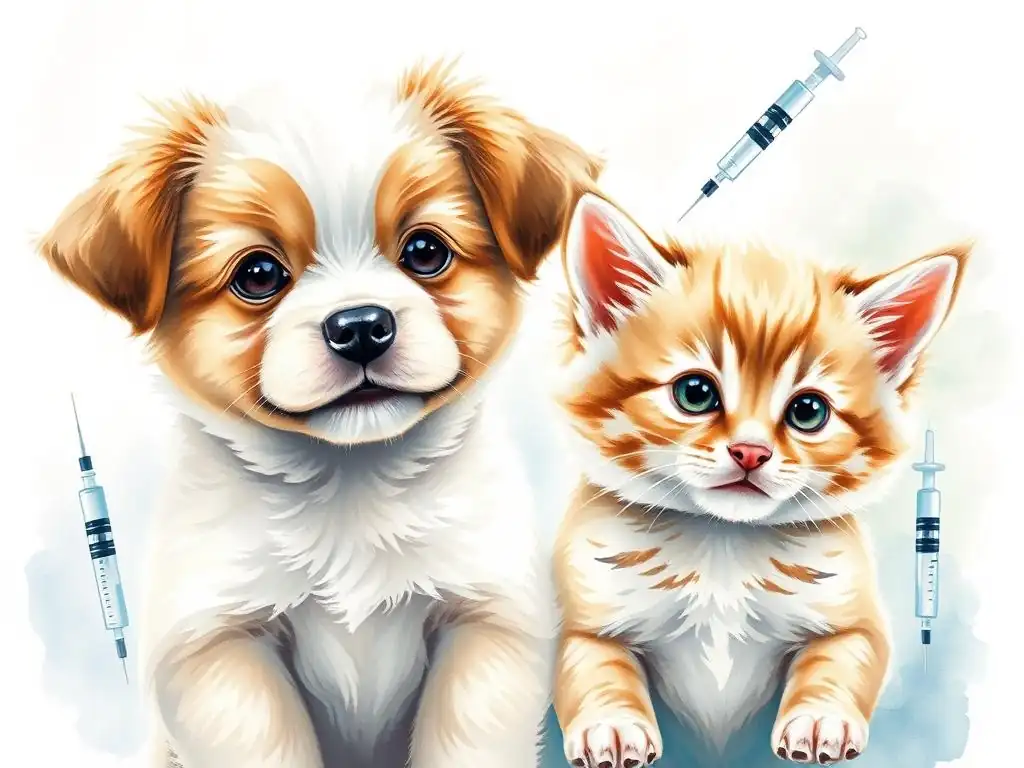
Developing a comprehensive vaccination schedule is crucial for safeguarding your pet's health and well-being. The importance of pet vaccination for overall health cannot be overstated; it's a cornerstone of preventative pet care. This schedule isn't a one-size-fits-all approach; several factors influence the specific timing and types of vaccines needed. This section will delve into the key aspects of creating a tailored vaccination plan, ensuring your furry, feathered, or scaled friend receives optimal protection.
Remember to always consult your veterinarian; they are your best resource for personalized advice based on your pet's unique needs and your region's disease prevalence. Failing to vaccinate your pet exposes them to preventable diseases, leading to potential suffering and increased veterinary costs in the long run. Proactive pet vaccination is a smart investment in your pet's health.
Puppy and Kitten Vaccination Schedules: A Timeline of Core and Non-Core Vaccines
The initial vaccination period for puppies and kittens is particularly critical. This is when their immune systems are developing and they are most vulnerable to contagious diseases. Vaccines are administered in a series, often spaced several weeks apart, to allow for the development of robust immunity. The schedule typically includes core vaccines, essential for protecting against common and potentially life-threatening diseases, and non-core vaccines, which offer protection against less prevalent but still significant illnesses.
The core vaccines for puppies generally include protection against:
- Distemper
- Parvovirus
- Adenovirus (hepatitis)
- Parainfluenza
Kittens typically receive core vaccines for:
- Feline Herpesvirus (FHV-1)
- Feline Calicivirus (FCV)
- Feline Panleukopenia (feline distemper)
- Rabies (required by law in many areas)
Non-core vaccines might include protection against:
- Leptospirosis (for puppies and kittens in high-risk areas)
- Bordetella (kennel cough, for dogs)
- Chlamydophila felis (for cats)
The exact timing of vaccinations varies depending on the vaccine and your veterinarian's recommendations. A typical schedule might involve several visits in the first few months of life, followed by booster shots later. It is vital to adhere to the recommended schedule to ensure complete protection. Early vaccination is vital for building a strong immune response and protecting your young pet from serious illnesses. This is a key aspect of responsible pet ownership and a demonstration of your commitment to their long-term health.
Adult Pet Booster Shots: Maintaining Immunity Through Regular Vaccination
While initial vaccinations lay the groundwork for a strong immune system, booster shots are essential for maintaining that protection over time. The immunity provided by vaccines isn't permanent; it gradually wanes over time, leaving your pet vulnerable to disease. Regular booster shots help to "re-boost" the immune system, ensuring continued protection against these preventable illnesses. The frequency of booster shots depends on the specific vaccine and your pet's individual needs.
Some vaccines require annual boosters, while others might only need to be administered every three years. Your veterinarian will advise you on the appropriate schedule for your pet, considering factors such as their age, breed, lifestyle, and overall health. Keeping your pet up-to-date on their booster shots is just as important as the initial vaccination series. Don't underestimate the ongoing importance of pet vaccination in maintaining your pet's health.
Factors Influencing Vaccination Schedules: Age, Breed, Lifestyle, and Geographic Location
Several factors influence the optimal vaccination schedule for your pet, making it crucial to consult your veterinarian for personalized guidance. These factors include:
| Factor | Influence on Vaccination Schedule |
|---|---|
| Age | Puppies and kittens require a series of vaccinations in their early months, while adult pets need regular booster shots. Senior pets may require modified schedules due to age-related immune changes. |
| Breed | Certain breeds may be predisposed to specific diseases, necessitating tailored vaccination strategies. |
| Lifestyle | Pets with frequent exposure to other animals (e.g., those attending dog parks or boarding facilities) may require more frequent vaccinations or additional vaccines to protect against infectious diseases. |
| Geographic Location | The prevalence of certain diseases varies geographically. Areas with higher disease rates may necessitate more comprehensive and frequent vaccination programs. |
Ignoring these factors can lead to inadequate protection and increased risk of disease. Regular communication with your veterinarian is key to ensuring your pet receives the most appropriate and effective vaccination schedule for their unique circumstances. Remember, proactive pet vaccination is an investment in a healthier, happier, and longer life for your beloved companion. Don't hesitate to ask your vet any questions you may have; they are there to support you in ensuring your pet's optimal health.
Potential Side Effects and Risks of Pet Vaccinations
Pet vaccination is crucial for safeguarding your pet's health, but like any medical procedure, it carries potential side effects and risks. Understanding these possibilities allows pet owners to make informed decisions and manage any potential complications effectively. The severity of reactions varies greatly, ranging from mild discomfort to rare, serious adverse events. The overall benefits of vaccination far outweigh the risks for the vast majority of pets.
However, responsible pet ownership includes being aware of these potential downsides. This section will explore the spectrum of possible reactions, from common minor side effects to rare but serious complications. This information aims to empower pet owners to engage in open communication with their veterinarians regarding vaccination protocols and potential concerns. Remember, your veterinarian is your best resource for personalized advice tailored to your pet's specific health needs and breed predispositions.
Common Minor Reactions and Management: Swelling, Mild Fever, and Lethargy
Many pets experience mild, transient reactions after vaccination. These are typically localized at the injection site and resolve within a few days. The most frequently reported reactions include swelling at the injection site (often a small, localized lump), mild fever (a slightly elevated temperature), and lethargy (unusual tiredness or sluggishness). These symptoms usually manifest within 24 hours of vaccination and are generally considered normal responses to the introduction of the vaccine antigens.
Managing these minor reactions is usually straightforward and involves providing supportive care. Applying a cool compress to the injection site can reduce swelling. Ensuring your pet stays well-hydrated and rested is crucial. Monitoring your pet's temperature and activity levels is also important. If symptoms persist beyond a couple of days, or if you observe any worsening of the pet's condition, contact your veterinarian immediately.
For example, a persistent high fever, significant swelling, or continued lethargy warrants veterinary attention. Remember, early intervention can help prevent minor issues from escalating into more serious problems. This proactive approach is crucial for maintaining your pet's overall well-being. Early detection and prompt treatment are key components of responsible pet vaccination.
Rare but Serious Adverse Events: Anaphylaxis and Vaccine-Associated Sarcomas
While rare, serious adverse events can occur following pet vaccinations. Anaphylaxis, a severe allergic reaction, is one such possibility. Symptoms can include sudden swelling of the face, difficulty breathing, hives, and collapse. This is a medical emergency requiring immediate veterinary attention. Prompt treatment with epinephrine is essential to save the pet's life. The incidence of anaphylaxis is low, but pet owners should be aware of the signs and symptoms to act swiftly if they occur.
Another rare but serious concern is vaccine-associated sarcomas (VAS). These are cancerous tumors that can develop at the injection site, particularly in cats receiving feline leukemia virus (FeLV) vaccines. While the risk is low, it's a significant consideration. Veterinarians are aware of this risk and often employ strategies to minimize it, such as administering vaccines in different locations and opting for non-adjuvanted vaccines when possible.
Regular veterinary check-ups, especially after vaccination, are crucial for early detection of any unusual lumps or swellings at injection sites. Early detection significantly improves the chances of successful treatment. The importance of regular veterinary care cannot be overstated in mitigating these rare, but potentially life-threatening risks.
Addressing Concerns About Vaccine Safety: Dispelling Common Myths and Misconceptions
Many misconceptions surround pet vaccinations, leading to concerns about their safety. It's vital to address these myths with factual information based on scientific evidence. For instance, the claim that vaccines cause autism in pets is completely unfounded and lacks any scientific basis. Similarly, the belief that a pet's immune system is strong enough to fight off diseases without vaccines is a dangerous oversimplification. While some pets might have a robust immune system, this doesn't guarantee protection against all pathogens. Many diseases are highly contagious and potentially fatal.
The benefits of vaccination significantly outweigh the risks for the vast majority of pets. Vaccines provide a safe and effective way to protect against potentially deadly diseases. The core vaccines protect against prevalent and highly contagious illnesses, preventing suffering and saving lives. Regular veterinary check-ups offer an opportunity to discuss any concerns about vaccine safety and to develop a vaccination plan tailored to your pet's individual needs and risk factors.
Open communication with your veterinarian is key to making informed decisions about your pet's health and well-being. Remember, responsible pet ownership includes making choices that prioritize your pet's health and safety. By understanding the facts and seeking professional veterinary guidance, you can ensure your pet receives the best possible protection against preventable diseases.
Choosing the Right Veterinarian for Your Pet's Vaccinations
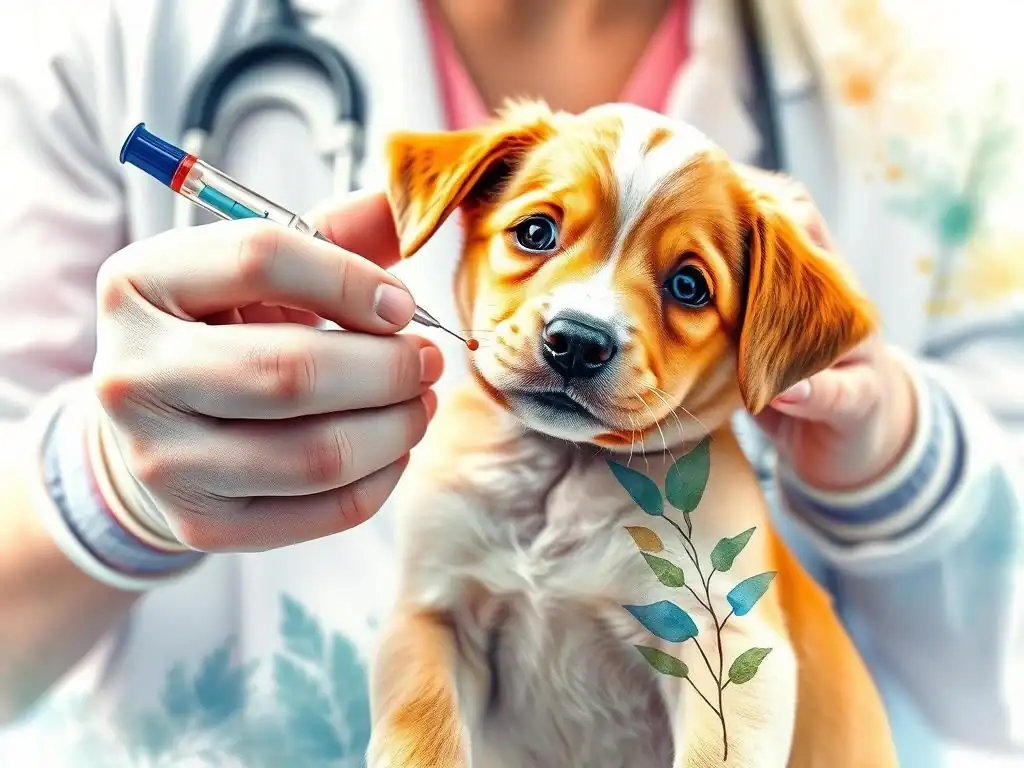
Selecting the right veterinarian is crucial for ensuring your pet receives appropriate and timely vaccinations. This decision impacts not only the immediate health of your pet but also their long-term well-being and protection against preventable diseases. The importance of pet vaccination health cannot be overstated, and a knowledgeable veterinarian plays a vital role in this process. Choosing poorly can lead to missed vaccinations, inappropriate vaccine schedules, or even adverse reactions due to improper administration.
Finding a Reputable Veterinarian Near You: Utilizing Online Resources and Seeking Recommendations
Finding a reputable veterinarian starts with utilizing online resources. Many websites provide directories of veterinarians, allowing you to filter by location, species treated, and even services offered, such as specific vaccination protocols. Look for reviews and ratings from other pet owners; these testimonials offer valuable insights into the veterinarian's professionalism, communication style, and overall care.
Don't hesitate to reach out to your network; friends, family, and fellow pet owners can provide invaluable personal recommendations. Word-of-mouth referrals often highlight the strengths and weaknesses of a particular veterinary practice, giving you a more comprehensive picture before your first visit. Consider factors like the clinic's cleanliness, the staff's friendliness, and the overall atmosphere.
A comfortable and welcoming environment can significantly reduce your pet's stress during visits, which is especially important for vaccination appointments. Remember, a good veterinarian will take the time to answer your questions thoroughly and address your concerns regarding pet vaccination health importance.
Importance of Regular Veterinary Checkups: Comprehensive Healthcare Beyond Vaccinations
Regular veterinary checkups are essential for maintaining your pet's overall health, extending far beyond just vaccinations. These checkups provide opportunities for early detection of potential health problems. During these visits, your veterinarian can assess your pet's weight, examine their coat and skin, listen to their heart and lungs, and check their teeth and gums.
Early detection of issues like heart murmurs, dental disease, or skin allergies allows for prompt intervention, improving your pet's quality of life and potentially preventing more serious conditions later. Moreover, regular checkups allow for personalized recommendations regarding nutrition, parasite prevention, and other aspects of preventative care. These checkups are interwoven with the vaccination schedule, creating a holistic approach to pet vaccination health importance and overall well-being.
Think of vaccinations as one piece of a larger puzzle; regular checkups provide the context and complete picture of your pet's health status. The frequency of these checkups varies depending on age and breed, so consult your veterinarian for a tailored schedule.
Communicating with Your Veterinarian About Vaccination Concerns: Open Dialogue and Informed Decision-Making
Open communication with your veterinarian is paramount. Don't hesitate to ask questions about the types of vaccines recommended for your pet, the potential side effects, and the vaccination schedule. Understanding the reasoning behind each vaccine and its potential benefits and risks allows for informed decision-making.
Some pet owners have concerns about vaccine safety; discussing these concerns openly with your veterinarian will help alleviate anxieties and ensure you are making the best choices for your pet's health. A good veterinarian will patiently address your concerns and provide evidence-based information to support their recommendations. Remember, you are your pet's advocate, and actively participating in these conversations ensures your pet receives the best possible care.
Documenting vaccination dates and any observed reactions can also be beneficial for future reference and helps maintain a clear record of your pet's vaccination history. This proactive approach to communication reinforces the importance of pet vaccination health and fosters a strong partnership between you and your veterinarian. Clear communication is key to ensuring optimal pet vaccination health importance.
The Long-Term Benefits of Pet Vaccinations: A Healthy and Happy Life

Pet vaccination health importance is paramount for ensuring your pet enjoys a long and healthy life. While the immediate benefit is protection from specific diseases, the long-term advantages extend far beyond this initial defense. Regular vaccinations significantly contribute to your pet's overall well-being, impacting their quality of life and strengthening the bond you share. Think of it as an investment in their future happiness.
Preventing Costly Illness and Treatment: Reducing Veterinary Bills and Prolonging Healthy Lifespans
The cost of treating a preventable disease can be substantial. A single bout of parvovirus, for example, can lead to thousands of dollars in veterinary bills, intensive care, and potential long-term health complications. Vaccinations provide a cost-effective preventative measure, significantly reducing the likelihood of these expensive and emotionally draining situations. By investing in routine vaccinations, you're not only protecting your pet's health but also your financial well-being.
This proactive approach helps to prolong their healthy lifespan, allowing you to enjoy more years of companionship without the burden of unexpected veterinary expenses. Consider the following hypothetical scenario: Without vaccinations, a dog might contract kennel cough, resulting in a $500 vet bill for treatment. With vaccinations, that cost is avoided, and the dog's health is preserved. The long-term savings are clear.
Ensuring a Longer Lifespan for Your Beloved Companion: Protecting Against Life-Threatening Diseases
Many diseases preventable through vaccination are life-threatening. Rabies, for instance, is almost always fatal if untreated. Similarly, feline leukemia virus (FeLV) can severely compromise a cat's immune system, leading to a range of secondary infections and a significantly shorter lifespan. By vaccinating your pet, you're actively safeguarding them against these devastating illnesses, giving them a much greater chance of living a long and fulfilling life.
The impact on your pet's longevity is undeniable; vaccination translates directly into more time spent with your beloved companion. Studies consistently demonstrate a correlation between comprehensive vaccination schedules and increased lifespan in various pet populations. This isn't just about adding a few months; we're talking about potentially adding years to their life, years filled with joy, playtime, and unwavering companionship.
The Ethical Responsibility of Pet Vaccination: Protecting Community Health Through Herd Immunity
Pet vaccination health importance extends beyond individual animals; it's crucial for the health of the entire pet community. Herd immunity, a concept where a significant portion of a population is vaccinated, protects even unvaccinated animals. This is particularly important for pets with compromised immune systems or those who cannot be vaccinated due to health reasons.
By vaccinating your pet, you contribute to this collective protection, reducing the spread of contagious diseases and creating a safer environment for all animals. This is a demonstration of responsible pet ownership, reflecting a commitment to the well-being of your own pet and the broader pet population. Think of it as a social contract—your vaccination contributes to the health and safety of the entire community.
Failing to vaccinate not only puts your pet at risk but also potentially endangers other animals. This ethical responsibility should not be taken lightly. The collective impact of widespread vaccination is a healthier and safer environment for all pets.
Frequently Asked Questions
What is the importance of pet vaccinations?
Pet vaccinations are crucial for protecting your pet from serious and potentially fatal diseases. They work by building your pet's immunity, preventing illness and outbreaks. Regular vaccinations are a key part of preventative healthcare.
Which vaccinations does my pet need?
The necessary vaccinations depend on your pet's species, age, lifestyle, and location. Consult your veterinarian to determine a customized vaccination schedule. They will consider your pet's individual risk factors.
Are there any risks associated with pet vaccinations?
While rare, some pets may experience mild side effects like lethargy or soreness at the injection site. Serious reactions are extremely uncommon. The benefits of vaccination far outweigh the potential risks.
How often should I vaccinate my pet?
Vaccination schedules vary depending on the vaccine and your pet's species. Your vet will create a personalized schedule based on your pet's needs and risk profile. Annual booster shots are often necessary for core vaccines.
What if my pet is already sick? Can I still vaccinate them?
It's vital to consult your veterinarian before vaccinating a sick pet. Vaccinations may not be suitable if your pet is already unwell, as this could weaken their immune system further. Your vet will assess their condition and advise accordingly.
Final Reflection: The Unwavering Importance of Pet Vaccinations
The health and well-being of our beloved animal companions are inextricably linked to the preventative power of vaccinations. Failing to protect them through vaccination is not only irresponsible but also leaves them vulnerable to a range of debilitating and potentially fatal diseases. This reality underscores the urgent need for responsible pet ownership and proactive healthcare.
The impact of widespread vaccination programs on pet health is undeniable, transforming the landscape of veterinary medicine and dramatically improving the lives of countless animals. The reduction in preventable diseases has allowed our pets to live longer, healthier lives, strengthening the human-animal bond in profound ways. The bond with a pet is one of the purest and most unconditional forms of love.
This simple statement highlights the responsibility we bear to safeguard the health of those we cherish. The ongoing education and awareness surrounding pet vaccinations are crucial to ensuring the continued success of these life-saving programs.
Consider the legacy you wish to leave for your pet. Will it be one of proactive care and unwavering commitment to their well-being, or one marked by preventable suffering? Take the time today to schedule your pet's vaccinations, and empower yourself with the knowledge to make informed decisions about their healthcare. Your pet's future, filled with joy, health, and companionship, depends on it.
Unlock Your Pet's Healthiest Life: Take Action Today!
Thank you for learning about the crucial role vaccinations play in your pet's well-being. We hope you found this information helpful. Now, let's put that knowledge into action!
- Schedule your pet's next vaccination appointment. This is the most important step you can take to protect their health. Don't delay – their well-being depends on it!
- Share this information with other pet owners. Help spread awareness about the importance of preventative care.
- Learn more about pet health. Consult your local veterinarian or animal shelter for additional resources and discover even more ways to keep your furry friend healthy and happy.
Ready to give your pet the best possible care? What's the first step you'll take to ensure their vaccinations are up-to-date?