
How to Introduce Dental Chews to Your Pet: A StepbyStep Guide

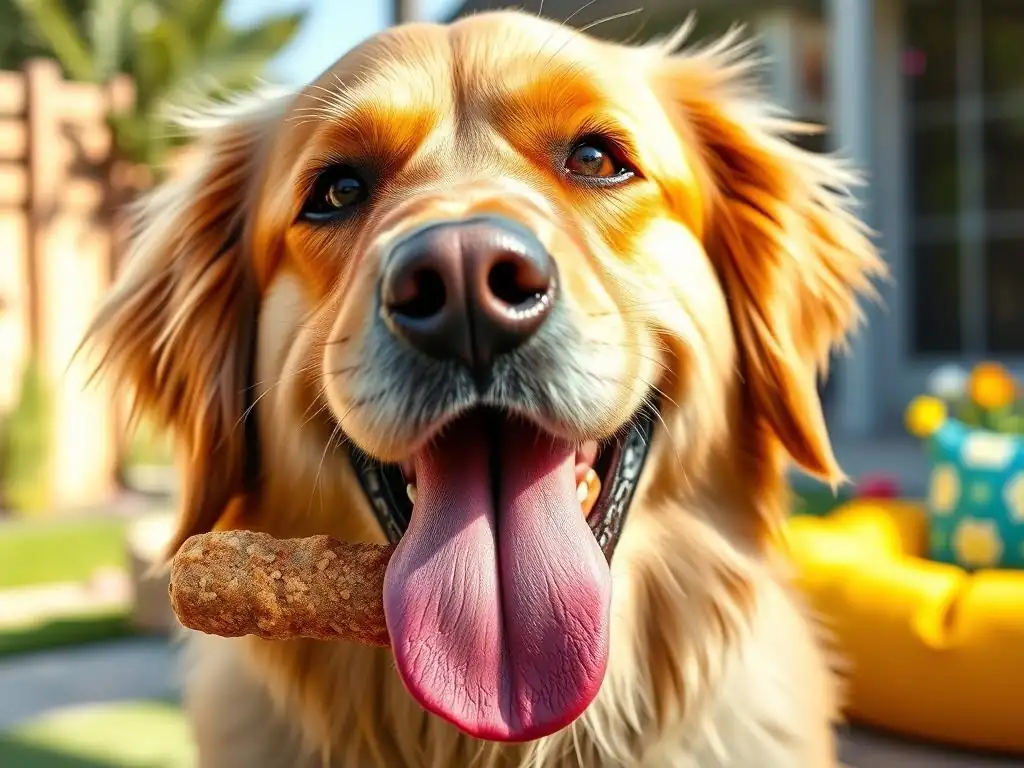
Welcome to PetCareWorld, your ultimate guide to a happier, healthier life for your beloved companion! Are you ready to unlock the secrets to a sparkling smile for your furry friend? Our in-depth guide to introducing dental chews will walk you through a simple, step-by-step process, ensuring a smooth transition and a lifetime of healthy chompers. Discover how to make dental care a positive experience for both you and your dog. Dive in and learn more about this essential aspect of dog dental health now!
- Choosing the Right Dental Chew for Your Pet
- Preparing Your Pet for Dental Chew Introduction
- Step-by-Step Guide: Introducing Dental Chews
- Maintaining a Consistent Dental Chew Routine
- Troubleshooting Common Issues with Dental Chew Introduction
- Beyond Dental Chews: Complementary Oral Care Practices for Pets
- FAQ: Addressing Common Concerns about Dog Dental Chew Introduction
- Frequently Asked Questions
- Final Reflection: The Lasting Smile: A Journey to Better Dental Health for Your Canine Companion
- Unlock Your Pet's Happiest, Healthiest Smile!
Choosing the Right Dental Chew for Your Pet
Introducing dental chews to your pet's routine can significantly improve their oral hygiene and overall health. This comprehensive guide provides a step-by-step approach to safely and effectively integrating dental chews into your pet's daily life, focusing on dogs – a common target for dental chew recommendations. We'll cover selecting the right chew, considering your pet's individual needs, and gradually introducing the new treat to avoid any negative reactions.
Remember, consulting your veterinarian before making significant changes to your pet's diet, especially if they have pre-existing health conditions, is always recommended. This guide aims to empower you to make informed decisions about your dog's dental health, contributing to a happier and healthier life for your furry friend. Proper dental hygiene is crucial for preventing costly and painful dental issues down the line, and this guide will help you navigate the process with confidence.
Understanding Your Pet's Breed and Size
The first step in choosing the right dental chew is understanding your pet's individual characteristics. Breed and size play a crucial role in determining the appropriate chew size and hardness. Smaller breeds, like Chihuahuas or Yorkies, require smaller, softer chews to avoid choking hazards and potential damage to their delicate teeth and jaws. Larger breeds, such as German Shepherds or Golden Retrievers, can handle larger, tougher chews designed to withstand more vigorous chewing.
Consider your dog's jaw strength and chewing habits. Some breeds are known for more aggressive chewing than others. Choosing a chew that is too soft might not provide sufficient cleaning action for a powerful chewer, while a chew that is too hard could damage their teeth. This careful consideration ensures the dental chew is both effective and safe.
Identifying Specific Dental Needs (e.g., tartar buildup, gum disease)
Before selecting a dental chew, it's essential to assess your pet's specific dental needs. Has your veterinarian diagnosed any dental problems, such as tartar buildup or gum disease? Some chews are formulated to target specific issues. For example, chews with a rougher texture may be more effective at removing plaque and tartar buildup, while those with ingredients that promote gum health may help address gum disease.
Regular veterinary checkups are crucial for early detection and treatment of dental problems. Your vet can provide personalized recommendations based on your dog's individual oral health status. They may also advise on the frequency of dental chew use and recommend professional cleaning if necessary. Don't hesitate to discuss your options with your vet to ensure you choose the most suitable dental chew for your pet's specific needs.
Selecting Appropriate Chew Size and Hardness
Once you understand your pet's breed, size, and specific dental needs, you can select an appropriate chew size and hardness. The packaging of most dental chews provides guidelines on appropriate size and breed recommendations. Always follow these guidelines carefully. A chew that's too large can pose a choking hazard, while one that's too small might be swallowed whole without providing any cleaning benefit.
Similarly, the hardness of the chew should be appropriate for your dog's jaw strength. Too hard a chew can crack or damage teeth, while one that's too soft might break down too quickly, offering limited cleaning action. Observe your dog while they are chewing; if they seem to be struggling or exhibiting signs of discomfort, discontinue use and choose a different chew with a different texture or hardness. Remember, safety and effectiveness should always be prioritized.
Reading Chew Ingredient Labels and Identifying Potential Allergens
Understanding your pet's dietary needs and potential allergies is crucial when selecting dental chews. Carefully scrutinizing ingredient labels is paramount to ensuring your dog's safety and well-being. Many dental chews contain common allergens, and an allergic reaction can range from mild skin irritation to severe gastrointestinal distress. Always check the label for potential allergens specific to your dog, even if they haven't exhibited allergies in the past. A seemingly innocuous ingredient could trigger a reaction, especially with repeated exposure.
Pay close attention to the order of ingredients. Ingredients are listed in descending order by weight, so the first few ingredients constitute the largest portion of the chew. If your dog has a known allergy to beef, for example, and beef is listed prominently, you'll want to consider an alternative. Similarly, common allergens like chicken, dairy products, soy, wheat, and corn are frequently found in pet treats. Even seemingly harmless ingredients like certain preservatives or artificial colorings could trigger a reaction in sensitive dogs.
Beyond the obvious allergens, be aware of potential hidden allergens. Some chews might use flavorings or extracts derived from allergenic sources. For instance, a chew flavored with chicken might contain chicken fat or other chicken by-products, even if "chicken" isn't explicitly listed as a primary ingredient. Therefore, thorough reading and understanding of the entire ingredient list is essential. If you're unsure about a specific ingredient, contact the manufacturer directly or consult your veterinarian for clarification.
Remember, preventative measures are far better than dealing with an allergic reaction. A proactive approach to ingredient selection can significantly contribute to your dog's overall health and happiness. Choosing the right dental chew isn't just about cleaning teeth; it's about ensuring your pet's safety and well-being. 🐶
Preparing Your Pet for Dental Chew Introduction

This section focuses on the crucial preparatory steps before introducing dental chews to your canine companion. A successful introduction hinges on careful planning and understanding your pet's individual needs and preferences. Ignoring this phase can lead to rejection of the chews, creating unnecessary stress for both you and your pet. We'll cover key aspects to ensure a smooth transition. Remember, patience and positive reinforcement are paramount throughout this process. This guide is specifically tailored for dog dental chew introduction, but many principles can be adapted for other pets.
Gradual Introduction to New Textures and Flavors
Introducing new textures and flavors abruptly can lead to apprehension or even refusal. Start by offering small pieces of a soft, palatable dental chew, perhaps a slightly different flavor than their usual treats. Observe your dog's reaction closely. Does he/she readily accept it? Do they chew it thoroughly, or just nibble and drop it? Note any signs of discomfort, such as excessive drooling or pawing at the mouth.
If your dog seems hesitant, try breaking the chew into even smaller pieces, or mixing it with a small amount of their regular food. Gradually increase the size and frequency of the offering over several days. The goal is to create positive associations with the new texture and flavor. Consider experimenting with different brands and types of dental chews to find one that appeals to your dog's palate. Data from pet food manufacturers suggests that dogs show a preference for beef, chicken, and peanut butter flavored chews, but individual preferences vary significantly.
Remember, this process isn't a race. Take your time, and don't force your dog to eat the chew if they show clear signs of resistance. A gradual approach is key to success. For example, you might start with a small, soft piece once a day, then increase to two small pieces, and eventually progress to a larger chew. Monitoring your dog's response at each stage is critical. This detailed approach ensures a positive introduction.
Positive Reinforcement Training Techniques
Positive reinforcement is essential for a successful dental chew introduction. Never punish your dog for not immediately accepting the chew. Instead, associate the chew with positive experiences. Use high-value rewards, such as small pieces of cooked chicken or their favorite treats, along with verbal praise. This creates a positive association with the dental chew.
Here's a sample training plan:
| Day | Action | Reward | Notes |
|---|---|---|---|
| 1 | Offer small piece of chew | High-value treat + praise | Observe reaction closely |
| 2 | Offer two small pieces | High-value treat + praise | If hesitant, reduce size or mix with regular food |
| 3-7 | Gradually increase size/freq | High-value treat + praise | Monitor for any signs of discomfort or rejection |
| 7+ | Offer full-size dental chew | Praise and occasional treats | Continue positive reinforcement, especially during initial chewing stages |
Employing this method will help your dog understand that the dental chew is a desirable item, leading to increased acceptance. Consistency is key; maintain this positive reinforcement approach throughout the introduction phase. Positive reinforcement is more effective than punishment and fosters a strong bond between you and your pet.
Creating a Calm and Comfortable Environment
The environment plays a crucial role in your pet's acceptance of the dental chew. A stressful or distracting environment can lead to rejection. Choose a quiet, comfortable location for the introduction. Avoid feeding the chew during times of high activity or when other pets are present. A relaxed atmosphere reduces anxiety and promotes acceptance.
Consider the following:
- Minimize distractions: Turn off the TV, put away noisy toys, and ensure a calm environment.
- Positive associations: Pair the introduction with other enjoyable activities, like a gentle petting session.
- Supervision: Always supervise your dog during the initial introduction to prevent choking hazards.
By creating a calm and reassuring atmosphere, you significantly increase the likelihood of a positive introduction. Remember, your dog's comfort and well-being are paramount. A relaxed environment encourages positive associations with the dental chews and promotes a healthy dental routine. This detailed approach will help ensure a successful and stress-free experience for both you and your furry friend.
Step-by-Step Guide: Introducing Dental Chews
This section provides a detailed, step-by-step guide on safely introducing dental chews to your canine companion. Remember, each dog is unique, and what works for one may not work for another. Always prioritize your pet's safety and well-being. This guide focuses specifically on dog dental chew introduction, offering a practical approach to ensure a smooth transition and optimal dental health benefits.
Step 1: Initial Observation - Monitoring Chew Acceptance
The first step is crucial in establishing a positive association with the new dental chew. Begin by offering a small piece of the chew – a fragment, not the whole thing – and observe your dog's reaction closely. Is your dog curious? Does he or she sniff it cautiously or immediately gobble it down? Note the dog's body language; a relaxed posture and gentle chewing indicate acceptance, while excessive drooling, restlessness, or avoidance signals potential apprehension.
Some dogs might be initially hesitant. Don't force the chew; instead, try offering it alongside their regular treats. Positive reinforcement, such as praise and gentle encouragement, can help build positive associations. It's also important to consider the type of chew you're introducing. Hard chews require more chewing effort than softer options.
Start with a softer texture if your dog shows any signs of discomfort with harder chews. This initial observation period allows you to gauge your dog's comfort level and adjust your approach accordingly. Document your observations—this helps you tailor future sessions and identify potential issues early. Remember to select a chew that is appropriately sized for your dog's breed and age to prevent choking hazards.
Step 2: Short Chew Sessions - Gradually Increasing Duration
Once your dog shows initial acceptance of the dental chew, start with very short supervised chewing sessions. Aim for 5-10 minutes initially, gradually increasing the duration by 5 minutes each day, or as tolerated by your dog. This gradual increase prevents overwhelming your dog and allows for proper digestion. Observe your dog for signs of fatigue or discomfort during these sessions; they might yawn excessively, become restless, or exhibit changes in their chewing pattern. If you notice any of these signs, shorten the session and try again later.
Consider scheduling these sessions at the same time each day to establish a routine. This predictability can help reduce anxiety and make the experience more comfortable for your dog. Always ensure the chewing environment is safe and free from distractions. A quiet area where your dog feels secure is ideal.
Reward your dog with praise and affection during and after the session to reinforce positive behavior. Keep a log of the duration of each session and your dog's reactions. This data will help you track progress and identify any potential problems. Regularly monitor the chew's condition to ensure it's not becoming too small and posing a choking hazard.
Step 3: Monitoring for Any Adverse Reactions (e.g., digestive upset, choking hazards)
Throughout the introduction process, closely monitor your dog for any adverse reactions. Pay close attention to their digestive system; diarrhea, vomiting, or changes in bowel movements could indicate a sensitivity to the ingredients in the dental chew. Similarly, watch for any signs of choking or difficulty swallowing. If your dog exhibits these symptoms, immediately discontinue using the chew and consult your veterinarian.
It's also crucial to choose dental chews that are specifically formulated for dogs. Human-grade chews may contain ingredients that are toxic to dogs. Always check the ingredient list and ensure it's suitable for canine consumption. Remember, a healthy digestive system is vital for overall health. If you suspect a reaction, collect samples of the chew and any stool samples for veterinary analysis, which may help determine the cause of the reaction.
The safety and well-being of your furry friend should always be your top priority. Remember, a proactive approach to monitoring your dog's response to the dental chews is key to ensuring a positive and safe experience. Consider keeping a detailed record of your observations, including the type of chew, the duration of the chewing sessions, and any reactions observed. This record will be invaluable if you need to consult your veterinarian.
Step 4: Supervise Your Pet During Chew Time

Introducing a new dental chew means careful monitoring, especially during the initial stages. Never leave your dog unattended with a dental chew, particularly if it's a new type or a larger size. Some dogs, especially puppies or those prone to gulping their food, might try to swallow the chew whole, posing a choking hazard. Close supervision allows you to intervene if necessary and ensures your pet chews appropriately, maximizing the dental benefits.
Observe your dog's chewing style; if they're aggressively gnawing or breaking off large pieces, you might need to consider a softer or smaller chew. Consistent monitoring also helps identify any potential adverse reactions, such as digestive upset or allergies. Remember that a happy chewing experience is a safe chewing experience. Pay attention to your dog's body language; excessive drooling, pawing at the mouth, or restlessness could indicate discomfort or a problem with the chew.
Early intervention can prevent serious complications. This careful observation period is crucial for understanding your dog's preference and ensuring the dental chew is a positive addition to their routine. For example, if your Labrador Retriever, Max, seems to be struggling with a particularly tough chew, switching to a softer option might be the best solution.
Step 5: Integrating Dental Chews into Daily Routine
Once your pet has successfully adjusted to the dental chew, it's time to integrate it into their daily routine. Consistency is key to making dental chews a regular part of your pet's oral hygiene regimen. Start by incorporating the chew at a consistent time each day, perhaps after their main meal or during a specific playtime period. This predictability will help your dog anticipate the treat and establish a positive association with the chew. Initially, you might offer the chew for a limited time, gradually increasing the duration as your pet becomes more comfortable.
Remember to adjust the frequency and duration based on your pet's breed, size, age, and the specific recommendations on the dental chew packaging. For instance, a smaller breed dog might only need a small chew once a day, while a larger breed might benefit from a larger chew twice a day. Always monitor water intake; adequate hydration is crucial, especially when introducing new treats. Consider using a reward system to positively reinforce the chewing behavior.
For example, praise and affection can enhance the positive experience. This systematic integration ensures that the dental chew becomes a normal and enjoyable part of your dog's day, promoting healthy teeth and gums long-term. A well-established routine fosters good oral hygiene habits and contributes to your pet's overall well-being. 🐶
Maintaining a Consistent Dental Chew Routine
Maintaining a consistent dental chew routine is crucial for maximizing the benefits and ensuring your pet's oral health improves. Inconsistency can negate the positive effects of dental chews, leading to potential dental issues down the line. Think of it like brushing your own teeth – if you only do it occasionally, you won't see optimal results. The same principle applies to your furry friend. Regular use helps prevent plaque and tartar buildup, promoting healthier gums and teeth.
Establishing a Regular Schedule for Chew Administration
Establishing a consistent schedule is paramount. Instead of giving dental chews haphazardly, integrate them into your pet's daily or weekly routine. For example, you could give your dog a dental chew after their morning walk or your cat a chew after dinner. Consistency is key; aim for the same time each day or week to create a habit. This predictability helps your pet associate the chew with a positive experience, making it easier to administer.
Consider factors like your pet's breed, size, and age when determining the appropriate frequency. Smaller breeds might need less frequent chews than larger breeds. Always follow the manufacturer's recommendations on the packaging for appropriate dosage and frequency. Overdoing it can lead to digestive upset, while underdoing it might not provide sufficient cleaning benefits. Keep a chew log or use a reminder app on your phone to maintain consistency, especially in busy schedules. This detailed approach will help you avoid missing days and ensure that your pet receives the dental care they need.
Combining Dental Chews with Professional Dental Cleanings
While dental chews are an excellent addition to your pet's oral hygiene routine, they are not a replacement for professional dental cleanings. Just as we need regular visits to the dentist, our pets require professional dental care. Regular veterinary dental cleanings remove tartar and plaque that even the most effective dental chews can't reach. A professional cleaning also allows your veterinarian to identify and address any underlying dental problems early on.
Think of dental chews as a preventative measure, a supplement to professional care, not a substitute. A balanced approach that combines regular dental chew use with biannual or annual professional cleanings offers the most comprehensive protection against dental disease. Discuss the optimal frequency of professional cleanings with your veterinarian, considering your pet's breed, age, and overall health. This combined strategy will significantly improve the long-term health of your pet’s teeth and gums.
Recognizing Signs of Dental Problems Requiring Veterinary Attention
Even with a diligent dental chew routine and professional cleanings, it's crucial to be vigilant about potential dental problems. Early detection is key to effective treatment and preventing more serious complications. Knowing the warning signs allows you to seek veterinary attention promptly.
Some common signs of dental problems include: bad breath (halitosis), excessive drooling, difficulty eating, pawing at the mouth, bleeding gums, loose teeth, swelling around the mouth, and changes in appetite. If you observe any of these symptoms, schedule an appointment with your veterinarian immediately. Don't hesitate; early intervention can often save your pet from significant pain and expensive treatments later on. Remember, proactive care is the best approach to maintaining your pet's optimal dental health and overall well-being. Regular monitoring and prompt veterinary attention are vital components of a successful dental care strategy for your beloved pet.
Dental Chew Storage and Shelf Life
Proper storage is crucial for maintaining the quality and safety of your dog's dental chews. Improper storage can lead to spoilage, attracting pests, or even the growth of harmful bacteria. This can render the chews inedible and potentially harmful to your pet. Always check the packaging for specific storage instructions provided by the manufacturer. These instructions often vary depending on the type of chew (e.g., rawhide, nylon, vegetable-based).
Generally, most dental chews should be stored in a cool, dry place, away from direct sunlight and excessive heat or humidity. A pantry or cupboard is usually ideal. Avoid storing them in damp areas like basements or near sinks, as moisture can degrade the chews and promote mold growth. Keeping them in an airtight container, such as a sealed plastic bag or a tightly closed container, further helps to prevent moisture absorption and maintain freshness. 1 This is particularly important for chews that are susceptible to moisture damage.
The shelf life of dental chews varies greatly depending on their composition and how they are stored. Rawhide chews, for example, typically have a longer shelf life than softer, more easily perishable chews. Always check the "best by" or "expiration" date printed on the packaging. Once opened, it is advisable to consume the chews within a shorter timeframe than the overall shelf life indicated on the unopened packaging.
If you notice any signs of spoilage, such as discoloration, unusual odor, or mold growth, discard the chews immediately. Never give your dog spoiled or damaged dental chews. Their health and safety should always be the top priority.
1 This recommendation is based on general best practices for food storage and may vary depending on the specific brand and type of dental chew. Always refer to the manufacturer's instructions for optimal storage.
Troubleshooting Common Issues with Dental Chew Introduction

Introducing dental chews to your canine companion isn't always a smooth process. Even the most enthusiastic chewers might initially resist a new type of dental chew, or develop unexpected reactions. This section addresses common problems and offers practical solutions to ensure a positive experience for both you and your pet. Remember, patience and a gradual approach are key to successful dental chew integration. This guide focuses specifically on dog dental chew introduction, offering tailored advice for canine owners.
Addressing Pickiness or Refusal of Dental Chews
Many dogs, especially those accustomed to specific treats, may initially reject dental chews. This isn't necessarily a sign of dislike; it simply reflects their preference for familiar tastes and textures. Here's how to overcome pickiness:
- Start Small: Begin with very small pieces of the dental chew, or try a different brand with a more appealing flavor or texture. Think of it like introducing a new food – you wouldn’t offer a whole steak to a picky eater!
- Positive Reinforcement: Pair the dental chew with positive reinforcement. Offer it alongside their regular treats and praise them enthusiastically when they take a bite. Consider using high-value rewards, like small pieces of cooked chicken or their favorite kibble, to associate the chew with something positive.
- Vary the Texture and Flavor: Not all dental chews are created equal. Experiment with different shapes, sizes, and flavors to find one your dog enjoys. Some dogs prefer softer chews, while others like a tougher challenge. A little trial and error is often necessary.
- Gradual Introduction: Don't overwhelm your dog. Introduce the chew slowly, perhaps offering a small piece once or twice a day, gradually increasing the amount as they become more comfortable with it.
- Warm-up the Chew (Optionally): Slightly warming the chew in the microwave for a few seconds can sometimes enhance the aroma and make it more appealing. Always check the temperature to avoid burning your dog's mouth.
Dealing with Excessive Chew Destruction or Swallowing
While dental chews are designed to promote oral hygiene, some dogs might exhibit excessive chewing or swallowing behavior. This can be detrimental to their dental health and digestive system. Here's how to manage this:
- Supervise Chew Time: Always supervise your dog while they are chewing on a dental chew. This allows you to monitor their chewing habits and intervene if they start to swallow large pieces whole.
- Choose Appropriate Size and Hardness: Select dental chews that are appropriately sized for your dog's breed and age. Too-large chews can be a choking hazard, while too-small chews may be swallowed whole. Consider the hardness as well; some dogs may readily destroy soft chews while others need a tougher challenge.
- Rotate Chew Types: Switching between different types of dental chews can help prevent your dog from developing a habit of destructive chewing or swallowing. Variety can keep them engaged and less likely to gobble it down.
- Break Up Larger Chews: If your dog tends to swallow large pieces, break the chew into smaller, more manageable pieces before offering it to them. This reduces the risk of choking or digestive upset.
- Consult Your Veterinarian: If your dog consistently exhibits problematic chewing or swallowing behavior, consult your veterinarian. They can rule out any underlying medical conditions and offer further guidance.
Managing Potential Digestive Issues from Dental Chews
Dental chews, while beneficial for oral health, can sometimes cause digestive upset in sensitive dogs. Pay attention to your dog's stool and overall behavior.
- Monitor Stool Consistency: Observe your dog's bowel movements after introducing a new dental chew. Changes in stool consistency, such as diarrhea or constipation, could indicate a digestive issue. Keep a log of chew types and any resulting changes.
- Introduce Gradually: A gradual introduction minimizes the risk of digestive upset. Start with small amounts and increase gradually, allowing your dog's digestive system time to adapt.
- Choose High-Quality Chews: Opt for dental chews made from high-quality, easily digestible ingredients. Look for chews with minimal fillers and artificial additives. Read labels carefully!
- Provide Access to Fresh Water: Ensure your dog has access to plenty of fresh water, especially after chewing on a dental chew. Adequate hydration aids in digestion.
- Consult Your Veterinarian: If your dog experiences persistent digestive issues after introducing dental chews, consult your veterinarian. They can help determine the cause and recommend appropriate treatment. They may suggest alternative dental care options if necessary. This is crucial for your dog's overall well-being.
What to do if your pet chokes on a dental chew
Choking is a serious emergency, and swift action is crucial. If your dog or cat is choking on a dental chew, remain calm and follow these steps immediately. First, carefully assess the situation. Is your pet able to breathe? Is there any visible obstruction in their mouth? If they are struggling to breathe, making gagging sounds, or exhibiting a bluish tint to their gums (cyanosis), you need to act quickly.
The Heimlich maneuver is often recommended for human choking victims, but its application to pets requires caution and can potentially cause more harm than good if not performed correctly. Do not attempt the Heimlich maneuver unless you are properly trained. Incorrect execution can lead to internal injuries.
Instead, try to visually inspect your pet's mouth. If you can see the chew lodged in their throat, gently try to remove it with your fingers or tweezers, being extremely careful not to push it further down. However, if you can't see the obstruction or if attempting removal causes further distress, move to the next step.
Your next action should be to contact your veterinarian or an emergency animal hospital immediately. Explain the situation clearly and concisely. They will provide guidance based on your pet's specific circumstances and may advise you to bring your pet in for immediate care.
While waiting for veterinary assistance, continue to monitor your pet's breathing and heart rate. If your pet loses consciousness, begin CPR (Cardiopulmonary Resuscitation) if you are trained. Remember that successful CPR requires proper technique; if unsure, focus on getting your pet to veterinary care as quickly as possible.
Prevention is key. Always supervise your pet when they are chewing on dental treats. Choose appropriately sized chews for your pet's breed and size to minimize the risk of choking. Opt for chews that are designed to break down easily, reducing the likelihood of large, potentially hazardous fragments forming. Regular veterinary check-ups are also essential to monitor your pet's overall health and address any potential dental issues proactively. Remember, a proactive approach to dental health and careful supervision during chew time can significantly reduce the risk of choking incidents.
Beyond Dental Chews: Complementary Oral Care Practices for Pets

Dental chews are a valuable tool in maintaining your pet's oral hygiene, but they shouldn't be the only strategy. A comprehensive approach to pet dental care involves a combination of methods for optimal results. Think of dental chews as one piece of a larger puzzle – a crucial piece, certainly, but not the entire picture. This section explores complementary practices to enhance the effectiveness of dental chews and proactively address potential dental issues. This guide focuses on dogs, but many principles apply to other pets as well.
Importance of Regular Brushing
Regular brushing is arguably the most effective method for removing plaque and tartar buildup, preventing periodontal disease. Many pet owners underestimate the importance of this simple yet powerful technique. Ideally, you should brush your dog's teeth at least two to three times a week, ideally daily. Use a pet-specific toothpaste – human toothpaste is toxic to dogs – and a soft-bristled toothbrush designed for their sensitive gums.
Start slowly. Introduce the toothbrush gradually, letting your dog sniff and lick it before gently applying it to their teeth. Positive reinforcement with treats and praise is essential. Initially, focus on getting them used to the process. Gradually increase the duration and thoroughness of brushing sessions over several weeks. Don't be discouraged if it takes time; patience and consistency are key. Remember, a small amount of brushing is better than none at all.
Consider the following tips for successful brushing:
- Start young: Puppies are more receptive to new routines than adult dogs.
- Use enzymatic toothpaste: These toothpastes contain enzymes that help break down plaque.
- Finger brushes: If your dog is resistant to a toothbrush, finger brushes are a good alternative.
- Make it a positive experience: Associate brushing with positive reinforcement, such as treats and praise.
Other preventative dental health care options for pets
Beyond brushing and dental chews, several other options contribute to maintaining your pet's oral health. These preventative measures can significantly reduce the risk of dental problems and complement the benefits of dental chews.
- Dental wipes: Dental wipes are a convenient alternative to brushing, especially for dogs who resist traditional brushing. They effectively remove surface debris and plaque.
- Dental sprays: Dental sprays contain antimicrobial agents that help control plaque and tartar buildup. They are applied directly to the teeth and gums.
- Water additives: Some water additives contain ingredients that help support oral health. These are added to your pet's drinking water daily.
- Professional dental cleanings: Regular professional cleanings by a veterinarian are crucial, especially for dogs prone to dental issues. These cleanings remove tartar and plaque that are inaccessible with at-home methods. The frequency of professional cleanings depends on your dog's breed and individual dental health.
Identifying Early Signs of Dental Problems
Early detection is crucial in managing dental issues. Recognizing the early warning signs allows for timely intervention, preventing more serious and costly problems later. While dental chews help, they are not a substitute for vigilance.
Here are some early signs of dental problems you should watch out for:
| Symptom | Description |
|---|---|
| Bad breath (halitosis) | A persistent foul odor from the mouth, often a sign of infection or gum disease. |
| Red or swollen gums | Inflammation of the gums, indicating gingivitis. |
| Loose or missing teeth | Indicates advanced periodontal disease. |
| Difficulty chewing or eating | Your pet may avoid certain foods due to pain or discomfort in their mouth. |
| Excessive drooling | Increased saliva production can be a sign of oral pain or irritation. |
| Pawing at the mouth | Your pet may paw at their mouth due to discomfort or pain. |
If you notice any of these symptoms, consult your veterinarian immediately. Early intervention can often prevent more significant problems and improve your pet's overall health and quality of life. Remember, proactive dental care, combining dental chews with other preventative measures and regular veterinary check-ups, is the best way to ensure your pet enjoys a healthy smile for years to come. 🐶
When to consult a Veterinarian for Dental Care
Regular dental check-ups are crucial for maintaining your pet's oral health, even if you're diligent about using dental chews. A veterinarian can provide a professional assessment of your pet's teeth and gums, identifying potential problems that might not be immediately apparent. Early detection is key to preventing more serious and costly issues down the line. Many problems, such as periodontal disease, can progress silently until they cause significant pain and discomfort to your pet.
Ignoring early signs of dental problems can lead to infections that can spread throughout the body, impacting overall health. For example, bacteria from infected gums can enter the bloodstream, potentially affecting the heart, kidneys, and liver. This highlights the importance of proactive veterinary care, even in the absence of obvious symptoms. A thorough examination by a veterinarian allows for early intervention, potentially preventing the need for extensive and more invasive treatments later.
Consider scheduling a veterinary dental checkup at least once a year, or more frequently if your pet exhibits any concerning signs. These signs can include bad breath (halitosis), redness or swelling of the gums, difficulty eating, excessive drooling, pawing at the mouth, or noticeable changes in their behavior, such as lethargy or irritability. Don't hesitate to seek veterinary attention if you notice any of these symptoms, as prompt action can significantly improve your pet's quality of life and overall well-being.
Remember, prevention is always better than cure when it comes to pet dental health. A proactive approach, combining dental chews with regular veterinary check-ups, offers the best chance for a lifetime of healthy smiles for your furry friend. 🐕🦺😻
FAQ: Addressing Common Concerns about Dog Dental Chew Introduction
This section tackles frequently asked questions regarding the introduction of dental chews to your canine companion. We'll delve into the nuances of choosing the right chew, establishing a safe and effective feeding schedule, and addressing potential challenges in acceptance. Remember, patience and positive reinforcement are key!
Are all dental chews created equal?
Absolutely not! The market is flooded with various dental chews, each boasting different benefits and formulations. Understanding these differences is crucial for selecting the optimal chew for your dog's specific needs and size.
Consider these key factors when comparing dental chews:
- Ingredients: Look for chews with natural ingredients and avoid those containing artificial colors, flavors, or preservatives. Some dogs have sensitivities, so reading labels carefully is essential. Prioritize chews that clearly state their purpose – reducing plaque and tartar buildup.
- Texture and Hardness: The texture and hardness of the chew directly impact its effectiveness. A chew that's too soft won't provide sufficient abrasion, while one that's excessively hard could damage your dog's teeth. Choose a chew appropriate for your dog's age, breed, and chewing strength. Puppies, for instance, require softer options than adult dogs.
- Size and Shape: The size and shape of the chew should be appropriate for your dog's mouth size. A chew that's too large could cause choking hazards, while a small chew might be swallowed whole, negating its dental benefits.
- Veterinarian Recommendations: Always consult your veterinarian before introducing any new treats, including dental chews, to your dog's diet. They can advise on the best type and frequency based on your dog's specific oral health and overall health status. They might even recommend specific brands or types based on your dog's breed and size. This is especially important for dogs with pre-existing dental conditions.
How often should I give my pet a dental chew?
The frequency of dental chew administration depends on several factors, including your dog's breed, age, size, and overall dental health. There's no one-size-fits-all answer. However, a general guideline is to offer a dental chew 1-2 times per week as a supplemental part of a comprehensive dental care routine.
Overdoing it can lead to digestive upset or even damage to the teeth. Always monitor your dog's chewing habits and adjust the frequency accordingly. If you notice excessive chewing or signs of discomfort, reduce the frequency or try a different type of chew. Furthermore, remember to always provide fresh water alongside dental chews to prevent dehydration.
Consider creating a schedule to maintain consistency, perhaps incorporating it into your regular pet care routine. This will help avoid accidental overfeeding and ensure your dog gets the dental benefits without any negative side effects. Consistent use, rather than sporadic use, will yield the best results.
Remember that dental chews are supplements to professional dental cleanings. Regular vet checkups and professional cleanings are still crucial for maintaining optimal oral health.
What if my pet doesn't seem interested in dental chews?
Some dogs are initially hesitant to try new treats. Don't get discouraged! Here are some strategies to encourage your dog to accept dental chews:
- Introduce Gradually: Start by offering small pieces of the chew, alongside their regular food. Positive reinforcement, like praise and petting, can make the experience more positive.
- Experiment with Different Flavors and Textures: Not all dogs are fans of the same flavors. Experiment with various types of dental chews to find one that appeals to your dog's palate. Some dogs prefer softer chews while others enjoy the challenge of harder ones.
- Make it a Positive Experience: Always associate the dental chew with positive experiences. Avoid forcing your dog to eat the chew. If they are not interested, try again later or try a different approach.
- Consult Your Veterinarian: If your dog consistently refuses dental chews, despite your efforts, consult your veterinarian. They may identify underlying issues or suggest alternative ways to improve your dog's oral health. There may be underlying health concerns affecting their appetite or ability to chew.
Remember, patience is key! Introducing dental chews takes time and persistence. With a little effort and the right approach, you can help your furry friend maintain a healthy and happy smile. 🐶
My pet broke a tooth while chewing, what should I do?
Discovering your pet has broken a tooth while chewing, especially a dental chew, can be alarming. Immediate action is crucial to minimize pain and prevent further complications. First, remain calm and assess the situation. Carefully examine your pet's mouth; if you see the broken piece, try to retrieve it safely. Avoid touching the area too much as this could cause further irritation or injury. If your pet seems to be in significant pain (excessive drooling, pawing at the mouth, whimpering), contact your veterinarian immediately. They can provide appropriate pain relief and assess the extent of the damage.
Depending on the severity of the break, your vet may recommend various treatments. A small chip might require no treatment beyond monitoring for infection. Larger fractures, however, may necessitate a dental procedure, potentially involving a root canal or extraction. Your vet will conduct a thorough examination, including X-rays, to determine the best course of action.
They'll explain the treatment options, associated costs, and the expected recovery period. Following your vet's instructions carefully is vital for your pet's successful recovery. This includes administering any prescribed medication, providing a soft food diet, and avoiding hard chews or toys during the healing process. Regular check-ups will be necessary to monitor the healing and address any potential complications.
Remember, prompt veterinary attention is key in cases of broken teeth to ensure your furry friend’s comfort and long-term oral health. Prevention is always better than cure, so choosing appropriately sized and designed dental chews for your pet's breed and age is essential. Not all chews are created equal, and selecting the right one can significantly reduce the risk of dental injuries.
Frequently Asked Questions
What are the benefits of using dental chews for my dog?
Dental chews help improve your dog's oral hygiene, reducing plaque and tartar buildup. They can also help freshen breath and promote healthier gums. Regular use contributes to better overall dental health.
How do I choose the right dental chew for my dog?
Consider your dog's size, breed, and age when selecting a dental chew. Look for chews made from durable, safe materials, and check the packaging for Veterinary Oral Health Council (VOHC) approval. Always supervise your dog while chewing.
How often should I give my dog dental chews?
The frequency depends on your dog's needs and the type of chew. Consult your veterinarian for personalized recommendations. A general guideline is daily or several times a week, but always follow product instructions.
My dog doesn't seem interested in dental chews. What should I do?
Try different flavors, textures, and sizes of chews to find one your dog enjoys. You can also introduce the chew gradually, starting with small pieces or breaking it into smaller parts. Positive reinforcement with treats or praise can help.
Are there any potential risks associated with dental chews?
While generally safe, some dogs may experience digestive upset or choking hazards if they swallow large pieces. Always supervise your dog, choose appropriately sized chews, and be aware of potential allergies. Consult your vet if you have concerns.
Final Reflection: The Lasting Smile: A Journey to Better Dental Health for Your Canine Companion
The health of our pets is intrinsically linked to their overall well-being, and dental hygiene plays a crucial role in this equation. Neglecting your dog's teeth can lead to serious, costly health problems down the line, impacting their quality of life significantly. This is why introducing dental chews correctly is not just a matter of convenience, but a vital step in responsible pet ownership.
The journey of introducing dental chews, as outlined in this guide, is more than just a series of steps; it's a testament to the bond we share with our furry friends. It's about understanding their individual needs and preferences, adapting our approach to ensure a positive experience, and ultimately, contributing to their long-term health and happiness. The best things in life are the people we love, the places we've been, and the memories we've made along the way.
This sentiment rings true for our pets as well; let's make sure their journey is filled with healthy smiles and happy memories.
Now, consider your own dog. Have you taken the time to assess their dental health? Are you ready to embark on this journey towards better oral care? Take the first step today. Choose a dental chew appropriate for your dog's size and breed, follow the gradual introduction process outlined in this guide, and watch as your canine companion enjoys a healthier, happier smile. The rewards – a brighter smile, improved breath, and a longer, healthier life for your beloved pet – are immeasurable.
Unlock Your Pet's Happiest, Healthiest Smile!
Thank you for learning how to introduce dental chews to your pet! We hope this guide has given you the tools to keep their teeth sparkling. Now, let's put that knowledge into practice!
- Choosing the Right Chew: Select a dental chew appropriate for your pet's breed and size. This is crucial for a successful introduction.
- Share Your Experience: Tell us about your pet's reaction to their new dental chew in the comments below! We love hearing your stories, both successes and challenges.
- Learn More About Pet Dental Health: Explore our other articles for expert advice and helpful resources on maintaining your pet's oral health.
Ready to see those happy chompers in action? What's the first dental chew you'll try?