
Books About Pet Loss for Children: A Curated Reading List

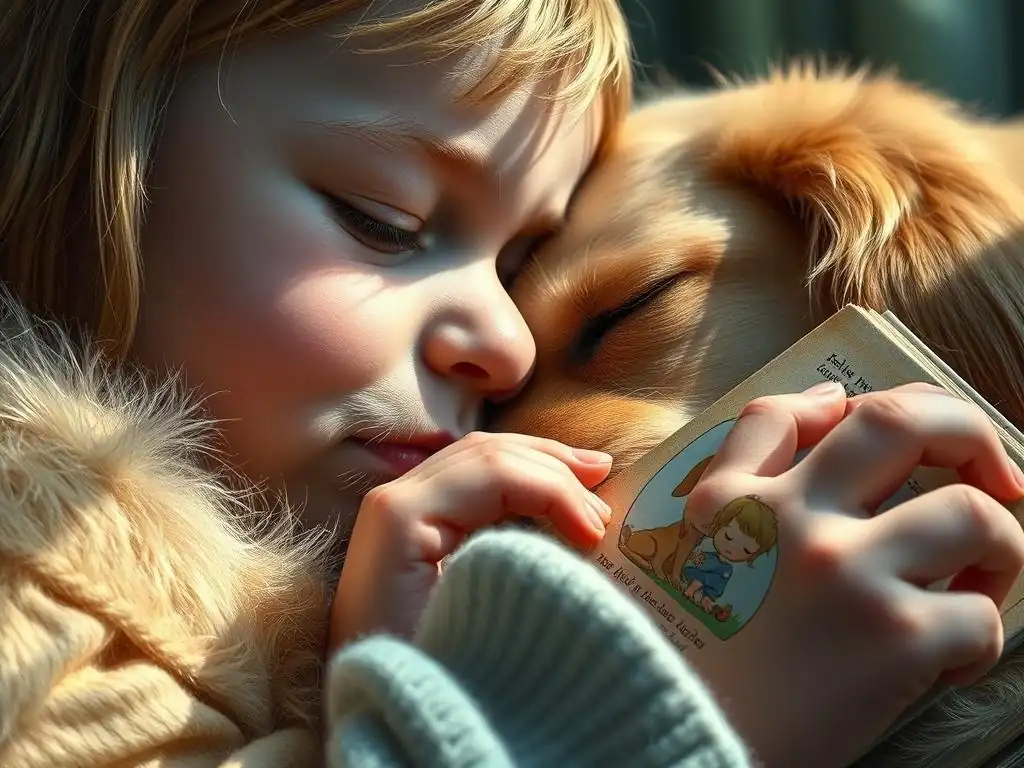
Welcome to PetCareWorld, your ultimate guide to a happier, healthier life for your beloved companions! We understand the unique bond between pets and their families, and that's why we've curated a wealth of resources to help you navigate every stage of pet ownership. But what happens when that bond ends?
Discover our carefully selected list of children's books on pet grief, offering comfort and understanding during a difficult time. Learn how to support your child through this emotional journey and find solace in the power of storytelling. Explore our collection now and find the perfect book to help heal young hearts.
- Understanding Children's Grief After Pet Loss
- Best Children's Books to Help with Pet Grief
- Finding the Right Book for Your Child: Key Considerations
- Resources Beyond Books: Supporting Your Child Through Pet Loss
- Additional Tips for Supporting Grieving Children
- Building Resilience: Helping Children Heal After Pet Loss
- Frequently Asked Questions
- Final Reflection: Healing Young Hearts Through the Power of Story
- Embrace the Healing Power of Stories: Supporting Your Child Through Pet Loss
Understanding Children's Grief After Pet Loss
Saying goodbye to a beloved pet is incredibly difficult, especially for children. The bond between a child and their pet is often profound and unique, offering unconditional love, companionship, and a sense of security. When that bond is broken through the death of a pet, the resulting grief can be intense and manifest in unexpected ways.
This curated list of children's books about pet loss aims to provide resources for parents and caregivers to help children navigate this challenging experience. Understanding the nuances of children's grief and employing appropriate coping mechanisms is crucial in supporting their emotional well-being during this difficult time. We'll explore the stages of grief in young children, practical steps to help them cope, and the importance of open and honest communication.
This guide is designed to equip you with the tools and resources to provide comfort and support to your child as they process their pet's death. Remember, there is no right or wrong way to grieve; validating your child's feelings is paramount.
Recognizing the Stages of Grief in Young Children
Children, like adults, experience grief in stages, although these stages may not always be linear or easily identifiable. They might express their sadness, anger, or denial in different ways than adults. For example, a young child might regress to earlier behaviors like thumb-sucking or bed-wetting, while an older child might withdraw socially or become irritable. Understanding these potential manifestations of grief is vital in responding appropriately. Some common signs of grief in children after pet loss include:
- Sadness and Tearfulness: Frequent crying, prolonged periods of quietness, and visible displays of sadness are common.
- Anger and Irritability: Children might lash out at family members, become easily frustrated, or exhibit increased defiance.
- Withdrawal and Isolation: They might withdraw from social activities, spend more time alone, or avoid interacting with others.
- Changes in Sleep and Appetite: Sleep disturbances, nightmares, and changes in eating habits are also frequently observed.
- Somatic Complaints: Physical complaints like headaches or stomach aches can be manifestations of emotional distress.
- Regression: A return to earlier behaviors like thumb-sucking, bed-wetting, or clinging to parents.
It's important to remember that these symptoms can vary greatly depending on the child's age, personality, and the nature of their relationship with the pet. Patience and understanding are key. 🎂 Providing a safe and supportive environment where they feel free to express their emotions is crucial.
Helping Children Cope with Pet Death: Initial Steps
The immediate aftermath of a pet's death requires sensitivity and a thoughtful approach. Here are some initial steps that can help:
- Acknowledge the loss: Don't minimize the child's feelings. Say something like, "I know how much you loved [pet's name], and I'm so sorry they're gone."
- Allow them to grieve: Let the child express their grief in their own way, whether it's through crying, talking, drawing, or playing. Don't try to rush or suppress their emotions.
- Answer their questions honestly: Use age-appropriate language to explain what happened. Be prepared to answer difficult questions honestly and with compassion.
- Create a memorial: This could involve planting a tree, creating a memory box with photos and mementos, or holding a small memorial service.
- Maintain routines: Sticking to familiar routines can provide a sense of stability and normalcy during a difficult time.
- Seek professional help if needed: If the child's grief is prolonged or intense, consider seeking professional help from a therapist or counselor specializing in childhood grief.
Remember, your role is to provide a safe space for your child to grieve and heal. Your presence and support are invaluable. 🫂
The Importance of Honest Conversation About Pet Loss
Open and honest communication is essential in helping children cope with pet loss. Avoid euphemisms like "passed away" or "went to sleep," which can be confusing and even frightening for young children. Instead, use clear and simple language to explain that their pet has died. Encourage the child to talk about their feelings and memories of their pet, and validate their emotions, no matter how intense or unusual they may seem.
Answer their questions truthfully and patiently, even if they are difficult. Reading books about pet loss together can be a valuable way to start these conversations and provide a framework for processing their grief. The shared experience of reading can create a safe space for emotional expression and offer comfort and understanding. Remember, creating a supportive and understanding environment is crucial for a child's healthy grieving process.
Best Children's Books to Help with Pet Grief
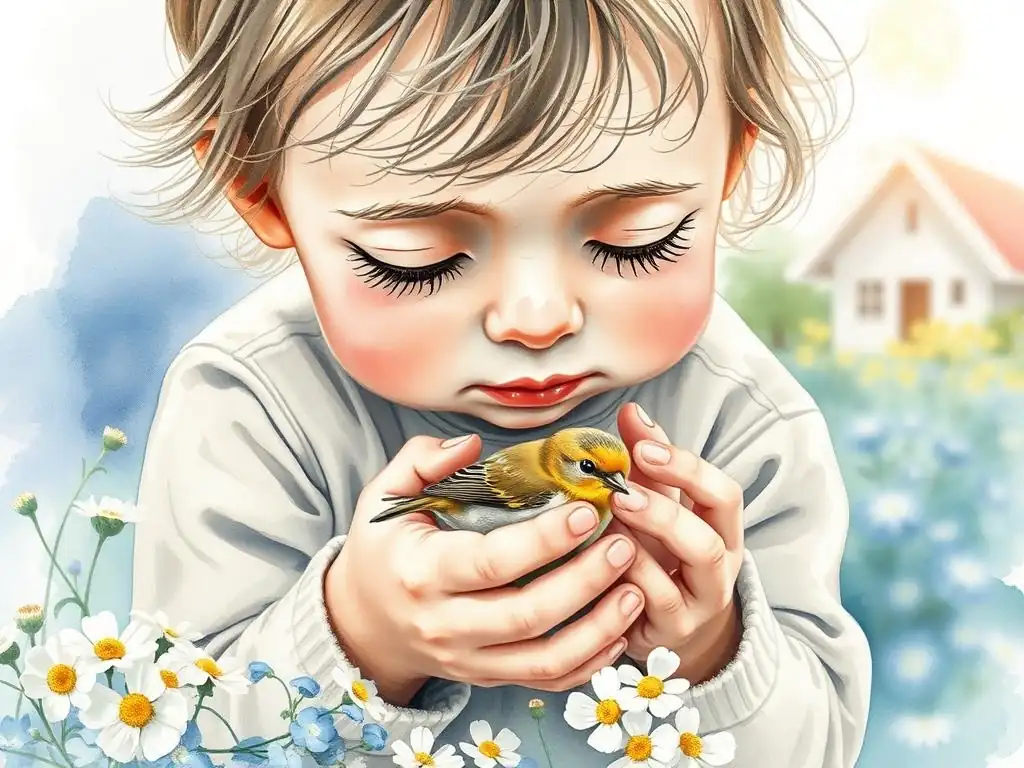
This section offers a curated selection of children's books designed to help young ones cope with the pain of pet loss. We've categorized the books by age range and specific pet types to help you find the most appropriate resource for your child. Navigating pet grief with children requires sensitivity and understanding; these books provide a valuable tool for initiating important conversations and fostering healing.
Remember, reading together can be a powerful way to share emotions and build resilience during difficult times. The books listed below aim to provide comfort and support while acknowledging the reality of loss in a child-friendly manner. Finding the right book can make a significant difference in a child's journey through pet grief.
Picture Books for Younger Children (Ages 3-6) about Pet Loss
This age group benefits from simple stories with relatable characters and comforting illustrations. Picture books can help younger children process their emotions without being overwhelmed by complex language or abstract concepts. They offer a visual and emotional entry point into the difficult subject of pet death.
The best books for this age group often focus on the positive memories of the pet, emphasizing love and the enduring nature of that bond, even after death. They may use gentle metaphors and analogies to explain the concept of death in a way that’s easily understood. The illustrations are usually soft and comforting, providing visual cues that resonate with young children's emotional processing.
Here are some key features to look for in picture books addressing pet loss for this age group:
- Simple Language: Avoid complex vocabulary or abstract concepts.
- Repetitive Phrases: These can be soothing and help children to follow along.
- Comforting Illustrations: Bright, gentle images that evoke positive feelings.
- Focus on Memories: Emphasize the happy times spent with the pet.
- Open-ended Conclusion: Allow space for children to process their emotions at their own pace.
Story Books for Older Children (Ages 7-12) Dealing with Pet Death
Older children can grasp more complex concepts related to death and grief. Storybooks for this age group can delve deeper into the emotional experience of loss, exploring themes of sadness, anger, and acceptance. They may use more sophisticated narratives and character development to engage older children's cognitive abilities and emotional maturity.
These books often provide opportunities for self-reflection and discussion, encouraging children to express their feelings and learn healthy coping mechanisms. They may also introduce the concept of the afterlife or spiritual beliefs in a sensitive and respectful manner, reflecting the diverse perspectives of different families.
Consider these elements when selecting a book for older children:
- Realistic Portrayal of Grief: Acknowledge the full range of emotions associated with pet loss.
- Character Development: Relatable characters who navigate the grieving process.
- Exploration of Coping Mechanisms: Offer suggestions for dealing with sadness and anger.
- Discussion of Memories: Encourage reflection on positive experiences with the pet.
- Hopeful Outlook: Provide a sense of closure and hope for the future.
Books Addressing Specific Pet Types (e.g., dogs, cats, birds)
While many books about pet loss are broadly applicable to various animals, some focus specifically on certain pet types. This specificity can be particularly helpful for children who have formed a deep bond with a specific animal, like a beloved dog or cat. Focusing on a particular animal can help children feel seen and understood in their unique grief. The familiar characteristics of the depicted animal can provide a greater sense of connection and validation of their feelings.
Choosing a book that mirrors the child's pet can provide a stronger sense of resonance and validation. The specific details about the animal—its breed, personality, and habits—can make the story feel more personal and less generic. This tailored approach can help children feel that their grief is recognized and understood. The book might also offer specific advice on handling the loss of that particular type of pet, adding another layer of support.
When choosing a book centered on a specific pet type, consider:
- Accuracy of Representation: Does the book accurately reflect the characteristics of the pet type?
- Emotional Resonance: Does the story resonate with the child's experience with their pet?
- Cultural Sensitivity: Does the book respect the cultural significance of the pet?
- Age Appropriateness: Is the language and content suitable for the child's age and understanding?
Remember that the best book for your child will depend on their age, personality, and the nature of their relationship with their pet. Take time to browse through several options and choose one that feels right for your family. The process of selecting and reading a book together can be a powerful step in supporting your child through their grief.
Books Focusing on Saying Goodbye and Memorials
Saying goodbye to a beloved pet is incredibly difficult for children, and books can provide a valuable tool for processing these complex emotions. Several excellent titles focus specifically on the rituals and processes surrounding saying goodbye and creating lasting memorials. These books often normalize grief, offering comfort and guidance through the difficult experience of loss. They help children understand that their feelings are valid and provide healthy ways to express their sadness and remember their furry, feathered, or scaled friends.
This approach is crucial, as it allows children to acknowledge the finality of death while simultaneously celebrating the life and love shared with their pet. The act of creating a memorial, whether it's planting a tree, making a memory box, or writing a letter, can be a powerful way for children to process their grief and keep their pet's memory alive. These books often offer practical suggestions for creating meaningful memorials, making them a valuable resource for both children and parents navigating this challenging period.
The focus isn't just on the sadness, but on transforming that sadness into a celebration of love and remembrance. It's about finding healthy ways to cope with grief and cherish the memories of a cherished companion. This careful balance of acknowledging loss and celebrating life makes these books particularly effective in helping children cope with pet loss.
The specific ways these books approach memorials vary, some offering detailed instructions for creating a physical memorial like a scrapbook or a paw print keepsake, while others focus on creating a mental memorial by writing stories or sharing memories. The diversity of approaches caters to different learning styles and coping mechanisms, ensuring that there's a book suitable for every child grappling with pet loss. The emotional support offered by these books is invaluable, guiding children through the difficult process of accepting the loss of their pet and finding healthy ways to remember their beloved companion.
This gentle guidance helps children navigate their grief in a constructive and emotionally supportive environment, fostering resilience and healthy coping mechanisms for future challenges. The lasting impact of these books extends beyond the immediate grieving process, equipping children with valuable tools to manage loss and cherish memories throughout their lives.
Finding the Right Book for Your Child: Key Considerations

Choosing a book to help a child cope with the loss of a pet is a deeply personal decision. The right book can offer comfort and guidance, while the wrong one might inadvertently cause more distress. Understanding your child's unique needs and emotional state is crucial in selecting a helpful resource.
This section explores key factors to consider when navigating this sensitive topic, focusing on age appropriateness, emotional content, and the importance of realistic yet sensitive portrayals of pet loss. Remember, the goal is to provide a supportive and age-appropriate framework for understanding and processing grief. The best book will validate their feelings and offer a pathway towards healing.
Age Appropriateness: Choosing Books Based on Developmental Stages
A child's understanding of death and loss evolves significantly with age. Therefore, the content and style of the book should align with their developmental stage.
- Preschoolers (Ages 3-5): For this age group, focus on books with simple language, bright illustrations, and a gentle approach to the topic. Avoid overly detailed explanations of death; instead, emphasize the love and memories shared with the pet. Stories that focus on the positive aspects of the pet's life and the lasting bond can be particularly helpful. Look for books that use metaphors, like the pet "going to sleep" or "joining the stars," to help them understand the concept without overwhelming them. The use of comforting imagery and repetitive phrases can also provide a sense of security.
- Early Elementary (Ages 6-8): Children in this age group are beginning to grasp the permanence of death. Books for this age can introduce more complex emotions, such as sadness and anger, in a manageable way. Stories that acknowledge these feelings and offer healthy coping mechanisms are beneficial. The use of relatable characters and scenarios can help children connect with the story and feel less alone in their experience. The introduction of simple explanations about the lifecycle and natural processes may also be appropriate.
- Late Elementary/Middle School (Ages 9-12): Older children can handle more nuanced discussions of death and grief. Books for this age group may explore more complex themes, such as the grieving process and the different ways people cope with loss. These books might also address practical aspects of saying goodbye, like memorial services or burying a pet. A more realistic and direct approach to the topic of death is generally appropriate for this age group.
Dealing with Specific Emotions: Fear, Sadness, Anger
Pet loss can evoke a wide range of emotions in children, including fear, sadness, anger, and guilt. A helpful book will acknowledge and validate these feelings, offering strategies for managing them.
It's crucial to select books that address the specific emotions your child is experiencing. For example, a child struggling with fear of losing other loved ones might benefit from a story that emphasizes the enduring nature of love and memories. A child grappling with anger might find solace in a book that allows them to express these feelings safely and constructively.
Books that offer practical tips for coping with sadness, such as drawing pictures, writing letters, or sharing memories, can be particularly valuable. The book should also help them understand that these feelings are normal and that it's okay to feel sad, angry, or scared after losing a pet.
The Importance of Realistic and Sensitive Portrayals
While it's important to offer comfort and hope, the book shouldn't shy away from the reality of death. A sensitive and realistic portrayal of pet loss helps children understand the situation and process their grief in a healthy way. Avoid books that gloss over the sadness or use euphemisms that might confuse or mislead children.
The book should also acknowledge the child's unique relationship with their pet. It's important to validate their feelings and show them that their grief is valid and important. The book should show empathy towards the child and avoid minimizing their experience. A sensitive approach can facilitate a healthy grieving process and encourage open communication about their feelings. The best books will leave children feeling understood, supported, and empowered to cope with their loss. This respectful and honest approach is vital in helping children navigate this difficult experience.
Resources Beyond Books: Supporting Your Child Through Pet Loss
This curated list of children's books offers a valuable starting point in navigating pet loss, but remember that reading is just one piece of the puzzle. Successfully guiding your child through this difficult experience requires a multi-faceted approach that includes open communication, professional support if needed, and meaningful remembrance. Effectively addressing children's grief related to pet loss requires patience, understanding, and a willingness to adapt your approach to your child's unique needs and developmental stage. Remember, there's no one-size-fits-all solution, and what works for one child may not work for another.
Talking to Your Child About Death and Dying
Talking about death and dying with children can be challenging, but it's crucial for their emotional well-being, particularly after the loss of a beloved pet. Avoid euphemisms like "passed away" or "put to sleep," which can be confusing and even misleading for younger children. Instead, use age-appropriate language that honestly addresses the reality of death. For example, you might say, "Our pet's body stopped working, and they died."
- For younger children (preschool - early elementary): Keep explanations simple and focus on the pet's absence. You might say, "Fluffy isn't with us anymore, but we will always remember her." Reassure them that their feelings are normal and okay.
- For older children (late elementary - middle school): You can provide more detailed explanations, depending on their understanding and maturity level. Be prepared to answer their questions honestly and directly, even if the answers are difficult. This age group may also benefit from discussing the concept of life cycles and the natural progression of life and death.
- Active Listening: Encourage your child to express their feelings without judgment. Let them talk, cry, or draw as needed. Simply being present and listening attentively can be incredibly comforting. Avoid minimizing their feelings or telling them to "be strong."
Remember, the key is honesty, compassion, and patience. Answer their questions honestly and to the best of your ability. If you don't know the answer, it's okay to say so and research it together. This shared learning experience can be a bonding opportunity.
Seeking Professional Support: Therapists and Grief Counselors
While books and family support are invaluable, sometimes professional help is necessary. The death of a pet can be profoundly impactful, especially for children who may not fully understand the concept of death or have the emotional maturity to process their grief. Signs that professional support might be beneficial include:
- Excessive sadness or withdrawal lasting for an extended period.
- Difficulty sleeping or eating.
- Changes in behavior, such as aggression or clinginess.
- Difficulty concentrating in school or engaging in usual activities.
- Expressing feelings of guilt or responsibility for the pet's death.
Child psychologists and grief counselors specializing in pet loss can provide a safe space for your child to express their emotions, learn coping mechanisms, and develop healthy ways to process their grief. They can also offer guidance and support to you as a parent, helping you navigate this challenging time together. Don't hesitate to seek professional help if you feel your child needs additional support. Early intervention can make a significant difference.
Creating a Memorial: Honoring Your Pet's Memory with Children
Creating a memorial for your pet can be a powerful way for children to process their grief and honor their beloved companion. Involving children in the memorialization process allows them to actively participate in remembering and celebrating their pet's life. Some ideas include:
- Planting a tree or flower: Choose a plant that represents your pet or has special significance. Caring for the plant can be a comforting ritual.
- Making a scrapbook or photo album: Gather photos and mementos to create a lasting tribute. Let your child choose the photos and add their own drawings or writings.
- Creating a memory box: Fill a box with special items that remind you of your pet, such as toys, collars, or treats.
- Writing a letter or poem: Encourage your child to express their feelings through writing. This can be a cathartic experience.
- Holding a small ceremony: A simple ceremony, even in your backyard, can be a meaningful way to say goodbye and honor your pet's memory. You could share stories, light a candle, or release balloons.
Remember to tailor the memorial to your child's age and understanding. The goal is to create a positive and healing experience that celebrates your pet's life and helps your child cope with their loss. The process itself can be a valuable therapeutic experience, fostering a sense of closure and healing. The creation of a memorial can also serve as a lasting tribute to the special bond shared between your child and their pet.
Additional Tips for Supporting Grieving Children

This section offers further practical strategies to help children navigate the complex emotions associated with pet loss. Remember, every child grieves differently, and patience and understanding are paramount. These tips complement the book recommendations and provide a holistic approach to supporting your child through this difficult time. Successfully guiding children through pet grief involves a multifaceted approach incorporating emotional support, practical strategies, and age-appropriate understanding of the grieving process. Keywords like "children's books pet grief," "pet loss support children," and "child coping pet death" are important in helping parents find resources like this.
Maintaining Routines and Structure
The loss of a beloved pet can disrupt a child's sense of security and normalcy. Maintaining consistent routines, as much as possible, provides a sense of stability and predictability during an otherwise uncertain time. This is crucial for younger children, particularly, as their understanding of death and loss is still developing. Sticking to established bedtimes, mealtimes, and school schedules can offer a comforting sense of familiarity. Even small, consistent rituals, like reading a bedtime story together or having a specific playtime routine, can be incredibly beneficial.
Consider creating a visual schedule with pictures or simple words representing daily activities. This can help younger children understand what to expect throughout the day and reduce anxiety. For older children, involving them in planning the daily routine can give them a sense of control and empowerment during a period where they may feel helpless. Remember, flexibility is key; if a child needs extra comfort or rest, adjust the schedule accordingly. The goal is to provide structure, not rigidity.
Examples of helpful routines include:
- Consistent bedtime routines (bath, story, quiet time)
- Regular mealtimes with familiar foods
- Scheduled playtime or outdoor activities
- Maintaining a consistent school routine
Creating a Safe Space for Expression
Providing a safe and supportive environment where children feel comfortable expressing their emotions is crucial. Avoid dismissing or minimizing their feelings. Phrases like "It's just a pet" or "You'll get over it" can invalidate their grief and hinder the healing process. Instead, validate their feelings by acknowledging their sadness, anger, or confusion. Let them know it's okay to feel sad and that their feelings are normal and acceptable.
Encourage open communication. Ask open-ended questions like "How are you feeling today?" or "What are you thinking about?" Listen attentively without judgment and let them lead the conversation. Sometimes, children may not be able to articulate their feelings verbally. Provide alternative avenues for expression, such as drawing, painting, writing, or playing. Creative activities can help them process their emotions in a non-threatening way.
Consider creating a memory box or scrapbook where they can keep photos, mementos, and other items that remind them of their pet. This can serve as a tangible reminder of their pet's life and provide a safe space to reflect on their memories. Allow them to participate in creating this memorial, ensuring it reflects their unique relationship with their pet. This can be a powerful tool in processing their grief.
Encouraging Healthy Coping Mechanisms
Helping children develop healthy coping mechanisms is essential for navigating their grief and fostering resilience. This involves teaching them strategies to manage their emotions and navigate challenging feelings. These techniques can help them throughout their lives, not just during this specific period of grief. It's important to understand that healthy coping mechanisms vary greatly depending on a child’s age and developmental stage.
For younger children, engaging in play therapy, art therapy, or other creative outlets can be extremely beneficial. These activities allow them to express their emotions indirectly and process their feelings in a safe and non-threatening manner. For older children, encouraging journaling, talking to a trusted adult, or participating in group support can be helpful. These options provide opportunities for emotional processing and social support.
Avoid pushing children to "get over it" quickly. The grieving process takes time, and there's no set timeline for healing. Be patient and supportive, and allow them to grieve at their own pace. Encourage them to talk about their pet, share memories, and express their feelings without judgment. Remember, the key is to provide a supportive environment where they feel safe, understood, and empowered to navigate their grief. This process will help them develop healthy coping strategies for future challenges.
Building Resilience: Helping Children Heal After Pet Loss

Pet loss is a significant life event for children, impacting their emotional, social, and cognitive development. The intensity of their grief can vary greatly depending on factors like the child's age, their relationship with the pet, and the circumstances of the pet's death. Understanding these nuances is crucial in guiding children through the healing process and building their resilience. This section will explore strategies to support children facing the loss of a beloved pet.
The Long-Term Impact of Pet Loss on Children
The impact of pet loss on children isn't always immediately apparent, and can manifest differently across various developmental stages. Younger children may struggle to articulate their feelings, exhibiting behavioral changes like increased clinginess, sleep disturbances, or changes in appetite. Older children might express their grief more openly, but still require support in processing their emotions.
Untreated grief can lead to long-term emotional difficulties, impacting self-esteem, social relationships, and even academic performance. Studies show a correlation between unresolved childhood grief and increased anxiety and depression later in life. It's therefore vital to address pet loss with sensitivity and provide age-appropriate support to mitigate these potential long-term consequences.
Early intervention is key; providing a safe space for children to express their emotions and understand their feelings can significantly contribute to their healing and overall well-being. The absence of proper guidance can leave lasting emotional scars, making it crucial for parents and caregivers to be informed and proactive in their approach to supporting grieving children.
Signs of Unresolved Grief in Children
Recognizing the signs of unresolved grief is critical in providing timely intervention. While some sadness is normal after pet loss, prolonged or intense displays of grief warrant attention. These signs can be subtle or overt. For example, a child might persistently talk about their deceased pet, exhibiting regressive behaviors like thumb-sucking or bedwetting (even if they've outgrown these habits).
Changes in academic performance, social withdrawal, or increased aggression could also indicate unresolved grief. Physical symptoms such as headaches, stomachaches, or sleep disturbances should also be considered. It's important to differentiate between normal grief reactions and signs of potential problems.
A helpful approach involves observing the child's behavior over time, noting any significant changes or persistent patterns that deviate from their usual baseline. Maintaining open communication and creating a safe space for the child to express themselves are crucial in identifying and addressing unresolved grief effectively. Remember, every child grieves differently, and what might appear as a minor issue for one child could be a significant indicator for another.
Promoting Emotional Well-being After Pet Loss
Supporting a child through pet loss requires a multifaceted approach. Open communication is paramount; encourage the child to talk about their pet, their feelings, and their memories. Validate their emotions, regardless of how they express them. Avoid minimizing their grief with phrases like "It's just a pet" or "We can get another one." Instead, acknowledge the significance of the pet in their life and the depth of their loss.
Consider creating a memorial for the pet – a small ceremony, a memory box, or a photo album. This can provide a tangible way for the child to remember and honor their beloved companion. Engaging in activities that bring comfort, such as drawing, writing, or playing with other pets, can also be helpful. Involving the child in the process of saying goodbye, such as attending a pet burial or cremation, can offer closure and help them understand the finality of death.
Remember to be patient, understanding, and supportive throughout the healing process. This journey requires time and empathy, and the child's well-being should be the priority. Providing a safe and nurturing environment will allow them to navigate their grief and emerge stronger and more resilient. Remember, seeking professional help from a therapist or counselor specializing in grief is always an option, and should not be considered a sign of weakness, but rather a proactive step towards ensuring the child's emotional health and well-being.
Frequently Asked Questions
What age range are these books suitable for?
The books on our curated list cater to a range of ages, from preschool through early adolescence. We've included age recommendations for each book to help you choose the most appropriate one for your child. Consider your child's emotional maturity when making your selection.
Are these books only about dogs and cats?
No, the list includes books that address the loss of a variety of pets, including dogs, cats, birds, and other animals. This ensures that children grieving the loss of any kind of pet can find comfort and understanding.
How do these books help children cope with pet loss?
These books use age-appropriate language and imagery to help children understand death and grief. They offer strategies for coping with sadness, such as remembering happy memories and expressing emotions. Many offer positive messages about healing and remembrance.
Where can I find these books?
You can find many of these books at your local bookstore or library. Additionally, you can often purchase them online through major retailers such as Amazon or directly from the publishers. Check the individual book listings for availability.
What if my child is struggling to cope with pet loss?
While these books are helpful, it's important to remember that professional support might be necessary. If your child is struggling to cope, consider reaching out to a therapist, counselor, or grief support group specializing in child bereavement. Seeking help is a sign of strength.
Final Reflection: Healing Young Hearts Through the Power of Story
The unexpected death of a beloved pet is a profound experience, especially for children who may lack the emotional vocabulary and coping mechanisms to navigate their grief. This loss can leave a lasting impact, shaping their understanding of mortality and their capacity for empathy. Providing children with age-appropriate resources to process their feelings is crucial for their healthy development.
The journey through pet loss is a deeply personal one, and the impact of these experiences resonates throughout a child's life, shaping their future relationships with animals and their understanding of loss itself. Children grieve differently than adults, but their grief is no less real or significant.
This simple truth underscores the importance of offering support and understanding during this difficult time. The books highlighted in this curated list serve not only as tools for processing grief, but also as a testament to the enduring bond between humans and animals, a bond that deserves to be acknowledged and honored, even in the face of loss.
You, as a parent, caregiver, or educator, hold a unique position in guiding children through this challenging experience. Consider sharing these books with the young ones in your life, creating a space for open conversation and emotional exploration. Remember, acknowledging their feelings and validating their grief is the first step towards healing. Let the stories within these pages serve as a bridge, connecting children to their emotions and offering comfort during a time of profound sadness. Let's help them find solace, strength, and hope in the face of loss.
Embrace the Healing Power of Stories: Supporting Your Child Through Pet Loss
Thank you for exploring our curated list of books about pet loss. We hope these resources offer comfort and guidance during this difficult time. Let's now focus on healing and remembrance.
- Read a book together: Choose a title from the list that resonates with you and your child. Sharing the story and allowing for open conversation can be incredibly powerful, facilitating emotional processing.
- Create a memory box or scrapbook: Gather photos, drawings, and treasured mementos to create a lasting tribute to your beloved pet. This act of remembrance can be a beautiful way to honor their memory.
- Share your experience: Connecting with others who have experienced pet loss can be incredibly helpful. Talking about your feelings can be cathartic. Consider sharing this article with friends or family who might also find it helpful.
What special way will you choose to remember and celebrate your pet's life?