
Cat Poisoning Emergency: Essential First Aid Measures for Toxin Ingestion


Welcome to PetCareWorld, your ultimate guide to happy and healthy pets! Are you prepared for a pet emergency? We understand the panic of discovering your cat has ingested something poisonous. Learn crucial Cat Poisoning First Aid Steps now— vital information that could save your feline friend's life. Discover the essential actions you need to take immediately and increase your pet's chances of a full recovery. Dive in and equip yourself with the knowledge to handle this critical situation effectively.
- Recognizing the Signs of Cat Poisoning
- Immediate Actions: First Aid for Cat Poisoning
-
First Aid Steps for Cat Poisoning: A Step-by-Step Guide
- Step 1: Safely Remove the Cat from the Source of Poison
- Step 2: Contacting Emergency Services: Providing Crucial Information
- Step 3: Administering First Aid (if advised by the vet)
- Step 4: Transporting Your Cat to the Veterinary Clinic: Safe and Effective Transport Methods
- Step 5: Providing Information to the Veterinarian: Preparing for the Veterinary Visit
- Preventing Future Cat Poisoning Incidents
- Understanding Different Types of Cat Poisons
- Post-Poisoning Care for Cats
- Resources and Further Information on Cat Poisoning
- Frequently Asked Questions
- Final Reflection: A Pawsitive Outlook on Feline Toxin Emergencies
- Empower Yourself: Take Charge of Your Cat's Safety
Recognizing the Signs of Cat Poisoning

Cat poisoning is a serious veterinary emergency requiring immediate action. Quick identification of the signs and symptoms, followed by prompt first aid and veterinary care, significantly improves the chances of a full recovery for your feline companion. This guide provides essential information on recognizing cat poisoning, identifying potential household toxins, and understanding when immediate veterinary attention is crucial.
Understanding the first aid steps for cat poisoning is vital for every cat owner, equipping you to handle this life-threatening situation effectively. We'll explore common symptoms, potential household hazards, and the critical indicators that necessitate immediate veterinary intervention. Remember, time is of the essence when dealing with suspected cat poisoning.
Common Symptoms of Toxin Ingestion in Cats
Cats, being naturally curious creatures, can inadvertently ingest various toxins found in and around the home. Recognizing the symptoms of poisoning is the first crucial step in providing effective first aid. Symptoms can vary widely depending on the type and amount of toxin ingested, but some common indicators include:
- Gastrointestinal Distress: Vomiting (possibly forceful and repeated), diarrhea (which may be bloody), loss of appetite, excessive drooling, abdominal pain. The severity of these symptoms can range from mild discomfort to life-threatening complications.
- Neurological Signs: These can manifest as tremors, seizures, incoordination (ataxia), weakness, lethargy, or even coma. The cat's behavior might become erratic or unusually subdued.
- Respiratory Issues: Difficulty breathing, rapid breathing (tachypnea), or coughing can indicate severe toxicity affecting the respiratory system.
- Cardiovascular Problems: An abnormally fast or slow heart rate (tachycardia or bradycardia), weakness, and collapse are serious signs requiring immediate veterinary attention.
- Skin Irritation: Skin redness, itching, or blistering can occur if the toxin comes into contact with the skin. This can be a sign of topical exposure rather than ingestion.
It’s important to note that not all cats will exhibit all of these symptoms, and the severity can vary greatly. Even seemingly minor symptoms warrant careful observation and potential veterinary consultation. The speed of symptom onset can also vary depending on the toxin. Some toxins act quickly, while others may have a delayed effect.
Identifying Potential Poisons in Your Home
Many common household items can be toxic to cats. Being aware of these potential dangers is crucial in preventing poisoning incidents. Here are some examples:
- Household Cleaners: Many cleaning products, including bleach, ammonia, and disinfectants, are highly toxic if ingested. Keep these products securely stored, out of reach of curious cats.
- Medications: Human and veterinary medications, even seemingly harmless ones, can be dangerous to cats if ingested. Always store medications securely and out of reach.
- Pesticides and Insecticides: These chemicals are extremely toxic and should be kept well away from pets. Use pet-safe alternatives whenever possible.
- Plants: Many common houseplants are toxic to cats, including lilies (especially Lilium and Hemerocallis species), azaleas, and tulips. Research the toxicity of any plants in your home.
- Rodenticide: Rodent poisons are highly toxic and can cause internal bleeding and organ damage. Use traps instead of poison to control rodent populations.
- Chocolate: While often considered a treat for humans, chocolate contains theobromine, which is toxic to cats.
- Certain Foods: Onions, garlic, grapes, and raisins are toxic to cats and should never be given to them.
When to Suspect Poisoning: Recognizing Urgent Symptoms
Some symptoms indicate a more urgent need for veterinary care than others. If you suspect your cat has ingested a toxin, immediately seek veterinary attention if you observe any of the following:
- Collapse or Unconsciousness: This signifies severe toxicity and requires immediate intervention.
- Seizures: Seizures are a serious neurological symptom requiring immediate veterinary care.
- Difficulty Breathing: Respiratory distress is a life-threatening condition.
- Bloody Vomiting or Diarrhea: This indicates significant internal damage and requires urgent veterinary attention.
- Known Ingestion of a Highly Toxic Substance: If you know your cat has ingested a substance known to be highly toxic (e.g., antifreeze), seek immediate veterinary care.
Even if the symptoms appear mild, it's crucial to contact your veterinarian or an animal poison control center immediately. They can provide guidance on the next steps and advise on appropriate first aid measures. Early intervention is key to increasing your cat's chances of survival and a full recovery. Don't hesitate to seek professional help – your cat's life may depend on it.
Immediate Actions: First Aid for Cat Poisoning
This section details the critical first aid steps to take if you suspect your cat has ingested a poison. Remember, time is of the essence in cat poisoning cases. The quicker you act, the better the chances of a positive outcome. These steps are crucial for maximizing your cat's chances of survival and minimizing long-term health consequences. Effective first aid for cat poisoning hinges on swift and decisive action. Let's delve into the immediate actions required.
Securing the Scene and Preventing Further Exposure
The first step in providing cat poisoning first aid is to secure the scene. This means removing your cat from the source of the poison immediately. Identify the potential toxin if possible – this information is vital for your veterinarian. Note the name, ingredients (if you can read the label), and any other identifying information. Take a picture of the packaging if safe to do so.
- Remove your cat from the area: Gently but firmly move your cat away from the source of the poison. Avoid direct contact with the substance yourself; wear gloves if possible.
- Prevent further ingestion: If the poison is a spilled liquid, clean it up thoroughly. If it's a solid substance, remove it from your cat's reach. Consider confining your cat to a safe, clean room to prevent further exposure.
- Contain the poison: If safe to do so, secure the container of the suspected poison to prevent further incidents. This will help your veterinarian assess the situation accurately.
- Wash your hands thoroughly: After handling your cat or the poison, wash your hands thoroughly with soap and water.
This careful approach ensures that your cat is safe and that you prevent further complications. Remember to prioritize your safety as well.
Assessing the Severity of the Poisoning
Once your cat is safe, carefully assess their condition. The severity of poisoning can vary greatly depending on the type and amount of toxin ingested, as well as your cat's size and overall health. Observe your cat for the following symptoms, noting the time of onset:
| Symptom | Severity | Notes |
|---|---|---|
| Vomiting | Mild to Severe | Frequency and amount of vomit are key indicators. |
| Diarrhea | Mild to Severe | Consistency and frequency are important. |
| Lethargy/Weakness | Mild to Severe | Observe your cat's response to stimuli. |
| Tremors/Shaking | Mild to Severe | Note the intensity and duration of tremors. |
| Difficulty Breathing | Severe | This requires immediate veterinary attention. |
| Seizures | Severe | This is a life-threatening emergency. |
| Loss of Consciousness | Severe | Requires immediate veterinary attention. |
| Excessive Drooling/Salivation | Mild to Severe | Note the amount and consistency of saliva. |
| Skin Irritation | Mild to Severe (depending on toxin) | Note the location and appearance of any skin irritation. |
| Dilated or Constricted Pupils | Mild to Severe (depending on toxin) | Observe pupil size and response to light. |
The more severe the symptoms, the more urgent it is to seek veterinary care. Even seemingly mild symptoms warrant a call to your veterinarian.
Contacting Your Veterinarian or Emergency Animal Hospital: Importance of Immediate Action
Contacting your veterinarian or an emergency animal hospital immediately is paramount. Do not delay seeking professional help. Provide them with as much information as possible:
- The suspected toxin: Be as specific as you can about what your cat ingested.
- The amount ingested (if known): Even an estimate can be helpful.
- The time of ingestion: This helps determine the appropriate course of action.
- Your cat's symptoms: Describe the symptoms you've observed, including their severity and onset.
- Your cat's age, breed, and weight: This information is essential for accurate treatment.
Following these steps can significantly improve the chances of a successful outcome in a cat poisoning emergency. Remember that prompt action is critical in saving your cat's life. Don't hesitate; call your veterinarian immediately. Your quick response can make all the difference.
First Aid Steps for Cat Poisoning: A Step-by-Step Guide
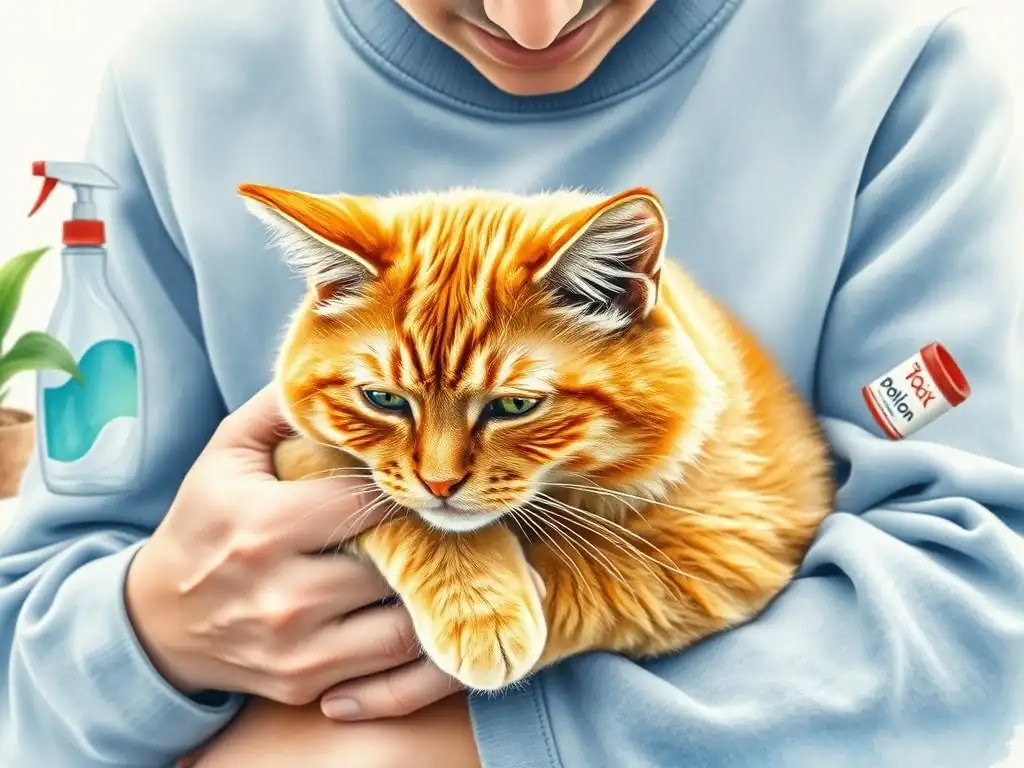
This section details the crucial first aid steps to take if you suspect your cat has ingested poison. Remember, speed is essential in cat poisoning emergencies. Immediate action can significantly improve your cat's chances of survival. These steps are for guidance only; always prioritize contacting a veterinarian or emergency animal hospital for professional advice.
This information should not replace professional veterinary care. This guide focuses on providing immediate assistance while waiting for professional help to arrive, aiming to mitigate the effects of the toxin until your cat receives proper veterinary treatment. Effective first aid for cat poisoning hinges on swift action and accurate information relayed to veterinary professionals.
Step 1: Safely Remove the Cat from the Source of Poison
The first step in any cat poisoning emergency is to safely remove your cat from the source of the poison. This may seem obvious, but panic can cloud judgment. Approach your cat calmly and avoid any actions that might cause further stress or injury. Depending on the type of poison, this might involve different approaches.
For example, if your cat ingested rat poison, you'll need to gently but firmly remove the cat from the area where the poison is located, ensuring you don't come into contact with it yourself. Wear gloves if possible. If the poison is a spilled liquid, carefully remove your cat from the area, preventing further contact with the substance. If your cat has ingested a plant, try to identify the plant if possible (take a picture if you can) to assist the veterinarian.
This information is crucial for determining the best course of treatment. Remember to prioritize your own safety while handling the situation. Your cat's well-being is paramount, but you can't help them if you're injured too.
Documenting the type of poison, if known, is critical. This information will be invaluable when you contact emergency services. If you are unsure about the type of poison, describe the appearance and location of the potential source to the veterinarian. Thorough documentation of the incident will greatly aid the veterinarian in providing effective treatment.
Step 2: Contacting Emergency Services: Providing Crucial Information
Following removal from the source, immediately contact your veterinarian or an emergency animal hospital. Time is of the essence. Have the following information ready to provide:
- Your cat's details: Name, age, breed, weight, and any pre-existing health conditions.
- The suspected poison: If known, provide the name, ingredients, and amount ingested (if possible). If you don't know the exact poison, describe it as accurately as possible. Include the packaging if accessible.
- The time of ingestion: Estimate the time your cat ingested the poison as accurately as possible.
- Your cat's symptoms: Describe any symptoms your cat is exhibiting, such as vomiting, diarrhea, tremors, seizures, respiratory distress, or lethargy. Be as detailed as possible.
- Your location: Provide your exact address for quick dispatch of emergency services.
The more information you can provide, the better equipped the veterinary professionals will be to offer immediate and effective treatment. Keep your cat calm and comfortable while waiting for assistance. Avoid giving your cat any food or water without explicit instructions from the veterinarian.
| Information to Provide | Importance |
|---|---|
| Cat's details (name, age, breed, weight) | Essential for determining appropriate treatment dosage and approach. |
| Suspected poison (name, ingredients, amount) | Crucial for identifying the toxin and selecting the correct antidote or treatment. |
| Time of ingestion | Helps determine the severity of poisoning and the urgency of treatment. |
| Cat's symptoms | Guides the veterinarian in assessing the extent of the poisoning and its effects. |
Step 3: Administering First Aid (if advised by the vet)
Under no circumstances should you administer any first aid treatment without explicit instructions from a veterinarian or animal poison control center. Some substances require specific antidotes, and improper intervention can worsen the situation. However, your vet might advise certain actions depending on the situation and the poison. This could include inducing vomiting (only if advised! ), administering activated charcoal (again, only if instructed), or providing supportive care like keeping your cat warm and comfortable.
Remember, providing first aid is secondary to contacting emergency services immediately. Your primary action should always be to get professional veterinary help. The veterinarian will guide you through the appropriate steps based on the specific circumstances and the type of poison involved. Following their instructions precisely is crucial for your cat's safety and recovery. Never attempt to treat your cat without explicit instructions from a qualified professional. The information above is for guidance only and should not be interpreted as a substitute for professional veterinary care. 🐾
Step 4: Transporting Your Cat to the Veterinary Clinic: Safe and Effective Transport Methods
Getting your cat to the veterinary clinic safely and quickly is crucial after suspected poisoning. A stressed cat can worsen their condition, so a calm and secure transport method is paramount. Avoid using a carrier that allows your cat to escape or become further distressed. A sturdy, well-ventilated carrier is best, preferably one your cat is already familiar with to minimize anxiety. Line the bottom with absorbent material like a towel or newspaper to absorb any potential vomit or diarrhea.
If your cat is exhibiting severe symptoms like seizures or respiratory distress, avoid unnecessary handling. Instead, carefully place them in the carrier and immediately contact the veterinary clinic to inform them of your cat's condition and your arrival. They may advise you to meet them outside to expedite the treatment process. If possible, have someone else drive while you monitor your cat's condition en route. Keep the carrier secure in the vehicle to prevent sudden movements that could harm your cat further.
Remember, every minute counts in a poisoning emergency, so prioritize safe and swift transportation. Driving carefully and smoothly will also minimize stress on your already distressed feline companion. Consider calling ahead to the veterinary clinic to alert them of your arrival and the suspected poisoning, allowing them to prepare for your cat's immediate treatment. This preparedness can significantly improve the chances of a positive outcome.
Step 5: Providing Information to the Veterinarian: Preparing for the Veterinary Visit
Before arriving at the veterinary clinic, gather as much information as possible about the suspected poisoning. This information will be critical for the veterinarian to determine the appropriate treatment. Note down the time of ingestion (if known), the suspected substance (if identified), the amount ingested (if possible), and any observed symptoms, including the onset and severity. If you have any packaging or labels from the suspected substance, bring them with you. Even seemingly insignificant details can be helpful. Photographs of the substance, if possible, can also be valuable.
Upon arrival, clearly and calmly explain the situation to the veterinary staff. Be prepared to answer detailed questions about your cat's history, including any pre-existing medical conditions, allergies, or medications they are currently taking. The more information you can provide, the better the veterinarian can assess the situation and formulate a treatment plan.
Remember to remain calm and answer questions accurately; your composure will help the veterinary team focus on providing the best possible care for your cat. Providing a complete and accurate history, including details about the suspected toxin and your cat's response, will enable the veterinarian to make informed decisions about the necessary treatment and prognosis. This proactive approach can significantly improve the chances of a successful outcome in this critical situation.
Preventing Future Cat Poisoning Incidents

Preventing cat poisoning requires a proactive approach focused on eliminating potential hazards from your home environment and educating everyone in your household about the risks. A single incident of cat poisoning can be devastating, so implementing preventative measures is crucial for your feline companion's long-term health and well-being. This section focuses on practical steps you can take to minimize the risk of future poisonings. Remember, even seemingly harmless substances can be toxic to cats.
Cat-Proofing Your Home: Removing Toxins and Hazards
Cat-proofing your home involves a thorough assessment of your environment, identifying and removing or securing any potential toxins. This goes beyond simply putting things out of reach; it requires a shift in mindset towards creating a safe space for your cat. Think like your cat – what might they find interesting, and how could that be dangerous?
Several common household items pose significant risks. These include:
- Cleaning products: Bleach, ammonia, disinfectants, and drain cleaners are highly toxic. Store these securely in locked cabinets, far out of your cat's reach.
- Pesticides and insecticides: These chemicals are extremely dangerous if ingested or absorbed through the skin. Opt for pet-safe alternatives whenever possible and store all pesticides securely.
- Human medications: Even seemingly innocuous medications like paracetamol (acetaminophen) can be fatal to cats. Keep all medications in childproof containers, well out of your cat's reach. Dispose of expired medications properly.
- Plants: Many common houseplants are toxic to cats, including lilies (especially lilies of the valley), azaleas, tulips, and sago palms. Research the toxicity of any plants in your home and remove or relocate them if necessary. Consider replacing toxic plants with cat-friendly alternatives.
- Chocolate: Chocolate contains theobromine, a compound that is toxic to cats. Keep all chocolate out of reach. The darker the chocolate, the more dangerous it is.
- Essential oils: These oils, often used in aromatherapy, can be highly toxic if ingested or even if your cat inhales the vapors. Keep them completely out of your cat's reach.
Remember to regularly check for any new potential hazards that might have appeared. A consistent effort in maintaining a safe environment is key to preventing cat poisoning. Regularly inspect areas your cat frequents for any spilled substances or potential dangers. This proactive approach is the best way to protect your beloved pet.
Safe Storage of Household Chemicals and Medications
Safe storage is paramount in preventing accidental cat poisoning. Simply placing items on high shelves isn't always sufficient; a determined cat can often find ways to access them. Consider these strategies for secure storage:
- Locked cabinets: Use childproof locks on all cabinets containing cleaning products, pesticides, medications, and other potentially toxic substances. Ensure the locks are robust and difficult for your cat to open.
- High and secure shelving: Combine high shelving with locked cabinets for extra security. Place items on shelves that are well out of reach, ideally in a room your cat doesn't frequently access.
- Designated storage area: Consider creating a dedicated storage area for all potentially hazardous materials, ideally in a locked room or cupboard.
- Proper disposal: Dispose of hazardous materials according to local regulations. Never simply throw them in the trash where a curious cat might access them.
Implementing these measures will significantly reduce the risk of your cat accessing dangerous substances. Regularly check the security of your storage methods to ensure they remain effective. Remember, a small lapse in security could have potentially fatal consequences.
Educating Family Members on Poison Prevention
Preventing cat poisoning isn't solely the responsibility of one person. Educating all members of your household, including children and visitors, is crucial. Everyone should understand the dangers of common household toxins to cats and the importance of safe storage practices.
- Establish clear rules: Make it clear to everyone that they should never leave potentially harmful substances within reach of your cat. This includes cleaning products, medications, food items, and other potential hazards.
- Supervise children: Children should be educated about the risks of cat poisoning and supervised when handling potentially hazardous materials.
- Inform visitors: Ensure visitors are aware of your cat's safety measures and ask them to cooperate in maintaining a toxin-free environment.
- Post warning signs: Consider posting visible warning signs near areas where hazardous materials are stored. This serves as a visual reminder for everyone in the household.
By fostering a culture of awareness and responsibility within your household, you significantly decrease the likelihood of a cat poisoning incident. Regular reminders and open communication are key to maintaining a safe environment for your furry friend. Remember, even a well-meaning guest could inadvertently put your cat at risk if they are unaware of the potential dangers.
Understanding Different Types of Cat Poisons
Cats, with their inquisitive nature, can inadvertently ingest various substances that can lead to poisoning. Understanding the different types of toxins is crucial for effective first aid and veterinary intervention. Quick identification of the poison ingested significantly improves the chances of a successful outcome. This section details common categories of cat poisons, emphasizing the importance of swift action in a poisoning emergency. Knowing what to look for and how to react can be the difference between life and death for your feline companion. Remember, immediate veterinary attention is always necessary in suspected cases of cat poisoning.
Common Household Toxins Harmful to Cats
Many everyday household items are surprisingly toxic to cats. Even small amounts can cause significant harm. Here's a breakdown of some common culprits and the symptoms they might cause:
- Cleaning products: Bleach, ammonia, disinfectants, and even certain laundry detergents contain chemicals that are extremely dangerous if ingested. Symptoms can include vomiting, diarrhea, difficulty breathing, and burns to the mouth and esophagus.
- Pesticides and insecticides: These products are designed to kill insects, but they can be equally lethal to cats. Symptoms range from tremors and seizures to respiratory distress and organ failure. Even exposure to the residue on surfaces can be harmful.
- Human medications: Many over-the-counter and prescription drugs are toxic to cats. Even seemingly innocuous medications like ibuprofen or acetaminophen can have devastating effects. Symptoms vary depending on the medication but can include vomiting, lethargy, seizures, and liver or kidney damage.
- Chocolate: The theobromine found in chocolate is toxic to cats, causing vomiting, diarrhea, hyperactivity, and even cardiac problems. Dark chocolate poses a significantly greater risk than milk chocolate.
- Xylitol: This artificial sweetener, commonly found in sugar-free gum and candy, can cause a rapid and dangerous drop in blood sugar levels in cats, leading to liver failure.
| Toxin Type | Common Examples | Symptoms | Severity |
|---|---|---|---|
| Cleaning Products | Bleach, ammonia, disinfectants | Vomiting, diarrhea, burns to mouth/esophagus, difficulty breathing | High |
| Pesticides/Insecticides | Raid, Ortho, various sprays and granules | Tremors, seizures, respiratory distress, organ failure | Very High |
| Human Medications | Ibuprofen, acetaminophen, antidepressants | Vomiting, lethargy, seizures, liver/kidney damage | High to Very High |
| Chocolate | Dark chocolate, milk chocolate, cocoa powder | Vomiting, diarrhea, hyperactivity, cardiac problems | Moderate to High |
| Xylitol | Sugar-free gum, candy, baked goods | Hypoglycemia (low blood sugar), liver failure | Very High |
Plant Poisons Toxic to Cats
Many common houseplants and garden plants contain toxins harmful to cats. Even a small nibble can cause significant problems. Here are a few examples:
- Lilies: All parts of lilies (especially Lilium and Hemerocallis species) are extremely toxic to cats, even pollen. Ingestion can cause acute kidney failure. Immediate veterinary attention is absolutely crucial.
- Tulips and Hyacinths: These bulbs contain toxins that can cause vomiting, diarrhea, and drooling.
- Azaleas and Rhododendrons: These plants contain grayanotoxins, which can cause gastrointestinal upset, weakness, and cardiac arrhythmias.
- Sago Palms: All parts of this plant are toxic, but the seeds are particularly dangerous. Ingestion can cause liver failure and death.
- Oleander: This plant is highly toxic, and even a small amount can be fatal. Symptoms include vomiting, diarrhea, irregular heartbeat, and seizures.
The severity of poisoning from plant ingestion depends on the plant species, the amount ingested, and the cat's individual sensitivity. Always keep potentially toxic plants out of reach of your cat.
Medications and Drugs Dangerous to Cats
Cats are highly sensitive to many medications, and even small doses can be toxic. Never give your cat human medication without consulting your veterinarian. Here are some examples of medications that are particularly dangerous:
- Non-steroidal anti-inflammatory drugs (NSAIDs): These include ibuprofen and naproxen. They can cause gastrointestinal ulcers, kidney failure, and liver damage.
- Acetaminophen (Tylenol): This common pain reliever can cause severe liver damage in cats, even in small doses.
- Antidepressants: Many antidepressants can have adverse effects on cats, including changes in behavior, seizures, and heart problems.
- Caffeine: Caffeine is a stimulant that can cause hyperactivity, restlessness, increased heart rate, and even seizures in cats.
- Theophylline: This medication, used to treat respiratory problems, can be toxic to cats, causing vomiting, tremors, and seizures.
Always keep medications securely stored and out of your cat's reach. If you suspect your cat has ingested any medication, contact your veterinarian or an animal poison control center immediately. Providing the correct information about the medication, the amount ingested, and your cat's overall health is critical for effective treatment. Remember, prevention is key – secure storage of all medications is crucial for your cat's safety.
Post-Poisoning Care for Cats

After the initial emergency treatment for cat poisoning, the crucial phase of post-poisoning care begins. This stage is equally, if not more, important than the immediate first aid response, as it directly impacts your cat's long-term health and recovery. Effective post-poisoning care involves diligent monitoring, strict adherence to veterinary instructions, and a keen awareness of potential long-term complications. This section details the essential steps to ensure your feline friend's complete recovery from toxin ingestion. Remember, even after apparent improvement, vigilant observation is paramount to prevent setbacks.
Monitoring Your Cat's Recovery: Observing for Complications
Successfully navigating the immediate crisis of cat poisoning doesn't signal the end of the journey. Careful monitoring of your cat's recovery is crucial to identify and address any potential complications that may arise. This involves meticulous observation of several key indicators:
- Appetite and Hydration: A return to normal eating and drinking habits is a positive sign. However, persistent anorexia (loss of appetite) or dehydration necessitates immediate veterinary attention. Note the amount of food and water consumed, and report any significant changes.
- Elimination: Monitor bowel movements and urination frequency. Changes in stool consistency (diarrhea, constipation) or urine output (increased or decreased) could indicate ongoing issues requiring veterinary assessment.
- Behavior and Activity Levels: Observe your cat's behavior for any signs of lethargy, weakness, unusual aggression, or disorientation. Compare their activity levels to their normal baseline. Any significant deviation requires prompt veterinary consultation.
- Respiratory Function: Pay close attention to your cat's breathing. Rapid, shallow breathing, difficulty breathing, or unusual noises (wheezing, gasping) are serious signs that require immediate veterinary intervention.
- Neurological Status: Monitor your cat's neurological function. This includes assessing their coordination, reflexes, and mental alertness. Any signs of tremors, seizures, or changes in their level of consciousness should be immediately reported to your veterinarian.
The frequency of monitoring should be tailored to your cat's condition. In the initial hours post-treatment, frequent checks (every 1-2 hours) are recommended. As your cat shows signs of improvement, the frequency can gradually be reduced, but diligent monitoring should continue for several days, or as advised by your veterinarian. Keep a detailed record of your observations, including dates, times, and any significant changes in your cat's condition.
This detailed record will be invaluable to your veterinarian in assessing your cat's progress. Early detection of complications can significantly improve your cat's chances of a full recovery. Don't hesitate to contact your veterinarian if you have any concerns, no matter how minor they may seem.
Following Your Veterinarian's Instructions: Medication and Aftercare
Following your veterinarian's post-poisoning instructions precisely is paramount. This may involve administering medications as prescribed, providing special dietary adjustments, or implementing specific environmental modifications. Strict adherence to these instructions is crucial for your cat's recovery and can prevent complications or relapses.
The medication regimen prescribed by your veterinarian will be tailored to the specific toxin ingested and your cat's condition. This might include medications to counteract the effects of the poison, manage symptoms like vomiting or diarrhea, or support vital organ function. Administer all medications exactly as directed, ensuring accurate dosage and timing. Never adjust the dosage or frequency without consulting your veterinarian.
Dietary modifications may be necessary depending on the type of poison ingested and your cat's digestive system. Your veterinarian may recommend a bland diet, a special therapeutic diet, or temporary fasting. Strictly follow their dietary recommendations to support your cat's recovery and avoid further digestive distress.
Environmental adjustments may also be required. This could involve removing potential sources of further exposure to toxins, providing a quiet and comfortable environment for your cat to rest, or restricting access to certain areas of your home. These modifications help to minimize stress and promote healing.
Maintaining a detailed record of medication administration, dietary intake, and any observed changes in your cat's condition is crucial. This detailed record allows your veterinarian to effectively monitor your cat's progress and make necessary adjustments to the treatment plan. Regular follow-up appointments with your veterinarian are essential to assess your cat's recovery and address any concerns.
Long-Term Effects of Poisoning: Potential Complications
While many cats make a full recovery from poisoning, some may experience long-term effects. The severity of these effects depends on several factors, including the type and amount of toxin ingested, the time elapsed before treatment, and your cat's overall health. Understanding potential long-term complications allows for proactive monitoring and management.
Potential long-term complications can range from mild to severe. Some cats may experience persistent digestive issues, such as chronic vomiting or diarrhea. Others may develop kidney or liver damage, requiring ongoing veterinary care and monitoring. Neurological issues, such as seizures or behavioral changes, are also possible. In severe cases, permanent organ damage or even death can occur.
Regular veterinary check-ups are essential in monitoring for long-term effects. Your veterinarian may recommend blood tests, urine analysis, and other diagnostic tests to assess organ function and detect any potential complications. Early detection of long-term effects allows for timely intervention and management, improving the chances of mitigating negative impacts on your cat's health and quality of life.
Remember, proactive monitoring and prompt veterinary care are crucial in ensuring the best possible outcome for your cat following a poisoning incident. Don't hesitate to seek veterinary advice if you observe any concerning signs or symptoms, even weeks or months after the initial poisoning event. Early intervention can make a significant difference in your cat's long-term health and well-being.
Resources and Further Information on Cat Poisoning
This section provides crucial resources to help you navigate a cat poisoning emergency effectively. Understanding where to find reliable information and immediate assistance is vital in ensuring the best possible outcome for your feline companion. Quick access to the right resources can be the difference between a successful recovery and a tragic outcome. Remember, time is of the essence in cat poisoning cases.
Pet Poison Helpline Contact Information
Having immediate access to a pet poison helpline is paramount in a cat poisoning emergency. These helplines are staffed by veterinary professionals who can provide expert guidance and advice on the specific steps you need to take, depending on the toxin your cat ingested. They can assess the situation, determine the severity of the poisoning, and guide you toward appropriate immediate actions and subsequent veterinary care. The speed of their response can significantly impact your cat's chances of survival.
It is strongly recommended to save the contact information of at least one pet poison helpline in your phone's contacts, or even better, print it out and keep it in a readily accessible location within your home, ideally near your pet's first-aid kit. This proactive measure will save valuable time during an emergency. While specific numbers vary by region, always prioritize locating a helpline specific to your geographical area for the most efficient response. Keep in mind that some helplines may operate on a fee-for-service basis.
Online Resources for Cat Owners: Reliable Information Sources
Beyond emergency hotlines, several reputable online resources offer valuable information about cat poisoning and toxic substances. These resources can help you identify potential toxins in your home, understand the signs and symptoms of cat poisoning, and learn about preventative measures you can take to protect your cat from future incidents. However, it's crucial to remember that online resources should not replace professional veterinary advice. Use these platforms to supplement, not substitute, the guidance of veterinary professionals.
Finding reliable information online requires careful discernment. Prioritize websites of established veterinary organizations, universities with veterinary schools, and well-regarded animal welfare charities. Be wary of information found on less credible websites or social media forums, as the accuracy and reliability of such information can be questionable. Always cross-reference information from multiple reputable sources to ensure its validity. Remember, the well-being of your cat depends on accurate and timely information. The following table summarizes some key aspects to consider when evaluating online resources for cat poisoning information:
| Feature | Reliable Source | Unreliable Source |
|---|---|---|
| Authoritativeness | Veterinary professionals, veterinary organizations | Anonymous users, unverified sources |
| Accuracy | Cited research, evidence-based information | Anecdotal evidence, unsubstantiated claims |
| Objectivity | Impartial presentation of facts | Biased or promotional content |
| Up-to-date | Regularly updated information | Outdated or inaccurate information |
| Contact Info | Clear contact information available | Lack of transparent contact information or credentials |
Remember, while online research can be beneficial, it should always be complemented by professional veterinary care. Your veterinarian remains the ultimate authority on your cat's health and well-being. Always seek professional veterinary attention in case of suspected cat poisoning. 😻
Frequently Asked Questions
What are the first signs of cat poisoning?
Symptoms vary depending on the toxin, but can include vomiting, diarrhea, lethargy, tremors, and seizures. Immediate veterinary attention is crucial if you suspect poisoning.
My cat ingested something; how can I identify the poison?
Try to determine what your cat ingested. Look for empty containers, spilled substances, or unusual smells. Take a picture if possible to show the vet. This information is vital for treatment.
What first aid should I administer before reaching the vet?
Keep your cat calm and quiet. If the substance is still in the mouth, try to carefully wipe it away. Do not induce vomiting unless specifically instructed by a vet.
When should I call the veterinary emergency service?
Call immediately if you suspect any kind of poisoning. Don't delay, as prompt treatment is essential for a positive outcome. Even seemingly minor symptoms warrant a vet check.
How can I prevent cat poisoning in the future?
Secure hazardous materials like cleaning products, medications, and pesticides. Keep plants known to be toxic to cats out of reach. Be mindful of food safety and avoid leaving things like chocolate or onions where your cat can access them.
Final Reflection: A Pawsitive Outlook on Feline Toxin Emergencies
The silent threat of cat poisoning remains a stark reality for millions of pet owners worldwide, demanding immediate and informed action. A swift response to toxin ingestion can be the difference between life and death for our beloved feline companions. This article has highlighted the crucial first aid steps necessary to navigate this crisis, emphasizing the importance of rapid identification of the toxin and prompt veterinary intervention.
The impact of readily available information on pet health is undeniable. The ease of access to resources like this article empowers pet owners to become proactive participants in their cat's well-being. The best friend a man can have is a dog, but a cat is a better friend.
While this quote speaks to the companionship of cats, it also underscores our responsibility to protect them. Understanding the potential dangers and knowing how to respond effectively is a testament to the deepening bond between humans and their feline friends. The ongoing evolution of veterinary science and readily available information continues to improve the chances of survival for cats facing poisoning emergencies.
Now, consider your own feline companion. Have you taken the time to familiarize yourself with common household toxins dangerous to cats? Are you prepared to act decisively in the event of a poisoning emergency? Take a moment today to create a plan, including a list of emergency veterinary contacts and a readily accessible first-aid kit tailored to feline needs. Empower yourself with knowledge, and ensure your furry friend has the best chance at a long and healthy life.
Empower Yourself: Take Charge of Your Cat's Safety
Thank you for taking the time to learn about crucial first aid for cat poisoning. Knowing these steps could be lifesaving! Let's ensure you're prepared to act quickly and effectively in an emergency.
- Immediately contact your veterinarian or a pet poison control center: This is the most critical first step. Time is of the essence when dealing with toxins.
- Gather information about the suspected toxin: Knowing the source of the poisoning—for example, the type of plant or chemical involved—will help your veterinarian diagnose and treat your cat effectively. Have this information ready when you call.
- Share this vital information: Educating other cat owners about the importance of quick action in a poisoning emergency can save lives. Consider sharing your knowledge on social media or with your local pet community.
Ready to take the next step in protecting your feline friend? What other resources would you find helpful in preparing for a pet emergency?