
Common Household Poisons Harmful to Pets: A Guide to Prevention and Safety

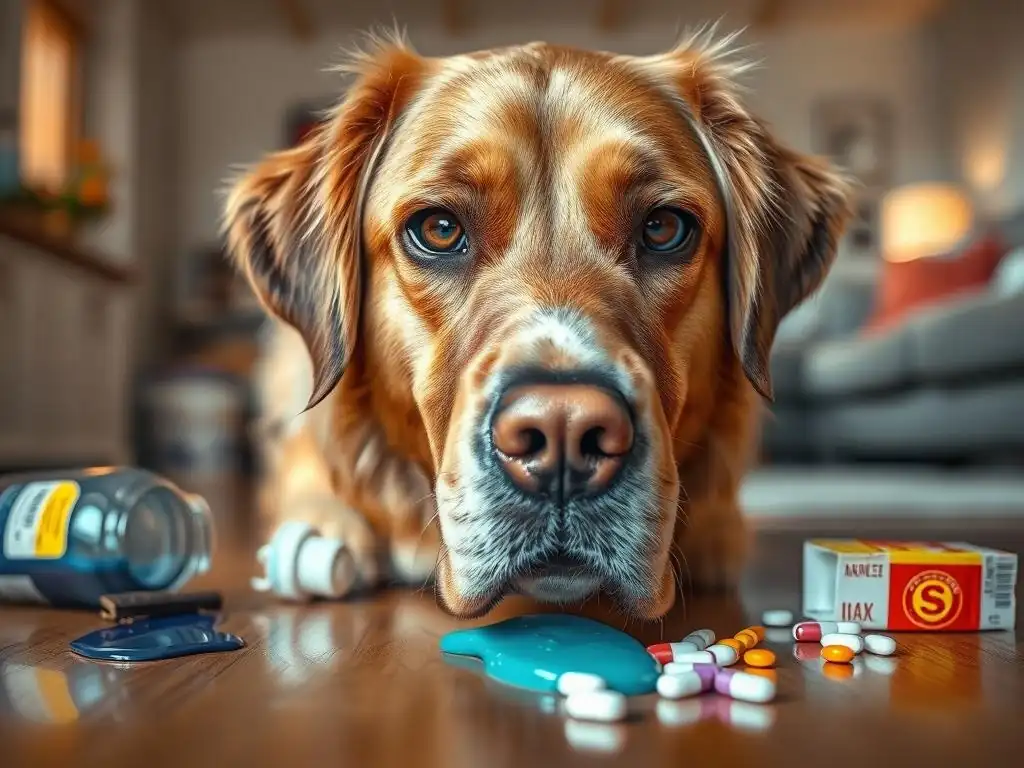
Welcome to PetCareWorld, your ultimate guide to a happier, healthier life for your beloved companion! Are you concerned about hidden dangers lurking in your home? Our comprehensive Pet poisoning household prevention guide reveals the surprising everyday items that can be toxic to pets, offering practical steps to safeguard your furry, feathered, or scaled friend. Discover how to create a truly pet-safe environment and learn essential first-aid knowledge – explore now and ensure your pet's well-being!
- Understanding Pet Poisoning: Risks and Symptoms
- Identifying Common Household Poisons: A Pet Owner's Checklist
- Prevention Strategies: Creating a Safe Home Environment for Your Pet
- First Aid for Pet Poisoning: Immediate Actions
- Long-Term Pet Poison Prevention: Ongoing Strategies
- Resources and Further Information: Supporting Your Pet's Safety
- Frequently Asked Questions
- Final Reflection: Protecting Our Furry Friends: A Shared Responsibility
- Unlock Your Pet's Safety: Prevent Household Hazards Today
Understanding Pet Poisoning: Risks and Symptoms
Pet poisoning is a serious concern for pet owners, representing a significant threat to the health and well-being of beloved companions. Many common household items, seemingly innocuous to humans, can be highly toxic to animals. This comprehensive guide aims to equip pet owners with the knowledge and tools necessary to prevent pet poisoning and respond effectively in emergency situations.
We will explore common household toxins, identify the signs of poisoning, and outline crucial first-aid steps. Understanding the potential risks and recognizing the symptoms early on are critical for ensuring the best possible outcome for your pet. This guide serves as a preventative measure and a crucial resource in the event of an unfortunate incident, offering practical advice to navigate this potentially life-threatening situation.
The information provided here is intended to supplement, not replace, professional veterinary care. Always contact your veterinarian or an animal poison control center immediately if you suspect your pet has ingested a toxin.
Common Household Toxins Dangerous to Pets
Many everyday household items pose a significant risk to our pets. Even small amounts of certain substances can lead to severe health problems or even death. Below is a list of some of the most common household toxins dangerous to pets, categorized for clarity:
| Toxin Category | Specific Examples | Symptoms in Pets |
|---|---|---|
| Human Medications | Pain relievers (ibuprofen, acetaminophen), antidepressants, heart medications | Vomiting, diarrhea, lethargy, seizures, organ failure, death |
| Cleaning Products | Bleach, disinfectants, drain cleaners, detergents | Burns in the mouth and esophagus, vomiting, diarrhea, difficulty breathing |
| Pesticides & Insecticides | Weed killers, rodent poisons, ant baits | Tremors, seizures, weakness, respiratory distress, organ damage |
| Foods & Drinks | Chocolate, grapes/raisins, onions/garlic, xylitol (artificial sweetener) | Vomiting, diarrhea, abdominal pain, liver failure, kidney failure, tremors, seizures |
| Household Plants | Lilies (especially for cats), azaleas, tulips, sago palms | Vomiting, diarrhea, drooling, weakness, heart problems, kidney failure |
It's crucial to keep all these items securely stored, out of your pet's reach. Remember, even seemingly harmless substances can have devastating consequences. Prevention is always the best approach! 🐶🐱🐭🐹
Recognizing the Signs of Pet Poisoning: Early Detection is Key
Early detection is crucial in treating pet poisoning. The faster you recognize the symptoms and seek veterinary assistance, the better the chances of a full recovery. Signs of poisoning can vary depending on the toxin ingested and the amount, but some common indicators include:
- Gastrointestinal Distress: Vomiting, diarrhea (possibly bloody), excessive drooling, loss of appetite.
- Neurological Symptoms: Tremors, seizures, weakness, incoordination, difficulty breathing, dilated pupils.
- Cardiovascular Issues: Rapid or slow heart rate, abnormal heart rhythm.
- Behavioral Changes: Lethargy, unusual aggression, depression, disorientation.
- Skin Irritation: Burns, redness, itching, swelling.
If you notice any of these symptoms, especially after your pet has accessed a potentially toxic substance, act immediately. Don't wait for symptoms to worsen; prompt action can be life-saving. Even seemingly minor symptoms warrant a call to your veterinarian or an animal poison control center.
Emergency Procedures for Suspected Pet Poisoning: What to Do First
If you suspect your pet has ingested a poison, follow these steps immediately:
- Identify the Toxin: If possible, determine what your pet ingested. This information is vital for your veterinarian.
- Contact Your Veterinarian or Animal Poison Control Center: Do not hesitate; time is of the essence. They can provide immediate guidance on how to proceed.
- Remove the Toxin: If safe to do so, attempt to remove any remaining toxin from your pet's mouth. Avoid inducing vomiting unless instructed by a professional, as this can sometimes worsen the situation.
- Gather Information: Note the time of ingestion, the amount ingested (if known), and any symptoms your pet is exhibiting. This information will be valuable to veterinary professionals.
- Transport Carefully: If necessary, transport your pet to the veterinary clinic carefully, keeping them calm and comfortable.
Remember, this information is for guidance only. Always seek professional veterinary care immediately if you suspect your pet has ingested a poison. Prevention is paramount; keeping your home safe for your pets is the best way to avoid this dangerous situation. Stay vigilant, and keep your furry friends safe! 🐾
Identifying Common Household Poisons: A Pet Owner's Checklist
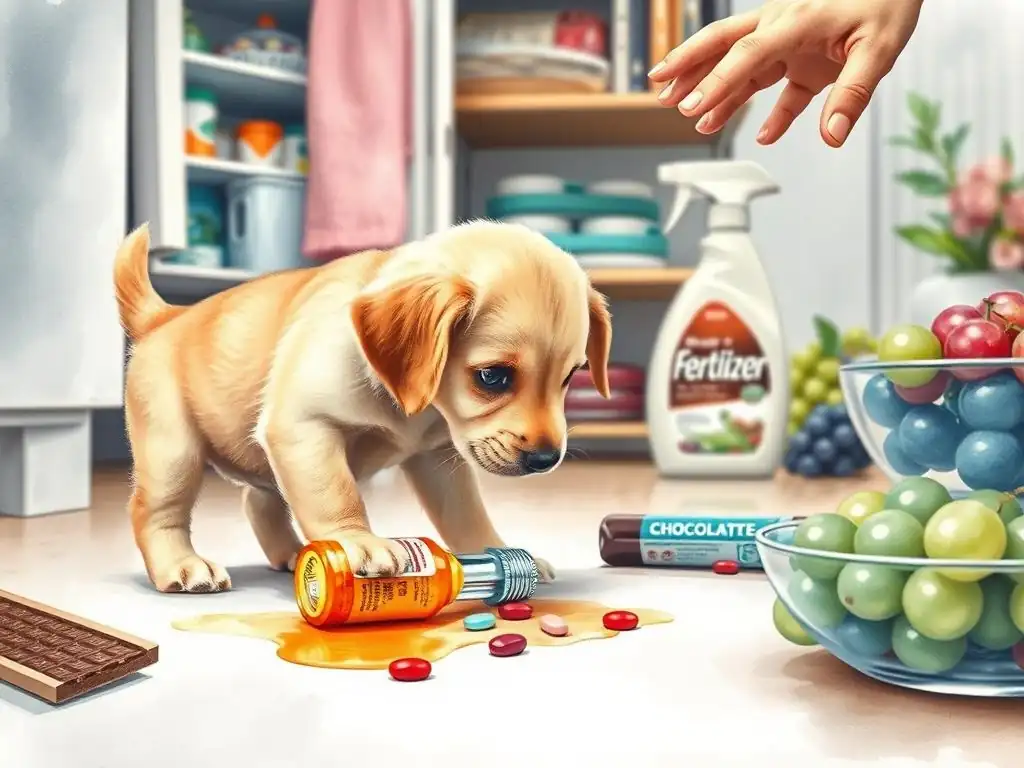
This section provides a detailed checklist of common household items that pose a significant threat to your pet's health. Understanding these dangers is the first step towards effective pet poisoning household prevention. Remember, even small amounts of certain substances can cause serious illness or even death. Always keep these items securely stored, out of reach of curious paws and noses. Early detection and swift action are crucial in mitigating the effects of accidental ingestion. This guide aims to equip you with the knowledge to proactively safeguard your beloved companions.
Human Medications: A Significant Threat to Pet Health
Human medications, even seemingly innocuous ones like pain relievers, can be extremely toxic to pets. Even a small dose of a medication intended for humans can have devastating consequences for a cat or dog, depending on their size and the specific medication. This is a leading cause of pet poisoning incidents.
The following table highlights some common human medications and their potential effects on pets:
| Medication Type | Potential Effects on Pets | Symptoms |
|---|---|---|
| Acetaminophen (Tylenol) | Liver failure, anemia, death | Lethargy, vomiting, dark urine, jaundice |
| Ibuprofen (Advil, Motrin) | Gastrointestinal ulcers, kidney failure, death | Vomiting, diarrhea, bloody stools, lethargy |
| NSAIDs (Nonsteroidal Anti-inflammatory Drugs) | Gastrointestinal bleeding, kidney damage, liver damage | Vomiting, diarrhea, loss of appetite, abdominal pain |
| Antidepressants | Cardiac arrhythmias, seizures, tremors, death | Restlessness, agitation, tremors, seizures |
Always keep your medications in child-proof containers, ideally in a locked cabinet or drawer inaccessible to pets. If you suspect your pet has ingested any medication, contact your veterinarian or an animal poison control center immediately. Even if you only suspect ingestion, prompt action is crucial. The quicker treatment begins, the higher the chances of a positive outcome. Remember, prevention is always better than cure when it comes to pet safety.
Cleaning products, readily available in most households, contain a variety of chemicals that are highly toxic to pets. These are often ingested accidentally, leading to serious health complications. The strong scents of these products can be alluring to pets, and accidental licking or ingestion can cause severe poisoning. Always ensure these products are stored securely and out of reach of your pets.
- Bleach: Ingestion of bleach can cause severe burns to the mouth, esophagus, and stomach, as well as respiratory distress.
- Disinfectants: Many disinfectants contain chemicals that are harmful to pets if ingested, causing irritation and potentially more severe internal damage.
- Drain Cleaners: These are extremely corrosive and can cause severe burns and internal damage if ingested. Even the fumes can be irritating and harmful.
Remember to always follow the instructions on cleaning product labels carefully and never mix different cleaning products together, as this can create toxic gases. Always thoroughly rinse surfaces after cleaning to remove any residual cleaning chemicals. Consider using pet-safe cleaning products whenever possible to minimize the risk of accidental poisoning. A clean home does not need to be a hazardous one for your pets.
Food Items Toxic to Pets: Unexpected Risks in the Kitchen
Certain foods that are perfectly safe for humans can be incredibly toxic to pets. Many common kitchen staples pose significant risks if ingested by your furry friends. Knowing what to avoid is crucial in preventing accidental pet poisoning in your home. This is a frequently overlooked aspect of pet poisoning household prevention.
Here's a list of some common food items toxic to pets:
- Chocolate: Contains theobromine, which is toxic to dogs and cats. Dark chocolate is particularly dangerous.
- Grapes and Raisins: Can cause kidney failure in dogs. Even small amounts can be harmful.
- Onions and Garlic: Contain compounds that damage red blood cells.
- Macadamia Nuts: Can cause weakness, tremors, and hyperthermia in dogs.
- Xylitol (Artificial Sweetener): Extremely toxic to dogs, causing a rapid drop in blood sugar.
Always keep food items out of reach of your pets, and be mindful of what falls on the floor. Never give your pet table scraps without first consulting your veterinarian to ensure they are safe. Regularly check your pet's food and water bowls for any contamination. A vigilant approach to food management is a key element of your pet poisoning household prevention strategy. Remember, a small piece of seemingly harmless food can have significant consequences for your pet's health.
Plants Toxic to Pets: Identifying and Avoiding Dangerous Flora
Many common household plants pose significant risks to our beloved pets. Ingestion can lead to anything from mild gastrointestinal upset to severe organ damage and even death. Knowing which plants are toxic is crucial for pet poisoning household prevention. For example, lilies are extremely toxic to cats, even a small amount of pollen can cause kidney failure.
Similarly, tulips and daffodils, while beautiful, contain lycorine, a toxic alkaloid that can cause vomiting, diarrhea, and tremors in dogs and cats. Sago palms are another serious threat, containing cycasin, which is highly toxic to both dogs and cats, causing liver failure. Even seemingly innocuous plants like azaleas and rhododendrons contain toxins that can be lethal.
It's not just the ingestion of the plant itself that's dangerous; some plants can also cause skin irritation upon contact. For instance, contact with poison ivy or oak can lead to a painful rash in pets. Therefore, a proactive approach to pet poisoning household prevention includes carefully assessing your home environment for potentially dangerous plants. Consider replacing toxic plants with pet-friendly alternatives.
If you have a garden, ensure it's fenced securely to prevent access. Furthermore, educating children about the dangers of certain plants is essential, especially if they're involved in gardening or handling plants. Regularly inspect your plants for signs of nibbling or damage, which might indicate your pet has accessed them.
A vigilant approach is key to preventing accidental poisoning. Remember, prevention is always better than cure when it comes to pet safety. A thorough understanding of toxic plants is an important part of a comprehensive pet poisoning household prevention guide.
Pest Control Products: Protecting Your Pet from Insecticides and Rodenticides
Pest control products represent a significant threat to pet health, making their safe storage and use a critical aspect of pet poisoning household prevention. Insecticides, rodenticides, and other pest control chemicals can cause severe poisoning if ingested or even absorbed through the skin. Many of these products contain highly toxic ingredients, such as organophosphates and carbamates, which interfere with the nervous system.
Symptoms of poisoning can range from mild gastrointestinal distress (vomiting, diarrhea) to more severe neurological problems (tremors, seizures, respiratory failure). Rodenticides, in particular, are extremely dangerous as they often contain anticoagulants that prevent blood clotting, leading to internal bleeding.
Safe storage is paramount. Keep all pest control products out of reach of pets, ideally in a locked cabinet or high shelf. Always follow the instructions on the product label carefully, and never use more than the recommended amount. After application, ensure the area is thoroughly ventilated before allowing pets access. Consider using pet-friendly alternatives whenever possible, such as natural repellents or traps.
If you suspect your pet has ingested a pest control product, contact your veterinarian or an animal poison control center immediately. Time is critical in these situations, as prompt treatment can significantly improve the chances of recovery. Remember, a well-structured pet poisoning household prevention guide emphasizes proactive measures to eliminate risks posed by pest control products. This proactive approach is crucial for ensuring your pet’s safety and well-being.
Prevention Strategies: Creating a Safe Home Environment for Your Pet
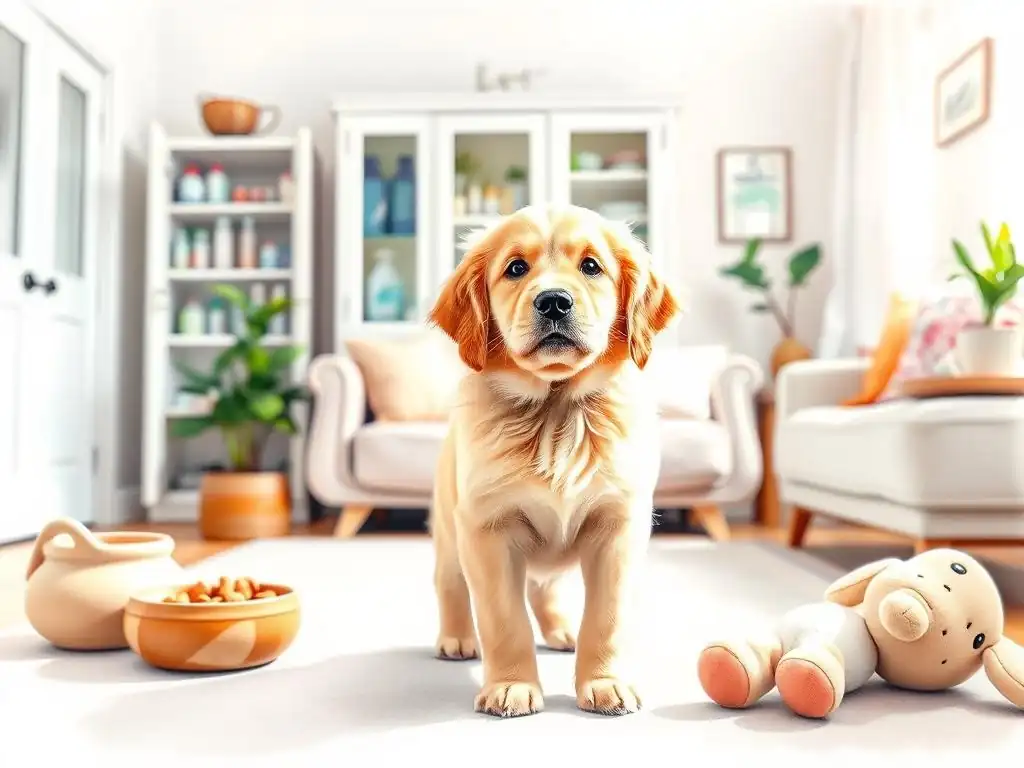
This section focuses on proactive measures you can take to minimize the risk of pet poisoning in your home. A safe home environment is the cornerstone of effective pet poisoning prevention. By implementing these strategies, you significantly reduce the chances of your furry friend encountering hazardous substances.
Remember, prevention is always better than cure when it comes to pet safety. This guide will provide you with practical steps to transform your house into a haven for your beloved pet, free from common household toxins. Understanding the risks and taking preventative action is key to responsible pet ownership and ensuring a long and healthy life for your companion.
Pet-Proofing Your Home: A Step-by-Step Guide to Safety
Pet-proofing your home is a crucial step in preventing accidental poisoning. It involves identifying and eliminating potential hazards throughout your living space. This isn't a one-time task; it's an ongoing process of vigilance and adjustment as your pet grows and your home evolves.
Here's a step-by-step guide to help you effectively pet-proof your home:
- Clean Under the Sink: Thoroughly clean under your kitchen and bathroom sinks. Many cleaning products, medications, and other harmful substances are stored here. Store these items in locked cabinets or high up, out of your pet's reach.
- Secure Medications: Keep all medications, both human and pet, in securely locked cabinets or containers. This includes over-the-counter drugs, prescription pills, and even vitamins. Consider using childproof locks, as they are effective for pets as well.
- Cable Management: Pets are notorious for chewing on electrical cords. Use cord covers or strategically place cords to prevent access. Consider using wireless alternatives whenever possible.
- Plant Identification: Research the toxicity of all plants in your home and garden. Many common houseplants are poisonous to pets. Relocate toxic plants or replace them with pet-safe alternatives.
- Garbage Disposal: Ensure garbage cans are securely sealed with lids that your pet cannot open. Food scraps, spoiled items, and other discarded materials can be hazardous.
- Regular Inspections: Regularly inspect your home for potential hazards. This includes checking for spilled substances, broken containers, or anything that could pose a risk.
Secure Storage of Hazardous Materials: Keeping Poisons Out of Reach
Secure storage is paramount in preventing pet poisoning. Simply keeping things out of reach isn't enough; you must use secure containers and consider your pet's ingenuity. Many pets are surprisingly adept at opening cabinets or reaching high shelves.
Here's how to ensure safe storage:
- Locked Cabinets: Use childproof locks on cabinets containing cleaning supplies, pesticides, medications, and other hazardous materials. Consider using multiple locking mechanisms for added security.
- High Shelving: Store hazardous materials on high shelves that are inaccessible to your pet, ideally above their jumping height.
- Original Containers: Always keep hazardous materials in their original containers. This ensures proper labeling and reduces the risk of accidental ingestion.
- Separate Storage: Designate a specific area for storing hazardous materials, away from food, water, and pet supplies.
- Inventory: Maintain an inventory of all hazardous materials in your home, including their location and potential toxicity to pets. This helps in case of emergency.
Educating Family Members: Collective Responsibility for Pet Safety
Preventing pet poisoning isn't a solo mission; it requires the collective effort of everyone in the household. Educating family members, including children, about the dangers of household toxins and the importance of responsible pet handling is crucial.
- Age-Appropriate Education: Teach children about the dangers of touching or ingesting certain substances. Keep hazardous materials out of their reach and supervise them carefully when they are around pets.
- Guest Awareness: Inform guests about the presence of pets and the importance of keeping hazardous materials out of reach. Explain the potential dangers and encourage responsible behavior.
- Clear Communication: Establish clear communication protocols within the household regarding the handling and storage of hazardous materials. Ensure everyone is aware of the location of emergency contact information and pet first-aid supplies.
- Regular Reminders: Regularly reinforce the importance of pet safety with family members. This helps maintain awareness and prevent accidental exposures. A simple visual reminder, like a brightly colored sticker on hazardous material storage areas, can be incredibly effective.
This comprehensive approach to pet poisoning prevention, encompassing pet-proofing, secure storage, and family education, significantly reduces the risk of accidental ingestion and ensures a safer environment for your beloved pet. Remember, your vigilance is your pet's best protection against household toxins.
Choosing Pet-Friendly Cleaning Products and Pest Control Solutions
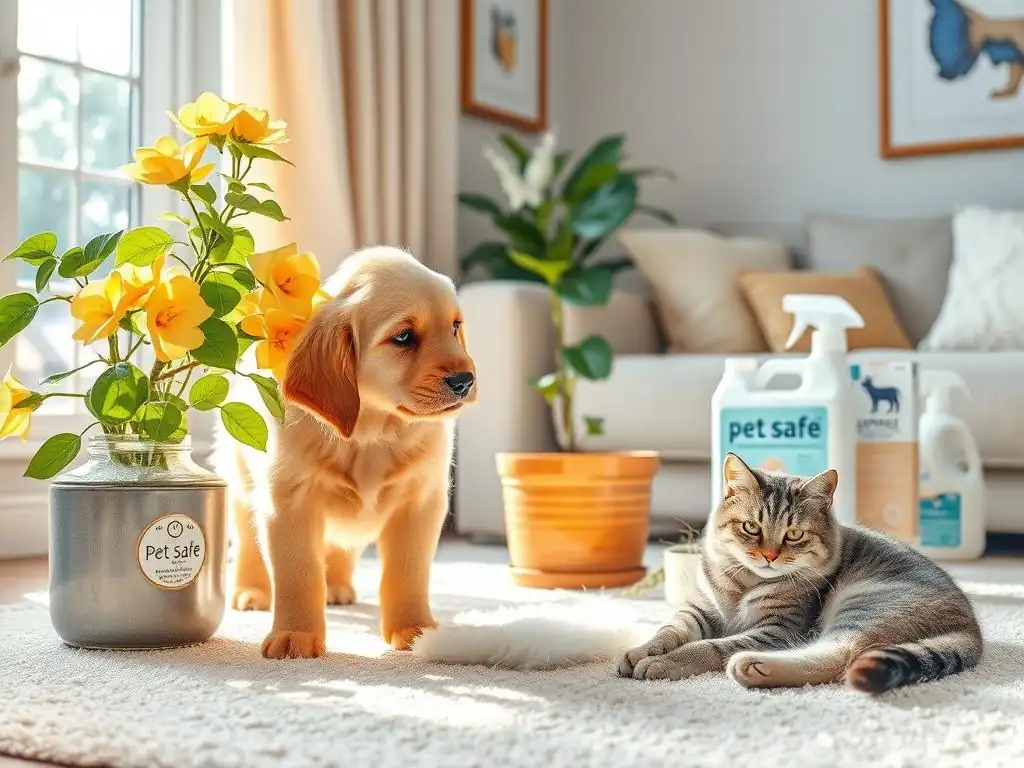
Pet poisoning is a significant concern, and a surprisingly common source is everyday household cleaning products. Many contain chemicals toxic to pets, even in small amounts. Therefore, selecting pet-friendly options is crucial for a safe home environment. This involves careful reading of product labels, looking for explicit statements indicating safety for animals. Avoid products containing ammonia, bleach, phenol, and other harsh chemicals. These can cause severe irritation, respiratory problems, and even organ damage if ingested or absorbed through the skin.
Opt for cleaning products specifically labeled as "pet-safe" or those made with natural, plant-based ingredients. Vinegar and baking soda are excellent, eco-friendly alternatives for many cleaning tasks. Vinegar, diluted with water, can effectively clean many surfaces, while baking soda is a great deodorizer and gentle abrasive cleaner. For stubborn stains, consider enzymatic cleaners, which are designed to break down organic matter without harmful chemicals. Remember, even "pet-safe" products should be used cautiously and stored out of your pet's reach. Thoroughly rinse surfaces after cleaning to eliminate any residual product.
For pest control, professional pest control services offering pet-friendly solutions are a safer bet than DIY methods. Professionals can assess your specific needs and recommend treatments that minimize risks to your pets. If opting for DIY methods, choose products with low toxicity and follow the instructions meticulously. Always keep pesticides out of your pet's reach, and consider using natural deterrents like essential oils (such as peppermint or citronella—but always research pet safety first!)
or diatomaceous earth (food-grade only) for pest control. Remember to always keep pets out of the treated area until it has thoroughly dried and aired out. Regular cleaning and maintaining a clean environment will also help reduce pest infestations, minimizing the need for harsh chemicals.
Creating a Safe Outdoor Space for Your Pet
Your yard, while seemingly a haven for your pet, can also pose significant poisoning risks. Many common plants are toxic to animals, leading to ingestion-related problems. Research the plants in your garden and remove any known to be toxic to your specific pet. A comprehensive list of toxic plants for pets is readily available online and through veterinary resources.
This proactive approach is vital in preventing accidental poisoning. For example, Lilies are extremely toxic to cats, even pollen can cause kidney failure. Similarly, many common shrubs and flowers can cause gastrointestinal upset or more serious reactions in dogs and other pets.
Beyond plants, consider potential hazards like fertilizers, pesticides, and herbicides. These chemicals can be absorbed through the skin or ingested when pets groom themselves after exposure. Always follow the manufacturer's instructions carefully, ensuring ample drying time before allowing your pet back into the treated area. Consider using organic alternatives whenever possible, minimizing the use of harsh chemicals in your lawn and garden care. Regularly check your yard for potential hazards like discarded trash, broken glass, or sharp objects that your pet might ingest or injure themselves on.
Securing your outdoor space is also paramount. Ensure your fence is secure, preventing escapes and restricting access to neighboring properties that might contain hazards. A well-maintained yard, free of debris and potentially toxic substances, significantly reduces the risk of pet poisoning. Regularly inspect your yard for any potentially hazardous materials, and promptly remove any items that could pose a risk to your pet. Providing a safe and stimulating outdoor space for your pet is crucial for their overall well-being, but proactive prevention is key to minimizing risks.
First Aid for Pet Poisoning: Immediate Actions
This section details the crucial first steps to take if you suspect your pet has ingested a household poison. Time is of the essence in pet poisoning cases, so swift and informed action can significantly improve the chances of a positive outcome. Remember, this information is for guidance only and does not replace professional veterinary advice. Always contact your veterinarian or a pet poison control center immediately.
Contacting Your Veterinarian or Pet Poison Control Center: Emergency Protocols
The first and most important step after suspecting pet poisoning is contacting your veterinarian or a pet poison control center. Do not delay; immediate action is critical.
Have the following information readily available when you call:
- Pet's species, breed, age, and weight: This allows the professional to accurately assess the risk and determine the appropriate course of action. For example, a small dog will react differently to the same amount of poison than a large dog.
- The suspected poison: If possible, identify the specific substance ingested – including the product name, active ingredients, and amount consumed. If you have the container, keep it within reach for reference.
- The time of ingestion: This helps to gauge how long the toxin has been in your pet's system.
- Your pet's current symptoms: Describe any observable signs such as vomiting, diarrhea, tremors, seizures, difficulty breathing, lethargy, or unusual behavior. Be as detailed as possible.
- Your location: This is essential for emergency response, particularly if transport to a veterinary clinic is necessary.
Pet poison control centers operate 24/7 and can provide immediate guidance and support. They have access to extensive databases of toxic substances and can advise on the best course of treatment. Their expertise is invaluable in these emergency situations. Remember to note down any instructions provided by the poison control center or your veterinarian, including any recommended first aid measures.
Administering First Aid (If Recommended by a Professional): Specific Instructions
Never administer any first aid measures without first consulting a veterinarian or pet poison control center. Improper first aid can sometimes worsen the situation. However, in certain cases, a professional may advise specific actions to take before arriving at the clinic.
These actions might include:
- Inducing vomiting: This is only to be done if explicitly instructed by a professional and under their guidance. The method and timing are crucial, and improper induction can cause further harm. Certain poisons should never be induced to vomit.
- Administering activated charcoal: This can help absorb some toxins in the digestive system. Again, this is only to be administered under direct professional guidance, as it's not appropriate for all types of poisoning.
- Providing supportive care: This may involve keeping your pet warm, ensuring they have access to fresh water (unless contraindicated), and monitoring their vital signs.
Remember to carefully follow all instructions from the professional. Keep a record of the time you administered any first aid and the amount given.
Transportation to the Veterinary Clinic: Ensuring Safe and Timely Treatment
Once you've contacted a professional, you may need to transport your pet to a veterinary clinic for further evaluation and treatment. Safe and timely transport is crucial for optimal outcomes.
Consider the following:
- Secure transportation: Use a carrier or other suitable restraint to prevent your pet from further injuring themselves or escaping during transport. This is particularly important if your pet is exhibiting signs of distress or disorientation.
- Emergency contact information: Keep your veterinarian's or pet poison control center's contact information readily accessible during transport.
- Note symptoms: Continue to monitor your pet's condition and note any changes in their symptoms. This information is valuable for the veterinary team.
- Safe driving: Prioritize safe driving practices to ensure the well-being of both you and your pet during transport.
Following these steps can significantly impact the outcome of a pet poisoning incident. Remember, prevention is key, so take steps to keep your home safe for your furry friends. Always store potentially hazardous substances out of your pet's reach. 🐕🦺🐈⬛🦜🐍
Long-Term Pet Poison Prevention: Ongoing Strategies

Maintaining a safe home environment for your pet requires more than a one-time cleanup. Long-term pet poison prevention involves consistent vigilance and proactive strategies to minimize risks. This section outlines crucial ongoing practices to safeguard your furry, feathered, or scaled companions from household toxins. Implementing these strategies significantly reduces the chances of pet poisoning and contributes to a healthier, happier pet. This guide focuses on proactive measures, ensuring your "pet poisoning household prevention" efforts are comprehensive and effective.
Regular Checkups and Veterinary Consultations: Maintaining Pet Health
Regular veterinary checkups are paramount not only for routine vaccinations and parasite prevention but also for early detection of potential poisoning symptoms. A veterinarian can assess your pet's overall health, identify subtle signs of toxicity that you might miss, and provide tailored advice based on your pet's specific needs and your home environment. During these visits, discuss any concerns you have about potential hazards in your home, and ask questions about toxic substances specific to your pet's species. For example, certain plants are toxic to cats but not dogs, and vice versa.
A proactive approach with your vet is a key component of effective pet poisoning household prevention. Consider scheduling checkups every six months for adult pets and more frequently for puppies, kittens, or senior animals. Early detection is crucial for successful treatment should poisoning occur.
Continuous Monitoring of Your Home Environment: Proactive Safety Measures
A consistently safe home environment is the cornerstone of pet poisoning household prevention. This involves more than a single decluttering session; it's an ongoing process. Regularly inspect your home for potential hazards, paying close attention to areas where your pet spends the most time. This includes:
- Cleaning supplies: Store all cleaning products, pesticides, and fertilizers in securely locked cabinets or out of reach. Even seemingly harmless products can be toxic if ingested.
- Medications: Keep all human and pet medications in childproof containers and in a location inaccessible to your pet. Even small amounts of certain medications can be fatal.
- Food: Be mindful of foods toxic to pets, such as chocolate, grapes, onions, and xylitol (artificial sweetener). Keep these foods out of reach and clean up spills immediately.
- Plants: Identify and remove any toxic plants from your home or yard. Consult a comprehensive list of toxic plants to pets to ensure your environment is safe.
- Garbage: Securely store all garbage in tightly sealed containers to prevent your pet from accessing potentially harmful items.
Regularly inspect these areas, perhaps weekly, to ensure that nothing has been knocked over or left within reach. Remember, consistent vigilance is key to successful pet poisoning household prevention. Think of it as a continuous risk assessment.
Educating Yourself on New Products and Potential Hazards: Staying Informed
The landscape of household products is constantly evolving. New cleaning solutions, pesticides, and other products enter the market regularly, some of which may pose unforeseen risks to your pets. Staying informed about potential hazards is crucial for effective long-term pet poisoning household prevention. Regularly check reputable sources for updates on toxic substances and safe pet practices.
Read labels carefully before using any new product in your home, paying particular attention to warnings about pet safety. When introducing a new product, take extra precautions, keeping it securely stored and observing your pet closely for any unusual behavior. Participating in pet owner forums and engaging with your veterinarian are excellent ways to stay updated on emerging threats and best practices for pet safety. Consider subscribing to newsletters from pet-related organizations to receive regular updates.
This continuous learning process is a vital part of a comprehensive pet poisoning household prevention strategy. Never assume that a product is safe unless specifically labeled as such. Remember, proactive education is your best defense against unforeseen hazards.
Resources and Further Information: Supporting Your Pet's Safety
This section provides crucial contact information and online resources to help you prevent and address pet poisoning incidents. Having this information readily available can be the difference between a minor scare and a veterinary emergency. Remember, prevention is key, but being prepared is equally important for pet poisoning household prevention.
Pet Poison Helpline Contact Information
Immediate action is crucial when you suspect your pet has ingested a poison. Don't waste precious time searching for the right number – have the contact information for a pet poison helpline readily accessible. Keep a printed copy near your phone or save the number in your phone's contacts under a prominent name like "Pet Poison Emergency."
While specific numbers vary by region, many countries have dedicated pet poison control centers. These centers employ veterinary toxicologists and other experts who can provide immediate guidance and advice based on the specific poison ingested and your pet's size and breed. They can assess the severity of the situation and advise on the best course of action, including whether immediate veterinary attention is required. Always have the following information ready when you call:
- The pet's species, breed, age, and weight: This is essential for determining the appropriate dosage of any potential antidote.
- The suspected poison: If possible, identify the substance, including the brand name and any active ingredients. Bring the container if safe to do so.
- The amount ingested: Estimate how much your pet consumed, if possible.
- The time of ingestion: Knowing when the ingestion occurred helps the experts assess the urgency of the situation.
- Your pet's current symptoms: Describe any changes in behavior, such as vomiting, diarrhea, lethargy, tremors, or seizures.
Online Resources for Pet Poison Prevention
The internet offers numerous resources to help you create a safer environment for your pets. Many websites provide comprehensive lists of common household toxins, offering detailed information on their toxicity levels and potential effects on various animals. Utilizing these resources proactively allows you to identify and remove potential hazards from your home, minimizing the risk of accidental poisoning.
Beyond simple lists, some websites offer interactive tools and quizzes to assess your home's safety for pets. These resources can be invaluable in identifying potential blind spots in your pet poisoning household prevention strategy. Remember to regularly revisit these resources, as new products and information become available. Staying informed is a crucial part of being a responsible pet owner.
Local Veterinary Emergency Services
Having the contact information for your local veterinary emergency services readily available is a critical aspect of pet poisoning household prevention. While a pet poison helpline can offer valuable guidance, a vet clinic is often necessary for immediate treatment. Knowing the location and contact information of the nearest 24-hour veterinary emergency clinic will save valuable time in an emergency.
Consider compiling a list that includes:
- The clinic's address and phone number: This should be easily accessible in case of an emergency.
- Their operating hours: Confirm they offer 24/7 services, or note their emergency hours.
- Driving directions: Pre-planning your route in advance can help reduce stress during an emergency.
This preparation is not just about reacting to emergencies; it's about proactively minimizing risks and ensuring the well-being of your beloved companion. A comprehensive approach to pet poisoning household prevention requires a multi-faceted strategy, incorporating preventative measures, readily accessible resources, and a plan of action for emergencies. 🐾
Frequently Asked Questions
What are some common household poisons dangerous to pets?
Many everyday items pose risks. Cleaning products, medications, chocolate, certain foods (like grapes and onions), and pesticides are common culprits. Always keep these out of reach.
How can I prevent my pet from getting into poisonous substances?
Secure storage is key. Keep all potentially harmful items in locked cabinets or high places. Regularly check for spills or leaks and immediately clean them up.
What should I do if I suspect my pet has ingested poison?
Immediately contact your veterinarian or an animal poison control center. Note what your pet ingested, how much, and when. Follow their instructions carefully.
Are there specific plants toxic to pets?
Yes, many common houseplants are poisonous. Lilies, tulips, sago palms, and azaleas are just a few examples. Research plants before bringing them home, and keep them out of your pet's reach.
What is the role of PetCareWorld in pet poisoning prevention?
PetCareWorld provides comprehensive guides and resources to educate pet owners about household poisons and how to prevent exposure. We aim to empower you with the knowledge to keep your pets safe.
The silent threat of household toxins to our beloved pets remains a pervasive danger, demanding our constant vigilance and proactive measures. Every year, countless animals suffer needlessly due to accidental ingestion of common household items, highlighting the urgent need for increased awareness and responsible pet ownership. This preventable tragedy underscores the critical importance of understanding the risks and implementing effective safety strategies.
The impact of pet poisoning extends far beyond the immediate suffering of the animal; it deeply affects the emotional well-being of pet owners. The bond we share with our furry companions is profound, and witnessing their distress due to our unintentional negligence is heartbreaking. The best thing about having a pet is just having a pet.
This simple truth underscores the responsibility we bear to protect them from harm, demanding a constant commitment to safety and awareness. The ongoing education and dissemination of information about household hazards are crucial steps in building a safer environment for our pets.
You, the reader, now possess the knowledge to transform your home into a haven for your pet. Take the time to review the list of common household poisons, secure potentially hazardous items, and educate your family and friends about pet safety. Remember, prevention is the most powerful antidote. By actively engaging in pet safety practices, you are not only protecting your animal companion but also fostering a deeper connection built on trust, care, and mutual respect. Let's work together to create a world where every pet can thrive in a safe and loving home.
Unlock Your Pet's Safety: Prevent Household Hazards Today
Thank you for taking the time to learn about protecting your furry friend from common household dangers! We hope this guide empowers you to create a safer home environment. Now, let's put that knowledge into action:
- Prioritize a thorough home safety check: Begin by addressing the most urgent hazards in your home, such as removing poisonous cleaning supplies or securing electrical cords. This immediate action will significantly improve your pet's safety.
- Share this vital information with fellow pet owners! Spread awareness and help protect other animals by sharing this article on your social media platforms.
- Consider creating a personalized pet-safety checklist for your household. This will help establish good habits and ensure long-term protection for your pet.
What's one simple step you'll take today to make your home safer for your beloved pet?