
Creating a SeniorFriendly Home: A RoombyRoom Guide for Pet Owners

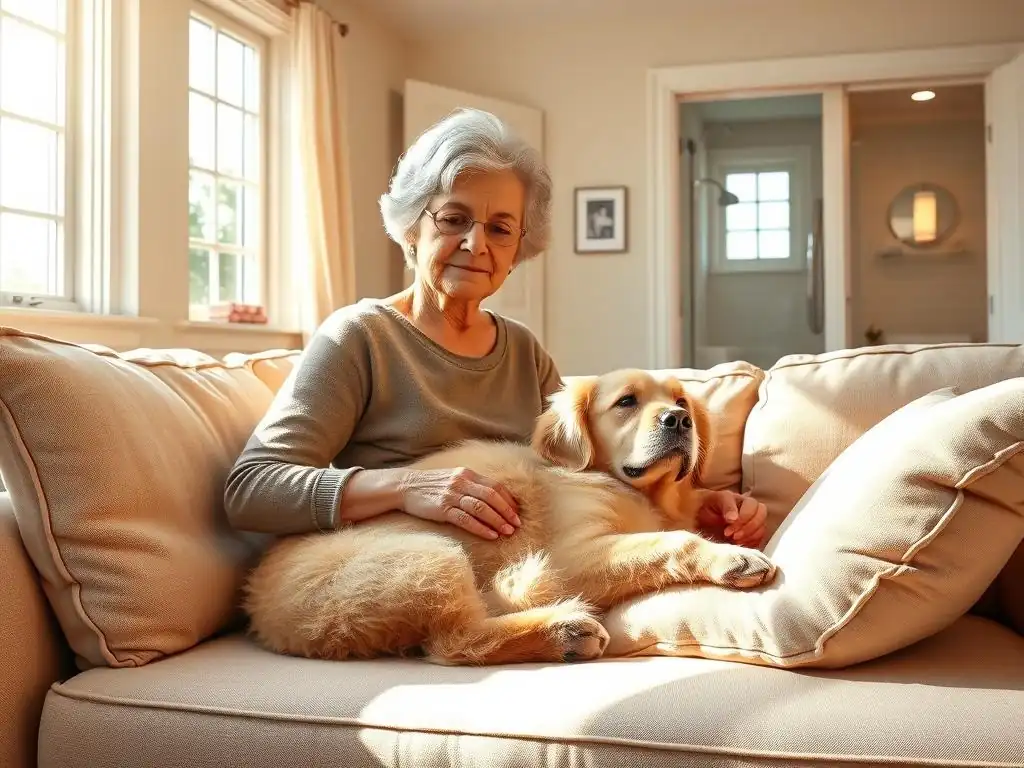
Welcome to PetCareWorld, your ultimate guide to a happier, healthier life for your beloved companions! Are you ready to navigate the unique challenges of caring for a senior dog? Discover how simple home modifications can dramatically improve your aging dog's comfort and quality of life. Our comprehensive, room-by-room guide on Senior Dog Home Modifications reveals practical solutions to create a truly senior-friendly haven. Dive in and unlock the secrets to ensuring your furry friend enjoys their golden years to the fullest!
- Assessing Your Home for Senior Dog Needs
- Kitchen Modifications for Senior Dog Safety and Comfort
- Bathroom Adaptations for Senior Pet Care
- Living Room Adjustments for Senior Dog Comfort
- Bedroom Modifications for Senior Dog Rest and Relaxation
- Outdoor Space Adaptations for Senior Dog Exercise
- Choosing the Right Senior Dog Supplies
- Creating a Senior-Friendly Home Environment for Other Senior Pets (Cats, Birds, etc.)
- Regular Veterinary Checkups and Monitoring
- Maintaining a Senior-Friendly Home: Ongoing Care and Maintenance
-
Frequently Asked Questions
- What are some common mobility issues in senior dogs that necessitate home modifications?
- How can I make my home safer for a senior dog with arthritis?
- What are some affordable ways to modify my home for a senior dog?
- Are there any specific room modifications I should prioritize for my senior dog?
- Where can I find more in-depth information on senior dog care and home modifications?
- Final Reflection: Building Bridges of Comfort and Love for Our Aging Companions
- Ready to Pet-Proof and Senior-Proof Your Home?
Assessing Your Home for Senior Dog Needs
As our beloved canine companions age, their needs change, requiring us to adapt our homes to ensure their comfort, safety, and overall well-being. Creating a senior-friendly environment for your aging dog isn't just about making life easier; it's about extending their quality of life and allowing them to maintain their independence and dignity for as long as possible.
This comprehensive guide provides a room-by-room approach to modifying your home to better suit the specific needs of a senior dog, focusing on practical solutions and addressing common challenges faced by aging pets. We'll explore how to identify potential hazards, mitigate mobility issues, and create a space where your senior dog can thrive, even as their physical capabilities decline.
This guide is particularly helpful for those searching for "senior dog home modifications," offering practical steps to transform your home into a haven for your aging furry friend. Remember, a little foresight and planning can make a significant difference in the happiness and health of your senior dog.
Identifying Mobility Challenges for Senior Dogs
Senior dogs often experience a gradual decline in mobility due to age-related conditions like arthritis, hip dysplasia, and degenerative joint disease. These conditions can manifest in several ways, impacting your dog's ability to navigate their environment comfortably. Observe your senior dog carefully for signs of stiffness, difficulty rising from a lying or sitting position, reluctance to climb stairs, or a slower, more hesitant gait. Pay close attention to their posture; a hunched back or favoring of one leg could indicate underlying mobility issues.
Keeping a detailed log of these observations can be invaluable when discussing your dog's needs with your veterinarian and making home modifications. For example, a dog struggling to navigate carpeted areas might benefit from the addition of non-slip rugs or ramps to eliminate potential falls. Understanding these individual challenges is the first step towards creating a safe and comfortable space for your senior dog. 🐕🦺
Many health problems common in senior dogs directly impact their ability to navigate the home safely and efficiently. These issues extend beyond simple mobility limitations. For instance, declining eyesight can make navigating unfamiliar or dimly lit areas challenging, leading to potential accidents. Similarly, decreased hearing can make it difficult for your dog to respond to verbal cues or become aware of approaching hazards. Cognitive dysfunction syndrome (CDS), a canine equivalent of Alzheimer's disease, can also significantly affect a senior dog's ability to navigate their surroundings, leading to disorientation and confusion.
These cognitive changes can manifest as increased anxiety, restlessness, or even inappropriate elimination. Understanding these potential health issues allows you to proactively modify your home to minimize risks and improve your dog's quality of life. Consider using nightlights to improve visibility, providing clear pathways, and creating a safe, predictable environment to reduce stress and anxiety. 🐾
Evaluating Existing Home Hazards for Senior Pets
A thorough assessment of your home is crucial to identify potential hazards for your senior dog. This involves carefully examining each room for potential tripping hazards such as loose rugs, electrical cords, and uneven flooring. Stairs can be particularly dangerous for senior dogs with joint issues; consider installing ramps or using stair lifts as safer alternatives. Elevated food and water bowls can strain their necks and backs, so switching to lower bowls is recommended. The placement of furniture can also create obstacles; ensure that pathways are clear and wide enough for your dog to navigate easily without bumping into furniture. Sharp objects, toxic substances, and medications should be stored securely out of reach. Regularly check for any potential dangers, such as broken glass or small objects that could be swallowed. Proactive hazard removal is a crucial aspect of creating a safe and comfortable home environment for your aging companion. 🏡
Kitchen Modifications for Senior Dog Safety and Comfort
The kitchen, often the heart of the home, presents unique challenges for senior dogs. Their mobility and agility may be compromised, leading to accidents and discomfort. Modifying your kitchen to accommodate these changes is crucial for ensuring your aging canine companion remains safe and comfortable. Focusing on ease of access, stability, and preventing falls will significantly improve their quality of life. Careful planning and relatively simple adjustments can transform your kitchen into a senior-dog haven. This section will detail key modifications to prioritize your senior dog's well-being in this frequently used area.
Elevated Food and Water Bowls for Arthritis Relief
Arthritis is a common ailment in senior dogs, making bending down to eat and drink painful and difficult. Elevated food and water bowls significantly alleviate this discomfort. Raising the bowls to a comfortable height, matching your dog's elbow height, allows them to eat and drink without straining their joints. This simple modification can dramatically improve their feeding experience, leading to better appetite and hydration.
Consider bowls made of lightweight but durable materials like stainless steel or ceramic. Avoid plastic bowls, as these can harbor bacteria more easily. For extra support, you can even consider bowls with non-slip bases, preventing accidental spills and further discomfort.
Remember to regularly clean the bowls to maintain hygiene and prevent bacterial growth. The investment in elevated bowls is a small price to pay for the significant improvement in your senior dog's comfort and well-being. Investing in these modifications demonstrates your commitment to your pet's senior years.
Non-Slip Flooring Options for Senior Dogs
Slippery kitchen floors pose a significant fall risk for senior dogs. Their decreased balance and weaker leg muscles make them susceptible to slips and injuries. Installing non-slip flooring is a vital modification for senior dog safety. Several options exist, ranging from rubber mats placed strategically in high-traffic areas to fully replacing existing flooring with non-slip materials.
Rubber mats are a cost-effective solution, providing excellent traction and easily cleaned. However, for a more comprehensive approach, consider replacing smooth tile or hardwood floors with non-slip options like vinyl or linoleum with a textured surface. If complete flooring replacement isn't feasible, strategically placed rugs with a rubber backing can provide additional traction in key areas, such as near the food and water bowls.
Remember, preventing falls is paramount in maintaining your senior dog's safety and independence. Prioritize flooring that offers both comfort and security. The reduction in fall-related injuries is well worth the effort and expense.
Easy-Access Storage for Senior Dog Supplies
Accessing food, treats, and medication can be challenging for senior dogs with reduced mobility. Reorganizing your kitchen storage to ensure easy access to these essential supplies is crucial. Lower cabinets are ideal for storing food and water bowls, making them easily accessible without the need for excessive bending or reaching. Consider using pull-out shelves or drawers for easier access to heavier items.
Frequently used items like treats and medication should be stored within easy reach in clearly labeled containers. A designated area for your senior dog's supplies will streamline daily care routines, saving you both time and effort. This organized approach not only simplifies your routine but also significantly improves the overall experience for your aging companion.
A well-organized kitchen promotes a safe and convenient environment for both you and your senior dog, enhancing their quality of life in their golden years. Remember, even small changes can make a big difference in improving their overall comfort and well-being. These modifications demonstrate your dedication to providing a safe and nurturing home for your beloved senior dog.
Bathroom Adaptations for Senior Pet Care
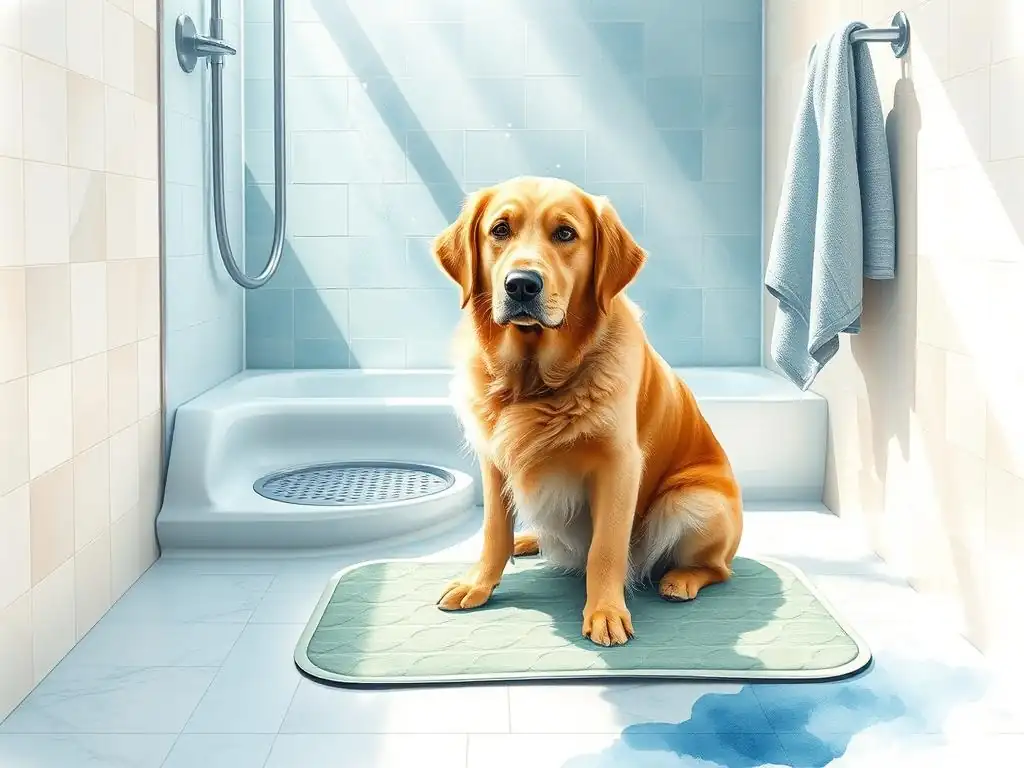
This section focuses on making your bathroom a safe and accessible space for your aging canine companion. Senior dogs often experience decreased mobility, arthritis, and other age-related conditions that can make navigating the bathroom challenging. Simple modifications can significantly improve their comfort and safety. Remember, the goal is to minimize the risk of falls and injuries while maximizing their independence. This is crucial for maintaining their quality of life and reducing stress on both you and your pet. Consider these key adaptations for a senior dog-friendly bathroom:
Ramp Access for Senior Dogs with Mobility Issues
Many senior dogs struggle with steps, even small ones. A ramp provides a gentle incline, allowing them to enter and exit the tub or shower safely and independently. The ideal ramp should be sturdy, non-slip, and wide enough for comfortable passage. Consider the height of your tub or shower and choose a ramp accordingly. The slope should be gradual to avoid strain on their joints.
A ramp with a textured surface offers added traction, preventing slips. Regularly inspect the ramp for wear and tear and replace it if necessary. This simple modification can dramatically improve a senior dog's mobility and prevent potential injuries associated with jumping or climbing. The investment in a quality ramp is a worthwhile one for the improved quality of life it provides.
Non-Slip Mats and Flooring for Senior Dog Safety
Slippery bathroom floors are a significant hazard for senior dogs. Their paws may lose grip, leading to falls and injuries. Installing non-slip mats in the bathtub, shower, and on the bathroom floor is crucial. These mats provide added traction and help prevent accidents. Choose mats specifically designed for wet environments and ensure they are securely placed to prevent shifting.
Consider replacing traditional flooring with non-slip options, such as rubberized flooring or textured tiles. These materials offer superior grip, making the bathroom safer for your senior dog. Remember to regularly clean and dry the mats to maintain their effectiveness. Preventing slips and falls is paramount for maintaining your senior dog's well-being and preventing potential injuries.
Easy-to-Clean Surfaces for Senior Pet Accidents
As dogs age, they may experience incontinence or have accidents more frequently. Choosing easy-to-clean surfaces for your bathroom is essential to maintain hygiene and prevent the spread of bacteria. Avoid carpets or rugs that are difficult to clean. Opt for waterproof flooring, such as tile or vinyl, which can be easily wiped down. Consider using washable mats that are simple to clean and disinfect.
Regular cleaning is crucial to maintain a healthy and safe environment for your senior dog. The ease of cleaning will minimize the potential for bacterial growth and unpleasant odors, creating a healthier environment for both you and your pet. Implementing these modifications can dramatically improve your senior dog's comfort and prevent potential health issues. Remember, a clean and safe bathroom contributes significantly to a better quality of life for your aging canine companion. 🐾
Living Room Adjustments for Senior Dog Comfort
This section focuses on transforming your living room into a haven of comfort and safety for your aging canine companion. As dogs age, their mobility and physical capabilities decline, requiring adjustments to their environment to prevent injuries and maintain their quality of life. Careful consideration of bedding, furniture placement, and overall room organization are crucial elements in creating a senior-dog-friendly living space.
Optimizing your living room for your senior dog will not only improve their comfort but also enhance their safety and overall well-being. This translates to a happier, healthier, and more content senior dog, enriching the bond you share. The following subsections detail specific modifications you can implement.
Comfortable and Supportive Bedding for Senior Dogs
Senior dogs often suffer from joint pain, arthritis, and other age-related ailments. Providing them with comfortable and supportive bedding is paramount to alleviating discomfort and promoting restful sleep. Avoid thin, flat beds that offer minimal support. Instead, opt for orthopedic dog beds designed to distribute weight evenly and reduce pressure points.
These beds often feature memory foam or other high-density materials that conform to your dog's body shape. Consider the size and weight of your dog when choosing a bed. A bed that's too small won't provide adequate support, while one that's too large might be confusing or less comforting. Also, think about the location: place the bed in a warm, draft-free area away from high-traffic zones and potential hazards.
Regularly inspect the bedding for wear and tear and replace it as needed to maintain its supportive properties. Observe your senior dog's sleeping habits and adjust the bedding as necessary to optimize their comfort. For example, an older dog with hip dysplasia might benefit from a raised bed, elevating their joints and reducing strain.
Remember, a comfortable bed is a key component of a senior-dog-friendly home, contributing significantly to their overall health and happiness. Investing in quality bedding is an investment in your senior dog's well-being. Consider the material, the support it offers, and the ease of cleaning when making your selection. Some dogs may prefer softer materials, while others may benefit from firmer support. Experiment to find what works best for your furry friend.
Rearranging Furniture to Create Accessible Space
As dogs age, they become less agile and may struggle to navigate obstacles easily. Therefore, rearranging your furniture to create a spacious and accessible environment is essential to prevent falls and injuries. Remove any low-lying furniture that your dog might trip over, such as coffee tables with sharp corners or low ottomans.
Keep walkways clear and wide enough for your dog to move around comfortably without bumping into furniture. Consider creating a dedicated "senior dog zone" with easy access to food, water, and their bed. This zone should be free from obstacles and provide ample space for your dog to move around without strain.
If your dog uses ramps or stairs, ensure that they are sturdy and easy to navigate. A clear path to their favorite resting spots is also important. By strategically rearranging your furniture, you can significantly reduce the risk of accidents and injuries, promoting your senior dog's safety and independence.
The goal is to create a living space that is both functional and comfortable for your senior dog. This might involve removing some furniture entirely or simply rearranging existing pieces. Observe your dog's movements and identify any potential hazards, adjusting your furniture arrangement accordingly. Remember, a safe and accessible living room is crucial for maintaining your senior dog's mobility and independence. This contributes to a higher quality of life for your beloved pet.
Reducing Clutter to Prevent Senior Dog Accidents
Clutter poses a significant risk to senior dogs, who may have difficulty seeing or avoiding obstacles. A cluttered living room can lead to tripping, falls, and other injuries. Therefore, minimizing clutter is crucial for creating a safe and secure environment for your aging companion. Remove any unnecessary items from the floor, such as rugs, toys, or electrical cords. Keep walkways clear and free from obstructions.
Organize items in a way that prevents them from becoming tripping hazards. Consider using storage solutions to keep items neatly organized and out of your dog's reach. This includes things like electrical cords, cleaning supplies, and small objects that could be swallowed accidentally. Regularly declutter the room to prevent the accumulation of potential hazards. A clean and uncluttered environment reduces the risk of accidents and promotes a safer living space for your senior dog.
Regular cleaning and decluttering are essential for maintaining a safe and healthy environment for your senior dog. Think about removing potential hazards like loose floor rugs and scatter cushions that can cause falls. Consider using wall-mounted shelves to keep frequently used items organized and out of reach.
A tidy living room promotes not only your senior dog's safety but also your own peace of mind. By proactively reducing clutter, you significantly improve the safety and well-being of your beloved senior dog, making your home a more comfortable and enjoyable space for both of you. This simple act can dramatically improve your senior dog's quality of life.
Bedroom Modifications for Senior Dog Rest and Relaxation
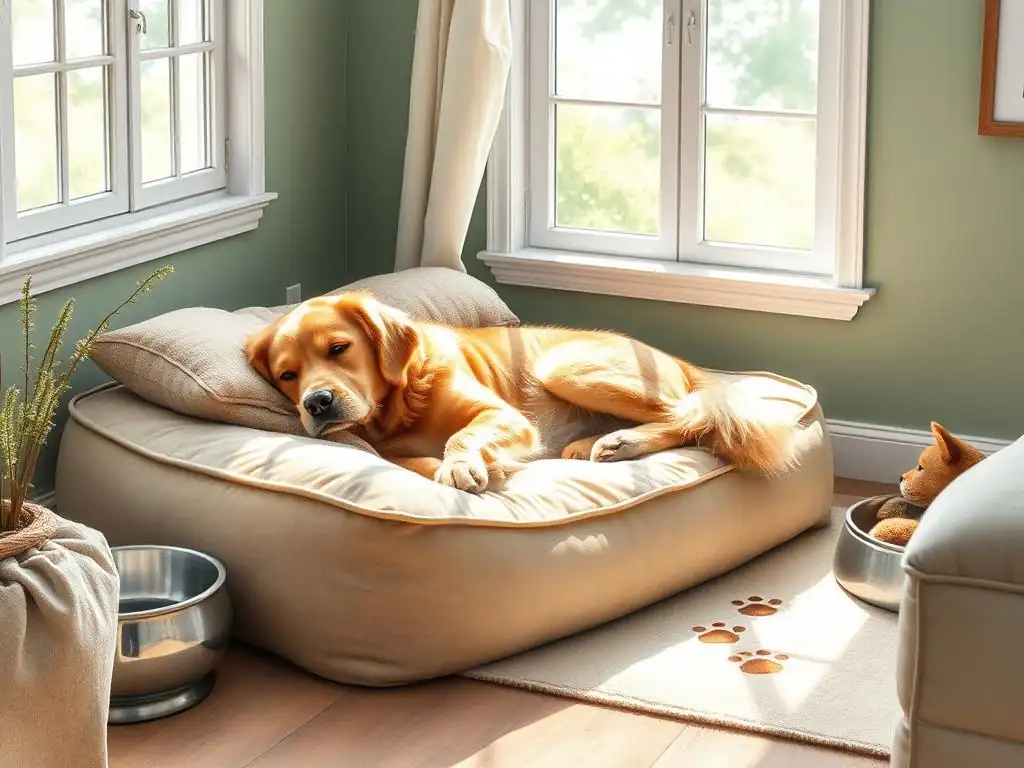
This section focuses on transforming your dog's bedroom into a haven of comfort and safety, specifically tailored to the needs of senior canines. Creating a senior-friendly sleeping space is crucial for their well-being and can significantly improve their quality of life. We'll explore key modifications you can make to ensure your aging companion enjoys restful sleep and minimizes the risk of injury or discomfort.
Creating a Safe and Comfortable Sleeping Area for Senior Dogs
Senior dogs often experience joint pain, arthritis, and decreased mobility. Their bedding needs to reflect these changes. A firm, supportive bed is essential, avoiding overly soft options that can worsen joint problems. Consider orthopedic dog beds designed to distribute weight evenly and provide cushioning for pressure points. These beds often feature memory foam or similar materials that conform to your dog's body shape.
Furthermore, the placement of the bed is paramount. Choose a location away from drafts and direct sunlight to maintain a consistent temperature. Avoid placing the bed near high-traffic areas to minimize disturbances. For dogs with mobility issues, consider placing the bed on a slightly elevated platform or ramp to ease entry and exit. This prevents strain on their joints and makes getting on and off the bed less challenging.
Regularly inspect the bedding for wear and tear and replace it as needed to ensure continued comfort and hygiene. Adding a cozy, washable blanket can provide extra warmth and comfort, especially during colder months. Remember, a comfortable and safe sleeping area is essential for promoting restful sleep and reducing pain in senior dogs. Think about adding a heated pad (always check safety guidelines and supervise use! ), especially in colder climates.
Easy Access to Water and Food in the Bedroom
Providing easy access to water and food is crucial for senior dogs, especially those with limited mobility. Placing food and water bowls directly within reach of their sleeping area eliminates the need for them to travel long distances, potentially causing strain or discomfort. Elevated food and water bowls can reduce neck strain and make eating and drinking more comfortable. Consider using non-slip bowls to prevent spills and accidents.
Automatic water fountains can encourage increased water intake, which is particularly important for senior dogs who may experience decreased thirst sensation. Always ensure fresh, clean water is readily available throughout the day and night. Regularly check the water level and clean the bowls to maintain hygiene. For dogs with vision problems, consider using contrasting bowl colors against the floor to make them easier to locate.
Minimizing Noise and Light Disturbances for Senior Dogs
Senior dogs often have heightened sensitivity to noise and light. Creating a quiet and dimly lit bedroom environment is vital for promoting restful sleep. Consider using blackout curtains or blinds to minimize light disturbances, especially during the day. Minimize noise pollution by relocating noisy appliances or using sound-dampening materials. A white noise machine or calming music can also help mask disruptive sounds and create a relaxing atmosphere. For dogs who are easily startled, ensure a consistent and predictable nighttime routine to reduce anxiety. A calming pheromone diffuser may also assist in reducing stress and promoting relaxation. Remember that a peaceful and quiet environment significantly contributes to the overall well-being and sleep quality of your senior dog. Observe your dog's reactions to different stimuli and adjust the environment accordingly to create the most calming space possible. This careful attention to detail will make a tangible difference in their quality of life.
Outdoor Space Adaptations for Senior Dog Exercise
Senior dogs, much like their human counterparts, experience decreased mobility and stamina as they age. Maintaining a safe and stimulating outdoor environment is crucial for their physical and mental well-being. Adapting your outdoor space to accommodate their limitations is key to ensuring they can still enjoy the simple pleasures of fresh air and sunshine. Failing to do so can lead to decreased activity, muscle atrophy, and even depression.
This section will explore practical modifications to enhance your senior dog's outdoor experience, focusing on safety, comfort, and ease of movement. Remember, even small changes can make a significant difference in your senior dog's quality of life. We'll delve into specific strategies to make your yard a senior dog paradise.
Creating a Safe and Secure Outdoor Area for Senior Dogs
Creating a safe and secure area is paramount. This might involve fencing off a smaller, more manageable area within your larger yard. This prevents your dog from wandering too far and potentially getting lost or injured. Consider using low-profile fencing materials to avoid obstacles, and ensure that the ground is even and free of tripping hazards like rocks, tree roots, or uneven paving stones. Regularly inspect the fence for any damage or weak points to prevent escapes.
For dogs with vision or cognitive impairment, consider brightly colored fencing or strategically placed markers to help them navigate their space. A well-defined perimeter offers peace of mind for both you and your aging companion. Remember to regularly check for and remove any potential hazards such as broken glass, sharp objects, or poisonous plants. A secure space allows your senior dog to roam freely without the constant worry of accidents or escapes.
Installing Ramps or Steps for Senior Dogs
Many senior dogs struggle with stairs or steps. Installing ramps or low steps can significantly improve their access to different levels in your yard, whether it's a patio, deck, or raised garden bed. Ramps should have a gentle slope (no steeper than 1:12 ratio) and a non-slip surface to prevent falls. Consider using durable materials like wood or metal, ensuring they're sturdy enough to support your dog's weight. If building your own ramp, ensure its construction is robust and secure.
For dogs with arthritis or other joint problems, even small steps can be challenging. Low, wide steps made of non-slip material can provide a more manageable alternative to ramps. Regularly inspect ramps and steps for wear and tear, and replace or repair them as needed to maintain safety. Providing easier access to different areas of the yard encourages your senior dog to explore and exercise.
Providing Shade and Shelter for Senior Dogs in Hot Weather
Senior dogs are particularly vulnerable to heatstroke. Providing adequate shade and shelter is crucial, especially during hot summer months. A shaded area, such as under a tree or a strategically placed awning, offers respite from the sun's harsh rays. Consider installing a dog house or a shaded enclosure specifically designed for senior dogs.
The shelter should be well-ventilated to prevent overheating and made of materials that won't retain excessive heat. Ensure fresh water is readily available at all times, especially during hot weather. Consider using a water bowl designed to slow down drinking and prevent spills. Regularly monitor your senior dog for signs of heatstroke, such as excessive panting, lethargy, or vomiting.
Providing a cool, comfortable shelter is a proactive measure to protect your senior dog from the dangers of heatstroke, promoting their overall health and well-being. Remember that even on moderately warm days, senior dogs can quickly overheat. Proactive measures are crucial for their safety.
Choosing the Right Senior Dog Supplies
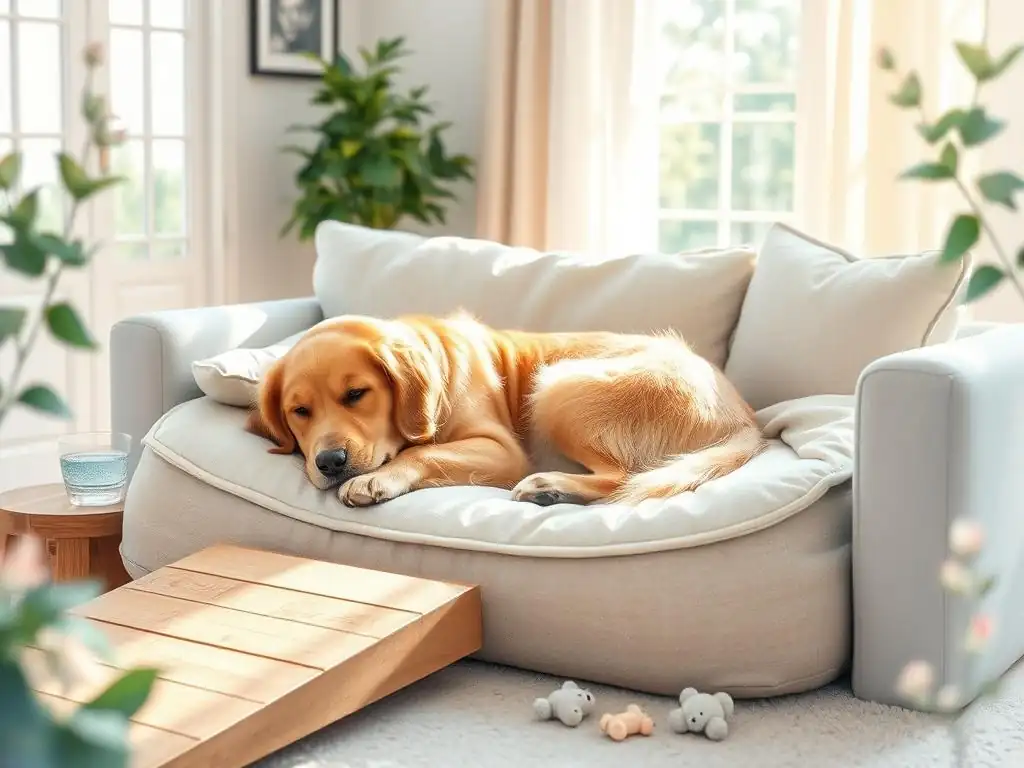
Creating a senior-friendly home for your aging canine companion involves more than just rearranging furniture. Providing the right supplies is crucial for their comfort, safety, and overall well-being. This section focuses on selecting appropriate items to ease the challenges associated with senior dog aging, improving their quality of life and extending their active years. We'll explore key supplies that directly address the common physical and cognitive changes experienced by senior dogs. The proper selection of these items significantly contributes to successful "senior dog home modifications".
Senior Dog Beds: Choosing the Right Support and Comfort
As dogs age, their joints become stiffer, and they may experience increased pain and discomfort. A supportive and comfortable bed is no longer a luxury but a necessity. Avoid thin, flat beds that offer little cushioning. Instead, opt for beds with orthopedic support, such as those filled with memory foam or high-density foam. These materials conform to your dog's body shape, distributing weight evenly and reducing pressure points. Consider the following factors when choosing a senior dog bed:
- Size and Shape: The bed should be large enough for your dog to stretch out comfortably, allowing them to change positions without difficulty. Donut-shaped beds provide extra support and can be particularly beneficial for dogs with arthritis.
- Material: Look for durable, easy-to-clean materials that are resistant to tearing and shedding. Waterproof covers are a plus for accidents.
- Height: Elevated beds can make it easier for senior dogs with mobility issues to get on and off. However, ensure the height is appropriate for your dog's capabilities to avoid falls.
- Washability: Regular cleaning is essential to maintain hygiene and prevent the buildup of bacteria. Choose a bed with a removable and washable cover.
Consider the specific needs of your senior dog. For example, a dog with hip dysplasia might benefit from a bed with a raised bolster for extra support. A dog with arthritis might appreciate a heated bed to soothe aching joints. Investing in a high-quality senior dog bed is a significant step in creating a comfortable and supportive environment for your aging friend. Remember, a comfortable resting place significantly impacts their overall health and happiness. This is a vital element of successful "senior dog home modifications".
Assistive Devices for Senior Dogs with Mobility Issues
Many senior dogs experience decreased mobility due to arthritis, hip dysplasia, or other age-related conditions. Various assistive devices can significantly improve their quality of life and help them maintain their independence. These devices can be a game-changer in adapting your home to their needs, truly enhancing your "senior dog home modifications" strategy.
- Ramps: Ramps are invaluable for helping senior dogs navigate stairs or get into cars without straining their joints. Choose a ramp that is sturdy, non-slip, and the appropriate length and incline for your dog's capabilities.
- Dog Wheelchairs: For dogs with severe mobility limitations, a wheelchair can provide significant support and allow them to remain active. These wheelchairs are custom-fitted to your dog's size and body shape.
- Harness Support: Supportive harnesses can help senior dogs maintain balance and reduce strain on their joints during walks. Look for harnesses with padded straps and adjustable features.
- Non-Slip Mats and Rugs: Place non-slip mats and rugs in areas where your dog frequently walks to prevent falls. These can be strategically placed throughout the house as part of your "senior dog home modifications".
The choice of assistive device depends on your dog's specific needs and limitations. Consult with your veterinarian to determine the best options for your furry friend. Providing these assistive devices contributes significantly to their comfort and safety, making your home a more enjoyable and accessible space for your aging companion. Remember, these are integral parts of effective "senior dog home modifications".
Senior Dog Food and Supplements for Optimal Health
Nutrition plays a critical role in the health and well-being of senior dogs. As dogs age, their nutritional needs change. Senior dog food is specifically formulated to meet these changing requirements. These specialized diets often contain higher levels of protein and essential fatty acids to support muscle mass and joint health. They may also have lower calorie content to help manage weight and reduce strain on joints.
| Nutrient | Importance in Senior Dogs | Sources |
|---|---|---|
| Protein | Maintains muscle mass, supports immune function | Chicken, beef, fish, lamb |
| Omega-3 Fatty Acids | Reduces inflammation, supports joint health | Fish oil, flaxseed oil |
| Glucosamine & Chondroitin | Supports joint cartilage and reduces pain | Supplements, some senior dog foods |
| Antioxidants | Protects cells from damage, boosts immune function | Berries, vegetables, specific supplements |
In addition to specialized senior dog food, supplements can further support your dog's health. Glucosamine and chondroitin are commonly used to support joint health, while antioxidants can help protect against cell damage. However, always consult with your veterinarian before adding any supplements to your dog's diet. They can assess your dog's individual needs and recommend appropriate dosages. Remember, proper nutrition is a cornerstone of effective "senior dog home modifications", ensuring your senior dog remains healthy and happy. A balanced diet, tailored to their specific age and condition, is fundamental to their overall well-being.
Creating a Senior-Friendly Home Environment for Other Senior Pets (Cats, Birds, etc.)
Senior pet care isn't just about dogs. Many other beloved companions, like cats, birds, and small animals, also experience age-related changes that require adjustments to their home environment. Creating a safe and comfortable space for these senior pets is crucial for their well-being and quality of life. This section focuses on modifications you can make to accommodate the specific needs of aging cats, birds, and other small animals. Remember, early intervention and proactive adjustments can significantly improve their comfort and longevity.
Adapting Your Home for Senior Cats with Arthritis
Arthritis is a common ailment in older cats, causing pain and stiffness in their joints. Simple home modifications can make a world of difference in their mobility and comfort. Consider these changes:
- Lowering food and water bowls: Elevated bowls can strain your cat's joints. Opt for shallow bowls placed on the floor or low platforms.
- Providing easy access to resting areas: Senior cats often need frequent rest periods. Provide soft, comfortable beds in multiple locations, including easily accessible spots like sunny window sills or low furniture. Consider ramps to help them access higher surfaces if they still enjoy them.
- Using soft, non-slip surfaces: Hard floors can be painful for arthritic cats. Add rugs or carpets in high-traffic areas to provide cushioning and traction.
- Removing obstacles: Clear pathways of clutter, cords, and other potential hazards that could cause falls or injury.
- Maintaining a consistent temperature: Older cats are more sensitive to temperature fluctuations. Keep your home at a comfortable temperature and avoid drafts.
Data shows that cats with arthritis who receive these accommodations experience a significant decrease in pain and increased mobility, leading to improved overall well-being. Regular veterinary check-ups are crucial for monitoring their condition and managing pain effectively.
Modifying Cages and Habitats for Senior Birds and Other Small Animals
Senior birds and small animals, like rabbits, hamsters, and guinea pigs, also benefit from a modified environment. Their age-related changes might include decreased mobility, weakened bones, and impaired vision or hearing. Consider these modifications:
- Cage/Habitat design: For birds, ensure perches are varied in height and texture, offering easier access to food and water. For small mammals, provide ramps or steps for easy access to different levels. Avoid steep inclines.
- Substrate: Use soft bedding materials that are comfortable and easy on their joints. Avoid hard or slippery surfaces.
- Temperature control: Maintain a consistent temperature within their habitat, avoiding extreme temperatures.
- Lighting: Provide adequate, but not harsh, lighting to support their vision. Older animals might need brighter lighting in certain areas.
- Accessibility to food and water: Make sure food and water are easily accessible, potentially using shallow dishes or automatic feeders.
Regular cleaning and maintenance of their habitat is crucial to prevent illness and injury. Observation is key; changes in behavior, appetite, or activity levels should prompt a visit to the veterinarian.
Ensuring a Safe and Comfortable Environment for All Senior Pets
Regardless of the species, creating a senior-friendly home involves a holistic approach focusing on safety, comfort, and ease of access. Here are some overarching considerations:
- Regular veterinary check-ups: Early detection and management of age-related conditions are crucial. Regular check-ups allow veterinarians to identify potential problems and recommend appropriate interventions.
- Nutritional adjustments: Senior pets often require dietary changes to support their changing needs. Consult your veterinarian to determine the best diet for your pet's specific condition.
- Mental stimulation: Provide opportunities for mental enrichment, such as interactive toys, puzzles, or companionship. Cognitive decline can occur in aging pets, and mental stimulation helps maintain their well-being.
- Gentle handling: Handle senior pets with care, avoiding any movements that might cause pain or discomfort.
- Consistent routine: Maintaining a consistent daily routine can provide a sense of security and comfort for older pets.
By implementing these modifications and paying close attention to your senior pet's needs, you can create a loving and supportive environment that enhances their quality of life and allows them to enjoy their golden years in comfort and security. Remember, proactive adjustments are key in senior pet care, maximizing their happiness and extending their lifespan.
Regular Veterinary Checkups and Monitoring
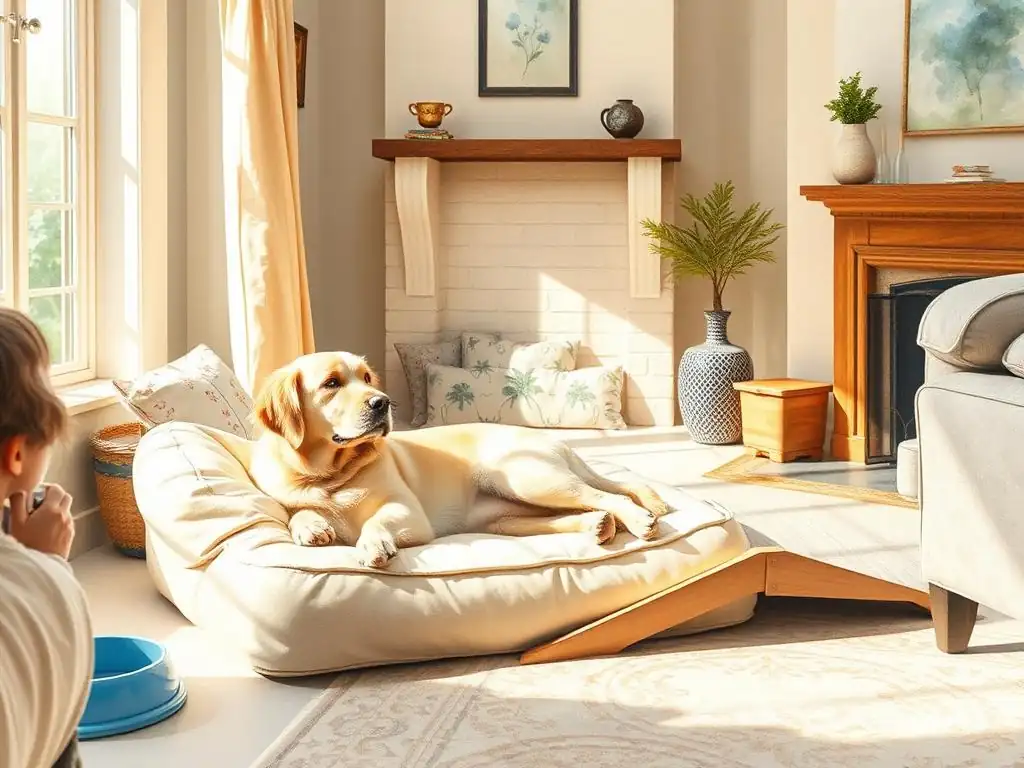
Regular veterinary care is paramount for senior dogs, transitioning from semi-annual to quarterly or even monthly checkups as they age. This proactive approach allows for early detection of age-related ailments, enabling timely intervention and significantly improving their quality of life. The frequency of visits should be determined in consultation with your veterinarian, considering your dog's breed, overall health, and any pre-existing conditions. Think of it as preventative maintenance for your beloved companion – much like regular car servicing prevents major breakdowns.
Importance of Regular Veterinary Care for Senior Pets
Senior dogs, much like senior humans, are susceptible to a range of health issues. These can include osteoarthritis, kidney disease, heart disease, diabetes, and cognitive dysfunction. Regular veterinary checkups allow for early detection of these conditions, often before they manifest obvious symptoms. Early diagnosis means earlier treatment, leading to better outcomes and a slower progression of the disease.
For example, early detection of kidney disease allows for dietary adjustments and medication to slow its advance, maintaining your dog's comfort and extending their lifespan. Ignoring these subtle signs can lead to unnecessary suffering and a decline in your pet's quality of life. Preventative care, through regular blood work and urinalysis, can identify potential problems before they become critical.
Identifying Early Signs of Senior Pet Health Problems
Recognizing the subtle signs of aging and developing health problems in senior dogs is crucial. These aren't always dramatic; they often present as subtle changes in behavior or physical capabilities. Weight loss or gain, changes in appetite, increased thirst, difficulty climbing stairs, decreased energy levels, changes in urination or defecation habits (frequency, accidents), and cognitive changes like confusion or disorientation are all potential warning signs. Even subtle changes in gait or posture – perhaps a slight limp or stiffness – should be brought to your veterinarian's attention.
Keeping a detailed record of your dog's daily activities and noting any changes can be invaluable in aiding your veterinarian's diagnosis. Consider using a pet health journal or a dedicated app to track these observations effectively. Early identification can make all the difference in managing these conditions.
Working with Your Veterinarian to Create a Senior Pet Care Plan
Collaboration with your veterinarian is key to developing a comprehensive senior pet care plan. This plan should encompass regular checkups, appropriate dietary adjustments, medication management (if necessary), and adjustments to your dog's daily routine to accommodate their changing needs. Your veterinarian will perform a thorough physical examination, conduct necessary diagnostic tests (blood work, urine analysis, X-rays), and discuss potential therapies. They can also advise on appropriate pain management strategies for conditions like arthritis.
Don't hesitate to ask questions; your veterinarian is a valuable resource and partner in ensuring your senior dog's well-being. Remember to discuss any concerns, no matter how seemingly insignificant they may appear. A proactive and collaborative approach will maximize your dog's comfort and longevity, ensuring they enjoy their golden years to the fullest. This personalized plan, tailored to your dog's specific needs, will be instrumental in managing their health and ensuring a happy, comfortable senior life.
Maintaining a Senior-Friendly Home: Ongoing Care and Maintenance
Creating a senior-friendly home for your aging pet is a significant step, but it's only the beginning. Maintaining this environment requires ongoing effort and adaptation to ensure your furry friend's comfort and safety as they age. This section focuses on the practical aspects of keeping your pet's living space suitable for their changing needs. Neglecting these aspects can compromise their well-being and potentially lead to accidents or injuries. Remember, proactive care is key to a happy and healthy senior pet.
Regular Cleaning and Maintenance of Senior Pet Areas
Regular cleaning is paramount, especially for senior pets. Their mobility often decreases, making accidents more likely. This necessitates more frequent cleaning of their bedding, feeding areas, and frequently used spaces. Consider these points:
- Frequency: Aim for daily spot cleaning of accidents and at least weekly deep cleaning of bedding and frequently used areas. For pets with incontinence issues, more frequent cleaning may be necessary.
- Products: Use pet-safe cleaning products, avoiding harsh chemicals that could irritate your pet's sensitive skin or respiratory system. Enzyme cleaners are particularly effective at neutralizing odors from accidents.
- Accessibility: Ensure easy access to cleaning supplies and tools. Store them in a readily accessible location to facilitate quick cleanups.
- Slip Hazards: Regular cleaning also helps prevent slip hazards caused by spilled water or food. Senior pets are more prone to falls, so maintaining a clean and dry environment is crucial.
A consistent cleaning schedule significantly reduces the risk of infections and keeps your pet's environment hygienic, promoting their overall health and well-being. Think of it as an investment in their longevity and quality of life. Remember, a clean environment is a happy environment, particularly for a senior dog needing comfortable spaces.
Addressing Changes in Senior Pet Needs Over Time
Senior pets experience a range of physical and cognitive changes that necessitate adjustments to their home environment. These changes aren't always predictable, requiring flexibility and ongoing assessment.
- Mobility: As your pet's mobility declines, you might need to adjust furniture placement, remove obstacles, and provide ramps or steps to aid navigation. Consider the addition of non-slip mats to reduce the risk of falls.
- Sensory Changes: Senior pets may experience decreased vision or hearing. Maintain consistent routines, provide clear visual cues (e.g., brightly colored food bowls), and avoid sudden loud noises.
- Cognitive Decline: Some senior pets experience cognitive dysfunction syndrome (CDS), characterized by disorientation and changes in behavior. Creating a calm and predictable environment is crucial. Familiar objects and routines can provide comfort and reduce anxiety.
- Pain Management: If your pet is experiencing pain, adjust their living space to minimize discomfort. Provide comfortable bedding, easy access to water and food, and limit strenuous activities.
Regular veterinary checkups are essential to monitor your pet's health and identify potential issues early. This proactive approach allows for timely adjustments to their home environment and overall care plan. Remember, adapting to your senior pet's changing needs is crucial for maintaining their quality of life.
Staying Informed about Senior Pet Care Best Practices
Staying informed is crucial for providing optimal care for your senior pet. The field of senior pet care is constantly evolving, with new research and best practices emerging. Consider these approaches:
- Veterinary Consultations: Regular checkups are essential for monitoring your pet's health and addressing any concerns. Discuss any changes in your pet's behavior or mobility with your vet.
- Pet Care Professionals: Consult with certified professional dog trainers or veterinary behaviorists for advice on managing behavioral changes associated with aging.
- Online Resources: Reliable websites and publications dedicated to senior pet care provide valuable information and support. However, always verify the credibility of your sources.
- Pet Owner Communities: Connecting with other pet owners facing similar challenges can provide emotional support and practical advice. Sharing experiences and learning from others can be invaluable.
Staying updated on senior pet care best practices ensures you're equipped to provide the best possible care for your beloved companion. Remember, a proactive and informed approach is key to ensuring your senior pet enjoys a comfortable and fulfilling life. This commitment to ongoing learning will directly translate to a higher quality of life for your aging canine companion.
Frequently Asked Questions
What are some common mobility issues in senior dogs that necessitate home modifications?
Senior dogs often experience arthritis, hip dysplasia, and decreased vision and hearing, making navigating stairs and slippery floors difficult. These issues can significantly impact their quality of life.
How can I make my home safer for a senior dog with arthritis?
Consider adding soft bedding in easily accessible areas, using non-slip mats on floors, and installing ramps instead of stairs. Elevated food and water bowls can also ease strain.
What are some affordable ways to modify my home for a senior dog?
Simple solutions include using towels or rugs for traction, arranging furniture to create clear pathways, and providing easy access to outdoor areas with ramps or low steps.
Are there any specific room modifications I should prioritize for my senior dog?
Focus on the kitchen and bathroom, ensuring easy access to food, water, and elimination areas. The living room should have comfortable, easily accessible resting spots.
Where can I find more in-depth information on senior dog care and home modifications?
PetCareWorld offers a comprehensive guide on creating a senior-friendly home, covering room-by-room modifications, product recommendations, and expert advice to ensure your senior dog's comfort and safety.
Final Reflection: Building Bridges of Comfort and Love for Our Aging Companions
Creating a senior-friendly home isn't just about renovations; it's about extending the golden years of our beloved canine companions. The modifications discussed throughout this guide are not mere conveniences, but vital steps in ensuring our senior dogs live their final chapters with dignity, comfort, and unwavering love. The impact of these changes extends far beyond the physical; they foster a deeper bond and enrich the time we have left with our cherished friends.
The journey of aging with a pet is a deeply personal one, filled with both joy and sorrow. It's a testament to the unconditional love they offer, a love that deserves to be reciprocated with thoughtful care and consideration. As we navigate this phase of their lives, we are reminded of the profound connection between humans and animals. The bond with a dog is as powerful as any human relationship.
This quote resonates deeply, highlighting the responsibility we bear to provide a safe and comfortable environment for our aging companions, allowing them to enjoy their twilight years with grace and ease.
Now, consider your own home. What small adjustments can you make today to improve your senior dog's quality of life? Perhaps it's adding a ramp, rearranging furniture, or simply dedicating more time to gentle play and cuddles. Embrace the opportunity to create a haven of comfort and love for your faithful friend. Remember, every small act of kindness, every thoughtful modification, is a testament to the enduring bond you share, a legacy of love that will resonate long after their time with us has passed.
Ready to Pet-Proof and Senior-Proof Your Home?
Thank you for taking the time to learn how to make your home safer and more comfortable for your senior loved ones and pets! We hope you found the room-by-room guide helpful. Now, let's put that knowledge into action!
- Start with one area: Focus on the room that needs the most immediate attention, perhaps the bathroom or kitchen, and make at least one safety improvement today. This could be as simple as installing grab bars or removing loose rugs.
- Share your progress! Tell us in the comments which room you tackled first and what changes you made. We'd love to see your before-and-after photos!
- Enlist help: Ask a friend or family member to assist with more challenging tasks. Working together makes the process easier and more enjoyable.
What small step will you take this week to create a safer and more comfortable home for everyone?