
Home Grooming LongHaired Dogs: Bathing Tips for a Shiny Coat

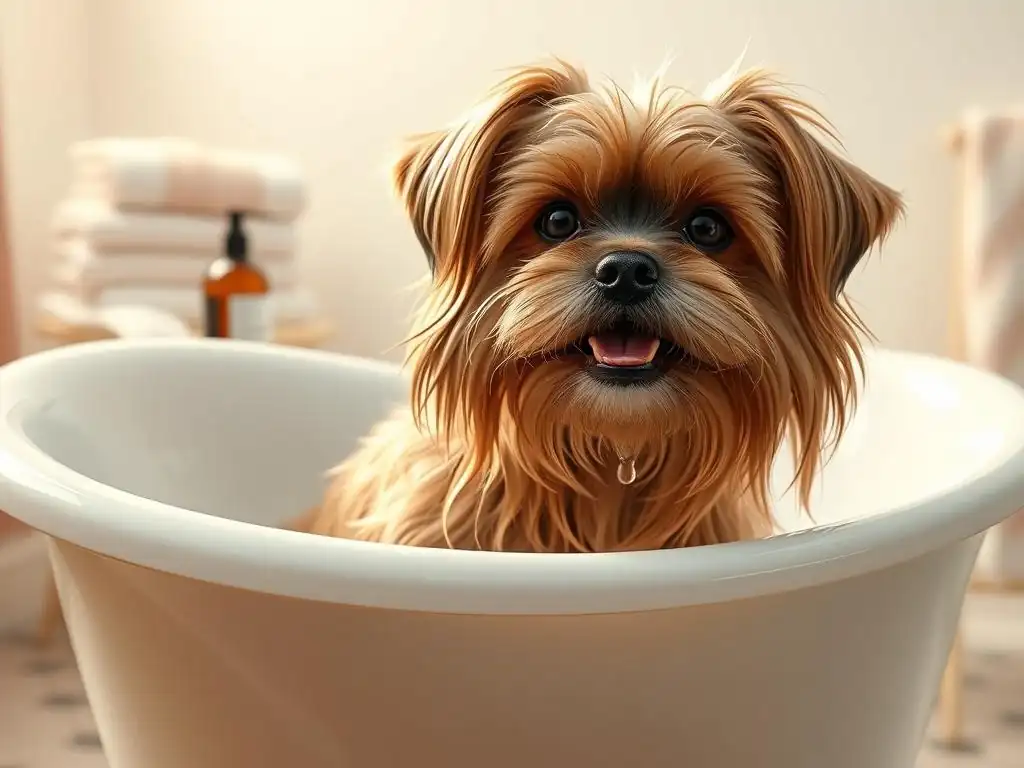
Welcome to PetCareWorld, your ultimate guide to a happier, healthier life for your beloved companion! Are you ready to unlock the secrets to a flawlessly shiny coat for your longhaired canine friend? Discover our expert Longhaired dog bathing tips and learn how to transform bath time from a dreaded chore into a bonding experience. Dive in and explore the practical advice that will leave your furry friend feeling pampered and looking their absolute best!
- Preparing Your Longhaired Dog for a Bath
- The Bathing Process: Step-by-Step Guide for Longhaired Dogs
- Drying Your Longhaired Dog After Bathing
- Maintaining Your Longhaired Dog's Coat Between Baths
- Troubleshooting Common Longhaired Dog Bathing Challenges
- Longhaired Dog Bathing: Breed-Specific Considerations
- Frequently Asked Questions
- Final Reflection: The Transformative Power of a Sparkling Coat
- Unleash Your Dog's Inner Sparkle: Shiny Coat, Happy Pup!
Preparing Your Longhaired Dog for a Bath
Maintaining a healthy and shiny coat for your longhaired dog requires regular bathing, but the process can be daunting. This comprehensive guide provides expert tips and techniques to make bath time a positive experience for both you and your furry friend. We'll cover everything from gathering the essential supplies to protecting your dog's sensitive areas, ensuring a stress-free and effective bath that leaves your longhaired dog looking and feeling their best.
Understanding the specific needs of longhaired breeds is crucial for preventing matting, skin irritation, and overall discomfort. This guide focuses on minimizing stress and maximizing the positive outcome for your canine companion, transforming bath time from a chore into a bonding experience.
We will delve into the specific challenges of bathing longhaired dogs and offer solutions to common problems, ultimately empowering you to provide optimal care for your beloved pet. Remember, a well-groomed longhaired dog is a happy and healthy dog!
Gathering Your Supplies: Essential Tools for a Stress-Free Bath
Before you even think about wetting your dog, assemble your supplies. A well-organized approach minimizes interruptions and keeps the process smooth. Here's a checklist of essential tools:
- High-quality dog shampoo: Choose a shampoo specifically formulated for longhaired breeds. Avoid human shampoos, as they can disrupt your dog's skin's natural pH balance. Look for formulas that are gentle, moisturizing, and free of harsh chemicals.
- Conditioner: A good conditioner is crucial for longhaired dogs, helping to detangle and soften the coat, preventing breakage and making brushing easier.
- Several towels: You'll need plenty of towels to thoroughly dry your dog, especially a large, absorbent bath towel. Consider using microfiber towels for extra absorbency.
- A non-slip bath mat: This provides stability and prevents your dog from slipping, reducing stress and the risk of injury.
- A handheld showerhead or cup: A handheld showerhead offers more control over the water flow and temperature. If you don't have one, a large, sturdy cup works well.
- A detangling brush: Use a brush specifically designed for longhaired breeds to gently remove mats and tangles before bathing.
- Cotton balls or earplugs: To protect your dog's ears from water.
- Treats: Positive reinforcement is key! Offer treats throughout the bathing process to keep your dog calm and cooperative.
Pre-Bath Brushing: Removing Mats and Tangles in Longhaired Breeds
Thorough brushing before the bath is absolutely essential for longhaired dogs. Mats and tangles become much harder to remove when wet, potentially leading to discomfort and even pain for your dog. This step is crucial for preventing skin irritation and ensuring a successful bath.
Start by gently brushing your dog's entire coat, paying close attention to areas prone to matting, such as behind the ears, under the legs, and around the tail. Work slowly and patiently, using a detangling brush or comb to carefully loosen and remove any mats. If you encounter stubborn mats, consider using a detangling spray to help loosen them before brushing.
Remember, patience is key; never forcefully pull at mats, as this can hurt your dog. A pre-bath brushing session not only prepares your dog's coat for the bath but also strengthens your bond through gentle touch and positive reinforcement.
Protecting Your Dog's Eyes and Ears During Bathing
Protecting your dog's eyes and ears from water and shampoo is crucial to prevent irritation and discomfort. Water in the ears can lead to infections, while shampoo in the eyes can cause stinging and burning. Take these preventative measures to ensure a safe and comfortable bath:
- Eyes: Use cotton balls to gently wipe away any shampoo that gets near your dog's eyes. Alternatively, you can use a damp washcloth to gently clean around the eyes. Avoid getting shampoo directly into the eyes at all costs.
- Ears: Use cotton balls to gently plug your dog's ears before bathing. This will prevent water from entering the ear canal, minimizing the risk of infection. Ensure the cotton balls are snug but not overly tight to prevent discomfort. After the bath, carefully remove the cotton balls and gently dry the outer ear area. If your dog shows any signs of ear irritation, consult your veterinarian.
The Bathing Process: Step-by-Step Guide for Longhaired Dogs
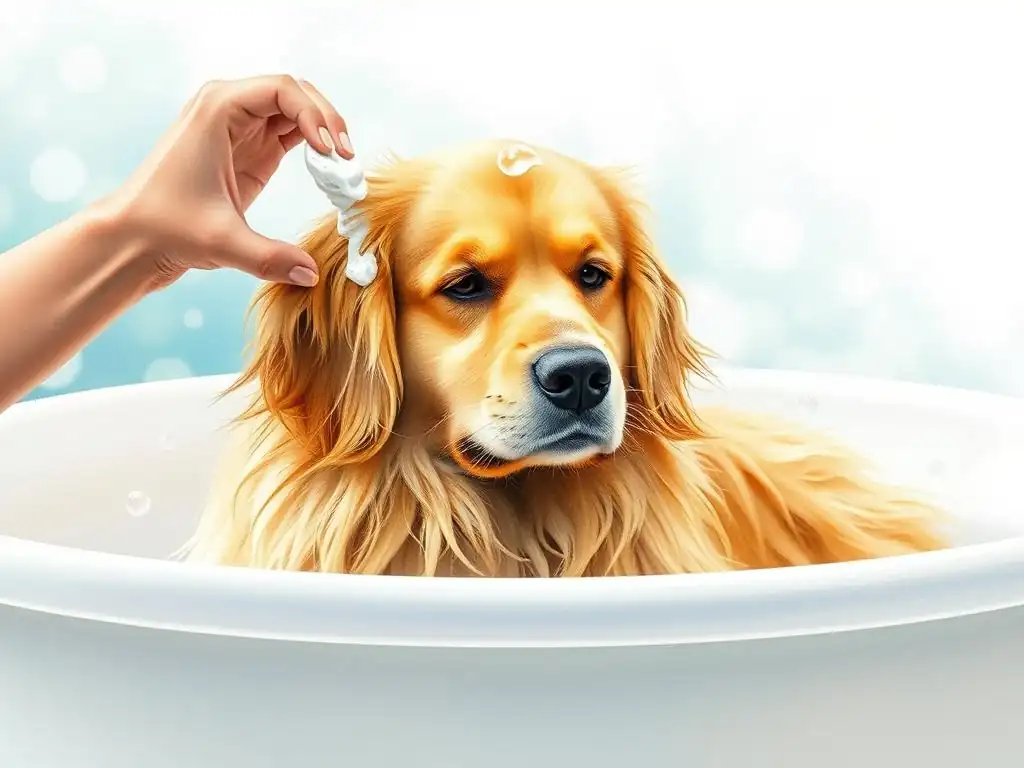
This section provides a detailed, step-by-step guide on how to bathe your longhaired dog at home, ensuring a positive and effective experience for both you and your furry friend. Proper bathing techniques are crucial for maintaining a healthy and shiny coat for longhaired breeds, preventing matting, and minimizing skin irritations. Remember, patience and a gentle approach are key! These longhaired dog bathing tips will help you achieve a successful grooming session.
Choosing the Right Shampoo and Conditioner for Long Hair
Selecting the appropriate shampoo and conditioner is paramount for maintaining the health and luster of your longhaired dog's coat. Avoid using human shampoos or harsh detergents, as these can strip the coat of its natural oils, leading to dryness, irritation, and even skin conditions. Instead, opt for shampoos and conditioners specifically formulated for dogs with long hair.
Look for products that are:
- Gentle and moisturizing: These will help to hydrate the coat and prevent dryness.
- pH balanced: A balanced pH is crucial for maintaining the skin's natural barrier and preventing irritation.
- Free of harsh chemicals and sulfates: Sulfates can be drying and irritating to sensitive skin.
- Suitable for the specific needs of your dog's coat: Some shampoos are designed for specific coat types (e.g., silky, wiry). Consider your dog's breed and coat characteristics when making your selection.
Consider the following factors when choosing:
| Feature | Description | Example |
|---|---|---|
| Breed Type | Shampoos tailored for specific breeds (e.g., Yorkshire Terrier, Afghan Hound) | "Yorkshire Terrier Shampoo" |
| Coat Type | Shampoos designed for silky, wiry, or curly coats | "Long-haired Dog Shampoo for Silky Coats" |
| Skin Condition | Shampoos designed for sensitive skin, dry skin, or skin prone to allergies | "Hypoallergenic Dog Shampoo" |
| Ingredients | Look for natural ingredients like oatmeal, aloe vera, and coconut oil for added benefits | Shampoo with Oatmeal and Aloe Vera |
Remember to always perform a patch test on a small area of your dog's skin before applying the shampoo to their entire body to check for any adverse reactions. 🐶
Wetting Your Dog's Coat Thoroughly and Efficiently
Thoroughly wetting your dog's coat before applying shampoo is essential for effective cleaning. Using lukewarm water (avoiding hot or cold water) is crucial to prevent discomfort and promote relaxation. A simple spray nozzle attachment on your showerhead or a dedicated pet showerhead can make this process much easier.
Here's how to wet your dog's coat efficiently:
- Start by wetting the legs and paws first to get your dog used to the water.
- Gradually work your way up the body, ensuring that the water reaches the skin and not just the top layer of the fur. This is particularly important for longhaired breeds where the undercoat can retain dryness.
- Use a gentle stream of water, avoiding high pressure that may startle your dog.
- Pay close attention to areas prone to matting, such as behind the ears, under the armpits, and around the tail. Gently detangle any mats with a wide-toothed comb before applying shampoo.
Remember, a completely saturated coat ensures that the shampoo can penetrate effectively, leading to a cleaner and healthier coat. Patience is key; take your time to ensure complete saturation.
Applying Shampoo and Massaging the Coat
Once the coat is thoroughly wet, it's time to apply the shampoo. Dispense a small amount of shampoo into your hands and gently work it into a lather. Start at the neck and work your way down the body, avoiding the eyes and ears. Massage the shampoo gently into the coat and skin, paying particular attention to areas prone to matting or dirt build-up.
Here are some important points to consider:
- Use a circular motion: This helps to lift dirt and debris from the coat.
- Work the shampoo into the undercoat: This is especially important for longhaired dogs.
- Avoid harsh scrubbing: Gentle massaging is sufficient to clean the coat.
- Rinse thoroughly: Any remaining shampoo residue can irritate the skin and leave the coat looking dull. Rinse until the water runs clear.
After rinsing, apply conditioner, focusing on the ends of the hair to minimize breakage and tangles. Again, rinse thoroughly. Finally, towel dry your dog as much as possible before allowing them to air dry or using a pet-safe hairdryer on a low setting. This entire process should leave your longhaired dog with a clean, shiny, and healthy coat! 🎉
Rinsing Thoroughly: Removing All Traces of Shampoo
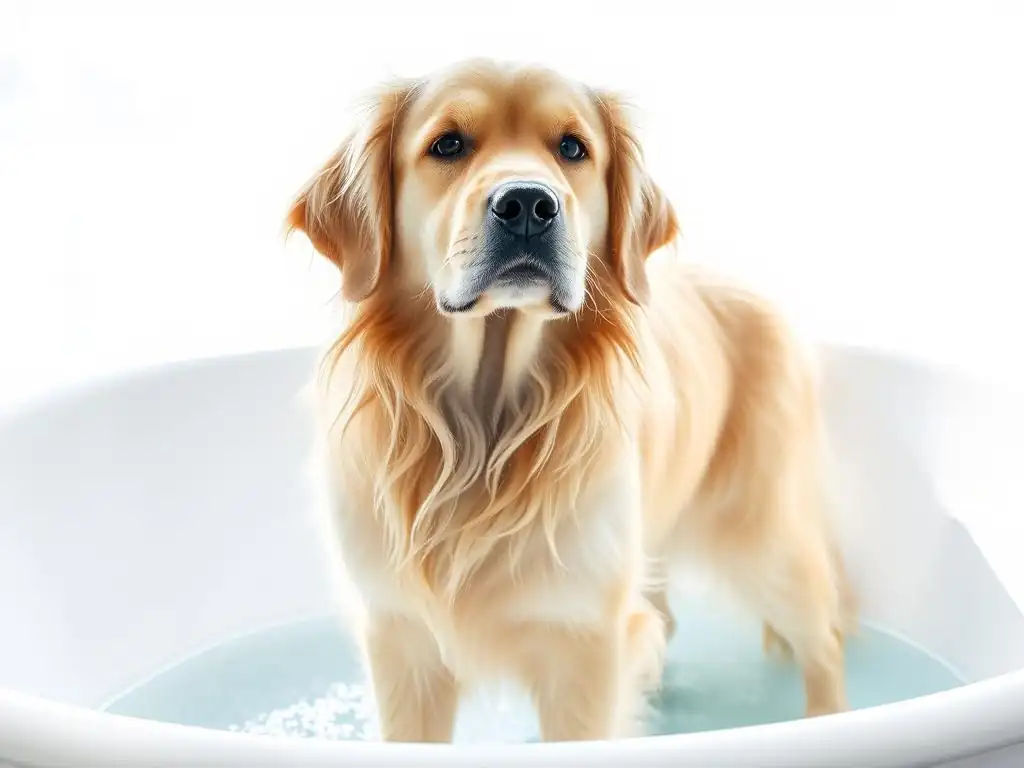
Thoroughly rinsing your longhaired dog is crucial after shampooing. Leaving even small amounts of shampoo residue can lead to skin irritation, dryness, and a dull, lifeless coat. The process requires patience and attention to detail, especially with a thick, dense undercoat. Don't rush! Use lukewarm water, ensuring the temperature is comfortable for your dog.
Start by rinsing the top of the head, carefully avoiding the eyes, and then work your way down the body. Pay close attention to areas where shampoo tends to accumulate, such as the armpits, groin, and tail base. Use your fingers to gently massage the coat and work the water through, ensuring complete removal of the shampoo. You might need to repeat the rinsing process several times to ensure all traces of shampoo are gone. A good indicator of a thorough rinse is when the water runs clear and doesn't produce any suds.
Failing to rinse adequately can lead to skin problems, so take your time and be meticulous. Consider using a shower head with a gentle spray setting to make the rinsing process easier and more effective. Regularly check the coat for any remaining suds, especially in the denser areas. Remember, a thorough rinse is key to a healthy and shiny coat for your longhaired canine companion.
Conditioning for a Smooth, Shiny Coat
After rinsing, applying a dog-specific conditioner is highly recommended, especially for longhaired breeds. Conditioners help detangle the coat, reducing the risk of breakage and matting during drying. They also add moisture, leaving the coat feeling soft, smooth, and shiny. Choose a conditioner formulated for dogs, avoiding human conditioners which may contain ingredients harmful to your pet. Apply the conditioner evenly throughout the coat, working it gently into the fur with your fingers.
Pay particular attention to the ends of the hair, which are often the driest and most prone to damage. Let the conditioner sit for the recommended time specified on the product label; this usually ranges from a few minutes to ten minutes. The longer the conditioner sits, the more deeply it will penetrate the hair shaft. After the recommended time has elapsed, rinse the conditioner thoroughly with lukewarm water, ensuring all traces are removed.
Just like the shampoo, incomplete rinsing can leave residue that dulls the coat and may irritate the skin. A well-conditioned coat will be easier to brush and comb, and it will look healthier and shinier. Regular conditioning is an important part of maintaining the health and beauty of your longhaired dog's coat, contributing significantly to its overall well-being. The difference in the coat's texture and shine after conditioning will be noticeable, making the extra step worthwhile.
Drying Your Longhaired Dog After Bathing
Thoroughly drying your longhaired dog after bathing is crucial to prevent skin irritation, matting, and the unpleasant odor of a damp coat. Leaving your dog wet can lead to discomfort and even health problems. This section details effective drying techniques to keep your furry friend happy and healthy. Proper drying is a key component of longhaired dog bathing tips, ensuring a shiny and healthy coat.
Towel Drying Techniques for Longhaired Dogs
Towel drying is the first step in the drying process and should be done gently to avoid pulling or stressing your dog's delicate skin and coat. Avoid harsh rubbing, which can cause matting. Instead, use a gentle blotting motion.
Several towel types are particularly effective for longhaired dogs:
- Microfiber towels: These towels are highly absorbent and quick-drying, making them ideal for removing excess water efficiently. Their soft texture is also gentler on your dog's skin.
- Large, absorbent bath towels: While not as quick-drying as microfiber, these provide ample surface area for thorough blotting. Using multiple towels can speed up the process considerably.
- Chamois cloths: These are excellent for removing the last bits of moisture, leaving the coat feeling softer and less damp.
Remember to use several towels, replacing them as they become saturated. Focus on thoroughly drying the undercoat, as this area tends to retain moisture for longer. Consider working in sections, starting from the head and working your way down the body. This methodical approach ensures no area is missed. A good towel-drying session will significantly reduce the overall drying time and lessen the need for extensive use of a hairdryer. 🐕
Using a Dog Dryer Safely and Effectively
While towel drying is essential, a dog dryer can significantly speed up the process, especially for dogs with very long or thick coats. However, using a dog dryer improperly can be harmful. Always use a dryer specifically designed for dogs—human hair dryers generate too much heat and can burn your pet's skin. Low heat settings are crucial for preventing discomfort.
Here's how to use a dog dryer safely and effectively:
- Start with low heat and speed: Gradually increase the heat and speed as needed, always monitoring your dog's reaction.
- Maintain a safe distance: Keep the dryer nozzle a few inches from your dog's coat to prevent overheating.
- Use a wide nozzle: This helps distribute the heat more evenly.
- Work in sections: Focus on one area at a time, moving the dryer consistently to avoid overheating any single spot.
- Regularly check your dog's temperature: Take breaks to allow your dog to cool down if needed. Observe for any signs of discomfort such as excessive panting, restlessness, or whimpering. Stop immediately if your dog shows any signs of distress.
Remember, the goal is to dry the coat thoroughly and gently, not to bake it. A well-maintained, low-heat dog dryer is an invaluable tool for longhaired dog owners, but safety should always come first. This is a critical aspect of safe and effective longhaired dog bathing tips.
Air Drying: When and How to Let Your Dog Air Dry
Air drying can be a suitable option for some dogs, particularly on warmer days or for breeds with shorter undercoats. However, it's generally not recommended for longhaired breeds, as the long, dense coats retain moisture for extended periods, increasing the risk of matting and skin issues.
If you choose to air dry your longhaired dog (perhaps as a supplemental method after towel and dryer use), ensure the environment is warm and well-ventilated to promote faster evaporation. Keep your dog in a warm, draft-free area, and avoid letting them lie on cold surfaces. Regularly check your dog's coat for dampness. This method is best used sparingly and only in conjunction with other drying methods detailed above. Consider this an optional addition to your complete longhaired dog bathing tips routine.
Maintaining Your Longhaired Dog's Coat Between Baths
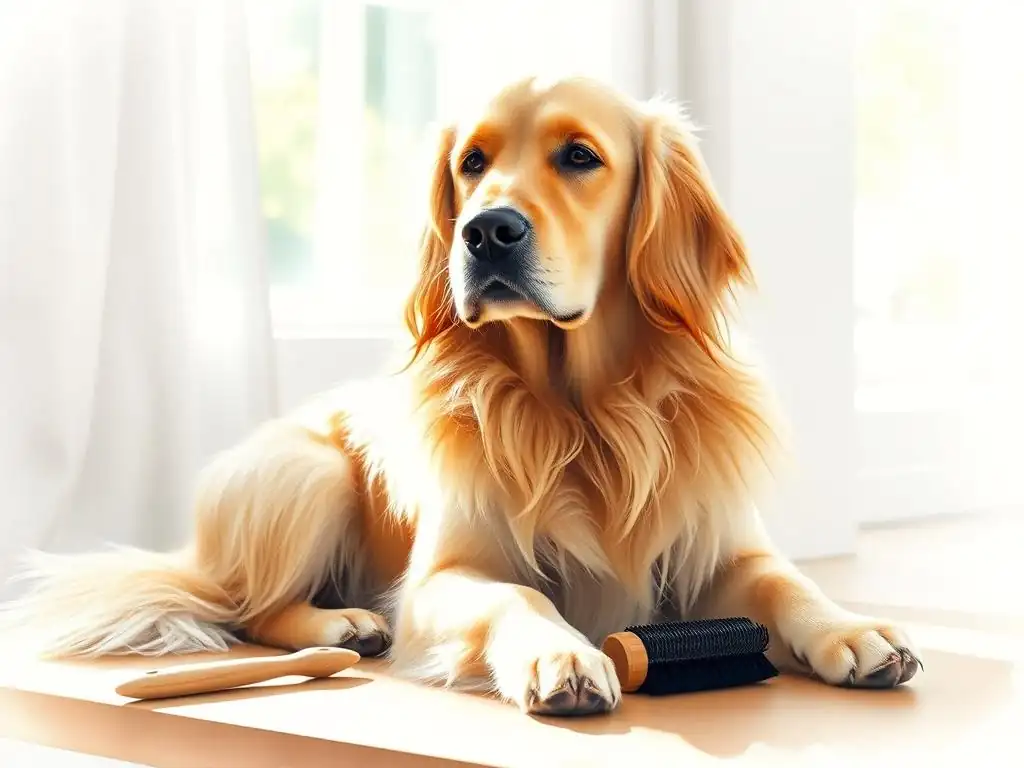
Maintaining a longhaired dog's luxurious coat requires consistent effort beyond just bath time. Regular grooming between baths is crucial for preventing matting, tangles, and skin issues, ultimately contributing to a healthier and shinier coat. This section will delve into the key aspects of maintaining your longhaired dog's coat health between those necessary washes.
Regular Brushing: Preventing Mats and Tangles
Regular brushing is paramount for longhaired dogs. The frequency depends on the dog's breed and coat type, but aiming for daily brushing is ideal for most longhaired breeds. Failing to brush regularly leads to matting, which can be painful and even cause skin infections. Mats trap dirt, moisture, and dead hair, creating a breeding ground for bacteria.
Using the right tools is equally important. A slicker brush is excellent for removing loose undercoat and preventing mats. A wide-toothed comb is useful for detangling already formed mats (start gently from the tips and work your way up to avoid pulling). For particularly thick coats, a shedding blade can help remove excess undercoat, especially during shedding season. Always brush in the direction of hair growth to avoid damaging the hair shaft and causing discomfort to your pet.
Here's a sample brushing routine:
| Day | Brushing Focus | Tools Used |
|---|---|---|
| Monday | Overall brushing, focusing on undercoat | Slicker brush, shedding blade (if needed) |
| Tuesday | Attention to legs and belly | Slicker brush, wide-toothed comb |
| Wednesday | Focus on the face and ears (gentle brushing) | Soft bristle brush |
| Thursday | Overall brushing, checking for new mats | Slicker brush, wide-toothed comb |
| Friday | Repeat Monday's routine | Slicker brush, shedding blade (if needed) |
| Weekend | Thorough detangling and deep brushing | All tools as needed |
Remember to reward your dog with treats and praise during brushing sessions to make it a positive experience. A calm and relaxed dog will make the whole process much easier and more enjoyable for both of you. 🐕
Healthy Diet: Nutritional Support for a Shiny Coat
Nutrition plays a vital role in coat health. Just as a balanced diet benefits your dog's overall well-being, it also directly impacts the quality and shine of their coat. A diet deficient in essential fatty acids, proteins, and vitamins can lead to a dull, dry, and brittle coat, making it more prone to matting and breakage.
Look for dog foods that specifically mention coat health benefits. These often include ingredients rich in Omega-3 and Omega-6 fatty acids, such as salmon oil or flaxseed oil. Protein is also crucial for healthy hair growth. High-quality protein sources like chicken, lamb, or fish should form a significant part of your dog's diet.
Consult your veterinarian for personalized dietary recommendations based on your dog's breed, age, and activity level. They can help determine if any supplements are necessary to ensure your dog receives all the nutrients needed for a thriving coat. Remember, a healthy diet contributes significantly to the overall health and beauty of your longhaired companion.
Additional Tips for Maintaining Coat Health in Longhaired Dogs
Beyond regular brushing and a healthy diet, several other practices contribute to a healthy coat. These include:
- Regular trimming: While not a bath-related activity, regular trimming of excess hair, particularly around the paws, genitals, and eyes, helps prevent matting and keeps your dog comfortable.
- Use of coat conditioners: After baths, applying a dog-specific conditioner can help detangle the coat and add shine. This reduces the likelihood of mat formation and makes brushing easier.
- Avoiding harsh chemicals: Use gentle, dog-specific shampoos and conditioners to avoid drying out your dog's skin and coat. Harsh chemicals can strip natural oils, leading to dullness and dryness.
- Protecting from the elements: Extreme weather conditions, such as excessive sun or cold, can damage your dog's coat. Provide adequate protection during harsh weather.
- Regular veterinary checkups: Regular visits to the vet allow for early detection of any skin conditions that might affect coat health. Early intervention is key to preventing serious problems.
By following these tips, you can ensure your longhaired dog maintains a healthy, shiny, and tangle-free coat between baths, minimizing the need for frequent washing and maximizing their comfort and well-being. Remember, consistency is key!
Troubleshooting Common Longhaired Dog Bathing Challenges
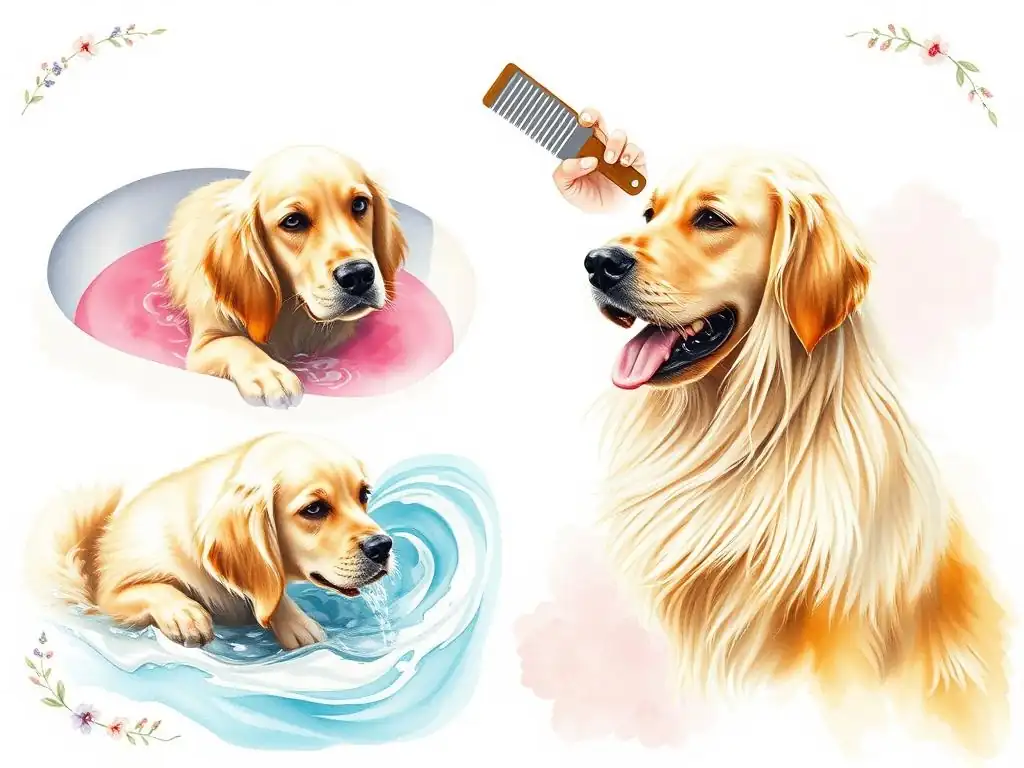
This section addresses common problems encountered when bathing longhaired dogs, offering practical solutions to ensure a positive and effective grooming experience. Proper bathing techniques are crucial for maintaining a healthy and shiny coat, but certain challenges require specific approaches. Let's delve into some frequently asked questions and their solutions. Remember, patience and the right tools are key to success when bathing your longhaired canine companion.
Dealing with Matted Fur During Bathing
Matted fur is a significant hurdle in bathing longhaired dogs. Untangling mats during a bath can be painful for your pet and may even lead to skin irritation. Prevention is always better than cure. Regular brushing, ideally several times a week, is essential to minimize mat formation. However, if mats are already present, here’s how to handle them:
- Pre-bath detangling: Before wetting your dog, try to gently work out as many mats as possible using a wide-tooth comb or a de-matting tool. Start at the ends of the mats and work your way towards the roots to avoid pulling or causing pain. For stubborn mats, consider using a pet-safe detangling spray to loosen them.
- Strategic soaking: Avoid soaking the matted areas excessively initially. Focus on wetting the surrounding fur first. This prevents the mats from tightening further as they absorb water.
- Conditioner is your friend: Use a high-quality dog conditioner specifically designed for longhaired breeds. This will help to soften the mats and make them easier to work with. Let the conditioner sit for a few minutes before attempting to detangle.
- Patience and gentle techniques: Work slowly and methodically. If a mat is particularly stubborn, it’s better to carefully trim it with blunt-ended scissors rather than risk hurting your dog by pulling. Never try to force a mat out.
- Professional help: For severe matting, consider seeking professional grooming assistance. A groomer has the tools and expertise to safely remove even the most stubborn mats without causing distress to your dog.
Managing Excessive Shedding During and After Bathing
Longhaired dogs shed, and bathing can sometimes exacerbate this. The process of washing and rinsing can dislodge loose fur, leading to a significant amount of shedding both during and after the bath. Here’s how to manage this:
- Pre-bath brushing: Thorough brushing before the bath is crucial. This removes a large portion of the loose undercoat, reducing the amount of shedding during the bath itself.
- Use a shedding blade: A shedding blade or undercoat rake can be particularly effective in removing loose fur before bathing. This specialized tool helps to remove the loose undercoat without damaging the topcoat.
- Post-bath brushing: After the bath, while your dog's coat is still damp, use a slicker brush or a wide-tooth comb to remove any remaining loose fur. This helps to prevent matting and keeps the coat looking its best.
- Consider a shedding supplement: Some shedding supplements can help to reduce excessive shedding by improving the overall health and condition of your dog's coat. Always consult your veterinarian before introducing any new supplements to your dog's diet.
Addressing Skin Irritation After Bathing
Skin irritation after bathing can occur due to several factors, including harsh shampoos, excessive drying, or allergies. Here are some tips to prevent and treat skin irritation:
- Choose a mild, pH-balanced shampoo: Avoid human shampoos and opt for a dog shampoo specifically formulated for sensitive skin. Look for shampoos that are free of harsh chemicals, dyes, and fragrances.
- Thorough rinsing: Ensure you rinse your dog's coat thoroughly to remove all traces of shampoo. Residual shampoo can irritate the skin.
- Gentle drying: Avoid using harsh towels or a hairdryer on high heat. Instead, pat your dog's coat dry with a soft towel or let it air dry naturally.
- Moisturizing: After bathing, consider applying a pet-safe moisturizer or conditioner to help soothe and hydrate the skin.
- Monitor for allergic reactions: If your dog exhibits signs of an allergic reaction, such as excessive itching, redness, or swelling, consult your veterinarian immediately. They can help identify the cause and recommend appropriate treatment. This might involve switching shampoos or using anti-inflammatory medications. Accurate identification of the cause is paramount for effective treatment.
Longhaired Dog Bathing: Breed-Specific Considerations
Longhaired dog bathing presents unique challenges compared to bathing shorthaired breeds. The longer coat requires more attention to prevent matting, tangles, and skin irritation. Proper bathing techniques, combined with breed-specific considerations, are crucial for maintaining a healthy and shiny coat. This section will delve into the specific needs of several popular longhaired breeds, providing tailored advice for optimal grooming results.
Understanding these nuances is key to achieving a successful and stress-free bathing experience for both you and your furry friend. Remember, consistent grooming, including regular brushing, is essential to prevent excessive matting before bath time. This preventative care significantly simplifies the bathing process and minimizes the risk of injury to your dog.
Yorkshire Terrier Bathing Tips and Considerations
Yorkshire Terriers, with their luxurious silky coat, require a gentle approach to bathing. Their long hair is prone to matting, especially around the ears and legs. Before starting, thoroughly brush your Yorkie's coat to remove any tangles or debris. Use a high-quality dog shampoo formulated for longhaired breeds to avoid stripping the coat of its natural oils. Lukewarm water is essential; too hot or too cold water can stress your pet.
- Shampoo Selection: Opt for a tearless shampoo specifically designed for sensitive skin to minimize irritation.
- Water Temperature: Always test the water temperature on your inner wrist before bathing your Yorkie.
- Detangling: Use a wide-tooth comb or a detangling spray to gently work through any knots before applying shampoo.
- Drying: Thoroughly dry your Yorkie's coat after bathing, using a towel and, if needed, a low-heat hairdryer. Pay close attention to the areas prone to matting. Leaving your Yorkie damp can lead to skin issues.
Remember, patience is key! The process might take longer than bathing a shorthaired dog, but the result will be a healthy, shiny coat. Regular, gentle brushing between baths will help maintain the coat's condition and reduce the time required for bathing. Ignoring matting can lead to painful pulling and discomfort for your Yorkie.
Afghan Hound Bathing Tips and Considerations
Afghan Hounds possess a truly magnificent coat, requiring a specialized bathing approach. Their long, silky hair necessitates careful handling to prevent damage. Avoid over-bathing, as this can strip the coat of its natural oils, leading to dryness and dullness. Infrequent, thorough baths are preferable to frequent, superficial ones.
- Pre-Bath Brushing: This is crucial for Afghan Hounds. Their coat is prone to matting, and thorough brushing before the bath is essential to remove tangles and prevent breakage. This might involve several sessions of brushing over a few days.
- Conditioner Use: A high-quality conditioner is almost essential after shampooing to detangle and moisturize the long coat. It helps to restore the coat’s natural shine and manageability.
- Drying Techniques: Due to the length and volume of their coats, Afghan Hounds benefit from professional-grade drying techniques. While towel drying is necessary, a low-heat hairdryer might be required for complete drying, especially in colder climates. Avoid directing the hairdryer directly onto the skin.
- Frequency: Bathing frequency depends on the dog's lifestyle and coat condition. However, for Afghan Hounds, less is often more. Over-bathing can lead to skin problems.
The unique characteristics of the Afghan Hound coat demand a more involved bathing routine, but the effort yields a breathtakingly beautiful and healthy coat. Regular brushing and careful bathing techniques are essential for maintaining this magnificent coat.
Golden Retriever Bathing Tips and Considerations
Golden Retrievers, while not as dramatically long-haired as Afghan Hounds or Yorkies, still require careful consideration during bathing. Their medium-to-long coat is prone to matting, particularly under the legs and around the ears. Regular brushing is vital to prevent this and keep their coat healthy and shiny.
- Water Temperature and Pressure: Use lukewarm water and avoid high-pressure water streams, as this can irritate the skin.
- Shampoo Choice: Select a dog shampoo designed for Golden Retrievers or similar breeds with medium-to-long coats. Avoid human shampoos, as these can disrupt the pH balance of their skin.
- Mat Detection and Removal: Before applying shampoo, carefully check for mats and gently work them out with a wide-tooth comb or detangling spray.
- Drying Method: Thoroughly towel dry your Golden Retriever after bathing. For a complete dry, a low-heat hairdryer can be used, but ensure you keep the nozzle at a safe distance and avoid direct contact with the skin.
While Golden Retrievers are known for their relatively easy-to-manage coats, proper bathing techniques are still crucial for maintaining their coat health and preventing skin problems. Regular brushing and careful attention to detail during bathing will keep your Golden Retriever looking and feeling their best. Remember, a happy, healthy dog is a well-groomed dog!
Frequently Asked Questions
How often should I bathe my longhaired dog?
Generally, you should bathe your longhaired dog every 4 to 8 weeks, or as needed depending on their lifestyle and coat condition. Over-bathing can strip natural oils, leading to dry skin.
What kind of shampoo should I use for my longhaired dog?
Use a dog-specific shampoo formulated for longhaired breeds. Avoid human shampoos, as these can be harsh and disrupt their skin's pH balance. Look for shampoos that are gentle and moisturizing.
How can I prevent matting during bath time?
Thoroughly detangle your dog's fur before bathing using a wide-toothed comb or de-matting tool. Use a low-pressure shower head and gently work the shampoo into the coat.
What's the best way to dry my longhaired dog after a bath?
Towel dry your dog as much as possible, then consider using a low-heat hairdryer on a cool setting. Be mindful of the heat and keep the dryer moving to prevent burns. Allow for air drying as well.
What should I do if my longhaired dog gets mats?
For small mats, try gently working them out with your fingers or a de-matting tool. For larger, stubborn mats, it's best to seek professional grooming. Attempting to cut them out yourself can injure your dog.
Final Reflection: The Transformative Power of a Sparkling Coat
The art of bathing a longhaired dog is more than just hygiene; it's an act of love, connection, and a celebration of their unique beauty. A well-groomed longhaired companion radiates health and happiness, impacting not only their physical well-being but also their emotional state and the bond they share with their owner. This is a practice that transcends mere cleanliness; it's a ritual of care that strengthens the human-animal connection.
The impact of proper grooming on a longhaired dog's life is profound. It's not just about a shiny coat; it's about preventing matting, reducing skin irritations, and detecting potential health issues early. A dog's love is a pure love. It is a love without conditions, without expectations, without demands.
This quote perfectly encapsulates the unconditional love we receive from our canine companions, and proper grooming is one way we can reciprocate that love and care. The time spent bathing and brushing isn't just about the physical act; it's a moment of shared intimacy, a quiet connection that strengthens the bond between human and animal.
So, as you move forward, remember the transformative power of a sparkling coat. Consider this article not just a guide to bathing techniques, but a reminder to cherish the precious moments spent caring for your furry friend. Take the time, enjoy the process, and revel in the joy of a healthy, happy, and beautifully groomed companion. Let the act of bathing become a testament to the deep bond you share, a ritual of love that strengthens your connection and brightens both your lives.
Unleash Your Dog's Inner Sparkle: Shiny Coat, Happy Pup!
Thank you for learning about bathing your long-haired dog! We hope you feel confident tackling those grooming challenges. Ready to put your new knowledge into practice?
- Give your dog a luxurious bath today! Use the tips we shared to make it a positive and enjoyable experience for both of you. Remember, patience is key!
- Share your before-and-after photos on social media using #PetCareWorldShinyCoat – let's inspire other pet owners!
- Share your experience with a new grooming product or tool in the comments below and let us know your results.
What amazing transformation will you achieve with your long-haired friend today?