Clicker Training for Puppies: A Fun and Effective Method
😊 Discover the joy of puppy clicker training! Our comprehensive guide offers a fun, effective method to build a strong bond with…
Read article
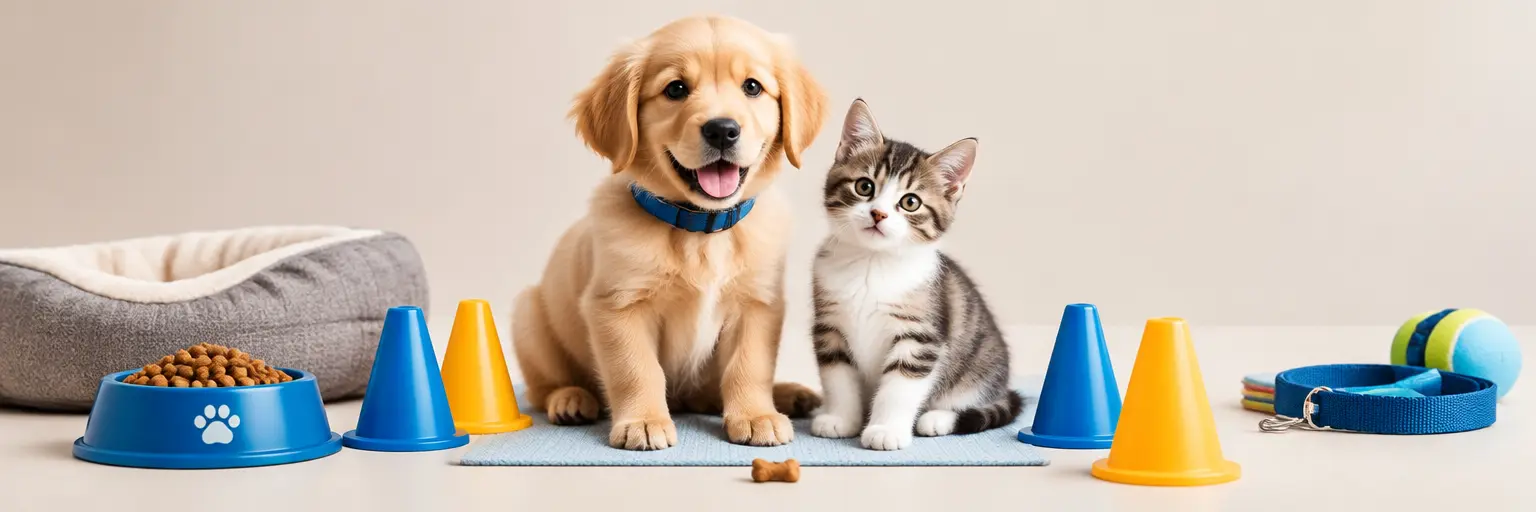
Bringing home a new puppy or kitten is pure joy, but those first few weeks are crucial for setting the foundation of a happy, well-adjusted companion. Our basic training start guide focuses on gentle, positive reinforcement techniques that build trust and confidence from day one. You’ll discover simple, actionable steps for housebreaking, crate training, and litter box success, alongside essential socialization tips that prevent future behavioral issues. We break down the science of pet learning into fun, bite-sized lessons, helping you establish clear communication and a strong bond without stress or confusion. From teaching your furry friend their name to mastering polite greetings, we cover the core commands every young pet needs—all while prioritizing their physical and emotional health. With our expert-backed strategies, you’ll navigate the clumsy, adorable stage with ease, ensuring your puppy or kitten grows into a confident, well-mannered family member. Start your training journey here and turn every playful moment into a building block for a lifelong, loving partnership.

😊 Discover the joy of puppy clicker training! Our comprehensive guide offers a fun, effective method to build a strong bond with…
Read article
😊 Avoid common kitten training mistakes! PetCareWorld reveals the most frequent errors new kitten owners make, offering expert advice to ensure a…
Read article
🐶 Master puppy leash training first steps with PetCareWorld's expert guide. Learn essential techniques for a positive walking experience, building a strong…
Read articleBringing home a new puppy or kitten is an exciting and rewarding journey, but it also marks the beginning of a crucial learning period for both you and your new companion. The "Basic Training Start" subcategory within PetCareWorld’s Pet Health & Nutrition section focuses on the very first steps of behavioral education, housebreaking, and positive reinforcement techniques. Here, you will discover gentle, science-backed methods that prioritize your pet's emotional well-being while establishing clear communication. From crate training to litter box success, our expert guidance ensures you start on the right paw, setting the stage for a well-adjusted adult pet. Explore our comprehensive resources to turn early challenges into bonding opportunities, making training a positive experience for your entire household.
Housebreaking is often the first hurdle new pet parents face, and our guides break down the process into simple, achievable steps. For puppies, we emphasize the powerful combination of crate training and a consistent potty schedule, which taps into their natural den instincts to reduce accidents. You’ll learn how to recognize the subtle signs your puppy needs to go out—like circling or sniffing—and how to reward prompt elimination effectively. Kittens, on the other hand, typically require less effort with litter boxes, but we cover crucial details such as litter type, box placement, and cleanliness to prevent aversion. Our step-by-step routines help you build a predictable daily rhythm, which is the secret to rapid success and fewer messes on your floors.
Consistency is the cornerstone of successful housebreaking, and our resources provide printable schedules and troubleshooting tips for common setbacks like nighttime whining or mid-training regression. We also address critical health aspects, such as how urinary tract infections or dietary changes can affect elimination habits, linking back to your pet’s overall nutrition. By integrating positive reinforcement—like treats and praise immediately after success—you teach your pet that doing their business in the right place is rewarding. This section is not just about cleaning up accidents; it’s about fostering trust and understanding, ensuring your home stays clean while your bond grows stronger every day.
Positive reinforcement is the most effective and humane training method for both puppies and kittens, and our detailed articles explain why punishment-free techniques yield faster, long-lasting results. You will master the art of timing, learning that a reward must come within one second of the desired behavior to create a clear association. We break down the types of rewards—from high-value treats to favorite toys—and how to phase them out gradually without losing reliability. For vocal cues, we teach you to use a cheerful, consistent "Yes!" or clicker sound as a marker, followed by the treat, which accelerates learning. This foundation also helps prevent fear-based behaviors, keeping your young pet confident and eager to interact with you.
Beyond basic commands like "sit" or "come," we explore how positive reinforcement shapes emotional responses, particularly for handling, nail trims, and vet visits. For kittens, we apply these same principles to encourage scratching on approved posts and gentle play, redirecting undesirable behaviors without stress. Our training philosophy emphasizes that every interaction is a learning opportunity, so we provide mini-session templates that fit busy schedules—just five minutes a few times a day works wonders. By understanding your pet's unique learning pace and motivation, you’ll create a training environment that feels more like a game than a chore, building a language of trust that lasts a lifetime.
The critical socialization window for puppies closes around 16 weeks, making daily positive exposure to new sights, sounds, and faces essential for preventing fear and aggression later in life. Our socialization checklists guide you through age-appropriate introductions, from friendly vaccinated dogs to gentle children and busy street noises, always pairing experiences with treats and play. For kittens, the window is slightly shorter, so we emphasize handling exercises and exposure to household items like vacuum cleaners and carriers before 9 weeks. We also cover the safe introduction of a new puppy to an existing cat and vice versa, using scent swapping and controlled visual contact to minimize territorial stress. This careful planning turns your home into a safe learning lab where curiosity is rewarded, not punished.
Proper socialization directly impacts your pet’s health by reducing the chronic stress hormone cortisol, which can weaken the immune system. Our articles provide structured playdates and group training class recommendations that follow vaccination protocols, to avoid illness while maximizing learning. We also address the special needs of shy or rescue animals, offering desensitization techniques that proceed at your pet's pace. By meticulously documenting your pet’s reactions and adjusting exposure levels, you can confidently navigate the delicate balance between protection and exploration. This foundational work not only produces a well-mannered companion but also prevents costly behavioral consultations down the road, making early socialization a wise investment in your pet's future wellbeing.
Puppies and kittens naturally explore the world with their mouths, but without guidance, playful nips can become painful and problematic. Our bite inhibition training teaches you to yelp sharply like a littermate would, then disengage for a brief pause, which signals that hard biting ends the fun. This method respects their natural communication while clearly setting limits, unlike harsh reprimands that can trigger fear or aggression. We also recommend structured chew toys and interactive wand games that redirect teething discomfort to appropriate outlets, protecting your fingers and furniture. For kittens, we focus on avoiding rough play with hands or feet, instead using toy lures that mimic prey movement, which satisfies their hunting drive safely.
Understanding the difference between play aggression and fear-based biting is crucial, and our diagnostic guides help you read body language—such as flattened ears or stiff tail—to intervene early. Consistency across all family members is vital, so we provide a unified script for everyone to follow, ensuring your pet receives the same boundaries from every person. This training also has health implications, as it reduces the risk of broken skin and potential infections from accidental scratches or bites, especially in households with children or elderly members. By channeling natural behaviors into acceptable channels, you foster a peaceful cohabitation where play remains fun and safe. Our expert tips ensure your pet grows into a gentle adult who understands the strength of their own jaws, making vet visits and grooming much less stressful.
Teaching your puppy or kitten a few basic commands from day one creates a communication bridge that simplifies daily life and enhances safety. Our step-by-step tutorials for "sit" use a lure-and-reward technique, encouraging your pet to naturally lower their hindquarters without forcing. For "come," we emphasize making yourself more exciting than the environment, so recall becomes a reliable emergency tool, not a chore. Name recognition is also a foundation, and we teach you how to pair your pet's name with high-value treats, turning their attention into a reflex. We emphasize short, cheerful sessions of five repetitions to prevent boredom and mental fatigue, which keeps learning efficient and enjoyable for both of you.
These commands are not just tricks; they are vital for preventing accidents, like darting out the door or approaching dangerous items. We also delve into generalized training—practicing in different rooms and outdoor areas—to ensure your pet listens despite distractions, which is key for off-leash reliability. For kittens, practicing "sit" before meals taps into their natural anticipation, making training a daily habit. Our problem-solving sections address stubborn learners, suggesting higher-value rewards or adjusting the environment to round out challenges. Mastery of these basics strengthens your leadership and deepens mutual respect, which is essential for tackling more advanced behavioral training as your pet matures. The clear, patient approach outlined here sets the precedent for a trusting, responsive relationship.
Puppies can begin gentle training as early as 8 weeks old, focusing on house rules and simple cues, provided sessions are short and reward-based. Kittens are also receptive at 8 weeks, especially for litter box use and handling. Early training during the socialization window yields the best results for behavior, so don't wait.
For both puppies and kittens, sessions should last between 2 to 5 minutes, repeated 3 to 5 times a day. Young animals have short attention spans, so frequent, brief interactions prevent stress and mental fatigue. Always end on a positive note with a reward to keep your pet enthusiastic for future sessions.
Yes, treats are highly effective, but use small, soft, low-calorie options broken into pea-sized pieces. Factor these into your pet's daily food allowance to prevent weight gain. Gradually replace treats with praise or toy rewards as behavior becomes consistent, especially after the first month of training.
Interrupt the accident calmly with a clap, not a scold, and immediately take them outside to their designated spot. Clean the area thoroughly with an enzymatic cleaner to remove all scent traces. Never rub their nose in it, as this damages trust and fails to link the accident with the action.
Yes, kittens can be leash-trained using a harness, but start indoors with short, positive sessions. Let the kitten drag the harness around the house for days before attaching the leash. Always prioritize safety, as outdoor walks expose your kitten to predators or toxins, so only walk in secure, quiet areas.







